Most people think a Ragdoll is just a fluffy lap cat with pretty blue eyes. They’re wrong. Owners know these cats operate on a completely different emotional wavelength than every other breed – part dog, part toddler, part physics-defying floor puddle.
Ragdolls flop, follow, chirp, and bond in ways that confuse first-time visitors and quietly delight the humans who’ve cracked the code. What looks like “just a cat” to outsiders is, to owners, a daily masterclass in trust, quirk, and low-key chaos – and a few of these traits come with warnings nobody mentions at the breeder’s door. Here’s what longtime Ragdoll owners actually say once you get them talking.
#1 – The Full-Body Flop Isn’t Cute, It’s Trust
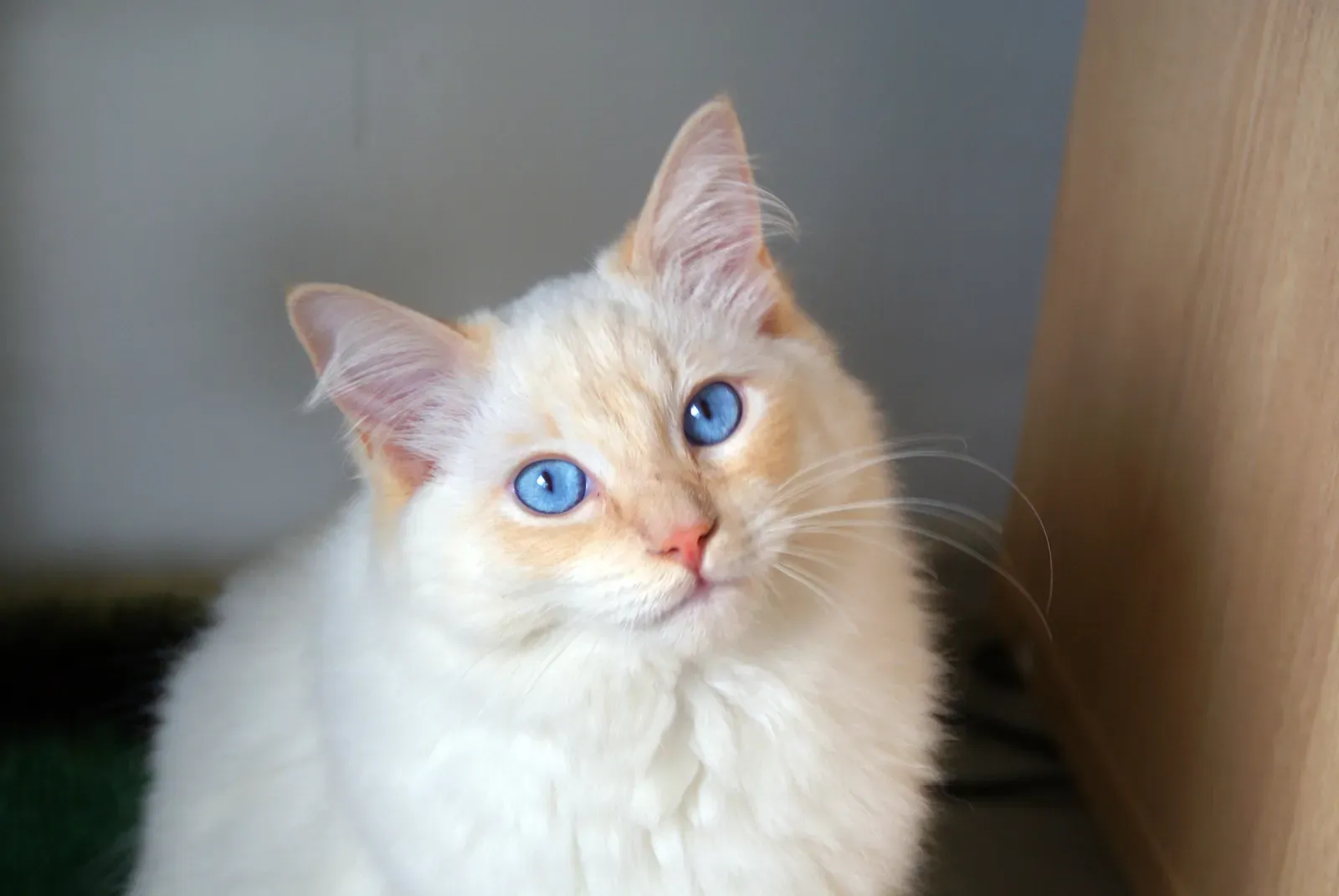
That limp, noodle-like flop when you pick them up isn’t a party trick – it’s biology meeting psychology in real time.
The breed’s entire name comes from this behavior. Ann Baker was so impressed with their floppy, docile demeanor when picked up – much like a child’s ragdoll toy – that she named the breed “Ragdoll.” But here’s what most people miss: not every Ragdoll actually goes fully limp. Some breeders even push back on the myth, and owners know it varies wildly cat to cat.
What’s undeniable, though, is the trust behind it. The most iconic part of the Ragdoll temperament is how they go completely limp when held, and according to TICA breed standards, this signature “floppy cat” trait is a sign of extreme trust. Owners describe it as their cat physically handing over control.
Most people don’t realize this “flop” is actually a cat choosing vulnerability on purpose – something almost no other breed does this consistently. It’s a level of trust most owners don’t fully register until years in.
#2 – Your “Kitten” Won’t Actually Be an Adult for Years
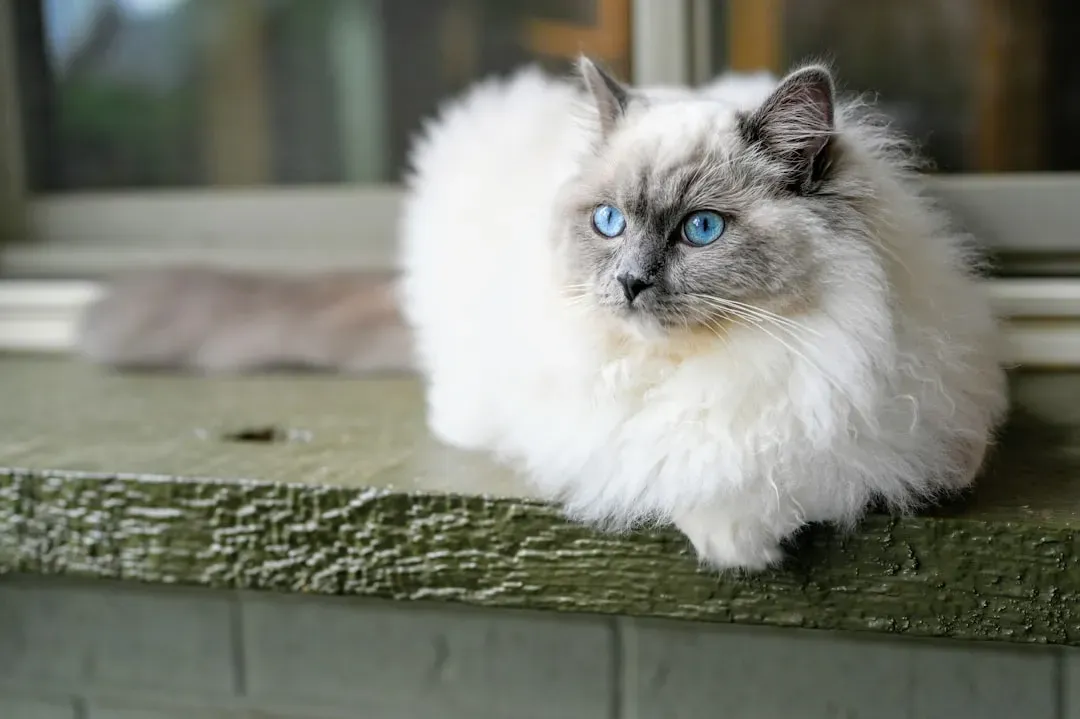
If you think your Ragdoll kitten is fully grown at one year old, you’ve been fooled.
This is one of the most underrated facts about the breed. Ragdolls are slow to mature, typically reaching full size and coat development by 3 to 4 years of age. That means the cat curled up on your lap right now might still be years away from its final size, coat thickness, and even personality settling point. Owners who adopted a “small” Ragdoll are often shocked when it doubles in size by year three.
This slow-motion growth also explains why so many owners swear their cat’s personality “changed” over time – it didn’t change, it simply finished developing. Males usually weigh between 15 to 20 pounds, while females are slightly smaller at 10 to 15 pounds.
Fast Facts
- Full size and coat development: 3 to 4 years old
- Male weight range: 15 to 20 pounds
- Female weight range: 10 to 15 pounds
- Personality often keeps “settling” right alongside physical growth
Most new owners have no idea their cat isn’t “done” growing until nearly year four. That slow build-up is exactly why the next thing catches so many people off guard.
#3 – They Follow You Like a Shadow, Not a Cat
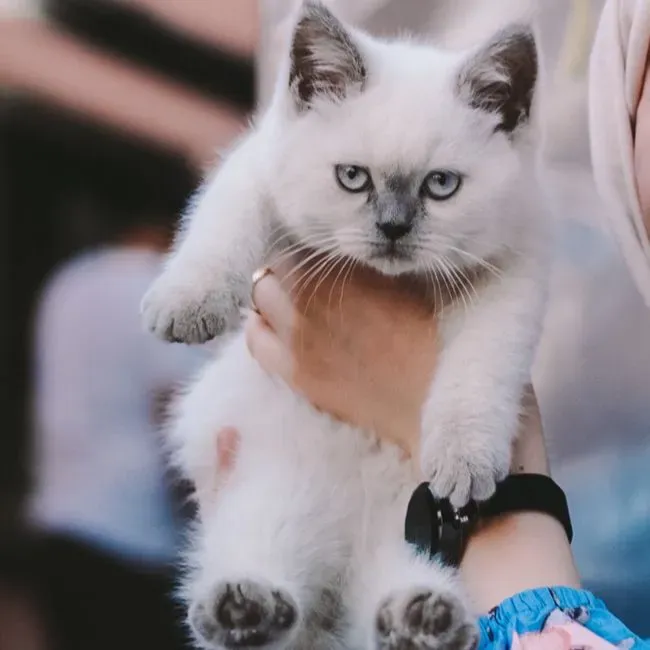
Ragdolls don’t just tolerate your presence – they actively track it, room to room, hour to hour.
This is arguably the most reported trait among owners, and it’s backed by breed experts, not just anecdotes. These cats are often described as “puppy-like.” They love people and tend to follow their humans around the house, which isn’t usually considered very “cat-like” behavior. Owners joke that Ragdolls are the only cat breed that will genuinely wait outside a closed bathroom door.
That’s not an exaggeration, either. They thrive on attention and may even wait outside the shower for you.
This isn’t clinginess by accident – it’s a defining breed trait, and it’s why so many people say their Ragdoll feels more like a dog wearing a cat costume.
#4 – Those Blue Eyes Aren’t Just a Preference, They’re a Rule
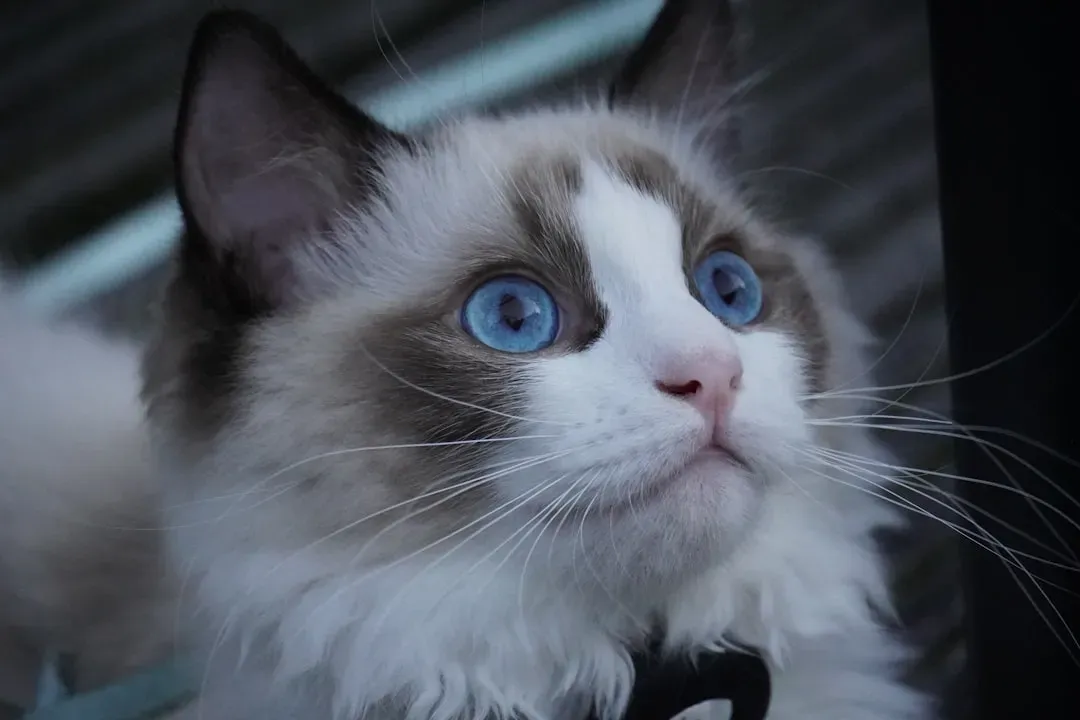
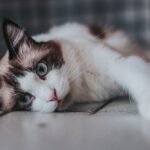
Every purebred Ragdoll has blue eyes – but almost nobody knows why that’s non-negotiable in the breed standard.
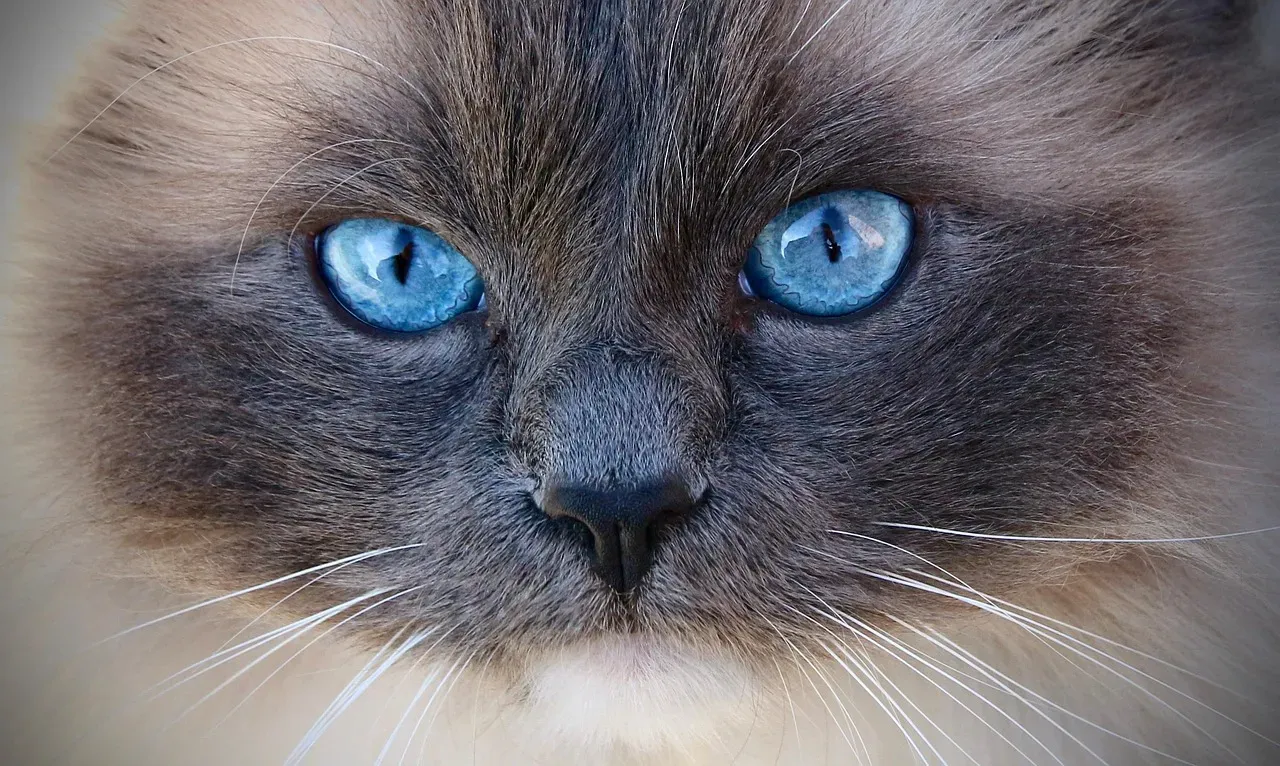
This isn’t a stylistic choice breeders happened to like. Ragdoll cats are known for their playful personalities, relaxed temperaments, and bright blue eyes, along with large paws, long fluffy tails, and semi-long, super-soft coats. The blue-eyed trait is tied directly to the breed’s signature “point” coloring, the same genetic pattern seen in Siamese-style cats.
There’s more nuance here than owners expect, though. A Ragdoll mix, on the other hand, might have any eye color at all – which is exactly how owners spot a “Ragdoll-mix” versus a true pedigree at a glance.
The eye color is essentially a genetic signature, not just an aesthetic bonus. Which makes the next trait even harder to guess at first glance.
#5 – These Aren’t Lap Cats, They’re Genuinely Large Cats
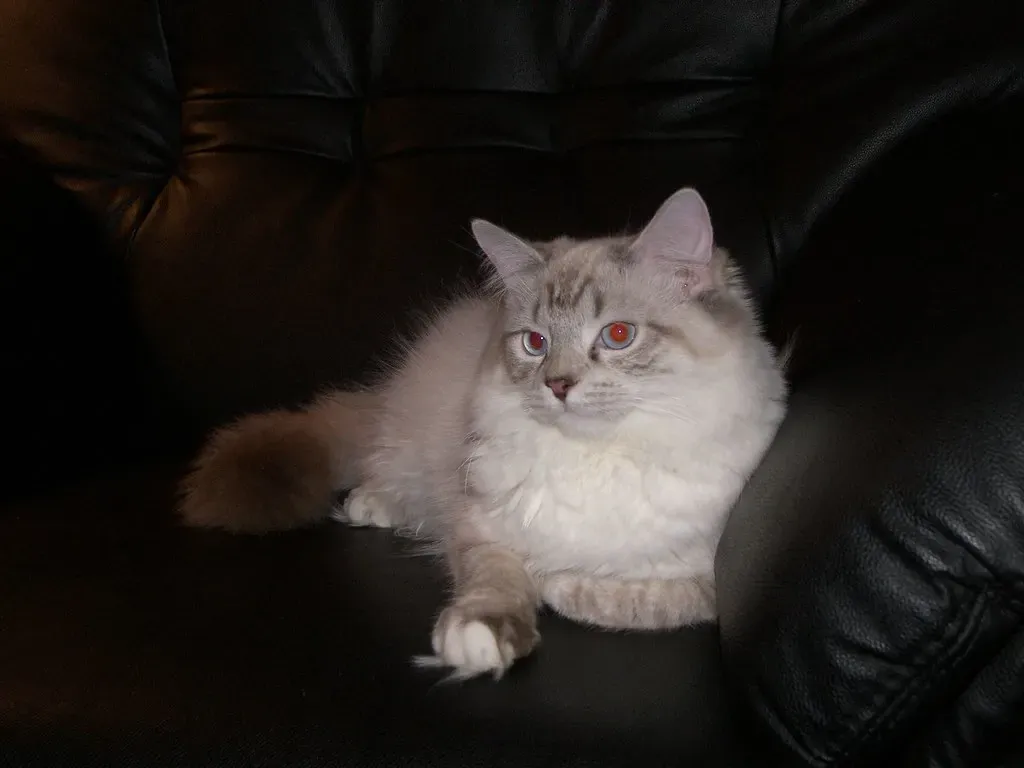
Ragdoll owners get tired of hearing “wow, I didn’t expect it to be that big” every single time someone new meets their cat.
This breed is deceptively massive under all that fluff. As one of the largest domestic cat breeds, Ragdolls are impressive in size as well as temperament. Combined with the slow maturation timeline, that means a fully grown Ragdoll can genuinely rival a small dog in weight.
Owners also learn quickly that size doesn’t mean athleticism in the way people assume. These cats stand between 9–11 inches tall and are usually 17–21 inches in length excluding their fluffy tail.
Most people underestimate just how much cat they’re getting into a lap-sitting position.
#6 – The Coat Looks High-Maintenance, But It’s Secretly Not
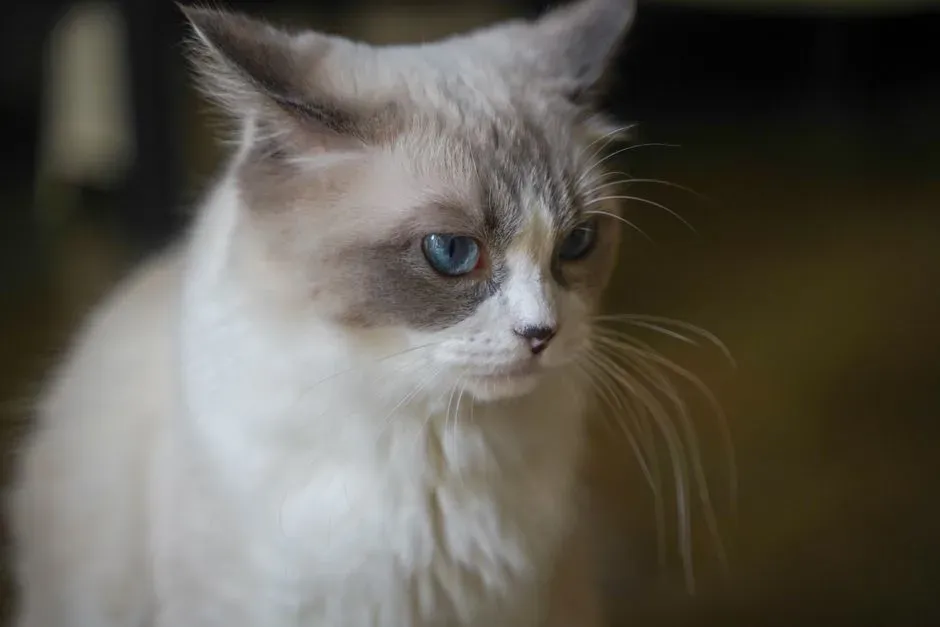
People assume a semi-long, silky coat like this requires daily grooming marathons. Owners know the truth is way less dramatic.
This is one of the breed’s most pleasant surprises. Ragdolls are a low-shedding breed, though you may notice heavier seasonal shedding in the spring, and the lack of an undercoat is to thank for it – though they are not considered “hypoallergenic.” That missing undercoat is the real hero here; it’s the reason mats form far less often than on other long-haired breeds.
Grooming experts back this up directly. Grooming a Ragdoll is simpler than you might expect – although they are a long-haired cat breed, Ragdolls are less prone to matting than other breeds with as much fur.
Quick Compare
- Ragdoll: no undercoat, low shedding, weekly brushing usually keeps mats away
- Persian: dense undercoat, heavy shedding, daily brushing often required
- Maine Coon: thick double coat, moderate shedding, regular brushing needed year-round
The luxurious coat that looks like a full-time job is actually one of the lowest-maintenance parts of owning one. It’s the plot twist most new owners never see coming.
#7 – The Origin Story Is Weirder Than Most Owners Realize
Ask a Ragdoll owner where the breed came from, and most will only know half the story.
The real history is stranger than the marketing suggests. The Ragdoll was developed in the 1960s by Ann Baker, a breeder in Riverside, California, who bred a long-haired white cat named Josephine with cats believed to have Burmese and Persian lineage, eventually creating a line of kittens with remarkably calm temperaments and striking looks. That single cat, Josephine, is the reason every Ragdoll alive today shares a bloodline story.
What most people don’t know is how tightly controlled the breed name became. Baker went on to trademark the breed name and establish strict breeding criteria through the International Ragdoll Cat Association.
The name “Ragdoll” was legally copyrighted – an almost unheard-of move in the cat world.
#8 – They “Talk,” But Almost Never Loudly
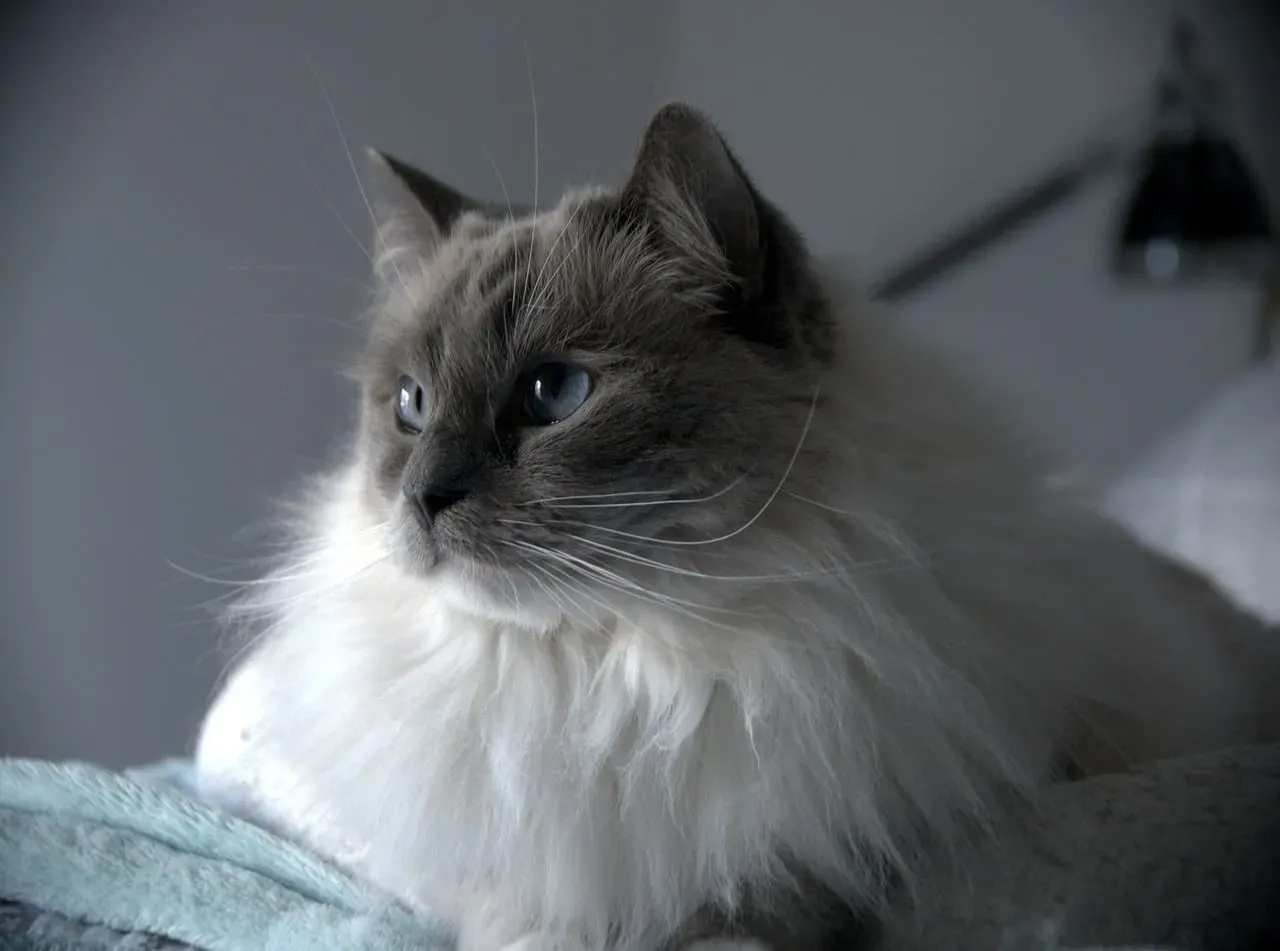
Ragdoll owners often describe their cat’s voice as barely-there – and that’s not their imagination.
Compared to vocal breeds like Siamese, Ragdolls tend to communicate in soft chirps, trills, and quiet meows rather than demanding yowls. Owners frequently mention having to lean in just to hear their cat “ask” for something. This quiet communication style pairs with the breed’s overall laid-back energy – it’s not a cat that escalates to get attention, it simply waits nearby.
This ties directly into the puppy-like devotion owners already notice daily. Unlike aloof breeds, the Ragdoll’s personality is centered on humans, and many owners report that their Ragdoll’s temperament is more like a Golden Retriever than a cat.
A genuinely quiet cat that still manages to be constantly underfoot is a rare combination, and it’s one owners rarely mention until you ask directly. And it sets up one of the most surprising traits on this list.
#9 – This Breed Carries a Serious Heart Health Risk
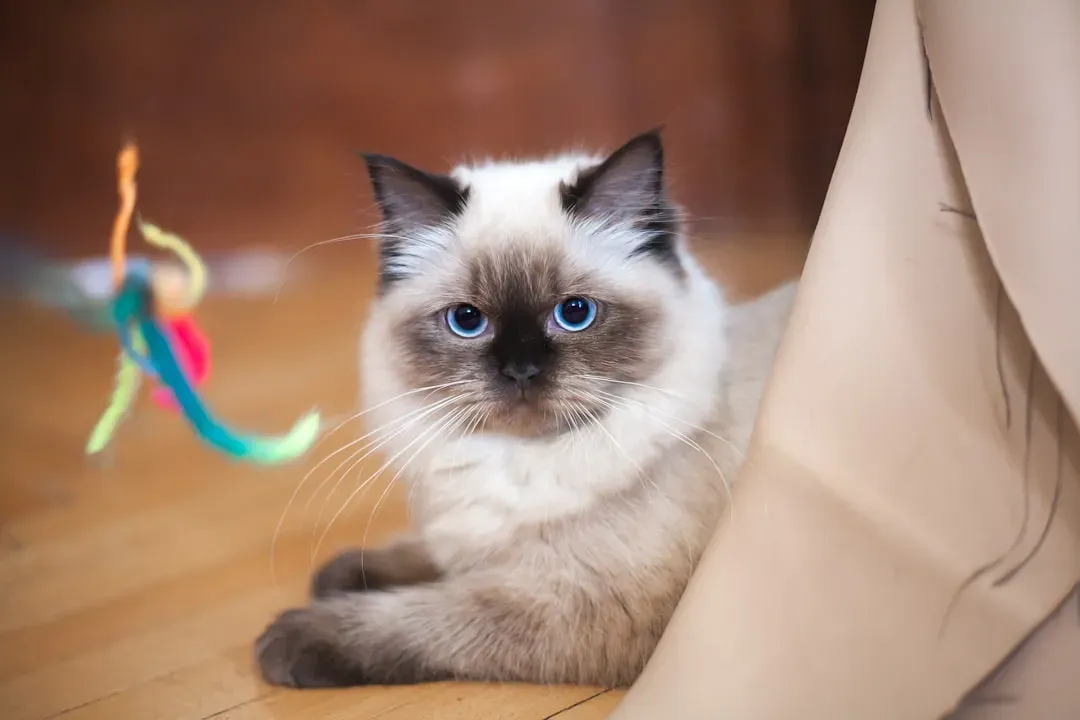
Here’s the uncomfortable truth many new owners don’t hear until after they’ve already fallen in love: Ragdolls carry an elevated genetic risk for heart disease.
The numbers are more significant than most casual owners realize. Approximately 30% of Ragdolls in the UK carry a mutant gene that causes HCM, and in the USA 28% were found to carry the gene, with 8% being homozygous for it and likely to develop severe disease at an early age. This condition, hypertrophic cardiomyopathy, isn’t rare or theoretical – it’s the single most talked-about health concern in the entire breed.
Homozygous cats for the mutation are at high risk of developing severe HCM signs, usually between 1-2 years of age, and have a greater likelihood of early cardiac death.
Veterinary cardiology research on Ragdoll HCM
Cats with only one copy of the mutation are not likely to show signs and may live a normal lifespan. This is exactly why responsible breeders now test every cat before breeding – because the stakes are genuinely life-or-death. Anyone buying a Ragdoll without asking for HCM test results is taking an unnecessary gamble.
#10 – Those Big, Beautiful Joints Come With a Catch
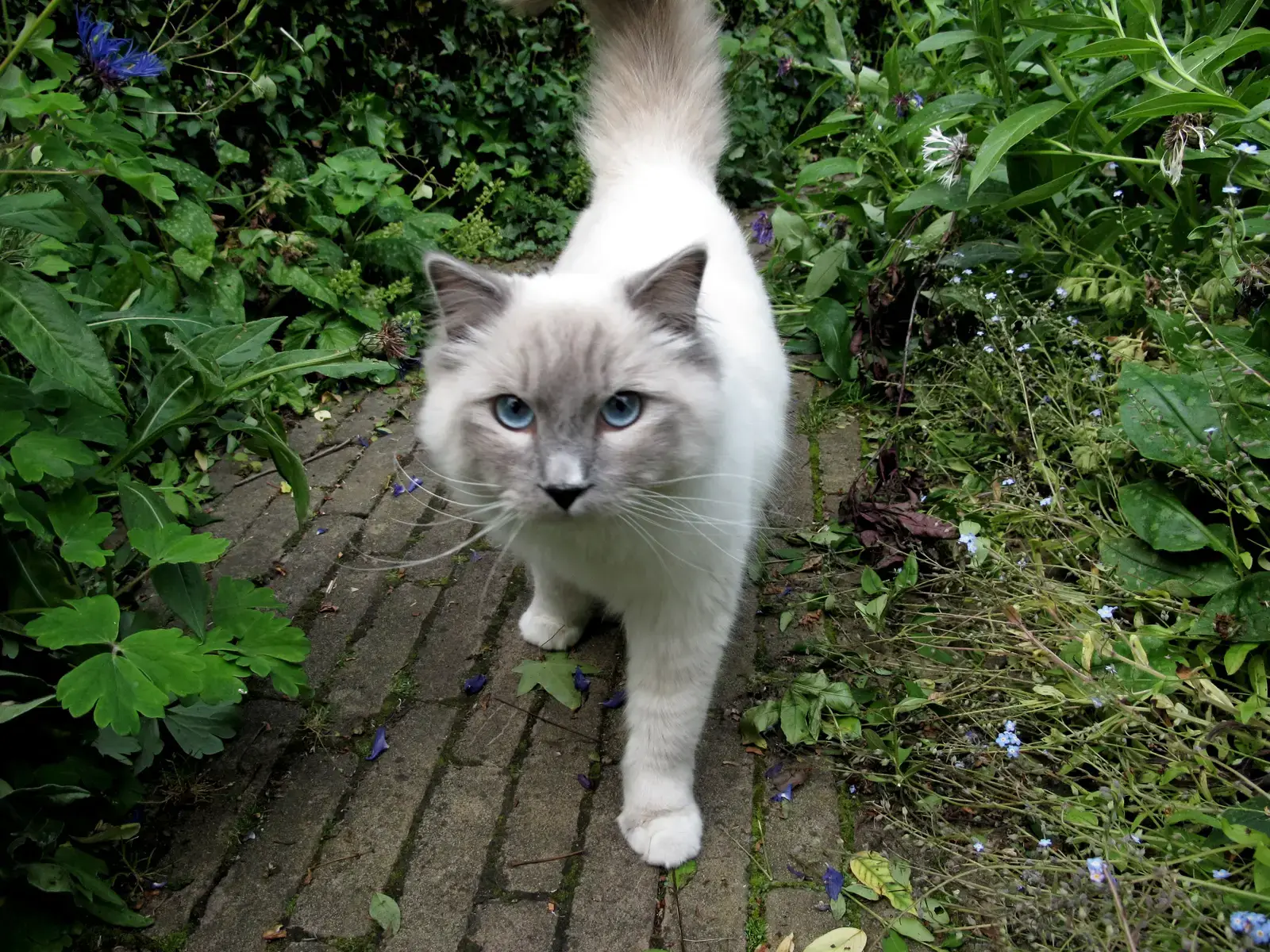
Owners of larger Ragdolls sometimes notice something unsettling as their cat ages: a slight waddle, stiffness, or reluctance to jump the way they used to.
This isn’t just “getting old” – it’s a documented breed vulnerability. Hip dysplasia can occur in any cat, but it’s particularly common in Ragdolls, and it happens when the hip joint doesn’t develop properly, resulting in pain, lameness, and arthritis. Given the breed’s larger frame and slower muscle development, this joint stress can build gradually without obvious warning signs early on.
The risk compounds with the breed’s laid-back lifestyle. It can be worsened by obesity, which puts excess strain on the joints, and a sedentary lifestyle can contribute too.
Worth Knowing
- Large-framed breeds like Ragdolls face higher hip dysplasia risk overall
- Early signs include stiffness, a waddling gait, or reluctance to jump
- Obesity and inactivity both accelerate joint strain
- Daily interactive play helps offset the breed’s naturally low activity drive
A cat bred to be calm and cuddly is, ironically, also more prone to the very weight and joint issues that calmness can cause. Owners who skip daily play sessions are often unknowingly setting their cat up for mobility problems down the road.
#11 – That Belly Pouch Isn’t a Weight Problem, It’s a Breed Trait
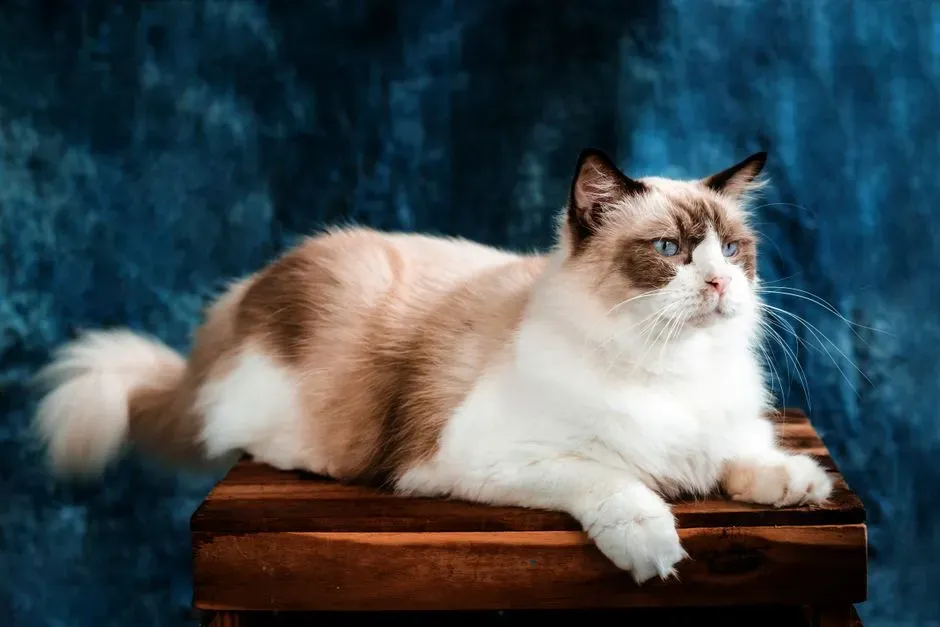
New Ragdoll owners often panic the first time they notice a soft, swaying pouch on their cat’s lower belly – assuming it means their cat is overweight.
It’s actually built into the breed standard. The Ragdoll tends to have a fatty pad on the lower abdomen, and while this pad is acceptable in the breed, it’s not an excuse for letting her get overweight or out of condition. That distinction matters: the pouch itself is normal, but it’s not a free pass to skip portion control.
This is where owner discipline actually matters most. The Ragdoll’s nutrition should be carefully controlled, and she needs interactive exercise in addition to playing room to keep her in shape – if need be, her parent should spend a dedicated period of time each day playing with her.
Most owners have no idea the belly pouch is a recognized breed feature, not a red flag – but that doesn’t mean it should be ignored either.
#12 – Forget the Curtains, These Cats Stay Grounded
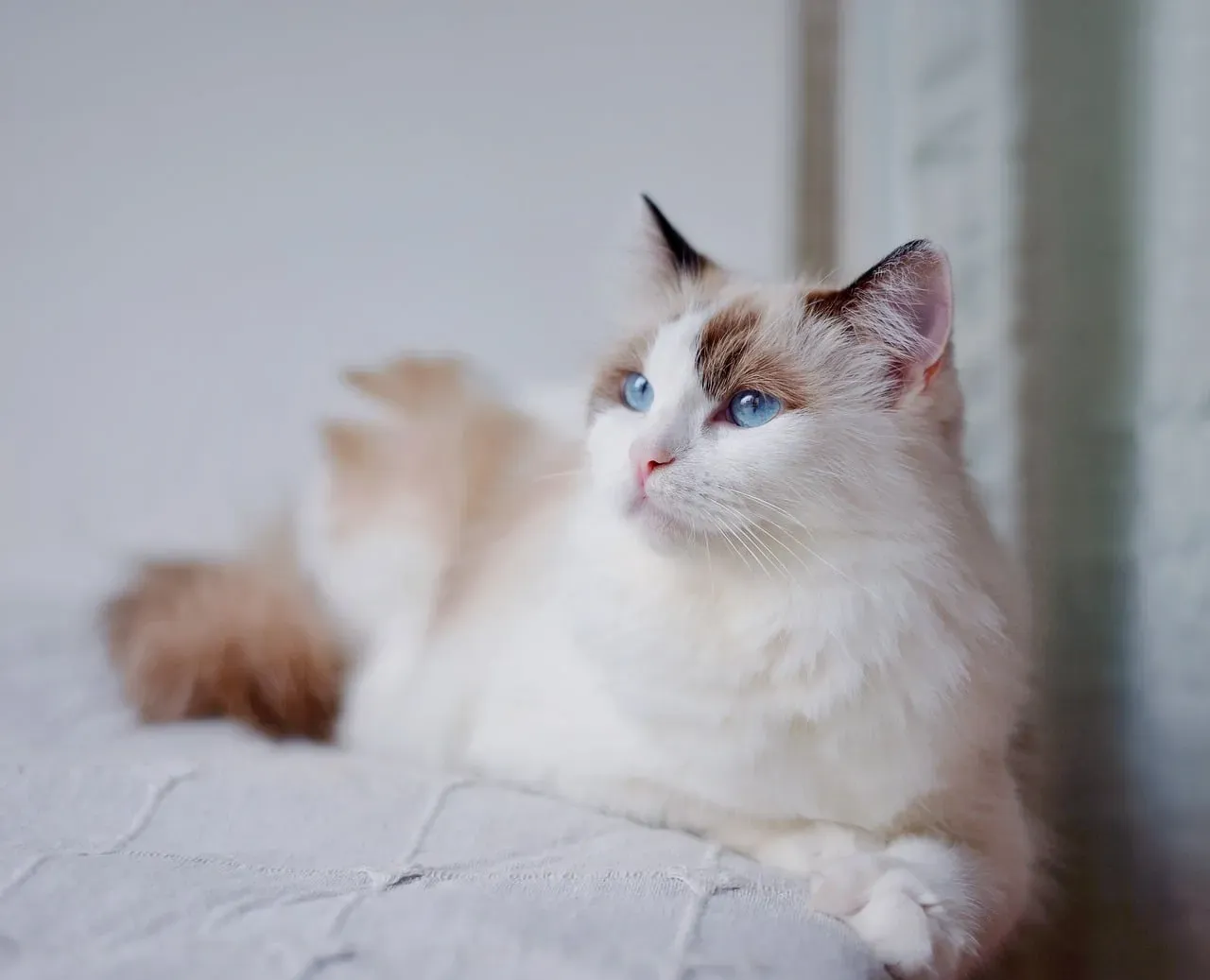
While plenty of breeds treat the top of the fridge as prime real estate, Ragdolls are famously uninterested in climbing anything.
This is one of the more controversial-feeling truths in the breed community, because it defies typical “cat” behavior entirely. The Ragdoll personality is perfect for those who don’t want “curtain climbers.” They prefer the couch to the top of the refrigerator. Owners coming from more athletic breeds are often stunned at how little vertical interest their Ragdoll shows.
Some experts argue this ground-level preference is actually tied to the breed’s docile temperament rather than laziness.
A cat that skips the bookshelf entirely in favor of the couch cushion is, statistically, unusual for the species – and it’s one of the clearest signs you’re dealing with a true Ragdoll rather than a mix.
#13 – The Bond Goes Deeper Than Most Owners Expect
If there’s one thing that separates Ragdoll owners from every other cat owner on the block, it’s the sheer depth of the human-attachment behavior.
This isn’t just affection – it’s borderline obsession, in the best way. In fact, they might prefer you just carry them around the house all day. Owners describe a level of physical closeness that goes well beyond typical cat-human boundaries, with cats actively seeking to be held rather than tolerating it.
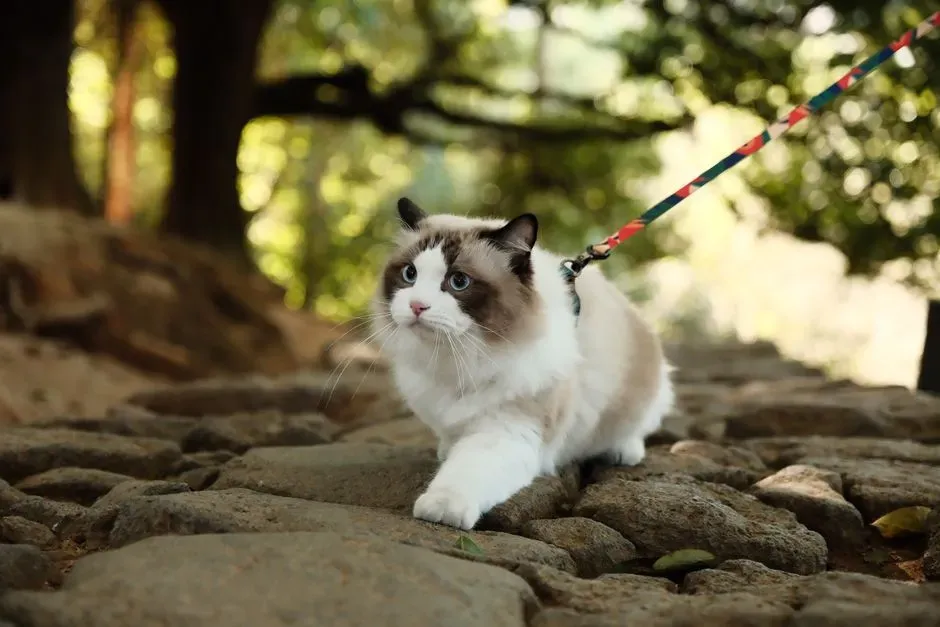
This attachment even extends into trainability, something almost no other breed offers this consistently. Because of their intelligence and calm temperament, Ragdolls are easy to train, love treats, and can be motivated with food or a clicker. They also form strong bonds with their pet parents, so they’re more likely to respond to their name.
Why It Stands Out
- Can learn its own name and respond consistently when called
- Trainable enough to walk on a leash or play fetch
- Responds well to treat and clicker-based training methods
- Actively seeks physical closeness rather than merely tolerating it
A cat that can learn its name, fetch, and walk on a leash is closer to a dog than most owners ever expected when they signed up for “a cat.” This is the trait that owners say, once experienced, makes it almost impossible to ever go back to a different breed.
The Bottom Line
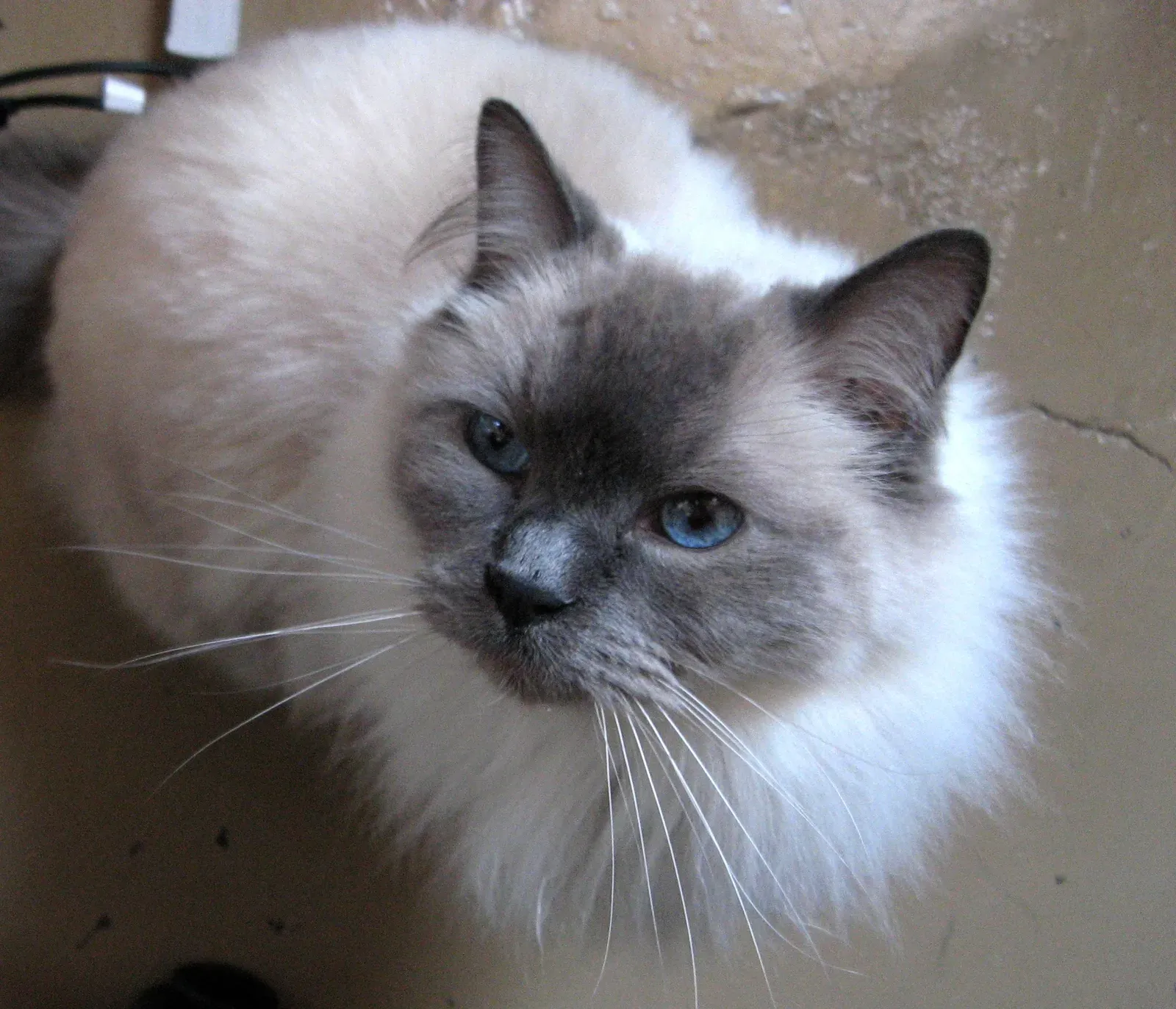
Ragdolls aren’t just pretty lap cats – they’re a genuinely unusual breed wrapped in a deceptively simple package. The flopping, the shadowing, the puppy-like devotion, and the trainability are real, documented traits, not owner exaggeration.
But the HCM risk, hip dysplasia, and slow four-year maturation timeline are just as real, and too many buyers skip that homework before falling for the blue eyes. Our honest take: Ragdolls are one of the best “starter” purebreds for families, but only if you demand health-tested parents first.
Do you own a Ragdoll? Tell us the weirdest thing your cat does that nobody warned you about – drop it in the comments.
Kristina is a young writer from India. An arts graduate and an avid content creator, Kristina is passionate about animals and wildlife. She enjoys exploring topics related to pet care, animal behavior, conservation, and nature, combining thorough research with engaging storytelling.