Most people think owning a Siamese cat is just like owning any other cat, except louder. They’re wrong. Siamese owners quietly know a completely different truth: this breed rewrites the rulebook on what a “pet” even is.
From kittens born pure white to a stare that can stop conversations dead, first-time owners spend months in disbelief before they finally accept it. Long-time Siamese people don’t just tolerate these quirks, they brag about them. Here’s what real Siamese owners actually know that nobody warns you about before you bring one home.
#1 – The Voice Isn’t Just Loud, It’s a Language
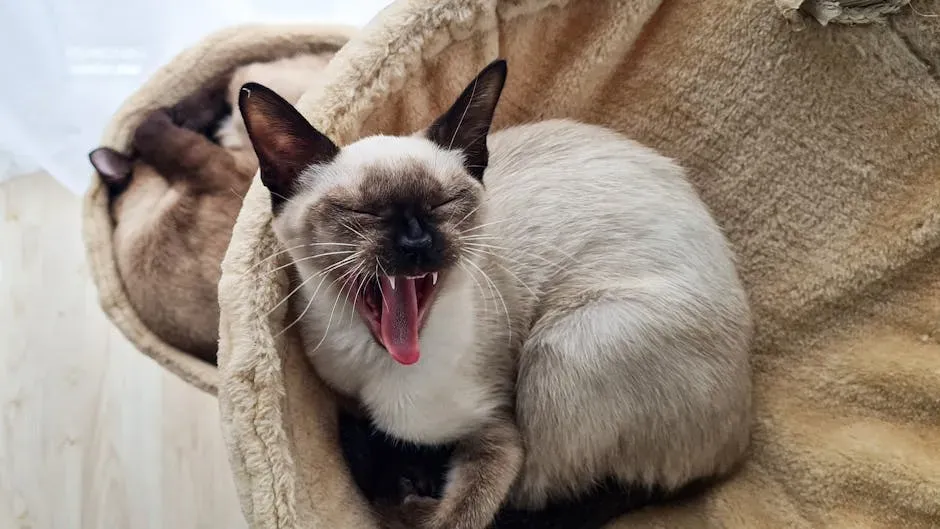
Forget the stereotype of a “chatty cat.” Siamese owners know their cat isn’t meowing for attention, it’s holding a full conversation.
That unmistakable yowl, sometimes endearing, sometimes ear-splitting, is a hallmark of the Siamese personality, with vocalizations ranging from conversational chirrups to full-blown complaints. This isn’t random noise. Siamese cats use their voices very deliberately, and long-term owners will tell you their cat has different tones for different demands. New owners often panic the first time they hear it, convinced something is medically wrong.
Siamese cats are notoriously vocal, and thanks to their low-pitched voice, they’re fondly nicknamed “meezers.” Many owners swear their cat “talks” with them like it shares a common language, and will scold them outright if it feels ignored. Experienced owners learn to answer back. Fair warning though, the reason behind their looks is even stranger than the noise.
#2 – Every Kitten Is Born a Blank Canvas
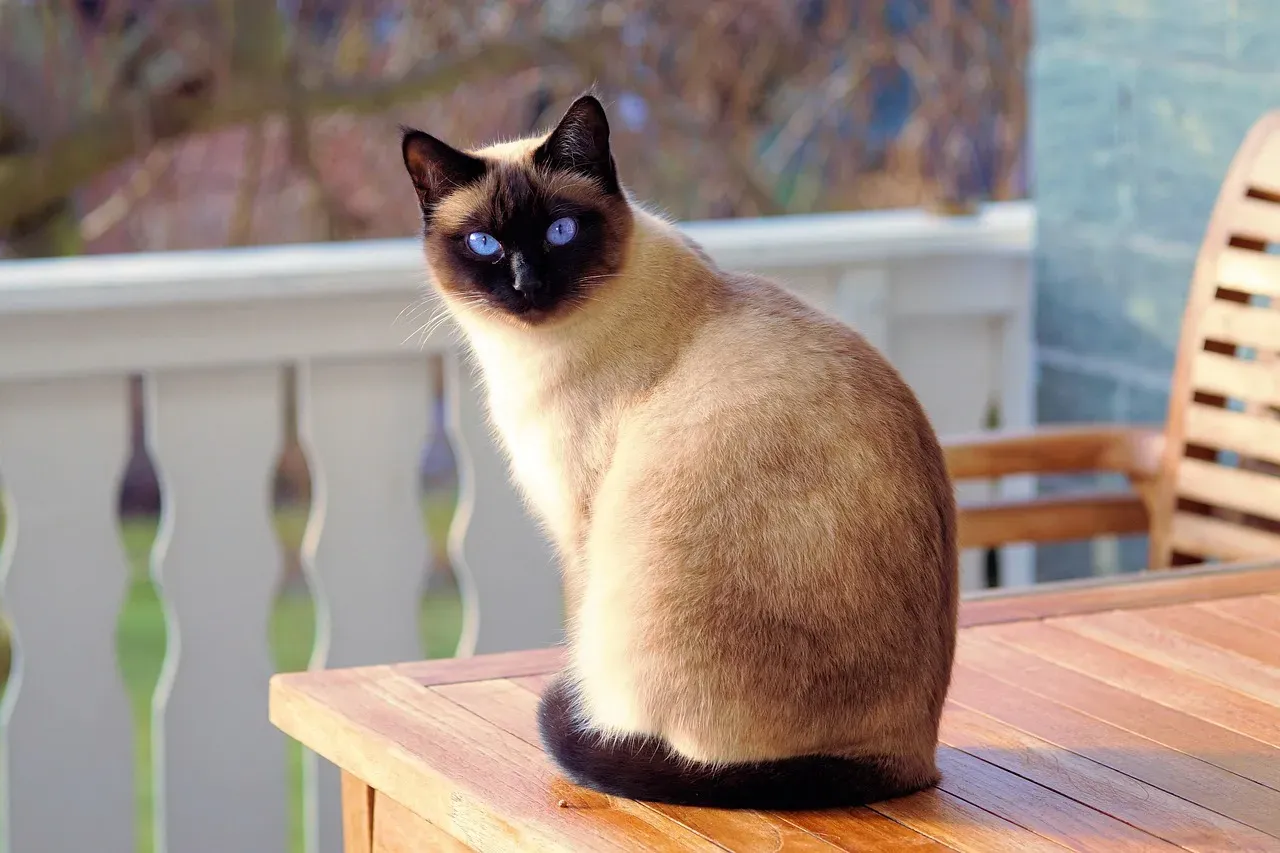
Here’s a fact that stuns almost every first-time buyer: the “classic” Siamese look doesn’t exist at birth.
Those trademark points come from a heat-sensitive gene that reacts to temperature. Inside the womb, kittens develop at a cozy, even 101 degrees. Once born, every single kitten starts out solid white or cream, with zero indication of what color it will eventually become.
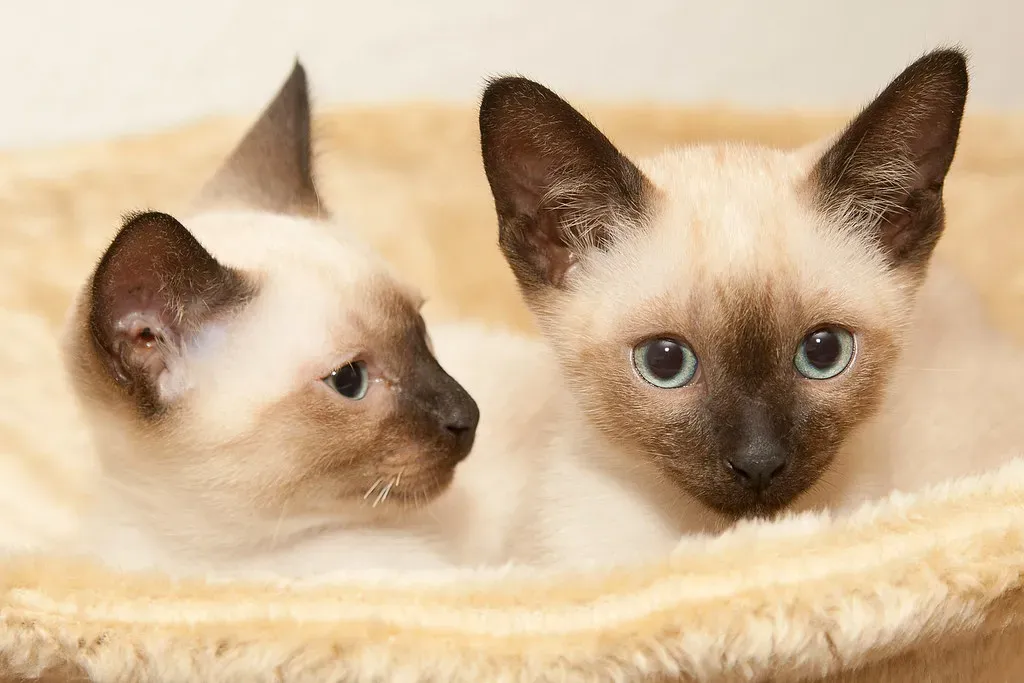
After birth, the extremities, tail, legs, ears, face, start to cool faster than the rest of the body. Those cooler zones trigger the pigment to activate, which is why a Siamese cat’s warm torso stays pale while the cooler points darken as it matures. Seasoned owners watch closely during those first weeks as the mask, ears, and tail slowly shift from blank to bold. First-timers, though, often panic and assume their “defective” all-white kitten was mislabeled at the breeder.
Fast Facts
- Four traditional point colors are recognized: seal, chocolate, blue, and lilac
- Kittens stay white in the womb because temperatures hover around a steady 101 degrees
- Pigment activates only where the body runs cooler: ears, face, paws, and tail
- Full point color typically isn’t finished developing until around one year old
#3 – That “Cross-Eyed” Stare Isn’t a Flaw
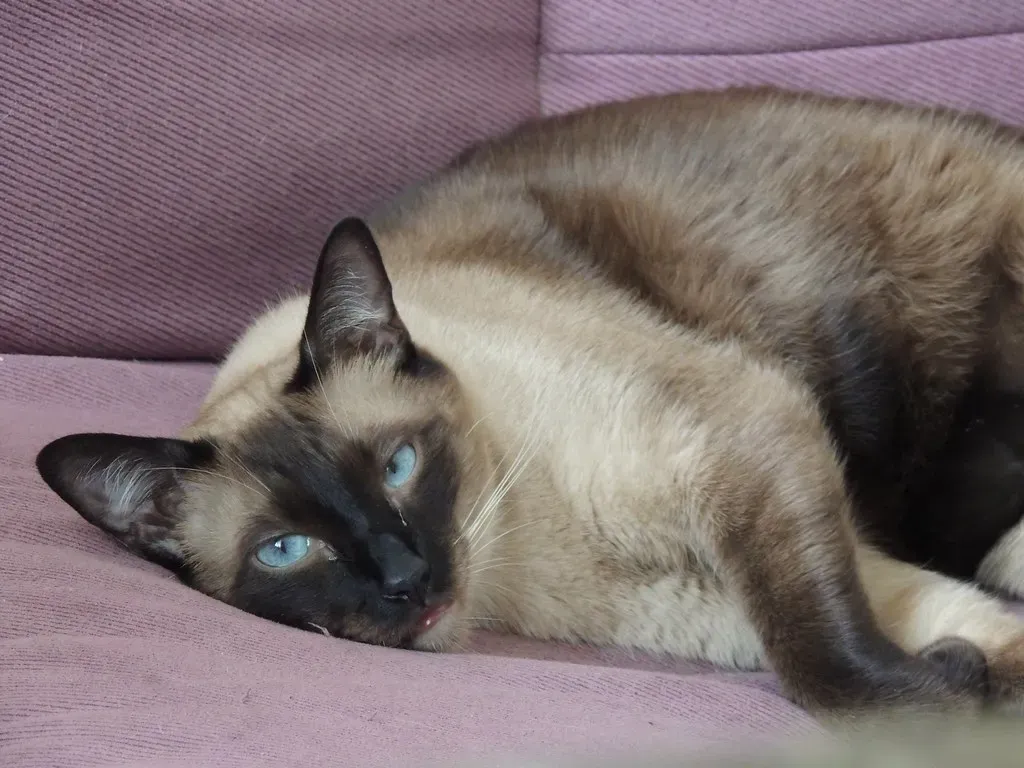
New owners see a cross-eyed Siamese kitten and assume something went terribly wrong. Veteran owners just smile.
Nystagmus, or convergent strabismus, where the eyes cross or flicker side to side, shows up often in this breed. In most breeds it would be flagged as a birth defect, but the Siamese gets a pass, because the cat sees perfectly fine. The brain simply reroutes the visual wiring to sort out the extra information and build one clear image. No treatment needed, no suffering involved.
The backstory behind this trait is wild. Many early Siamese were cross-eyed to compensate for unusual wiring in the optic pathway, the same genetic quirk responsible for their colored points. Breeders eventually selected the crossed-eye trait out of the gene pool, and today it’s actually disqualified at TICA shows, even though it never hurt the cat in the first place. Some longtime fans think punishing a harmless, genetically normal trait is a little absurd, and honestly, it’s hard to argue with them.
#4 – The Kinked Tail Myth They Don’t Tell You
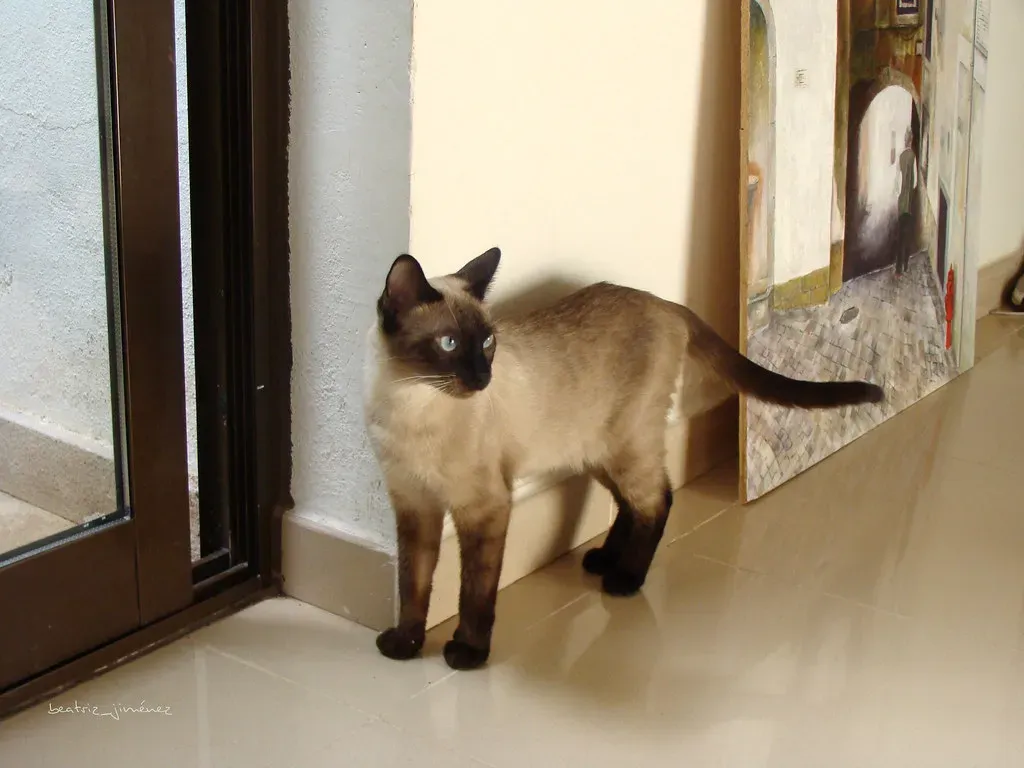
Ask any Siamese owner about the breed’s tail history and you’ll get a story that sounds more like folklore than biology, because it is.
Legend says the cats of Siam, pets of the king himself, were tasked with guarding the royal goblet. They stared so intensely and wrapped their tails around it so tightly that their eyes crossed and their tails bent permanently. Another version of the story is even more delicate.
That version claims royal princesses slid their rings onto their cats’ kinked tails for safekeeping, and the kink itself developed just to stop the rings from sliding off. Whichever legend you like better, breeders eventually bred both traits out over generations, though the occasional kinked tail or crossed eye still resurfaces today. Most modern owners will never actually see a true kink, but genetics has a funny way of bringing old traits back uninvited.
#5 – They Don’t Do “Alone Time” Well
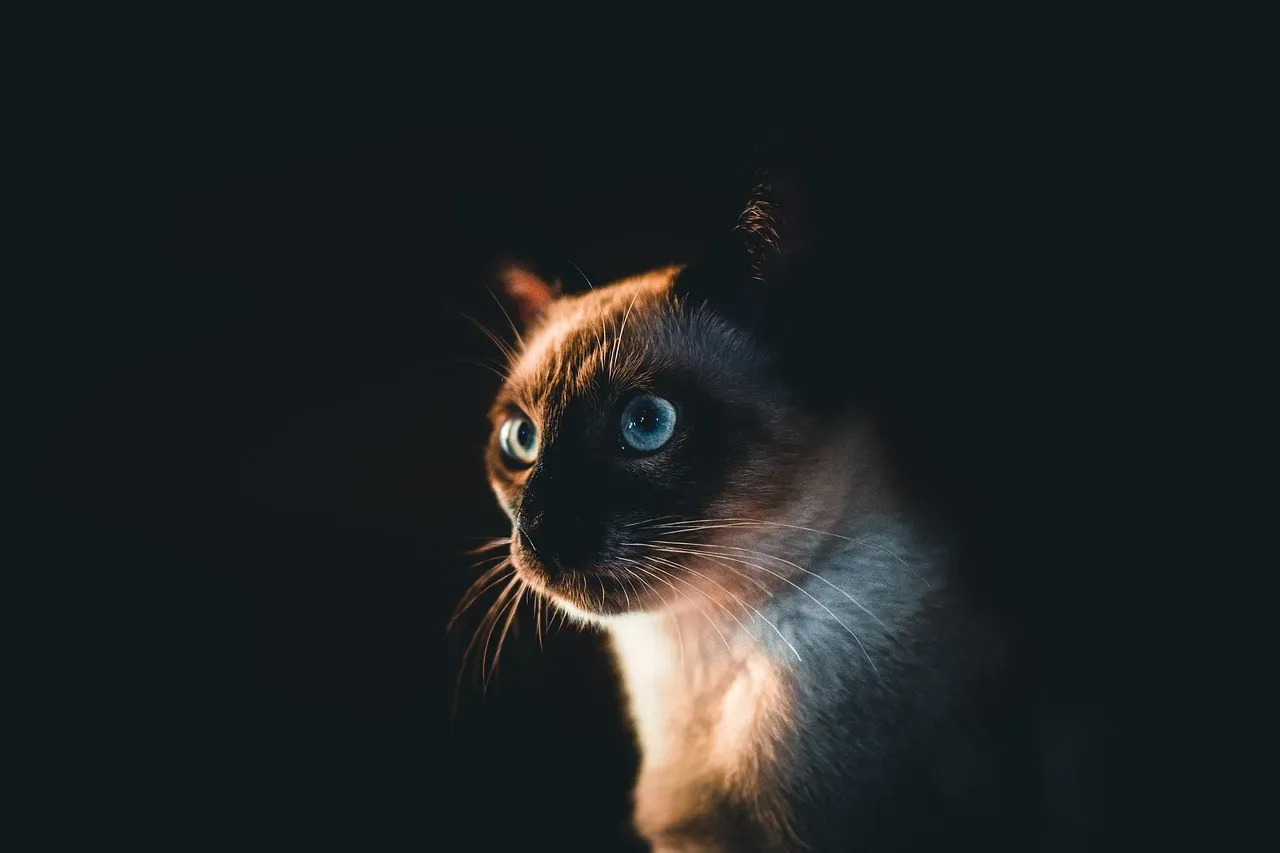
If you think a cat is the low-maintenance pet option, a Siamese will correct you fast.
This highly intelligent, energetic breed bonds hard, and that bond can tip into full-blown separation anxiety, a condition most people only associate with dogs. This is the detail that shocks first-time owners the most. They expected a cat. What they got was a needy, dog-like shadow that follows them from room to room.
Siamese cats crave companionship, both human and feline, and left alone too often, they spiral. Some cry. Some sulk. Some act out through over-grooming or inappropriate urination. Long-time owners often keep two Siamese together specifically to prevent this kind of loneliness. First-timers who leave for a nine-hour workday learn this lesson the hard way, usually through a very destroyed living room.
#6 – The Wool-Sucking Habit Nobody Warns You About
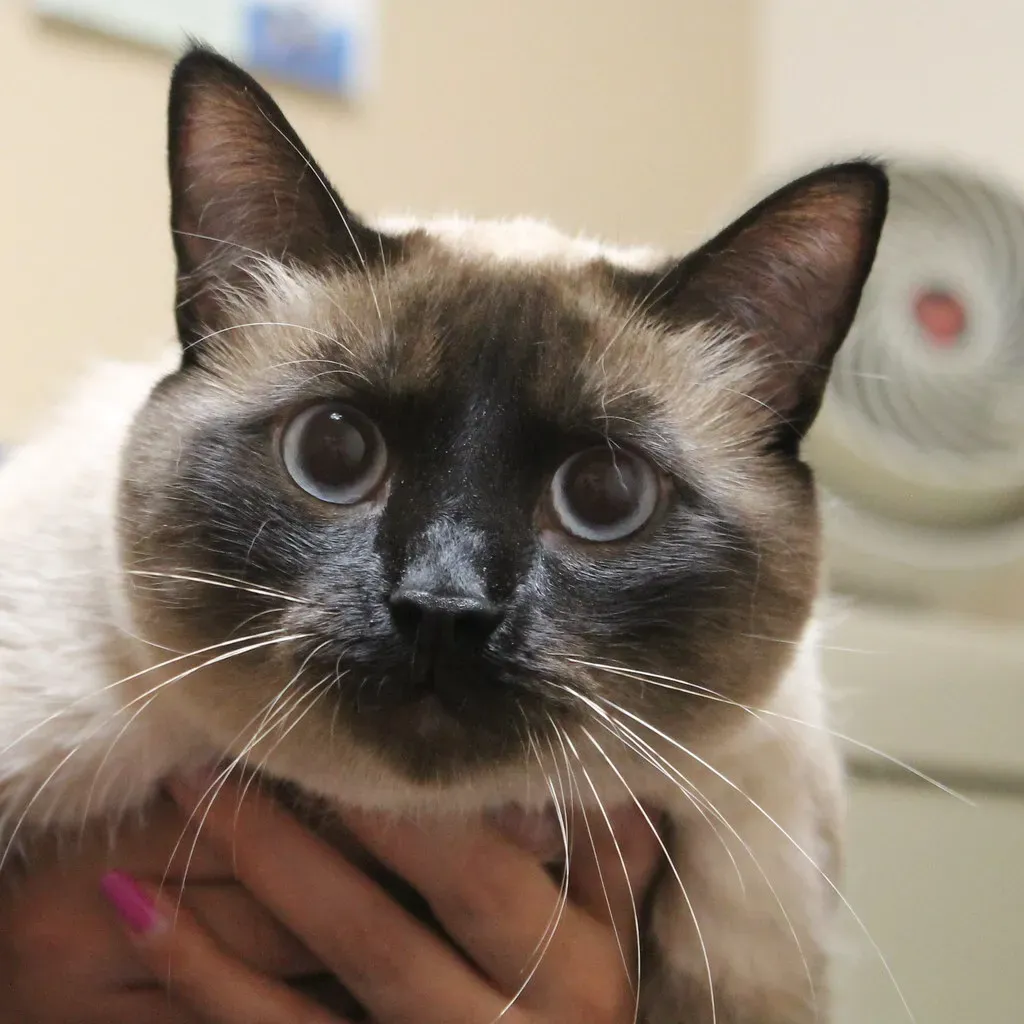
Here’s the one that gets left off most breed pamphlets entirely: Siamese cats have a documented obsession with fabric.
Siamese cats are genuinely predisposed to “wool sucking,” a recognized behavior where they suck, chew, and sometimes eat blankets and knitted clothing. This isn’t a rare quirk, it’s a documented breed-specific habit, and experienced owners lock sweaters and blankets away like contraband.
Boredom makes it worse. A bored Siamese becomes destructive, noisy, and anxious, which is why owners lean hard on puzzle feeders, climbing shelves, and interactive toys. This isn’t a breed that thrives in a house where everyone’s gone all day with nothing to do. Some owners genuinely believe wool-sucking is closer to a compulsion than a cute quirk, and once you’ve found a half-chewed cashmere sweater, you’ll agree completely.
#7 – Not All Siamese Look the Same
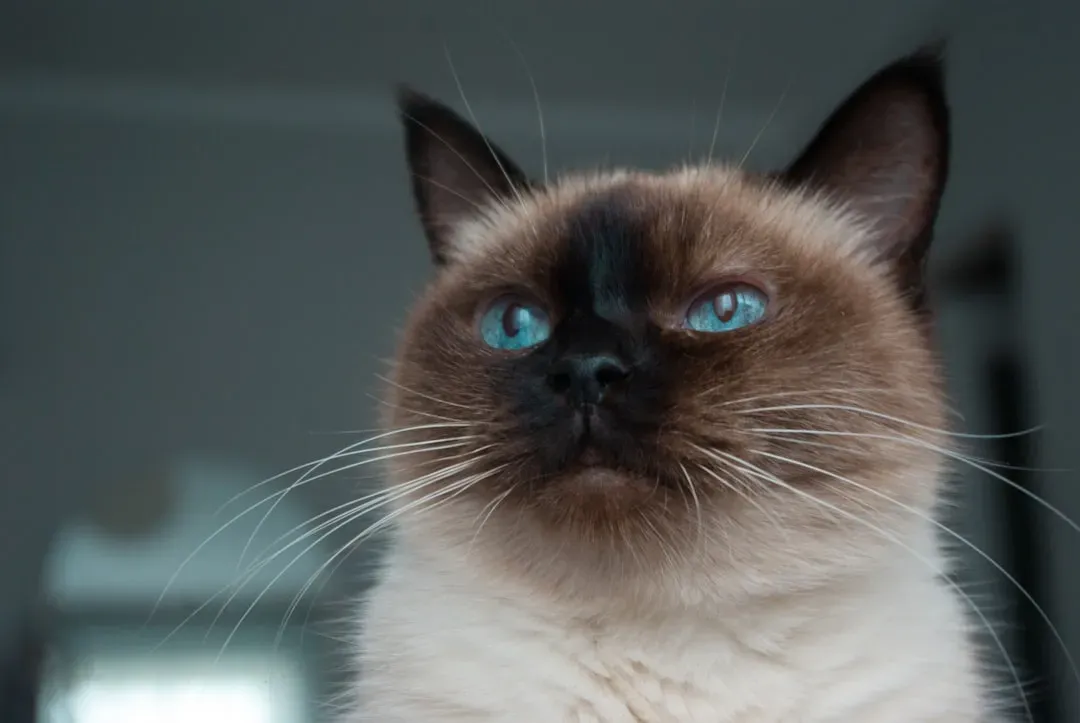
New owners are often shocked to learn there isn’t just one “Siamese look.” There are dramatically different body types hiding under the same name.
Three accepted varieties exist: the traditional “Applehead,” the classic Siamese, and the modern “Wedgehead.” The Applehead has a rounder, more apple-shaped face, smaller ears, and a sturdier, heavier build that reflects the original cats seen in historic Thailand.
The Wedgehead is the opposite extreme. Appleheads can weigh up to 15 pounds and often live 20 years, while Wedgeheads are more delicate, usually topping out around 12 pounds with a shorter lifespan. Many longtime breeders openly admit the show-ring favorite isn’t actually the healthier option, a controversial opinion that certain show judges really don’t want to hear out loud.
Quick Compare
| Trait | Applehead | Wedgehead |
|---|---|---|
| Face shape | Rounder, apple-shaped | Sharp, angular wedge |
| Build | Sturdier, heavier | Slender, elongated |
| Typical weight | Up to 15 lbs | Around 12 lbs |
| Typical lifespan | Around 20 years | Shorter than Applehead |
#8 – Royalty Once Meant a Death Sentence for Cat Thieves
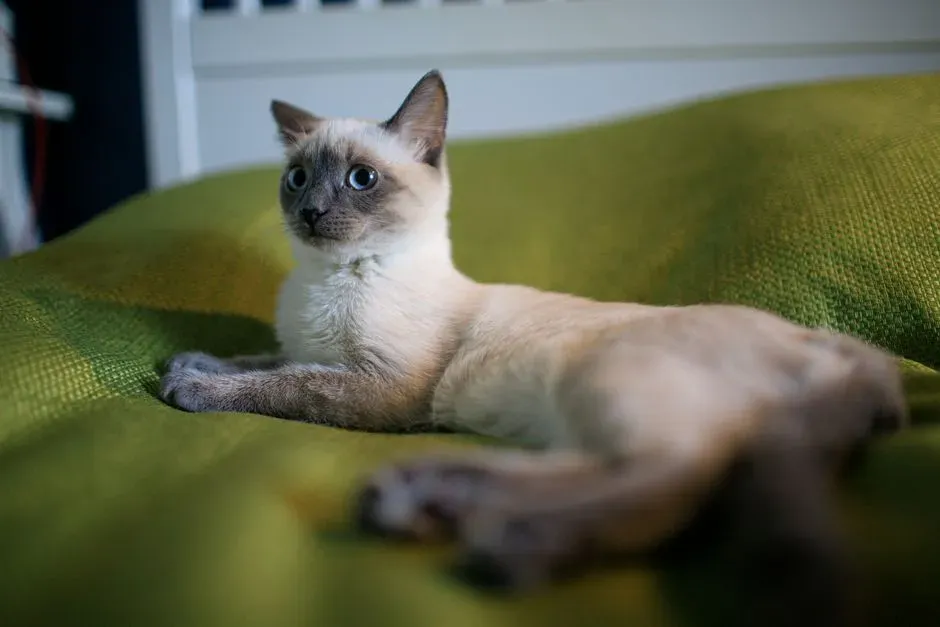
This isn’t dramatic exaggeration, it’s documented history. Siamese cats weren’t just pets in old Siam, they were untouchable royal property.
The breed was exclusive to royalty and the upper class. Receiving one was a great honor, while stealing one could get you killed, and some accounts even claim these cats guarded sacred Buddhist temples. That’s not the kind of detail people expect from a house cat, a theft charge carrying capital punishment.
Their arrival in the West was almost as dramatic. Siamese cats made their European debut at the 1871 Crystal Palace Cat Show in London, and by 1879 the first Siamese landed in the United States as a diplomatic gift to the wife of President Rutherford Hayes, sent directly from Bangkok. Long-time owners love bringing this history up at parties, mostly because nobody ever believes it the first time.
#9 – They Might Outlive Your Mortgage
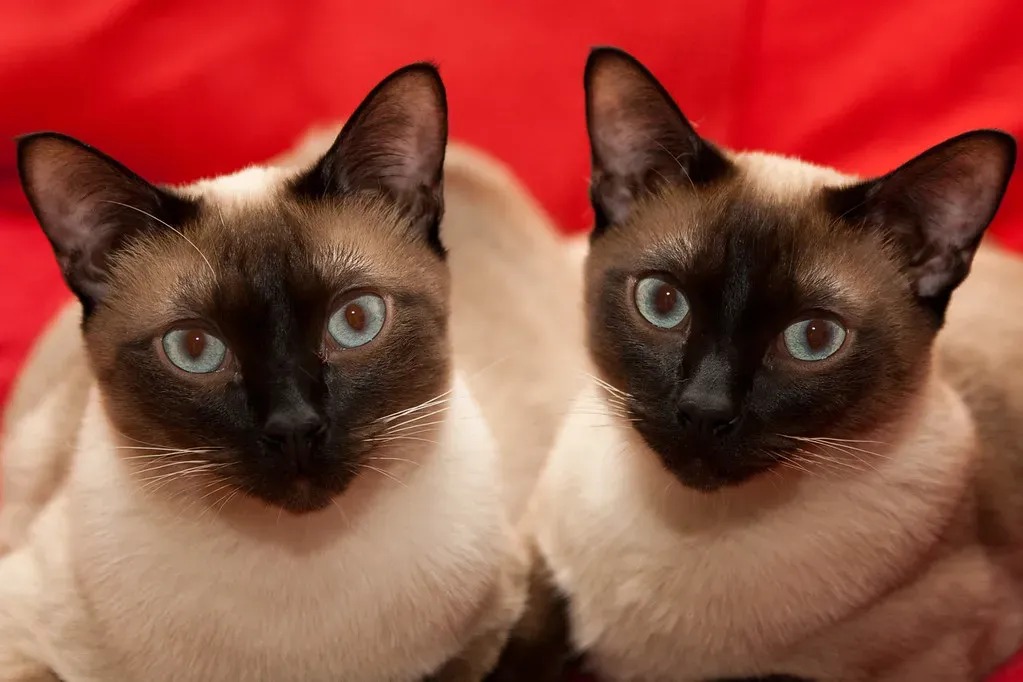
First-time owners rarely plan for how long a Siamese commitment actually lasts. Veteran owners know exactly what they signed up for.
These chatty companions often live 15 to 20 years, with some reaching their mid-20s, making them one of the longest-lived cat breeds around. That’s longer than most marriages last, and it’s a factor people badly underestimate before they adopt.
Their longevity isn’t guaranteed, though. It depends heavily on genetics, diet, a safe indoor environment, and consistent preventive care. Owners who treat their Siamese like a decade-long roommate instead of a short-term pet tend to get the best, longest results.
#10 – That Flat Face Comes With a Catch
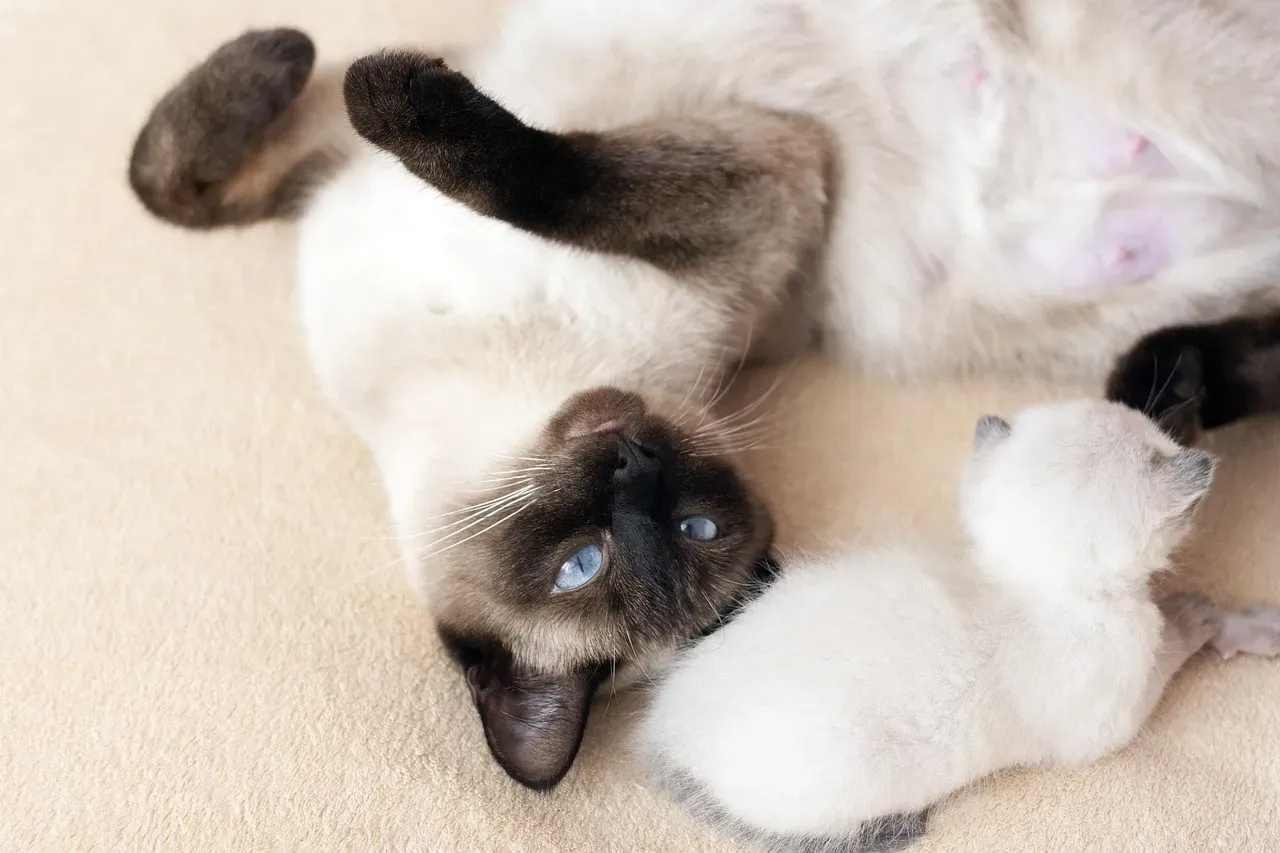
The same wedge-shaped face that makes Siamese cats so photogenic also comes with a real medical trade-off most buyers never research beforehand.
Vets caution that Siamese cats are more prone to sinus and respiratory issues thanks to their angular facial structure, along with a higher rate of dental problems. Asthma often follows, technically feline bronchitis, and it tends to strike between ages 2 and 8 with symptoms like a dry cough, wheezing, and shortness of breath.
This is one detail breeders rarely mention in glossy adoption listings. Experienced owners schedule more frequent respiratory and dental checkups specifically because of this face shape, especially with the more extreme Wedgehead lines. First-timers usually only discover this after an unexpected vet bill lands in their inbox.
Worth Knowing
- Feline asthma most commonly appears between ages 2 and 8
- Warning signs include a dry cough, wheezing, and shortness of breath
- Wedgehead lines face a higher respiratory risk than the sturdier Applehead type
- Routine dental checkups matter more for this breed than for many others
#11 – One Bad Weekend Shows on Their Belly
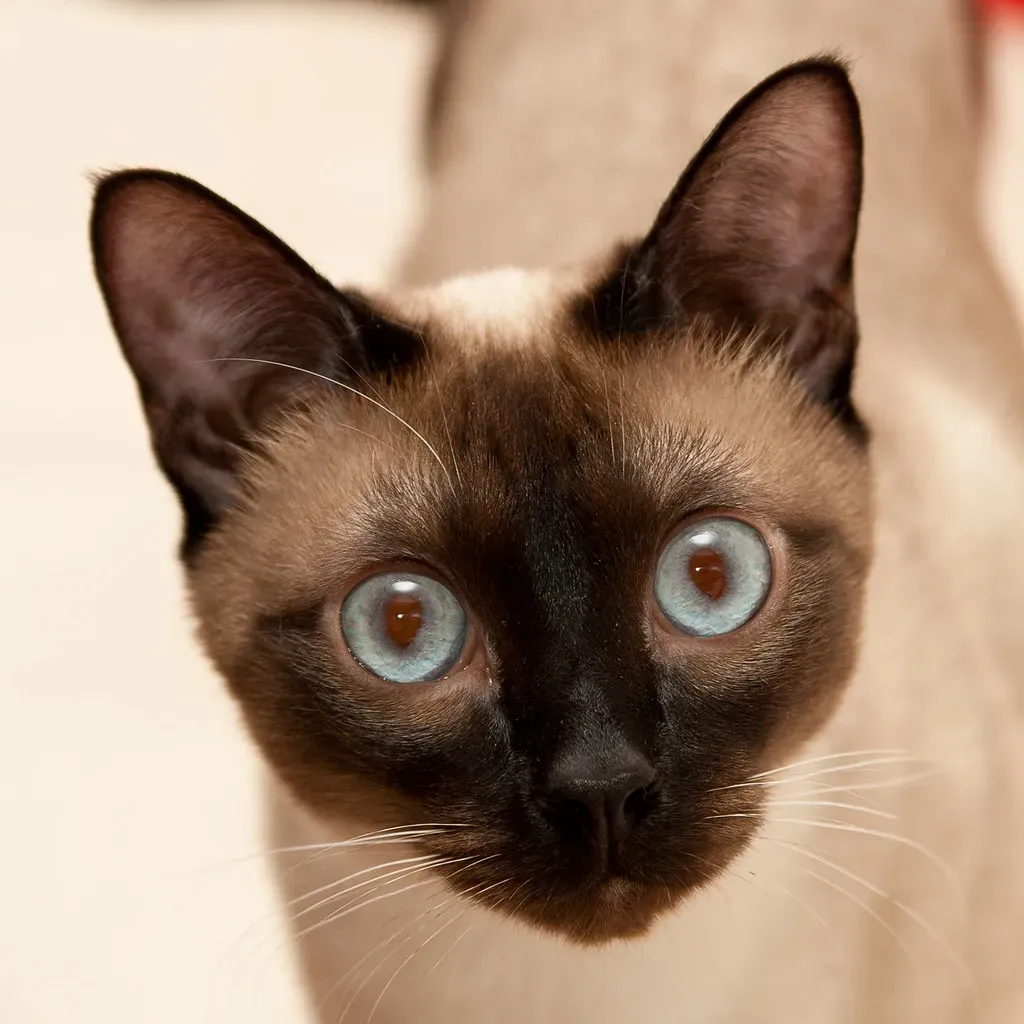
Here’s something that catches new owners completely off guard: a Siamese cannot hide extra weight the way a rounder breed can.
With their long, lean, muscular build, weight gain shows almost instantly, sometimes after just one day of overeating. A single indulgent weekend is enough to visibly change their silhouette, something owners of stockier breeds never have to think twice about.
This isn’t just cosmetic. It directly affects joint health and mobility, given how lean and elongated their frame is built to be. Owners who’ve had a Siamese for years learn to portion food obsessively, because unlike other breeds, there’s simply nowhere for the extra weight to hide.
#12 – They’re Smarter Than Most Dogs You’ve Met
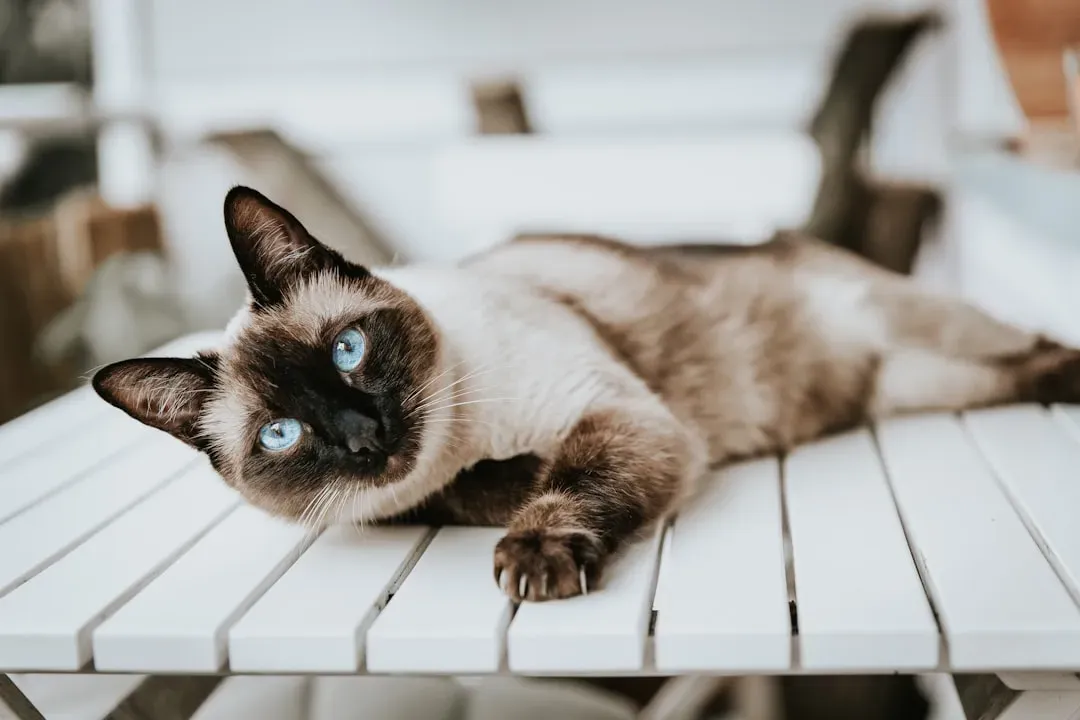
This is the trait that convinces skeptics a Siamese isn’t “just a cat.” Owners consistently describe problem-solving that borders on unsettling.
Their intelligence means they pick up routines fast, and many can even be trained to walk on a leash or play fetch. Most people never expect a cat to answer to its name or fetch on command, yet Siamese owners see it constantly.
That same intelligence has a downside experienced owners know intimately. An open window, even just a tiny crack, becomes both a challenge and an opportunity for a Siamese’s escapist streak. A bored, brilliant cat is a dangerous combination, and owners who skip mental stimulation often end up chasing an escape artist down the street.
#13 – Even Presidents Couldn’t Resist Them
If you still think Siamese ownership is a niche hobby, consider who’s been in the club for over a century.
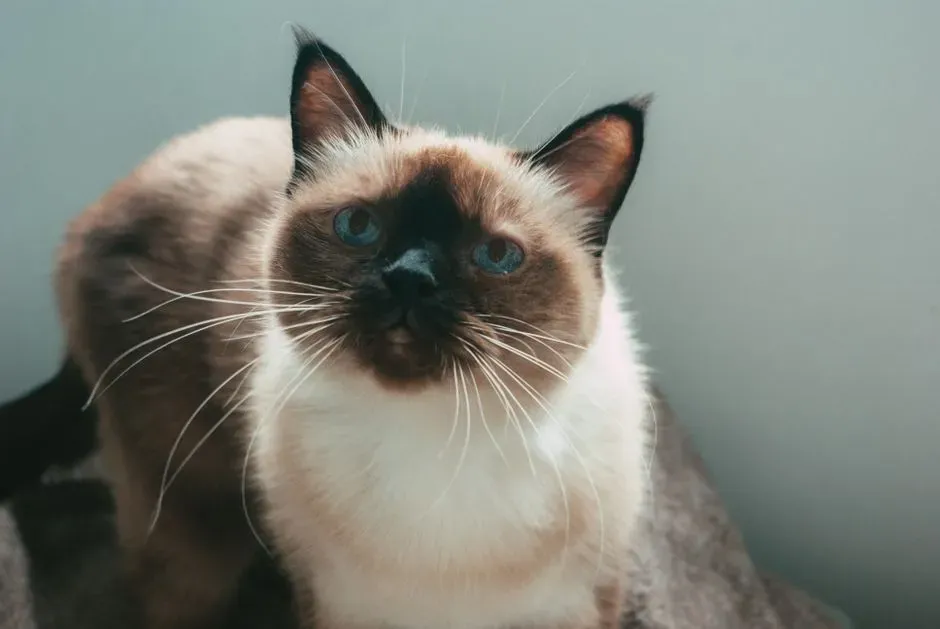
Notable Siamese owners include Elizabeth Taylor, John Lennon, Marilyn Monroe, and two U.S. presidents, Jimmy Carter and Rutherford B. Hayes. A sitting president once owned a Siamese cat that arrived as a diplomatic gift straight from Bangkok, tying the entire White House to the same royal lineage that started this whole obsession.
Long-time owners take a strange pride in this history, as if their vocal, demanding, occasionally destructive cat is somehow part of a legacy stretching from Thai temples to Hollywood mansions to the Oval Office. It’s a strange thread connecting a 6 a.m. wake-up yowl to actual world history, and once you know it, you genuinely can’t unknow it.
At a Glance
- 1871: Siamese cats make their European debut at the Crystal Palace Cat Show in London
- 1879: First Siamese arrives in the U.S. as a diplomatic gift from Bangkok
- Famous owners include Elizabeth Taylor, John Lennon, and Marilyn Monroe
- Two U.S. presidents, Jimmy Carter and Rutherford B. Hayes, both owned Siamese cats
The Bottom Line
Siamese cats are not the easy, low-maintenance pet their sleek looks suggest. They’re vocal, clingy, destructive when bored, and prone to specific health issues most first-time owners never research. But they’re also ancient royalty, shockingly intelligent, and capable of a 20-year bond most pets can’t match.
Honestly, the Wedgehead-versus-Applehead health debate alone deserves way more attention than it gets, because picking the “prettier” show-ring cat might quietly mean picking a shorter, harder life for your pet. That’s not a popular opinion in some circles, but it’s the truth long-time owners already know. Did we miss a Siamese quirk that changed how you see the breed? Drop it in the comments, we want to hear what surprised you most.
Kristina is a young writer from India. An arts graduate and an avid content creator, Kristina is passionate about animals and wildlife. She enjoys exploring topics related to pet care, animal behavior, conservation, and nature, combining thorough research with engaging storytelling.