Your old cat isn’t just getting sleepy. Watch closely enough, and you’ll catch a whole silent routine playing out before those eyes finally close – a slow scan of the room, a strange little circling dance, a long stare that feels almost too human.
Most owners write it off as “cute old-cat quirks.” Vets and behaviorists read it very differently. These small, easy-to-miss rituals can be quiet clues about pain, fear, memory loss, or trust – and some of them are the earliest warning signs a cat will ever give you. Here’s what’s actually happening in those final minutes before your senior cat drifts off.
#1 – The Slow, Careful Scan of the Room

Right before sleep, many senior cats do a slow, almost suspicious survey of the room. It can look dramatic, even a little paranoid, but that quiet scan is usually your cat silently asking one question: Am I safe here? As eyesight and hearing dull with age, the world stops feeling automatically predictable, so they pause, stare, and re-check corners they’ve known for years.
Watch the body language while it happens. A relaxed tail, soft blinking eyes, and loose shoulders usually mean this is just an old cat’s version of a security sweep – nothing to worry about. But a stiff posture, dilated pupils, or scanning that repeats over and over can mean something else entirely: a cat that no longer feels confident in its own senses. Owners tend to dismiss it as quirky. Behaviorists see it as information, and the more intense the scan, the more it’s telling you.
#2 – The Odd Little “Reposition Dance”
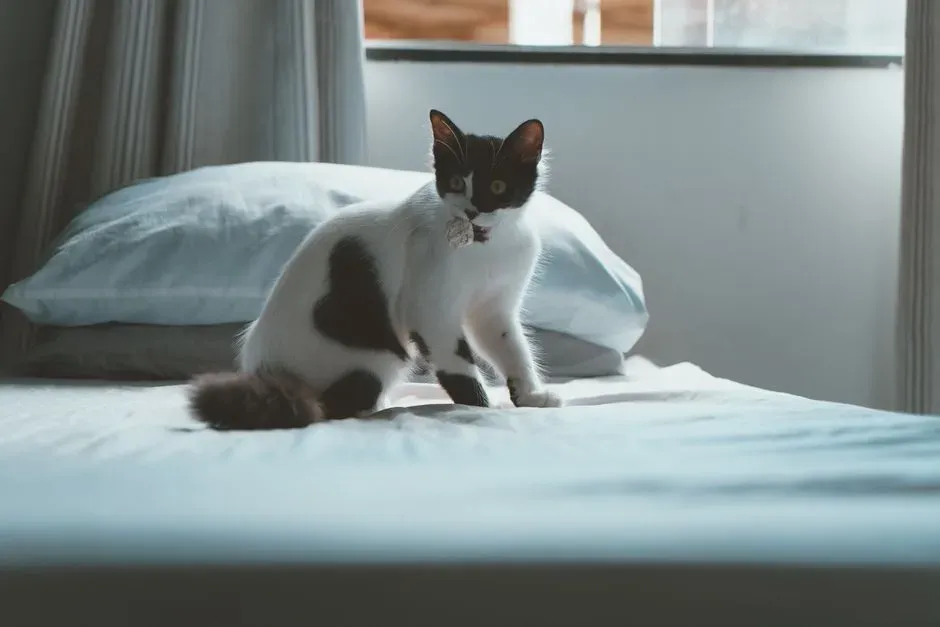
It’s easy to laugh when your old cat spends two full minutes circling the same pillow before finally flopping down. But that little dance is really a quiet negotiation between comfort and pain. Aging joints, arthritis, and sore muscles make it much harder to find a spot that doesn’t hurt somewhere.
Healthy young cats circle too – it’s an old instinct from the wild. In seniors, though, watch for hesitation instead of habit. Do they circle, start to lie down, then pop back up and try again? Do they suddenly abandon a favorite bed for a new one, then abandon that too? Many vets say this is one of the most underestimated pain signals of all, often missed until the cat is visibly limping. A softer orthopedic bed, or a heated pad on low with your vet’s approval, can quiet that restless dance almost overnight.
Fast Facts
- Veterinary studies estimate that 60% to 90% of cats over age 10 have some degree of arthritis.
- By age 12, imaging studies find joint disease in roughly nine out of ten cats.
- Cats rarely limp dramatically – hiding pain is a survival instinct carried over from the wild.
- Circling, hesitating, or abandoning a bed mid-settle is often the first visible clue an owner gets.
#3 – The Quiet, Almost Guilty Grooming Session
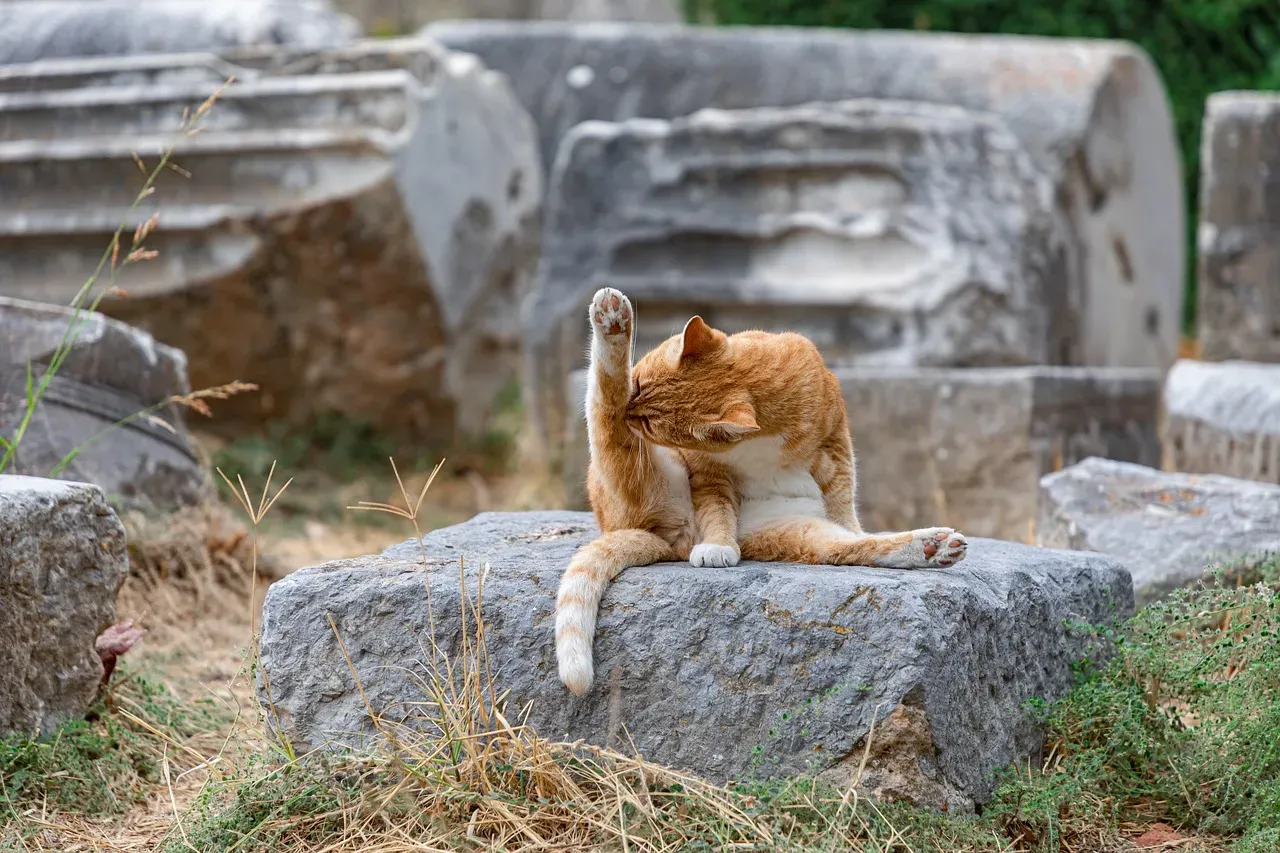
Right before sleep, older cats often launch into a strangely focused grooming session that looks like ordinary self-care – until you notice the pattern. If your old cat obsessively licks one specific spot, like a hip, paw, or belly, right before settling down, it may be using grooming as a built-in painkiller. Grooming triggers calming chemicals in the brain, so cats lean on it the way people lean on a warm bath after a hard day.
Pay attention to what gets skipped, too. Some senior cats stop grooming the hard-to-reach spots because twisting hurts too much, leaving duller fur along the back or hips while the face stays perfectly clean. Others fixate on a single sore joint or irritated patch until the fur wears thin. It’s easy to think “she just likes being tidy,” but vets see overgrooming as one of the loudest silent signals a cat can give.
#4 – The Strange Pause at the Edge of the Bed
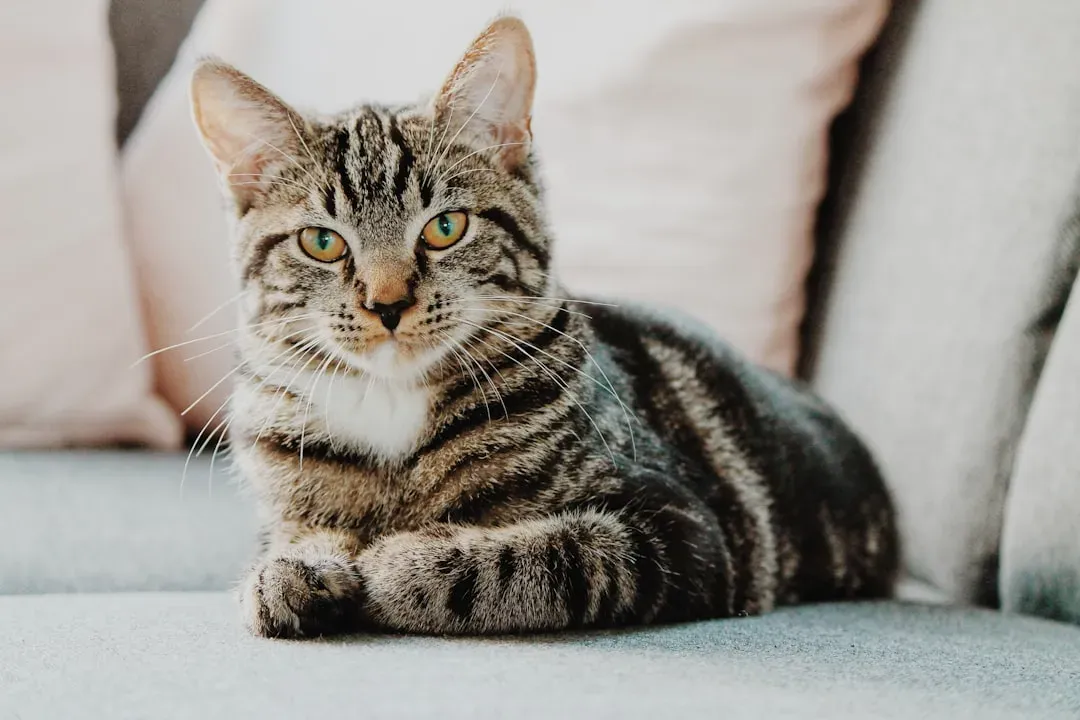
You’ve probably seen it: your old cat hops up, walks to the center of the bed or couch, then stops right at the edge and just stands there. That pause is rarely random. For a lot of senior cats, it’s a real calculation happening in real time – can I get down from here safely?
Aging cats lose muscle strength, flexibility, and depth perception faster than most owners realize. Some will sit at the edge, stare down at the drop, then quietly decide to sleep closer to the rim because the jump suddenly feels risky. This is where owners unintentionally fail their cats the most, insisting “she’s always loved high spots” while the cat is clearly thinking “this is getting hard for me.” Ramps, low steps, or simply offering safer, lower beds can turn that nervous pause back into a smooth, confident routine.
#5 – The Soft, Almost Silent Vocalizations
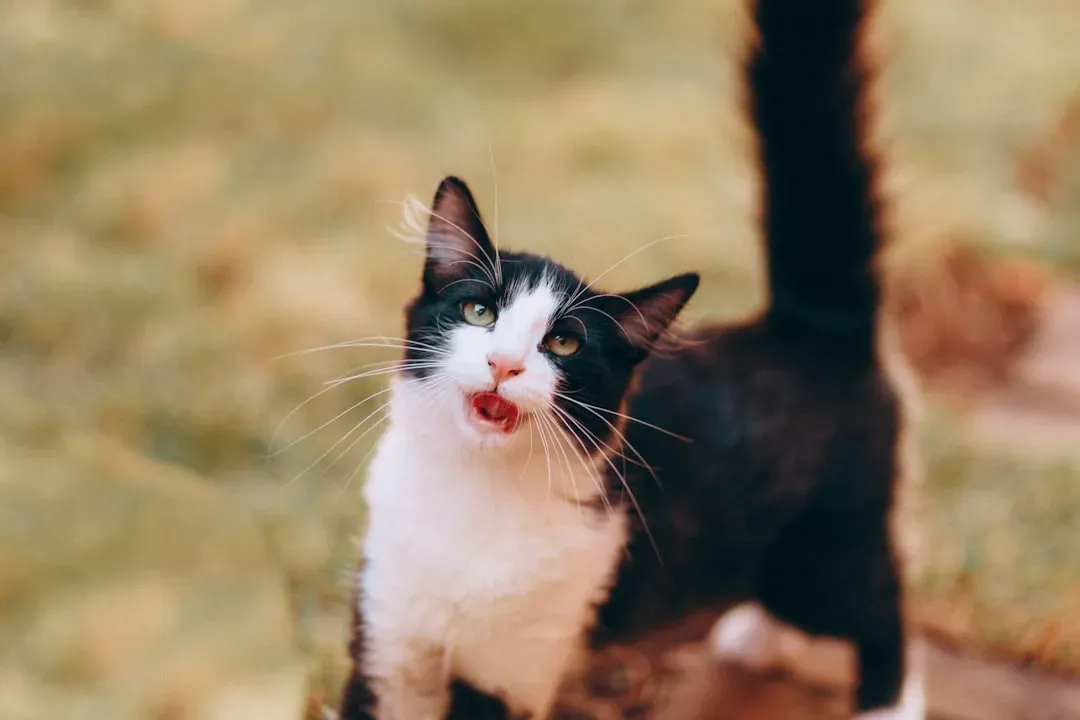
Not every old cat meows loudly. Some whisper. Right before lying down, you might hear a tiny chirp, a half-meow, or a low grumble that sounds like background noise. To behavior experts, it’s actually communication, and it matters more than people think.
Cats with cognitive dysfunction – the feline version of dementia – often become more vocal in the evening, sounding almost lost even in a room they’ve slept in a thousand times. Pain changes the sound too: a cat that never “complained” before might start making small noises the moment it lowers itself onto a sore joint. Many owners shrug this off as old-age grumbling. Increasingly, vets treat it as a clinical clue worth mentioning at the next checkup.
Quick Compare
- Pain-driven sounds: a short grunt or mutter timed to one movement, usually worse the instant weight shifts onto a sore joint.
- Cognitive-driven sounds: looser timing, more common after dark, and often paired with a wandering, “lost” look rather than one specific motion.
- How common it is: roughly one in five cats over age 10 shows clinical signs of cognitive decline, a share that climbs sharply past age 15.
- The overlap: both tend to worsen at night, so vets usually rule out pain and illness first before calling it cognitive decline.
#6 – The Careful Choice of One Person’s Scent
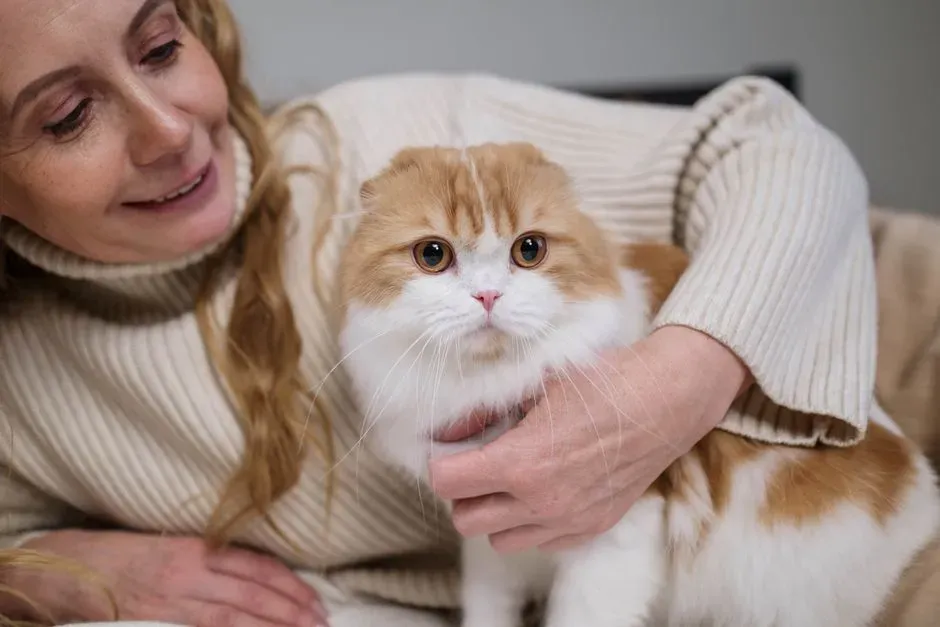
Here’s where it gets emotional. Before sleeping, many older cats quietly seek out their favorite human’s scent – a worn shirt, a pillow, or that one spot on the couch where you always sit. It isn’t just affection. It’s survival math. For an aging cat whose own senses feel less reliable, your scent equals safety and predictability, and their nervous system finally relaxes wherever that scent is strongest.
Some cats that stayed independent for years suddenly turn into clingy seniors, insisting on your chest, your legs, or pressed tight against your side. As hearing and vision fade, scent-based attachment becomes their new anchor. If your cat claims your side of the bed every single night, that’s not coincidence – it’s trust, expressed the only way an old body knows how.
I love cats because I enjoy my home; and little by little, they become its visible soul.
Jean Cocteau
#7 – The Long, Heavy Sigh Before Settling
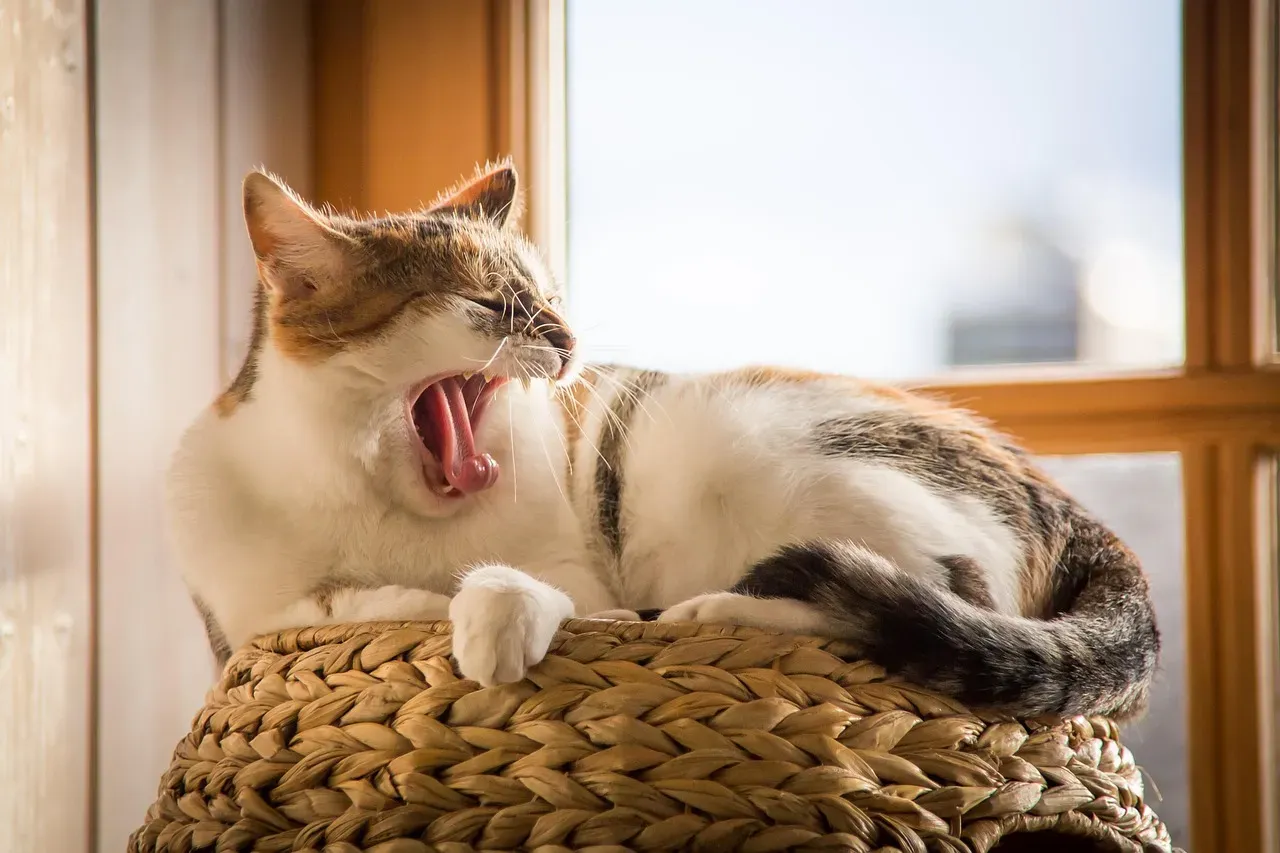
Most people don’t realize cats sigh. Sit close enough to a senior cat right before it drifts off, though, and you’ll often hear a long, quiet exhale – the sound of tension finally leaving the body. That single sigh can mark the exact moment a cat’s nervous system shifts from “on guard” to “safe enough to actually rest.”
If your cat struggles to reach that sigh – shifting again and again, breathing fast, staying half-alert – it may be fighting discomfort you can’t see. Chronic pain, respiratory trouble, or anxiety can all trap a cat in a light, restless state instead of real sleep. A relaxed old cat that sighs once, stretches, and melts into the bed is quietly telling you that, right now, their pain and their world both feel manageable.
#8 – The Subtle “Check-In” With Other Pets
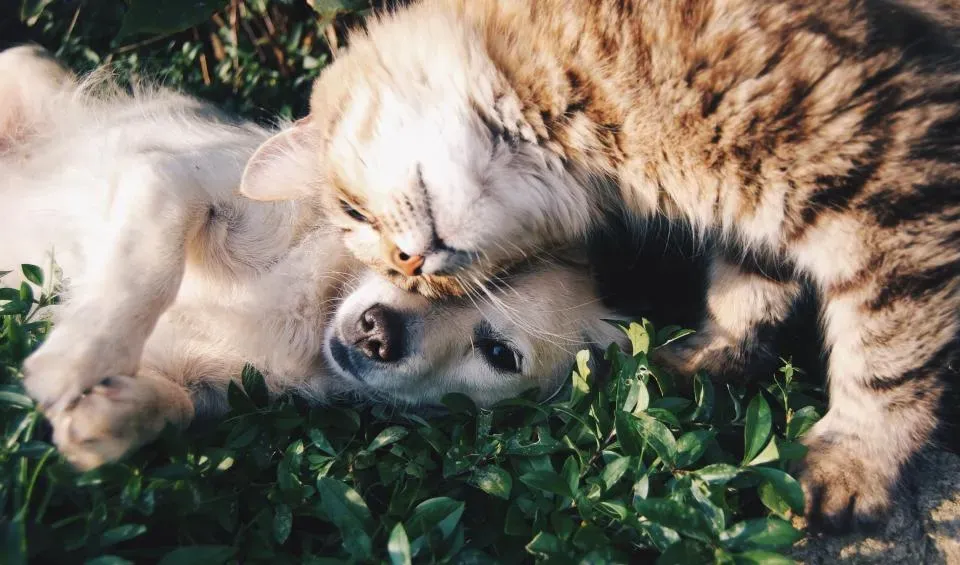
Before an old cat sleeps, watch what it does around the other animals in the house. Some will quietly pass the dog, sniff another cat, or pause nearby for a second before choosing where to settle. That low-key check-in is often a senior cat confirming alliances and boundaries before it lets its guard all the way down. Sleep is when they’re most vulnerable, and knowing who’s where suddenly matters a lot more with age.
People love to romanticize this as “they’re all one big happy family,” but the truth is more layered. A senior cat might nap near a gentle, younger animal it trusts as a kind of lookout, or take a longer route to bed just to avoid a rowdy dog or a bully cat. If a once-confident cat starts avoiding certain animals before sleep, that’s not drama – it’s self-preservation, and it’s worth adjusting the household to help.
#9 – The Ritual of Returning to the Same Exact Spot
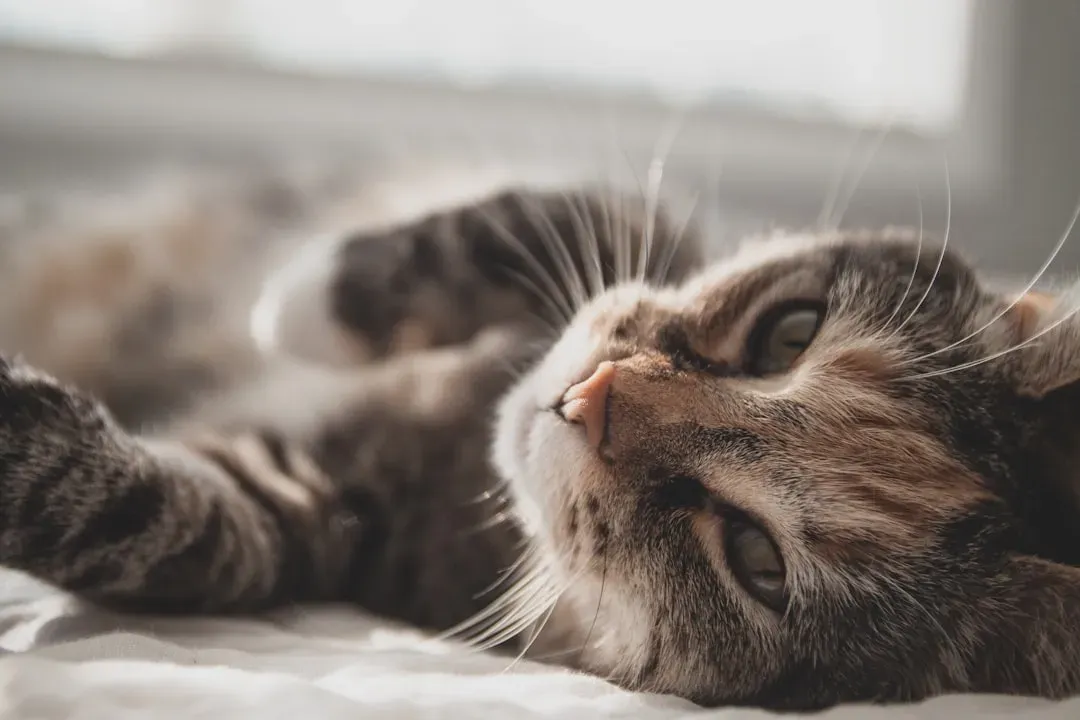
It looks charming when your old cat always sleeps in the same chair, but the habit runs deeper than sentiment. For senior cats, sleeping in the exact same spot, facing the exact same direction, is often a strategy for managing failing senses and a tired brain. Every new place is a new puzzle to solve; one familiar place is mental relief.
Watch closely and you’ll notice the precision – back to the wall, face to the door, same corner of the bed, night after night. That spot usually has a predictable temperature, stable noise and light, and an escape route the cat already knows by heart. When owners rearrange furniture or block that path “just to redecorate,” they often have no idea how disorienting it is for a cat that had finally mapped its safest place in the house.
#10 – The Sudden, Intense Eye Contact With You
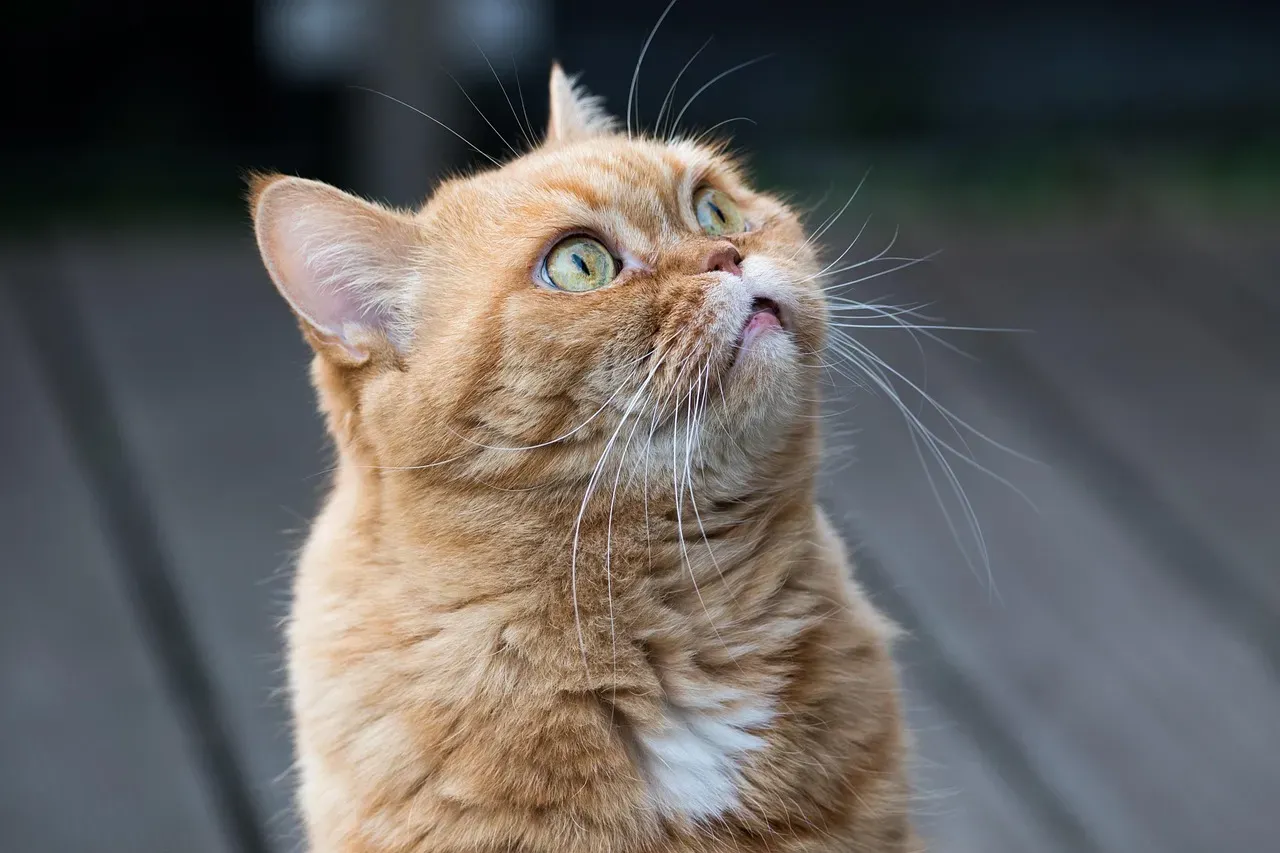
This is the one that unsettles people the most. Right before sleep, some old cats stop, look straight at their human, and hold that gaze far longer than usual. No blinking games, no demands – just a long, searching stare that feels like it means something.
Sometimes it genuinely is a bonding moment. But there’s a practical layer underneath it too: older cats know, on some instinctive level, that they’re slower, weaker, and more dependent on you than they used to be. That look can be asking, in its own quiet way, are you staying? is it calm? can I finally relax? If your cat never used to do this and suddenly does it more with age, it isn’t your imagination – it’s part attachment, part assessment, and it tends to become one of the moments owners remember longest.
#11 – The Quiet “Disappearance” to Be Alone
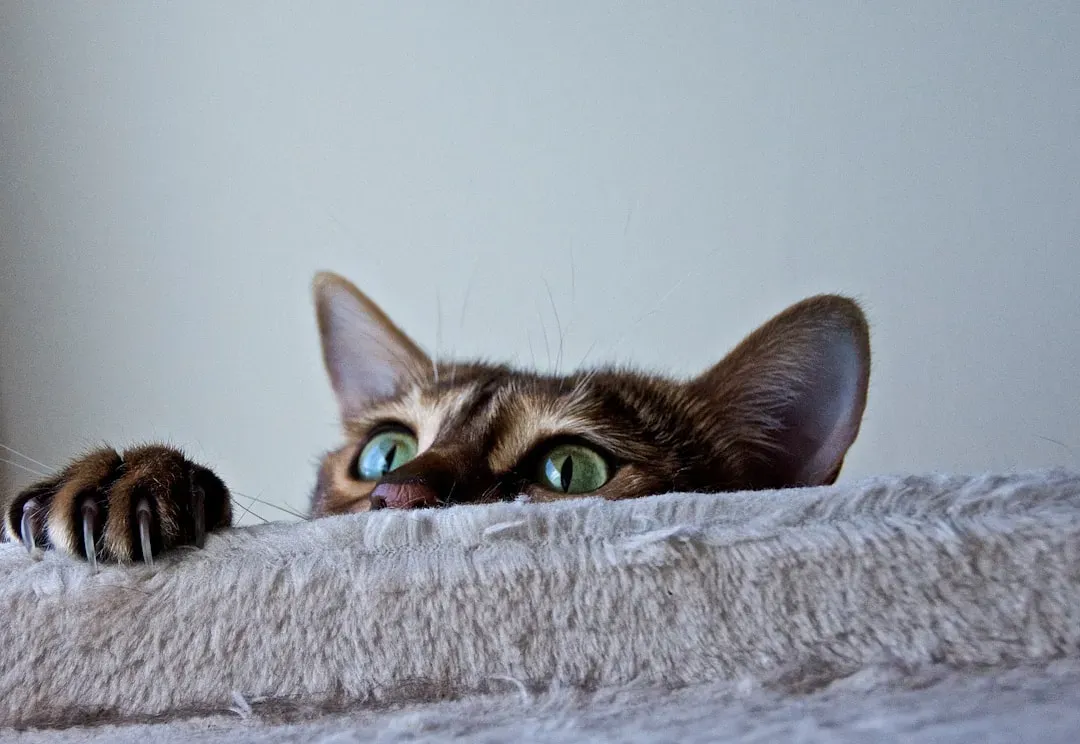
Not every old cat wants closeness before sleep. Some do the opposite, quietly slipping into a closet, under a bed, or into a room you rarely use. When a senior cat increasingly chooses isolated, hidden spots before sleep, it can be a strong signal of how vulnerable it feels, physically or mentally. In the wild, sick or aging animals seek solitude to avoid threat and disturbance – and that instinct doesn’t disappear just because a cat lives on your couch.
Some owners call it a quirky preference and leave it alone. Many vets argue it’s often more serious – pain, illness, stress, or the early edges of decline – especially when it’s paired with weight loss, appetite changes, or restless nights. Creating quiet, low, easy-to-reach safe spots near you, without forcing contact, can be the compassionate middle ground. Sometimes that’s exactly when a cat starts choosing your presence again, on its own terms.
Worth Knowing
- Hiding paired with weight loss, appetite changes, or skipped litter box trips deserves a vet visit, not just patience.
- New nighttime vocalizing, especially if it sounds disoriented, is worth mentioning at the next checkup.
- Avoiding jumps or stairs your cat used to handle easily can signal pain long before an obvious limp shows up.
- Quiet, low, easy-to-reach safe spots near you – not forced contact – tend to work best for a cat that’s pulling away.
The Bottom Line
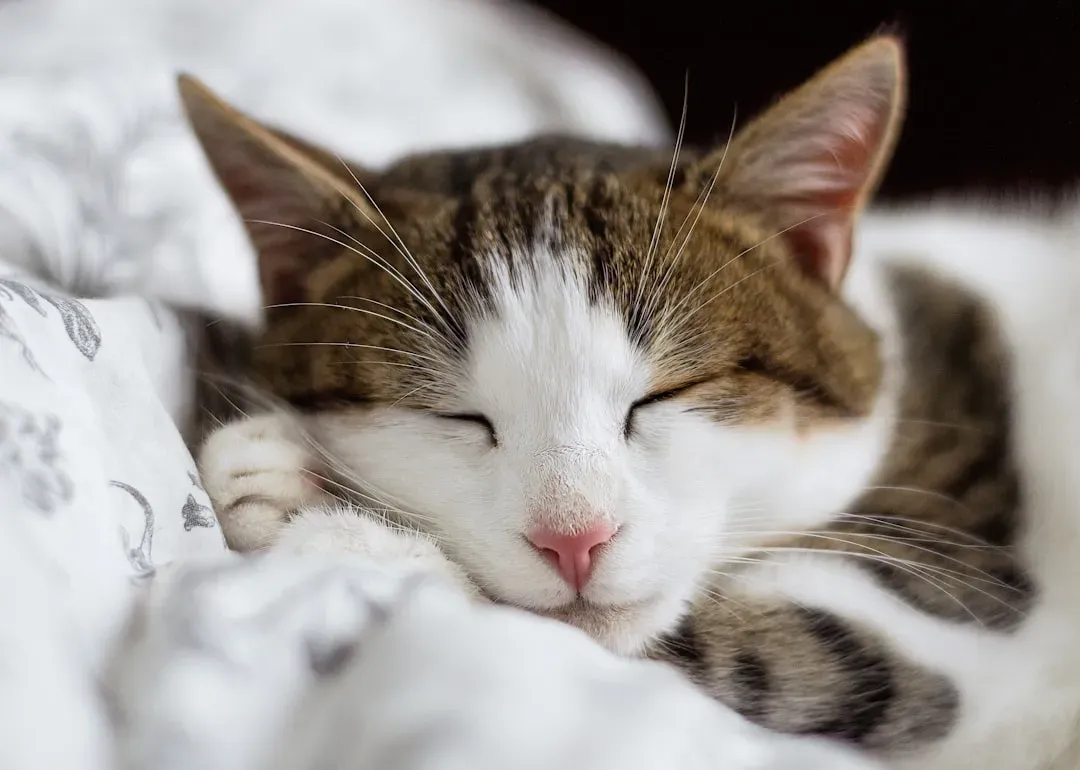
Before an old cat sleeps, it isn’t doing nothing. It’s negotiating with age, pain, memory, safety, and attachment in a dozen tiny, quiet ways – the circling, the sighs, the stares, the hiding. None of it is drama. All of it is data.
Here’s the uncomfortable truth: too many people dismiss these rituals as “just old age,” then act blindsided when a vet finally diagnoses arthritis, dementia, or chronic stress that had been building for months in plain sight. If you actually love your senior cat, the kindest thing you can do isn’t buying another cute bed – it’s learning to read these quiet signals and changing the environment before a crisis forces your hand.
Every cat will lean a little differently – some more private, some suddenly clingy – and people will keep arguing online about what each behavior “really means.” But you’re the one who lives with your cat and watches the pattern night after night. So pay attention to what happens in those last quiet minutes before sleep. That’s usually where the truth is.
Kristina is a young writer from India. An arts graduate and an avid content creator, Kristina is passionate about animals and wildlife. She enjoys exploring topics related to pet care, animal behavior, conservation, and nature, combining thorough research with engaging storytelling.