#1 The science behind feline attachment to routine
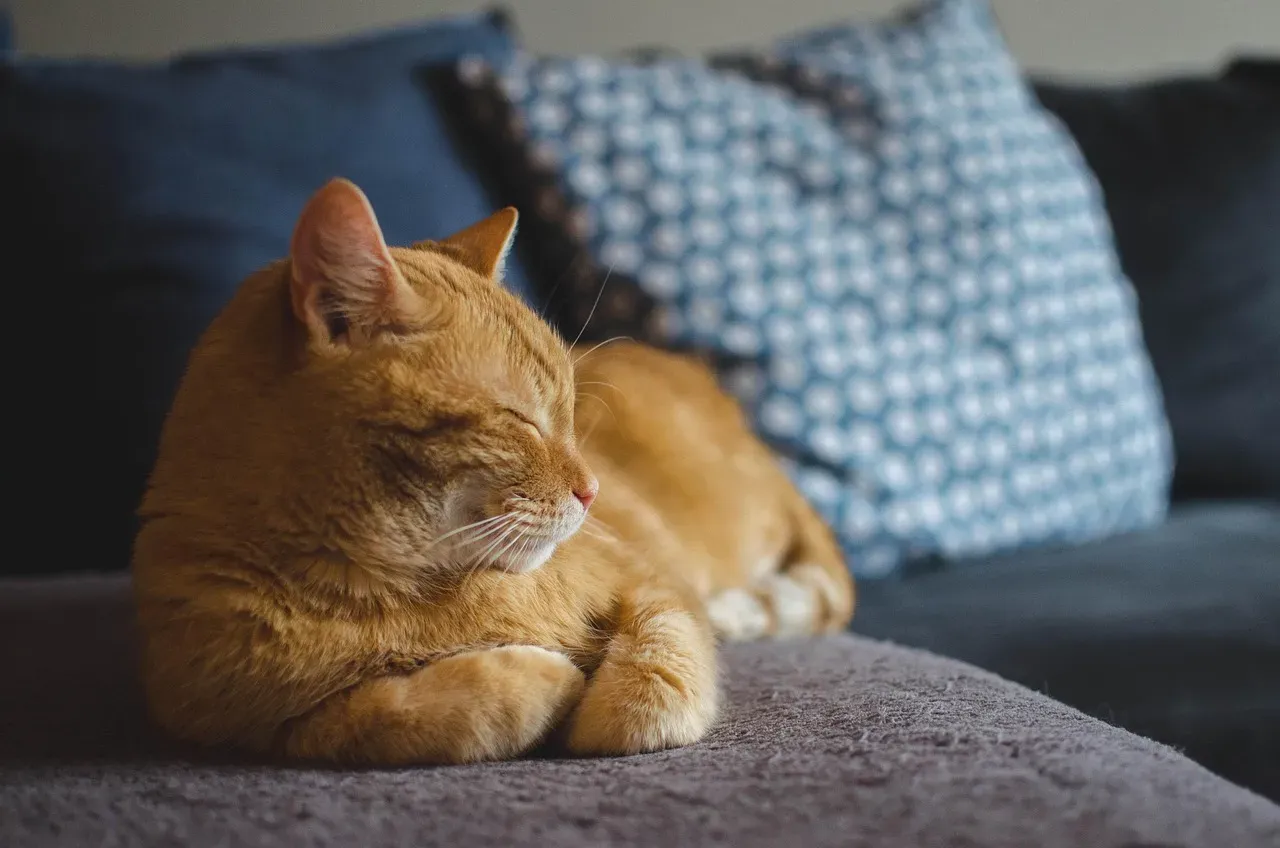
Researchers who study cat welfare have found that predictability itself functions as a kind of emotional anchor for cats, not just a convenience for their owners. A widely cited review in the Journal of Feline Medicine and Surgery noted that daily routines such as play time, feeding schedule, and owner schedule should be predictable, since this reduces the chronic stress associated with unpredictability. That is not a minor detail buried in a footnote. It is one of the core recommendations veterinary behaviorists give to owners trying to manage a stressed or anxious cat.
Purdue researcher Judi Stella, who has studied cat and dog welfare extensively, found that disruptions many owners consider trivial, like a different pet sitter filling in during a vacation, register with cats in ways that closely mirror how they respond to more obvious stressors. Stella, a Senior Scientist at Purdue University who researches cat and dog welfare, explained that her findings are directly transferrable to cats in homes, using the example of a pet sitter caring for a cat while an owner is away. The cat does not necessarily know why the schedule changed. It simply registers that the pattern broke, and that alone can be enough to trigger a stress response.
#2 Why predictability feels like safety to a cat
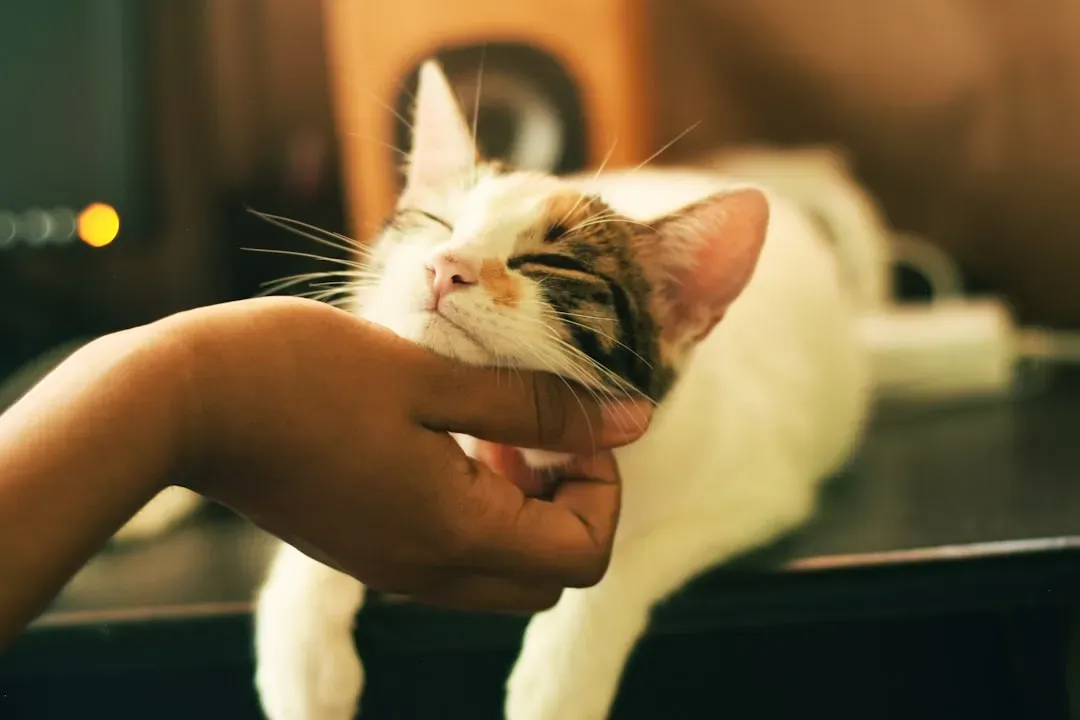
To understand why routine matters so much, it helps to remember that domestic cats are only a few thousand years removed from a solitary, self-reliant lifestyle where every decision carried real risk. Cats are creatures of habit, and in the wild their survival depends on predictability, knowing when to hunt, where to hide, and how to stay safe, and that same instinct carries over into our homes. A routine is not a luxury for a cat. It is closer to a survival strategy that never fully switched off, even after generations of curling up on couches.
Without that structure, the effects are not always dramatic, but they are real and cumulative. Without a predictable routine, cats can become anxious, withdrawn, or even develop behavioral or health issues. That is worth sitting with for a moment, because it reframes routine from something that simply makes life easier for the household into something that actively protects a cat’s wellbeing over the long run.
#3 Feeding times: the anchor of the feline day
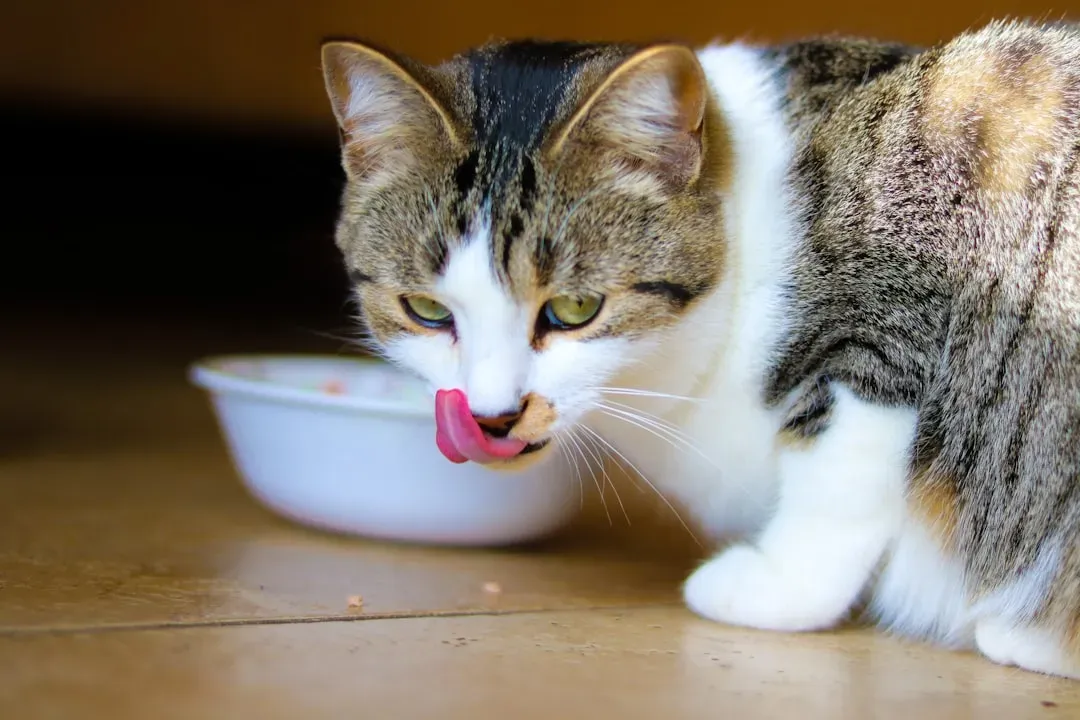
If there is one ritual that seems to matter most to a cat’s internal sense of order, it is mealtime. Implementing regular feeding times forms one of the most important elements of reducing stress in cats, and feeding at the same times each day, using the same bowls in the same location, helps a cat feel secure about when the next meal will arrive, easing a primal concern around food scarcity even in well-fed pets. It is a small ritual, but it repeats every single day, which may be exactly why it carries so much psychological weight.
This is not just about comfort either. There is a physiological angle as well, since consistent mealtimes appear to support digestion and make it easier for owners to notice when something is wrong. A predictable feeding schedule supports routine and makes it easier to notice appetite changes, since seeing that a meal was not finished can be an early warning that something is off and worth a veterinary check. A cat that skips its usual dinner time is often telling you something well before any other symptom shows up.
#4 Play and interaction rituals that cats quietly depend on
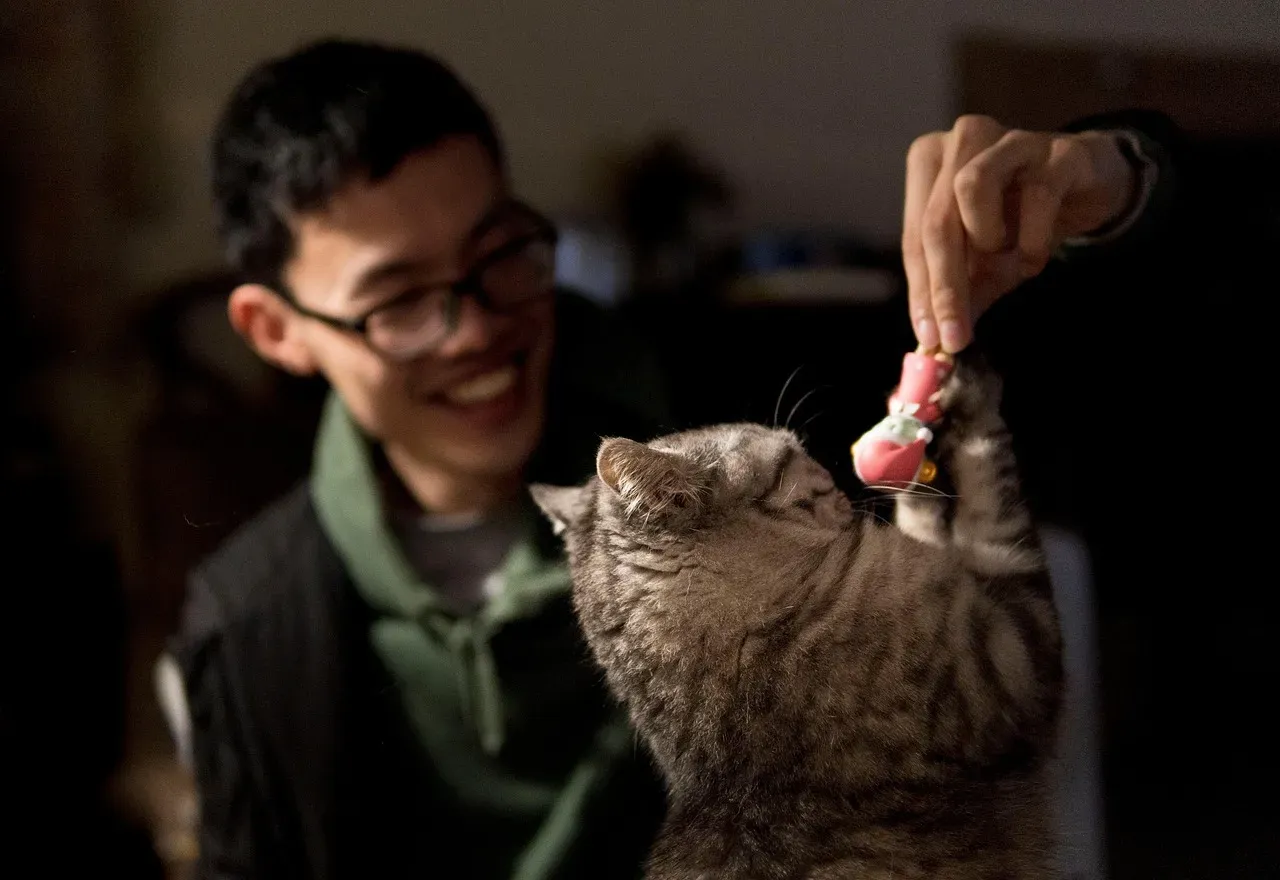
Feeding gets most of the attention, but the smaller rituals of play and attention seem to matter just as much to a cat’s sense of rhythm. Structured, brief bursts of interactive play, especially the kind that mimics a hunting sequence of stalking, chasing, and then resting, appear to do real work in settling a cat’s nervous system. Research on feline enrichment supports the idea that structured, predictable activities, especially those mimicking natural hunting sequences like play followed by rest, can reduce stress and promote more balanced, relaxed behavior in cats.
What is notable is how little time this actually requires. A cat does not need an hour of dedicated play to feel the benefit, just a reliable pocket of attention that shows up around the same time each day. Owners who describe a “reset” in their cat’s mood after a short play session are not imagining it, since that predictable interruption seems to function almost like a pressure valve built into the day.
#5 How cats signal when routine breaks down
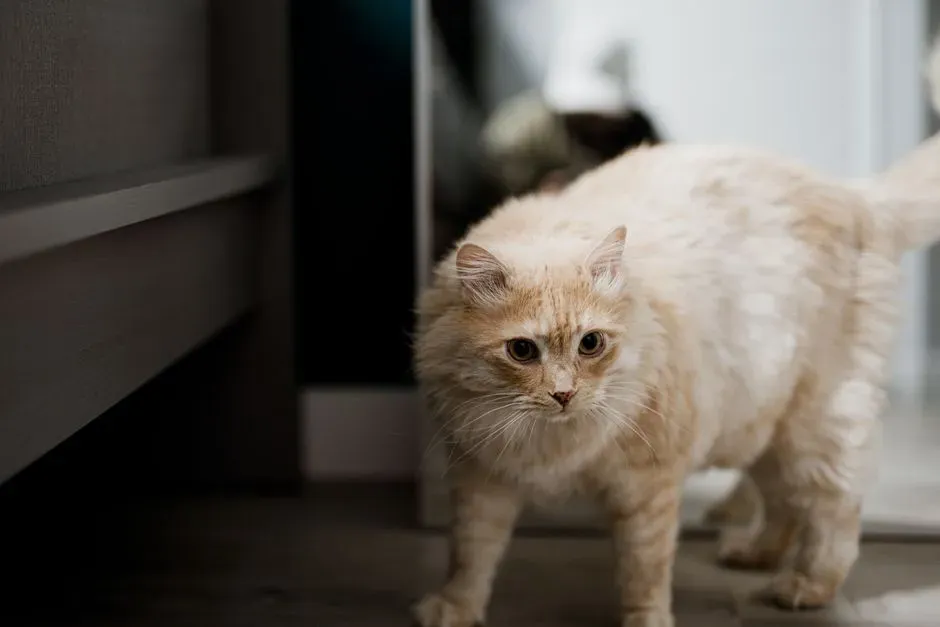
Cats rarely announce distress the way a dog might, so the signs of a broken routine tend to be quieter and easier to miss. Litter box lapses, unusual vocalizing, hiding more than usual, or a sudden disinterest in food are common tells, and they often show up gradually rather than all at once. Understanding how to reduce stress in cats with routines is not just about creating a schedule, it is about recognizing the subtle signs of feline anxiety, since many owners struggle to identify stress in their pets until behavioral problems emerge such as inappropriate elimination, excessive scratching, or aggression.
Chronic disruption carries more than just behavioral risk, too. Stress is very likely to reduce feed intake, and stress-related anorexia may contribute to serious medical conditions, while stress also increases the risk of cats showing urine marking and some forms of aggression, including redirected aggression. In other words, the “quirky” behavior owners sometimes laugh off online can, over time, be a genuine welfare issue rather than just a personality trait.
#6 Attachment styles: secure, anxious, and the household rhythm
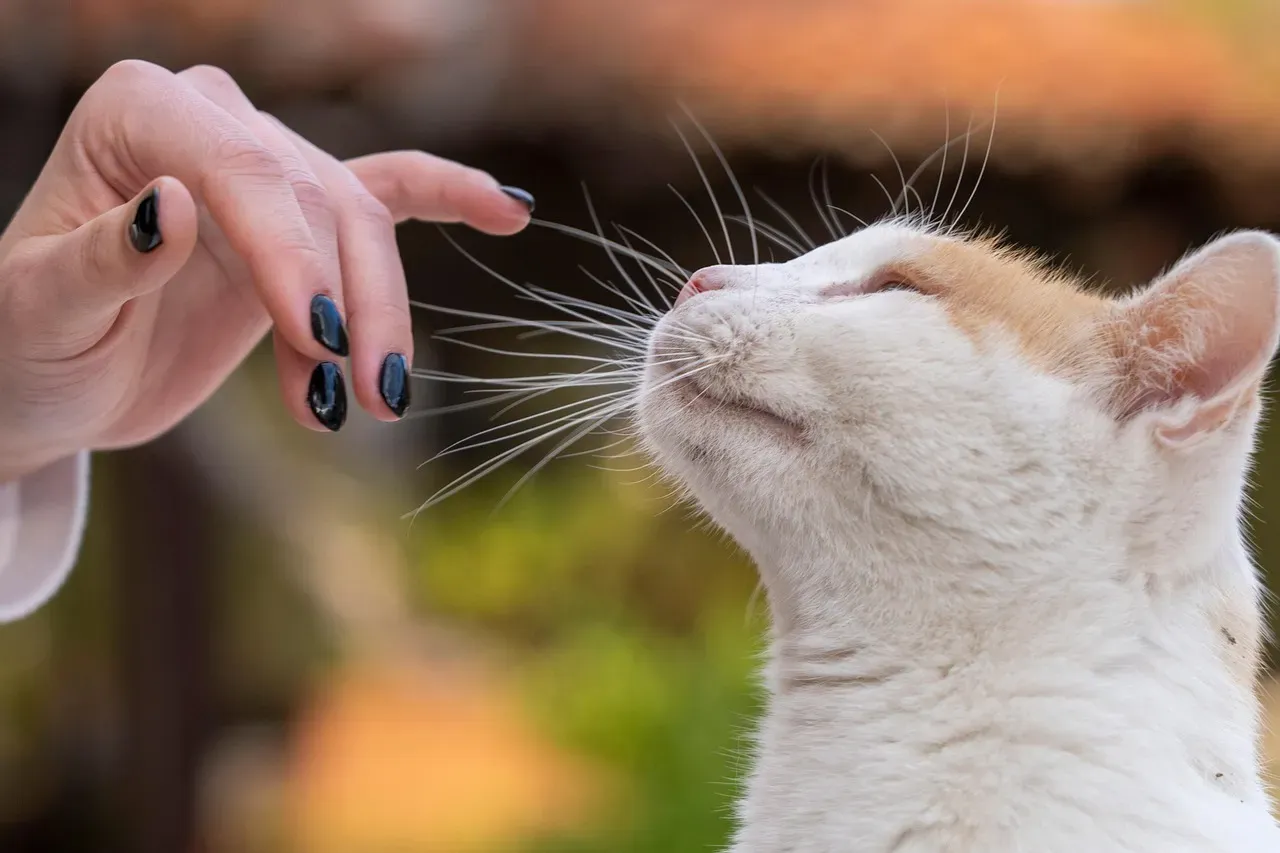
Part of why routine matters so much may come down to how cats actually bond with the people they live with, which turns out to be more layered than the old “aloof loner” reputation implies. Research now shows that cats are not so aloof after all, with a study finding that cats living with humans have similar attachment styles to caregivers as dogs and children do, and roughly two thirds of the cats evaluated were described as securely attached, showing less stress when near their caregivers. That is a meaningful shift from how cats were once characterized in both popular culture and, frankly, in a lot of earlier science.
A stable household rhythm appears to reinforce that secure bond, while chaotic or unpredictable schedules can push a cat toward more anxious patterns of attachment. In high-stress environments, inconsistent interaction schedules, like long workdays followed by bursts of intense attention, can lead to an anxious bonding style, with affected cats often showing exaggerated clinginess upon an owner’s return. The routine, in other words, is not separate from the relationship. It may actually be part of how the relationship gets built in the first place.
#7 Helping your cat adjust when change is unavoidable
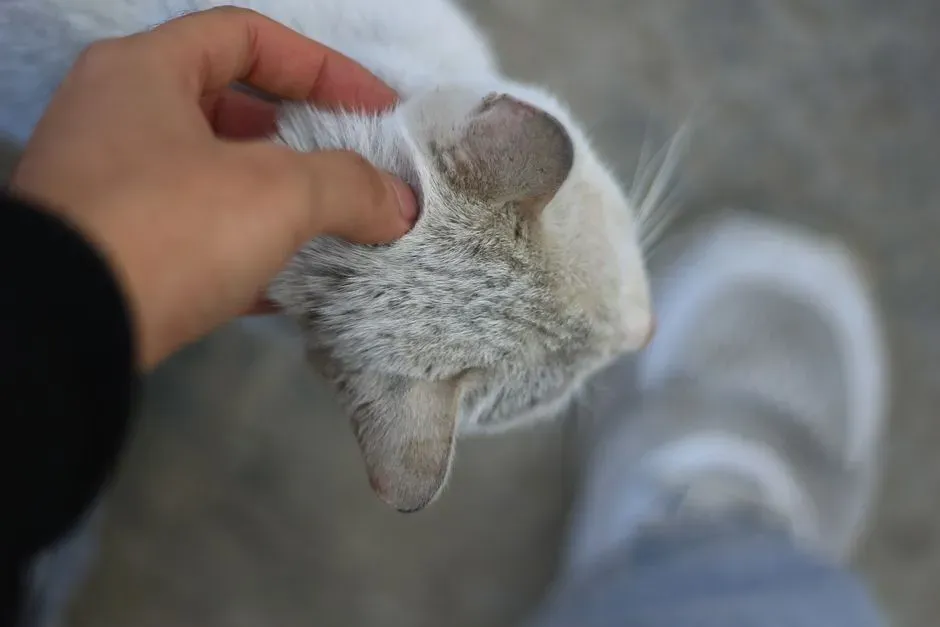
Life happens, and no household runs on a perfectly fixed schedule forever, so the more realistic goal is managing transitions rather than eliminating them entirely. Gradual change tends to land far better than an abrupt one, and this applies to everything from a new work shift to a different pet sitter covering a vacation. Though owners cannot prevent cats from experiencing any stress at all, they can help cats adapt by introducing changes slowly and gradually, and socializing kittens with a variety of people and experiences early on helps them cope with stressors later in life.
When travel or a schedule shift is unavoidable, keeping as much of the underlying structure intact as possible seems to soften the impact considerably. If an owner is going to be gone for more than 12 to 24 hours, having a pet sitter come to care for the cat while trying to adhere to the cat’s regular schedule as much as possible is recommended. Even preserving just the feeding time and a familiar play window, while everything else shifts around it, gives a cat something steady to hold onto.
The Bigger Picture
None of this means cats are secretly fragile creatures who fall apart the moment plans change. It means something more interesting: routine isn’t just a scheduling convenience we impose on them, it’s one of the primary ways cats experience safety, trust, and connection with the people they live with.
If there’s a takeaway worth acting on, it’s this. The next time your schedule gets chaotic and you’re tempted to think your cat barely notices, consider giving it more credit. That five o’clock feeding, that ten-minute play session before bed, that predictable rhythm you barely think about, it might be doing more emotional work than any toy or treat ever could.
Kristina is a young writer from India. An arts graduate and an avid content creator, Kristina is passionate about animals and wildlife. She enjoys exploring topics related to pet care, animal behavior, conservation, and nature, combining thorough research with engaging storytelling.