#1 They give you the slow blink
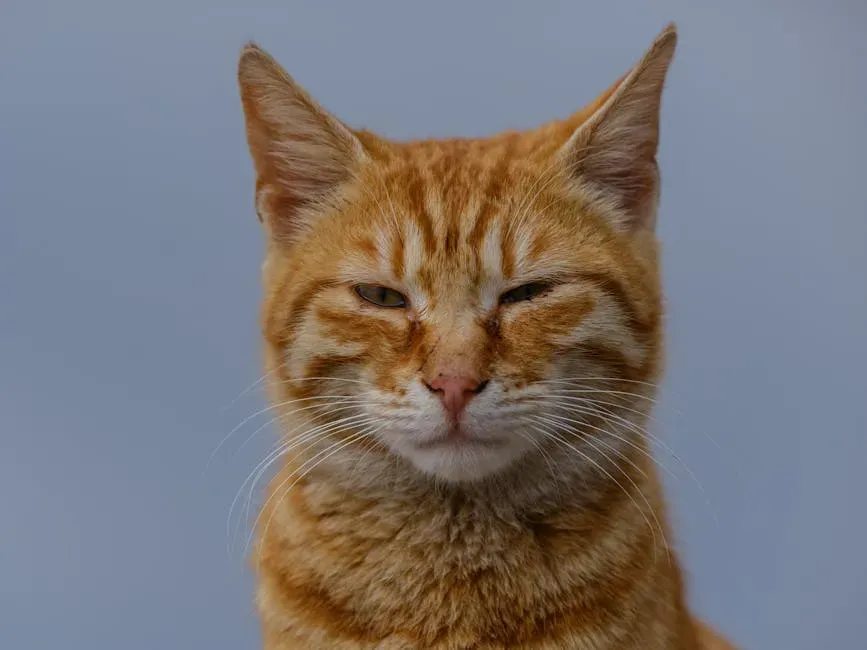
The slow blink is probably the most talked about trust signal in feline behavior, and for good reason. Research led by Dr. Tasmin Humphrey at the University of Sussex found that cats are significantly more likely to approach a previously unfamiliar human after a slow blink interaction with them, compared to control conditions with a neutral expression. That is not folklore, that is a measured behavioral response.
What makes the gesture meaningful is the vulnerability behind it. In the animal world, closing the eyes around another being can be a vulnerable choice, since a cat relies on sight, sound, scent, and body awareness to decide whether a space feels safe. A follow up shelter study even found that cats that responded to human slow blinking by using eye closures themselves were rehomed quicker than cats that closed their eyes less, suggesting people can sense the warmth in that gesture even without knowing the science behind it.
#2 They roll over and expose their belly
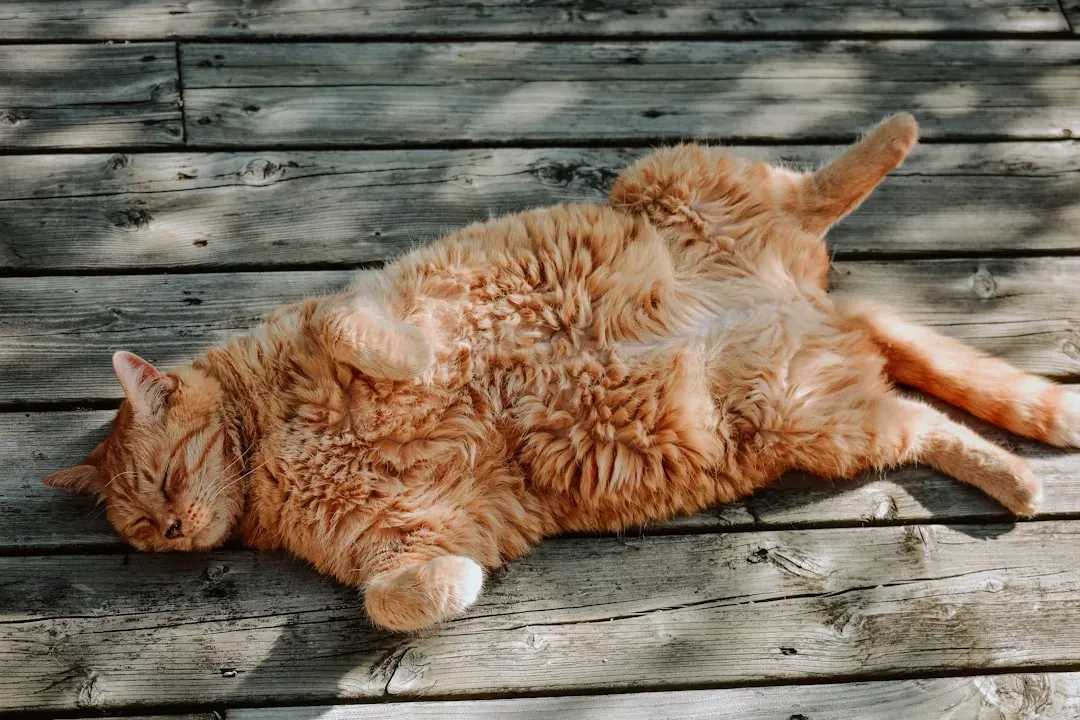
Belly exposure gets misread constantly, usually as an open invitation for a rub. Behaviorists are quick to correct that assumption. The exposed belly is one of the most consistently misread signals in the entire vocabulary of cat behaviour, and a cat who rolls onto their back and exposes their abdomen is performing a clear, unambiguous trust behaviour.
The reasoning comes down to anatomy. The abdomen contains all the vital organs, it is the least protected part of a cat’s body and the most vulnerable to injury, so voluntarily exposing it to another individual requires a strong absence of perceived threat. A better response than reaching for the belly is often just staying calm and present, since the correct response, in most cases, is to acknowledge it as the trust signal it is, with a slow blink back or a gentle stroke to the head or cheek usually landing better than a belly rub.
#3 They knead you like a kitten
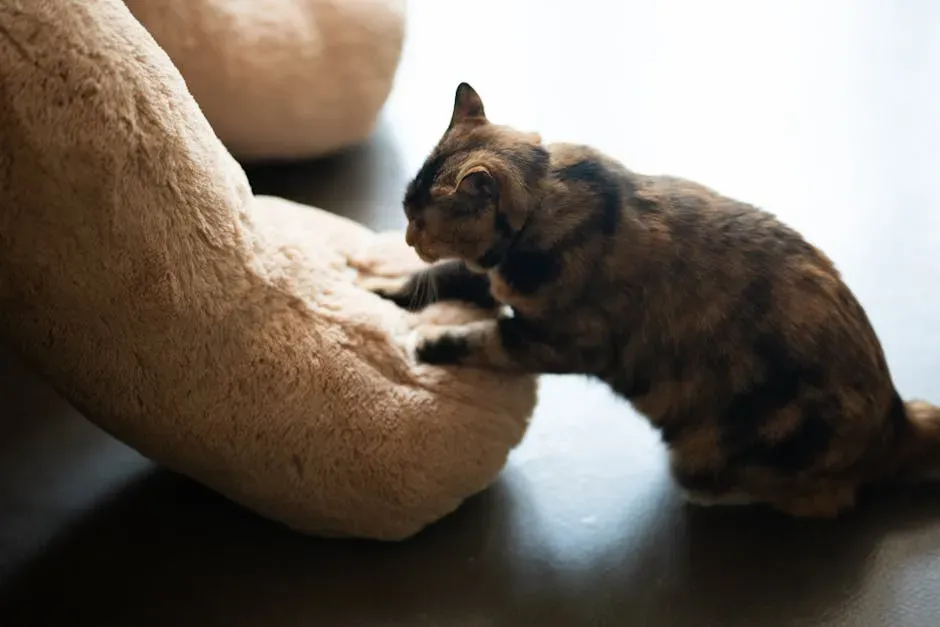
That rhythmic paw pressing, often called “making biscuits,” is one of the more physical trust displays a cat can offer. Those rhythmic paw pushes against your lap trace back to kittenhood nursing behaviors, and when a cat kneads more frequently, they’re displaying deep comfort and trust tied to their earliest positive memories, since kittens knead their mother’s belly to stimulate milk flow and adult cats retain the behavior as a self-soothing mechanism when they feel secure.
It is worth noting that a cat does not extend this behavior casually. A cat doesn’t knead on someone it’s wary of, so if a person regularly becomes a kneading surface during quiet moments, that’s genuine trust talking, not just a soft blanket-like lap. Some cats take it a step further and drool slightly while doing it, a leftover nursing reflex that shows up almost exclusively when they are fully relaxed.
#4 They follow you into the bathroom
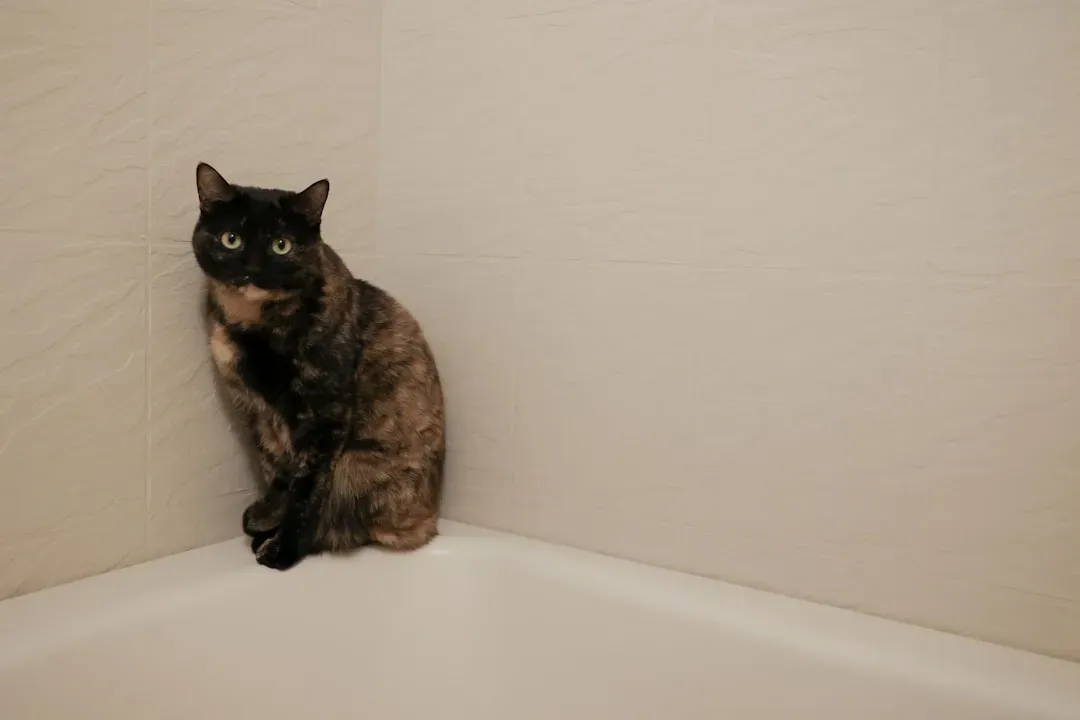
This one gets joked about a lot online, but there is a logic to it. Cats are territorial creatures that like to keep tabs on the people and spaces they consider part of their group, and the bathroom is often the one room in the house where a person is briefly out of sight. A cat that insists on tagging along is choosing proximity over independence, even in a moment when nothing interesting is really happening.
It is less about curiosity and more about maintaining the bond. Cats that feel uncertain about a household member tend to keep their distance and monitor from across a room. A cat that walks in behind you and settles on the bath mat has already decided that being near you, even in mundane moments, is worth the effort.
#5 They sleep in vulnerable positions near you
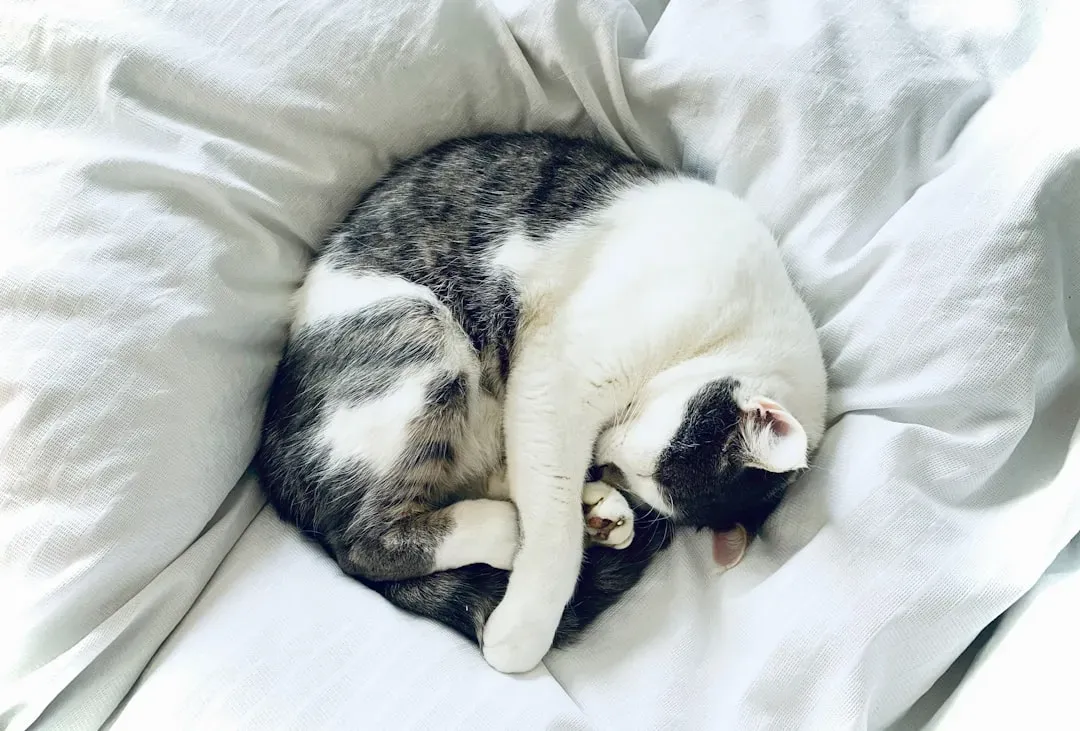
Where a cat chooses to sleep says more than most people realize. Sleep is when an animal is at its most defenseless, and cats are wired to be cautious about where and how they let their guard down. A cat that sprawls out fully, paws in the air, back exposed, right next to you is making a clear statement about how safe your presence makes it feel.
This differs meaningfully from a cat that curls into a tight, alert looking ball nearby. The tight curl keeps organs protected and allows for a quick getaway if needed. The sprawled, belly up nap only happens once a cat has ruled out the need for a fast exit, and that only tends to happen around people it has thoroughly vetted.
#6 They bring you “gifts”
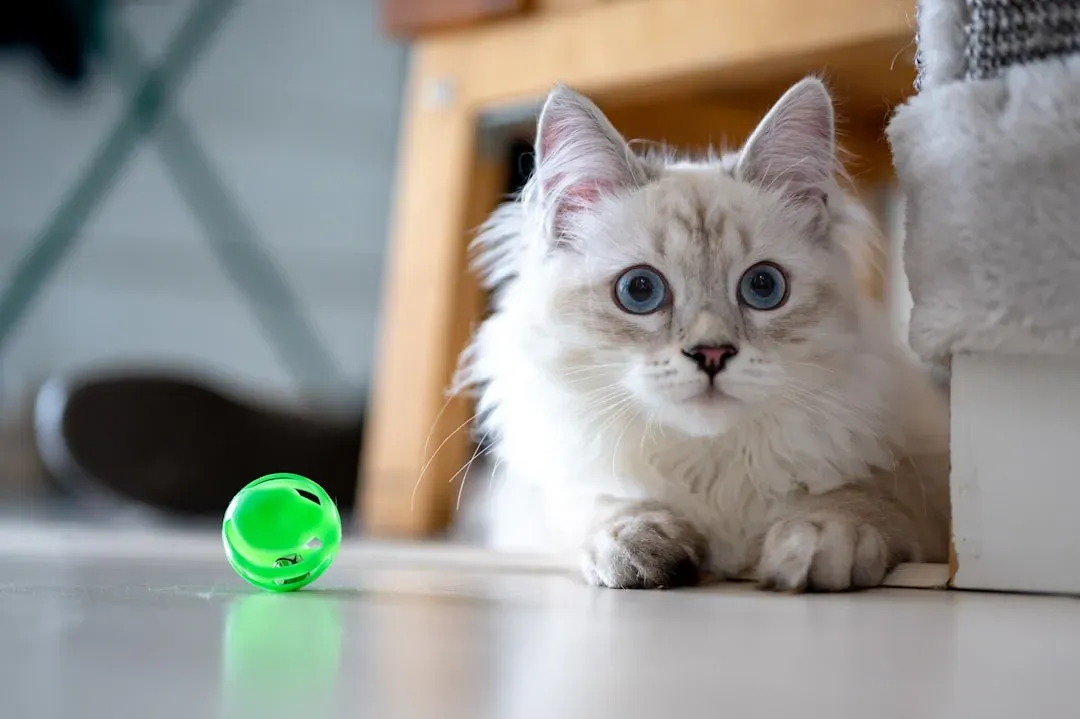
Few behaviors confuse new cat owners more than finding a toy, or occasionally something far less pleasant, deposited at their feet. It looks strange from a human perspective, but it is rooted in instinct. Finding a toy mouse, or more alarmingly a real one, at your feet might not seem like a gift, but to a cat it’s a major compliment, since this hunting behavior shows the cat considers you part of their family group who deserves to share in their successes.
This kind of sharing does not happen with people a cat feels neutral toward. It tends to show up specifically with the humans a cat has folded into its own sense of family, the same social unit it would share resources with in a more natural setting. It is not glamorous, but it is one of the more literal displays of inclusion a cat can offer.
#7 They groom you
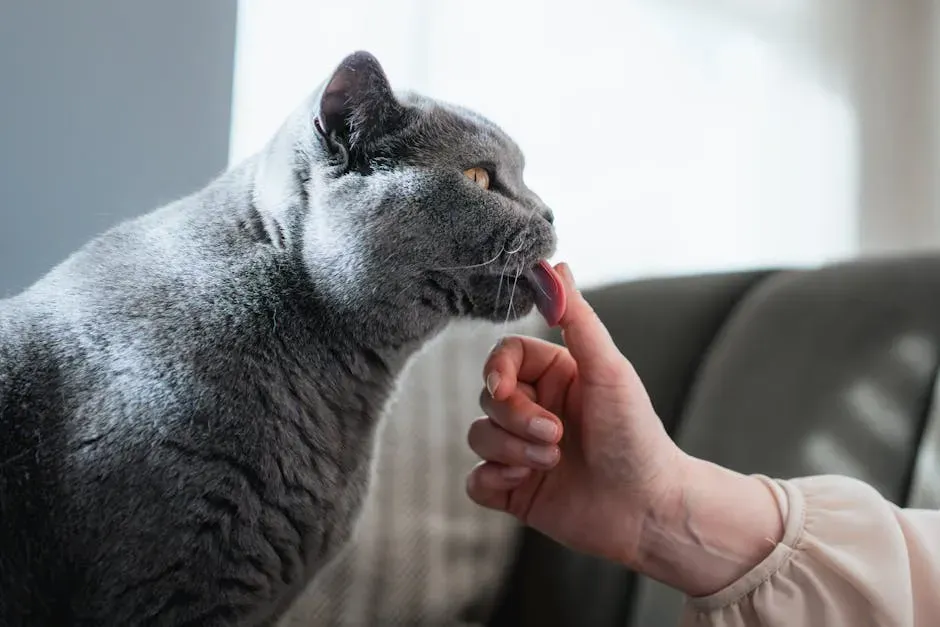
When a cat starts licking your hand, arm, or hair, it is doing something it typically reserves for close bonds. When a cat licks, nibbles, or grooms you with tiny teeth, you’re getting social grooming, a trust signal they reserve for family. In multi-cat households, this kind of mutual grooming, known as allogrooming, is usually limited to cats that already get along well.
Extending that same behavior to a human is a meaningful crossover. It suggests the cat has mentally filed you into the same category as another cat it trusts, rather than treating you as separate from its social world. Letting the session run its course, then gently redirecting if it gets too intense, tends to be the best way to respond without discouraging the behavior.
#8 They chirp, trill, or chatter at you
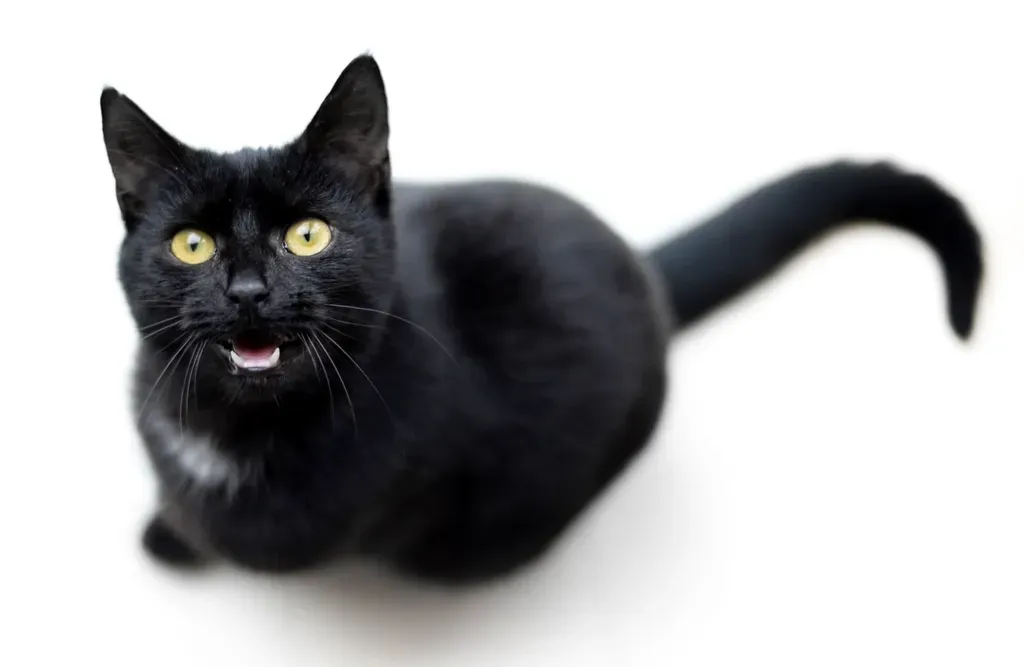
Cats develop a surprising range of vocal sounds specifically for communicating with people, and many of these barely appear in cat to cat interactions at all. Soft chirps, rolling trills, and small conversational meows tend to be reserved for the humans a cat feels comfortable engaging with directly. A wary or unfamiliar cat is far more likely to stay silent or hiss than to strike up a chatty exchange.
These vocalizations often function almost like a greeting ritual. A cat that trills when you walk into a room, or answers your voice with a soft meow, is treating the interaction as a two way conversation rather than something to be avoided. That willingness to vocalize freely is closely tied to comfort, and comfort, in feline terms, is another word for trust.
#9 They turn their back to you
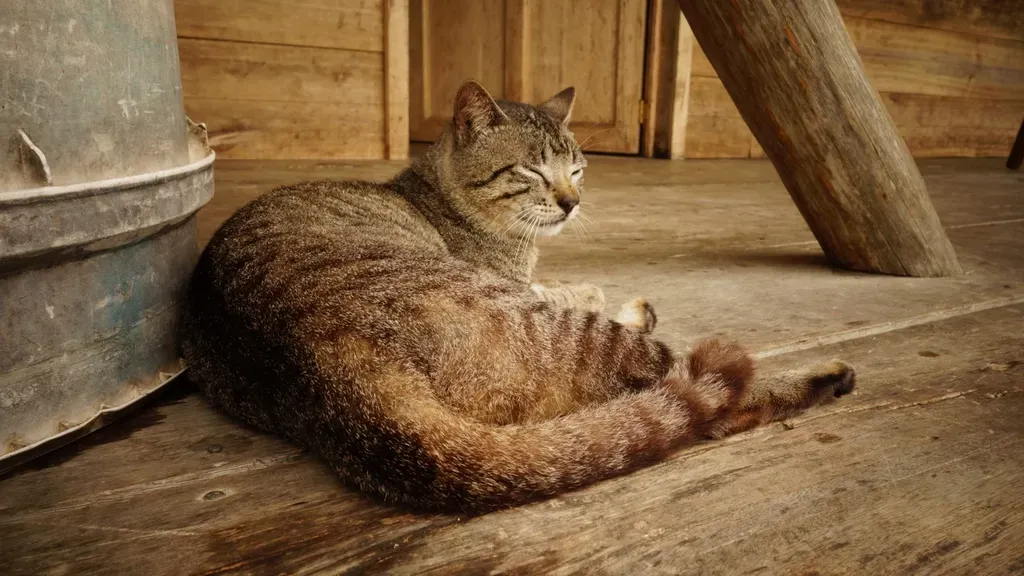
It sounds almost like the opposite of affection, but turning away is actually a quiet form of confidence. A relaxed, exposed belly during lounging indicates confidence, as does turning their back to you while settling down. In the wild, a cat’s back and the base of its skull are areas it cannot fully monitor, which makes exposing them to another individual a small leap of faith.
A cat that curls up facing away from you, rather than keeping an eye on your movements, has essentially stopped treating you as something to watch. It is a subtler cue than a headbutt or a slow blink, but it carries the same underlying message. The absence of vigilance is, in its own way, a form of trust.
#10 They headbutt and rub their face on you
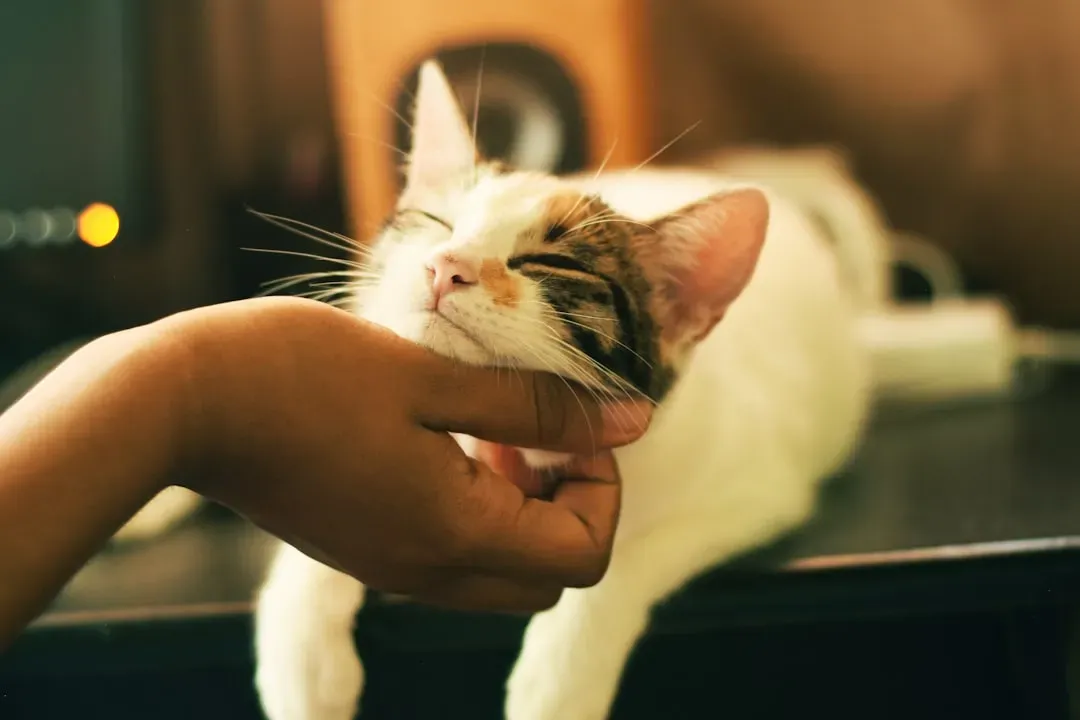
Head bunting, that gentle forehead press against your hand, leg, or face, is both an affectionate gesture and a practical one. Cats have scent glands concentrated around their cheeks and forehead, and rubbing those areas against a person deposits their scent, effectively marking you as part of their territory and social circle. It is a behavior cats also use with other cats they are close to, which places humans in fairly exclusive company.
Unlike some trust signals that are subtle or easy to miss, bunting tends to be direct and repeated. A cat that bunts you regularly, especially when it approaches on its own terms rather than being coaxed, is making an active choice to reinforce the bond rather than simply tolerating your presence. It is one of the more reliable signs that a cat has moved you from acquaintance to trusted fixture in its world.
Final thoughts
Kristina is a young writer from India. An arts graduate and an avid content creator, Kristina is passionate about animals and wildlife. She enjoys exploring topics related to pet care, animal behavior, conservation, and nature, combining thorough research with engaging storytelling.