
#1 Forcing physical affection instead of letting it happen
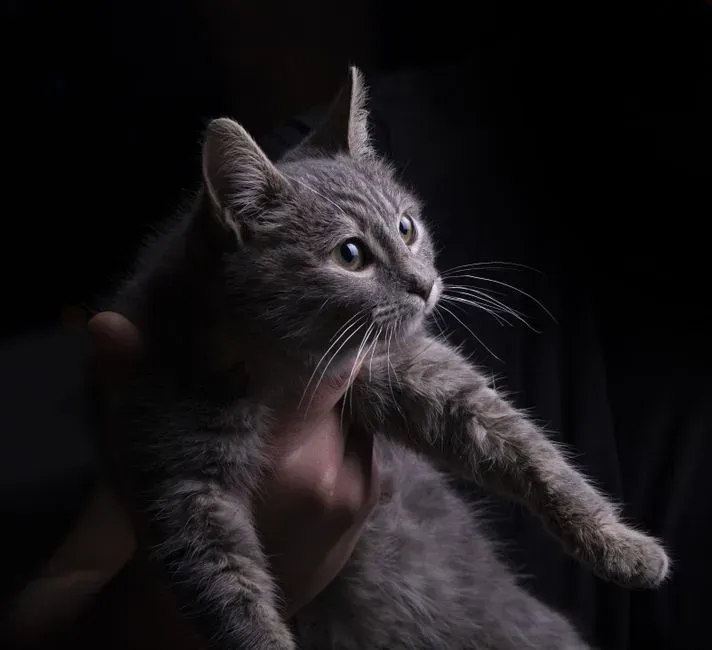
Picking up a cat who didn’t ask to be picked up, or holding one still for a cuddle session, feels loving to us but can register as a threat to them. Cats are both predator and prey in the wild, and that dual identity means their nervous system is wired to notice when movement or control is taken away from them. When a cat can’t retreat, its stress hormones climb, even if it doesn’t hiss or struggle visibly.
Over time, repeated forced affection teaches a cat that your hands mean restraint rather than comfort. This is different from a cat initiating contact by climbing into your lap or head-butting your hand. The fix isn’t to stop showing affection, it’s to let the cat set the terms of when and how much contact happens, which paradoxically tends to result in more affection being offered back.
#2 Staring directly into their eyes
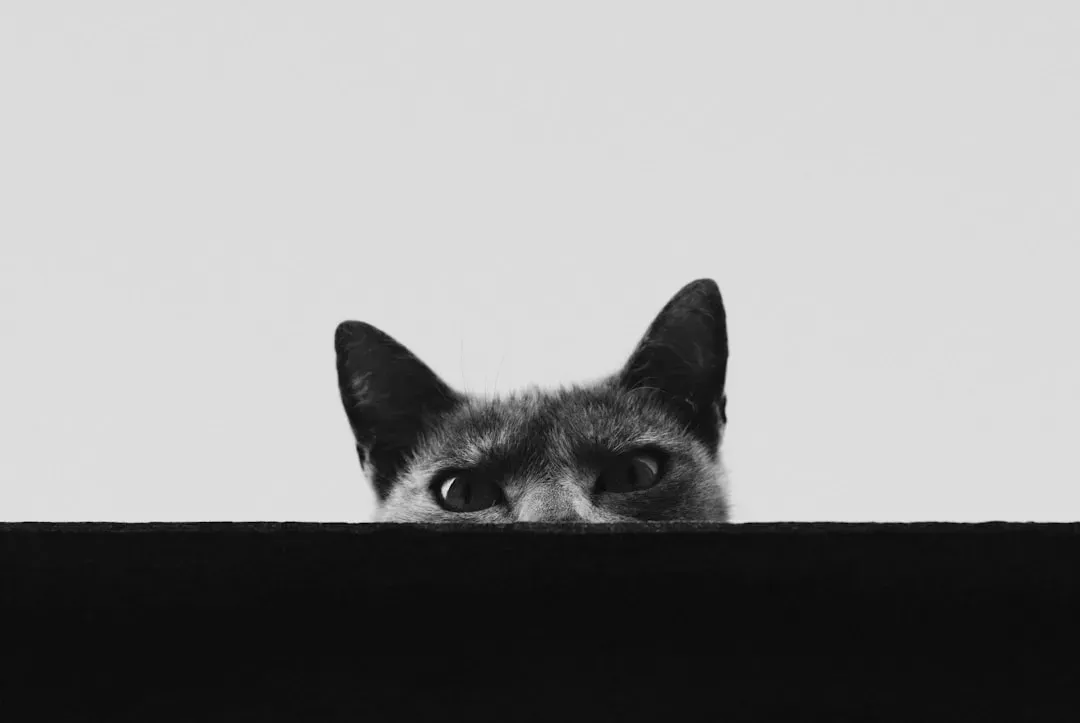
Direct, prolonged eye contact is a confrontational signal in feline body language, closer to a challenge than a greeting. Humans use eye contact to build connection, so it’s an easy habit to bring into interactions with a cat without thinking twice. But a hard stare from a person looming above them can feel like being sized up by a predator.
The alternative that actually builds trust is the slow blink, sometimes nicknamed a cat kiss. Softening your gaze, blinking slowly, and looking away afterward mimics the relaxed eye contact cats use with each other when there’s no threat present. Cats that receive slow blinks from familiar humans are more likely to approach and blink back, a small daily ritual that reinforces safety rather than tension.
#3 Punishing bad behavior after the fact
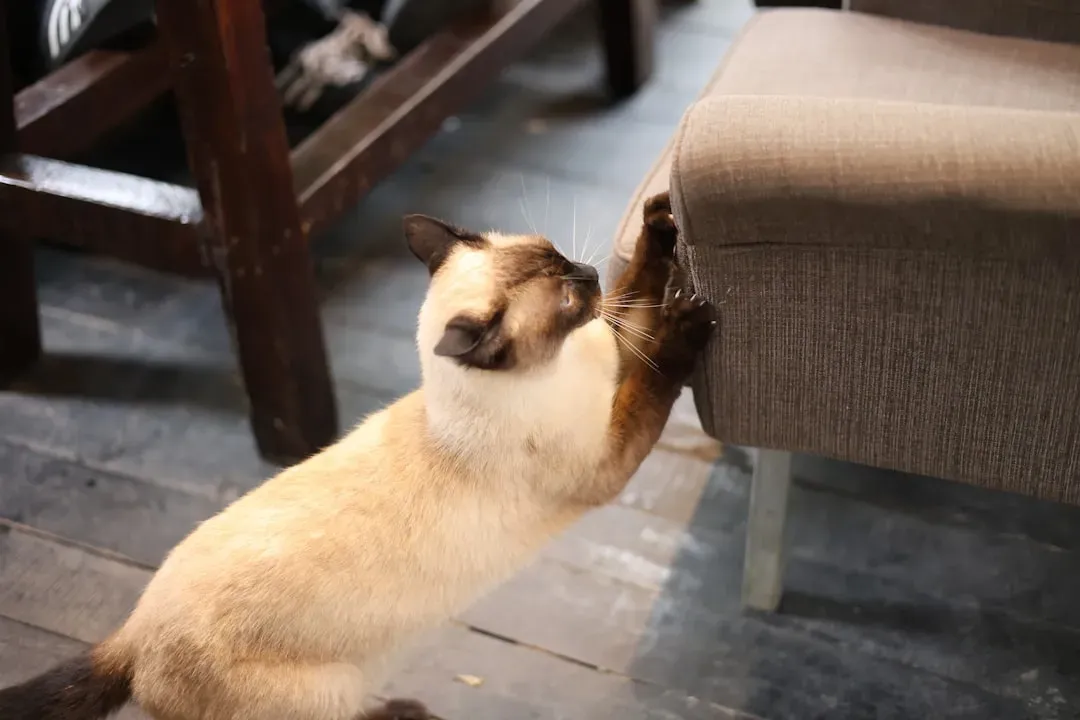
Cats don’t connect delayed consequences to their actions the way dogs sometimes can, and yelling or swatting a cat minutes after it scratched the couch or knocked something over teaches it nothing about the behavior. What it does teach is that your presence can unpredictably lead to something unpleasant. That unpredictability is corrosive to trust because it removes the cat’s ability to predict and control its environment.
Spray bottles, loud noises used as punishment, or physical corrections tend to make cats warier of the punisher, not the behavior. A more effective and trust-preserving approach is redirecting the behavior in the moment or adjusting the environment, such as offering a scratching post near the couch. Cats respond far better to consistency and management than to reactive discipline delivered after the moment has passed.
#4 Ignoring subtle stress signals
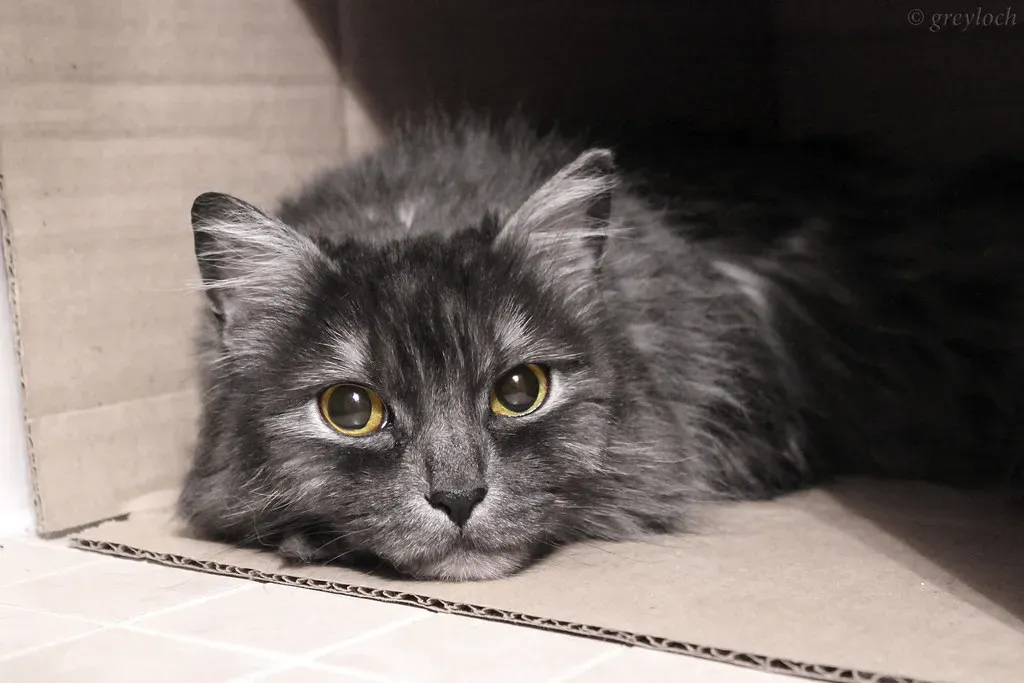
A flattened body, dilated pupils, a tail flicking low and fast, or ears rotated sideways are all early warnings that a cat is uncomfortable, long before hissing or swatting occurs. Many owners miss these cues simply because they’re subtle and happen quickly. When those signals are consistently overlooked, a cat learns that communicating discomfort doesn’t change anything, so it may escalate faster to more obvious warnings like growling or biting.
Paying attention to body language isn’t about being hyper-vigilant, it’s about respecting the conversation a cat is already trying to have. Backing off when a tail starts twitching or ears flatten shows the cat that its signals are heard and respected. This small habit of listening, rather than pushing through discomfort, keeps communication open instead of forcing it to become confrontational.
#5 Changing their environment too abruptly
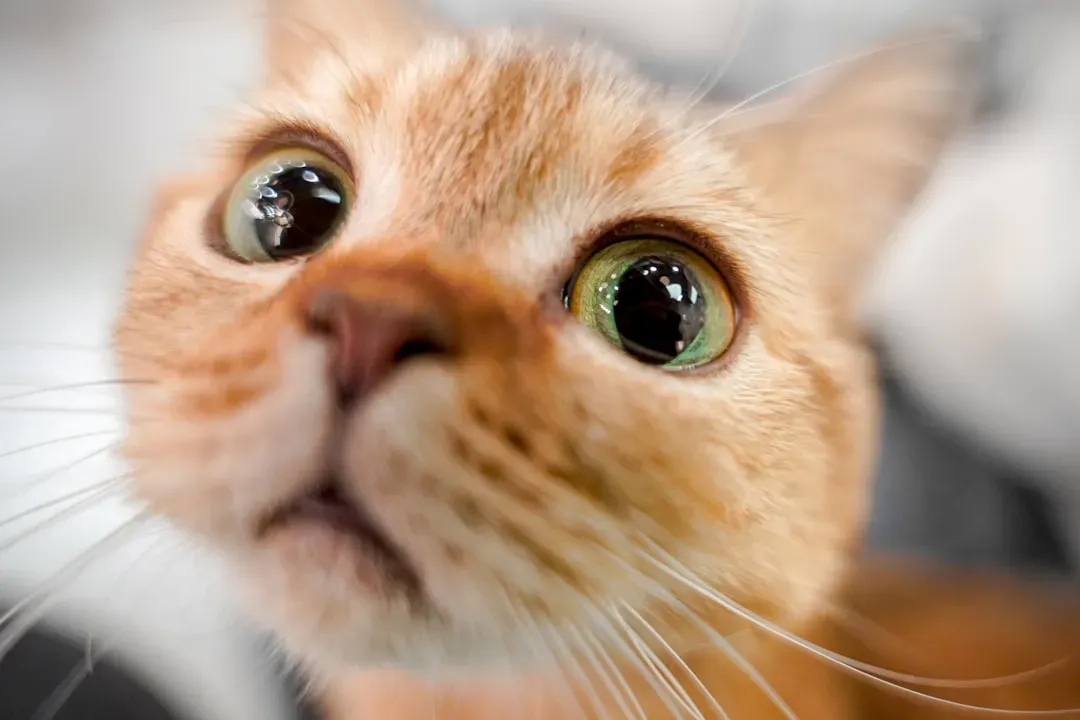
Cats are territorial animals who build a mental map of their space, including scent markers, safe hiding spots, and predictable pathways. Rearranging furniture, introducing new pets, or moving the litter box without warning can feel disorienting and even threatening, because it disrupts that internal map all at once. The stress isn’t about vanity or stubbornness, it’s a genuine loss of the predictability cats rely on to feel secure.
Gradual introductions work far better than sudden changes. If a new piece of furniture, a new pet, or a new routine is coming, giving a cat time to investigate at its own pace, with familiar scents and objects nearby, softens the disruption considerably. Trust is partly built on a cat’s ability to predict its world, and abrupt changes undermine that foundation more than most owners realize.
#6 Approaching too quickly or from above
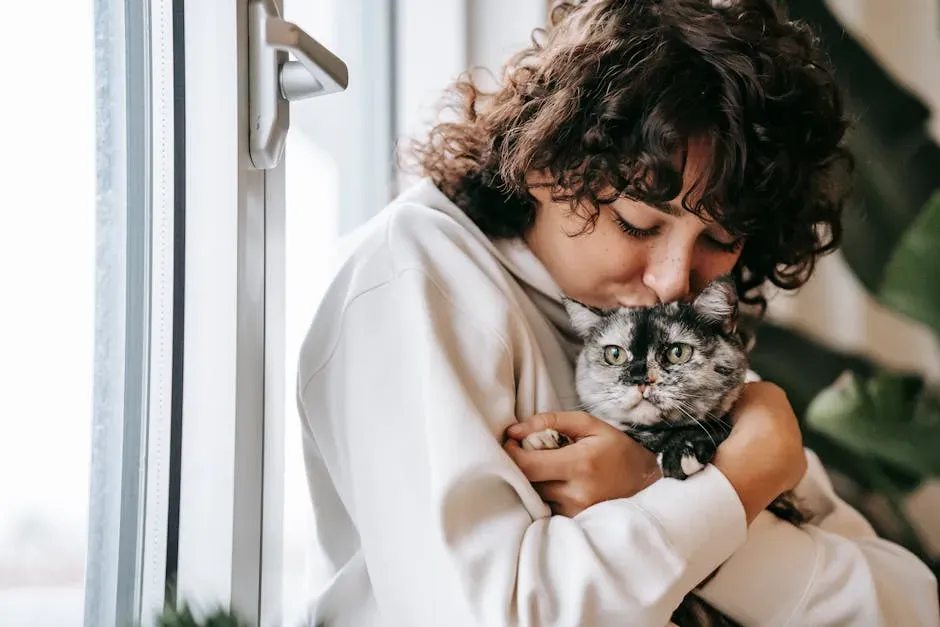
Bending directly over a cat, moving fast toward it, or reaching down from a height mimics the posture of a predator looming over prey, even if the intention is purely affectionate. Cats have a wide field of vision tuned to detect exactly this kind of movement, and a fast approach can trigger a flinch or retreat response before the cat even consciously registers what happened. Repeated exposure to this kind of approach, especially from someone the cat doesn’t know well, can make it warier of people in general.
Crouching down to the cat’s level, moving slowly, and letting the cat approach first changes the entire dynamic. This lower, non-threatening posture signals that you’re not asserting dominance over the space. Many cats that seem shy or standoffish around certain people are simply responding to how those people move, not to anything personal.
#7 Inconsistent routines around feeding and attention
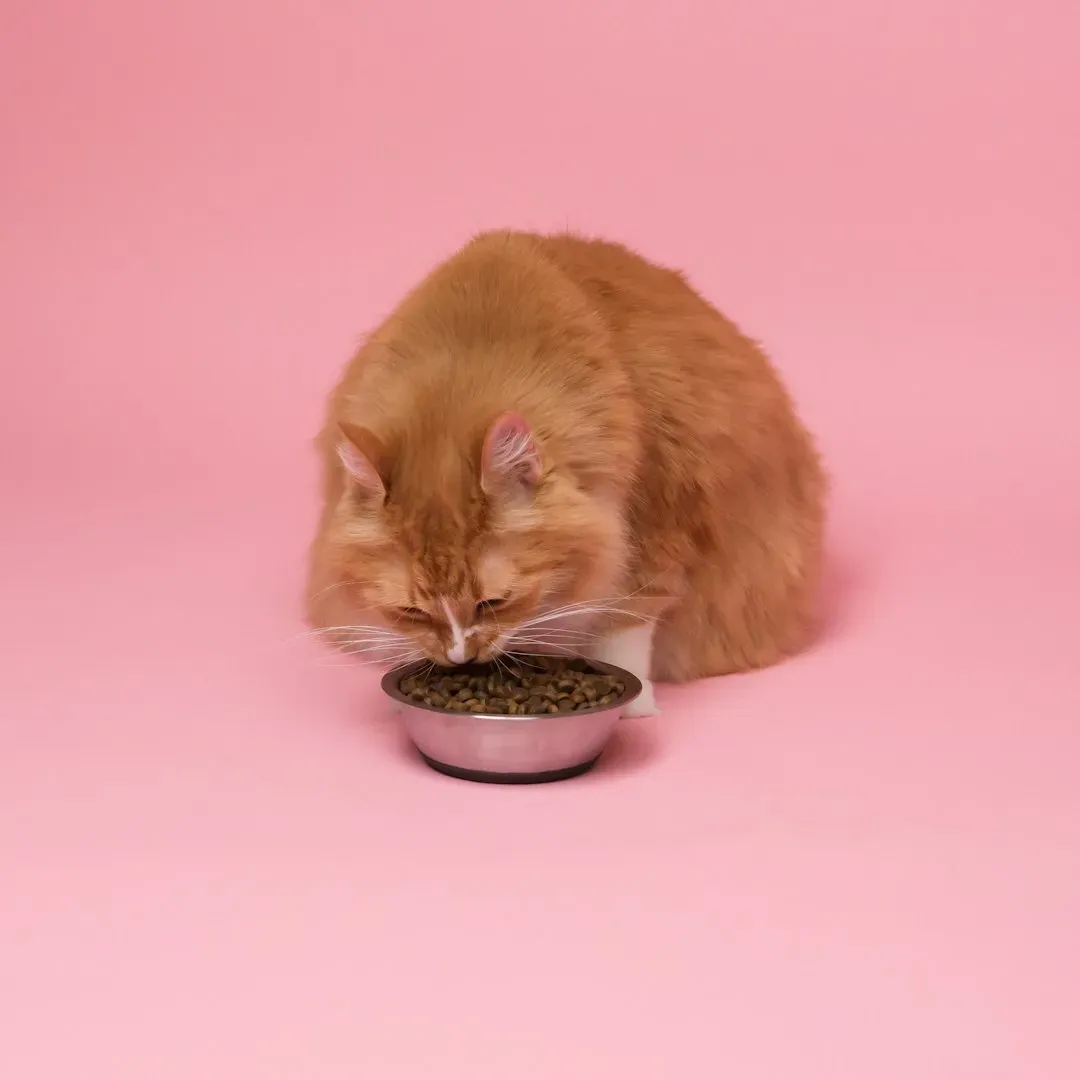
Cats thrive on rhythm. Feeding at wildly different times each day, or offering attention only when it’s convenient for you rather than in a consistent pattern, creates a low hum of uncertainty that cats pick up on. This isn’t about rigid scheduling to the minute, but about a general reliability that lets a cat relax instead of staying alert for when the next meal or interaction might come.
Unpredictability around resources, especially food, taps into a survival instinct that’s still very much alive in domestic cats. A cat that isn’t sure when it will eat next may become more anxious, more food-aggressive, or more clingy in ways that look like affection but are actually stress responses. Steady routines, even loosely kept ones, tend to produce calmer, more trusting cats.
#8 Laughing at or dismissing their fear
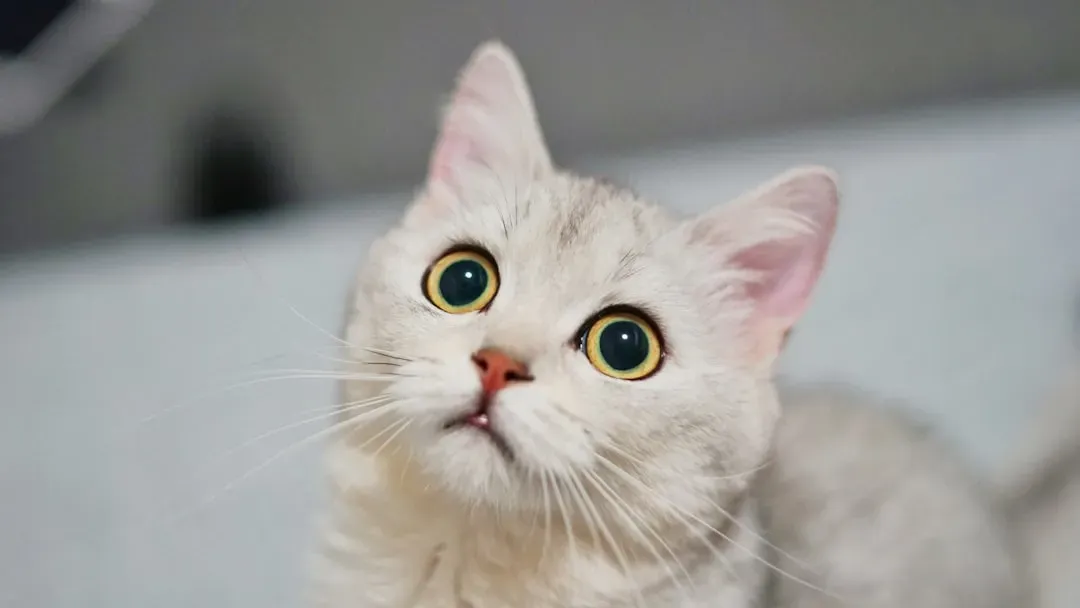
It’s a common reaction to laugh when a cat spooks at a cucumber or bolts from a vacuum cleaner, but from the cat’s perspective, there’s nothing funny happening. Fear responses are real and physiologically taxing, and when a frightened cat looks to its environment for reassurance and instead finds humans reacting with amusement rather than calm, it can deepen the sense that its environment isn’t safe. This is especially true if the fear response is filmed or repeated for entertainment.
What actually helps is staying calm and low-key during a cat’s fear response, without over-comforting in a way that reinforces the fear either. A neutral, steady presence signals that nothing catastrophic is happening. Cats read human emotional tone more than most people expect, and a household that treats their fear as a joke, even affectionately, slowly erodes the sense of safety that trust depends on.
#9 Forcing interactions with strangers or other animals
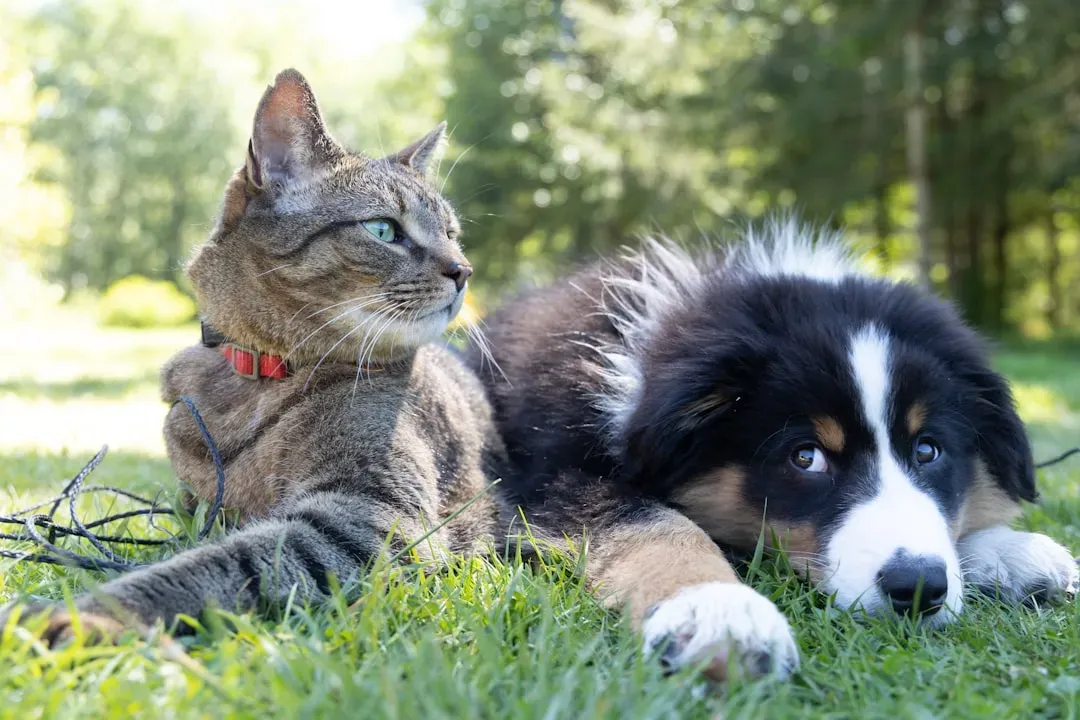
Pulling a hiding cat out to meet a guest, or holding a cat close to a new dog or cat before it’s ready, removes the one tool a cat relies on most in uncertain situations: the ability to retreat. Cats build trust in new relationships gradually, through repeated low-pressure exposure, not through forced proximity. When that choice is taken away, the cat often associates the stress not just with the stranger or animal, but with the person who removed its options.
Letting a cat observe from a distance, approach when curious, and retreat when it needs to, is slower but far more effective. This applies to new pets, new people, and even new caregivers such as pet sitters. Patience during introductions pays off in a cat that’s more socially confident over time, rather than one that becomes increasingly defensive.
#10 Neglecting their need for control and choice

Autonomy matters enormously to cats, arguably more than it does to most companion animals. Free access to hiding spots, the ability to choose when to eat, play, or be touched, and multiple escape routes in the home all contribute to a baseline sense of security. When a cat’s choices are constantly overridden, whether through forced medication, blocked access to preferred spaces, or a household that doesn’t accommodate its need for retreat, trust erodes steadily even without any single dramatic incident.
Giving a cat agency doesn’t mean the household revolves around it, but it does mean building in choices wherever possible. Multiple litter boxes, vertical space like cat trees, and consent-based interactions all reinforce that the cat has some control over its own experience. A cat that feels it has options is, somewhat counterintuitively, far more likely to choose closeness with the people around it.
Final Thoughts
Growing up traveling and experiencing new cultures and wonders, I have had a passion for nature, adventuring, photography, and videography. I am currently working towards a BSc in Biodiversity and Ecology at Stellenbosch University, and I hope to specialise in Marine Sciences one day.
Please send any feedback to Feedback@animalsaroundtheglobe.com