#1 Slow blinking at you across the room
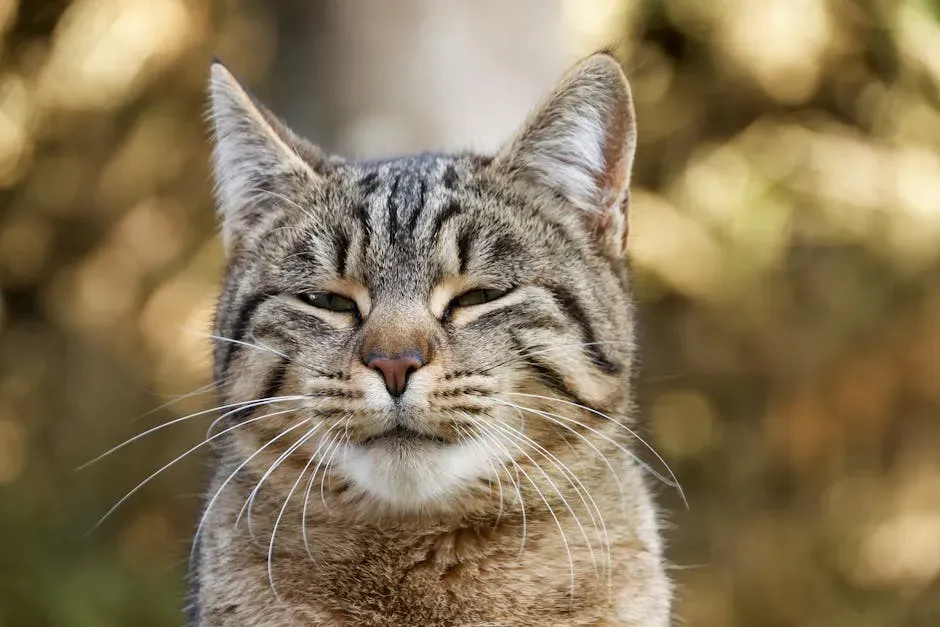
That long, deliberate blink your cat gives you from the couch isn’t random. Researchers who study feline behavior have found that slow blinking functions almost like a smile, a way for cats to signal that they feel safe and relaxed around a particular person. It’s a vulnerable gesture because closing the eyes, even briefly, means letting their guard down in front of you.
What makes this sign especially telling is that cats reserve it for individuals they trust, not strangers or people they’re wary of. If you slow blink back, many cats will actually mirror the gesture, creating a little back and forth that almost feels like a conversation. It’s a subtle habit, easy to miss if you’re not paying attention, but it’s one of the clearest windows into how a cat actually feels about the people in its life.
#2 Kneading you like a kitten with its mother
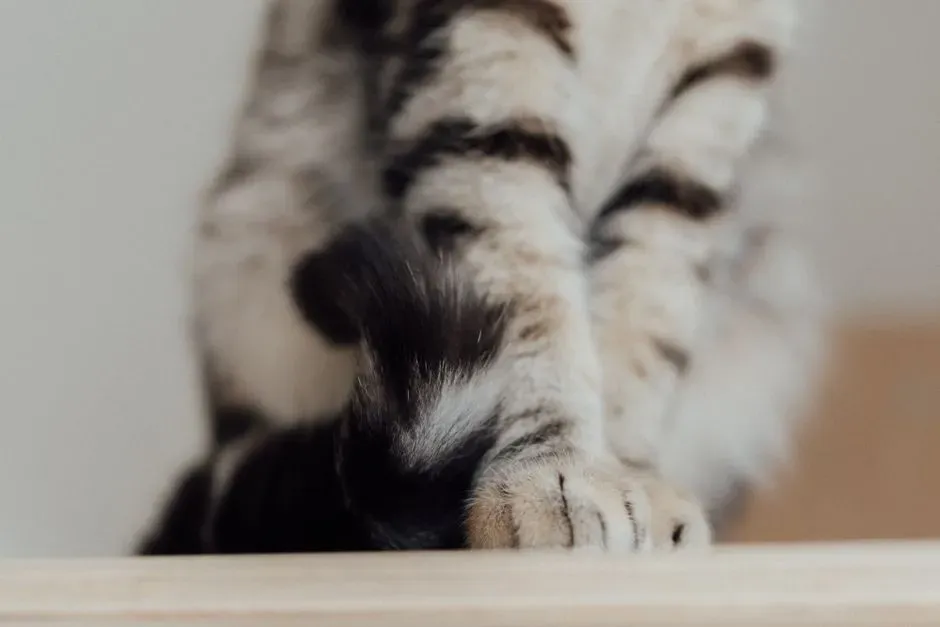
The rhythmic pressing of paws against your lap, blanket, or stomach traces back to kittenhood, when kittens knead their mother while nursing to stimulate milk flow. Adult cats who still do this, especially against a person, are essentially reverting to that early, comforting behavior. It’s a sign the cat associates you with the same sense of security and contentment it felt as a nursing kitten.
Some cats knead gently, others dig in with claws extended, which can be surprising if you’re not expecting it. Either way, the behavior tends to show up during moments of deep relaxation, right before a nap or during a long petting session. Cats rarely knead people they feel uneasy around, so a lap full of paws is a genuine compliment, even if it occasionally pokes a little.
#3 Bringing you “gifts,” dead or alive
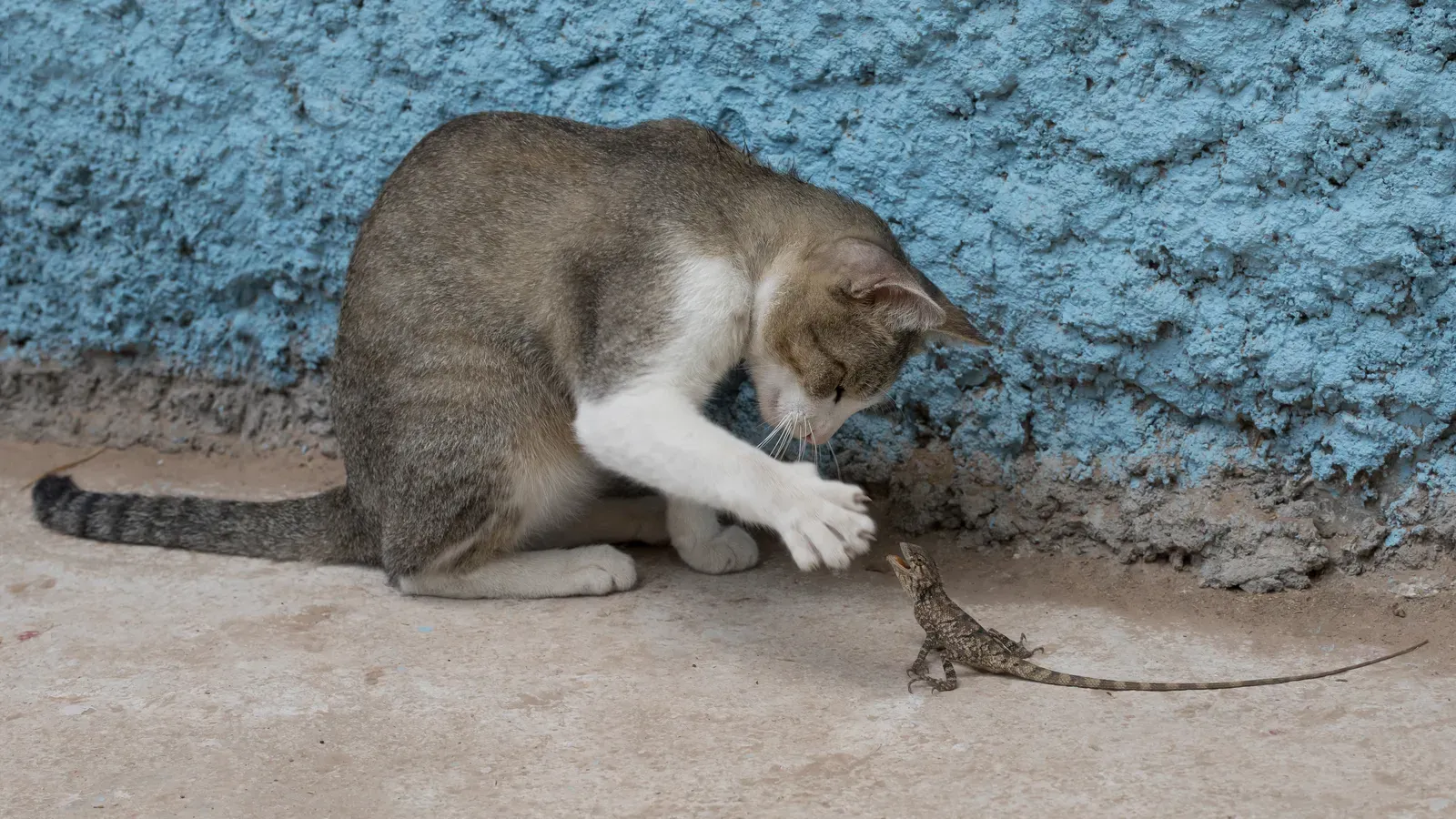
A cat depositing a dead bug, a toy mouse, or worse on your pillow isn’t trying to gross you out. In the wild, cats teach kittens to hunt by bringing them prey, and many domestic cats extend that same instinct to their human family members. Bringing you something they’ve caught, or something they treat as prey like a favorite toy, is a way of including you in their idea of the group.
It can help to think of it less as a gift in the human sense and more as an invitation into their world. Cats that do this are often the same ones with strong hunting drives, and the behavior tends to increase with cats who spend time outdoors or have access to insects and small toys indoors. However unappetizing the delivery might be, it reflects a level of trust and inclusion that most cats don’t extend to people they consider outsiders.
#4 Following you from room to room
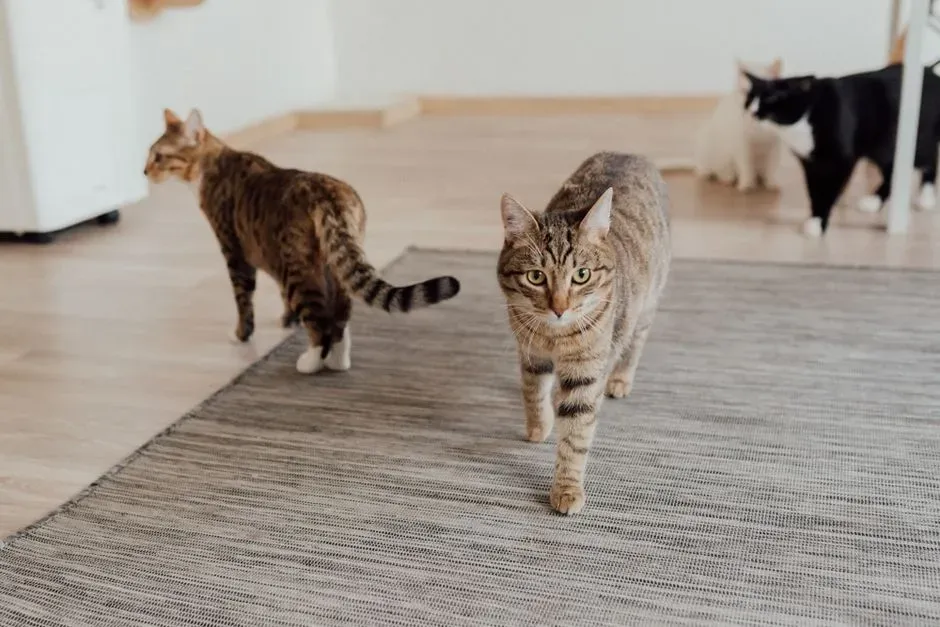
Cats are territorial animals, so when a cat chooses to shadow a specific person around the house, it says something about that particular relationship. This isn’t the same as a cat simply patrolling its space. A cat trailing you to the kitchen, the bathroom, or the home office is treating you as a point of interest worth tracking, almost the way it would keep tabs on another member of its social group.
This behavior often intensifies during specific times of day, particularly around meals or when the household settles down for the evening. Some cats will even wait outside a closed door rather than go elsewhere, which reflects how strongly they’ve bonded to that person’s presence. It’s a low key behavior, easy to take for granted, but it reflects a real preference rather than mere coincidence.
#5 Sleeping near you, or directly on you
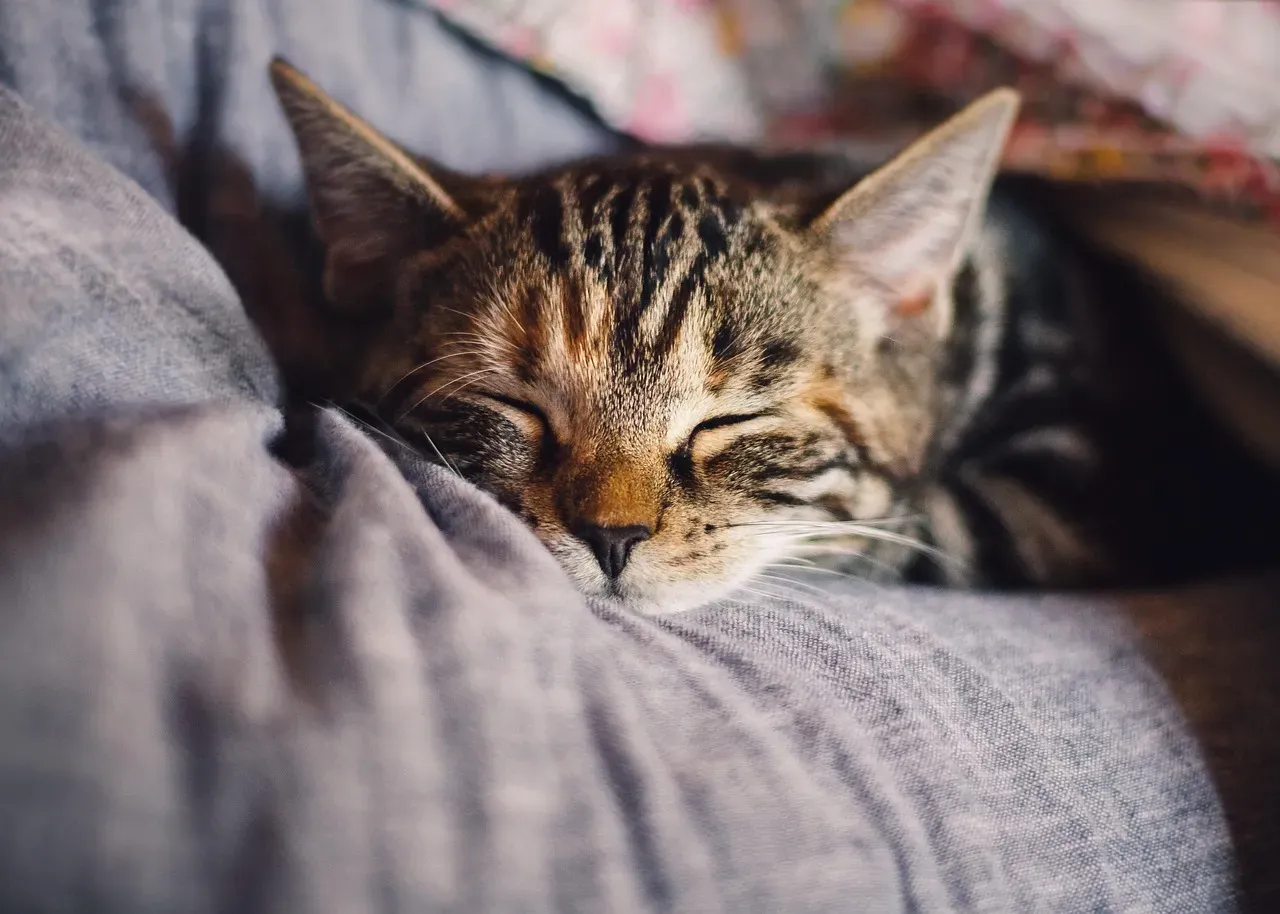
Sleep is when animals are at their most vulnerable, so where a cat chooses to nap says a lot about who it trusts. A cat that curls up on your chest, tucks into the crook of your knees, or claims the pillow next to your head is making a clear statement about safety. Wild and feral cats rarely sleep in exposed positions near other animals unless there’s a strong bond of trust involved.
The specific spot matters too. Cats that sleep pressed against a person’s body, rather than just in the same room, tend to be seeking warmth and reassurance in equal measure. If your cat has a favorite person to nap on, and shifts locations depending on who’s home, that preference is a genuine reflection of its social bonds rather than a random habit.
#6 Head bunting and cheek rubbing
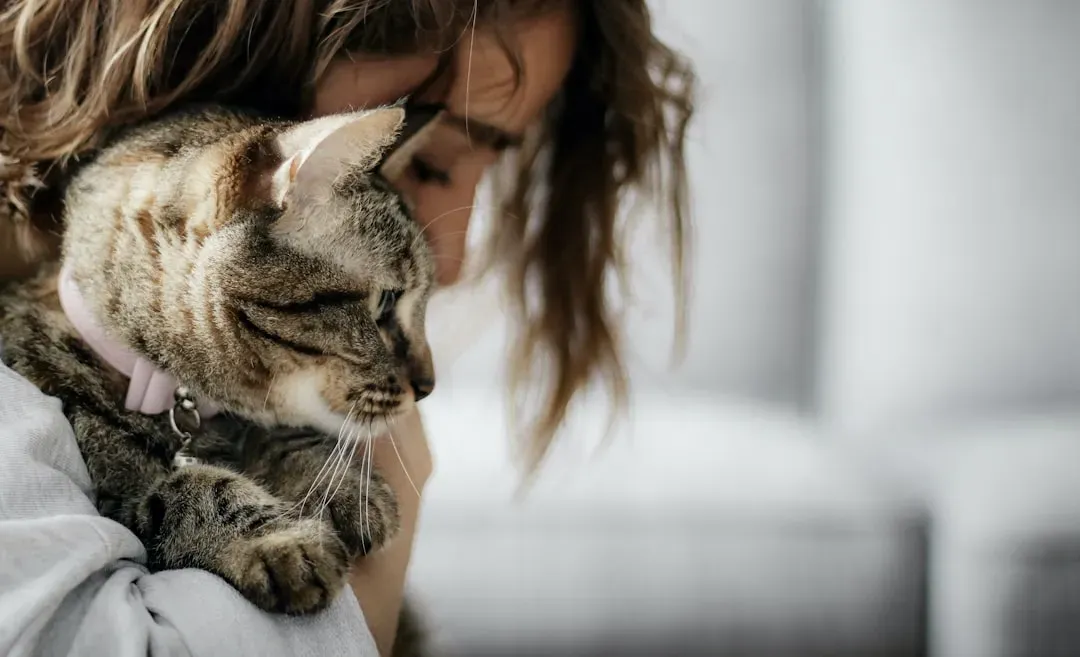
Cats have scent glands located around their cheeks, chin, and forehead, and when they rub these areas against a person, they’re depositing their own scent as a way of marking that individual as part of their group. This is the same behavior cats use with each other in multi cat households that get along well. A head bunt, that gentle headbutt against your hand or leg, is essentially a cat saying you belong to its circle of trust.
Unlike urine marking, which signals ownership of territory in a more defensive way, cheek rubbing is affiliative, meaning it’s associated with bonding rather than conflict. Cats tend to reserve this gesture for people and animals they feel genuinely comfortable around. A cat that regularly bunts a specific family member, while ignoring or merely tolerating others, is showing a clear and consistent preference.
#7 Talking to you with a variety of vocalizations
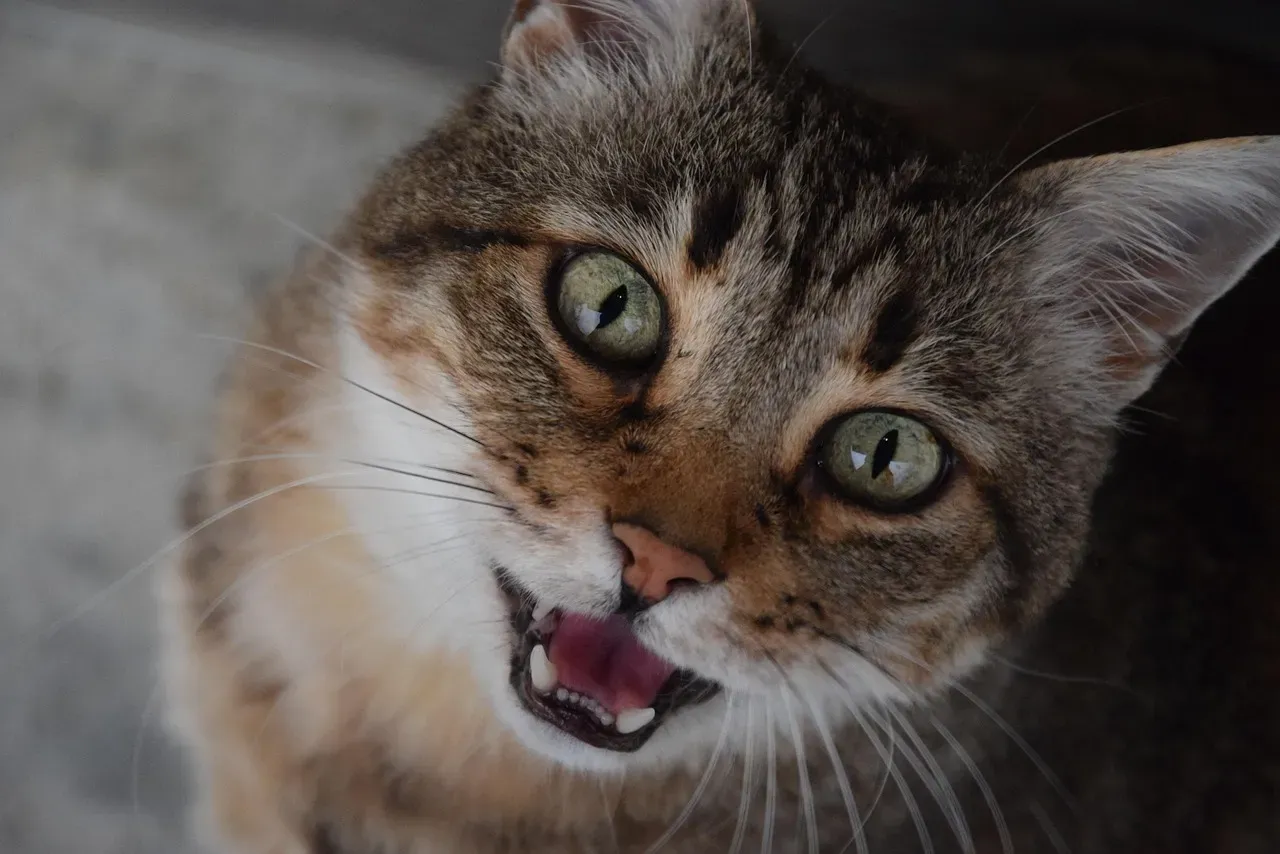
Adult cats rarely meow at each other. That vocalization is largely reserved for communicating with humans, which researchers believe developed specifically because cats learned it gets attention from people. A cat that greets you with chirps, trills, or a whole range of meows, rather than staying silent, is engaging in a form of communication it developed almost exclusively for your benefit.
Some cats even develop a distinct “vocabulary” of sounds tied to specific requests, like a particular meow for food versus one for wanting a door opened. This kind of vocal engagement tends to be more pronounced with people the cat interacts with frequently and positively. A quiet cat that suddenly starts chattering when a specific person walks in is showing a level of comfort and connection that shouldn’t be overlooked.
#8 Showing you its belly
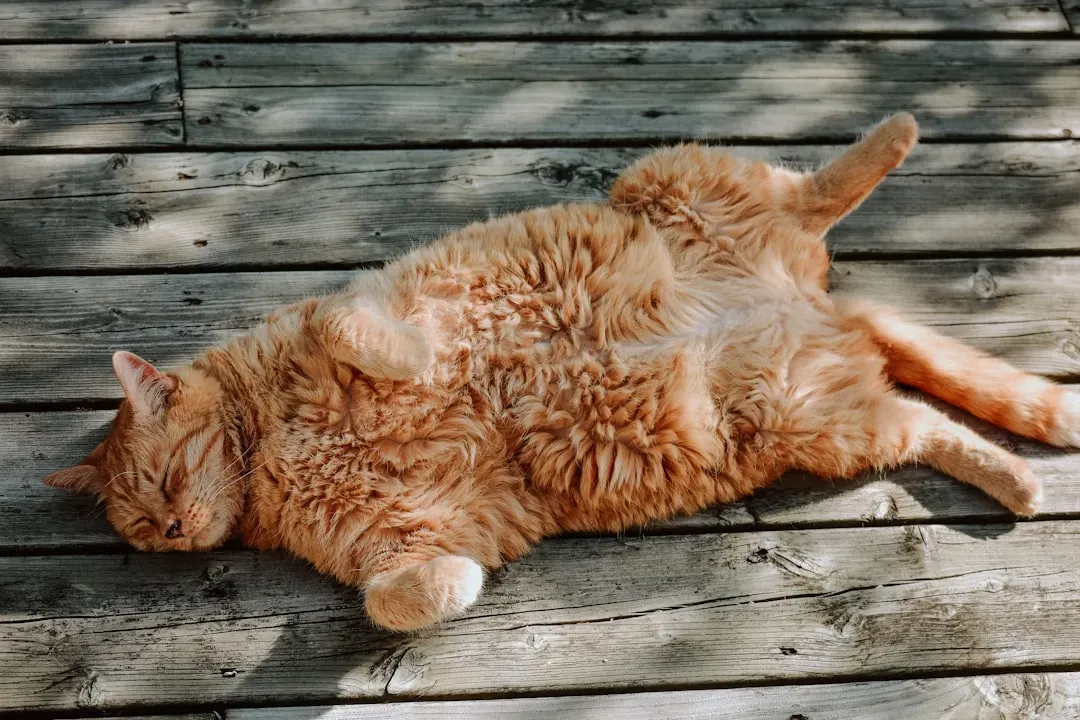
The exposed belly is one of the most vulnerable positions a cat can offer, since it leaves vital organs unprotected. When a cat rolls over and shows its belly to a person, it’s rarely an invitation for a belly rub, most cats still don’t love that, but it is a clear signal of trust and relaxation. It means the cat feels safe enough in that moment to drop its usual defensive posture entirely.
This gesture often appears alongside other relaxed behaviors, like slow blinking or a loosely curled tail, reinforcing that the cat is genuinely at ease rather than simply stretching. Context matters here, since a cat that immediately swats if touched is still communicating trust through exposure, just not an invitation for contact. Recognizing the difference helps avoid a well meaning hand ending up on the wrong end of some fast reflexes.
The Bottom Line
Kristina is a young writer from India. An arts graduate and an avid content creator, Kristina is passionate about animals and wildlife. She enjoys exploring topics related to pet care, animal behavior, conservation, and nature, combining thorough research with engaging storytelling.