#1 Ragdoll
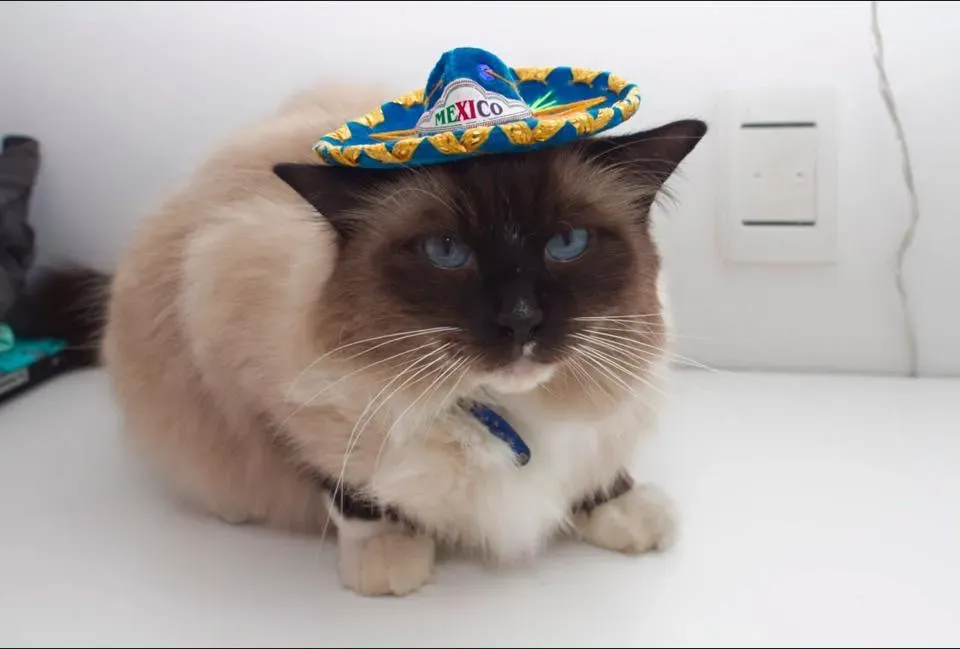
Ragdolls earned their name for a reason. Pick one up and it tends to go limp with contentment rather than squirm away, which makes handling and grooming far less of a wrestling match. They’re large, soft bodied cats with striking blue eyes and a calm, almost dog like devotion to their humans, often following them from room to room rather than demanding attention on their own terms.
Their semi long coat looks like it would be a grooming nightmare, but it’s actually low shedding and mats less than you’d expect, needing just a weekly brush to stay tidy. Ragdolls are known for being quiet, gentle, and tolerant of handling, traits that make them a natural fit for anyone who wants a calm presence in the house rather than a whirlwind of energy underfoot.
#2 British Shorthair
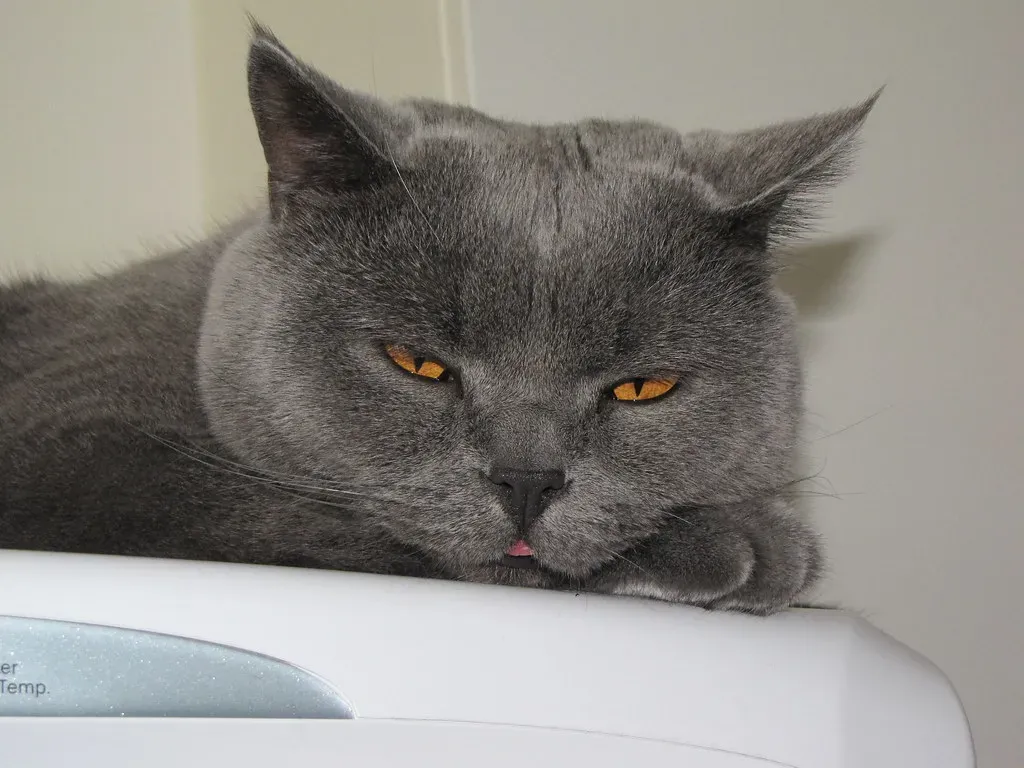
The British Shorthair has a round, plush face and a stocky build that makes it look perpetually relaxed, and the personality mostly matches the appearance. These cats are independent without being aloof, content to nap for long stretches but still happy to sit nearby while you read or watch television. They rarely demand constant interaction, which suits a slower, quieter household rhythm.
Grooming is simple thanks to a dense, short coat that only needs occasional brushing, and the breed is generally sturdy and long lived. British Shorthairs tend to be tolerant of being left alone for reasonable stretches of time, so they work well for owners who value companionship but also appreciate a cat that doesn’t need to be entertained around the clock.
#3 Scottish Fold
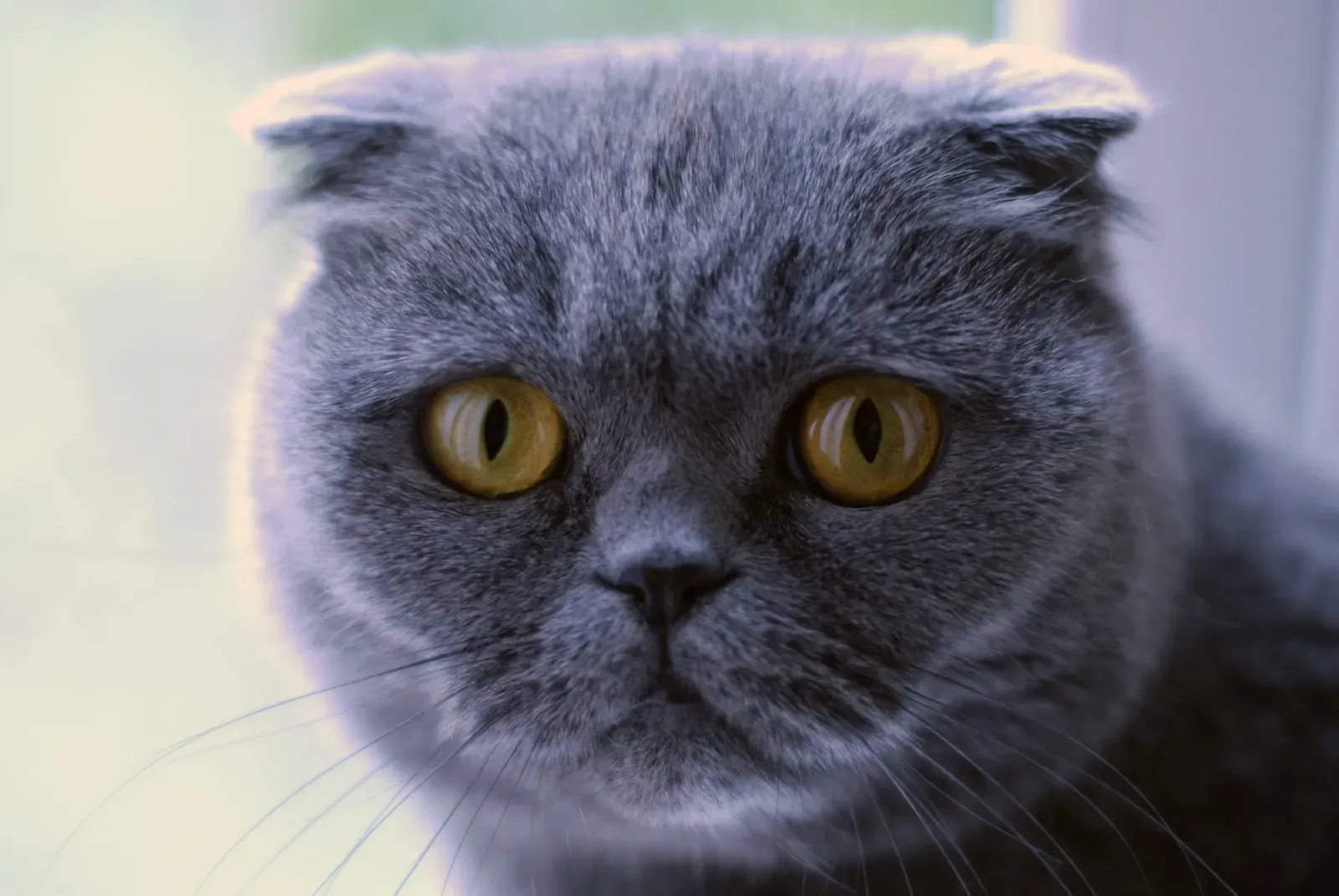
With their distinctive folded ears and round faces, Scottish Folds have an almost owl like expression that many people find instantly endearing. They’re known for being sweet natured and adaptable, often bonding closely with one or two people rather than spreading their affection thin across a busy household. That focused loyalty can be especially rewarding for someone living alone or with a partner.
They’re moderate in energy, enjoying short bursts of play followed by long periods curled up on furniture or a warm lap. Their coat, whether short or the less common long haired variety, is manageable with regular brushing, and their generally calm disposition means they adjust well to quieter living situations without needing constant stimulation.
#4 Persian
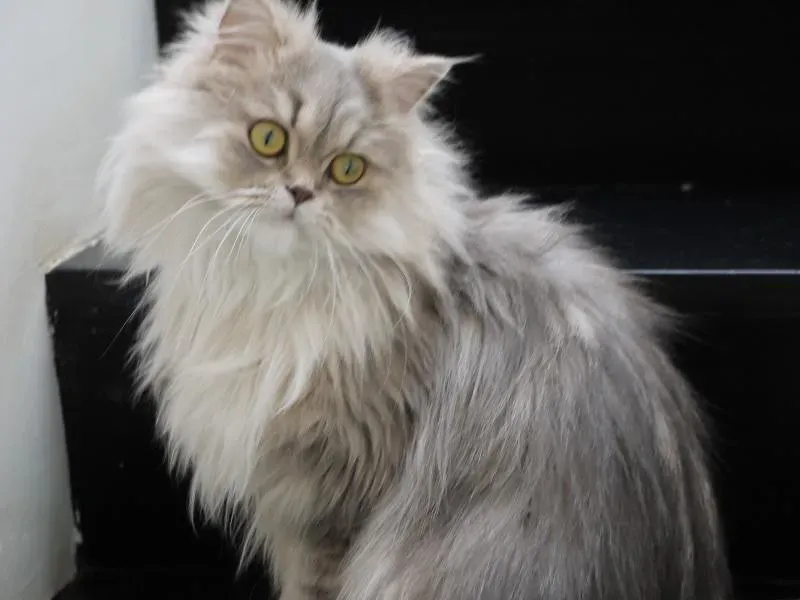
Persians are the classic lap cat, prized for centuries for their placid temperament and luxurious coat. They’re not big movers, preferring soft surfaces and predictable routines over climbing or exploring, which makes them a good match for a calmer home environment. Their quiet, affectionate nature means they’re often content simply being near their owner rather than seeking constant activity.
The tradeoff is grooming. That famous coat needs daily brushing to prevent mats, so anyone considering a Persian should be comfortable with a short daily routine or willing to schedule regular professional grooming. For those who enjoy that ritual, though, it becomes a calm, almost meditative part of the day rather than a chore.
#5 Russian Blue
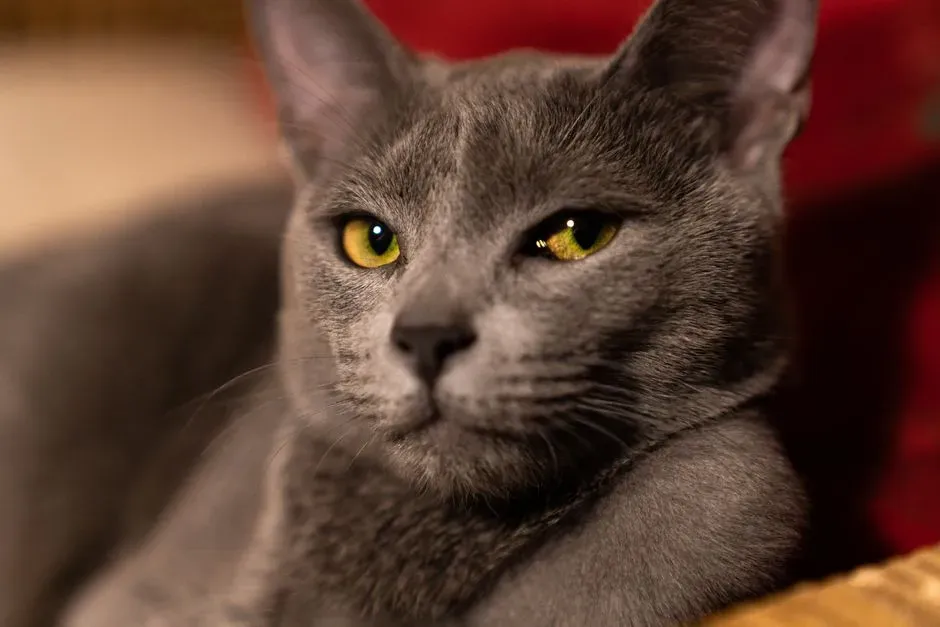
Russian Blues carry a reputation for being reserved with strangers but deeply devoted to their own household, which often means a strong, steady bond forms with the person who cares for them daily. Their short, dense, silvery blue coat gives them a striking look, and they tend to be quiet, soft spoken cats rather than vocal ones. That quiet nature can make for a peaceful home atmosphere.
They’re intelligent and enjoy gentle play, but they’re not high maintenance in terms of exercise needs, fitting comfortably into a calmer daily schedule. Grooming is minimal thanks to the short coat, and their generally healthy, hardy build means fewer breed specific health concerns to worry about as they age.
#6 Exotic Shorthair
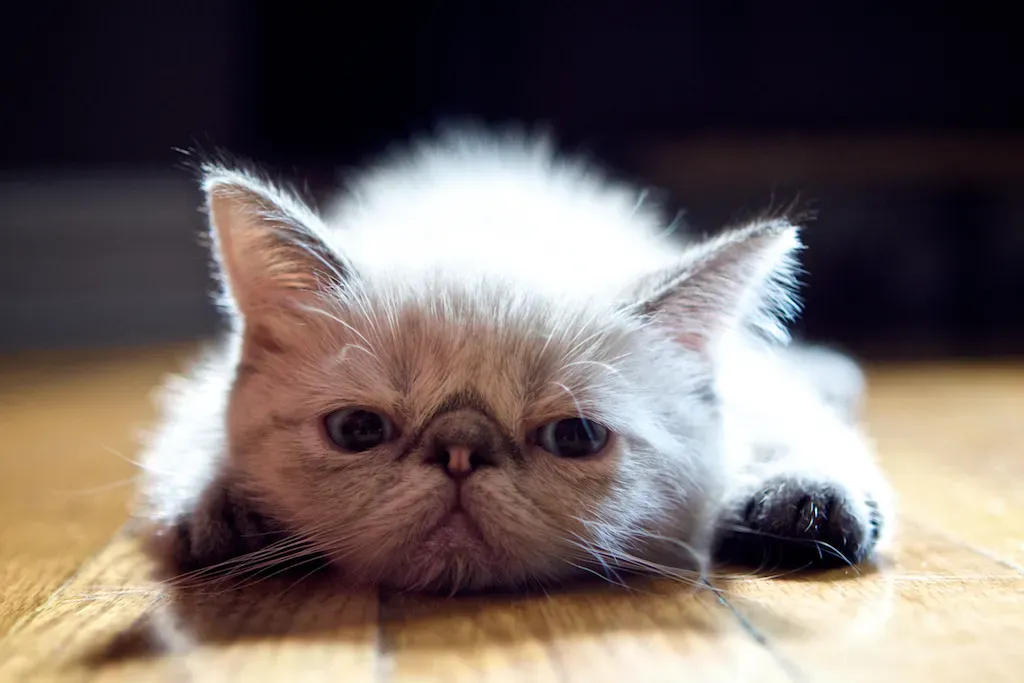
Think of the Exotic Shorthair as a Persian with a shorter, easier to manage coat. It shares that same sweet, laid back temperament, content to curl up nearby and watch the world go by rather than dash around the house. Its flat faced, round eyed look has made it increasingly popular, and its personality tends to be just as gentle as its appearance suggests.
Because the coat is short and dense rather than long and flowing, grooming needs are far more modest than a full Persian, usually just a weekly brush. This breed tends to be quiet and undemanding, making it a practical choice for someone who wants Persian like calm without the daily grooming commitment.
#7 Maine Coon
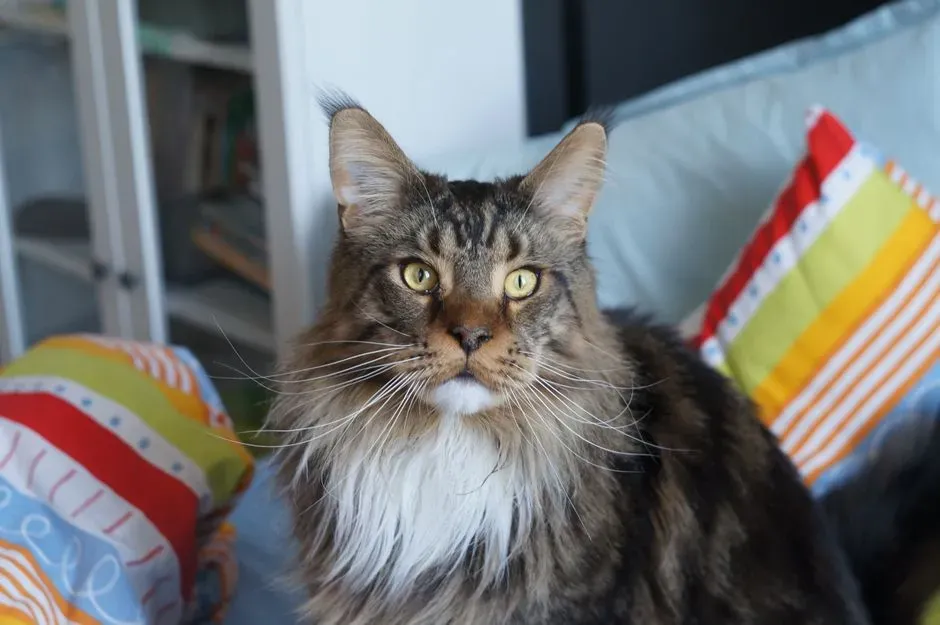
Maine Coons are large, sometimes strikingly so, but their size belies a gentle, easygoing temperament that has earned them a nickname as the “gentle giants” of the cat world. They’re sociable and tend to enjoy being part of household activity without being clingy, often choosing to sit nearby rather than directly in a lap. Their intelligence and mild playfulness can bring a bit of lively companionship without becoming overwhelming.
Their long, shaggy coat is more water resistant and less prone to matting than it looks, so regular brushing a couple of times a week usually keeps it in good shape. Maine Coons are also known for being generally healthy and long lived for a larger breed, which matters for anyone hoping for a long term companion rather than a short lived one.
#8 Birman
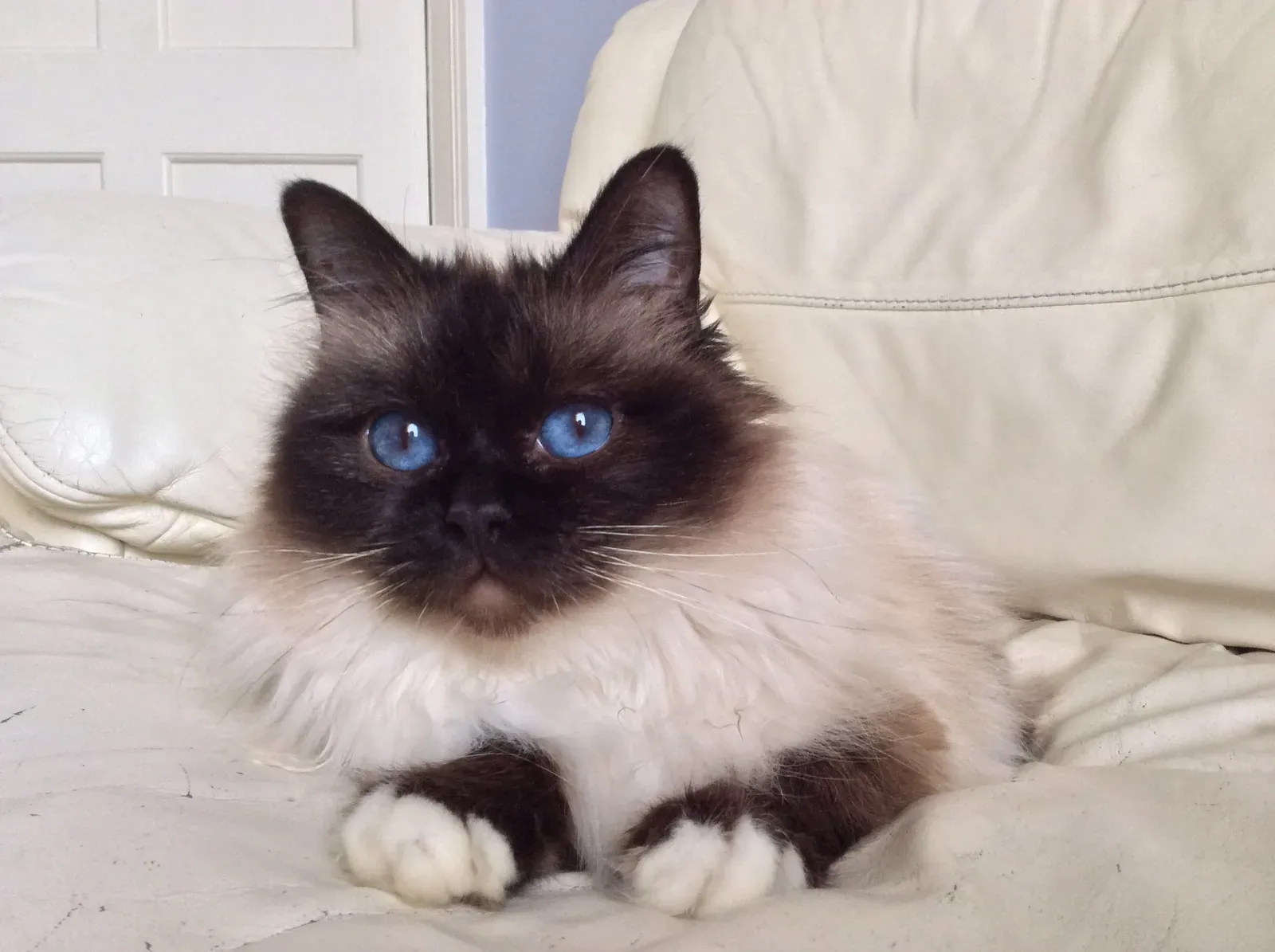
The Birman, sometimes called the Sacred Cat of Burma, combines striking looks (deep blue eyes, a silky coat, and distinctive white paws) with a temperament that’s often described as gentle, sociable, and even tempered. They tend to be affectionate without being overly demanding, striking a comfortable middle ground between a cat that ignores you and one that never leaves your side. That balance can be ideal for someone who wants companionship on their own terms.
Their semi long coat lacks a thick undercoat, which means it mats far less than other long haired breeds and generally only needs brushing once or twice a week. Birmans are also known for adapting well to quieter households and routines, making the transition into a calmer stage of life feel seamless rather than disruptive.
Final Thoughts
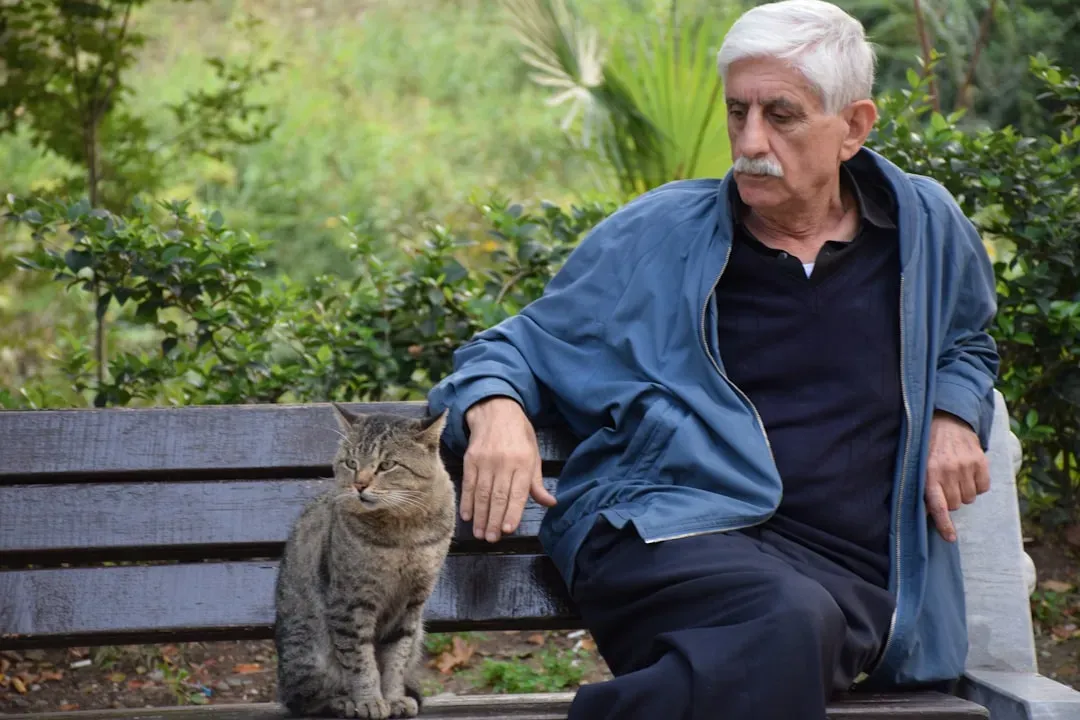
There’s no single perfect cat for every household, but the breeds above share a common thread: manageable grooming, steady temperaments, and a genuine capacity for companionship without constant demands. If pressed to choose, the Ragdoll and British Shorthair stand out as particularly well suited to older adults, combining low maintenance care with an affectionate, unhurried presence that fits naturally into a quieter daily rhythm.
Ultimately, temperament matters more than pedigree. Spending time with an individual cat before bringing it home, whether through a breeder or a shelter, will tell you more than any breed description ever could. A calm, affectionate cat that fits your specific routine is worth more than a perfect match on paper.
Kristina is a young writer from India. An arts graduate and an avid content creator, Kristina is passionate about animals and wildlife. She enjoys exploring topics related to pet care, animal behavior, conservation, and nature, combining thorough research with engaging storytelling.