You know that moment: the doorbell rings, voices float into your home, and your cat suddenly evaporates like smoke under the bed. It is easy to shrug it off and say your cat is just shy, antisocial, or being dramatic. But animal psychology suggests there is a lot more going on in that split second when your cat decides whether to stay or disappear.
When you look at it through a behavioral lens, your cat is not simply running away; your cat is making a strategic choice that weighs risk, past experience, and even energy levels. Understanding that calculated decision can totally change how you interpret your cat’s “rude” behavior toward guests. Instead of seeing a nervous wreck, you start to see a tiny strategist working hard to feel safe in a world that often moves too fast and too loud.
Your Cat Is Running a Risk Assessment, Not Just Hiding
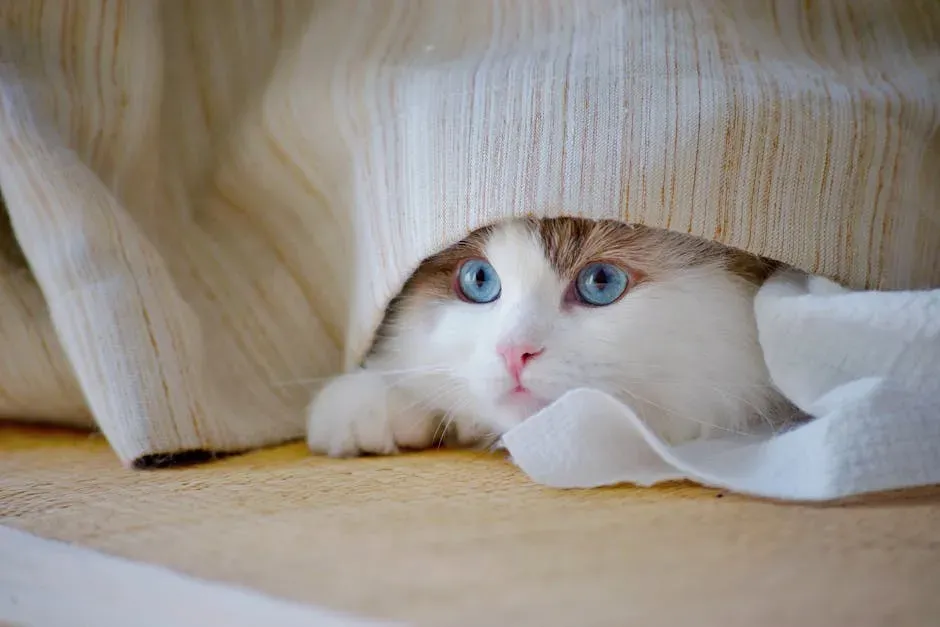
When guests arrive, your cat’s brain is running its own version of a security scan. New smells, unfamiliar footsteps, and sudden changes in volume all count as potential threats in your cat’s world. In the wild, approaching strangers could mean danger, so your cat’s instinct is to pause and decide rather than blindly walk into the unknown.
By retreating, your cat is not automatically saying, “I am scared of people,” but rather, “I do not yet know if this is safe.” You might think of it like how you feel walking into a dark parking garage at night; you are not necessarily terrified, but you are on alert, scanning for signals. Your cat does the same, checking from a distance until those guests pass its internal safety test.
Previous Experiences Quietly Shape Today’s Reaction
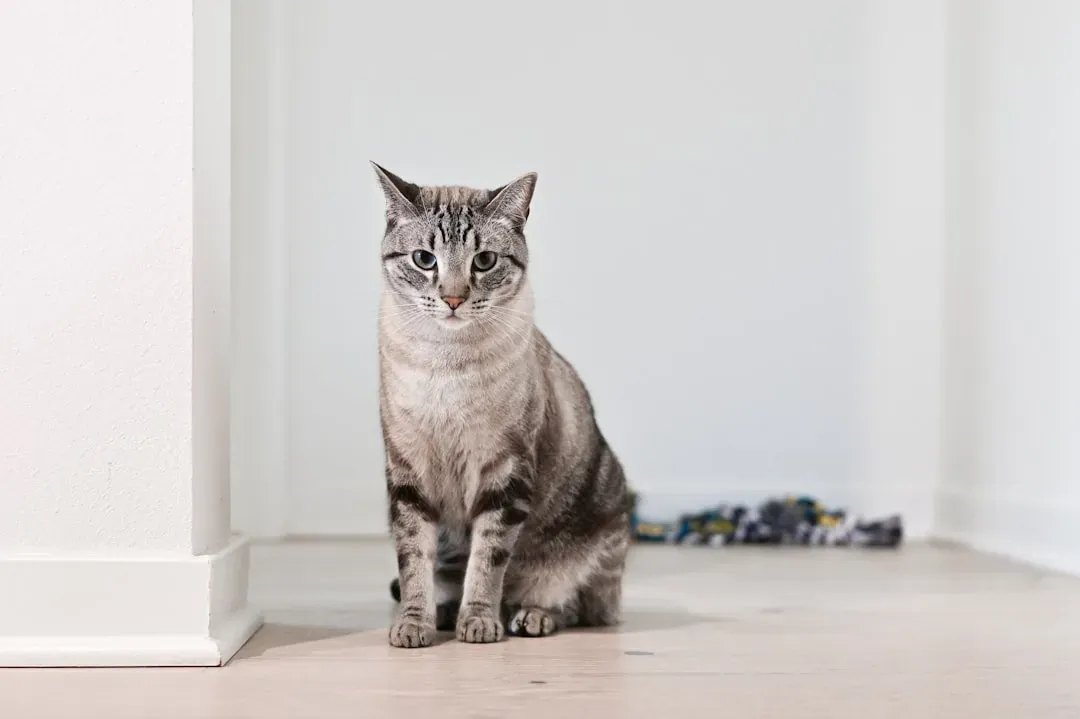
Your cat’s decision to bolt when guests arrive is heavily colored by what has happened in the past. If your cat has ever been chased by kids, startled by loud laughter, or picked up without warning, those memories quietly feed into the current moment. Even if you barely remember that chaotic birthday party from years ago, your cat might still store it as a mental note that “a crowd equals chaos.”
On the flip side, if your cat has had mostly calm, respectful visitors, you may notice it peeking out sooner or even choosing to stay in the room. You are watching learning in real time: your cat compares this situation to its mental archive and makes a call based on what felt safe or scary before. That retreat is not random; it is an informed decision built from your cat’s personal history.
Personality and Genetics Make Some Cats More Cautious
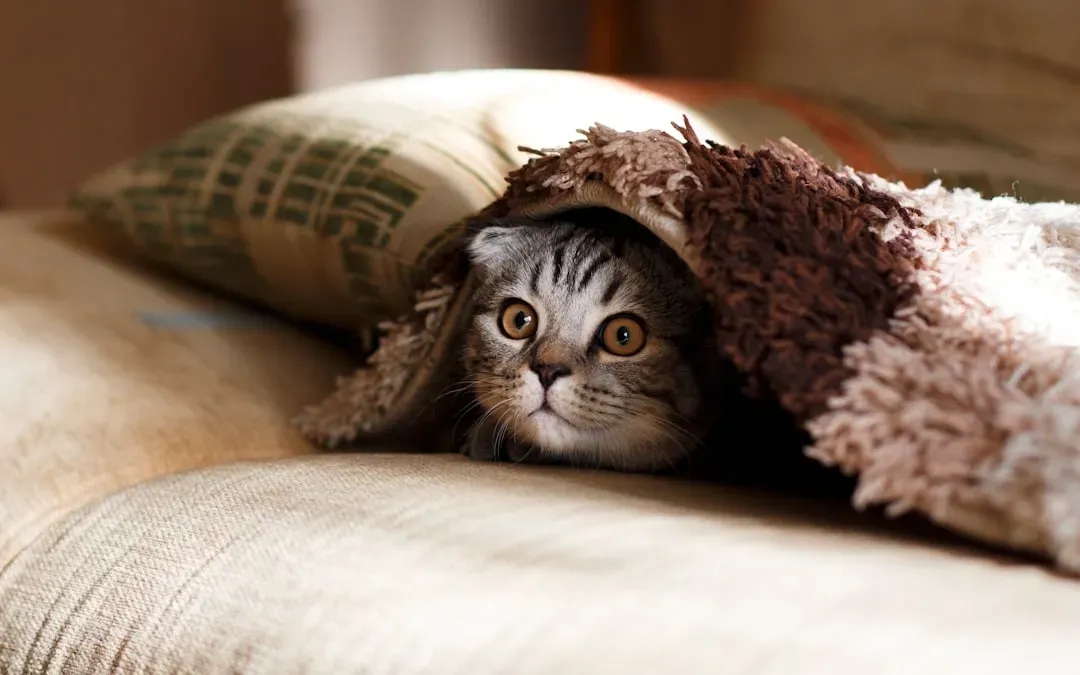
Just like people, some cats are born bolder while others lean wary and reserved. Certain cats seem to march straight into a room full of strangers like they own the place, while others hesitate even when you move a chair. That is not just “mood”; it is temperament, a blend of genetics and early development that makes your cat more inclined to approach or avoid novelty.
If your cat consistently retreats when guests arrive, you are probably looking at a naturally cautious personality rather than a cat who needs to be “fixed.” Think of it like being an introvert at a loud party: you are not broken; you are simply wired to conserve your social energy and choose your interactions more carefully. Your cat is doing the same thing, just with fur and whiskers.
Your Home’s Energy Changes Instantly When Guests Walk In
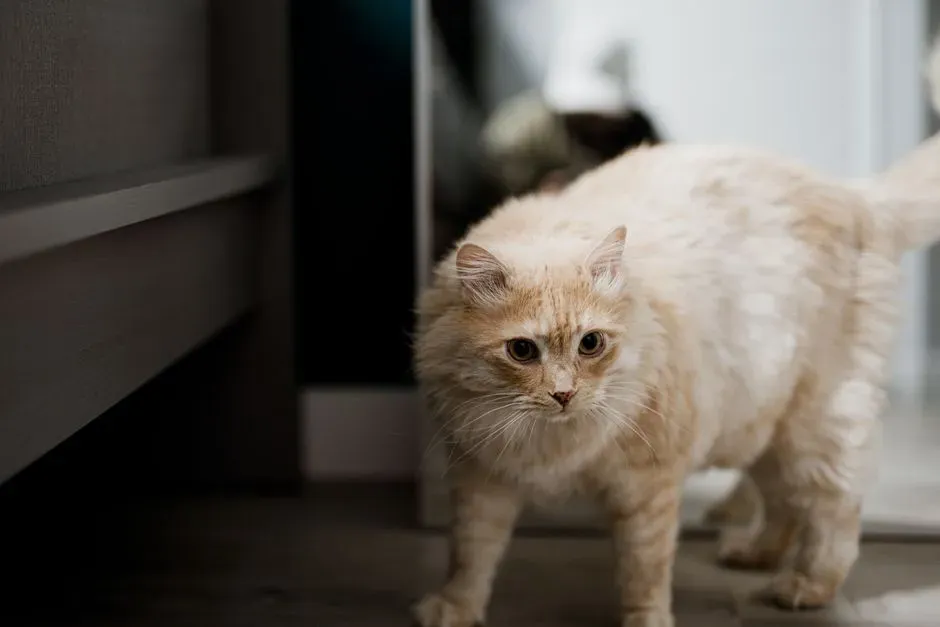
From your cat’s perspective, guests do not just add more people; they completely change the environment. The sound level jumps, the movement patterns shift, and smells multiply. A quiet, predictable living room suddenly turns into a buzzing social arena, and for a species that values control and routine, that is a big deal.
So when your cat ducks into another room, it is often about regulating stimulation, not rejecting your friends. You have probably had moments where you slip away from a crowded event just to catch your breath; your cat is doing the same thing in a much smaller body with far sharper senses. Retreating lets your cat reset and monitor from a calmer distance.
Retreat Is a Smart Survival Strategy, Not a Flaw
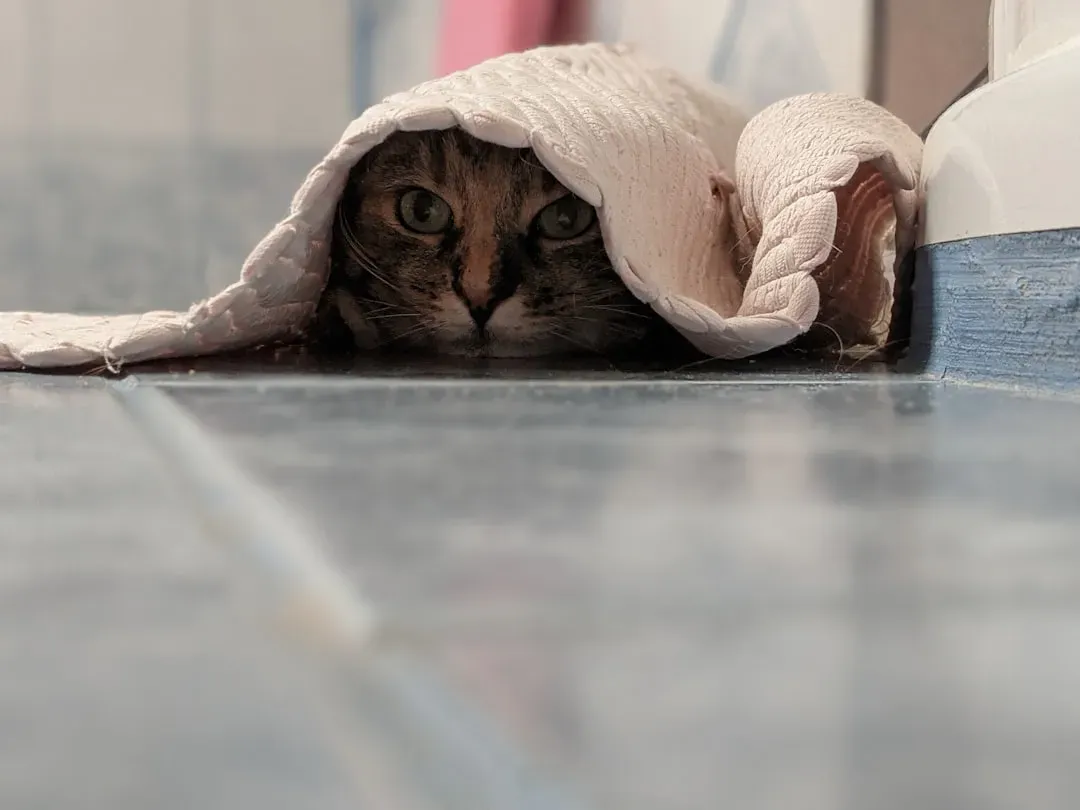
From an evolutionary point of view, the cat who hesitates around strangers is more likely to avoid injury than the one who walks straight into every situation. That retreat you see as “being skittish” is actually a survival strategy that once kept small predators from becoming someone else’s dinner. In animal behavior, choosing to avoid risk is not weakness; it is often a sign of a careful, efficient brain.
When your cat vanishes at the sound of the door, it is showing you that it knows how to prioritize safety over curiosity. You are watching an ancient instinct play out in a modern living room. Instead of feeling embarrassed in front of your guests, you can quietly appreciate that your cat is doing exactly what nature designed it to do: scan, step back, and only reappear when the coast feels clear.
Your Cat Watches and Gathers Data Before Re-Engaging
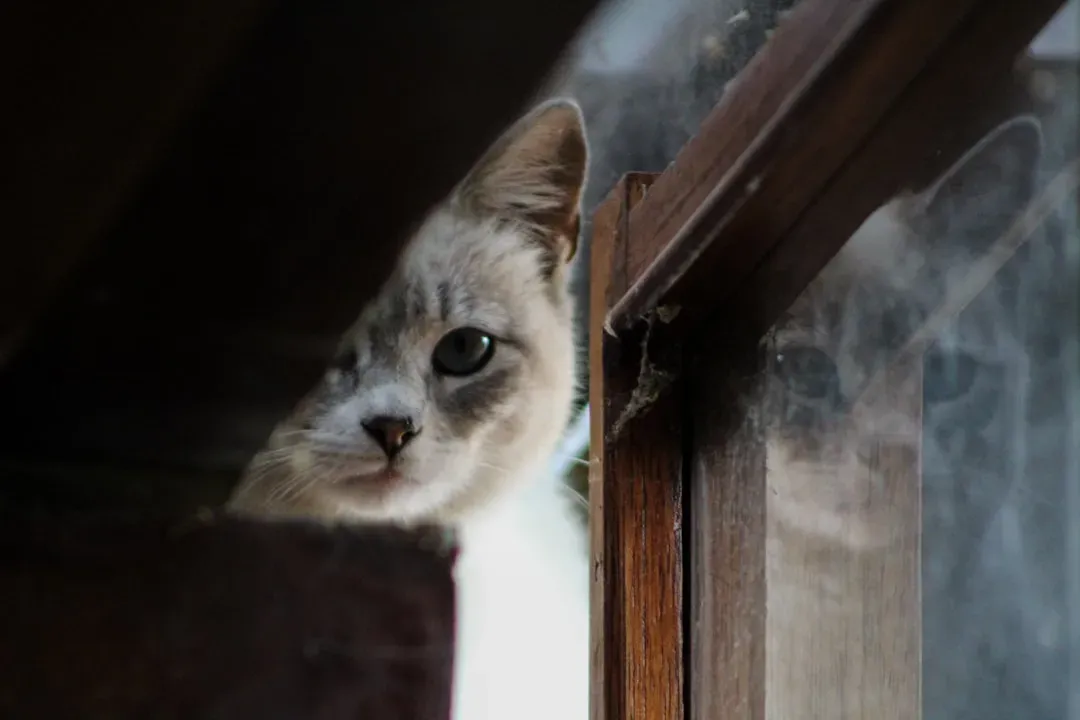
Retreat is rarely the end of the story. Once your cat has withdrawn, it often shifts into observation mode, listening to tone of voice, tracking footsteps, and sniffing the air. That is your cat collecting data. Over time during a visit, you might notice a nose peeking around a corner or a pair of eyes from the stairs; that is your cat updating its safety report.
If your guests stay calm, keep their volume moderate, and do not push themselves onto the cat, you will often see your cat’s confidence slowly grow. Your cat may inch closer, circle the room, or settle at a distance that feels comfortable. This is not random or “mood swings”; it is your cat revising its risk assessment in light of new evidence that nothing bad is happening.
Your Reactions Teach Your Cat How to Feel About Guests
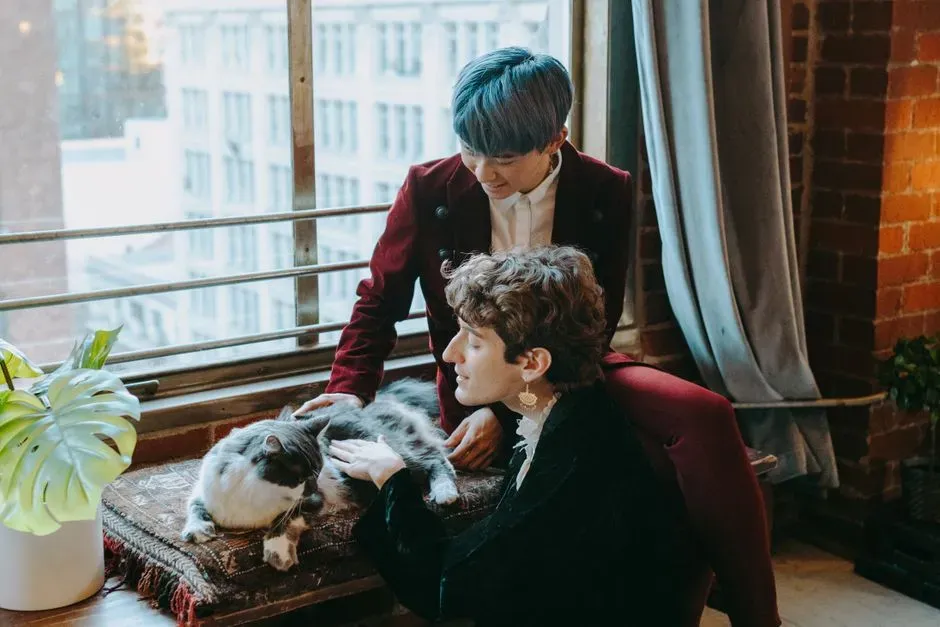
Whether you realize it or not, you play a big role in how your cat interprets visitors. If you scoop your cat up and force an introduction, you are teaching it that guests mean loss of control and uncomfortable handling. If every arrival at the door is explosive and chaotic, your cat has one more reason to bail the second the bell rings.
On the other hand, if you keep things calm, give your cat escape routes, and let it choose whether to approach, you are telling your cat that guests are predictable and non-threatening. Over time, your cat may still retreat at first but return more quickly or choose a high perch instead of total disappearance. You are not just a bystander; you are actively shaping how safe your cat feels around the humans you bring into its space.
How You Can Support a Cat Who Chooses to Retreat
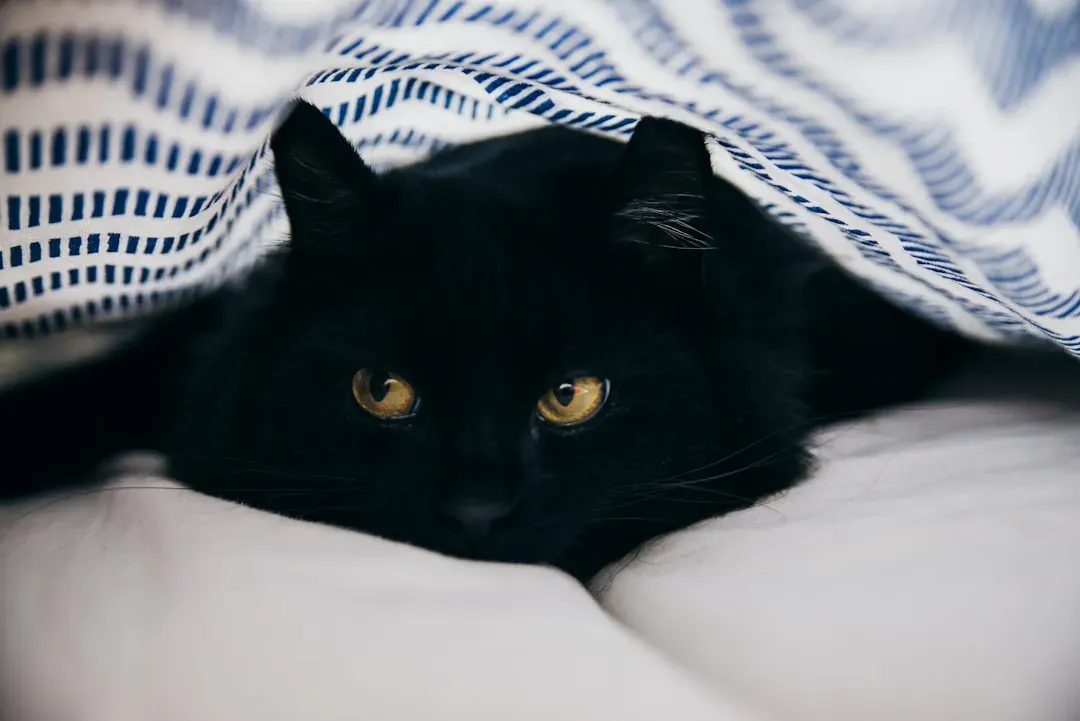
If your cat tends to vanish when guests arrive, one of the kindest things you can do is plan for that on purpose. Set up a quiet room with a cozy hiding spot, familiar bedding, a litter box, food, and water, and allow your cat access to it during visits. You are giving your cat what behaviorists call “control and choice,” which are huge for reducing anxiety in animals.
You can also coach your guests to ignore your cat at first, avoid staring, and never chase or grab. Let your cat be the one to initiate interaction, even if that only means watching from across the room. When you respect your cat’s calculated decision to retreat instead of forcing it to “get over it,” you build trust that carries over into every part of your relationship together.
When Retreat Might Signal a Deeper Problem
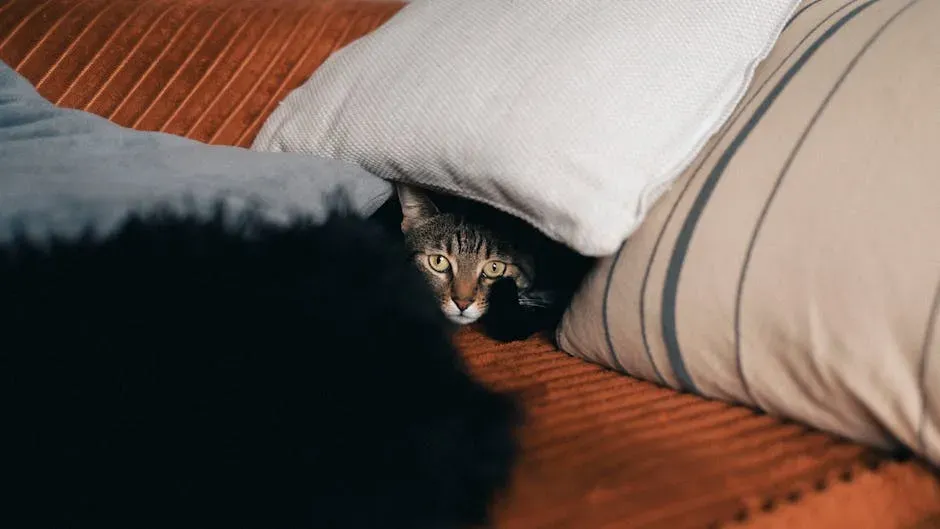
While retreat is usually a smart, normal strategy, there are times when it can hint that something else is going on. If your cat suddenly starts hiding from guests after years of being social, or if it seems fearful in many everyday situations, it may be worth talking to a veterinarian. Pain, illness, or chronic stress can make the world feel more dangerous, and your cat may withdraw more intensely as a result.
You do not need to jump to worst-case scenarios, but you should pay attention to patterns. If hiding escalates into trembling, refusing to eat, aggressive swatting, or litter box changes, professional guidance can help. You are not trying to turn your cat into a party animal; you are just making sure its cautious choices are coming from personality and past learning, not from unrecognized pain or overwhelming anxiety.
Conclusion: Your Cat Is More Strategic Than You Think
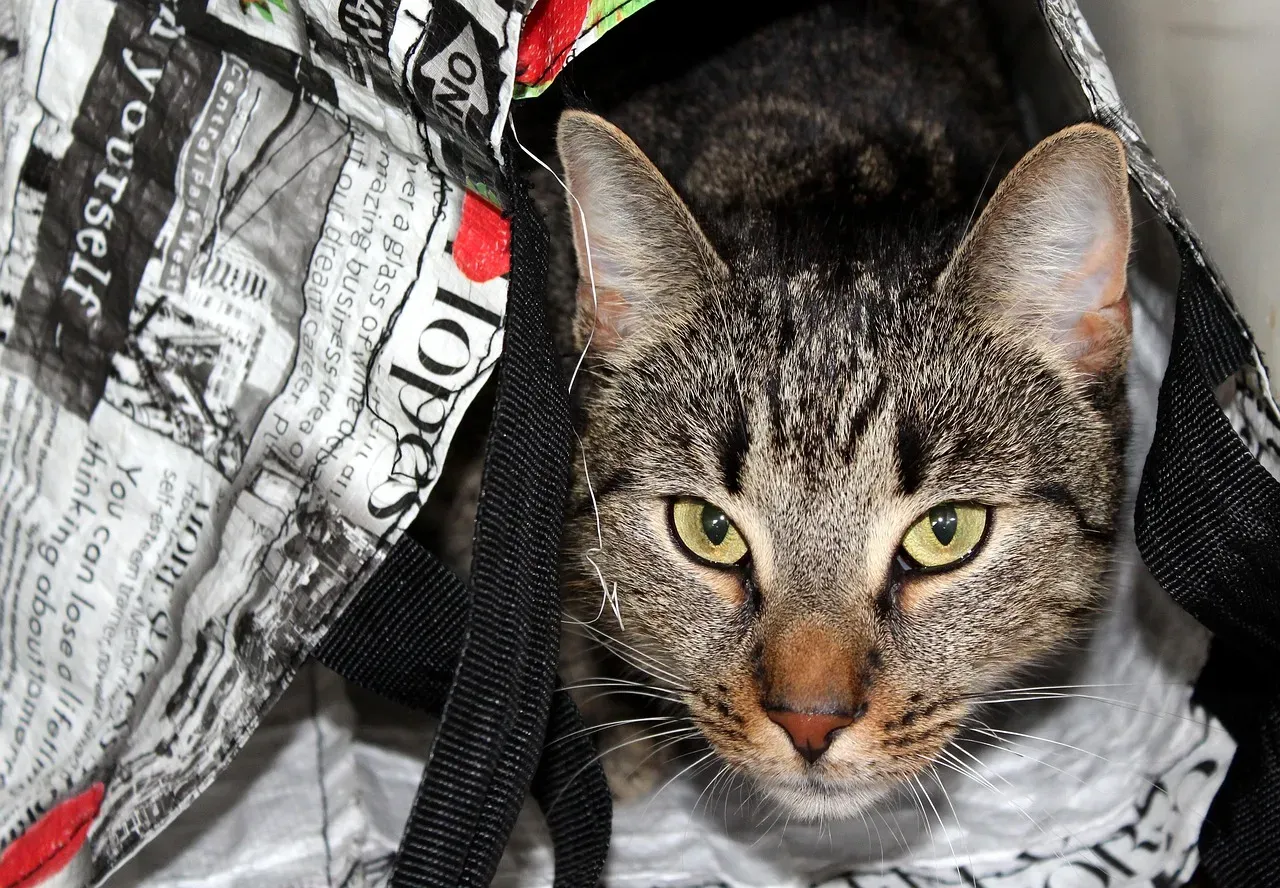
The next time your cat disappears the moment the door opens, you can see that behavior for what it really is: a thoughtful, calculated decision to manage risk and protect emotional comfort. Your cat is not being rude or broken; your cat is using a finely tuned internal system to decide when, how, and whether to engage with the unpredictable world you invited into the living room.
When you understand that, you start meeting your cat with respect instead of frustration, offering safe spaces, gentle routines, and patient guests who let the cat set the pace. Over time, that trust can turn a disappearing act into a cautious hello from the hallway or a quiet presence on the back of the couch. And who knows – once your cat feels truly in control, you might even find it greeting visitors at the door on its own terms. Does that change how you see your cat’s next retreat?
Kristina is a young writer from India. An arts graduate and an avid content creator, Kristina is passionate about animals and wildlife. She enjoys exploring topics related to pet care, animal behavior, conservation, and nature, combining thorough research with engaging storytelling.