When your cat suddenly freezes, stares at a weird noise, then swings their eyes straight to you, it can feel almost unsettling. It is as if they are silently asking you a question you cannot quite hear. You might assume they are just checking whether you are scared, but animal behavior research suggests something a bit deeper is going on.
When your cat locks eyes with you during strange events, they are not only reading your emotions, they are also gathering information, confirming safety, and even reinforcing your bond. In other words, that quick glance is a complex social move, not a random moment. Once you start noticing it, you will never see those looks the same way again.
Why Your Cat Checks Your Face When Something Feels Off
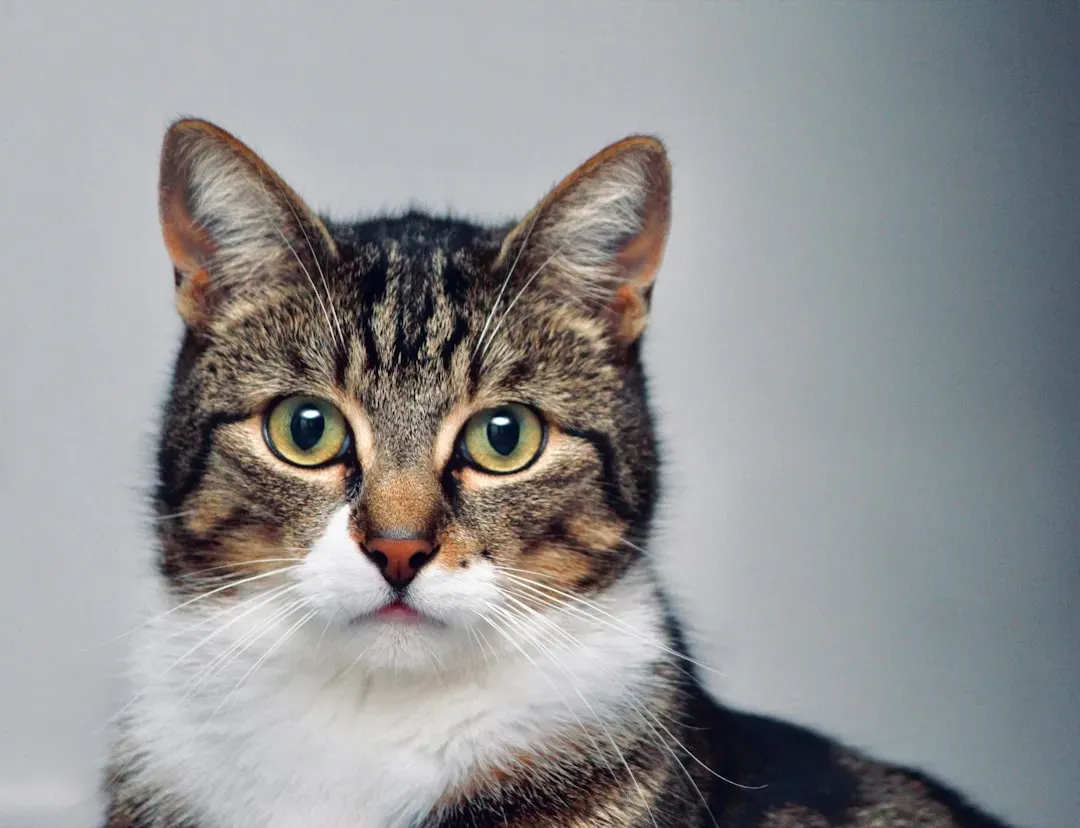
When something unusual happens – a loud thud, a new object, a strange smell – your cat has a split-second choice: investigate, hide, or pause and gather more data. Looking at you in that moment is one way they try to make sense of what is happening. You are a familiar, predictable presence in a world that can feel chaotic and noisy to them.
By checking your face and body language, your cat is essentially asking whether this is a threat or just background noise. If you remain relaxed, keep breathing normally, and do not leap up or shout, your calmness becomes a cue that things are probably safe. Your reaction helps shape how your cat categorizes that event in the future: scary, neutral, or not worth worrying about.
Social Referencing: Your Cat Uses You as an Information Source
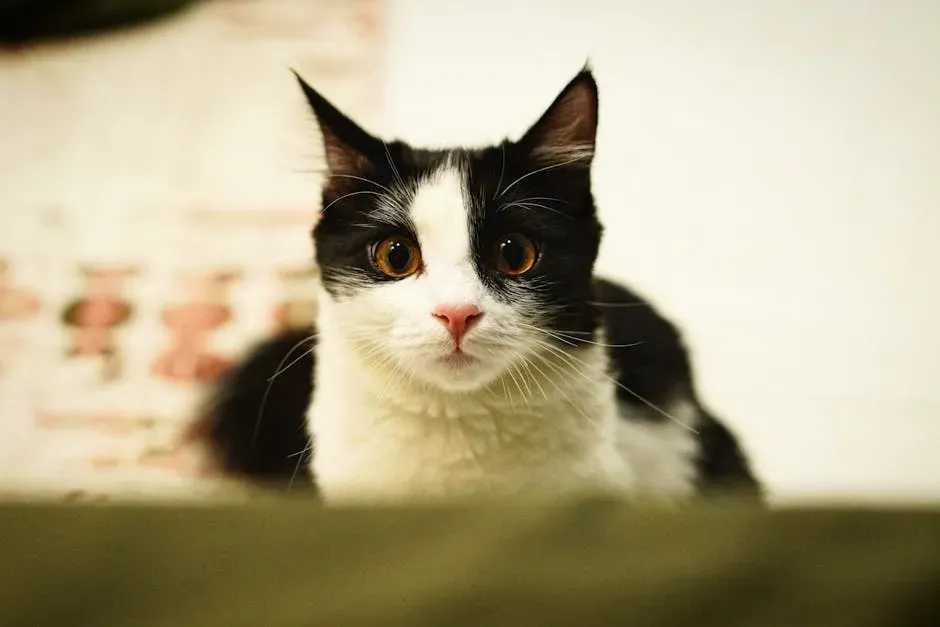
In animal behavior, there is a concept called social referencing, where one individual looks to another to decide how to respond to something unfamiliar. You probably see this in human toddlers who scan a parent’s face before deciding whether to cry or laugh. Your cat may be doing a version of the same thing when something strange happens at home.
When your cat glances at you after a sudden sound or a new object, they are not only checking whether you are afraid, they are using your overall behavior to guide their own. If you keep moving normally, keep your voice steady, and do not look alarmed, your cat is more likely to return to what they were doing. Over time, this turns you into a living, walking reference manual for what is safe in their environment.
Your Cat Is Also Tracking Your Reliability and Consistency
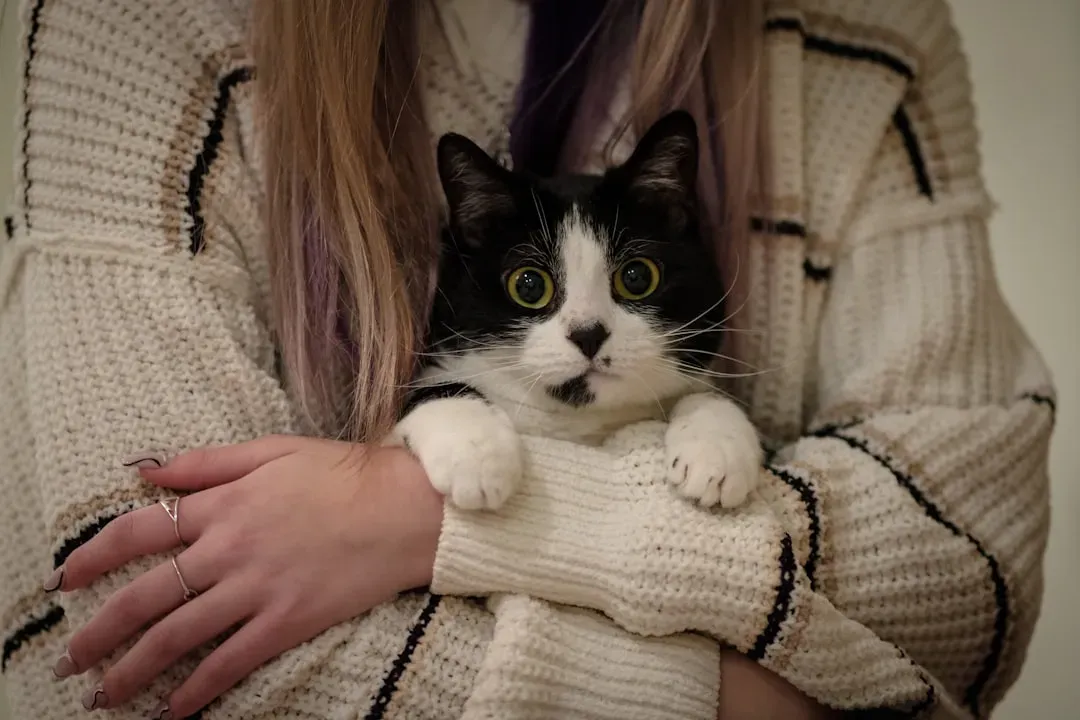
Every time your cat looks at you in a weird moment, they are silently collecting data: Were you calm when there was no danger? Did you react when something truly threatening happened? Over time, your cat is building a quiet record of how reliable you are as a signal. They are not just reading your reaction; they are evaluating whether your reaction is worth trusting.
If you often respond in wildly exaggerated ways to harmless things – jumping, yelling, or grabbing your cat – they may start to tune out your cues and rely more on their own judgment. On the other hand, if your responses are measured and consistent, your cat can use you as a stable reference point. That makes your calmness a powerful tool for helping them feel safe.
Safety First: How Your Cat Uses You as a Security Checkpoint
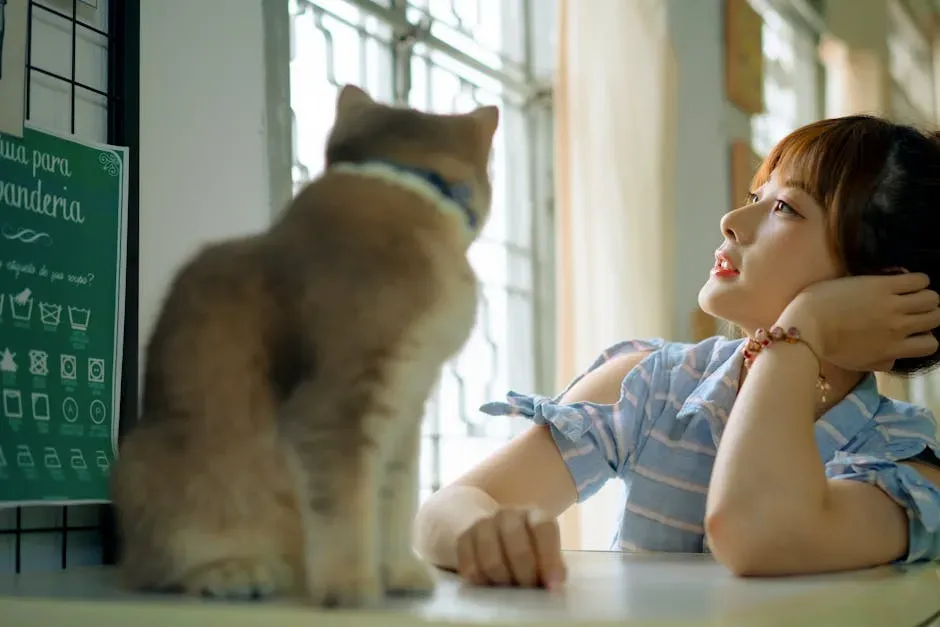
Imagine you are walking through a dark hallway and someone you trust is just a step ahead of you with a flashlight. That is how your cat often treats you, especially in a noisy, cluttered, or changing home. When something odd happens, your face becomes their quick security scan. If you seem fine, it lowers the urgency they feel to run or hide.
This is especially important for indoor cats, who rely on you to interpret most of the world’s signals. They do not have a full map of what is normal in human life – vacuum cleaners, doorbells, video calls – so they lean heavily on you as a filter. When you maintain a steady, predictable presence, you become the emotional anchor that lets your cat explore and relax more confidently.
Reading You Back: Your Cat Watches More Than Just Your Emotions
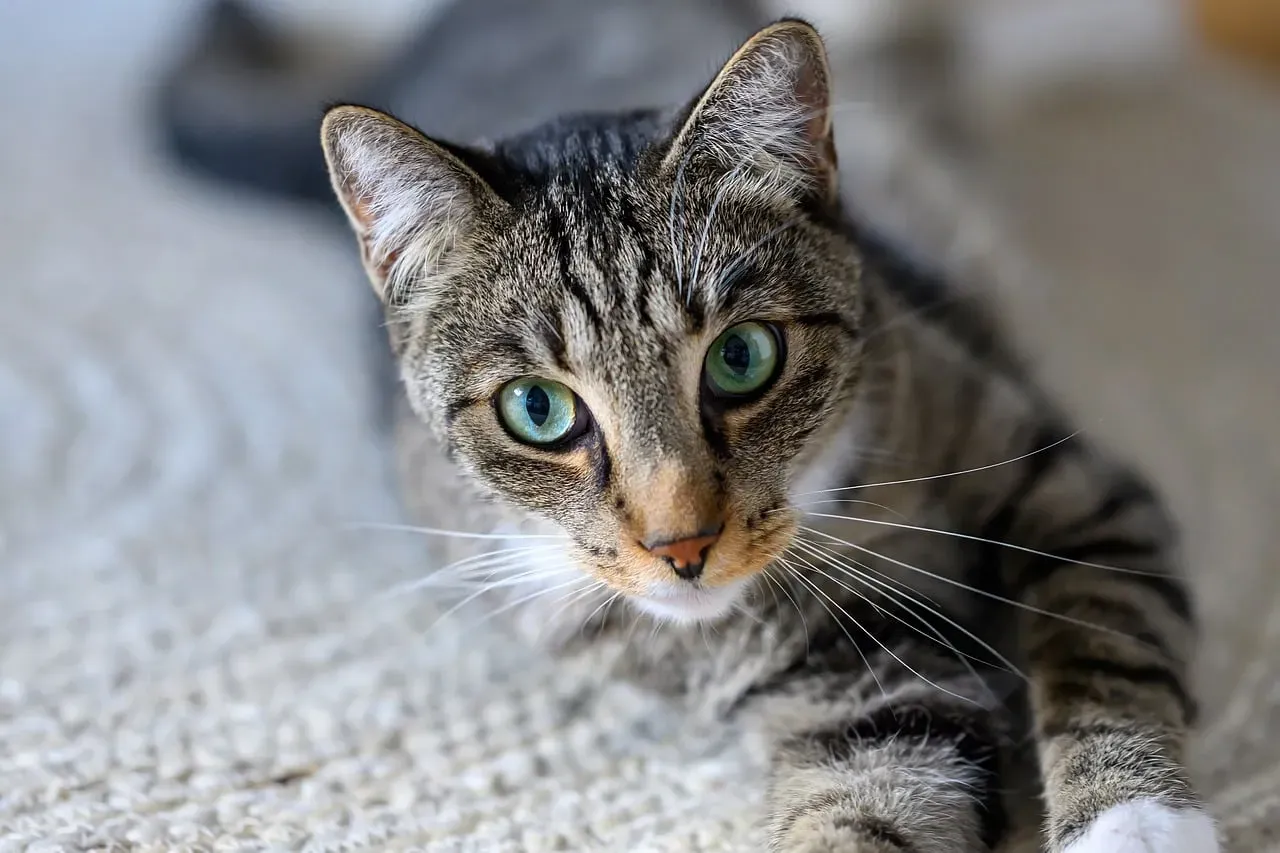
When your cat looks at you, they are not only noticing whether you are scared or calm, they are also picking up subtler signals. The way you move your shoulders, the speed of your steps, your tone of voice, even the rhythm of objects you touch – these all feed into the story they are telling themselves about what is happening. To your cat, you are a bundle of patterns, not just a facial expression.
Over time, your cat becomes surprisingly attuned to these little details. You might notice they appear in the room before you even speak, simply from the sound of how you are walking. So when something strange happens and they look to you, they are not only asking how you feel; they are scanning the entire situation through your behavior, like reading subtitles on a confusing movie.
Strengthening the Bond: How Those Glances Deepen Your Relationship
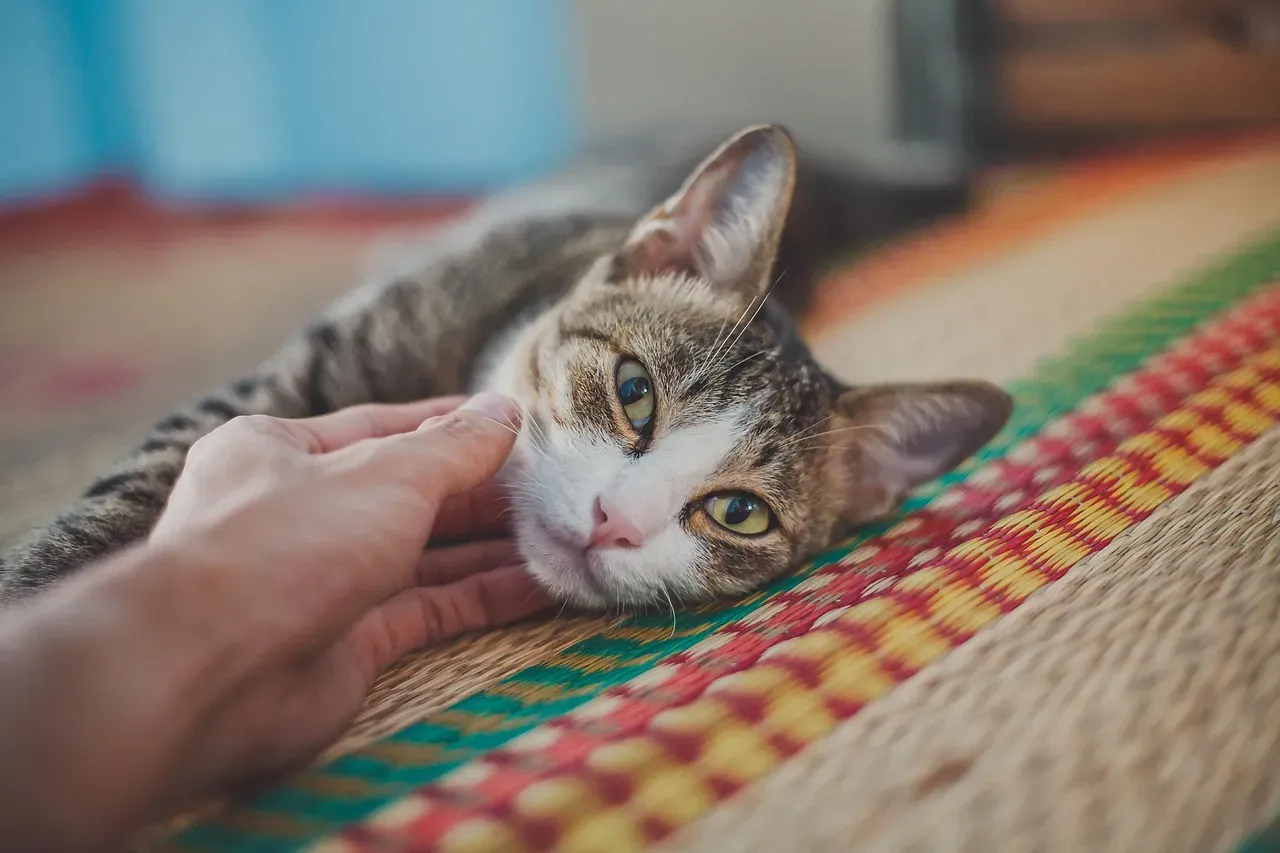
Every time your cat checks in with you during a strange moment, they are making a tiny relational choice: they are choosing you as a reference instead of just running away or ignoring you. That choice builds trust slowly, like adding small stones to a path. The more they look to you and find safety, the stronger that path becomes.
When you respond by staying calm, speaking gently, or even offering a soft word or slow blink, you turn that moment of uncertainty into a moment of connection. You teach your cat that weird events do not have to be terrifying because they are facing them with you. That shared experience becomes part of the invisible bond that makes your cat seek you out, even when they pretend to be aloof.
How You Can Respond to Support Your Cat in Strange Moments
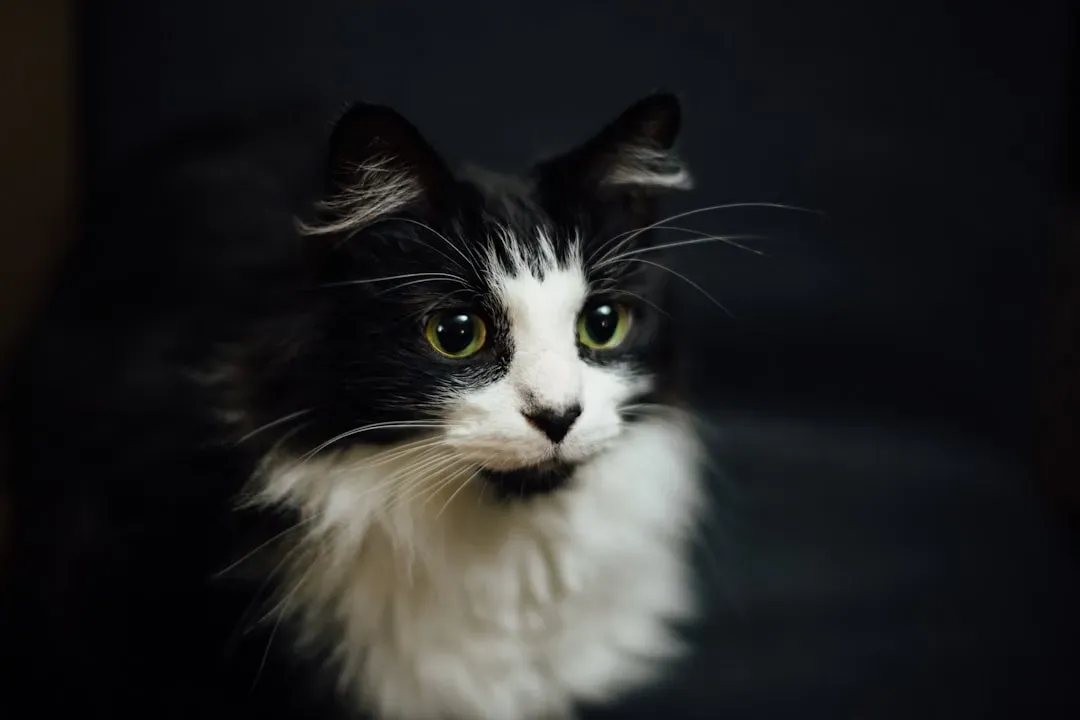
When your cat looks at you after a sudden noise or odd event, you have more influence than you might think. If you jump up, shout, or rush toward them, you can accidentally confirm that something is wrong, even if it is just the mail being delivered. A calmer response tells a very different story and helps your cat regulate their own reaction.
A helpful way to respond is to keep your movements smooth, your voice soft, and your face neutral or relaxed. You can say something gentle, move slowly, or even go back to what you were doing while glancing briefly at the source of the noise. You are showing your cat, through your actions, that this is not an emergency, and that message is often more powerful than any words you could say.
When Your Cat’s Glances Signal Deeper Stress or Anxiety
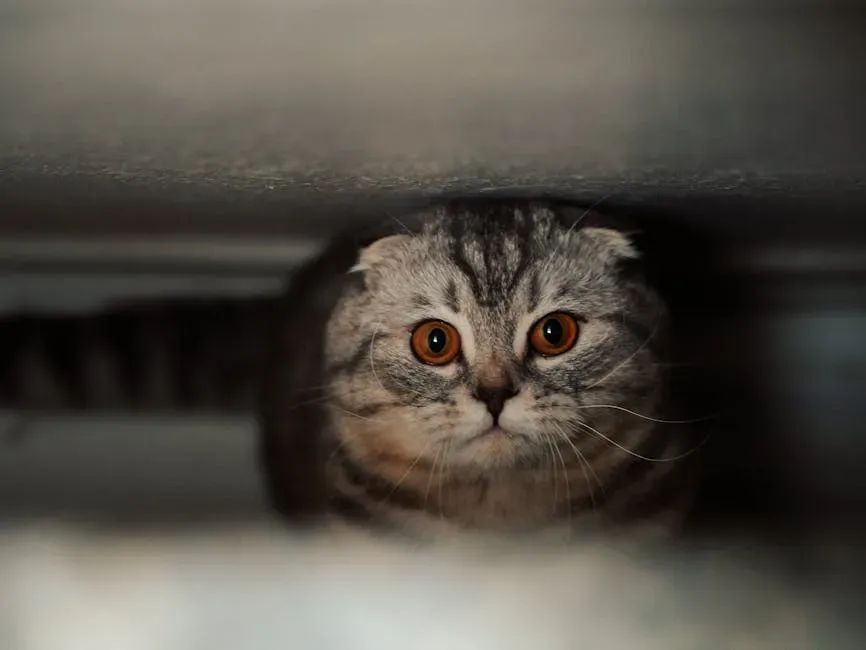
Sometimes, your cat’s habit of checking your face can become more frequent, intense, or clingy. If they are constantly looking to you, hiding more, startling easily, or reacting strongly to everyday noises, it may be a sign that they are living in a state of higher stress. In that case, those glances are less about curiosity and more about desperately seeking reassurance.
If you notice this pattern, it is worth looking at the broader environment: changes in the household, new animals, loud renovations, or even health issues. You can help by offering more predictability – regular routines, safe hiding spots, and calm, consistent interactions. If the behavior feels extreme or sudden, it is wise to talk with a veterinarian or behavior-savvy professional so you are not trying to read your cat’s silent signals alone.
Conclusion: Your Cat Is Not Just Watching You, They Are Partnering With You
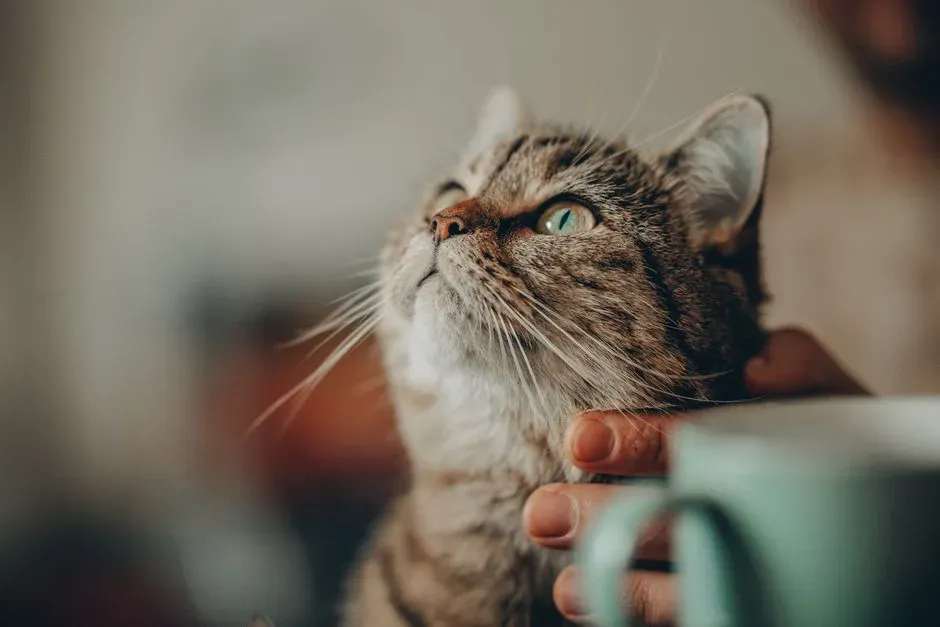
When you catch your cat staring at you right after something strange happens, you are witnessing a quiet, intelligent decision. They are not simply checking whether you jumped; they are treating you as a guide, a safety filter, and a social partner in decoding their world. Those tiny glances are evidence that you matter deeply in how they navigate uncertainty.
The next time your cat’s eyes flick to your face after a sudden noise or odd movement, pause for a second and notice the moment. You have a chance to answer a question they are not saying out loud: is this safe, and are we okay? How will you choose to respond the next time your cat asks you that without a single sound?
Kristina is a young writer from India. An arts graduate and an avid content creator, Kristina is passionate about animals and wildlife. She enjoys exploring topics related to pet care, animal behavior, conservation, and nature, combining thorough research with engaging storytelling.