You have probably watched your cat freeze, eyes wide, staring at a blank wall or an empty corner, and felt that tiny shiver run down your spine. In that moment, you may wonder if they are seeing something you cannot, or if your home is suddenly starring in its own paranormal movie. When you look closer at what science knows about how cats sense the world, the truth turns out to be less spooky but far more fascinating. You live in one version of reality, filtered through human eyes, ears, and brain. Your cat lives in another, overlaid on top of yours, full of sounds you never hear, smells you never notice, and fast flickers of motion you never detect. When your cat seems to fixate on nothing, it often means they are paying attention to a layer of reality that is invisible to you – but very real to them.
Why Your Cat’s “Blank Stare” Isn’t Blank At All
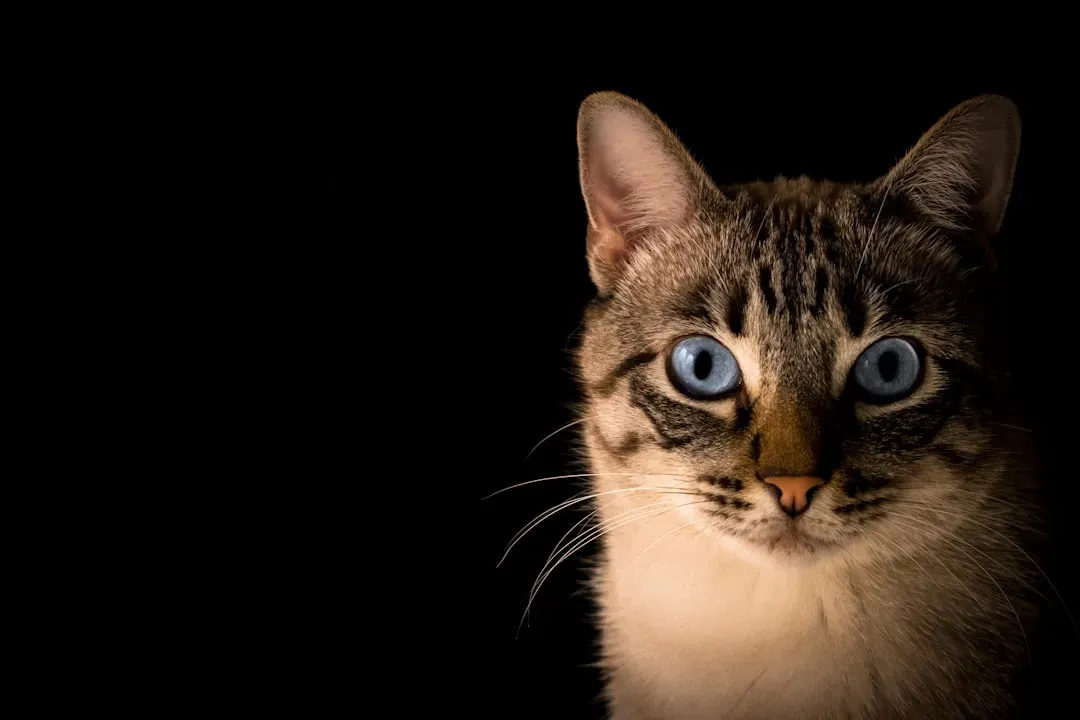
That eerie, laser-focused stare into thin air usually starts when something grabs your cat’s attention, not yours. You might see only a plain wall, but your cat could be watching the tiniest movement of a shadow, a gnat drifting by, or the faint shimmer of light reflecting from your phone screen. To your eyes, it is nothing; to theirs, it is a tiny drama that demands total focus. You also process visual information differently. Your brain tends to filter out minor, repetitive, or low-value details so you can focus on what matters to you, like your screen or your conversation. Your cat’s brain is wired for hunting, not email, so it highlights tiny changes that might signal prey or danger. That means when you think your cat is staring at “nothing,” they may be dialed in on something your human sensory system simply edits out.
Supercharged Hearing: Your Cat’s Built-In Ultrasonic Radar
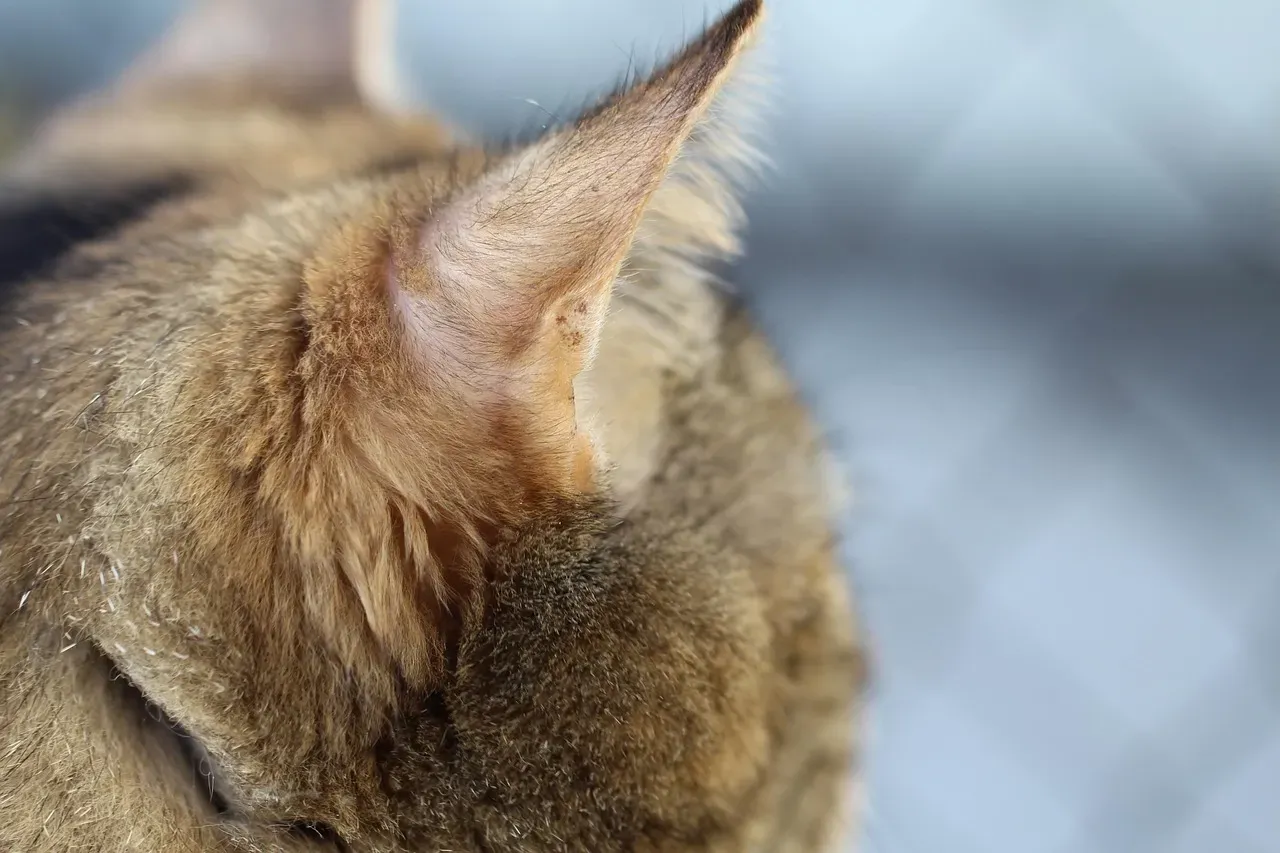
Your ears tap out at higher pitches long before your cat’s do. Cats can hear much higher frequencies than you can, including tiny squeaks and ultrasonic chirps made by rodents and certain insects. When your cat suddenly swivels their head and stares at an “empty” corner, they might be tracking a sound far too high-pitched for you to notice at all. Those rotating, satellite-dish ears are not just cute – they are tools. Your cat can move each ear independently like a directional microphone, helping them pinpoint exactly where a sound is coming from. So when they stare at what seems like empty space, they may actually be aiming their hearing at a specific spot, waiting for that subtle rustle behind the wall or in the ceiling to repeat.
Night Vision and Flicker: Seeing Motion You Completely Miss
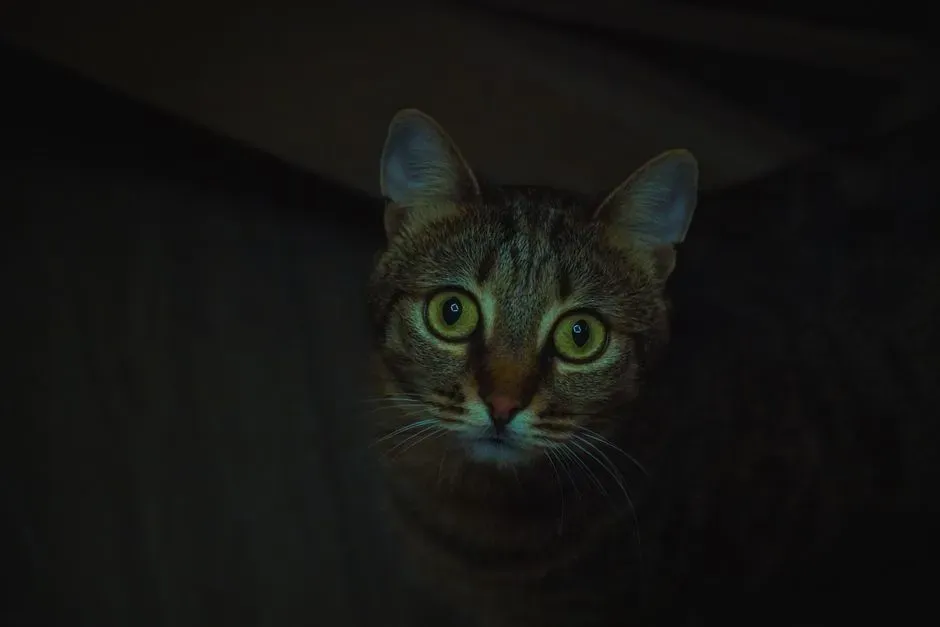
If you have ever stumbled around in low light while your cat navigated calmly and confidently, you have already seen one of their superpowers in action. Cats see better than you in dim conditions, because their eyes are built to amplify available light. That means they can notice faint light shifts, reflections, and movements long after your eyes have given up and decided the room is just “dark.” Your cat is also wired to notice flicker and fast motion differently. Where you might see a steady lamp glow or still shadows, your cat may see tiny shifts, quick flicks of a bug’s wing, or the brief dance of light reflecting off metal or glass. Their eyes and brain are tuned like a motion detector. So when they freeze and stare at a blank area, they could be watching split-second movements you literally cannot see.
Smell and Whiskers: Two Invisible Information Channels
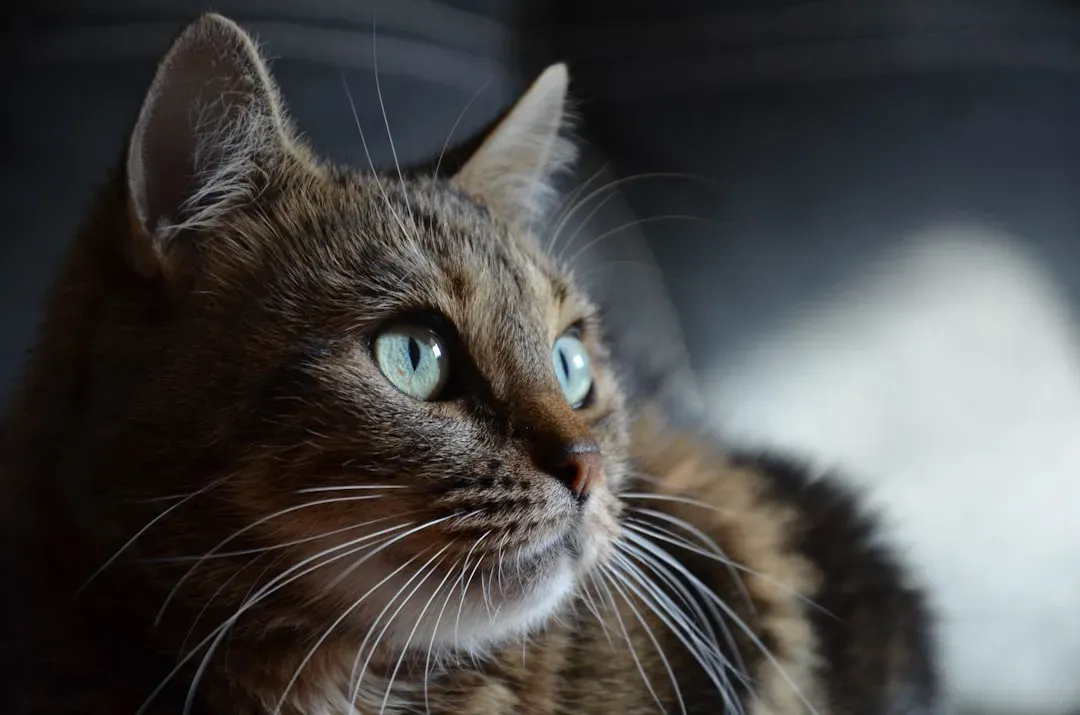
Your nose is practically a toy compared to your cat’s. They can detect scents at much lower concentrations and read layers of odor like pages in a book. You may think a spot in the room is just “empty,” but your cat might be processing the lingering scent of another pet, a person who visited earlier, or even changes in airflow carrying outside smells into that area. Then there are whiskers, which you might overlook as just decorative, but they act more like touch-sensitive antennae. Those whiskers can detect tiny changes in air currents, helping your cat sense movement around them, sometimes even before it is visible. When your cat stares and holds perfectly still, they may be combining subtle scent information with micro-changes in air flow, building a mental picture of something moving around that you simply cannot feel.
Predator Brain: Hardwired to Lock Onto Tiny Changes
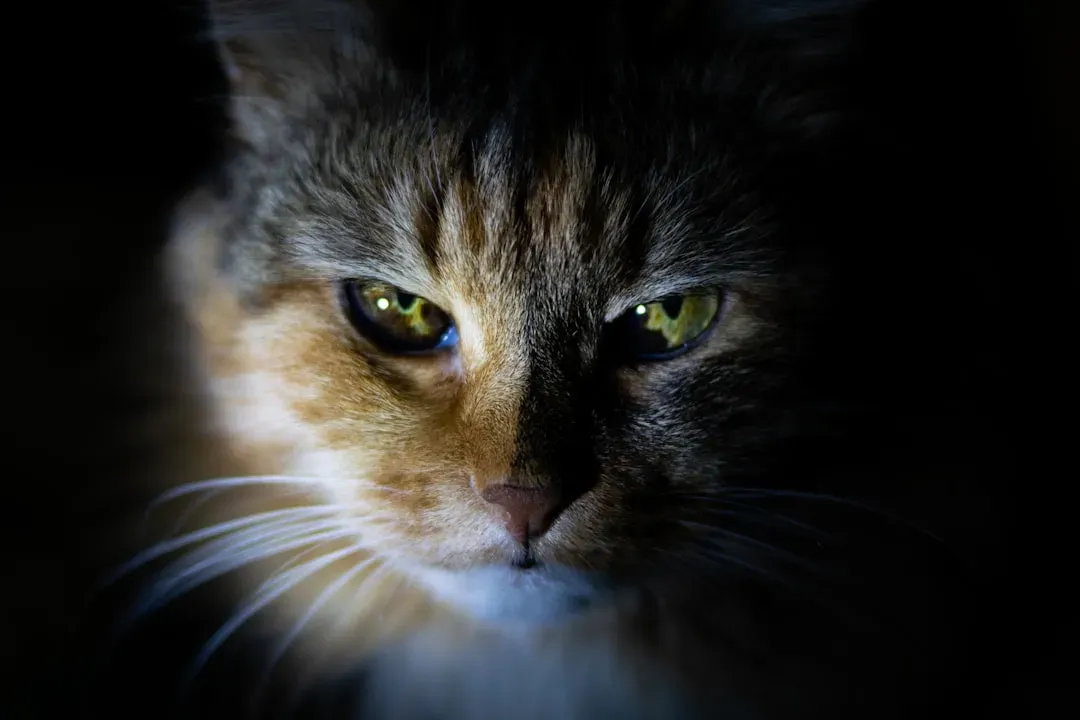
You and your cat may share a living room, but your goals in that room are not the same. You might be there to relax, scroll, or chat; your cat carries the ancient hardware of a small predator. Their nervous system is primed to notice small changes – like the faintest scratching in the wall, a tiny movement of dust, or the sound of something scurrying in a vent – that could mean prey or threat. Predators also benefit from remaining very still while observing. When your cat gets that statuesque, almost unnerving pose, they are doing what generations of ancestors did in the wild: freezing, watching, and waiting. You might find it strange or spooky, but to them it is simply smart strategy. Their “weird” staring fits are often just their hunting software kicking in, even if the target is only a housefly or a distant noise.
Stress, Boredom, and When Staring Can Signal a Problem
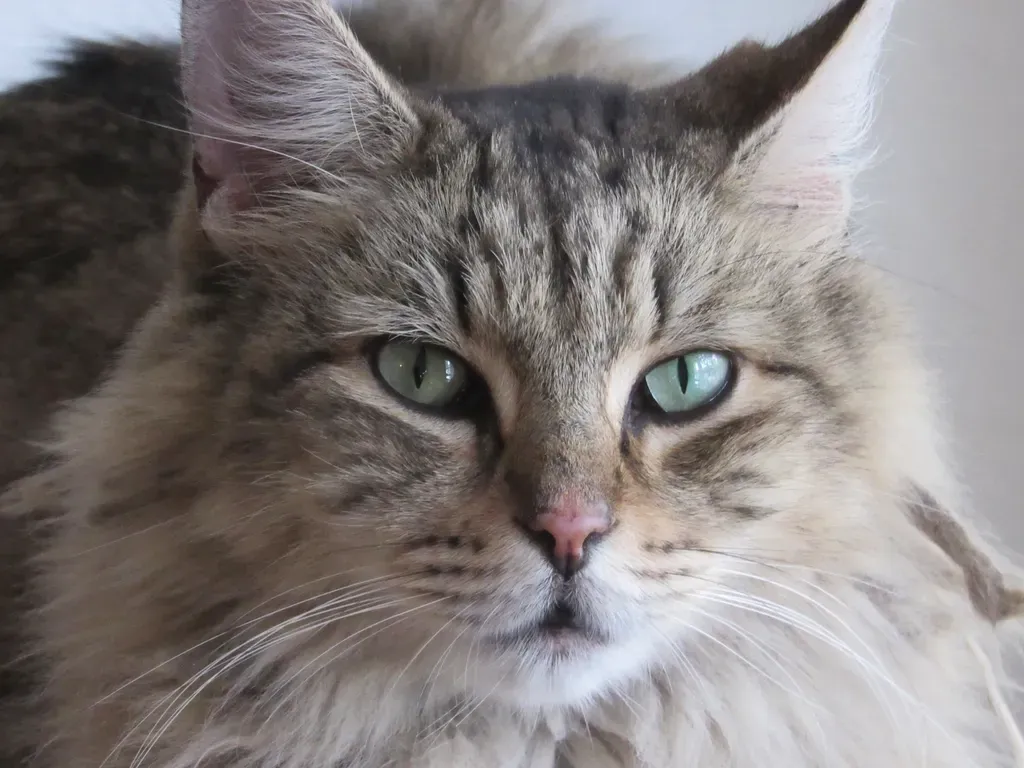
Not every long stare is about invisible stimuli, though. Sometimes, especially in very quiet or understimulating environments, your cat may drift into a kind of “idle mode,” gazing at a spot while their brain rests or processes. A short, soft-eyed stare can be a neutral or even relaxed state, especially if your cat’s body language looks loose and calm. You do need to pay attention, however, when the staring looks tense or repetitive. If your cat keeps fixating on the same spot with rigid posture, dilated pupils, or twitching skin, or if they seem jumpy, overgroomed, or withdrawn, there might be stress or anxiety involved. In some cases, strange staring episodes – especially combined with odd movements, drooling, or unresponsiveness – can be a medical red flag, and that is when you should call a veterinarian instead of brushing it off as “just cat weirdness.”
Health Red Flags: When to Talk to Your Vet About Staring Spells

You know your cat’s normal quirks better than anyone, so trust your gut when something feels off. If your cat starts having sudden, intense staring episodes that are new for them, especially if they seem spaced out, uncoordinated, or unusually fearful afterward, it is worth checking in with a professional. Issues like vision changes, high blood pressure, neurological problems, or even certain types of pain can all subtly alter how a cat behaves and what they focus on. Watch for patterns: Do the staring spells come with head bobbing, twitching, glassy eyes, or walking into objects? Does your cat seem disoriented or unusually clingy or aggressive after an episode? You do not need to panic, but you should document what you observe and share it with your vet. The same behavior that someone might blame on something supernatural can sometimes be your cat’s body quietly asking for help.
How You Can Respond When Your Cat Stares at “Nothing”
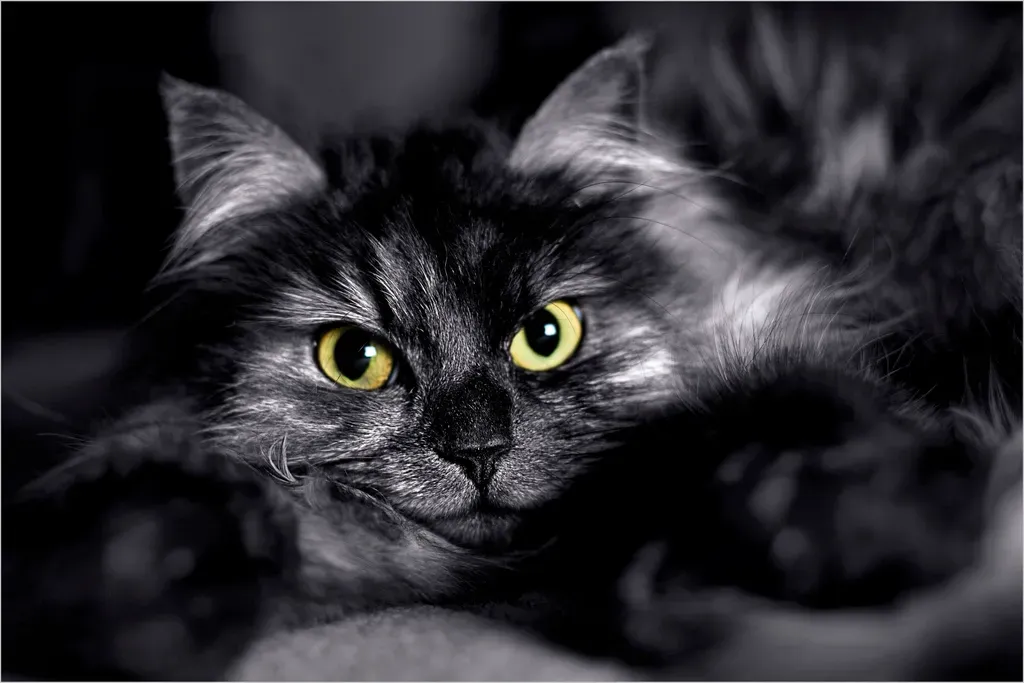
When your cat locks onto an empty corner, your first job is simple: observe, do not overreact. Check their overall body language – is the tail relaxed or puffed, are the ears forward or pinned, do they look curious, anxious, or zoned out? If they seem calm, you can gently walk over, listen for faint sounds, look for bugs, and even lightly interact with them to see if they break focus easily. You can also make your home more cat-friendly so this super-sensitivity is an advantage, not a source of stress. Give your cat perches to survey their world from, toys that let them act out their hunting instincts, and places to retreat when the environment feels overwhelming. When you treat those staring moments as clues rather than creep-outs, you start to understand how differently they experience the same room you are standing in.
Conclusion: Sharing a Home With a Creature From Another Sensory World
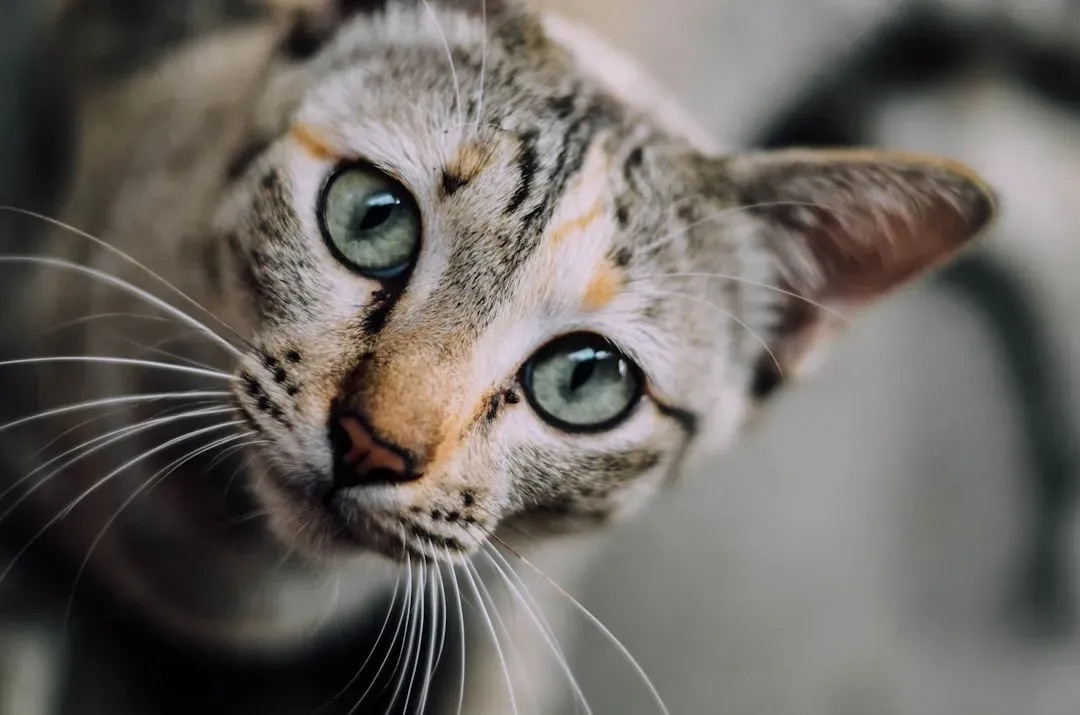
Living with a cat means sharing your space with a species whose senses are turned up in directions yours are not. When your cat suddenly stares at an “empty” spot, it often means they are tuned into sounds, movements, smells, or air shifts you simply cannot detect. They are not necessarily reacting to anything mystical; they are just living inside a richer, sharper sensory reality layered over your own. The more you learn about how your cat experiences the world, the less those moments feel creepy and the more they feel like invitations to explore a different perspective. You start to see your home not just as furniture and walls, but as a landscape of tiny sounds, flickers, and scents that your cat navigates with quiet mastery. Next time your cat fixes their gaze on nothing, you might still get a little chill – but will you also find yourself wondering what fascinating, invisible detail they have just discovered?
Kristina is a young writer from India. An arts graduate and an avid content creator, Kristina is passionate about animals and wildlife. She enjoys exploring topics related to pet care, animal behavior, conservation, and nature, combining thorough research with engaging storytelling.