You probably know that intense feeling of honor when your cat finally curls up next to you and falls asleep. But when they turn their back to you, you might catch yourself wondering if you just got snubbed. It can feel a bit like your cat chose to ignore you at the exact moment you wanted that cute little face looking your way. The twist is, feline behavior research and long‑observed patterns in cats suggest that this “snub” can actually be one of the strongest signs of trust you will ever get. Once you start to understand what your cat’s body is really saying, that turned back starts to look very different. Instead of reading it as “I’m bored with you,” you can start to see, “I feel safe enough to let you watch my blind spots.” In this article, you’ll unpack how that works, why some cats still prefer to sleep facing you, and how you can use these subtle signals to deepen the bond you share with your cat every single day.
The Hidden Meaning Behind Your Cat Turning Their Back
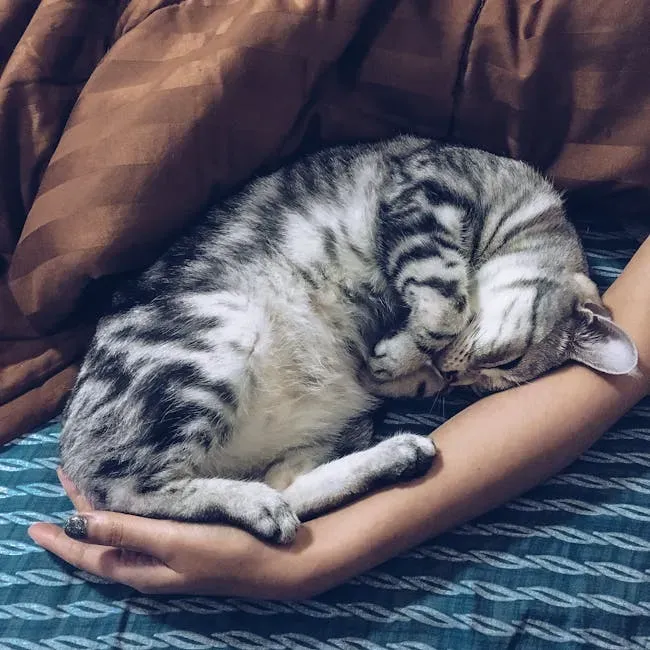
When your cat lies down with their spine toward you, they’re doing something that would be terribly risky in the wild: exposing their most vulnerable angles while resting. A cat’s eyes and whiskers are their main early warning system, so choosing to point those away from you means they do not see you as a threat they need to monitor. You’re not just tolerated; you’ve been filed under “safe background” in your cat’s mental map of the world. Think about how you position yourself in a crowded café. You probably prefer to face the door or keep an eye on the room. You don’t casually turn your back unless you trust that nothing bad will happen. Your cat works the same way. Sleeping with their back toward you is like saying, “I’m off duty. You’ve got this.” It’s a quiet, powerful vote of confidence in your presence and your predictability.
Why Trust For A Cat Is Mostly About Safety, Not Cuddles
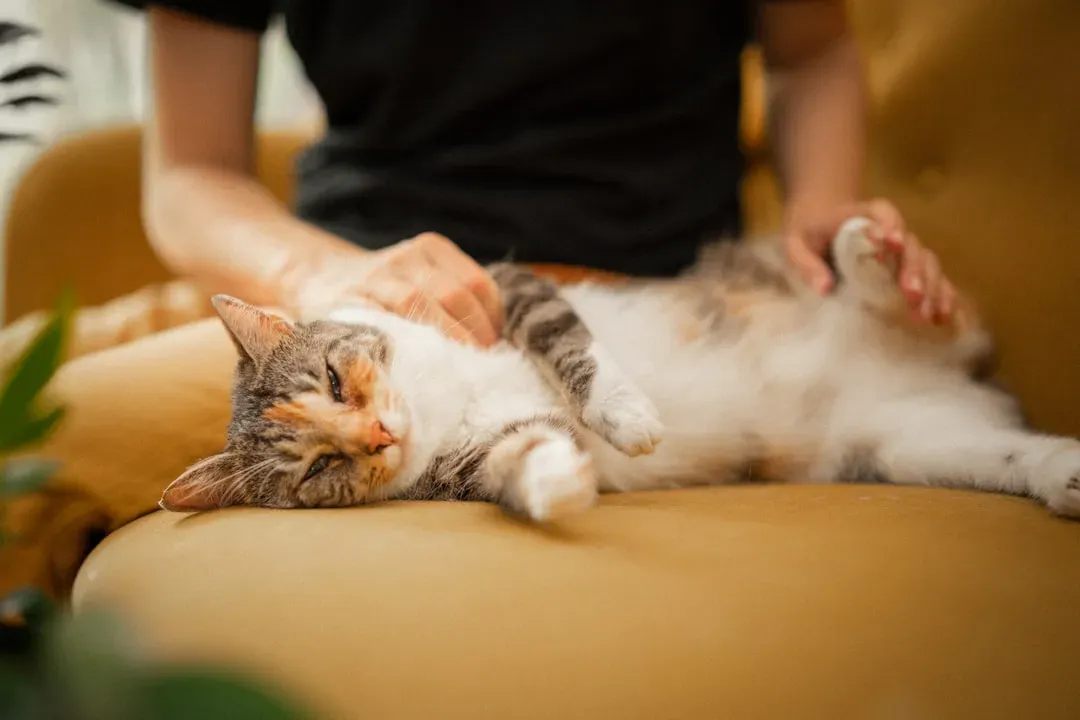
You might think a cat trusts you most when they’re curled up on your chest staring into your eyes, but for a cat, trust is less about eye contact and more about feeling secure enough to relax fully. Felines are both predators and prey, so their nervous system is wired to scan for danger almost constantly. Any time your cat chooses to let their guard down next to you, they’re giving you a level of trust that goes far beyond what you see on the surface. Sleeping with their back toward you is a way for your cat to stretch, sink into deep sleep, and stop worrying about what’s behind them. Instead of needing to watch you, they let you become part of the safe landscape they can ignore. In that sense, your cat is treating you like a sturdy tree or a trusted rock in their territory – something solid and predictable they can lean against, not something they need to monitor.
Back Toward You vs. Facing You: Different Cats, Different Comfort Zones
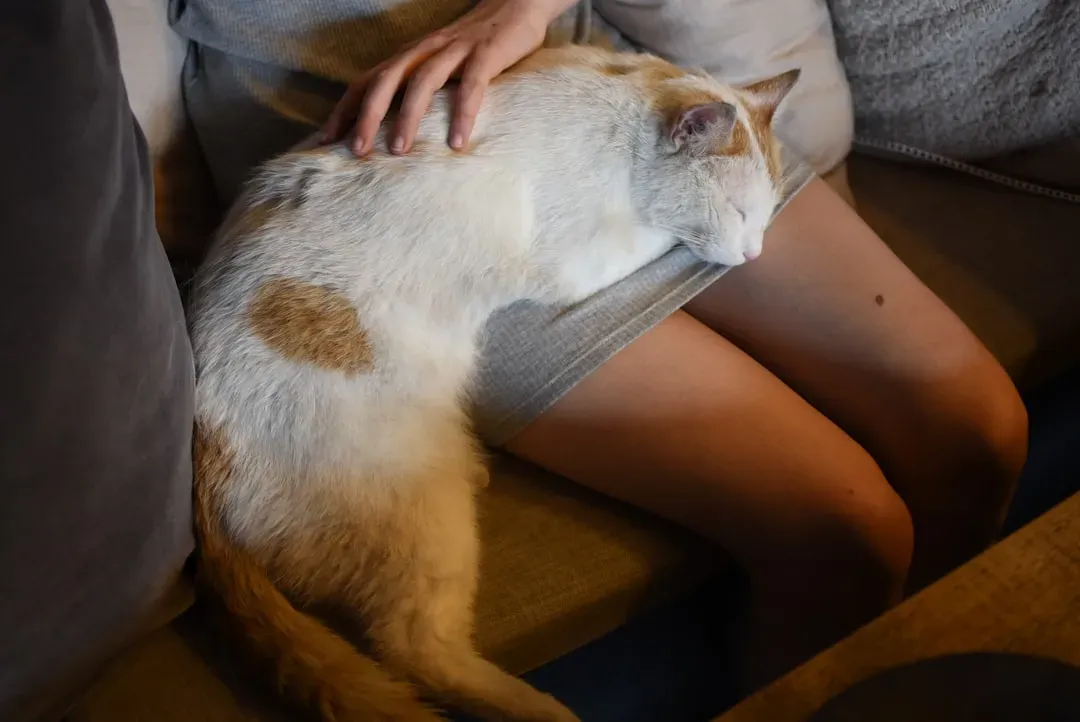
You’ll notice that some cats love to sleep facing you, even pressing their nose or forehead into your hand. This can still be a sign of affection and comfort, especially if your cat seeks out your scent and touch. In those cases, facing you can mean your cat is using you as a warm pillow, enjoying your breathing rhythm, or staying close to your face because that’s where they get the most reassurance from your voice and smell. But when your cat faces away, they might be chasing a different kind of comfort: security in the environment rather than direct contact. By pointing their senses outward while keeping their body flush against you, they can monitor the room while still relying on you as a safe anchor behind them. Over time, many cats shift between these two positions depending on mood, energy level, and how safe the rest of the space feels that day. You’re watching a flexible trust system at work, not a simple sign of affection or rejection.
Other Body Language That Pairs With “Back Toward You” Trust
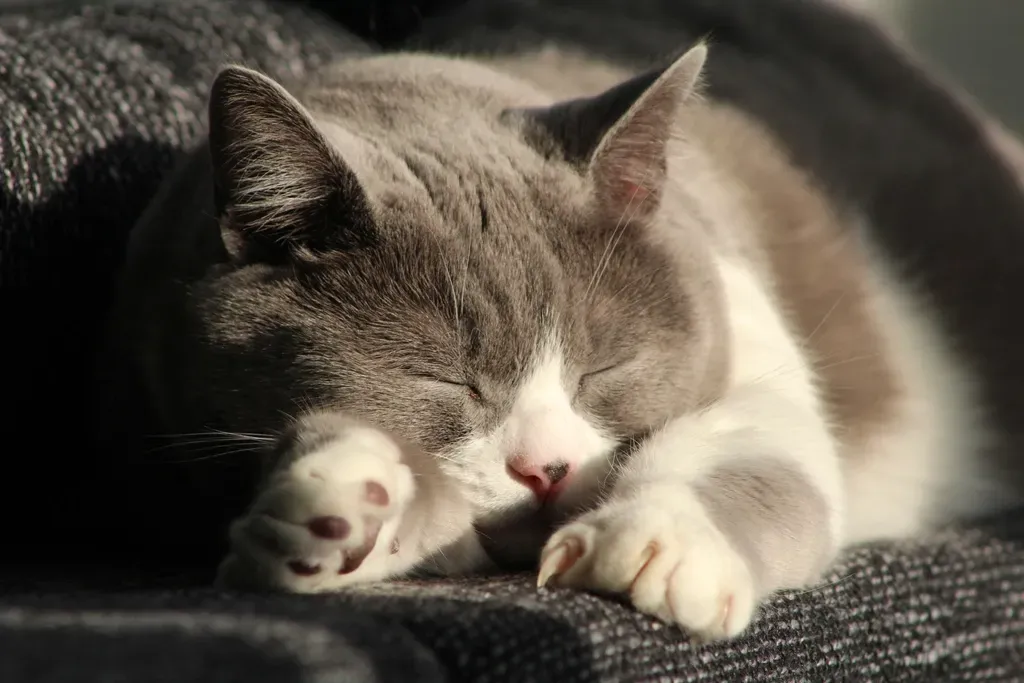
The turned back only tells part of the story; you’ll get a clearer picture by noticing what the rest of your cat’s body is doing. If their tail is loosely draped, their paws are relaxed, and their breathing is slow and steady, you’re looking at a cat in genuine rest mode. Sometimes they may even stretch out to their full length, which is another strong sign they feel safe enough to expose their belly and limbs, even if not directly to you. You might also see tiny signs like a slow tail twitch, gentle ear movements, or that soft, half‑open eye called “slow blinking” when they briefly look back. Those micro‑movements often mean your cat is deeply content but still aware of the environment in a calm way. When you see a turned back plus a loose body plus slow breathing, you can be pretty confident you’re on the receiving end of some serious feline trust.
How Your Behavior Teaches Your Cat To Trust You While They Sleep
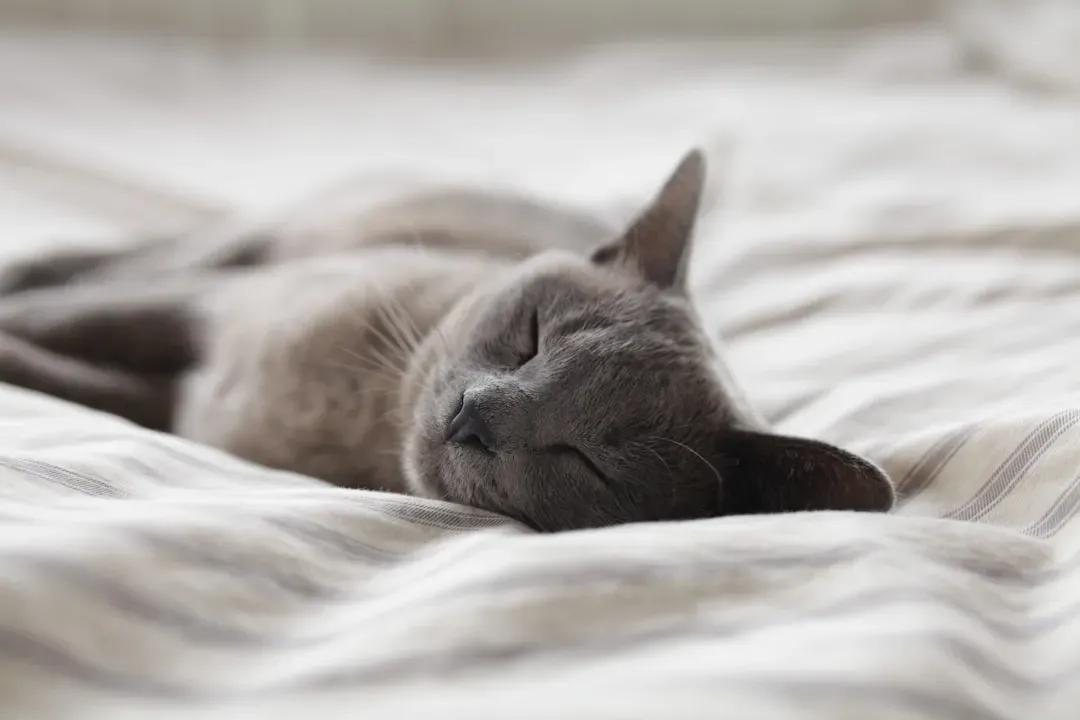
Your cat’s decision to sleep with their back toward you comes from dozens, even hundreds, of small interactions they’ve had with you over time. When you respect their space, avoid forcing handling when they’re not in the mood, and respond calmly instead of loudly or unpredictably, you start to earn that “safe background” status. Your cat learns that you don’t grab suddenly, shout without warning, or disturb them every time they settle down. You also build trust when you keep routines steady: feeding at roughly the same times, using the same gentle tone of voice, and moving around the home in ways your cat can predict. To a cat, that consistency is gold. Bit by bit, your cat’s body starts to relax around you, and one day they choose to nap with their spine tucked gently against your leg, facing the room, trusting that you will not betray that vulnerable position.
When A Turned Back Might Signal Discomfort Instead Of Trust
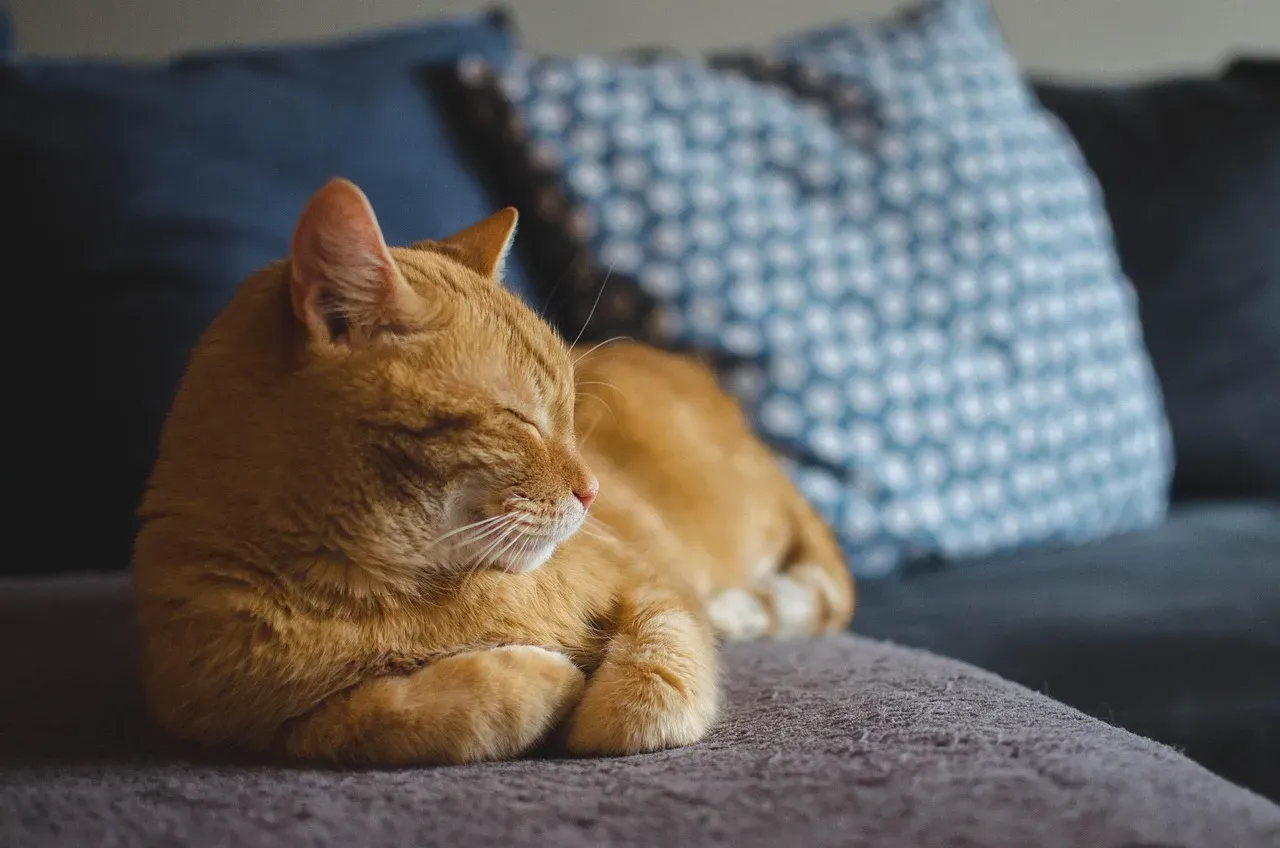
You still need to read context, because not every turned back is a love letter. If your cat sits with their back to you but keeps their body stiff, tail flicking sharply, or ears angled sideways or back, they might be annoyed or overstimulated rather than relaxed. In that mood, turning away is more like a polite boundary or a way of saying they need space from petting or noise. If you notice your cat repeatedly choosing high shelves, distant corners, or turning away in a tense way whenever you approach, it can be a sign of stress, pain, or unresolved fear. In that case, you help more by softening your approach, giving them escape routes, and maybe talking with a veterinarian or behavior professional. The key difference is this: a trusting “back toward you” looks floppy and relaxed; a stressed “back toward you” looks tight, small, and ready to spring away.
Practical Ways To Encourage This Kind Of Relaxed Trust
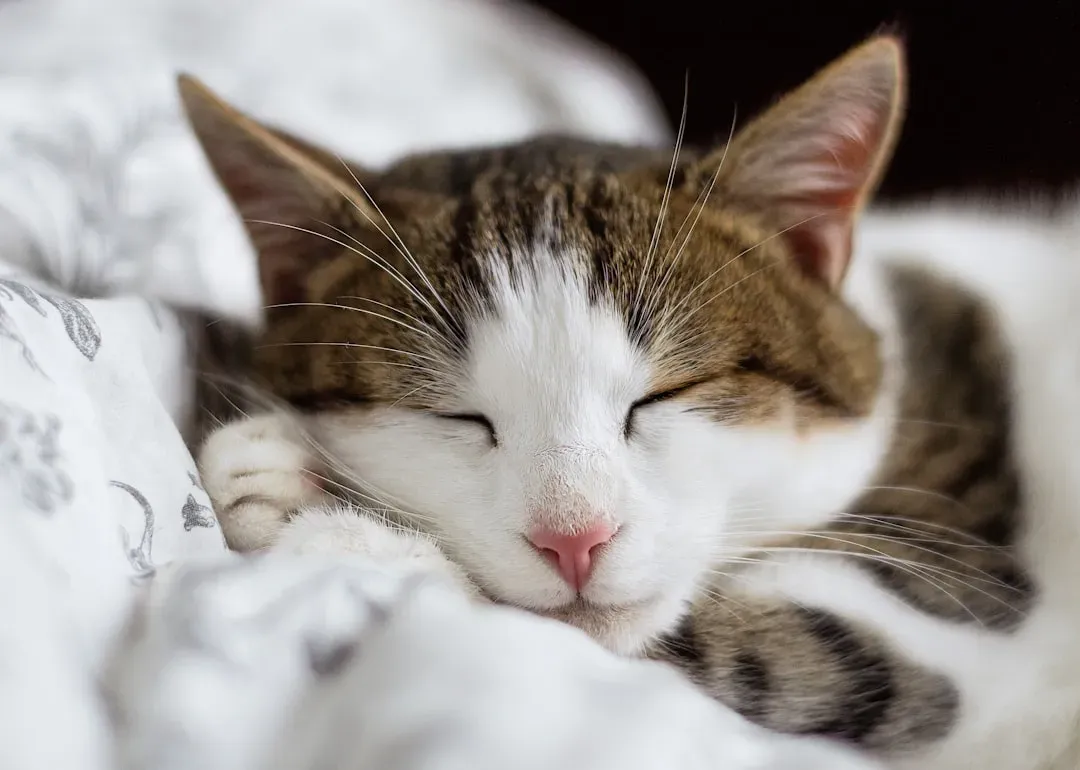
You can actively invite more of that trusting sleep behavior by making the spaces around you feel safe and predictable. That might mean turning down loud TV volume at night, using soft lighting, or keeping the bed or sofa free of sudden movements when your cat settles. When your cat lies with their back toward you, resist the urge to poke, pick up, or disturb them just because they look cute; let them complete the sleep cycle. Rewarding calm, trusting behavior with gentle words when they wake, slow blinks, or a quiet treat now and then also helps your cat link resting near you with good things. Over time, your presence starts to feel like background safety, the way you feel about a locked front door or a familiar neighborhood. You’re no longer just the person who feeds them – you’re the buffer that lets them truly relax.
Strengthening Your Bond By Reading These Subtle Signals
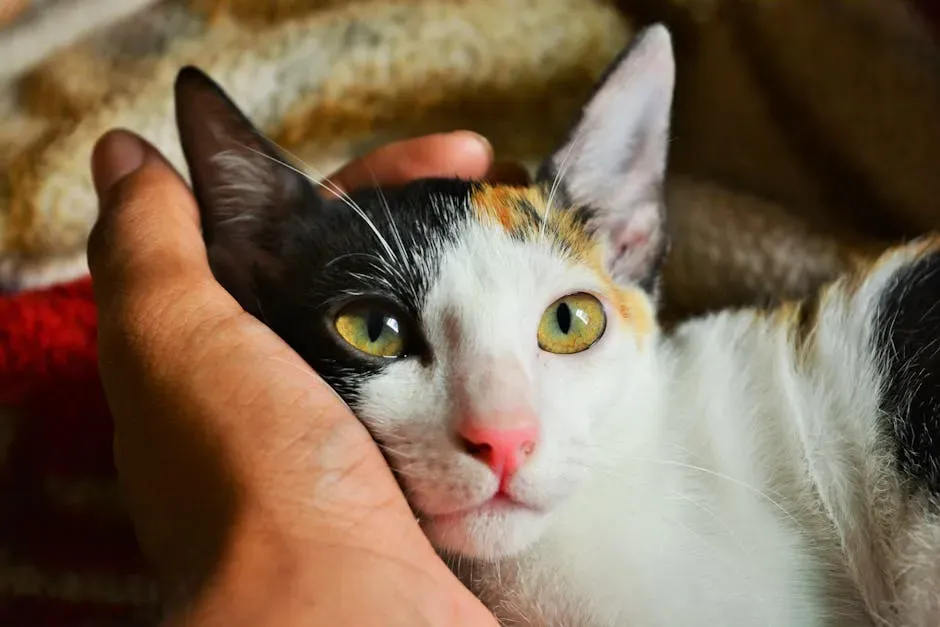
Once you start seeing a turned back as trust instead of rejection, your entire relationship with your cat shifts. You stop chasing constant eye contact and obvious affection, and you start appreciating the small, quiet ways your cat says, “You’re my safe place.” That change in perspective often makes you more patient and less needy around your cat, which ironically makes your cat even more comfortable seeking you out. You may also find yourself tuning into other subtle cues: the way your cat chooses certain spots near you, the timing of when they approach, or the little routines they create around your schedule. That attention builds a two‑way bond where you respect your cat’s boundaries and they, in turn, offer you deeper, more genuine trust – one relaxed spine turned confidently in your direction at a time.
In the end, a cat sleeping with their back toward you is not a cold shoulder – it’s more like a quiet handshake of trust. Your cat is telling you that they can afford to look away because you’ve earned a place in their inner circle of safety. The next time you see that furry back pressed up against you, instead of wishing they’d turn around, you might just smile and think, “You trust me that much?”
Kristina is a young writer from India. An arts graduate and an avid content creator, Kristina is passionate about animals and wildlife. She enjoys exploring topics related to pet care, animal behavior, conservation, and nature, combining thorough research with engaging storytelling.