You probably smile when your cat proudly drops a toy at your feet, but there’s a good chance you’re only seeing the surface of what’s going on. From your cat’s point of view, that simple act can be loaded with instinct, emotion, learning, and even subtle social rules. Once you start to understand the psychology behind it, those ragged mice and crinkly balls look a lot less like clutter and a lot more like a window into your cat’s inner world. Think of every toy delivery as a tiny message. Sometimes it’s about wanting to chase and pounce with you, but other times it hints at trust, anxiety, boredom, or a deep-rooted hunting program that your living room cannot switch off. When you decode that message properly, you make life better for your cat – and honestly more interesting for yourself, too.
It Starts With the Hunter Hard‑Wired Inside Your Cat

You might look at your sleepy house cat and see a couch ornament, but under that fur you’re living with a highly tuned predator. Even the most pampered indoor cat carries an instinctive hunting sequence: searching, stalking, chasing, pouncing, grabbing, and finally “killing” and sharing the prey. Toys simply stand in for birds, insects, and rodents that your modern home no longer provides. When your cat drags a toy over to you, you’re basically being invited into the last chapter of that hunting story. The “kill” has been made, and now the prey is being delivered to a trusted group member. In the wild, small cats sometimes cache or move prey; in your living room, that looks like a soggy stuffed mouse on your bed at 3 a.m.
Your Cat May See You as a Clumsy but Important Family Member
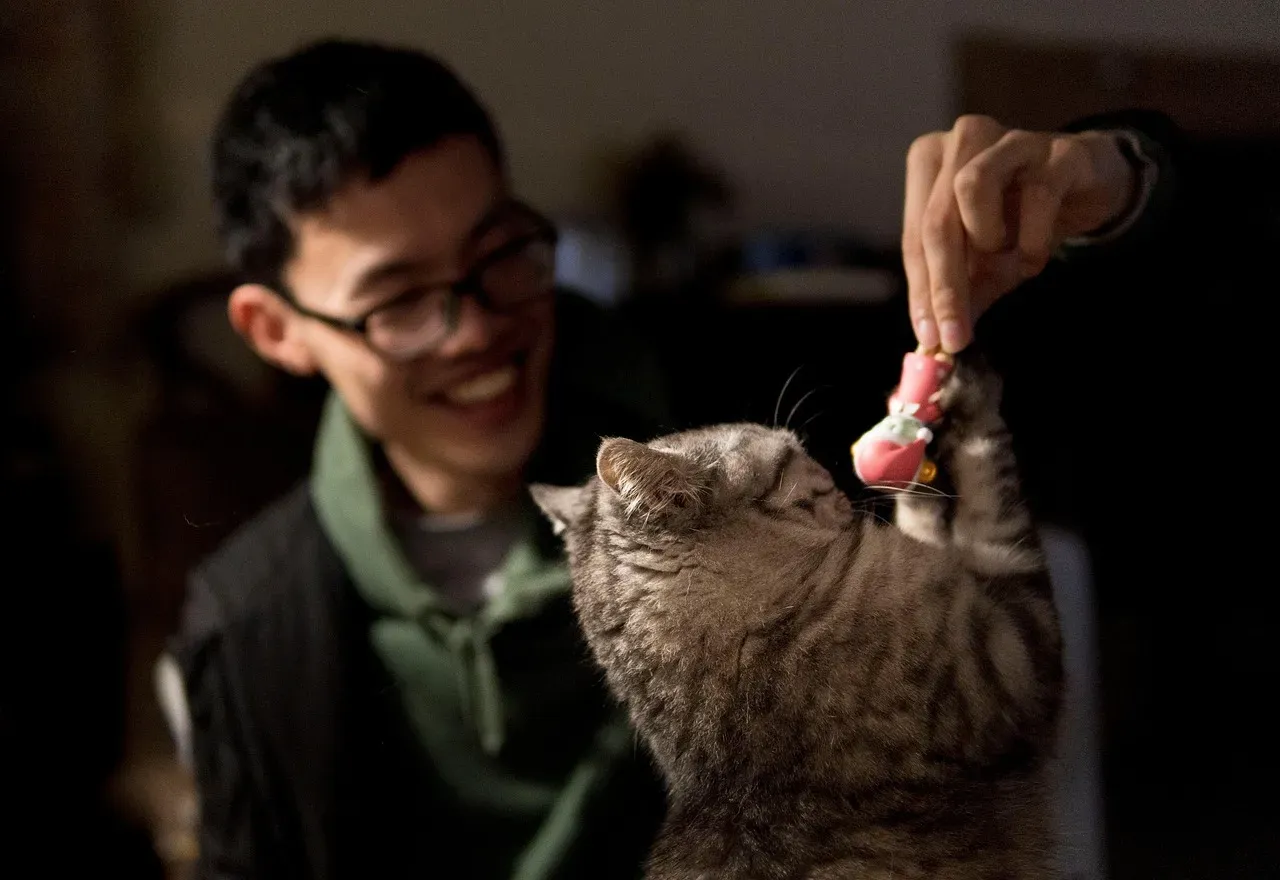
When you get a toy offering, there’s a good chance your cat is responding to how strangely you behave from a feline point of view. You don’t stalk, you don’t pounce, you never bring home anything that squeaks or flaps its wings, and somehow you still control the food supply. It’s not crazy to think your cat is trying to “help” you by doing the hunting part for you or involving you in the process. Some behaviorists suggest that cats sometimes treat humans a bit like oversized, not‑very‑skilled kittens. If your cat has ever called to you loudly while carrying a toy, then dropped it and backed up, you may be seeing a version of how a mother cat would introduce prey to her young. Even if you never pounce on the toy, your cat may keep repeating this ritual because, in their mind, that’s just what family does.
Seeking Social Connection: Toy Delivery as a Feline Love Language
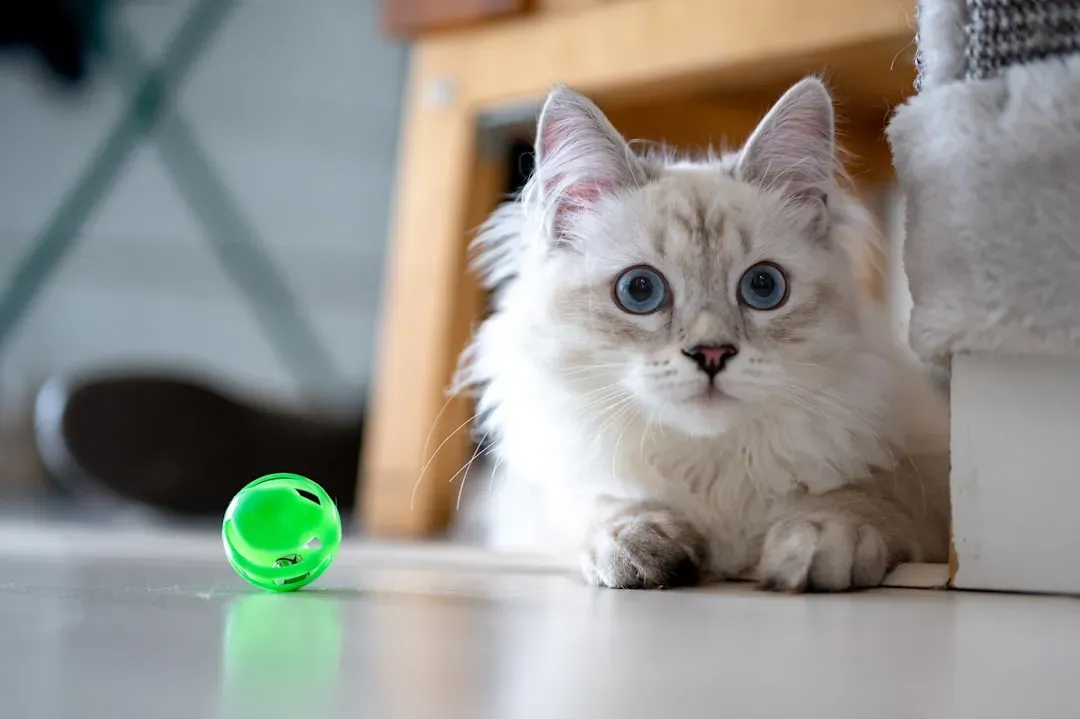
If you think cats are aloof by nature, a toy dropped in your lap is one of the strongest arguments against that stereotype. For many cats, carrying something in their mouth and choosing to give it to you is a form of social bonding. You’re not just part of the furniture; you’re a chosen partner in a tiny shared ritual that makes your cat feel secure and connected. You can tell there’s a social angle when your cat specifically looks for you before dropping the toy, meows while approaching, or seems disappointed if you ignore the gesture. To your cat, you’re the central figure in their territory, and involving you turns a solitary hunt imitation into a shared experience. In a quiet way, that’s your cat’s version of saying you matter.
They Might Be Asking You to “Activate” the Toy

Sometimes the message is very simple: your cat wants you to make that toy come to life. Unlike a real mouse or moth, a toy lies there like a rock unless a human gets involved, and your cat learns very quickly that you’re the one who can make it move in surprising, chase‑worthy ways. Dropping the toy in front of you can be a polite, very insistent request to get the show started. If your cat brings a toy, stares at you, then at the toy, and maybe bats it once while glancing back again, that’s basically a prompt: “Do your part.” Rolling it, tossing it, or dragging it on a string often gets a sudden burst of energy from even a laid‑back cat. To them, you’re less a toy dispenser and more a puppet master for their imaginary prey.
Stress, Anxiety, and the Comfort of Carrying Objects
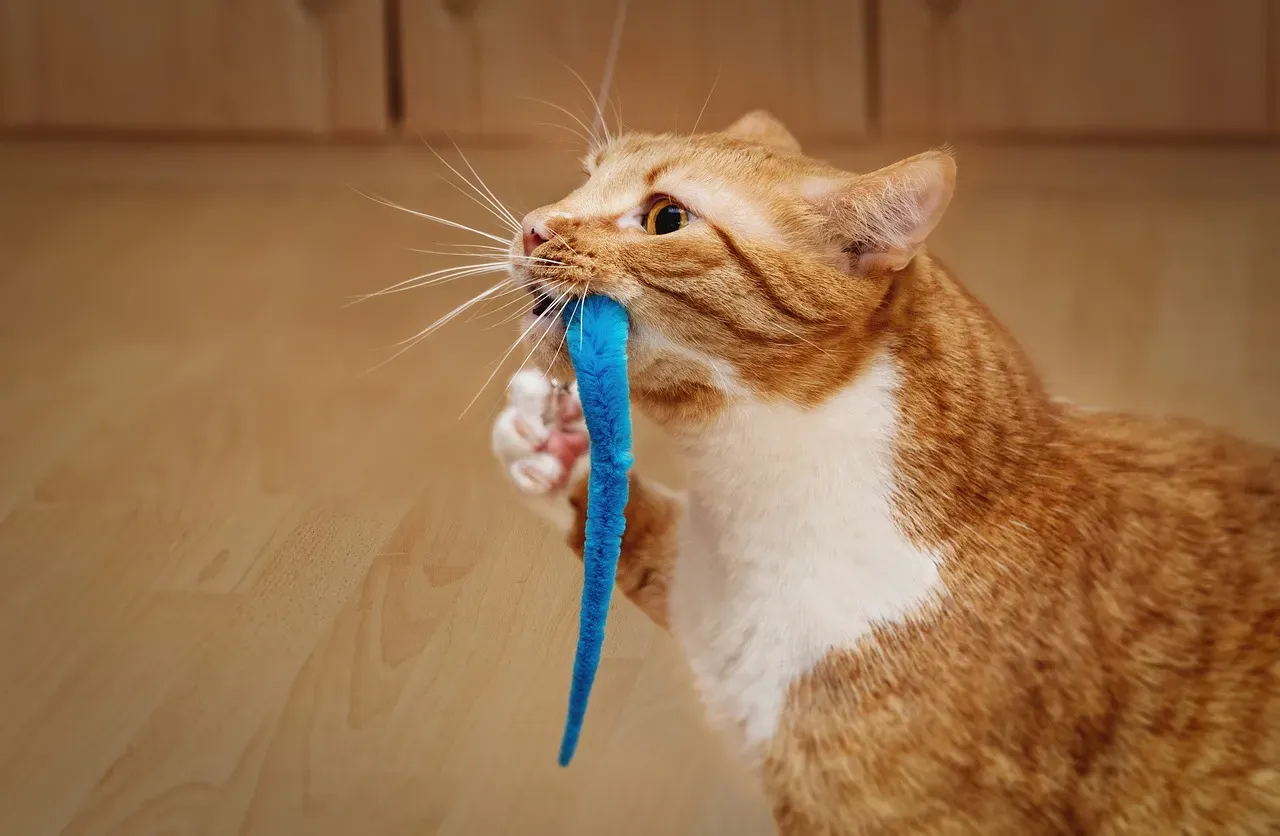
There’s also a more serious side to this behavior that’s easy to miss: some cats carry and deliver toys more often when they’re stressed or anxious. The toy can function like a comfort object, similar to how a child might cling to a favorite blanket. Carrying it around, vocalizing, and depositing it at your feet may be your cat’s way of coping with unease while also checking in with you. You might notice this more during changes in the home, like a move, new baby, new pet, or even loud construction outside. If the toy deliveries suddenly become more frequent and your cat seems restless, vocal, or clingy, it’s worth reading the behavior as part emotional support, part reassurance seeking. In that moment, your reaction – gentle attention, calm play, or quiet praise – can genuinely soothe your cat’s nerves.
Teaching and Practicing Skills: You as a “Student” or “Assistant”
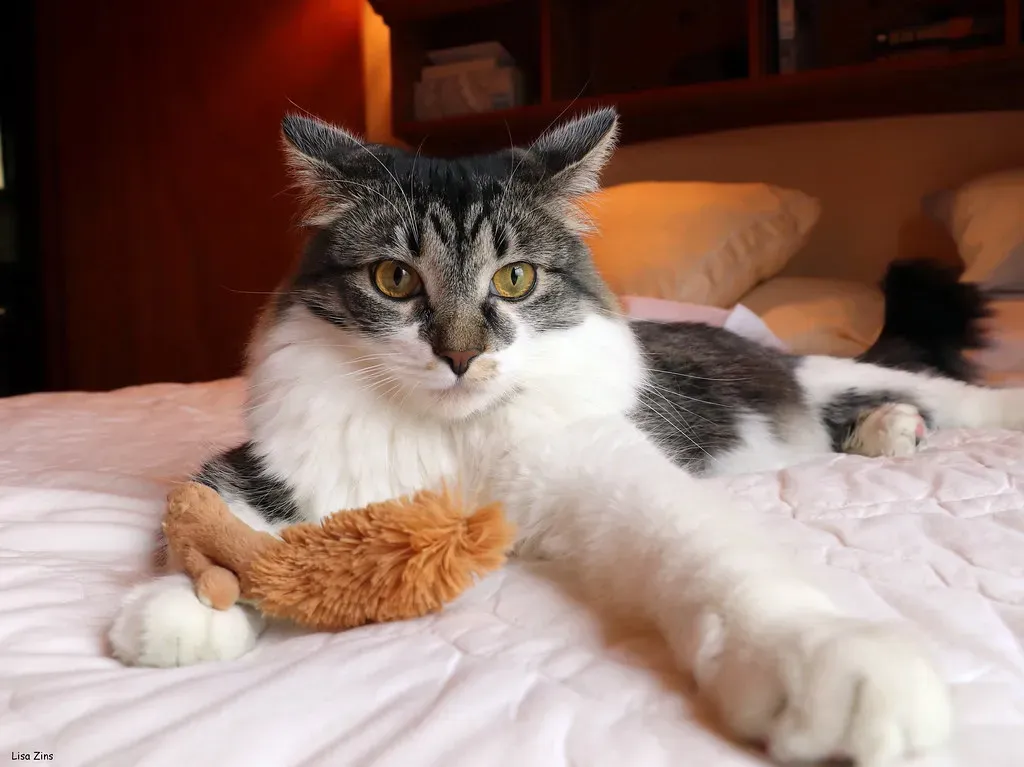
From your cat’s viewpoint, play is not just entertainment; it’s serious practice for survival skills that their instincts still treat as essential. When your cat brings you a toy, you might be enrolled in a training session you never signed up for. You’re either being shown how hunting works or being recruited to help make the training more realistic and challenging. Some cats will bring the same toy repeatedly, almost like a drill, expecting you to throw, drag, or hide it so they can rehearse stalking and pouncing. By cooperating, you become part coach, part moving target, and part cheerleader. Whether you realize it or not, you’re helping your cat fine‑tune timing, coordination, and confidence that their instincts are constantly pushing them to refine.
Gift‑Giving, But Not in the Human Sense You Expect
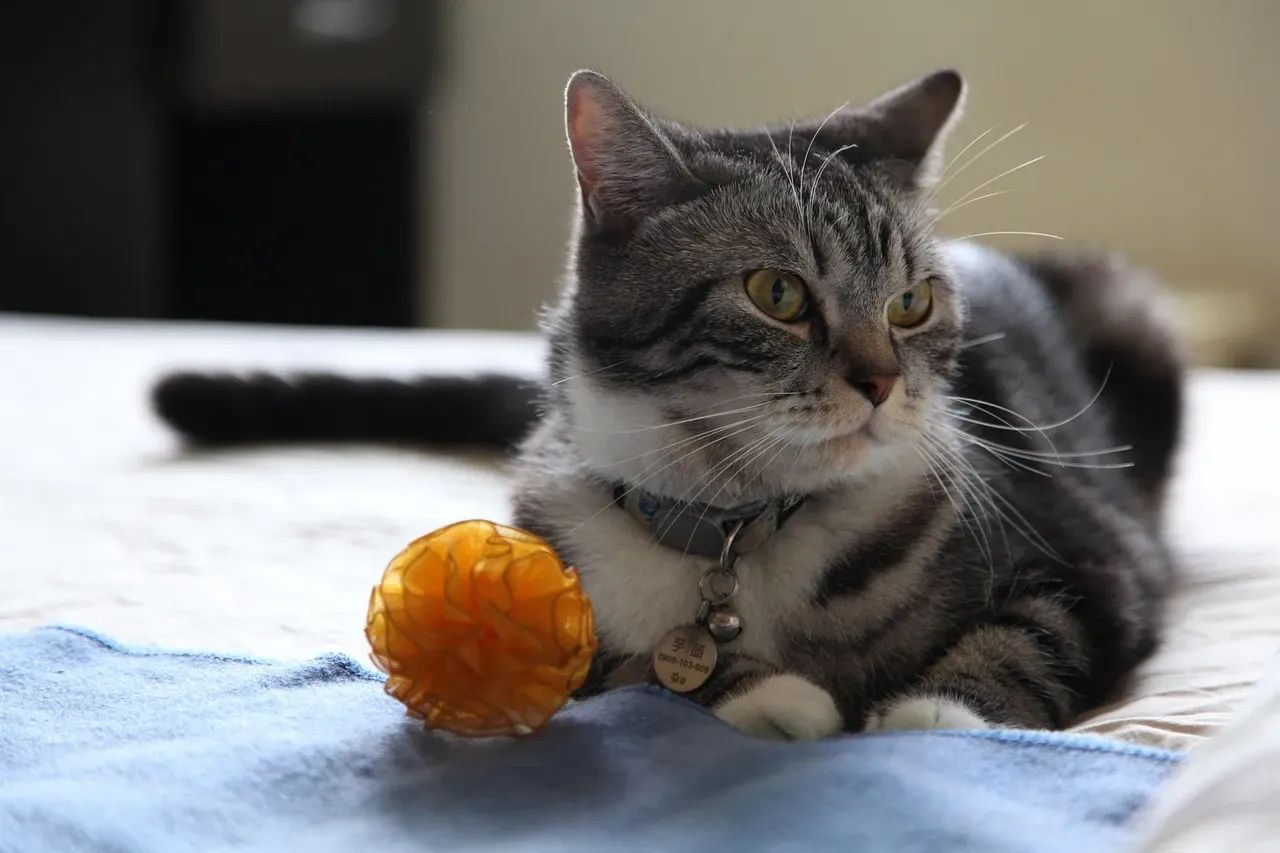
It’s tempting to see toy offerings as straightforward gifts in the human sense, but your cat’s mind does not work exactly like yours. Instead of a symbolic present with a clear “thank you” or “I love you” label, these offerings sit at the intersection of instinct, bonding, and shared activity. You might call it a gift, but your cat would probably call it doing what feels right within their social group. That said, there is still something generous going on. Your cat could keep the toy and play alone, but they choose to involve you, share their “prey,” and sometimes even give up control of the game. In a world where your cat has very little control over feeding times, doors, and routines, choosing to bring something to you is one gesture that is entirely theirs to initiate.
How Your Reactions Shape the Habit Over Time
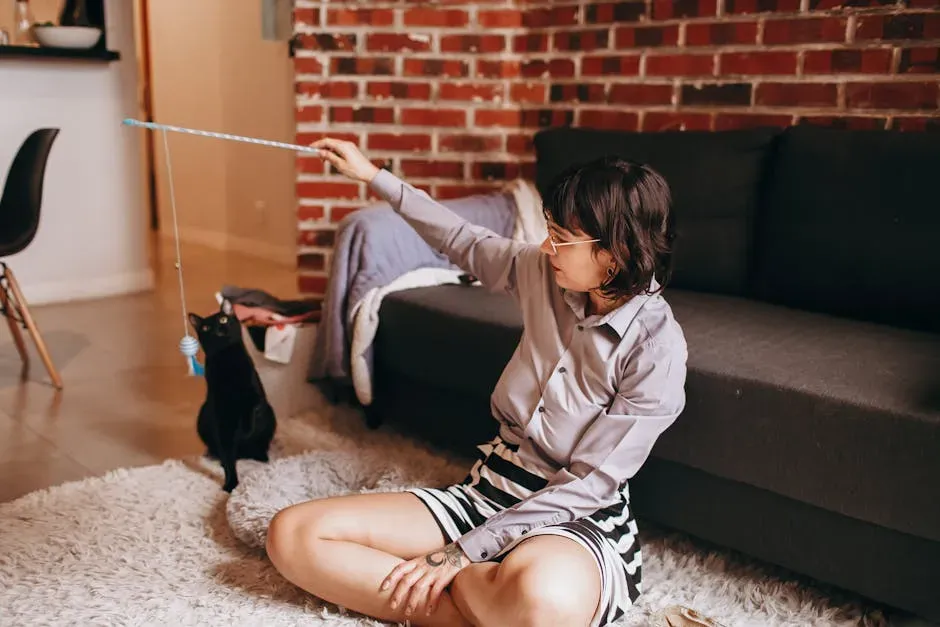
Your response plays a huge role in whether your cat keeps bringing toys or loses interest. If every time they deliver a toy you light up, talk to them, and start playing, you are reinforcing that behavior strongly. From your cat’s perspective, the pattern is clear: bring object, get attention, get excitement, maybe even get a treat or some praise. On the flip side, if you regularly ignore the behavior or push the toy away without engagement, your cat may eventually stop bothering – or they may escalate with louder meows because the ritual feels unfinished. The key is to respond intentionally. If you like and value this behavior, make time to notice and interact. If you need boundaries, redirect the ritual into specific times of day, so your cat can still rely on some predictable shared fun.
Reading Your Own Cat’s Version of the Behavior
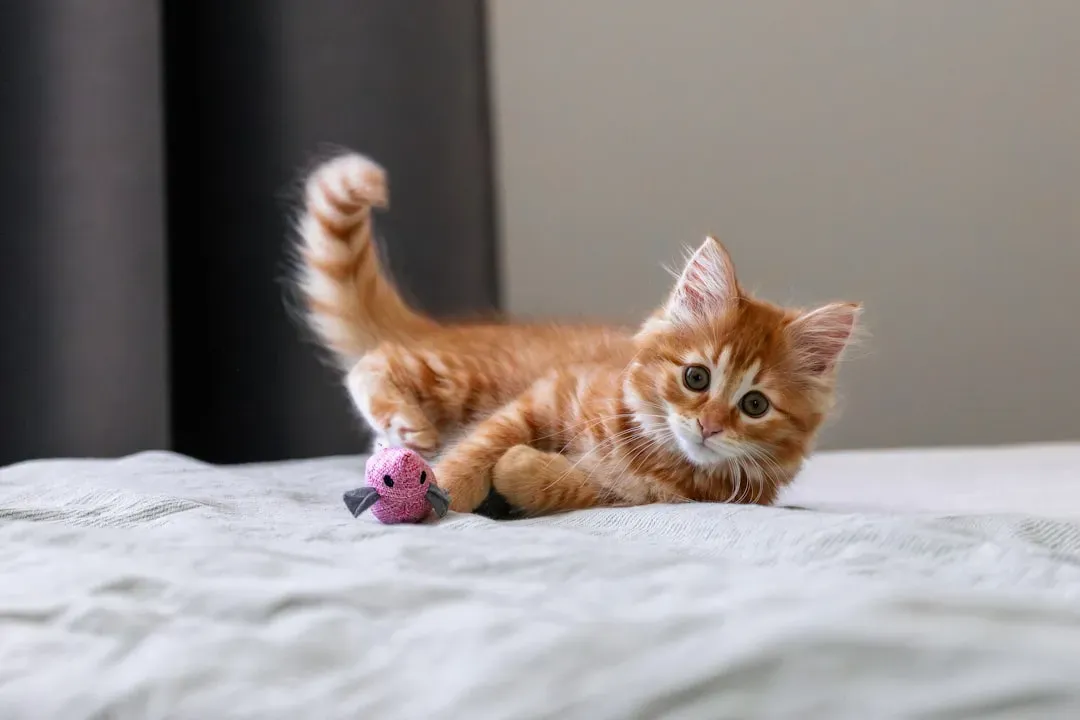
Not all toy deliveries mean the same thing, and your particular cat’s personality, history, and routine matter a lot. A confident, energetic cat might deliver toys mainly as an invitation to play, while a shy or formerly stray cat might be showing trust by approaching you with something in their mouth. You learn the difference by watching the rest of their body language and the context around the behavior. Ask yourself a few questions: Does your cat often vocalize when carrying toys? Do they bring toys more at night, or when you are about to leave or just got home? Do they look relaxed and wiggly, or tense and wide‑eyed? When you treat the behavior as a puzzle instead of a quirk, you start to pick up patterns that tell you whether your cat is asking for fun, comfort, reassurance, or simply company.
Turning Toy Offerings Into a Healthier, Happier Routine
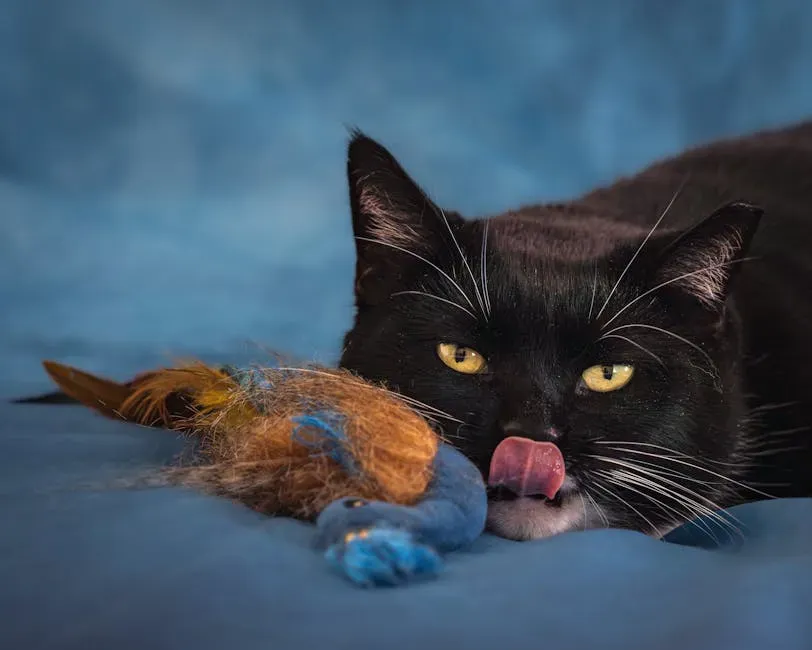
Once you understand the layers behind a toy delivery, you can turn it into a powerful tool for your cat’s well‑being. You might schedule short, intense play sessions at the times your cat most often brings toys, using those moments to let them fully express their hunting sequence in a safe, controlled way. That kind of routine not only burns off energy but also satisfies deep instincts that can otherwise turn into frustration. You can also rotate toys regularly, introduce puzzle feeders, or create little “staging areas” where prey‑like objects are easy for your cat to grab and carry to you. By leaning into the behavior rather than brushing it off, you turn your home into a more enriching environment. Over time, your cat learns that bringing toys to you is not just a random habit – it’s a reliable path to connection, stimulation, and feeling understood.
In the end, every toy your cat drags over is a tiny story about who they are and how they see you. You’re not just the person who opens the cans; you are their hunting partner, student, comfort figure, and co‑conspirator in a private game that links their wild ancestry to your ordinary Tuesday night. The more closely you watch and the more thoughtfully you respond, the richer that relationship becomes – for both of you. Next time your cat drops a battered mouse at your feet, will you see just a toy, or an entire world of feline psychology reaching out to you?
Kristina is a young writer from India. An arts graduate and an avid content creator, Kristina is passionate about animals and wildlife. She enjoys exploring topics related to pet care, animal behavior, conservation, and nature, combining thorough research with engaging storytelling.