You think you are getting a cute little playmate for your current cat, double the purrs, double the love, and maybe some adorable Instagram content. Then the new cat arrives and suddenly your peaceful home feels like a feline soap opera with surprise plot twists in every room. A second cat can be wonderful, but it is rarely as simple as putting two fluffballs in the same space and waiting for friendship to blossom. If you are toying with the idea of expanding your tiny house pride, it really helps to know what you are walking into. There are politics, body language, territorial drama, and a few unexpected costs that no one puts on the adoption poster. You absolutely can make it work and end up with a happier household overall, but you will save yourself a lot of stress if you go in prepared instead of optimistic and blind.
1. Your First Cat May Not Want A Friend At All
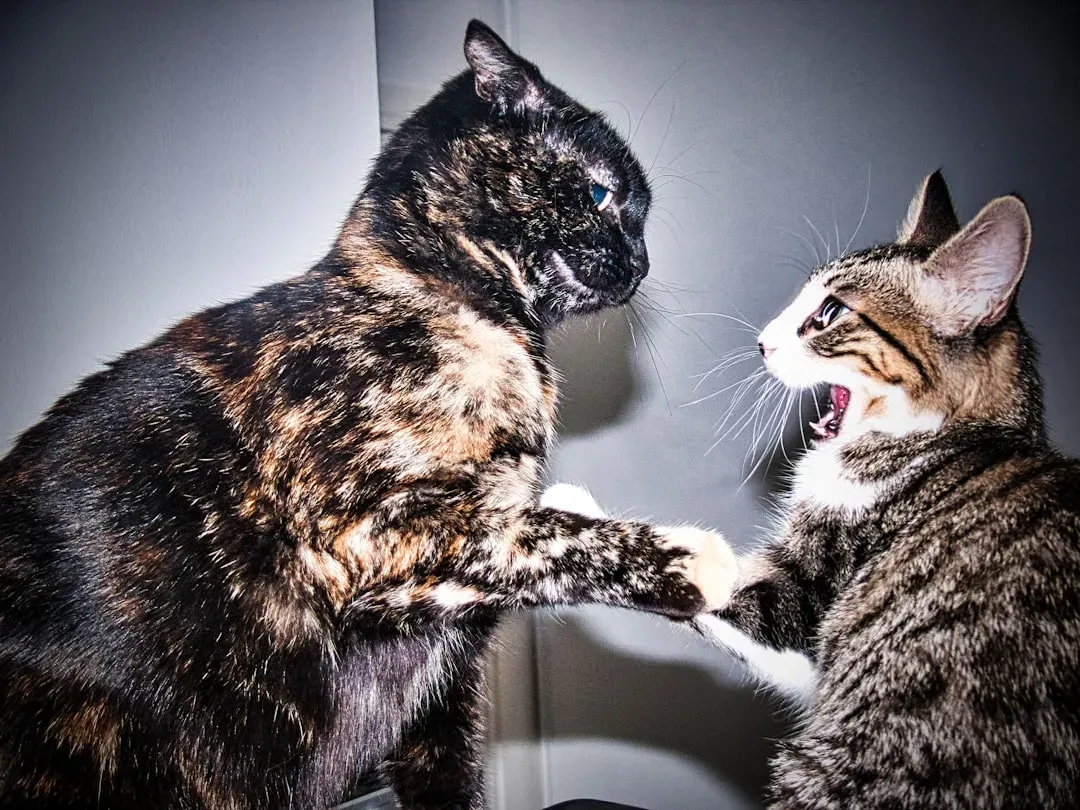
People often assume cats are lonely by default, but your current cat might see your home as a perfectly balanced one‑cat kingdom. When you suddenly bring in a second cat, your resident may feel like their territory, routine, and access to you are being invaded, even if you meant it as a sweet gift for them. You might see hissing, hiding, swatting, or dramatic sulking instead of the instant snuggling you imagined. You have to accept that your first cat never signed a contract agreeing to a roommate. Their age, personality, and history with other animals all matter more than your wish for cute bonded‑pair pictures. If your cat is older, anxious, or has never lived with another animal, you need to be ready for a longer, more fragile adjustment period, and in some cases, the reality that they may never be best friends, only grudging neighbors.
2. Slow Introductions Are Not Optional
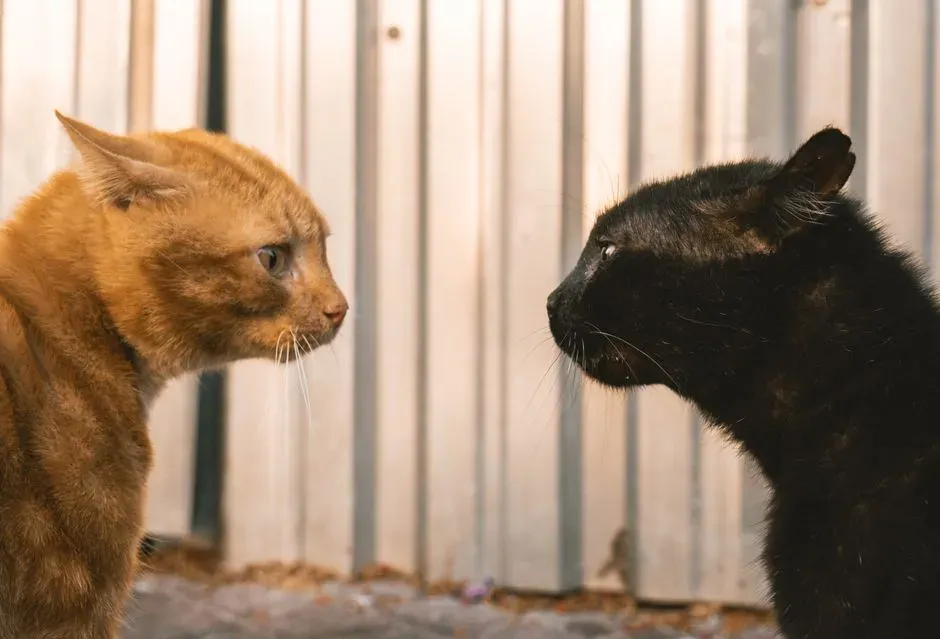
No one tells you how painfully slow a proper introduction can feel when you are excited about your new cat. You cannot just toss them into the same space, watch chaos, then shrug and hope everyone will “work it out” because that is exactly how you end up with long‑term tension and even health issues caused by stress. You need a plan that includes a separate room, scent swapping, short supervised meetings, and patience that will probably run out before the cats’ emotions do. You are basically running a tiny peace negotiation between two suspicious diplomats in fur coats. At first you are trading scents on blankets or toys, then allowing door‑sniffing and feeding on opposite sides of a barrier. Only when both cats seem more curious than angry do you let them see each other face to face for brief, controlled moments. It feels exaggerated when you are living it, but that slow build is what sets you up for a calmer long‑term relationship.
3. Your Home Will Magically Shrink Overnight
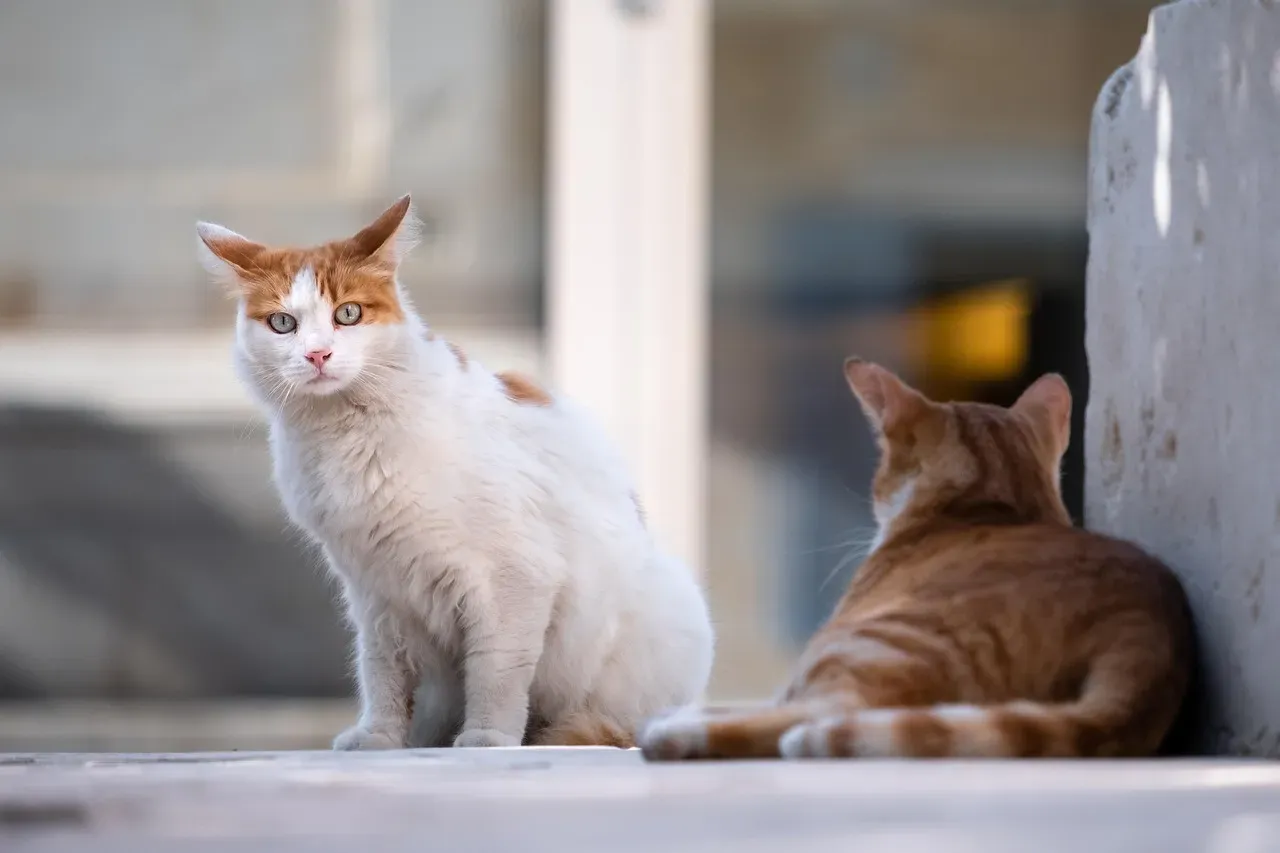
You do not realize how big your place feels for one cat until you add a second one and suddenly every room feels crowded. Two cats do not just share the same spaces; they carve up invisible territories: favorite windowsills, preferred nap spots, and prime vantage points. You might see one cat blocking doorways, hogging the tallest perch, or patrolling like a tiny security guard. To keep the peace, you will need to think in vertical layers, not just floor space. Adding extra shelves, cat trees, and window perches lets each cat claim their own “level” and reduces conflict. You will probably find yourself rearranging furniture you thought was perfectly fine to make better escape routes, extra resting spots, and cozy hideaways where each cat can retreat when they are tired of socializing.
4. You Need More Litter Boxes Than You Think
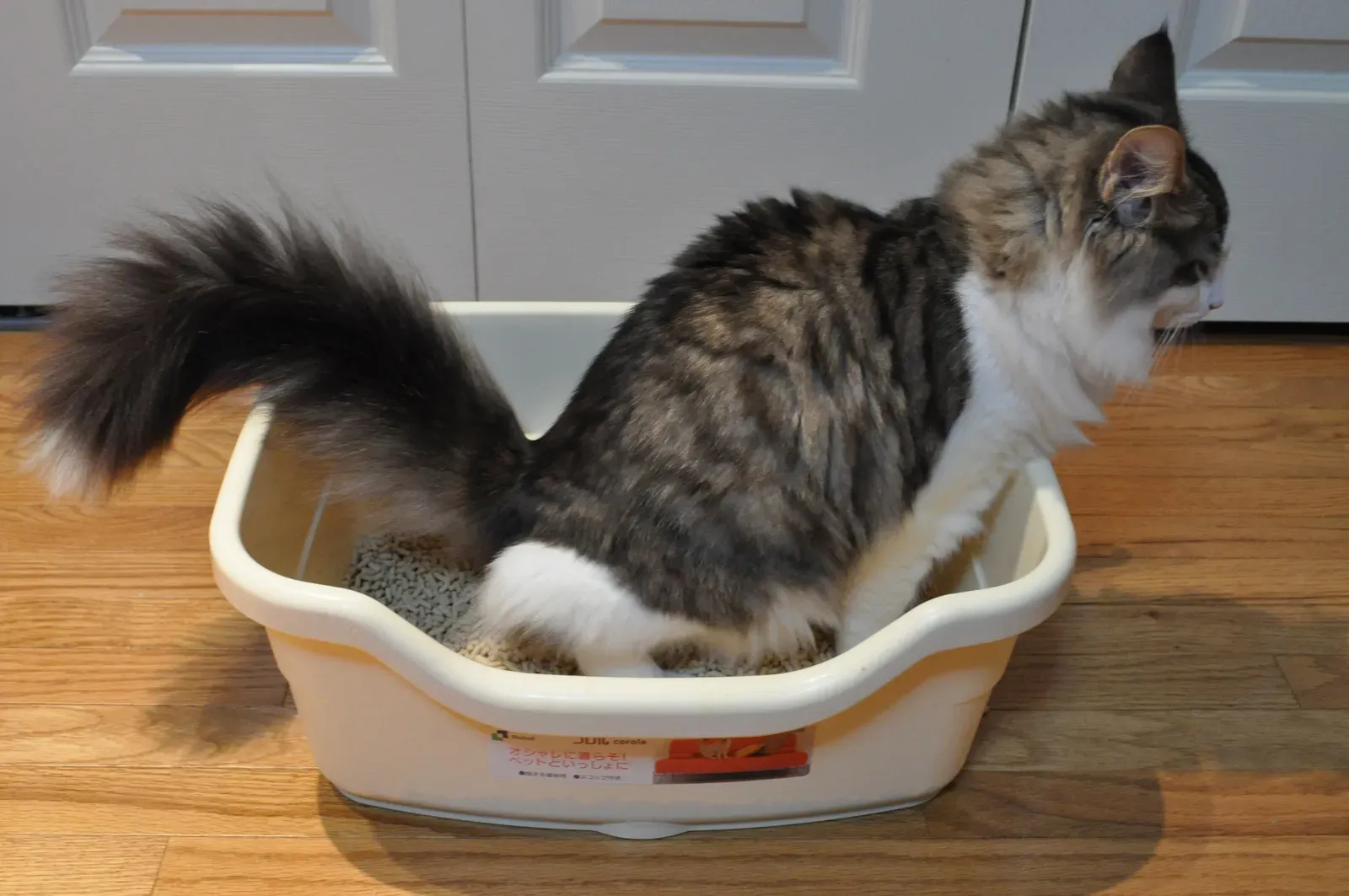
One of the most frustrating surprises: you cannot just toss one more cat into the same litter box situation and hope for the best. A common guideline is one box per cat plus one extra, which means that with two cats you really should have three litter boxes. It sounds excessive until you deal with one cat refusing to use a box that “smells like the other one” and decide that a couple more plastic rectangles are cheap peacekeeping. You also need to pay attention to placement, not just quantity. If you tuck all the boxes into one tiny corner, a more confident cat can easily guard the area, leaving the more timid one feeling trapped or forced to hold it. Spreading litter boxes into different rooms or at least different corners of the home makes everyone feel safer and dramatically lowers the odds of finding unpleasant surprises in your laundry basket.
5. Feeding Time Becomes A Tactical Operation
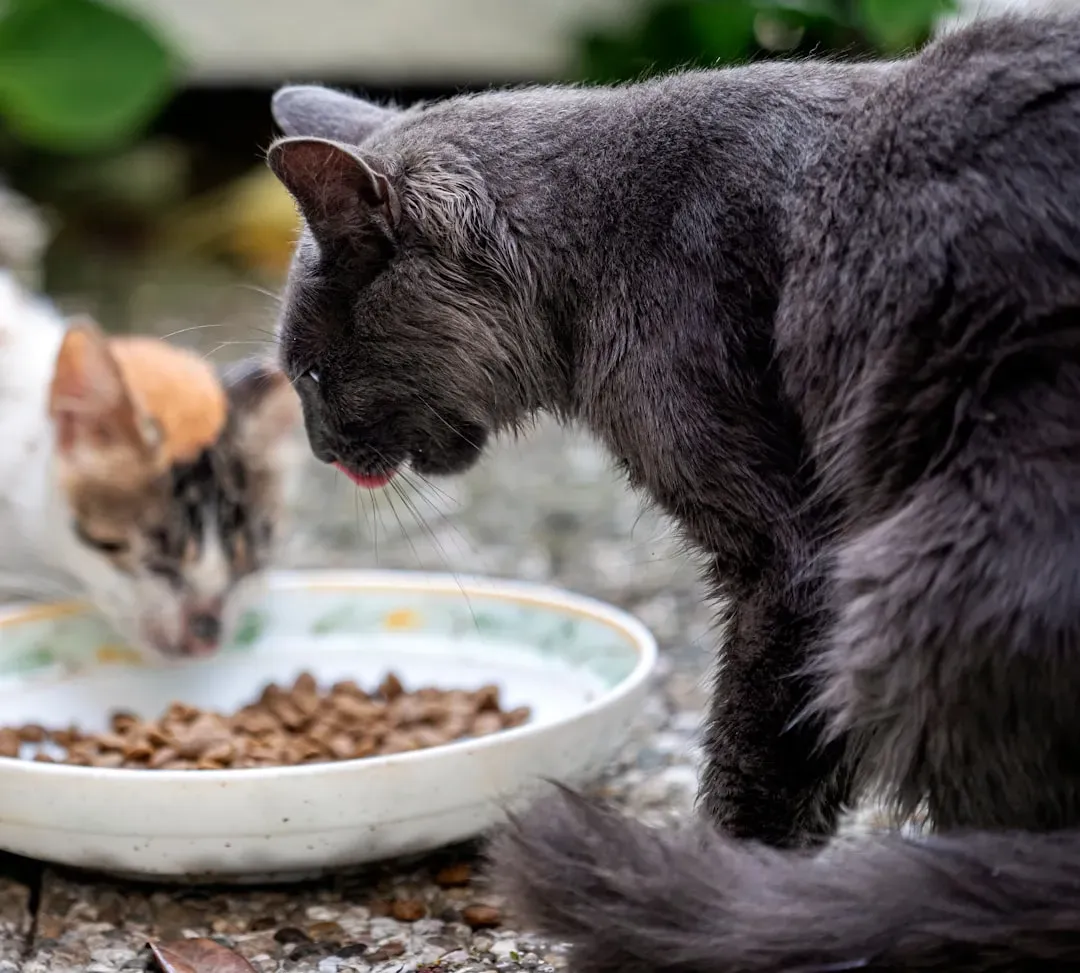
When you live with one cat, mealtime can be casual and even cute. With two cats, especially if one is bolder or more food‑motivated, eating can turn into a daily power struggle. You may see one cat inhaling their food and then trying to push the other away from their bowl, or a shy cat who is too nervous to eat at all while the other is nearby. That is not just annoying; it can lead to weight issues and stress for both of them. The fix is to feed them in clearly separate spaces: opposite sides of the kitchen, different rooms, or even on different levels like the floor and a counter or shelf if it is safe and allowed. You might need to experiment with feeding schedules, puzzle feeders, or microchip‑controlled bowls if one cat is on a special diet. It feels fussy at first, but once you see both cats eating calmly without glaring at each other, you realize how much peace comes from a well‑managed mealtime routine.
6. Vet Bills And Basic Costs Jump Faster Than You Expect
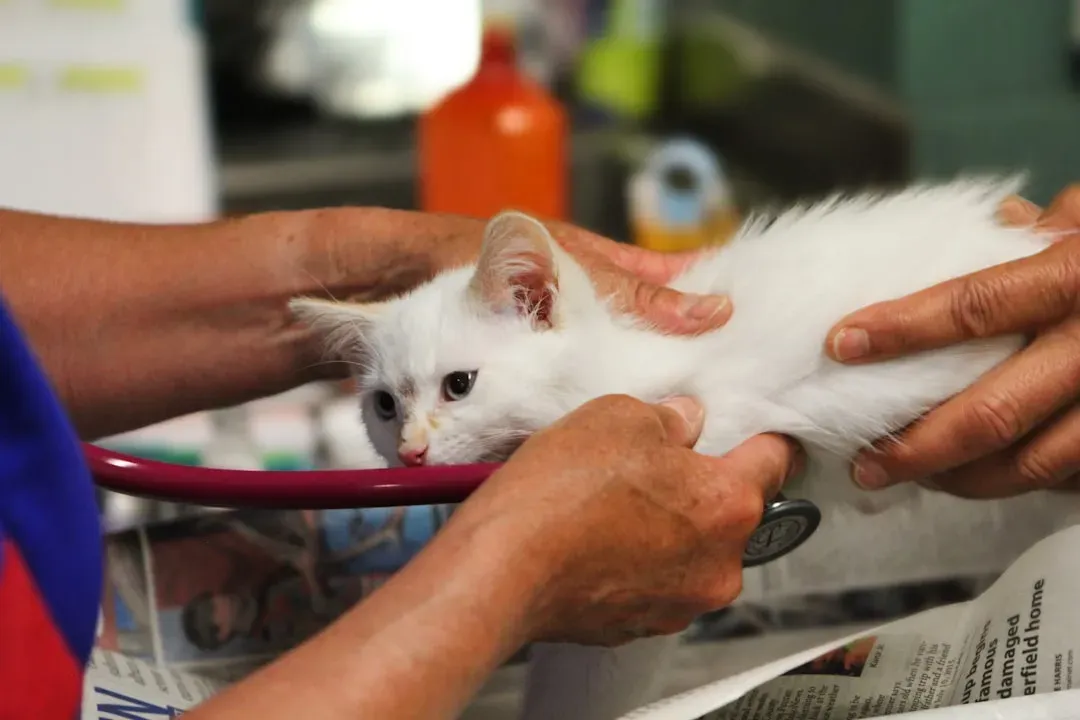
You probably tell yourself that a second cat will not be that much more expensive because you already buy litter, food, and toys. What sneaks up on you is how everything basically doubles in a way you genuinely feel in your budget. There is the obvious stuff like vaccines, checkups, emergency visits, flea prevention, and dental care, and then the quiet costs like extra litter, more frequent food orders, and replacing shredded toys or scratching posts more often. Even if both cats are young and healthy, it only takes one sudden emergency visit to remind you that two pets mean twice the chance of something going wrong. It is worth thinking about pet insurance, a dedicated savings buffer, or both before you add the second cat. That way, when one of them eats something weird or develops an unexpected issue, you are stressed about their health, not panicking about how to pay for it.
7. Personality Clashes Are Very Real
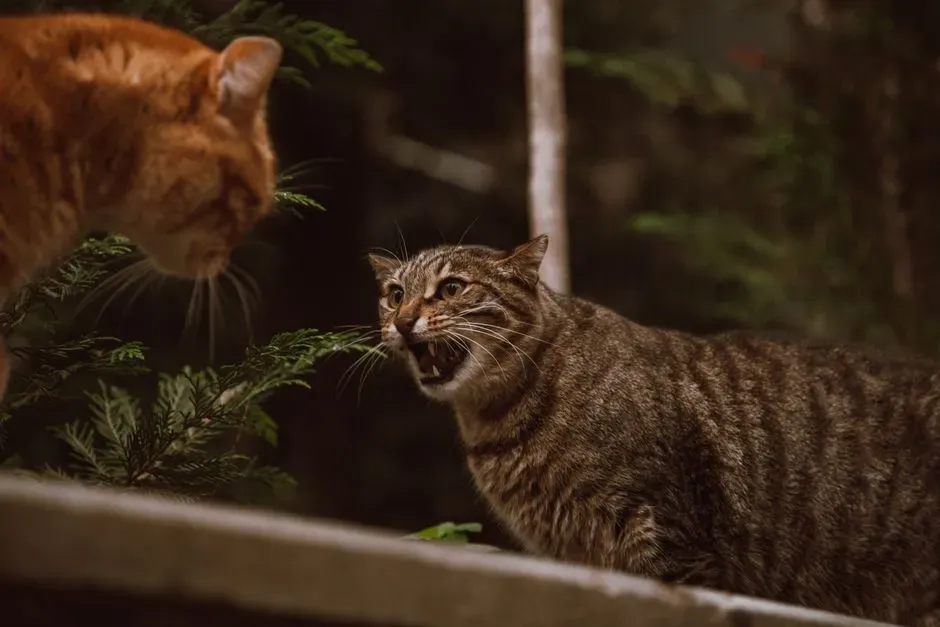
You might picture your cats as instant best friends, but in reality, you are putting two full personalities under one roof and hoping they click. Maybe you have a calm, older cat who loves quiet nap time and you bring in a bouncy young cat who wants to play chase at three in the morning. Or you have two bold, confident cats who both want to be boss, and suddenly your hallway becomes a showdown zone. This does not mean you made a mistake, but it does mean you need to be realistic. Try to choose a second cat whose energy level and temperament line up reasonably well with your resident cat whenever you can. Then, once they are home, watch closely: if one cat always starts the rough play and the other rarely engages willingly, you may need to step in with more structured play sessions, extra attention, and more spaces to escape. Over time, many mismatched pairs learn to coexist, but it rarely looks like the cartoon version you had in your head.
8. You Become A Full‑Time Referee (At First)

No one tells you how much emotional energy those first weeks with two cats can take. You will find yourself constantly reading body language, jumping up at sudden yowls, and wondering if you should break up a wrestling match or let them sort it out. You may feel guilty that your first cat seems stressed, or worried that your new cat feels unwelcome, all while trying to pretend you are a calm, confident human in charge. You are not being overly dramatic; you are just learning a new dynamic. Over time, you get better at spotting the difference between genuine aggression and loud but harmless roughhousing. You discover that a puffed‑up tail and a side‑eye do not always signal disaster, and that brief spats can be part of building boundaries. The intense referee phase does ease up, but it helps to know going in that your role is more peacekeeper than passive observer for a while.
9. Playtime Becomes Both Easier And More Chaotic
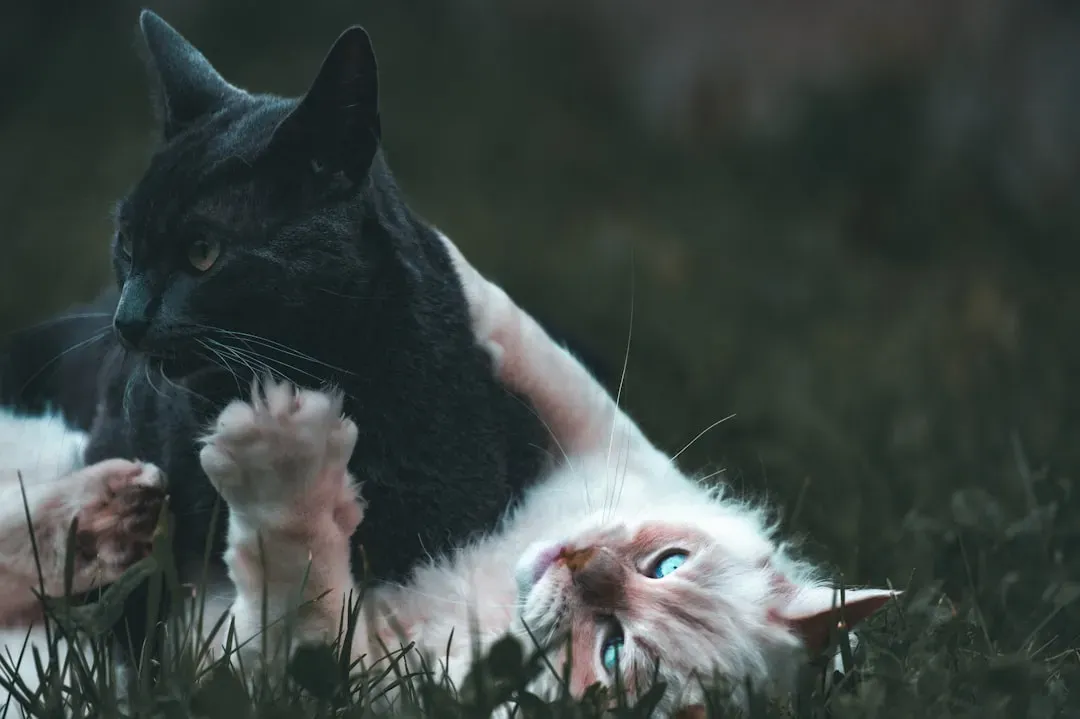
One of the big perks of a second cat is built‑in entertainment. They can chase each other, stalk imaginary prey down the hallway, and burn off energy in ways you could never match alone. That can be a lifesaver if you have a high‑energy cat who constantly demands attention. You might notice fewer random attacks on your feet and less destructive boredom behavior once they have a feline partner in crime. The flip side is that their favorite time to turn into tiny parkour athletes is often when you are trying to sleep or attend a serious video call. You start hearing the thunder of paws at midnight and the sound of something expensive being knocked over at exactly the wrong moment. Interactive play with you still matters, but now it is as much about directing that chaos into acceptable outlets as it is about bonding and fun.
10. You Become Hyper‑Aware Of Cat Body Language
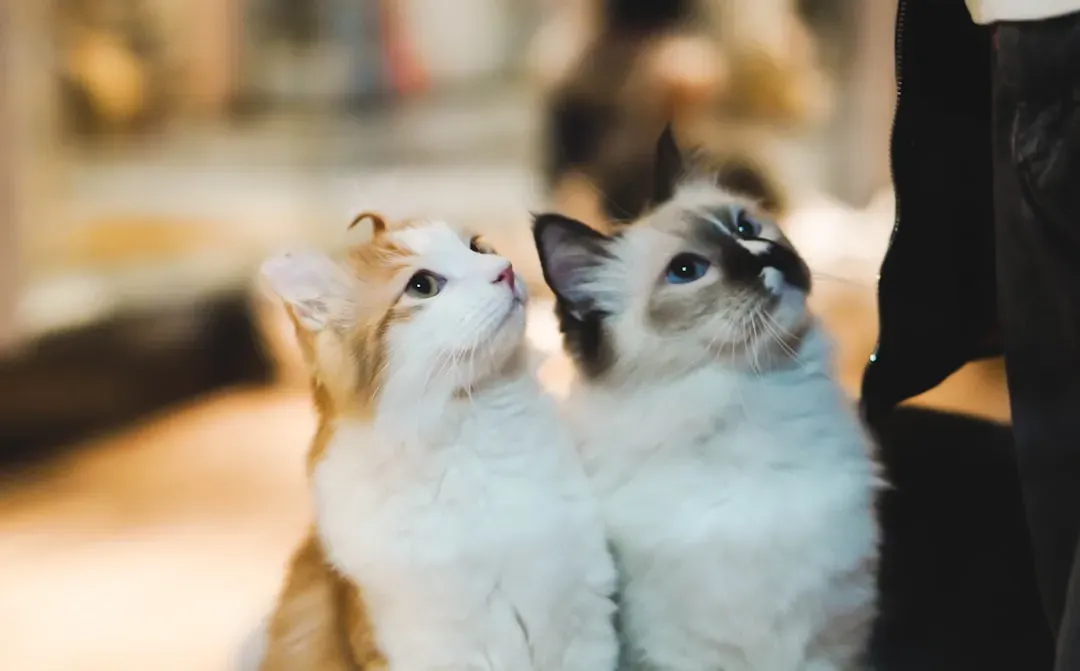
Living with one cat teaches you the basics: the slow blink, the happy loaf, the angry tail flick. With two cats, it becomes a full‑time study. You start noticing subtle things, like one cat’s ears turning slightly sideways when the other gets too close, or the difference between a playful pounce and a tense stalk. You become very aware of who is chasing whom and how willingly. Over time, you learn that a household with two cats is like a constant, wordless conversation. A head bump, a blocked path, a turned back, a shared sunbeam on the floor – it all means something. That deeper understanding can make you a better guardian because you will catch discomfort early, see brewing tension before it explodes, and appreciate the tender moments that prove all the hard work is worth it.
11. Your Relationship With Your First Cat Will Change
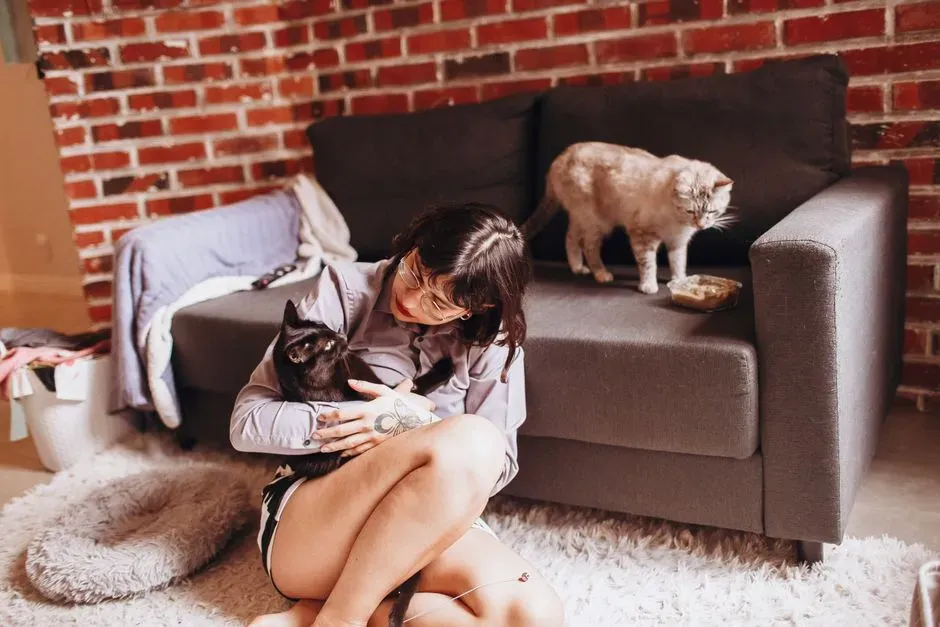
One of the big emotional surprises is how your bond with your original cat shifts once a new one joins the family. Sometimes your first cat becomes clingier, shadowing you around the house because they are not sure what this newcomer means for them. Other times they seem to pull away for a while, acting distant or annoyed as they try to figure out where they stand in this new setup. Both reactions are unsettling when you are used to a certain rhythm. You play a huge role in how secure they feel. Setting aside one‑on‑one time, keeping their routines as stable as possible, and letting them choose when to interact with the new cat all help. Over time, your relationship often settles into something different but still strong: maybe your first cat is no longer glued to you every second, but they might be more relaxed overall because they are not the only animal in the house anymore. It is an adjustment for both of you, not just for the cats.
12. The Payoff, When It Works, Is Quietly Amazing
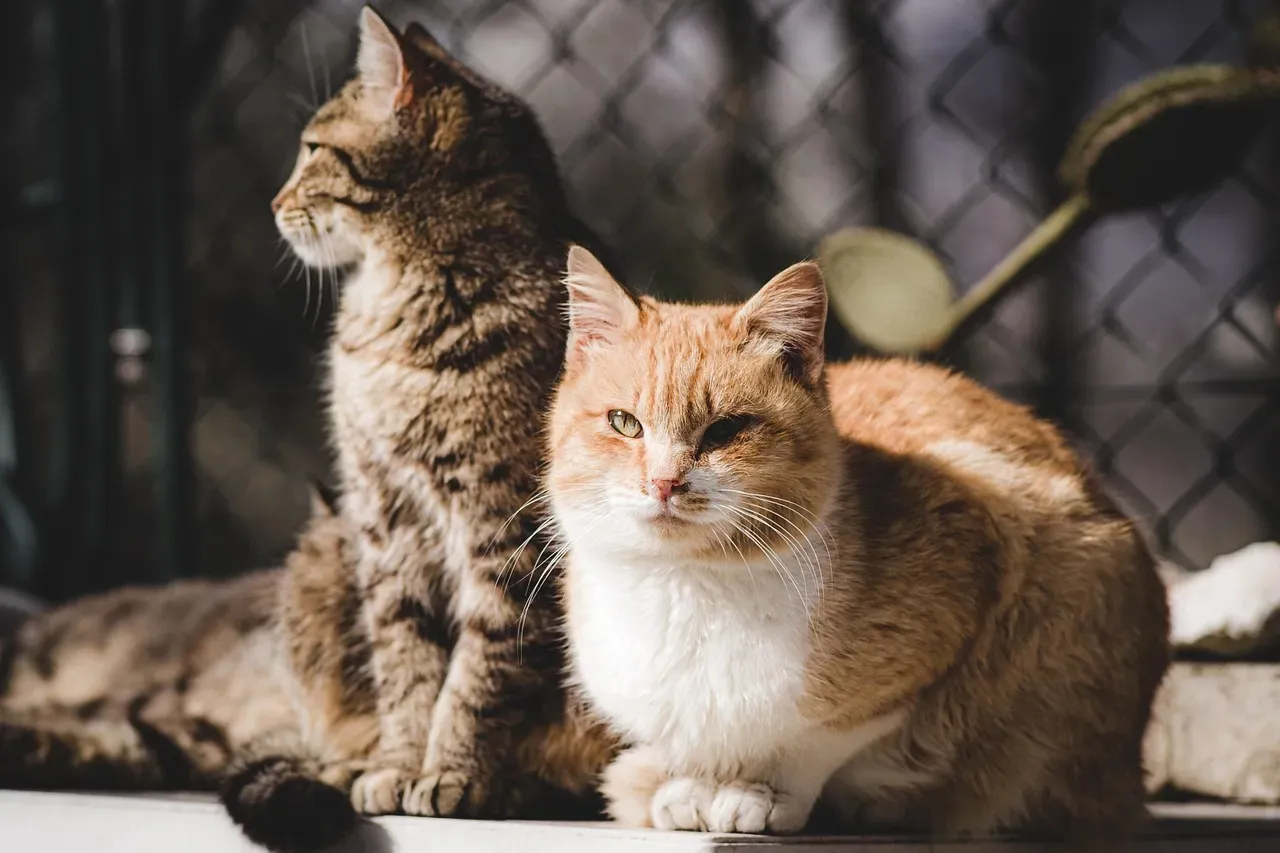
For all the drama and logistics, there is a special kind of magic when two cats genuinely learn to coexist. It might not look like a constant cuddle pile; sometimes the win is simply two cats napping peacefully in the same room or grooming within arm’s reach of each other without tension. You catch them sharing a sunspot, playing chase without growls, or taking turns at the window, and you realize the house feels fuller in a good way. There is also the comfort of knowing that when you are busy or out of the house, your cat is not completely alone. They have another living, breathing creature who understands their language, their routines, and their moods in a way you never fully can. The road to that harmony can be bumpy, but once you get there, it is hard to imagine going back to a one‑cat home.
Bringing home a second cat is not just “more of the same”; it is almost like adopting a new family culture. You are signing up for more cleaning, more negotiation, and more learning than you probably expect, but you are also opening the door to a richer, more complex home life. If you go into it with clear eyes, honest expectations, and a lot of patience, you give both cats the best shot at building something real together. So now that you know what no one warns you about, are you still picturing two bowls and one big happy nap pile, or are you seeing the whole story a little differently?
Kristina is a young writer from India. An arts graduate and an avid content creator, Kristina is passionate about animals and wildlife. She enjoys exploring topics related to pet care, animal behavior, conservation, and nature, combining thorough research with engaging storytelling.