You probably know that feeling: you close a door and suddenly your cat appears like a tiny, furry security guard, meowing, pawing, or just sitting there in eerie silence. It is easy to assume they are simply annoyed you will not let them in, but feline behavior research suggests there is more going on in that little head than simple frustration about a blocked path. When you start to look at your cat’s reactions through the lens of psychology instead of just “quirks,” the closed-door drama becomes surprisingly revealing. You are not just dealing with a creature that wants access; you are watching attachment, territory, routine, and survival instincts all collide in one very specific, very loud behavior. Once you understand that, your cat’s “open this door now” routine stops being annoying and starts becoming a message you can actually interpret and respond to.
The Closed Door as a Threat to Territory
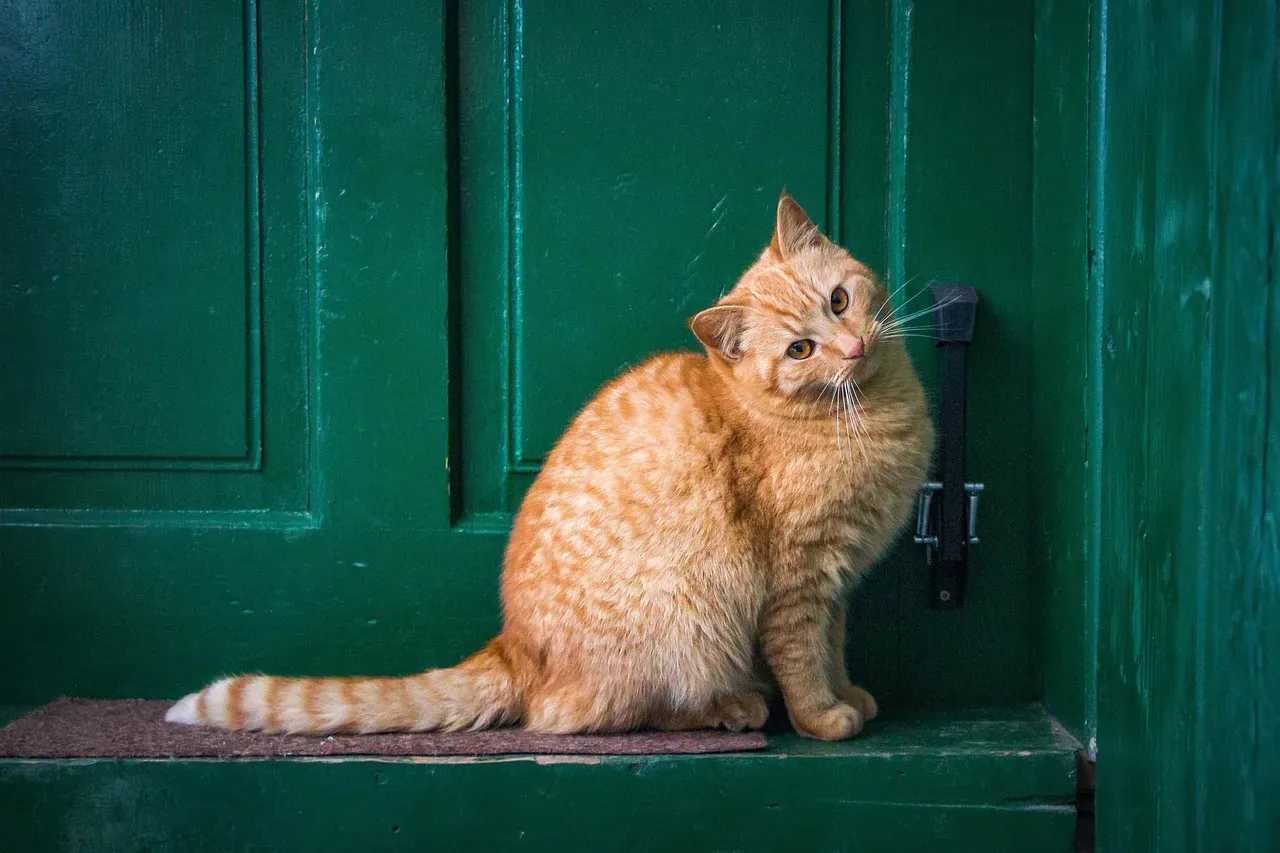
To your cat, your home is not just a place you live; it is a territory they have carefully mapped, memorized, and claimed. When you shut a door, you are not just blocking a room, you are suddenly changing the layout of what they consider their controlled space. That can feel like someone quietly moving walls in your house while you are still inside.
Your cat depends on being able to see, smell, and patrol their environment to feel safe and in charge. A closed door slices their territory into pieces, which can trigger anxiety or a powerful drive to reestablish control. When you see them pacing, pawing, or lying pressed against the threshold, you are watching a territorial animal trying to restore the integrity of their world, not just a spoiled pet demanding entry.
Attachment and the “Invisible You” Problem
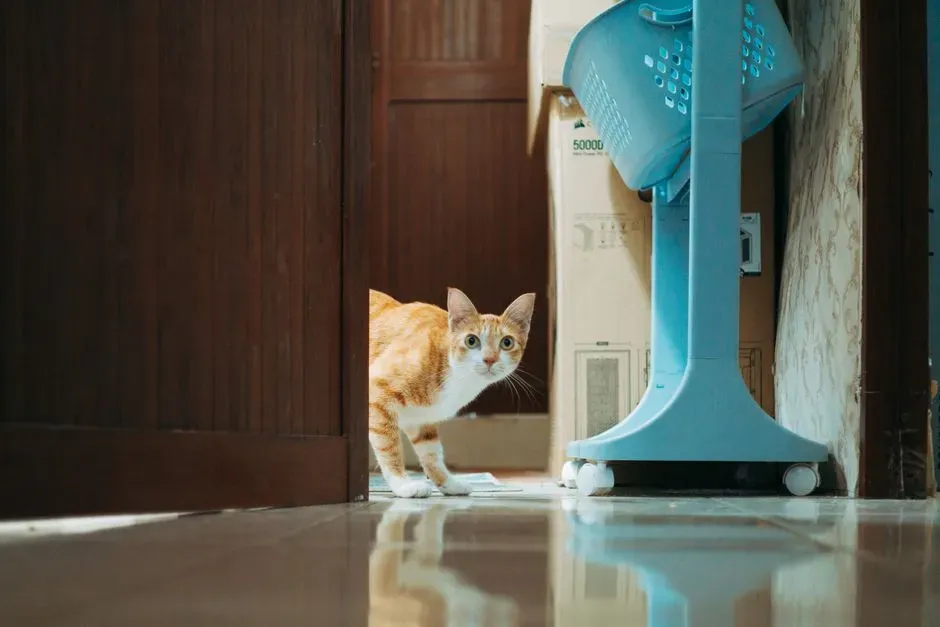
Even if your cat acts aloof, chances are you are more important to them than you realize. Many cats form secure bonds with their humans, and when you disappear behind a door, especially for longer periods, they can experience something similar to separation stress. You are suddenly “gone” from their sensory world, even though they can sometimes still hear or smell you faintly.
This mismatch between knowing you are nearby and not being able to reach you can be especially frustrating. It is a bit like hearing your best friend talking in the next room but having the door locked in your face. Your cat may wait outside the door not only to get into the room but to get back to you, because from their perspective, the relationship has just been put on hold without their consent.
Curiosity, Predictability, and the Need to “Check” What Changed
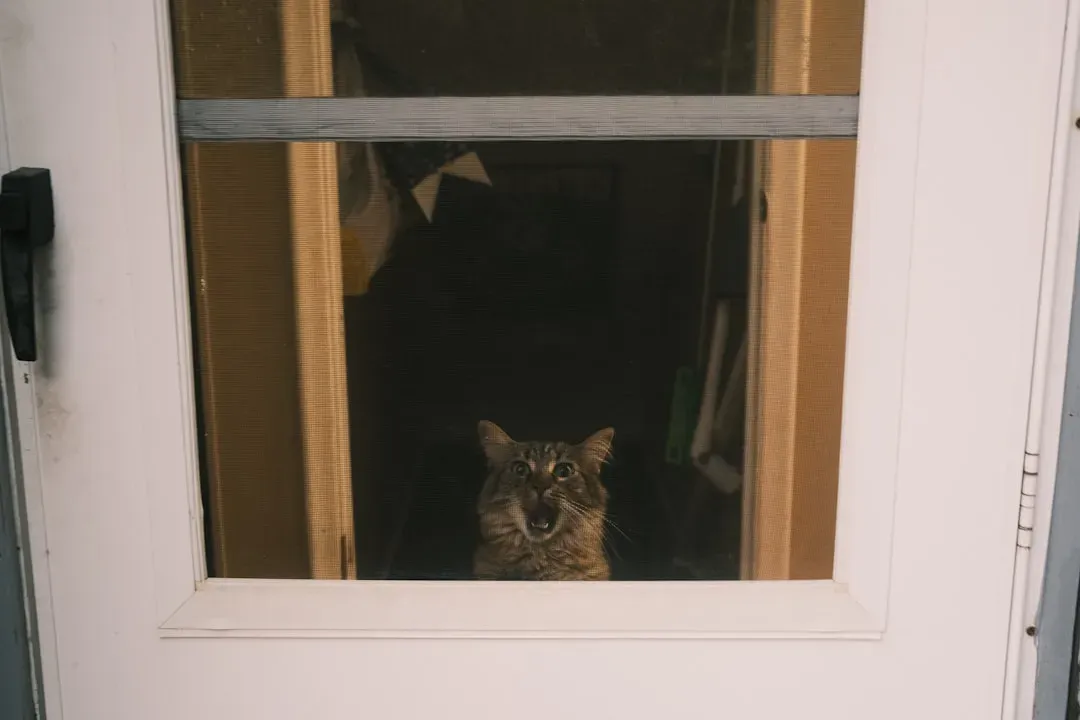
Cats are naturally curious, but it is not just nosey interest; it is also about survival and predictability. When something in your home changes suddenly, such as a door that is usually open now being shut, your cat’s brain flags that as something that needs to be investigated. Ignoring changes is not an option for an animal that evolved to stay alive by noticing tiny shifts in its environment.
So when you close a door, your cat might be reacting to that change itself, not only to the blocked access. They may return again and again to sniff the gap, listen for sounds, and test the handle area with their paws. In a way, they are running a little “system check” on the environment, making sure that whatever changed is not a threat, and learning what this new pattern means for them in the future.
Sound, Smell, and the Frustration of Partial Information
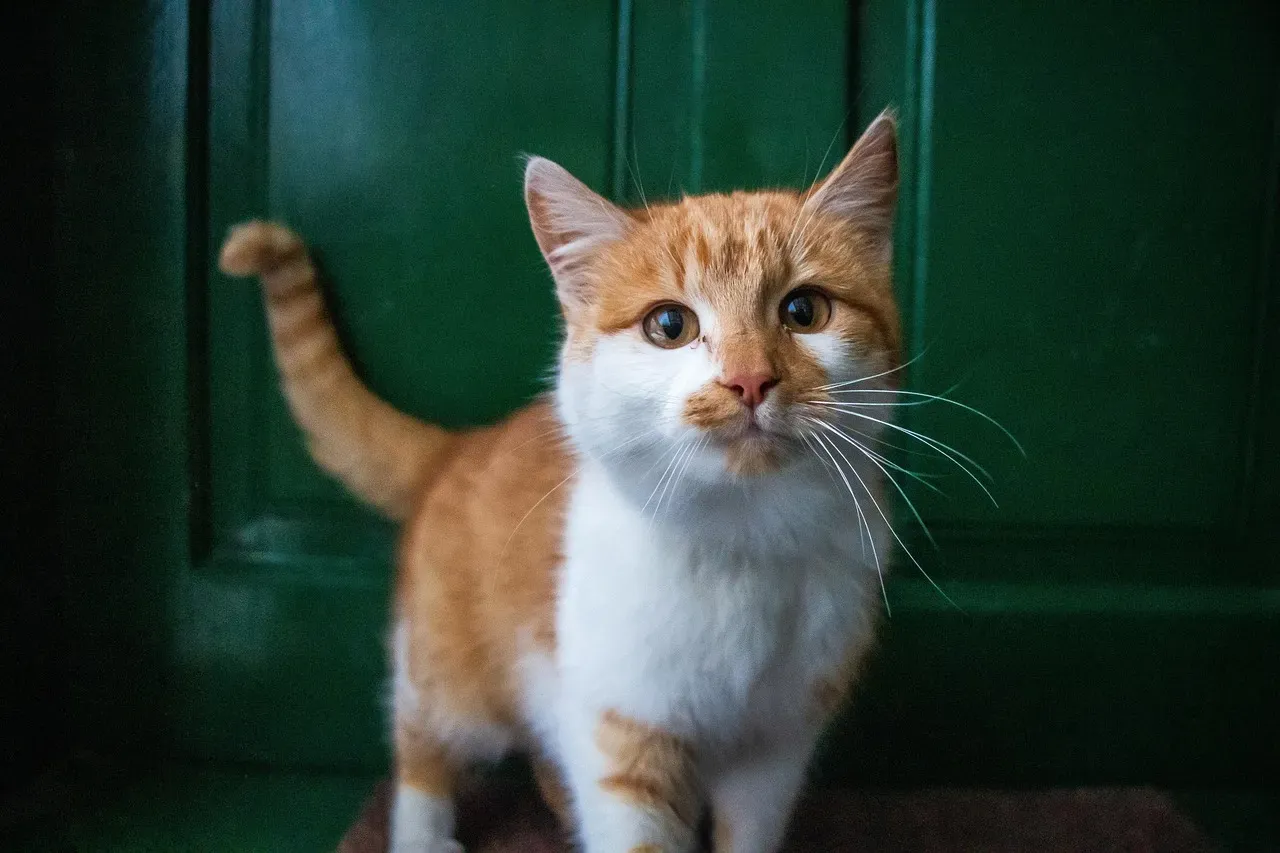
From your cat’s perspective, closed doors are annoying because they let some information through but not all of it. Smells may drift under the gap, and sounds will definitely make it through, especially human voices, running water, or other pets moving around. Your cat can tell that something is going on, but they cannot see it, and that incomplete picture can be extremely stimulating or stressful.
Imagine smelling food but never seeing it, or hearing your family laughing in a room you can never enter. That constant tease of partial information can create a kind of sensory tension. Waiting outside the door, meowing, or trying to get in is your cat’s way of trying to resolve that tension and turn confusing fragments into a complete, understandable scene.
Routine, Expectations, and the Power of Broken Habits
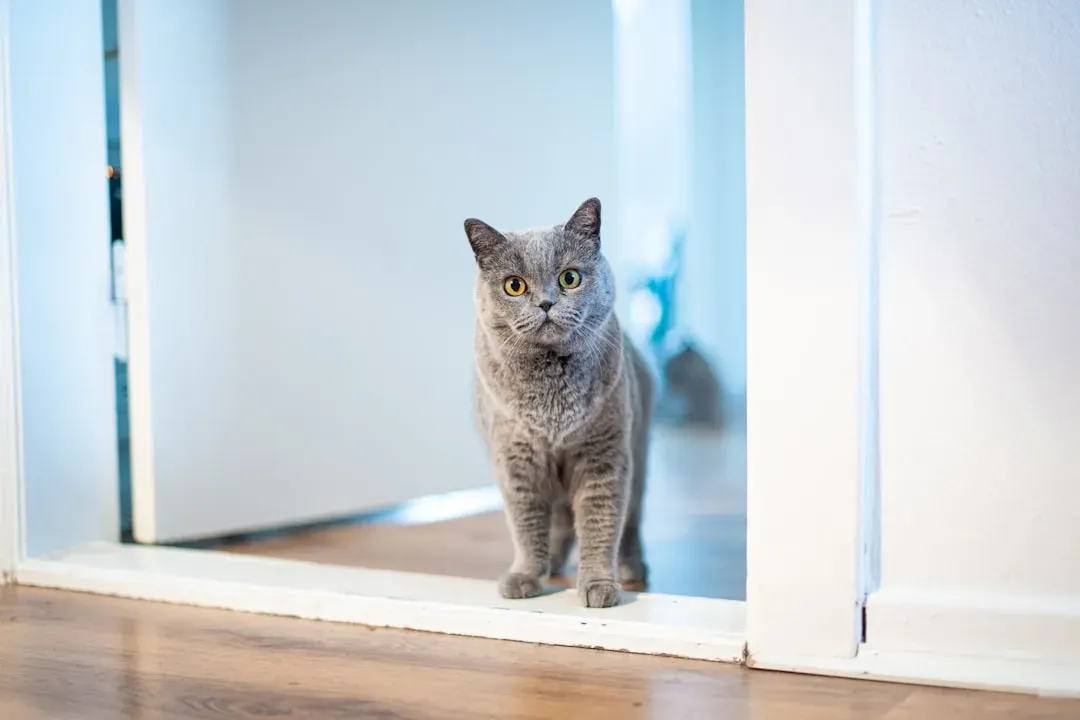
Cats may look random, but many of them live by patterns and habits. If a certain door is usually open at a specific time of day and suddenly it is not, you have just broken a silent agreement in your cat’s mental schedule. They might head to that room expecting a nap spot, food, a litter box, or your presence, only to find their plan blocked by a solid barrier.
That feels a bit like your favorite café being suddenly closed every time you arrive, with no explanation. Your cat’s insistence at the door can be their way of expressing frustration with this broken routine and trying to “reset” the world back to what makes sense. You are not just dealing with access denial; you are dealing with a disrupted pattern that helped them feel safe and in control of their day.
Stress, Anxiety, and the Cat That Waits Silently
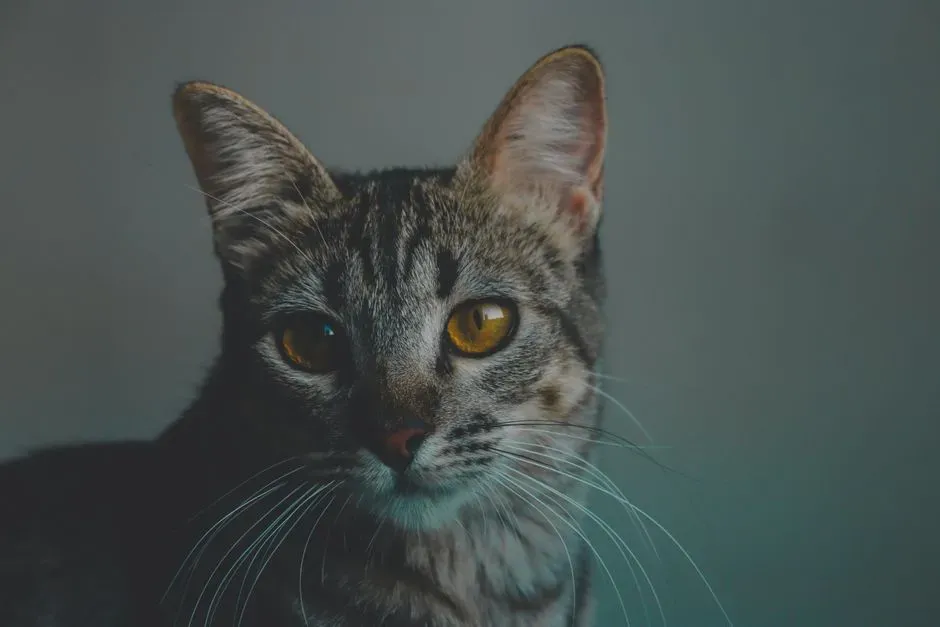
Not every cat will meow loudly at closed doors; some will just sit or lie quietly outside, staring, seemingly calm. It is easy to dismiss this as mild curiosity, but for certain cats, that silent waiting can actually be a sign of underlying stress. They may be too overwhelmed or too inhibited to vocalize, so they simply freeze near the barrier that is bothering them.
If you notice your cat frequently camping outside doors, especially if they seem tense, hyper-alert, or easily startled, you might be seeing subtle anxiety at work. In these cases, the closed door can act like a trigger for a nervous system that is already on edge. You are not just looking at a cat that wants in; you are looking at an animal trying hard to cope with uncertainty while clinging to the last known point of contact with what they cannot see.
Multi-Cat Dynamics: Who Is Really on the Other Side?
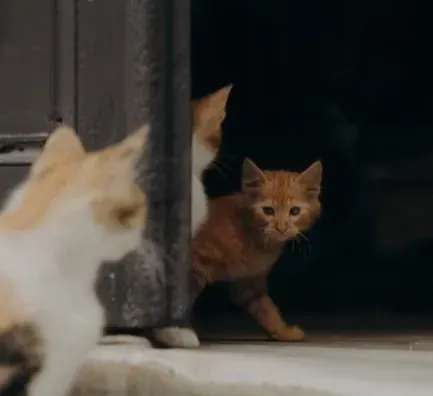
If you live with more than one cat, a closed door can be less about you and more about the social situation. Maybe one cat is behind the door eating, resting, or being separated for health or behavioral reasons. The cat outside may be reacting to that unseen feline presence, not just the barrier itself. Their waiting can be part curiosity, part rivalry, and part social monitoring.
In multi-cat homes, doors become lines of power: who is inside, who is outside, and who controls access to shared resources. Your cat at the threshold may be checking whether the other cat is getting something they are not, or simply trying to maintain social contact through scent and sound. When you look at it this way, that little silhouette in front of the door starts to look less like a random quirk and more like a window into your cats’ social politics.
How You Can Respond in a Way That Respects Their Needs
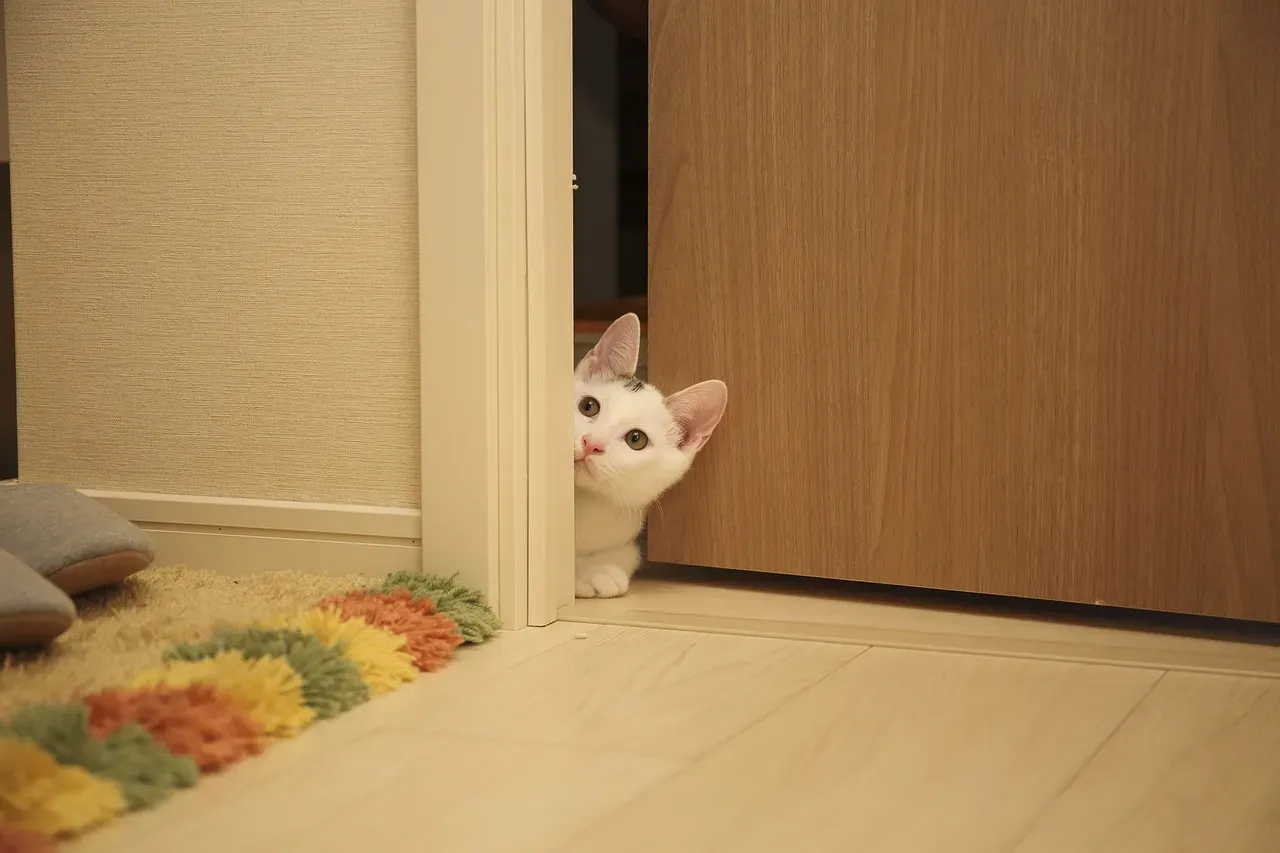
Once you understand that closed-door behavior is tied to territory, attachment, routine, and stress, you can respond more thoughtfully. Sometimes that means simply opening the door whenever it is reasonable and safe, especially if the room holds important resources like litter boxes or favored sleeping spots. Other times, it might mean offering alternatives, such as a cozy bed or perch near you on the accessible side of the door.
You can also soften the impact of necessary closed doors by making the rest of the environment richer and more predictable. Consistent feeding times, stable litter box locations, vertical spaces, hiding spots, and gentle play can all make your cat feel less distressed when a room is off limits. You are not just training them to “accept no”; you are actively showing them that their needs for safety, stimulation, and connection are still being met, even with a barrier in place.
When Waiting at Doors May Signal a Deeper Problem
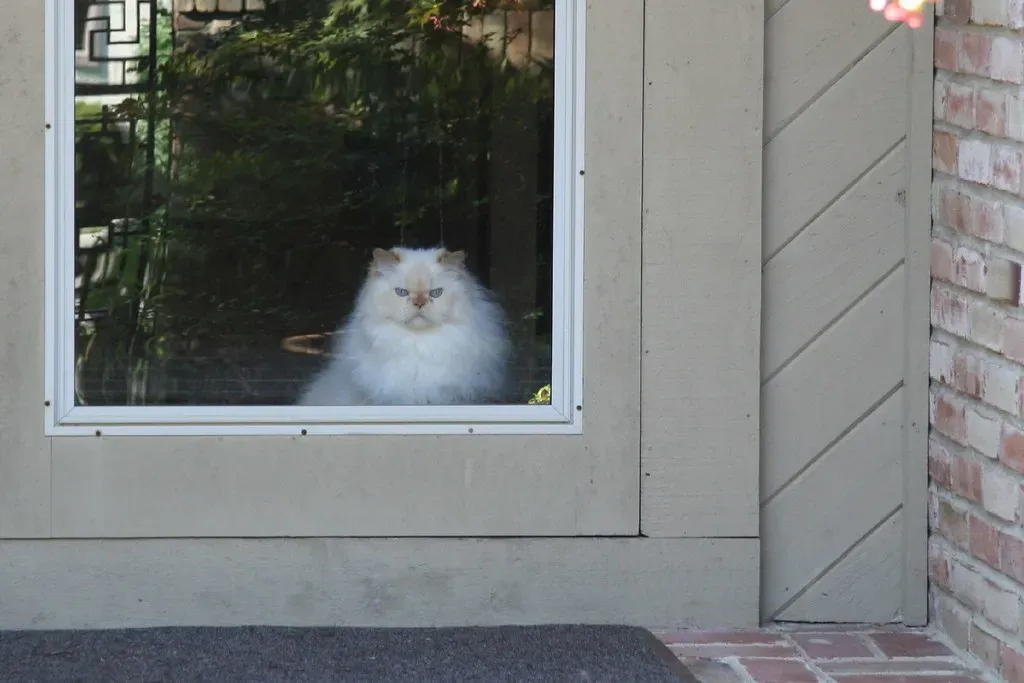
Every cat will occasionally linger at a closed door, but if you notice obsessive patterns, increased vocalization, changes in sleeping or eating, or new signs of fearfulness, it is worth paying closer attention. Persistent, intense fixation on doors can sometimes hint at broader anxiety, frustration, or even medical issues that are making your cat more sensitive overall. In that case, the door is not the real problem; it is just where the problem shows up most clearly.
If you are worried, it makes sense to talk with a veterinarian or a qualified feline behavior professional. You can walk them through what you are seeing: how often it happens, what times of day, and how your cat looks and sounds while waiting. Instead of brushing it off as “typical cat drama,” you are treating it as useful data, which can help you catch and address deeper issues before they grow into something harder to fix.
Conclusion: A Closed Door as a Window Into Your Cat’s Mind
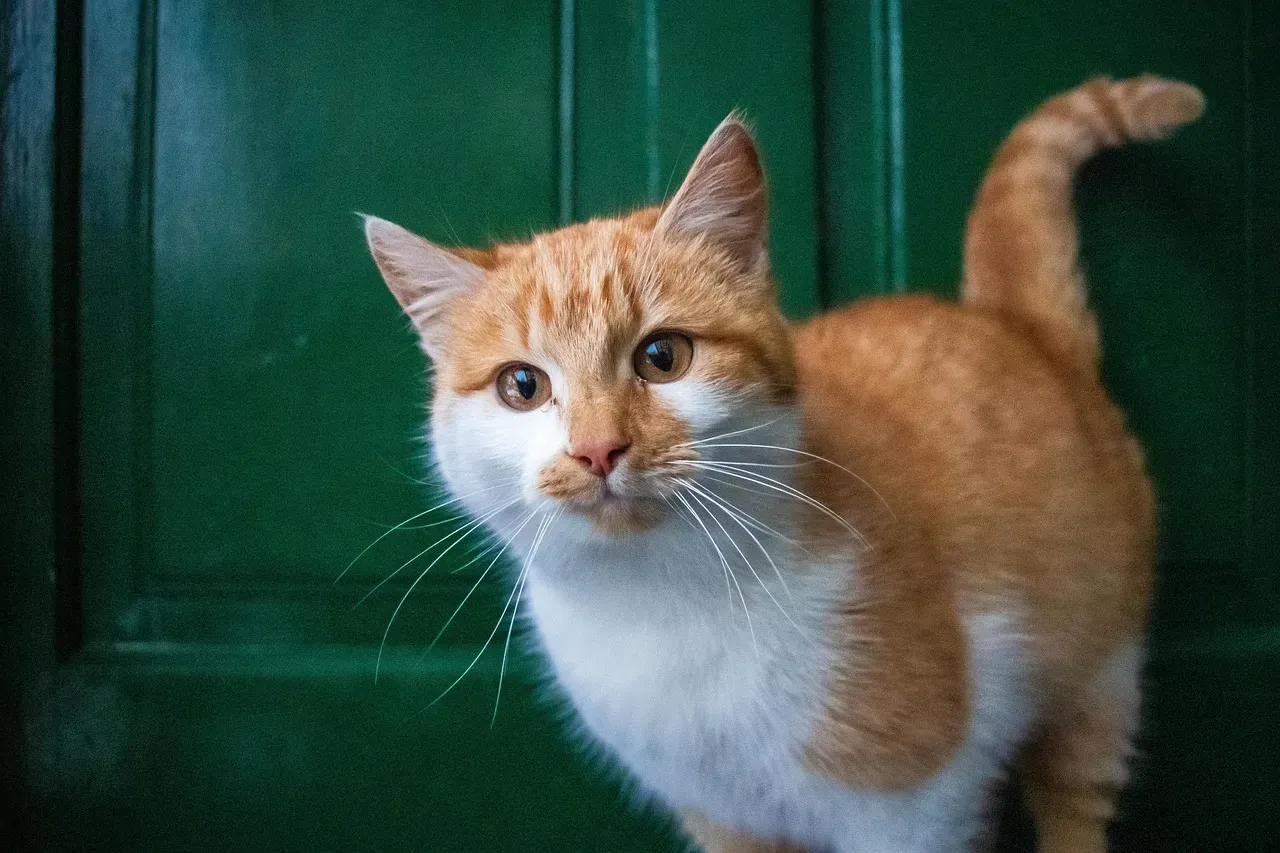
The next time your cat plants themselves outside a closed door, you can see more than just a blocked request for entry. You are watching a complex mix of instinct, attachment, curiosity, and habit play out in real time. In their own way, your cat is telling you that something in their world just changed, and they are trying to understand or undo it.
When you treat that behavior as communication rather than simple stubbornness, you deepen the relationship you share. You start noticing patterns, making small adjustments, and reading your cat’s body language with more empathy and clarity. A closed door will always be a barrier, but it can also be an invitation to pay closer attention to the animal who chose to stand and wait on the other side – what do you think they are really trying to tell you?
Kristina is a young writer from India. An arts graduate and an avid content creator, Kristina is passionate about animals and wildlife. She enjoys exploring topics related to pet care, animal behavior, conservation, and nature, combining thorough research with engaging storytelling.