You forget a lot of the little things you do around your cat. The rushed mornings, the late-night snacks, the random moments when you were stressed, silly, or softer than usual all eventually blur together in your memory. For your cat, though, those tiny moments can become permanent bookmarks in how they understand you.
Cats are not goldfish with three-second memories. They have impressive long-term memory, especially for routines, places, and the people who matter to them. Your cat is constantly building a mental scrapbook of you: how you move, how you sound, how you smell, how you make them feel. Some of the things you barely remember doing are quietly shaping how safe, loved, or wary your cat feels around you.
The First Time You Used “That Voice” With Them
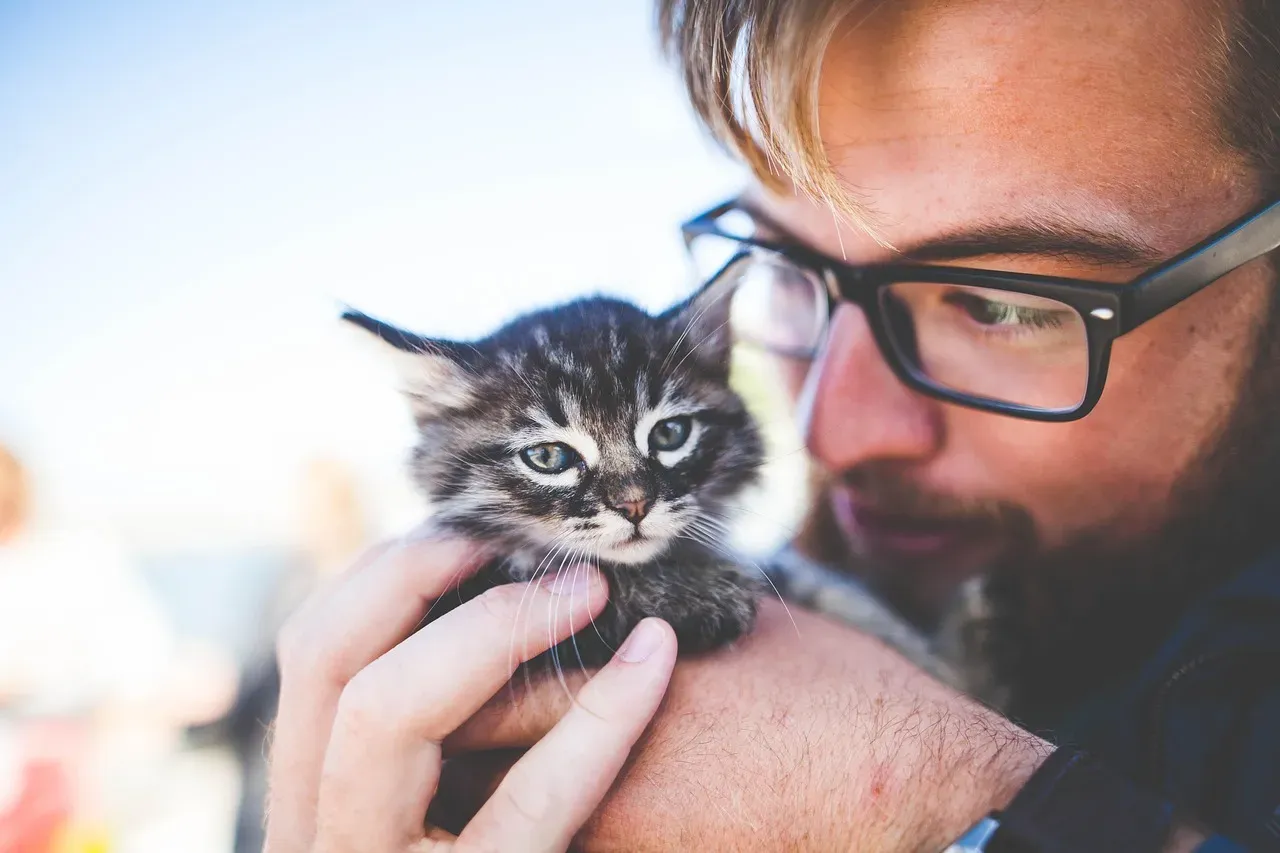
Think back to the first time you caught yourself talking to your cat in that ridiculous, high-pitched pet voice. You might feel a bit embarrassed if someone overheard you, but your cat likely locked that sound deep into their memory. Cats are surprisingly good at recognizing and remembering your tone of voice, not just the words, so that soft, sing-song way you speak to them becomes a big emotional cue that means safety and affection.
Over time, your cat learns to tell the difference between your “cat voice,” your work call voice, and your “I just dropped my phone” voice. Even if you don’t remember when that special voice started, your cat does. When they hear it, they may come trotting in, tail up, or blink slowly at you because they associate it with calm, attention, and usually good things. To your cat, that voice is a kind of emotional shortcut that says you’re in a friendly mood and they can relax around you.
The Day You Rescued or First Brought Them Home
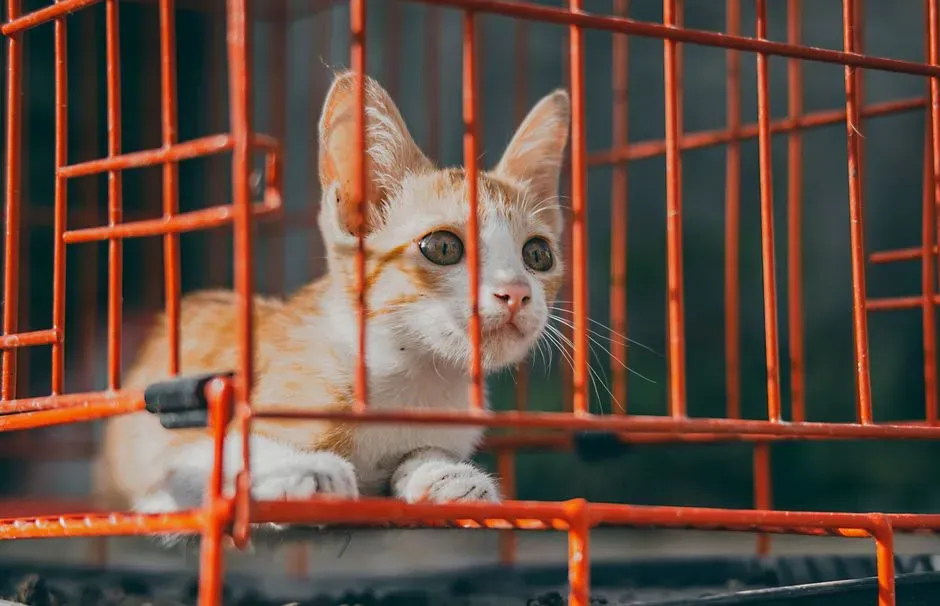
You might remember the day you brought your cat home as a blur of excitement and logistics: the carrier, the paperwork, the new litter box. Your cat, on the other hand, remembers it as a massive life shift, full of new smells, spaces, and your presence. Cats can form long-lasting memories around big emotional experiences, and going from a shelter, street, or previous home into your space is one of the biggest events of their life.
If you were patient and gentle that first day, letting them hide, offering treats, and speaking softly, that calm presence sticks with them. Even years later, the way you acted in those first 24 to 48 hours can echo in how safe they feel in your home. You may forget how long you sat on the floor waiting for them to come out, but they remember that you didn’t force things, and that memory becomes the foundation of their trust in you.
The Time You Accidentally Scared Them

Maybe you slammed a door without thinking, yelled across the room, or dropped something metal in the kitchen. To you it was just a loud moment in a noisy day. To your cat, it may have been a sudden, confusing jolt of fear directly linked to your presence or your movement. Cats are prey animals as well as predators, so they are wired to remember threats and scary events so they can avoid danger in the future.
If your cat ran, hid, or stared at you wide-eyed afterward, that moment might have carved a memory notch in their brain. They may remember that specific sound, object, or even what you were holding at the time. This is why a cat can suddenly avoid the broom you once knocked over near them or become wary when you walk too fast toward them. You might barely recall the incident, but they could still be quietly adjusting their distance from you based on it, especially if similar loud events repeat.
The First Time You Respected Their “No”
Over time, your cat builds a mental file on whether you notice their signals or ignore them. When you consistently stop when they twitch or walk away, they remember you as someone who is predictable and safe to communicate with. That makes them more likely to come to you on their own, seek out your lap, or let you handle them when it actually matters, like for grooming or vet trips. You might not remember every tiny moment you backed off, but your cat is quietly adding them up.
The Smell of You When You Come Home

When you walk through the door after work or a trip, you’re probably thinking about your day, your phone, or what you’ll eat. Your cat, meanwhile, is processing a whole wave of scent information you are not even aware of. They recognize your personal smell, the laundry detergent on your clothes, and even faint traces of other animals or places you have been. For your cat, you are partly a walking, breathing scent map.
Cats have long-lasting scent memories, especially for the people they are bonded with. So that time you spent the weekend at a friend’s house with a dog, or came home from the vet’s office smelling like disinfectant and nervous animals, probably stood out for them. They remember the days you smelled strongly of stress or illness too. Even if you have forgotten those details, your cat cataloged them, and that scent history becomes part of how they recognize you and track the rhythm of your life.
The Rough Day You Thought You Hid From Them
You might think you handled that terrible day pretty well: you did not cry in front of anyone, you got your work done, and you made dinner. But your cat probably picked up on your mood anyway. Cats are very sensitive to voice tone, body tension, and changes in routine. That evening when you moved more slowly, sighed more often, or spoke more quietly than usual might be burned into their memory as the day you were different.
You may not realize your cat came to sit beside you more closely, stayed unusually near your legs, or watched you more intently. Those small shifts can be their way of responding to your emotional state, and if the day was intense enough, they can remember it later. Over time, your cat may associate certain spots on the couch, a favorite blanket, or a particular time of night with those quiet, heavy moments with you. Even if you have pushed that bad day out of your mind, your cat still carries a snapshot of it, with you at the center.
The First Time You Played Their Favorite Game
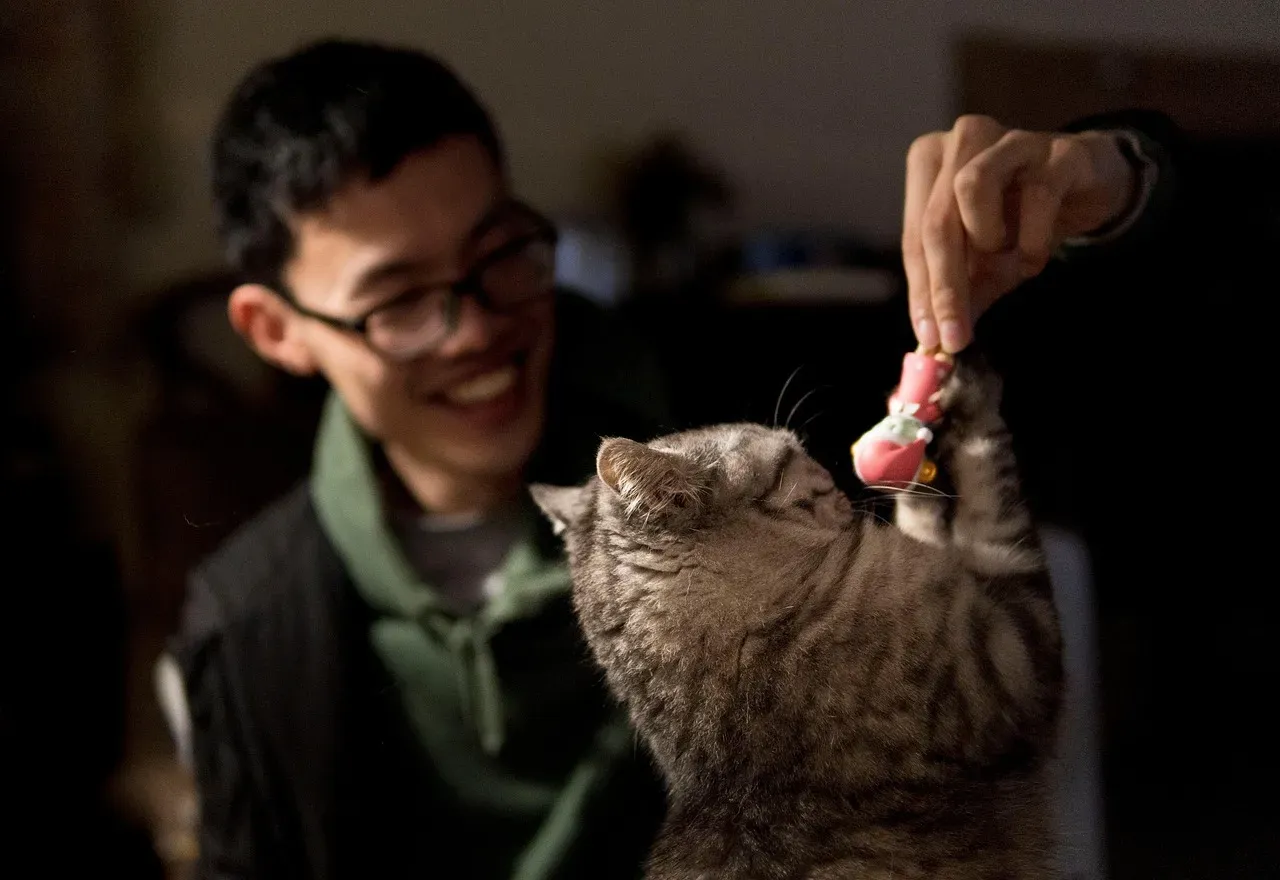
Some random day, you probably dragged a string just right, tossed a crinkle ball at the perfect angle, or slid a treat under a paper bag and accidentally unlocked your cat’s all-time favorite game. You might think it was just a cute few minutes and moved on, but your cat filed that away as a highlight. Play is not just entertainment for cats; it is a powerful bonding and memory-building experience.
They remember where you stood, how fast the toy moved, and even the sound your feet made on the floor during that game. That is why they might bring you the same toy again, wait in the same spot, or stare at the cupboard where the wand toy lives. They are trying to recreate that moment you gave them excitement and satisfaction. While you forget the details, your cat waits, hoping you will repeat the magic sequence that turned you into their favorite play partner.
The Way You Handled Their Illness or Vet Visits
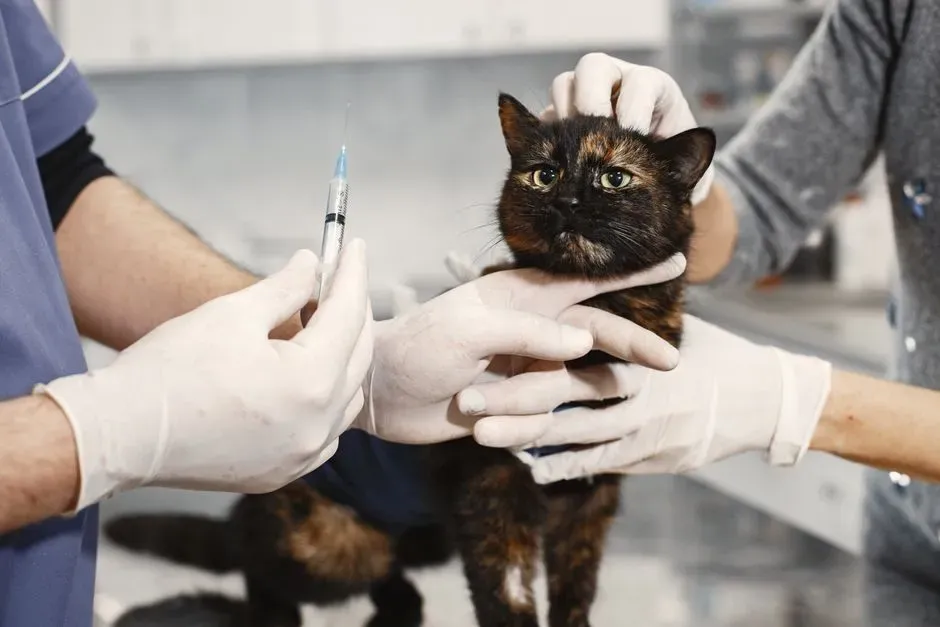
When your cat got sick or needed a vet trip, you may remember the appointments, the bills, and the logistics. Your cat remembers the feelings. Did you scoop them up gently, speak softly, and stay calm? Or did you rush, stress, and let your anxiety spill all over the room? Those experiences get stamped into your cat’s long-term memory, and they strongly color how they react to being handled by you in medical situations later.
If you stayed with them, comforted them afterward, and made the home environment quiet and soothing, your cat remembers that care. They may also remember the specific carrier, the bag you grabbed, or the time of day you usually start the whole process, which is why they can suddenly vanish when they see you pull out the same items. You might only recall a blur of vet visits over the years, but they can remember how it felt to be vulnerable in your hands.
The Little Feeding Rituals You Don’t Notice Anymore
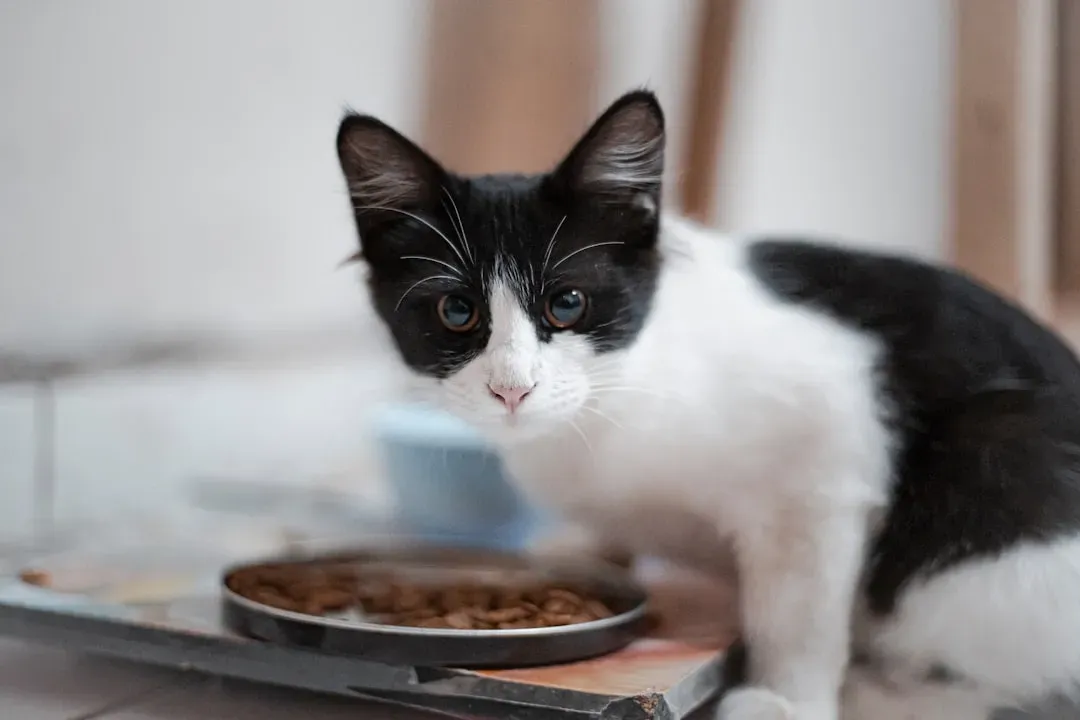
Feeding your cat might feel routine and unremarkable now: you pour kibble, open a can, or scoop wet food into a bowl without thinking. But your cat remembers when you first established those patterns. The sound of the can opener, the crinkle of the bag, even the way you call their name before you put the bowl down became some of the most important cues in their entire day.
They also remember the times you added something special: a tiny bit of cooked chicken, a new treat, or just feeding them a little earlier when you had the day off. Those exceptions can make a strong impression, and your cat may keep looking for repeats of those moments long after you forget them. From your perspective, you are just feeding them. From theirs, you are the reliable source of comfort and survival, and that is something they do not easily forget.
The Spots You Allowed Them to Claim as “Theirs”
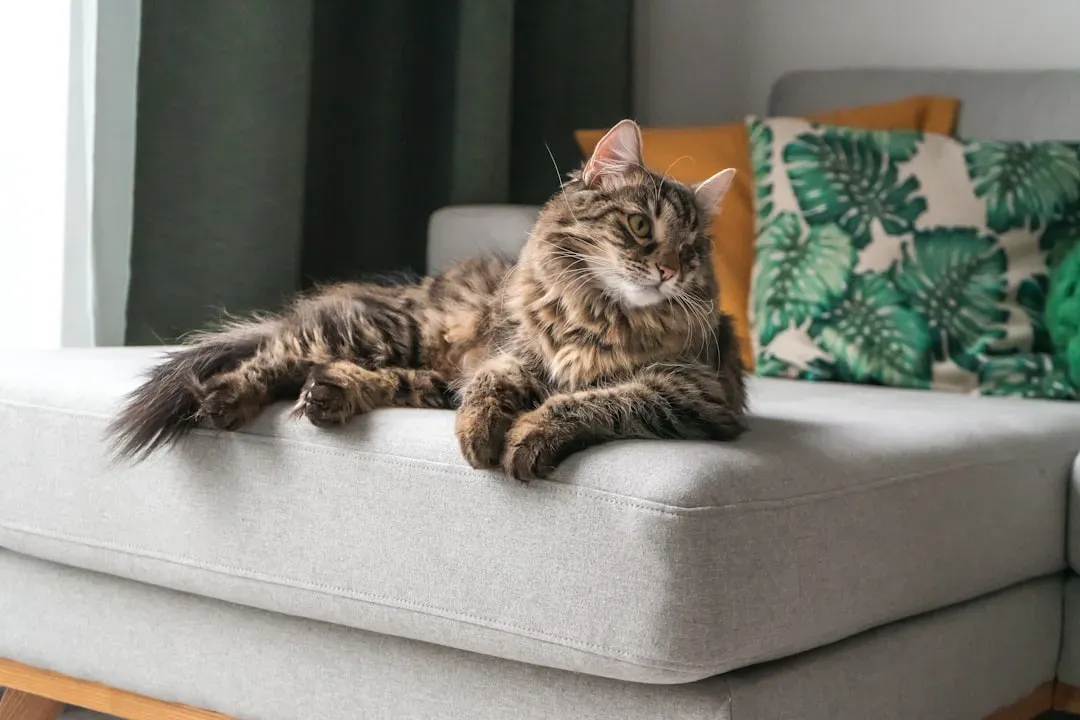
Maybe you once casually let them sleep on your pillow, your folded sweater, or that specific corner of the couch. You might not have thought twice about it, but your cat very likely did. Cats build powerful place memories, attaching emotional meaning to locations where they feel warm, safe, or close to you. When you silently accepted their choice of nap spot, you gave them permission to claim a small piece of your world.
They remember that acceptance, especially in areas that smell strongly of you, like your bed or favorite chair. That is why they keep returning to the same spots, even when you sometimes wish they would not. To you it was just one night letting them sleep on your blanket. To them it was a turning point: a sign that they are family, not just a visitor, and that memory shapes how at home they feel in your space.
The Times You Came Back After Leaving
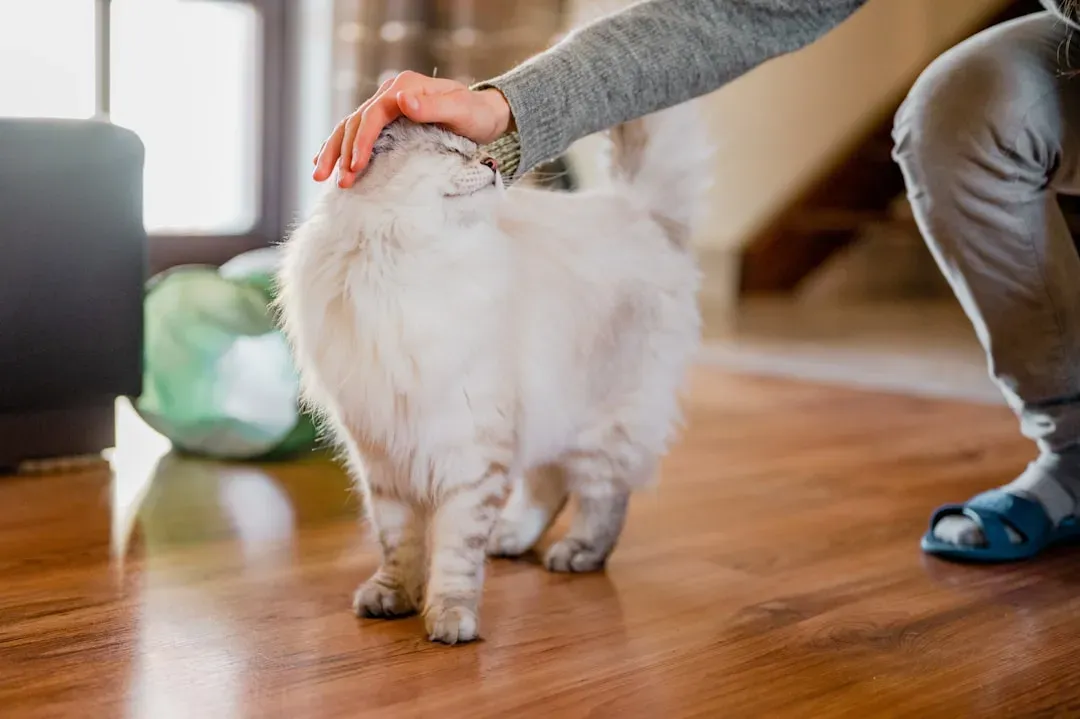
You may feel like you are gone from home constantly: work, errands, trips, late nights. But what your cat remembers most clearly is that you keep coming back. Cats can form secure or insecure attachment patterns with their humans, similar in some ways to how young children relate to caregivers. Every time you leave and then return calmly, greet them, and then carry on with normal life, you quietly reinforce their sense that you are a stable part of their world.
They remember the rhythm of your departures and arrivals: your keys, your shoes, your goodbye words, and how long the house stays quiet. They can also remember times you returned smelling different, more tired, or especially happy. Even if you forget individual days, your cat builds a long-term memory of your reliability. That deep familiarity is why some cats will wait at the door, listen for your car, or perk up at your footsteps long before you even touch the handle.
The First Time You Truly Made Them Feel Safe
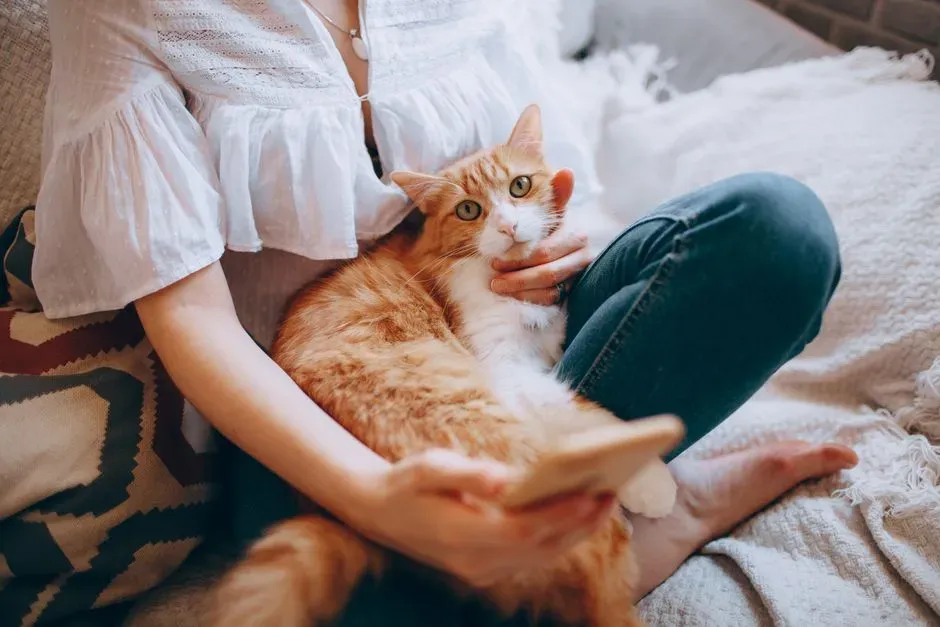
Somewhere along the way, there was a night or afternoon when your cat finally exhaled in your presence. Maybe they stretched out belly-up on the couch for the first time, slept deeply on your lap instead of half-alert, or rubbed their face on your hand and stayed there. That moment when they shifted from cautious to trusting is something their brain holds onto tightly. Safety, for a cat, is not a small thing; it is the difference between survival mode and a relaxed, content life.
You might not be able to pinpoint when it happened, because it crept up slowly between feeding, playing, and quiet evenings. But your cat remembers the feeling and associates it strongly with you, your scent, your routines, and even the sounds in your home. That memory is the foundation under every slow blink, every gentle head-butt, and every decision they make to curl up near you instead of somewhere hidden. Long after you forget when their guard finally dropped, they are still living inside the safety you created.
The Tiny Habits You Don’t Know They’re Watching
You probably do not realize how closely your cat studies your tiny habits. The way you always check your phone on the couch first thing, how you pause at the kitchen sink before bed, or the fact that you talk to your plants on Sundays might seem trivial to you. Your cat quietly logs these patterns and uses them to predict what happens next and how the day will feel.
They remember that after you turn off a certain light, you usually settle in one place, or that when you open that one drawer, snacks often appear. Even your footsteps, posture, and breathing patterns can become familiar cues. You forget these details because they blend into daily life, but your cat stitches them together into a reliable map of you. That long-term map is what lets them relax when they hear you move in your usual way, and what makes them rush over when you deviate in a way that suggests food, play, or cuddle time.
Conclusion: You Are the Story Your Cat Is Quietly Remembering
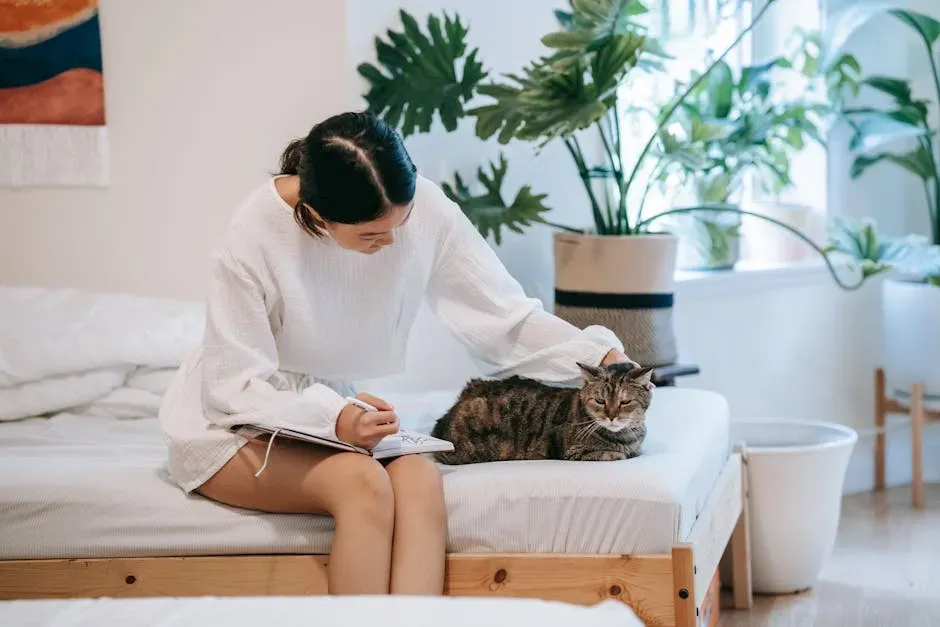
You move through your days, stacking up countless small moments you never think about again: where you set your bag, how your voice sounds when you are tired, the way you scoop food into a bowl. Your cat is there for almost all of it, silently writing a long, detailed story about who you are and what life with you feels like. They remember the rescues and the accidents, the soft words and the loud noises, the late-night comforts, and the mornings you almost forgot to feed them but did not.
If you ever wonder whether you really matter to your cat, remember this: to them, you are not just a background character who appears twice a day with food. You are a central figure, deeply woven into the way they understand safety, comfort, excitement, and home. So the next time you talk to them in that silly voice, pause your scrolling to play, or simply sit quietly while they nap nearby, know that it may end up as another memory they carry for years. Which of those tiny moments will you choose to make more of from now on?
Kristina is a young writer from India. An arts graduate and an avid content creator, Kristina is passionate about animals and wildlife. She enjoys exploring topics related to pet care, animal behavior, conservation, and nature, combining thorough research with engaging storytelling.