You have probably seen a sleek, shadowy “black panther” in a documentary or superhero movie and assumed you were looking at a special species of big cat. It feels natural to think that such a striking animal must have its own scientific name and place on the big-cat family tree. But when you look closer, you find something far more interesting than a simple new species: you discover a genetic twist hiding in plain sight. Once you understand what a black panther actually is, you start to see big cats very differently. You realize that the same species can wear completely different “coats,” and that nature plays with color the way an artist experiments with light and shadow. By the end of this, you won’t just stop calling black panthers a separate species; you’ll be able to explain to someone else why that idea never really made sense in the first place.
Black Panther Is Just a Color, Not a Species
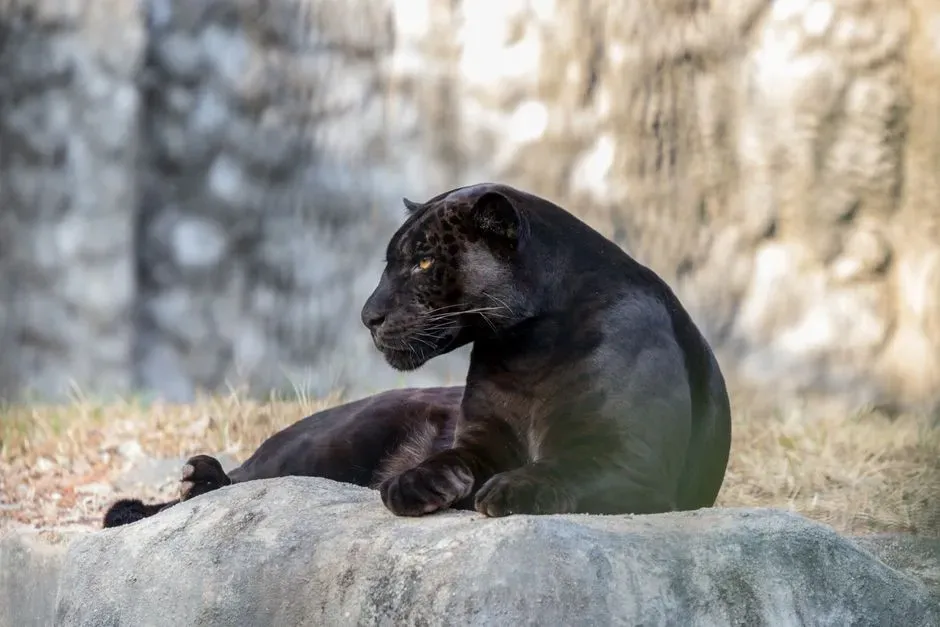
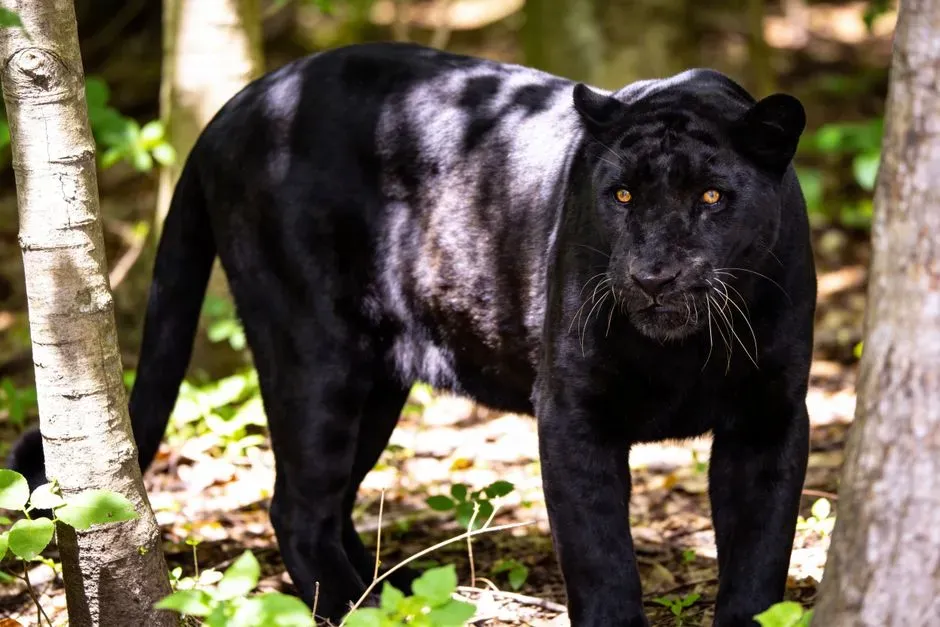
When you say “black panther,” you’re not naming a species; you’re describing a color pattern. In almost all cases, you’re actually looking at either a leopard or a jaguar with a very dark coat. The animal’s body shape, skull, behavior, and genetics are still leopard or jaguar; it’s only the coat color that tricks your eyes into thinking it is something different. If you could magically turn off the dark pigment, you’d see the same familiar rosettes and spots underneath that you see on regular leopards and jaguars. Many black panthers still show these faint rosettes when the light hits them at the right angle. Once you know this, “black panther” starts to feel less like a mysterious species and more like a nickname for a cat wearing the gothic version of standard leopard or jaguar fashion.
Melanism: The Genetic Twist Behind the Black Coat
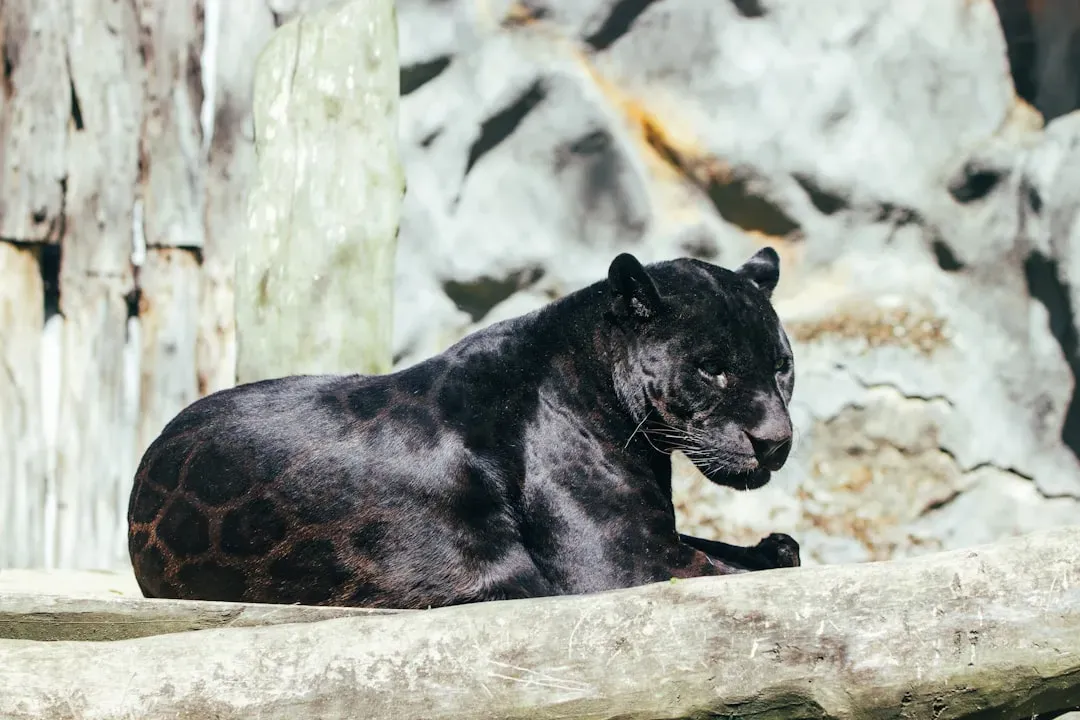
The deep black coat you see is caused by something called melanism, which is basically the opposite of albinism. Instead of a lack of pigment, you’re getting an overproduction of dark pigment called melanin. In leopards and jaguars, specific gene variants flip the switch toward this darker coloration, without changing what species the animal actually belongs to. You can think of melanism like changing the theme on your phone from light mode to dark mode: the phone is the same, the operating system is the same, but the look is dramatically different. The same thing happens here; a jaguar with melanism is still a jaguar in every biological sense. When two normally colored parents both carry the melanism gene, you might suddenly get a black cub in the litter, which feels almost magical if you do not know the genetics behind it.
Leopards vs Jaguars: Two Cats, Same “Black Panther” Look
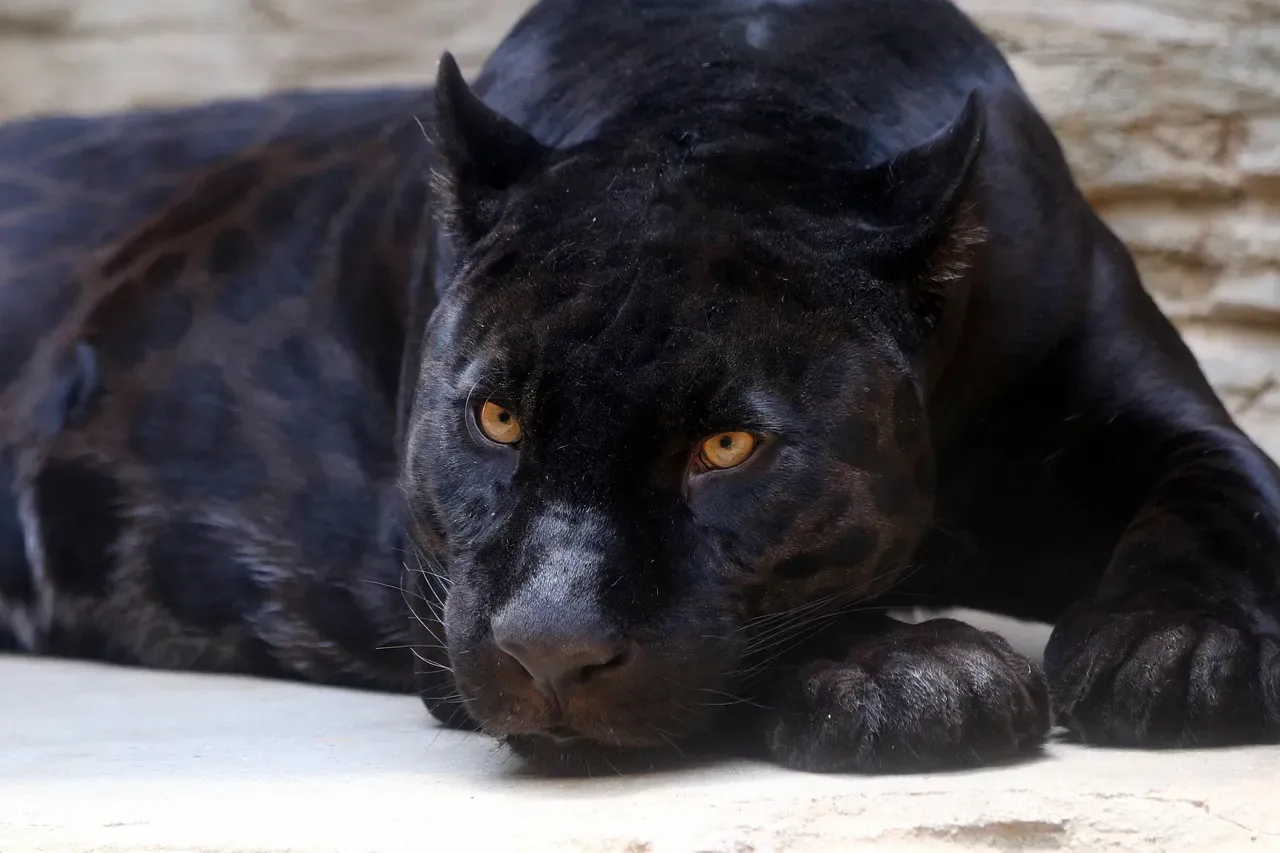
If you spot a “black panther” in Asia or Africa, you are almost certainly looking at a leopard. If you encounter one in the rainforests of Central or South America, you are seeing a jaguar. The term “panther” has been used loosely for so long that it now blurs the line between these two species in popular conversation, even though scientists clearly separate them. You can tell them apart if you pay attention to body shape and head structure rather than color. Jaguars tend to have stockier builds and broader, more powerful heads, built for crushing skulls and turtle shells, while leopards are usually more slender and agile, suited for dragging kills up trees. But once melanism covers everything in black, you have to look harder at the outline and context, not just the color, if you want to know which species you are really looking at.
Why Evolution Keeps the Black Coat Around
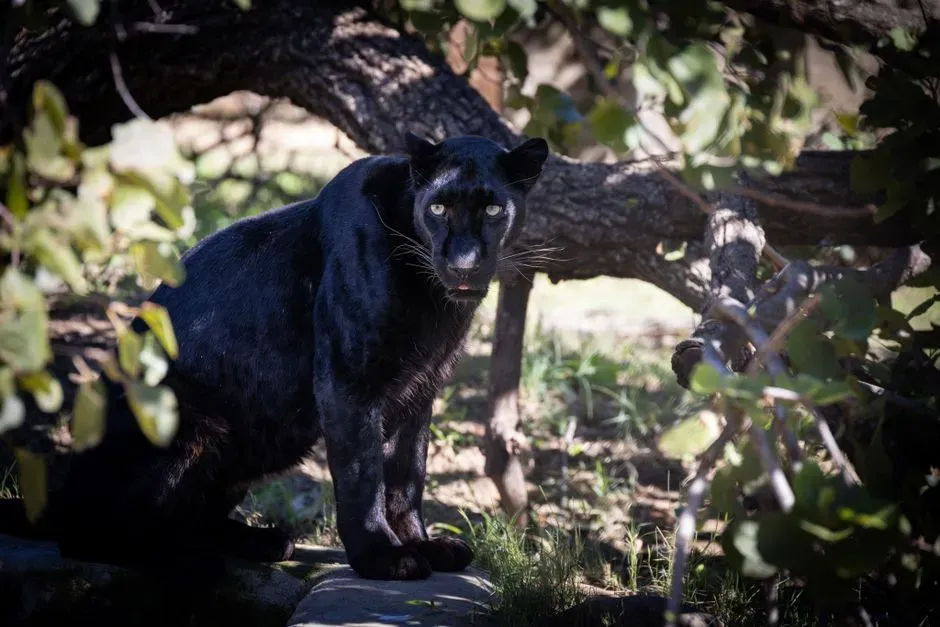
You might wonder why evolution “bothers” with black coats at all. In dense forests and jungles, a dark body can blend surprisingly well with shadows and undergrowth, making hunting easier and helping an animal avoid detection. Some research suggests that melanistic cats may have an advantage in low-light environments, slipping through the foliage like moving shadows while their lighter relatives stand out more. There is also evidence that melanism can be linked with other traits, like differences in immune function, which might give these animals an extra boost in certain environments. You can imagine it like a bonus feature bundled with the dark-coat “software update.” Because natural selection favors traits that help survival and reproduction, the black coat continues popping up generation after generation instead of disappearing.
How Misunderstandings Turned Panthers Into “New” Species
For a long time, people assumed that anything dramatically different in color or pattern must be a separate kind of animal. If you lived near a forest, saw mostly spotted leopards, and then suddenly glimpsed a jet-black one, it would make sense for you to think you had just discovered a different species. That kind of assumption spread easily, especially before genetics could prove otherwise. Common names like “black panther” tend to stick even after science has corrected the story. You still see documentaries, brand logos, and sports teams using panther imagery as if it refers to a stand-alone species. The name has taken on a life of its own in culture, even though, biologically, it is just a dramatic color form of cats you already know.
Other Animals Have “Hidden” Color Forms Too
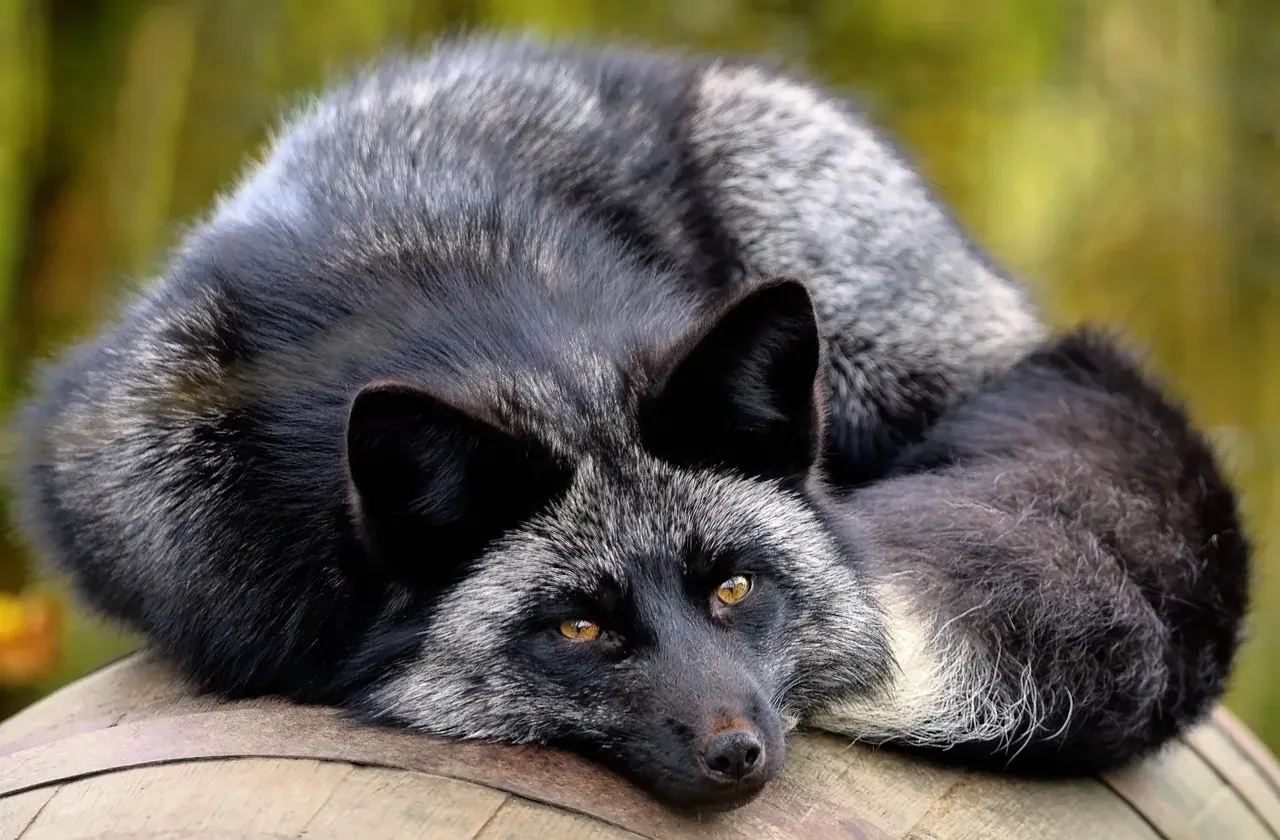
Once you see melanism in big cats, you start noticing similar patterns in other animals. You can find melanistic forms in smaller wild cats, some foxes, squirrels, snakes, and even birds. These dark individuals often blend into their surroundings or stand out in surprising ways, but they are still part of the same species as their more typical, lighter-colored relatives. You might have experienced something similar without realizing it if you’ve seen black squirrels living alongside gray ones in the same park. You do not split them into separate squirrel species; you simply register them as different color morphs. Black panthers are the big-cat version of that same phenomenon, just with more drama and a lot more muscle.
What “Panthera” Actually Means in Science
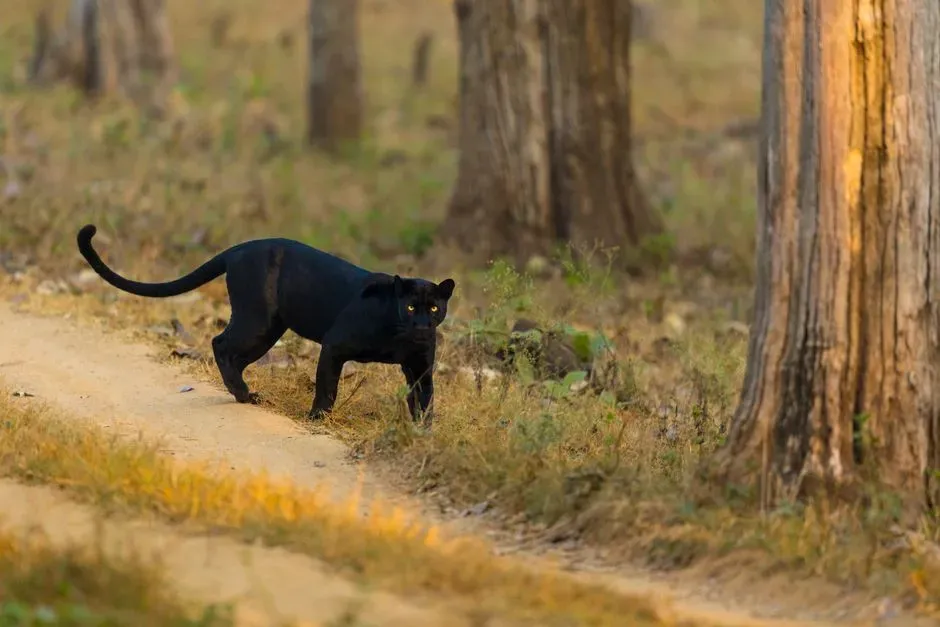
Part of the confusion comes from the word “panther” itself. In everyday language, people use it as a catchy name for a sleek, powerful black cat. In scientific classification, though, Panthera is the name of an entire genus that includes lions, tigers, leopards, jaguars, and snow leopards. So all these big cats are technically “pantheras,” but only some end up being called panthers in casual conversation. This gap between scientific language and common speech is where myths easily sneak in. When you hear “black panther,” you might imagine science recognizes it as a special type, but it does not. Biologists talk instead about melanistic leopards or melanistic jaguars; the species name stays the same, because the underlying animal has not changed, only its outward paint job.
How You Can Actually Spot the Hidden Rosettes
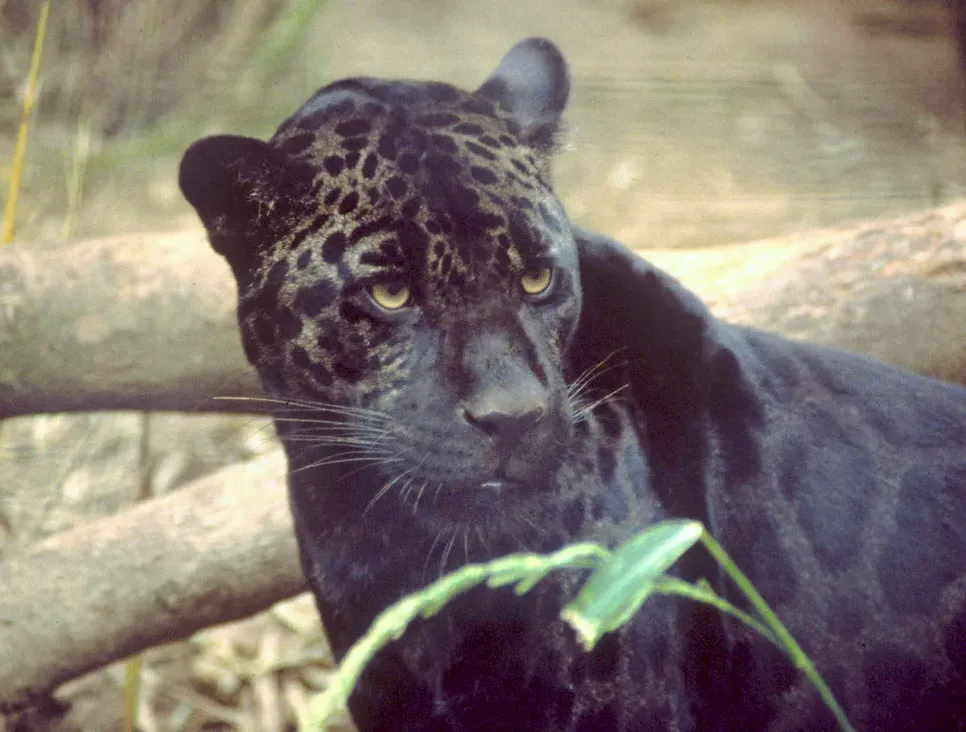
If you ever get the chance to see a black panther up close – at a zoo, sanctuary, or in a clear high-resolution photo – try this little trick. Look very carefully at the animal’s sides and flanks in bright light or from a slight angle. You will often notice that the black is not completely flat; ghost-like rosettes or spots are still there, just darker-on-dark instead of dark-on-gold. In some lighting, the pattern almost looks like embossed leather: subtle, raised outlines only visible when the light glides across the surface. Once you see those hidden spots, your brain stops treating the animal as something completely separate and starts recognizing the familiar leopard or jaguar underneath. It is like discovering that a mysterious stranger is actually an old friend in a very good disguise.
Why It Matters That You Get This Right
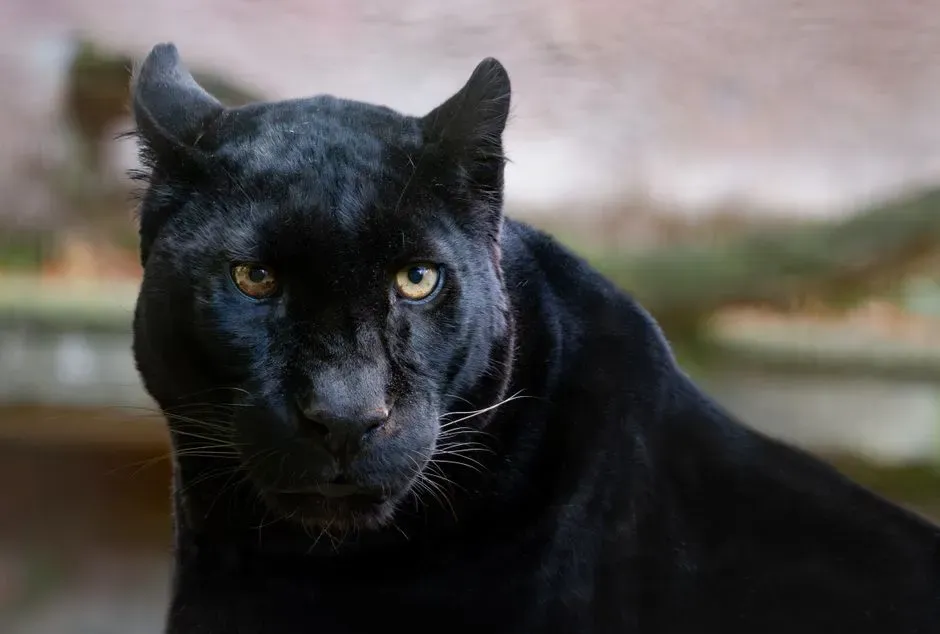
You might think this is just a naming issue, but it has real-world consequences for how you think about conservation. If you treat “black panther” as a separate species, you risk misunderstanding what actually needs protecting: the leopard and jaguar populations as a whole, along with their habitats. Protecting only the dramatic black individuals would be like trying to save a forest by focusing only on the tallest trees. When you understand that black panthers are simply one color form within existing species, you start to appreciate the full range of variation within those species. You also become more cautious about assuming that every striking animal represents a new or separate kind of creature. That mindset helps you see biodiversity more clearly, and it keeps you from spreading myths that sound exciting but pull attention away from the real conservation problems big cats face.
Conclusion: The Myth Is Fun, The Reality Is Better
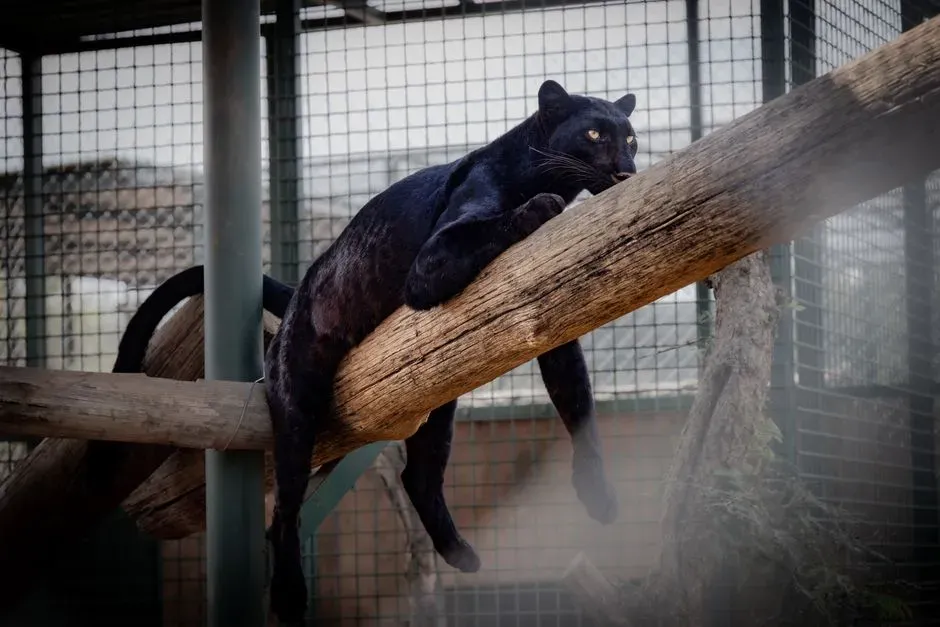
Now that you know the truth, the idea of a black panther as a separate species probably feels a bit like finding out a movie character is based on a real person with a completely different name. The myth is stylish and dramatic, but the reality is richer and more intricate: you are looking at leopards and jaguars wearing a rare, genetically driven black coat, not at some secret extra species hiding in the shadows. The story turns out not to be about a missing branch on the big-cat family tree, but about how flexible and creative nature can be with the branches you already know. Next time someone talks about black panthers as if they were their own species, you will be able to gently set the record straight – and probably surprise them in the process. You can point out the hidden rosettes, explain melanism in plain language, and show how a simple color shift fooled people for generations. And maybe you will find yourself wondering what other “new species” in your mind are really just familiar creatures wearing a different coat – how many would you have guessed?
Kristina is a young writer from India. An arts graduate and an avid content creator, Kristina is passionate about animals and wildlife. She enjoys exploring topics related to pet care, animal behavior, conservation, and nature, combining thorough research with engaging storytelling.