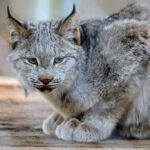
If you have a house cat, you already know how strangely powerful a small ball of fur can be. But when you compare your living room predator to a wild Canada lynx, you suddenly see just how “mini” your mini tiger really is. The lynx looks like a supersized, winter‑ready, mountain edition of your cat, built to survive brutal cold, deep snow, and life-or-death hunting.
As you go through these ten differences, you’ll start to notice that almost everything about a Canada lynx is an extreme version of what you see in your pet. The same basic cat blueprint is there, but tuned for silence, snow, and survival instead of couches, catnip, and food bowls. By the end, you might never look at your cat’s paws, whiskers, or hunting games the same way again.
1. Float Over Deep Snow Like a Furry Snowshoe
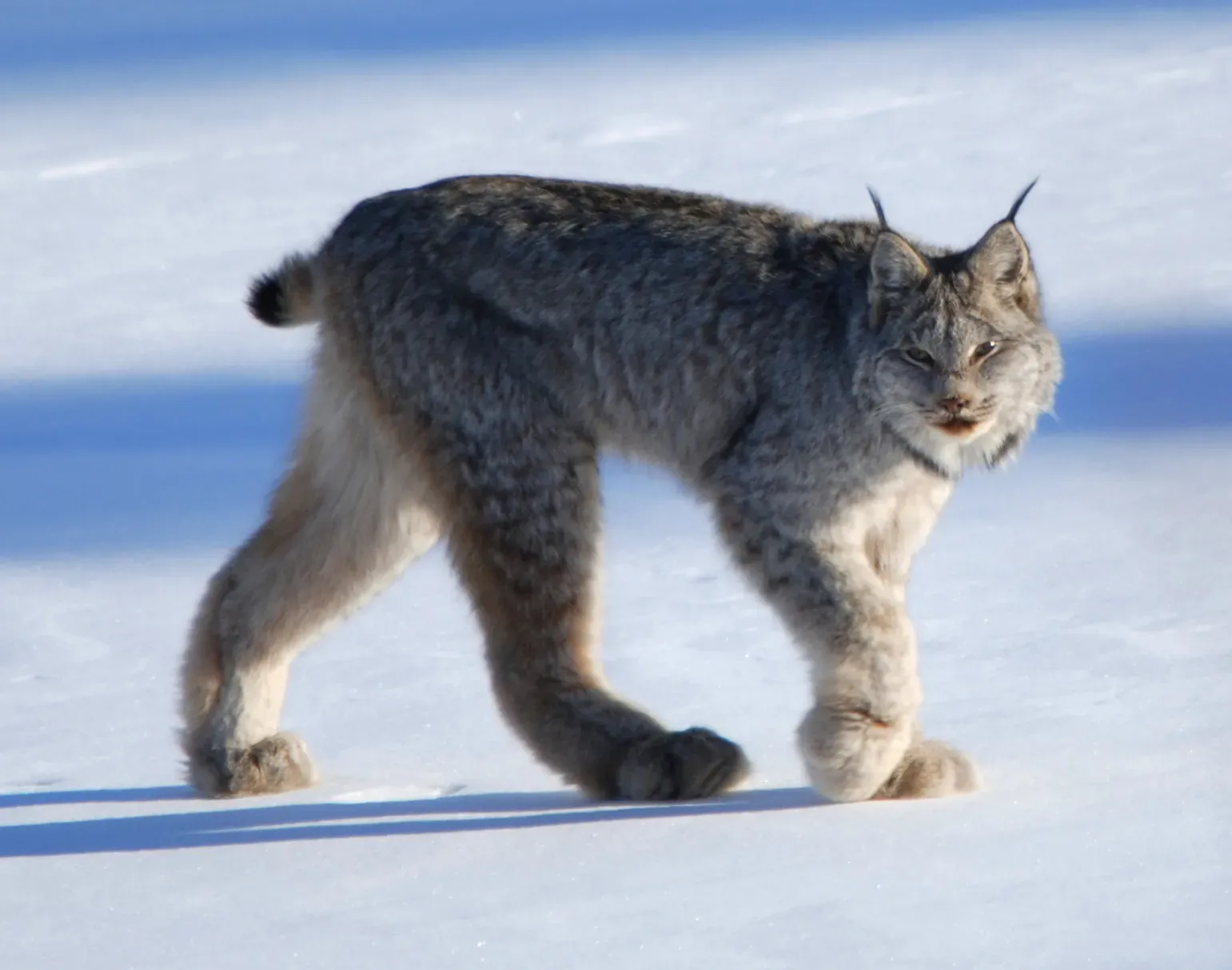
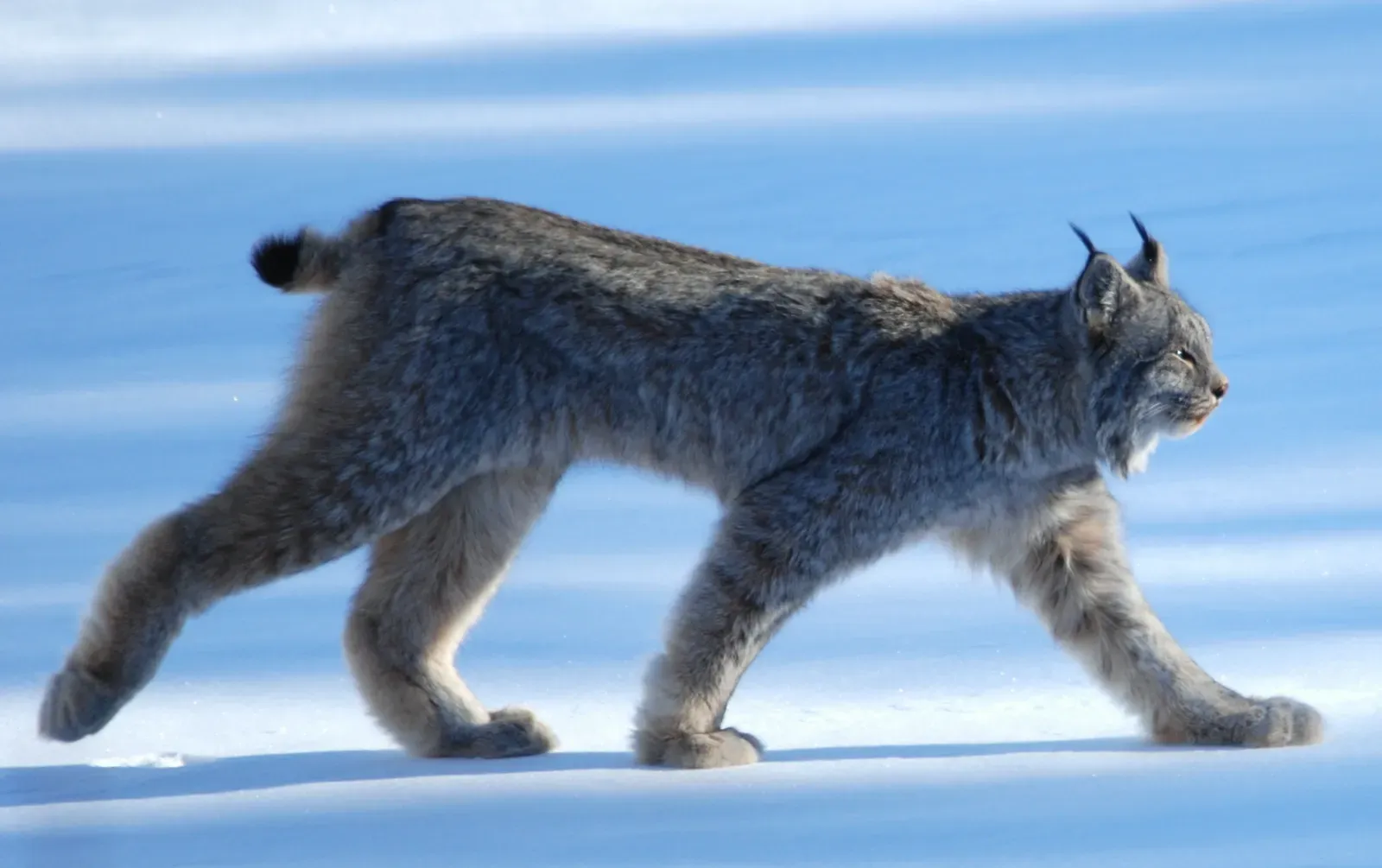
If you tried to drop your house cat into waist‑deep, powdery snow, it would probably sink in like a stone in a bubble bath. A Canada lynx, on the other hand, can travel across that same snow almost as if it were lightly packed, because its entire body is adapted to float. You notice it first in the paws: they’re huge, wide, and thickly furred underneath, acting like natural snowshoes that spread the animal’s weight over a larger area.
Your cat’s paws are relatively small and not nearly as fluffy between the toes, because it doesn’t need to cross frozen lakes, mountain valleys, and forests in mid‑winter just to find a meal. The lynx’s long legs lift its body up above the snow surface, so each step sinks less deeply and costs less energy. You might think of your cat as built for sprinting across hardwood floors, while a Canada lynx is designed like a slow, steady snow‑hiker that can keep going when the snow would stop almost anything else in its tracks.
2. Hunt Almost Exclusively in Knee‑Deep Winter
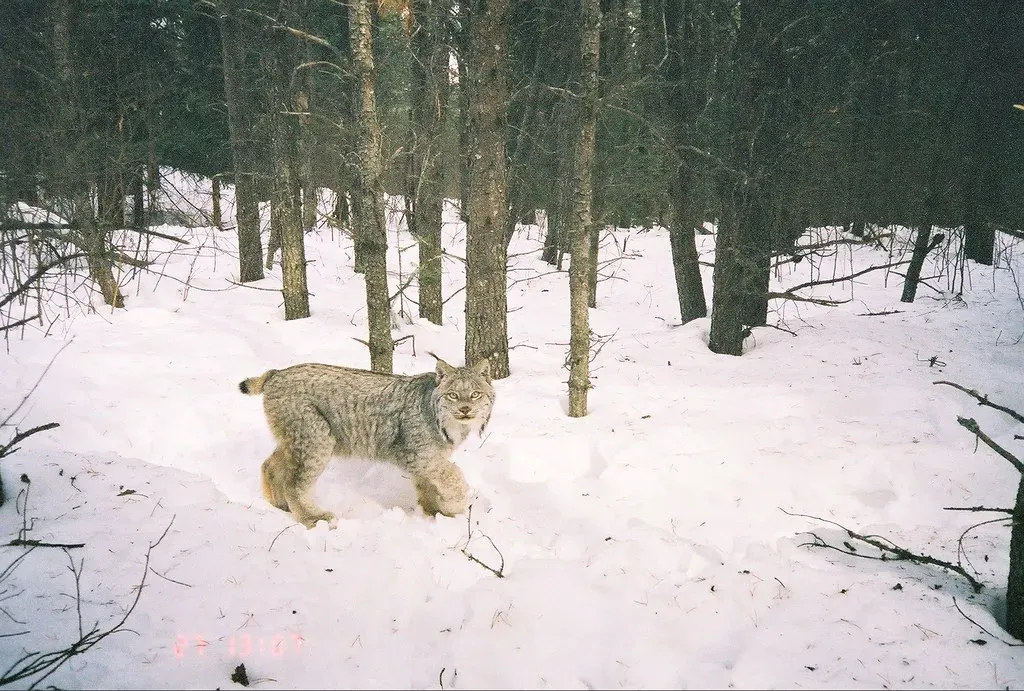
Your house cat may stalk birds or rodents in the yard, but it doesn’t live or die based on its success rate, and it rarely has to deal with months of subzero temperatures. A Canada lynx can keep hunting when the ground is frozen solid, temperatures fall well below what you’d tolerate, and food is scarce for weeks. Everything about it – from thick fur to padded paws to sharp hearing – is tuned to a hunting lifestyle where winter never really lets go, something your indoor cat will simply never need to manage.
3. Thrive in Temperatures That Would Send You Back Indoors in Seconds
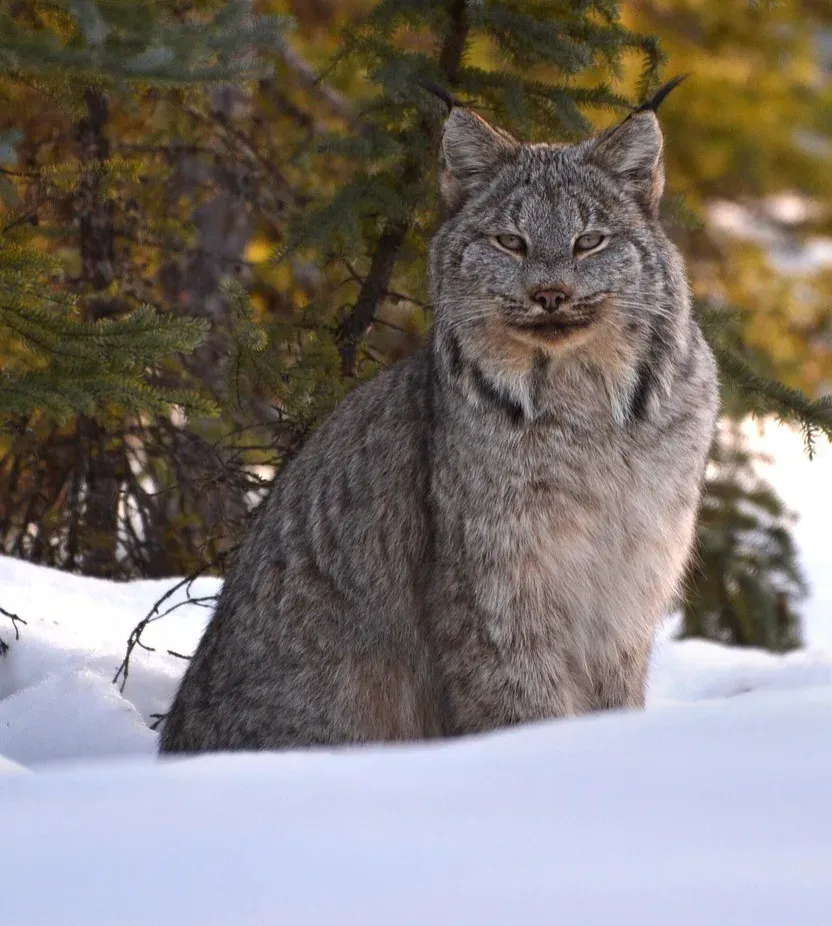
If you open a door on a bitterly cold day, your cat might poke its nose out, think about it for half a second, and then immediately decide that being a house cat is a good deal. A Canada lynx does not get that choice; it lives in places where winter can lock in for many months and temperatures can plunge well below freezing again and again. Its fur is incredibly dense, forming a thick coat that traps heat like a high‑end winter parka you never take off.
Your cat has a decent coat, of course, but it was bred more for comfort than for survival on remote snowy ridges. The lynx’s thick ruff around the face, long fur on the legs, and heavy winter coat work together to keep heat from escaping, even when the air bites at exposed skin. You could think of your cat as wearing a light jacket, while a Canada lynx is wrapped in a built‑in, full‑body thermal suit that lets it rest, walk, and hunt in conditions that would send you and your pet racing back toward a heater.
4. Cover Vast Wilderness Territories Instead of Just the Backyard
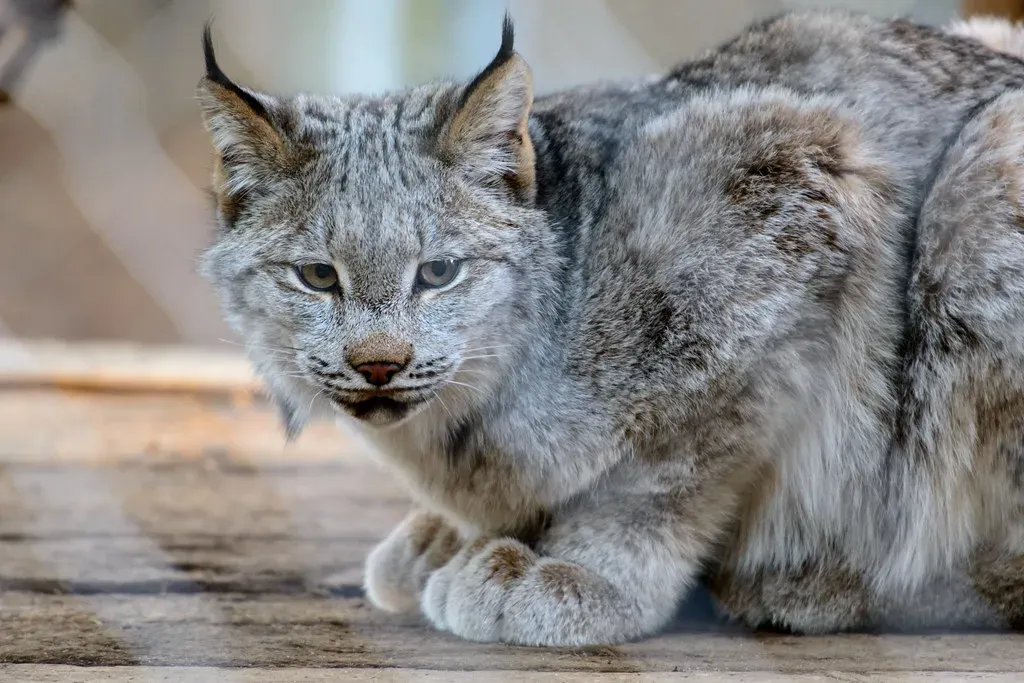
Your cat might patrol the living room, sneak into the kitchen, and, if allowed outside, survey the yard and neighboring gardens as if they were royal lands. A Canada lynx’s “home range,” however, can stretch across many square miles of wild forest, lakes, and ridges. It has to travel these areas regularly to find enough prey, often following trails, ridgelines, and old logging roads, covering serious distances in silence.
When prey numbers are low, a lynx may roam even farther, crossing large, rugged landscapes that would leave most people exhausted. Your cat’s territory might be a block or two; for a lynx, it is rough, remote country that can span far more space than any city neighborhood. That difference in scale changes how each animal lives: your cat naps while food appears, but a Canada lynx keeps moving through a vast, often empty, cold world where every successful hunt matters.
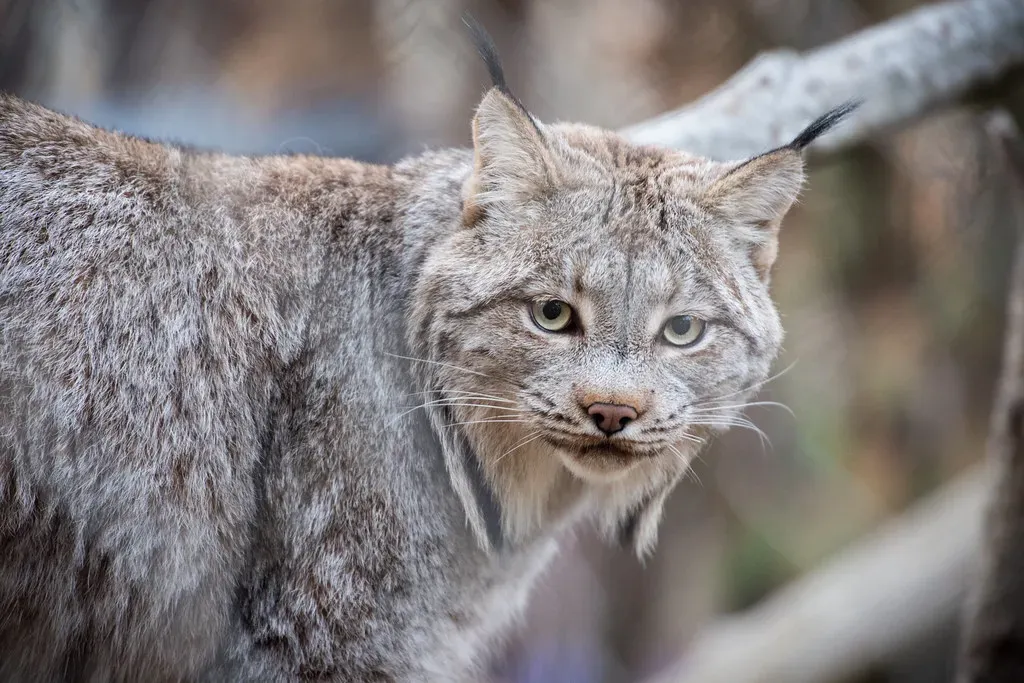
5. Use Extra‑Long Ear Tufts and Facial Ruff as Precision Sensors
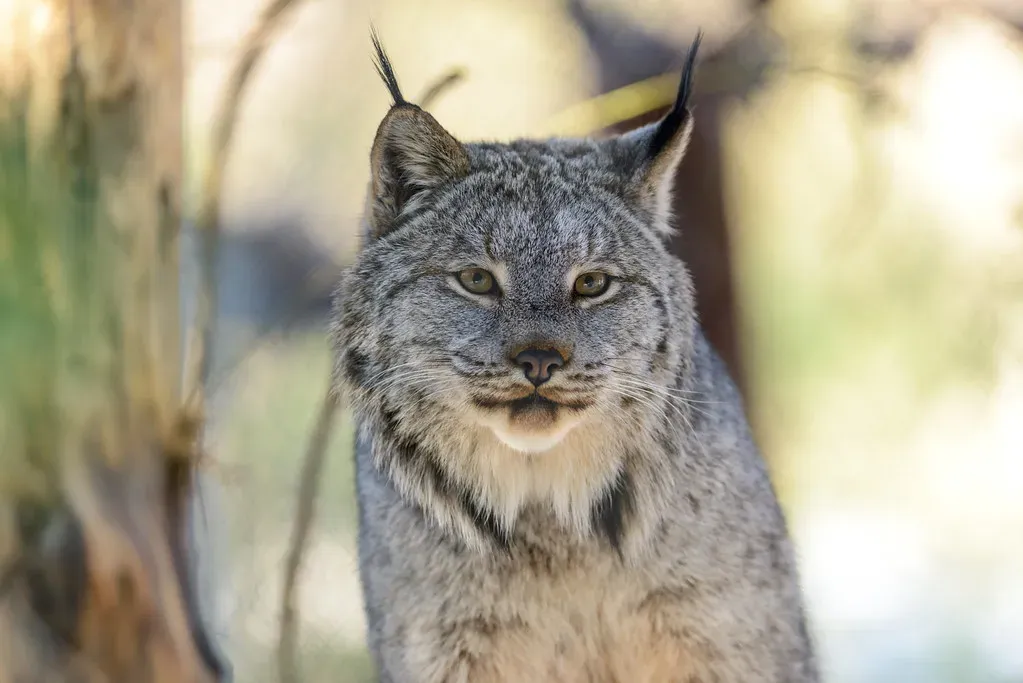
Your cat’s ears are smooth and neat by comparison, and they don’t need to double as both microphones and camouflage in harsh winter light. The lynx’s wide facial ruff may also help funnel sounds toward the ears, almost like the gentle curve of a satellite dish focusing signals. When you watch your cat tilt its head toward a faint noise in your house, you’re seeing a mild version of what a lynx does in the wild, except the lynx is listening for the soft thump of a hare landing in snow many meters away.
6. Leap Through Snow and Over Obstacles With Serious Wild‑Cat Power
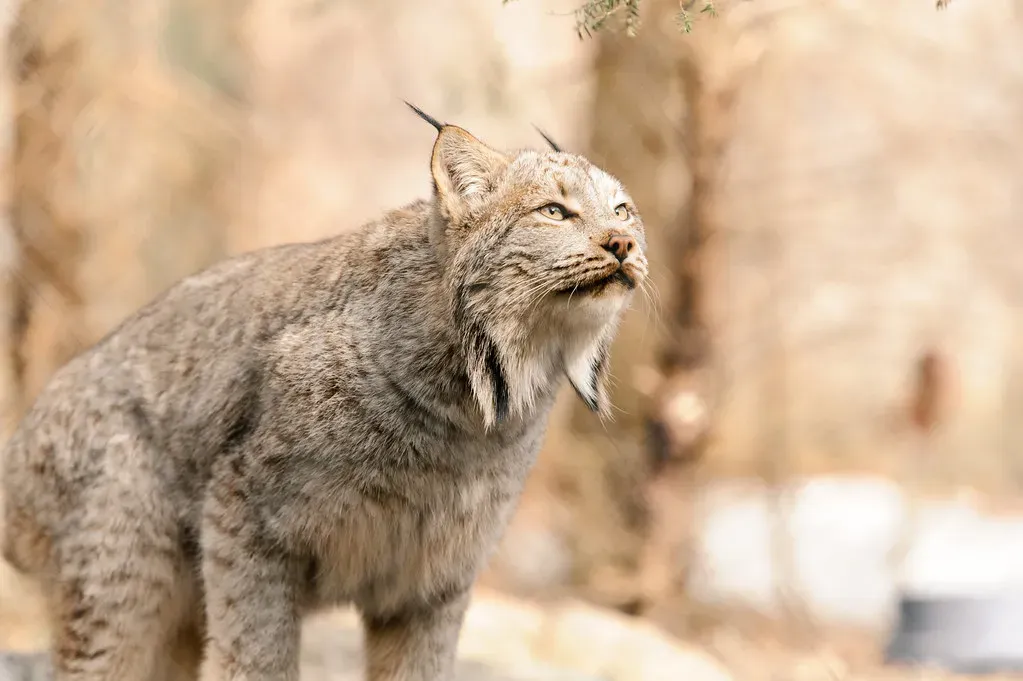
Your cat’s jumps are impressive, especially in tight indoor spaces, but they don’t have to be timed around hidden roots, fallen branches, or concealed holes under snow. The lynx must leap safely and accurately while chasing prey that can zigzag, vanish behind cover, and change directions in a heartbeat. That kind of movement calls for powerful muscles, high stamina, and a level of coordination that goes beyond your living room athlete, even if the basic leaping instinct looks familiar when you see your cat pounce on a feather toy.
7. Live a Mostly Solitary, Stealth‑First Life in the Wilderness
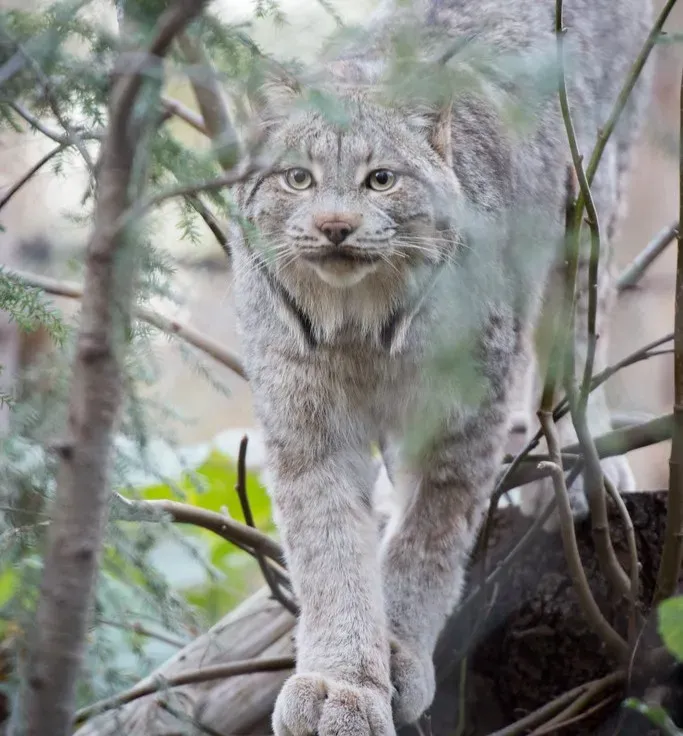
While your cat may hide under the bed or stalk from behind furniture, it knows that at the end of the day, it has a safe home, a stable environment, and predictable meals. The lynx has none of that certainty; each day is a quiet, solo mission to find food and avoid threats, using careful steps and silent observation instead of play or companionship. You might recognize your cat’s independent streak in the lynx, but for the wild animal, that independent nature is not a personality quirk – it is its survival strategy.
8. Raise Kittens Entirely on Wild Prey and Harsh Lessons
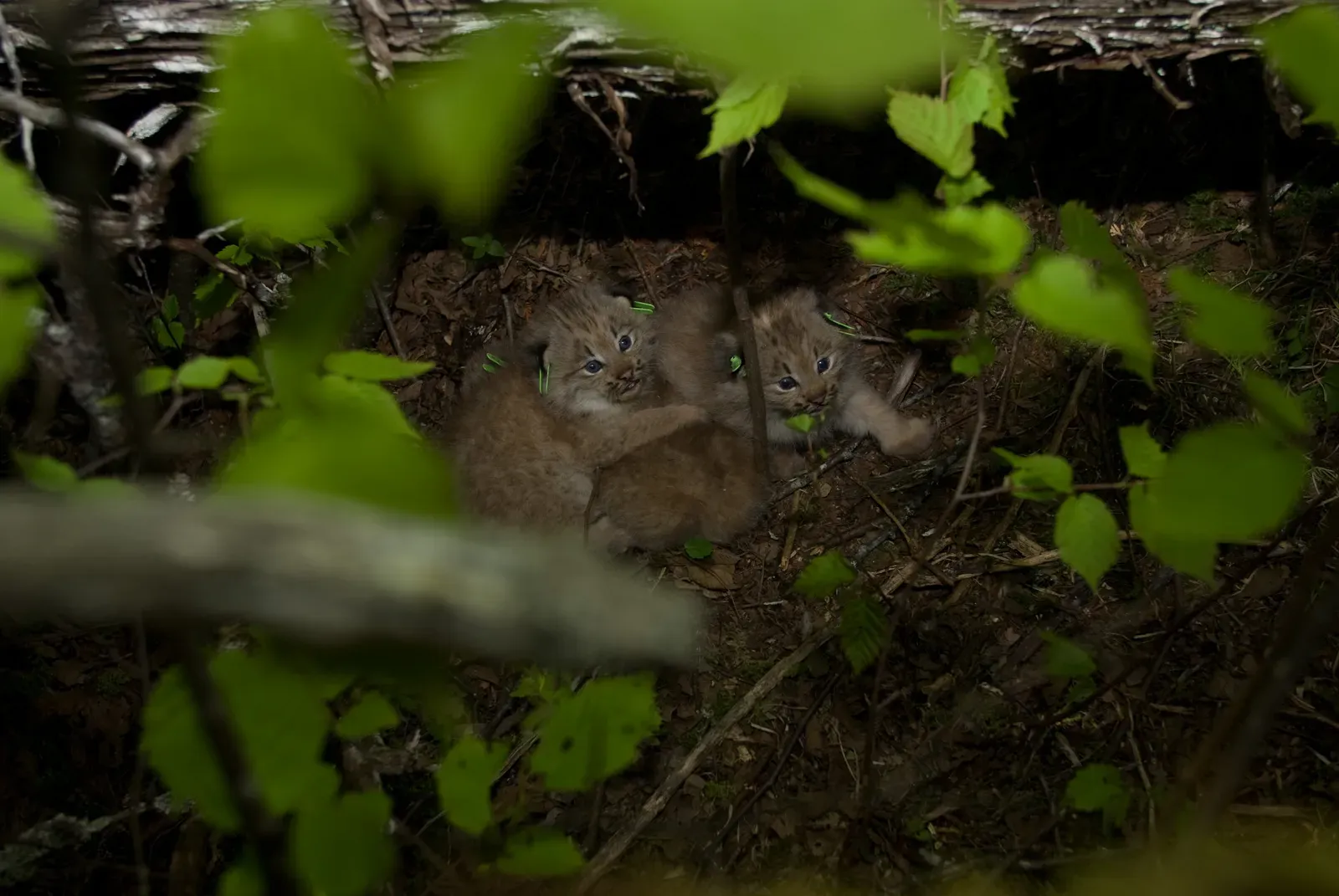
Your cat’s kittens might chase toy mice and get introduced to kibble or soft food, but a lynx’s kittens learn to eat, tear, and eventually hunt actual animals in a harsh landscape. As they grow, they accompany their mother on real hunts, picking up the skills to stalk and pounce in snow and cold. You see a soft, domestic version of those instincts when your cat’s kittens start ambushing each other around furniture, but for lynx kittens, those behaviors are not games – they are practice for staying alive once they leave their mother’s care.
9. Shape an Entire Food Web by Specializing on a Single Prey
Your cat doesn’t control local wildlife numbers in any large‑scale, natural way; it lives outside that kind of wild cycle and depends on you for almost all its nutrition. The lynx, though, plays a specific role in its environment, trimming hare populations and in turn providing food for larger predators or scavengers when it dies. It is part of a complex living web that shifts with climate, forest changes, and prey availability, in a way your pet simply will never experience. You might think of your cat as living in its own tiny, human‑made ecosystem, while a Canada lynx is locked into the rhythms of a much larger and unforgiving natural one.
10. Disappear Into Snowy Forests With Almost Ghost‑Like Camouflage
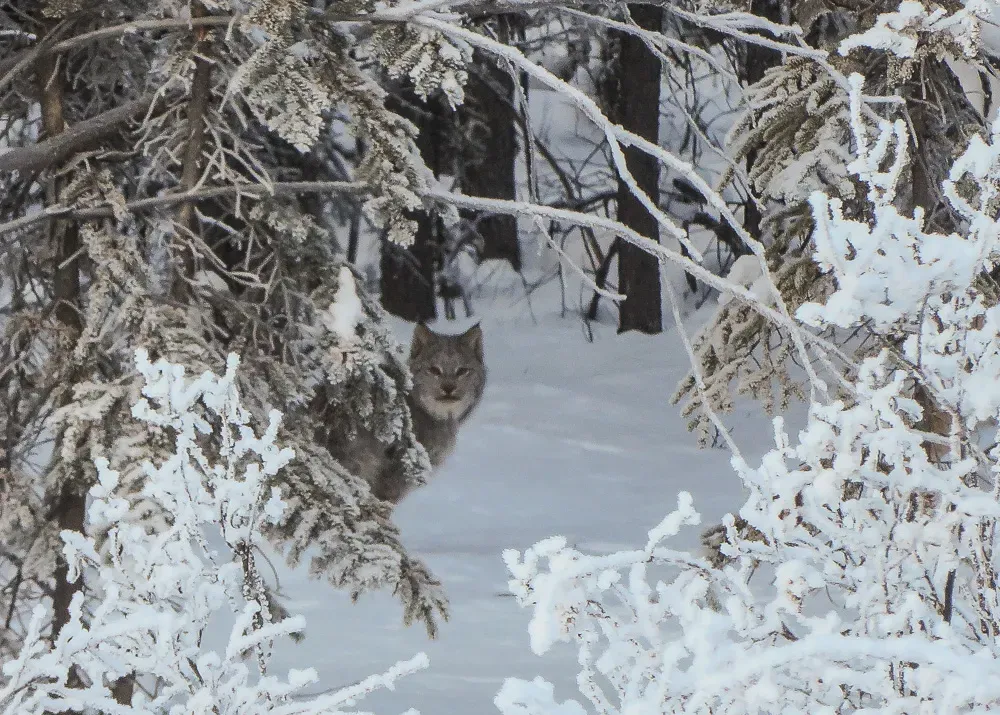
Your cat’s coat was likely bred for appearance or comfort, not for sneaking up on a hare in low winter light. The lynx’s coloring works with its silent steps and still posture; it can crouch motionless, nearly invisible, until the perfect moment to strike. You see a hint of that camouflage effect when your cat hides behind a plant or under a chair, but for a Canada lynx, blending into the background is a daily tool, turning it into a quiet presence that moves through the forest like a shadow you only notice when it decides to show itself.
Conclusion: Seeing Your House Cat as a Tiny, Tamed Wildcat
When you put your house cat side by side in your mind with a Canada lynx, you start to realize that you are living with a much smaller, softer, and far more sheltered version of a serious predator. The lynx’s huge paws, thick winter coat, silent hunting style, and solitary life in vast, snowy forests show you what a cat becomes when nature, not people, write the rules. Your pet plays with toys while a lynx chases hares across frozen ground; your cat naps on cushions, while a lynx rests under cold branches listening for the next chance to eat.
At the same time, you can see the shared blueprint: the way both animals stalk, pounce, listen, and stare with that intense, almost otherworldly focus. The difference is not that your cat lacks those abilities, but that the Canada lynx has pushed them to extremes, sharpened by cold, hunger, and wilderness. So the next time your cat crouches low, wiggles its hindquarters, and flies across the room at a toy, you are watching a faint echo of what a lynx does in the deep snow. Knowing that, does your ordinary house cat suddenly seem a little less ordinary to you?
Kristina is a young writer from India. An arts graduate and an avid content creator, Kristina is passionate about animals and wildlife. She enjoys exploring topics related to pet care, animal behavior, conservation, and nature, combining thorough research with engaging storytelling.