If you grew up in the U.S., you probably learned about lions, tigers, and cheetahs long before you ever heard much about the wild cats in your own backyard. It almost feels like the dramatic predators of Africa and Asia get all the attention, while the stealthy hunters slipping through American forests, deserts, and suburbs remain in the shadows.
Once you start looking closer, though, you realize something surprising: you share this country with several species of wild cats that are tougher, stealthier, and more adaptable than most people imagine. As you go through these twelve points, you may start to see hiking trails, road trips, and even your own neighborhood in a very different way.
1. You Likely Share Your State With At Least One Wild Cat
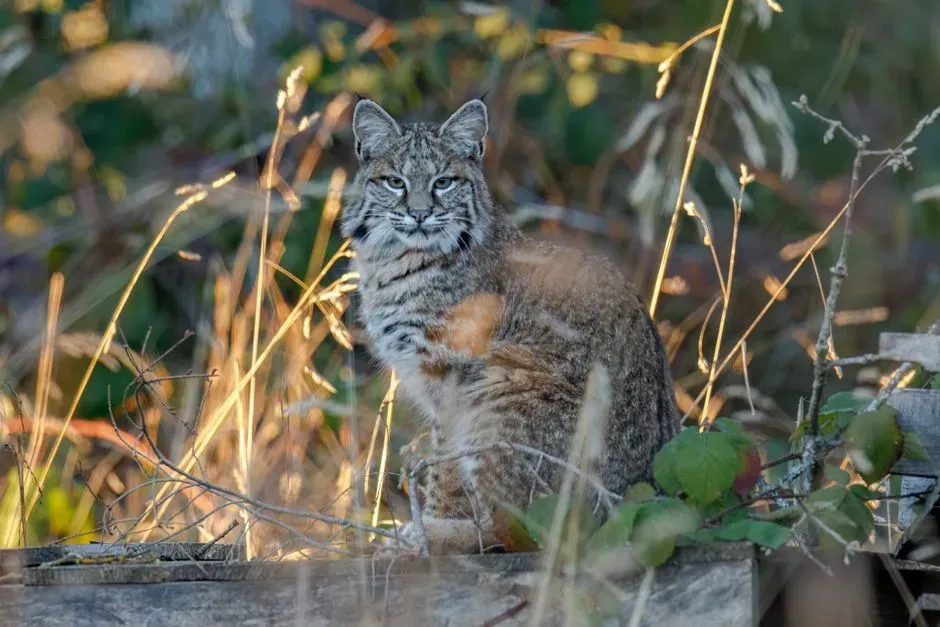
Even if you live far from the rugged West or the deep woods, chances are you’re not as far from wild cats as you think. Bobcats, in particular, are found in almost every U.S. state, including places many people picture as mostly farmland or suburbs. You might assume wild cats are a “national park” thing, but they quietly occupy a patchwork of forests, fields, and even edges of cities.
Mountain lions (also called cougars, pumas, or panthers) still roam large parts of the West and parts of the Midwest and South, and smaller, more localized cats like the ocelot and jaguarundi still hang on in the far south. When you zoom out, the map of wild cat presence across the country is far more filled in than most people guess. In other words, you’re probably a lot closer to a wild cat than you realized yesterday.
2. The Bobcat Is America’s Most Widespread Wild Cat
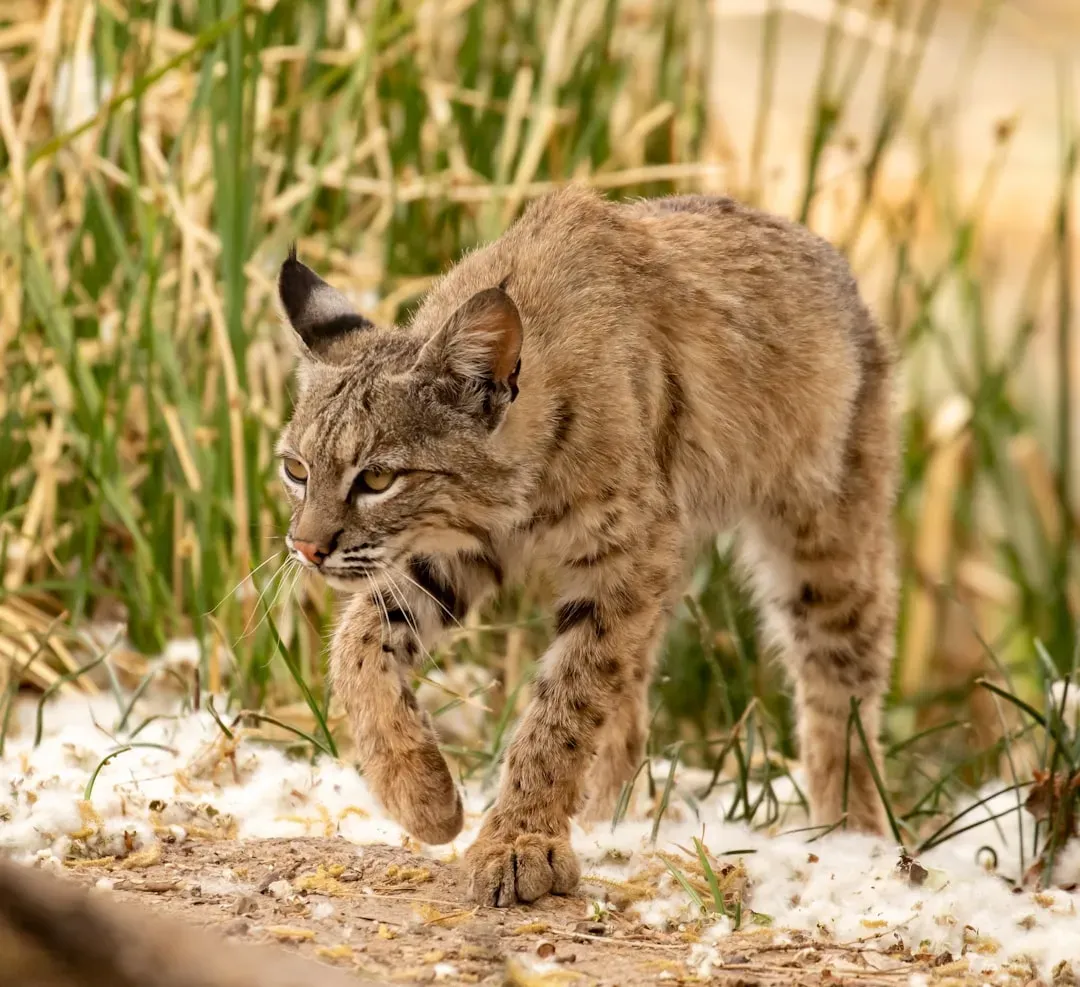
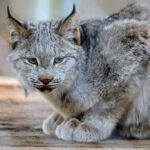
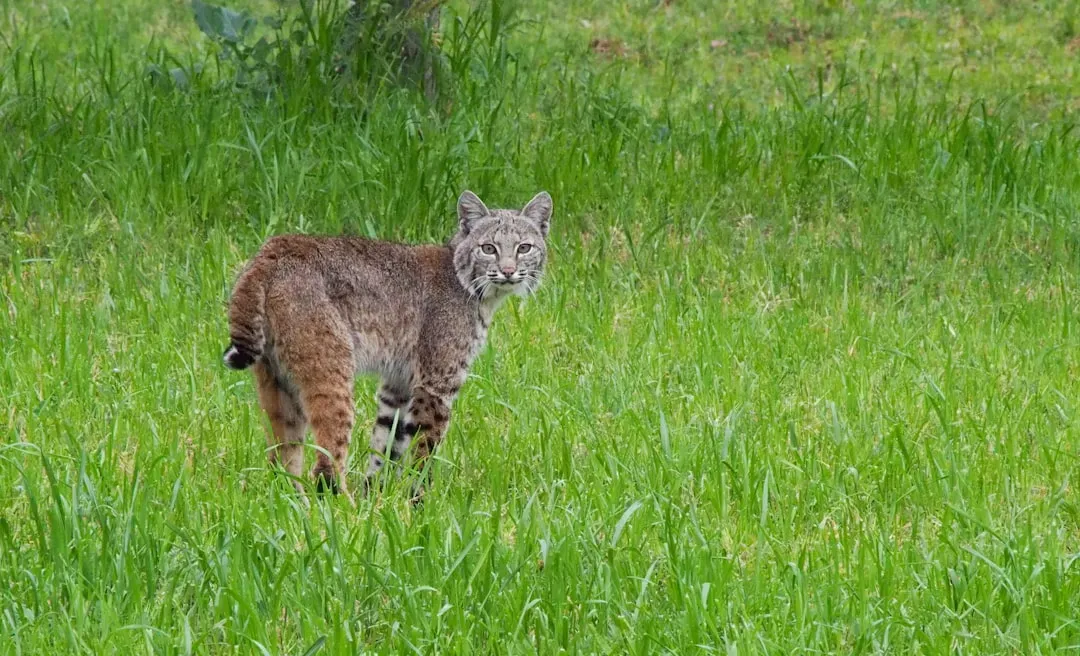
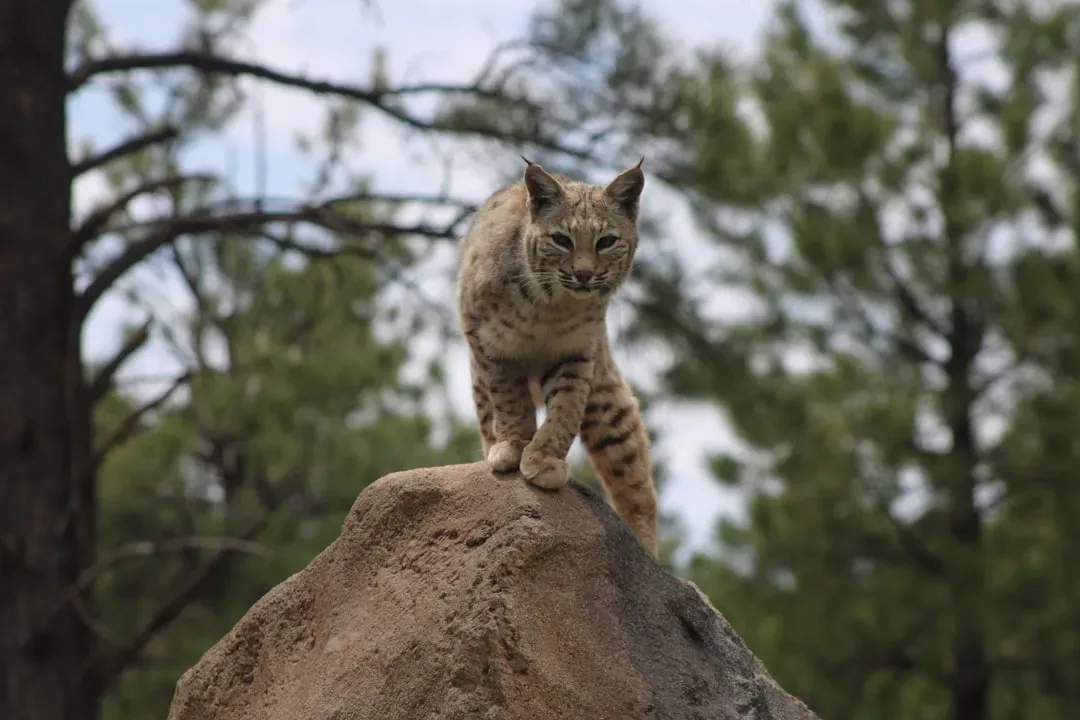
You might think of bobcats as animals of the Southwest or the deep forest, but they’re actually the most widespread wild cats in the United States. From New England woodlots and Appalachian hillsides to scrub deserts and pine forests in the South, bobcats have quietly adapted to an incredible range of habitats. You just rarely see them because they specialize in being invisible.
Bobcats get their name from their short, “bobbed” tail, but everything else about them is built for stealth: spotted coat, tufted ears, and a way of moving that lets them blend into almost any background. If you spend time outdoors, especially at dawn or dusk, there’s a decent chance at least one bobcat has watched you walk past without you ever knowing. You picture yourself as the observer in nature, but with bobcats, odds are you’re the one being watched.
3. Mountain Lions Once Lived Almost Everywhere In The Lower 48
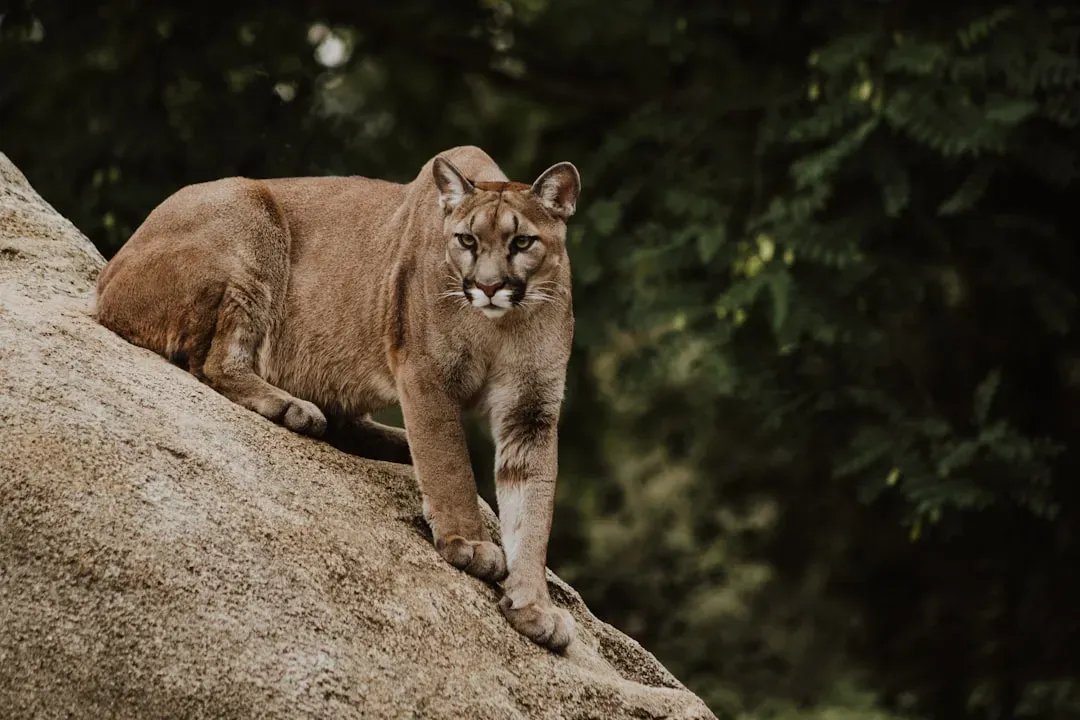
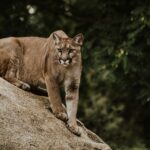
You probably associate mountain lions with rugged Western peaks, but historically they roamed nearly every region of the continental United States. They used to be at home in Eastern forests, the Great Plains, and even parts of the Midwest where you might now see mostly corn and highways. Over the last few centuries, hunting, trapping, and habitat loss pushed them out of large chunks of their former range.
Today, you still find stable populations mostly in the West, with small remnant or recolonizing groups in a few central and eastern areas. Every time you hear a story about a mountain lion sighting in a state where people assume they “don’t exist,” you’re really seeing a tiny echo of their original distribution. When you picture America’s early landscapes, it helps to remember that mountain lions were once as American as deer and wild turkeys.
4. Some Wild Cats Are Recolonizing Areas They Were Pushed Out Of
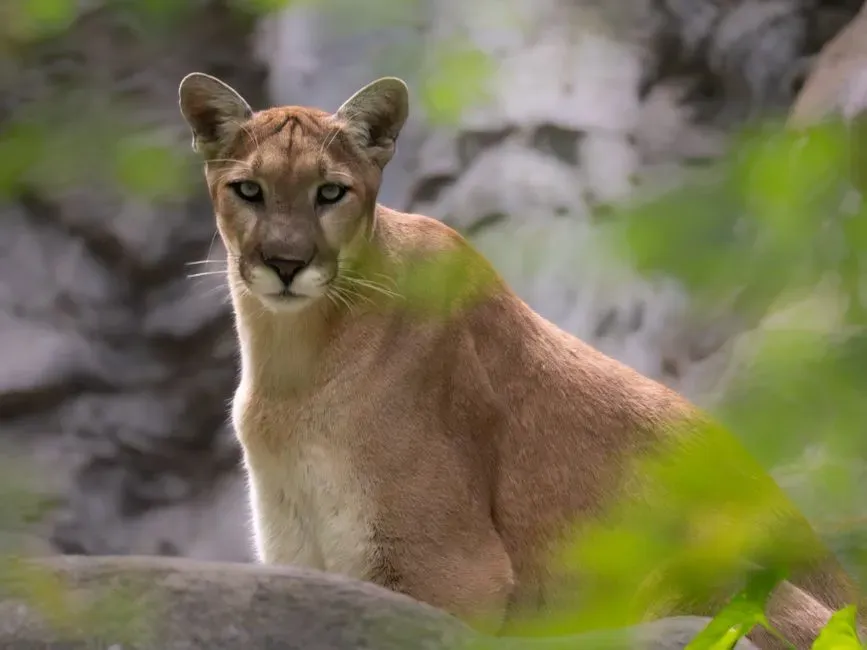
If you live in the Midwest or on the outskirts of the Great Plains, you’re starting to see a fascinating story unfold in real time. Young male mountain lions have been documented traveling staggering distances eastward from core populations, crossing rivers, highways, and farm country. They’re following deer and searching for territories, slowly nudging into places where people assumed big cats were gone for good.
Bobcats have also been quietly returning to parts of the Midwest and Northeast where they were heavily hunted or displaced decades ago. You might not notice this shift the way you notice, say, wolves reappearing on the news, because cats tend to keep a lower profile. But if you look at long-term trends, you see a subtle pattern: some of America’s wild cats are edging back into landscapes that pushed them out, testing how much space we’re willing to share again.
5. You May Have Walked Past Fresh Cat Tracks Without Realizing It
Next time you hike a muddy trail, walk a sandy wash, or even explore a snowy park, you might be stepping over wild cat footprints without knowing it. Bobcat and mountain lion tracks can look broadly like big dog prints at first glance, and most people never take the time to look closely. But if you get into the habit of kneeling down and paying attention, you start to notice some telltale details.
Wild cat tracks usually lack claw marks, because their claws stay retracted when they walk, unlike most dogs. A mountain lion’s print often looks rounder and more compact, with a distinctive “M” shape in the heel pad, while a bobcat’s track is smaller and more delicate. Once you train your eye, there’s a strange thrill in realizing you’re following the path of an animal that may have passed by just an hour before you did.
6. Encounters With Wild Cats Are Extremely Rare – And Attacks Even Rarer
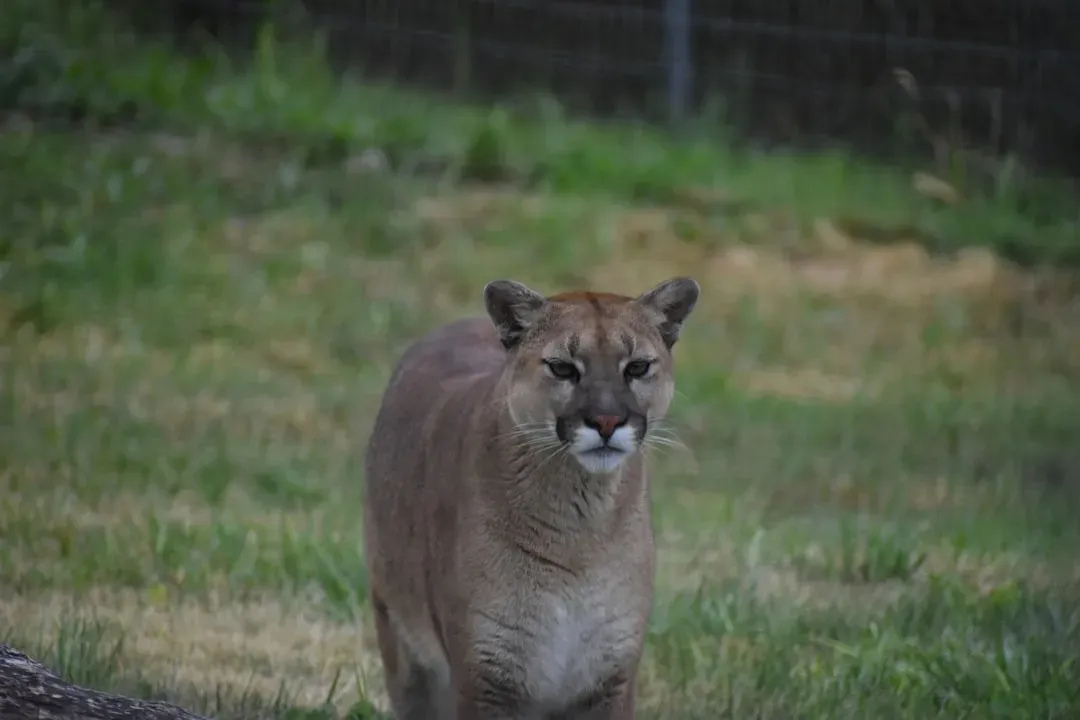
When a mountain lion or bobcat encounter hits the news, it can feel like these cats are lurking around every corner, waiting to pounce. In reality, the vast majority of wild cats go out of their way to avoid you. Human attacks are extremely rare, especially when you consider how many people hike, bike, camp, and jog every day in areas where these cats live.
Most of the time, a wild cat that notices you will quietly back off, circle around, or simply freeze in place until you move on. You’re loud, unpredictable, and often traveling in groups or with dogs, which makes you a risky proposition. Knowing this can shift your mindset: rather than picturing wild cats as constant threats, you can see them as shy neighbors trying to survive around a species that dominates every landscape it touches.
7. Your Everyday Habits Can Affect Wild Cats More Than You Think
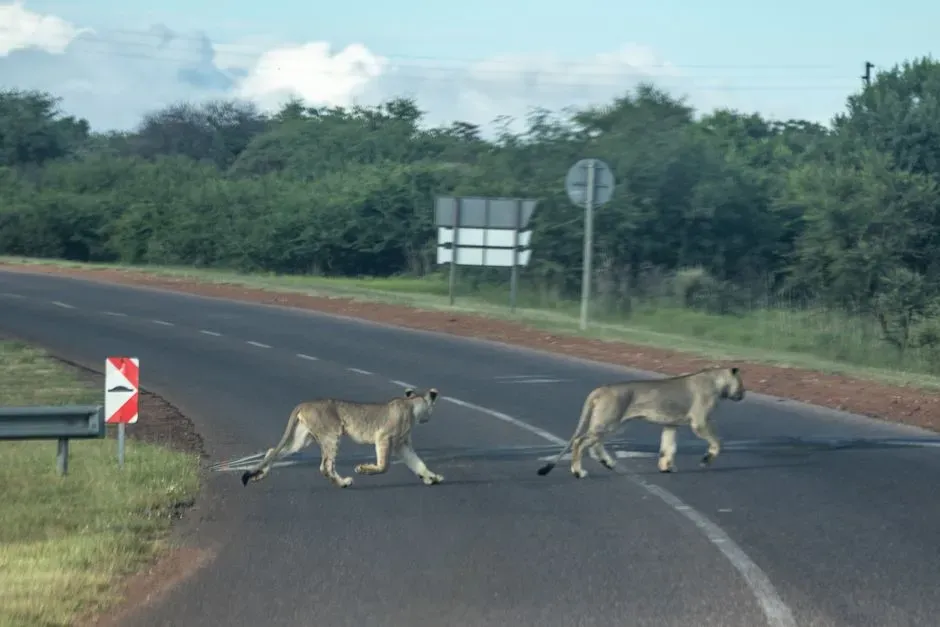
You might assume you have to work in conservation or live next to a national park to have any effect on wild cats, but your everyday choices ripple out more than you realize. The way you drive at night, for example, matters: slowing down in known wildlife crossing areas and scanning road edges can literally mean life or death for a bobcat or young mountain lion trying to cross. Strikes from vehicles are a major risk for wide‑ranging predators.
Your choices about outdoor lighting, fencing, and even how you handle trash and pet food can shape how safe an area feels for local wildlife. Bright, always-on lights and solid walls everywhere can fragment habitat just as much as new roads do. When you treat your yard or property like a tiny part of a larger landscape instead of an isolated bubble, you start to see how your personal space connects to the lives of the animals around you.
8. One Small Cat In Texas And Arizona Is Hanging On By A Thread
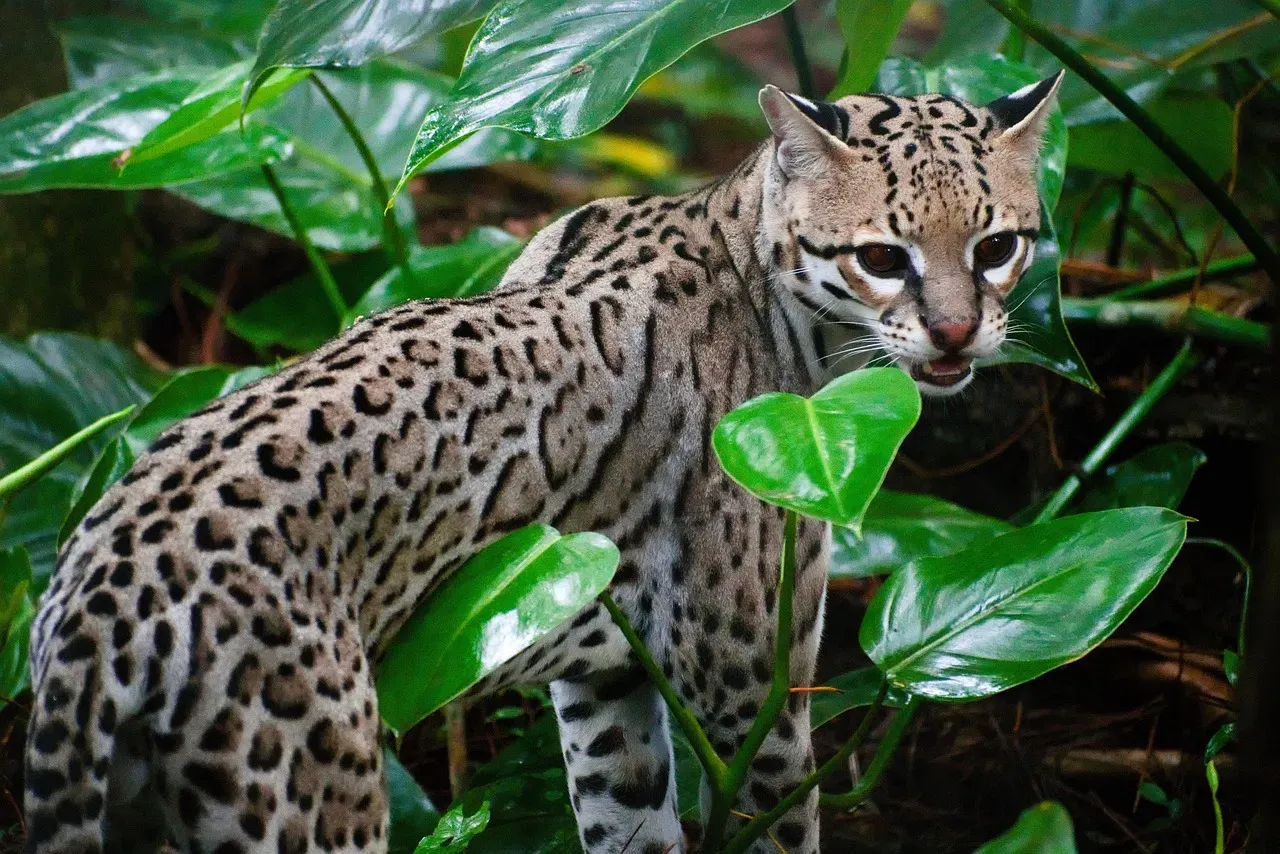
If you live in South Texas or southern Arizona, you share your region with an incredibly rare wild cat that most Americans have never even heard of: the ocelot. This small, beautifully patterned cat once ranged farther north than it does today, but habitat loss, vehicle collisions, and fragmentation have whittled down U.S. populations to only a few pockets. Many Americans picture ocelots as strictly tropical, but a handful still ghost through the brush close to the Mexican border.
For you, this means that the thornscrub or desert brush you might think of as scrubby and unremarkable is, in reality, precious habitat. The presence of even a few breeding females can make a huge difference for the future of the species here. When you hear about wildlife corridors, underpasses, or habitat protection efforts in these areas, it’s often these last remaining ocelots that people are fighting for.
9. Wild Cats Play A Huge Role In Keeping Deer And Rodent Numbers In Check
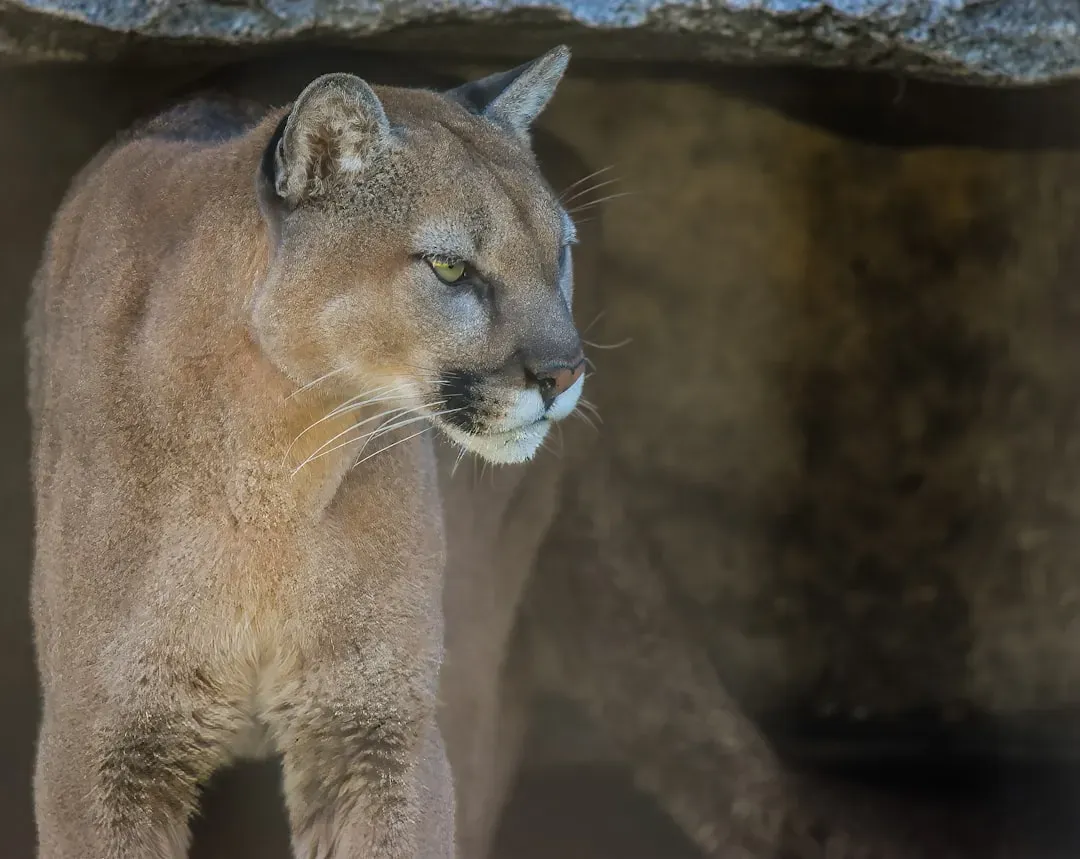
It’s easy to focus on the drama of predators and forget the quiet math of ecosystems. When wild cats like mountain lions and bobcats are present, they help regulate populations of deer, rabbits, and rodents that can otherwise explode. You benefit from that balance in ways you may never connect directly to cats, from healthier forests to fewer mice and rats creeping into human spaces.
In some areas where large predators have been heavily reduced, deer numbers have soared, leading to overbrowsed forests, more car collisions, and increased crop damage. Each time a mountain lion takes a deer, it’s participating in a cycle that shaped American landscapes long before suburbs and interstates. Seeing wild cats as partners in keeping ecosystems healthy can shift your perspective from fear to a kind of reluctant gratitude.
10. You Can Live In Cougar Country And Still Hike, Run, And Camp Safely
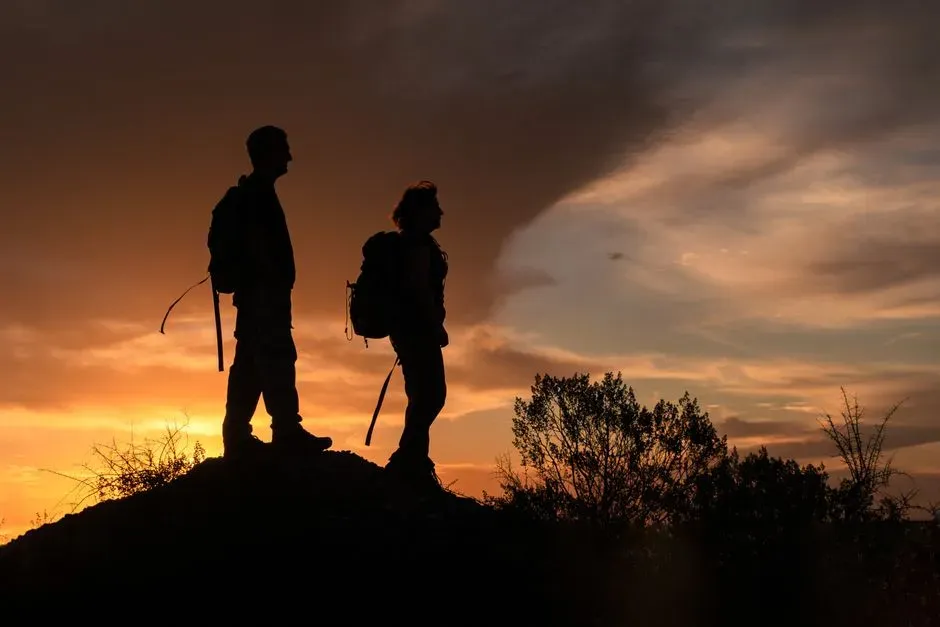
If you discover that your favorite trails are in cougar country, you might feel a flash of fear and wonder if you should even be out there. In reality, millions of people recreate safely every year in places where mountain lions live, as long as they follow some basic common sense. Staying aware, hiking with a partner when you can, and keeping kids close rather than letting them run far ahead all stack the odds in your favor.
If you did ever encounter a mountain lion, the recommended actions are pretty much the opposite of what your instincts might say: you make yourself look bigger, stand your ground, keep eye contact, talk firmly, and never run. With bobcats, simply giving them space and making some noise is usually enough. When you know what to do, the anxiety starts to drain away, and you can start enjoying wild landscapes with a more grounded sort of respect instead of a free-floating fear.
11. Your Pet Cat Shares More With These Wild Cousins Than You Think

When you watch your house cat crouch, wiggle, and pounce on a toy or a dust bunny, you’re seeing the same basic software that wild cats run on, just in a safer environment. The focus, the slow stalk, the burst of speed at the last second – those behaviors are nearly identical to what bobcats or ocelots do when they’re hunting real prey. You’re basically living with a miniaturized predator shaped by the same forces that created the wild cats outside.
This connection can change how you see both your pet and the larger wild family it belongs to. Instead of thinking of wild cats as exotic or distant, you can see them as part of a continuum that includes the animal asleep on your couch. It’s a reminder that, under all the human noise and concrete, this continent is still shaped by ancient relationships between hunters and hunted.
Indiana once officially had no resident mountain lions, and yet over the last couple of decades, a handful of confirmed cougar sightings in Midwestern and Eastern states have surprised a lot of locals. These incidents are usually young males traveling from western populations, sometimes covering hundreds of miles as they search for new territory. You might hear a story like this and assume there must suddenly be large breeding populations nearby, but that’s not how recolonization works at first.
When you hear about one confirmed sighting, it usually means that the landscape is somewhat permeable for wildlife: there are still enough wooded patches, river corridors, or neglected edges to let wide‑ranging animals pass through. That lone cat might not stay, but its journey shows you the potential for future movement and maybe, eventually, more permanent populations if humans decide to make room. It is a reminder that what looks like settled, human-dominated country can still be part of a bigger, wilder network.
12. Citizen Science Lets You Directly Help Track America’s Wild Cats
You do not have to be a biologist or park ranger to help understand where wild cats live and how they move. Across the U.S., researchers and conservation groups increasingly rely on photos, videos, and track reports from regular people who are out hiking, driving, or checking backyard camera traps. If you use a wildlife reporting app or share clear, location-tagged observations with local agencies, you’re adding data points that can shape real decisions.
Those records can help scientists map migration routes, identify collision hotspots on roads, and even locate rare species that might otherwise go undetected. When you realize your random trail camera photo could help protect a crucial wildlife crossing or confirm a new area of use, the whole landscape becomes more alive. You are no longer just a spectator; you’re part of the feedback loop that decides how much space wild cats will have in the decades ahead.
Conclusion: Seeing Your Country Through Wild Cat Eyes
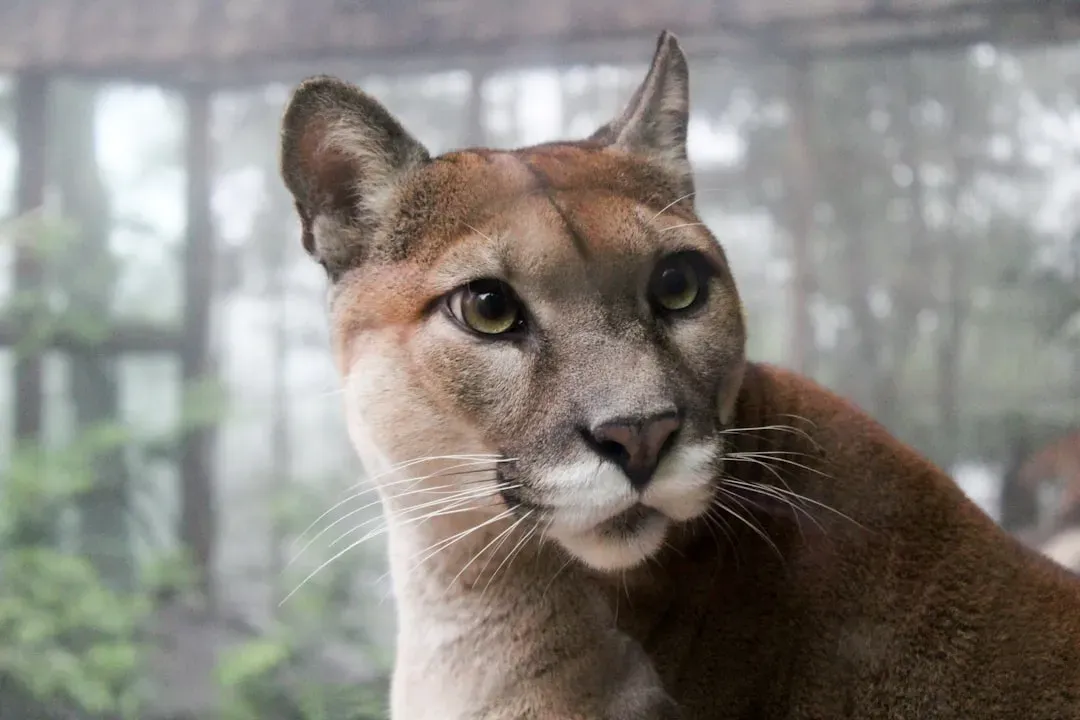
Once you know these twelve things, the United States starts to feel a little less tame. You begin to realize that beyond the strip malls, school runs, and highway exits, there’s a quieter drama happening in the brush, the ravines, and the tree lines. Wild cats are out there right now, slipping through shadows, raising young, and trying to navigate a world that humans reshape at high speed.
If you let that sink in, your hikes feel different, your late‑night drives feel more cautious, and even your backyard might look more connected to the wider landscape. By learning, paying attention, and making a few intentional choices, you can help make sure these secretive neighbors still have room to move. Now that you know they’re out there, how will you look at your surroundings the next time you step outside?
Kristina is a young writer from India. An arts graduate and an avid content creator, Kristina is passionate about animals and wildlife. She enjoys exploring topics related to pet care, animal behavior, conservation, and nature, combining thorough research with engaging storytelling.