You share your continent with some seriously secretive predators. While you go about your day under streetlights and Wi‑Fi signals, wild cats are slipping through forests, deserts, and swamps, leaving hardly a trace. Most people will never see one in the wild, yet these cats shape entire ecosystems with every silent step. In North America today, only a handful of wild cat species remain, and several of them are hanging on in surprisingly small pockets of habitat. If you know where to look though, you can trace their ranges on a map like a hidden treasure route: from Alaskan spruce forests to South Texas thornscrub, from Carolina swamps to Arizona sky islands. As you read through these seven species, you’ll start to see the continent through their eyes – and realize just how close you really are to a very different, wilder North America.
1. Bobcat – The Everyday Ghost You Almost Never See
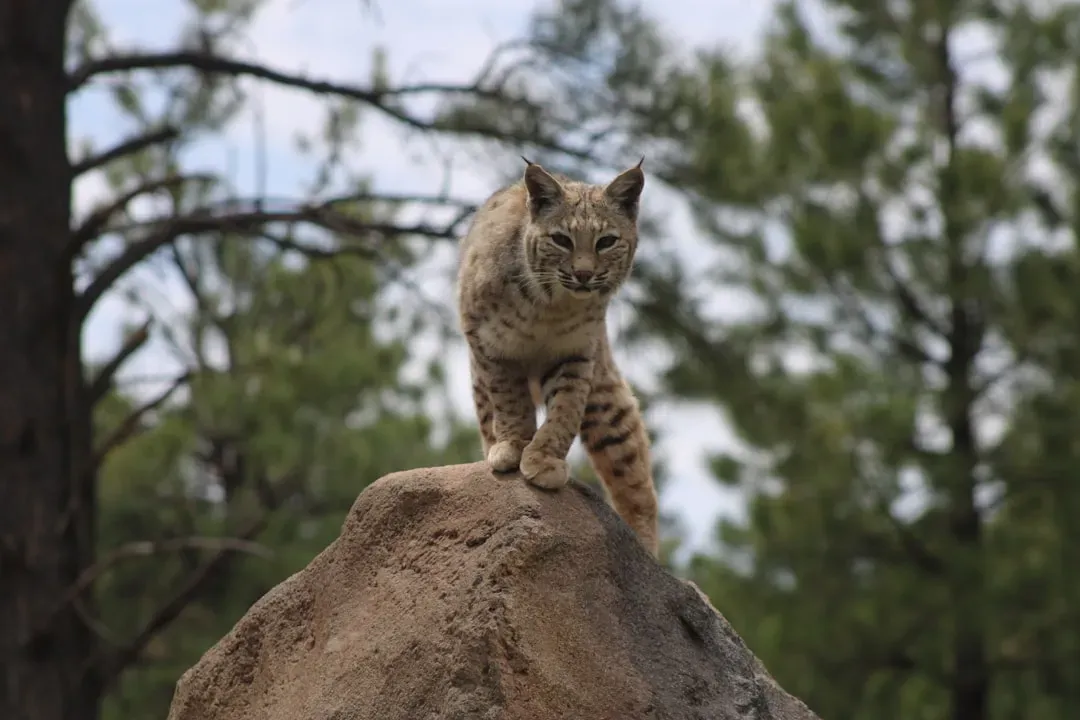
You are most likely sharing your landscape with a bobcat right now, whether you live in rural country or on the edge of a city. Bobcats range from southern Canada all the way down through nearly the entire contiguous United States into northern and central Mexico, making them the most widespread wild cat in North America. They show up in forests, deserts, swamps, farmland, and even greenbelts and golf courses near suburbs, slipping between human spaces like shadows that refuse to be cornered. ([en.wikipedia.org](https://en.wikipedia.org/wiki/Bobcat?utm_source=openai)) When you picture a bobcat, think of a compact, muscular cat about twice the size of a house cat, with a short “bobbed” tail, tufted ears, and a spotted, reddish‑brown coat that melts into dry grass or brush. You’re far more likely to see their signs than the animal itself – tracks along a dirt road, a scrape on a trail, or the sudden explosion of a rabbit that just realized it’s being hunted. Because bobcats adapt so well, their populations are considered stable across most of their range, even in a world where other wild cats are retreating to the last quiet places. ([research.fs.usda.gov](https://research.fs.usda.gov/treesearch/27329?utm_source=openai))
2. Canada Lynx – Snowshoe Specialist of the Northern Forests
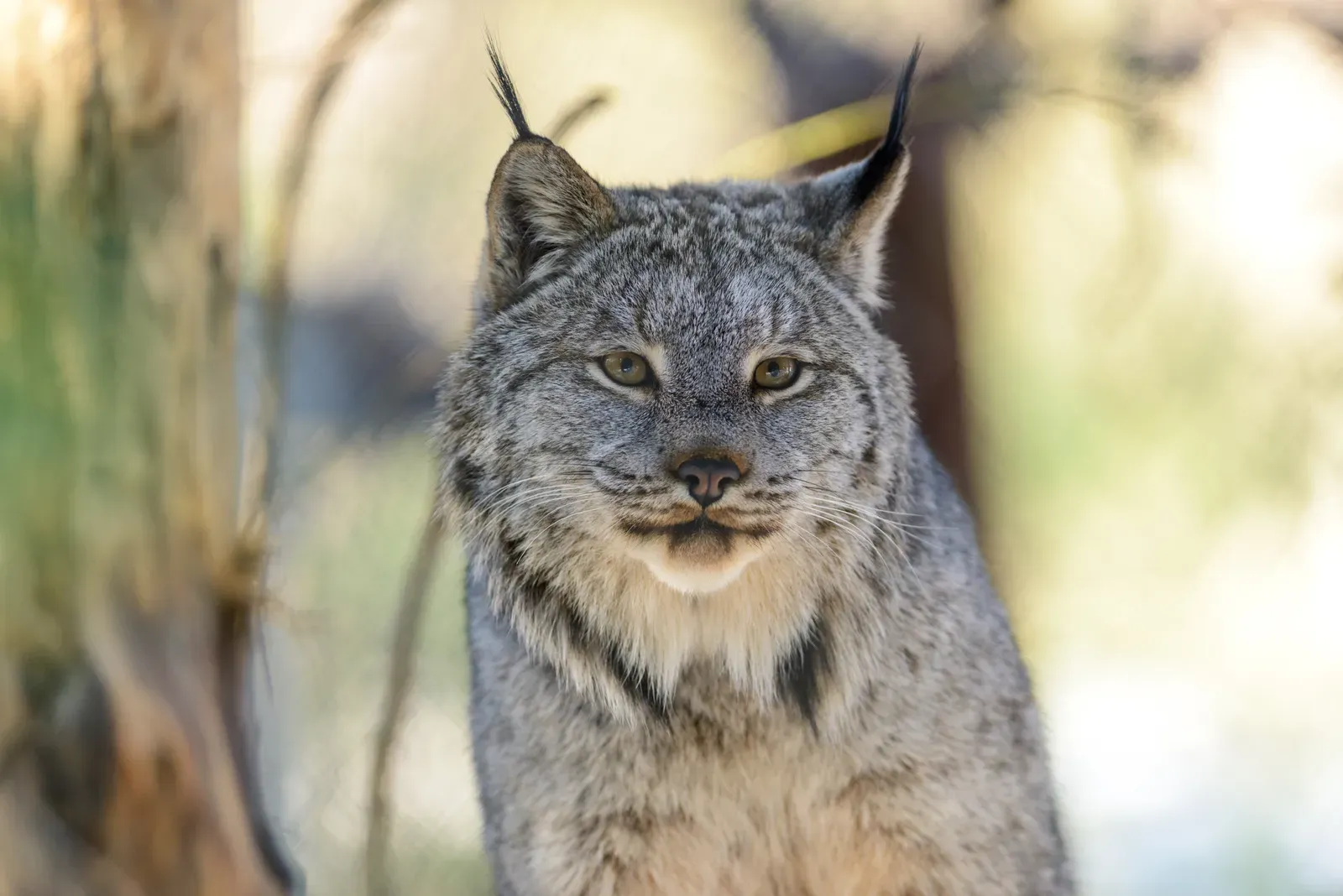
If you head north into the cold, silent boreal forest, you step into Canada lynx country. This medium‑sized cat is built for winter: huge, fur‑padded paws that act like snowshoes, long legs, thick fur, and those distinctive black ear tufts that make it look permanently alert. You’ll find Canada lynx across most of Canada and Alaska, and in patchy populations dipping into the northern United States – states like Maine, Minnesota, Montana, Idaho, Washington, and parts of the Rockies where deep snow lingers and spruce‑fir forest still stretches for miles. ([fws.gov](https://www.fws.gov/species/canada-lynx-lynx-canadensis?utm_source=openai)) You can think of this cat as a specialist with a single main target – snowshoe hares. Where hares boom, lynx numbers follow; when hare numbers crash, lynx populations shrink. Because of this tight link, Canada lynx tend to stick to habitats with dense cover and reliable winter snow. In the lower 48 states, they’ve been listed as threatened and are vulnerable to logging, road building, and warming winters that reduce the snow advantage they have over their cousin, the bobcat. If you ever see one, you’re looking at a cat that has outwitted both climate and people in one of the harshest environments on the continent. ([nationalzoo.si.edu](https://nationalzoo.si.edu/animals/canada-lynx?utm_source=openai))
3. Cougar (Mountain Lion) – The Wide‑Ranging Phantom of the West
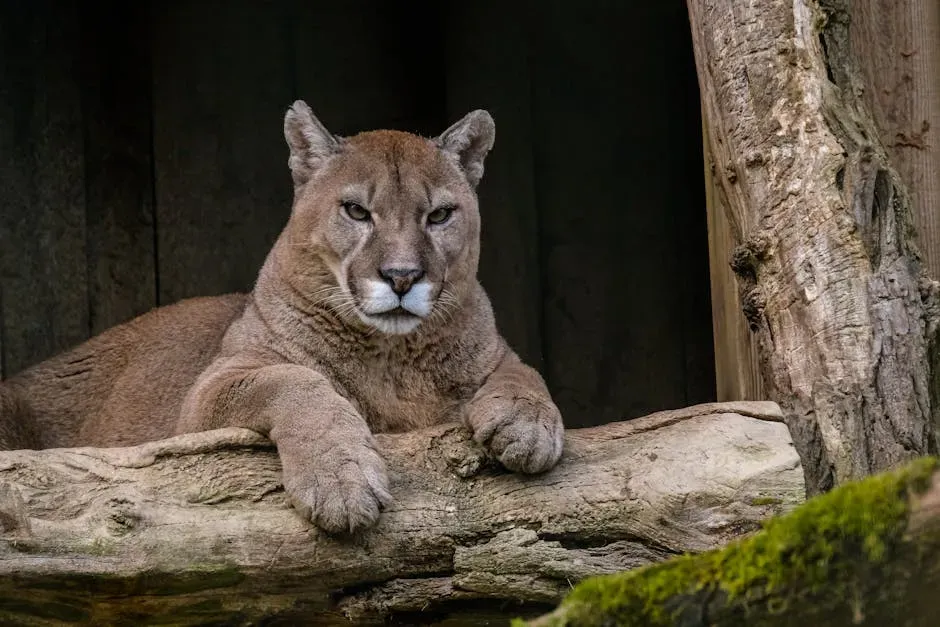
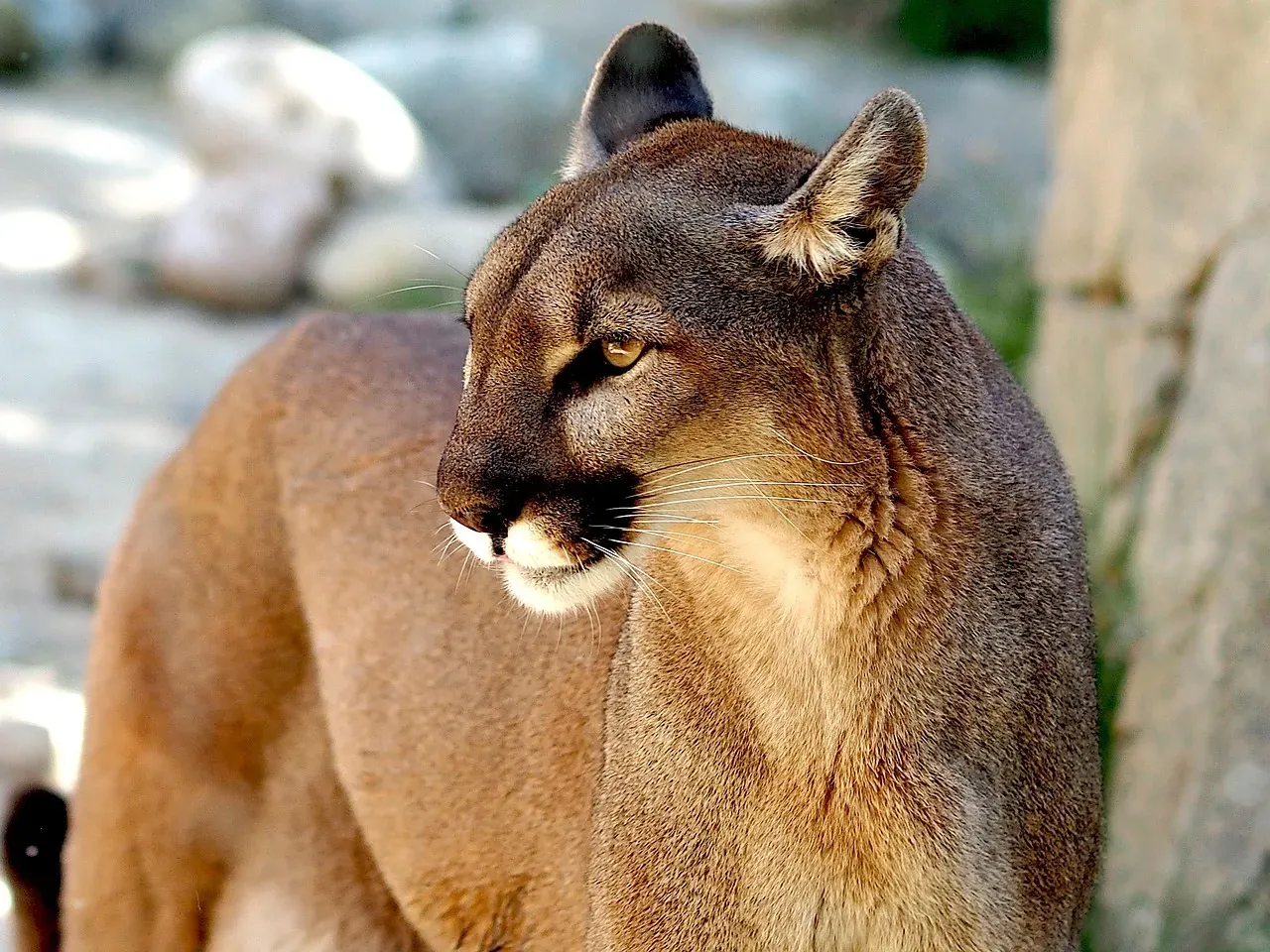
When you imagine a truly wild landscape in North America, you’re almost certainly standing in cougar country. This big, tawny cat – also known as mountain lion, puma, or panther – once ranged from coast to coast, but today it is mainly found in the western half of the continent and parts of western Canada, extending all the way south through Central and South America. In North America you’ll bump into cougar range in places like the Rocky Mountains, the Sierra Nevada, the deserts and canyonlands of the Southwest, the Pacific Northwest forests, and the wild, rugged coasts of British Columbia and Alaska’s Southeast panhandle. A small, isolated population also survives in Florida’s swamps, often called Florida panthers. ([wildcatconservation.org](https://wildcatconservation.org/wild-cats/north-america/?utm_source=openai)) You can think of cougars as the silent regulators of deer and other large herbivores; where they still exist, they help keep those populations in check, which in turn shapes vegetation and even how rivers flow. They are incredibly adaptable, using everything from high alpine slopes to scrubby chaparral and desert canyons, as long as you give them cover and some breathing room from human disturbance. In the last couple of decades, a few young males have pushed eastward into the Great Plains and Midwest, following river corridors and pockets of habitat, hinting that this big cat is trying to reclaim part of its old range. Whether you ever see one or not, if you hike or hunt in the West, you are traveling through a world that cougars quietly influence from the shadows. ([research.fs.usda.gov](https://research.fs.usda.gov/treesearch/27329?utm_source=openai))
4. Jaguar – The Tropical Heavyweight at the Continent’s Edge
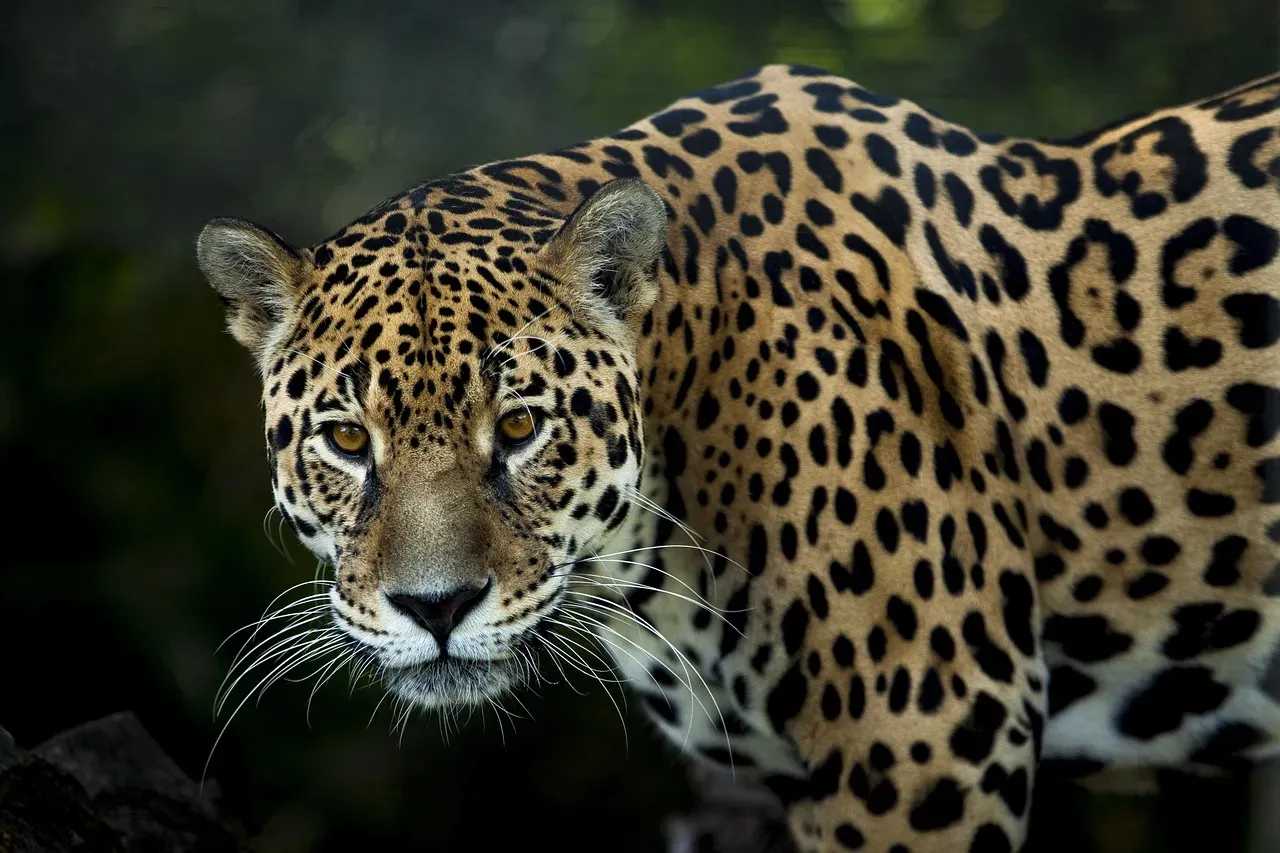
If you stand in the rugged “sky island” ranges of southern Arizona or New Mexico and look south toward Mexico, you’re looking into the northern edge of jaguar country. Historically, jaguars roamed much farther into the United States, with records from Arizona, New Mexico, Texas, and even as far as California and Louisiana. Today, breeding populations are found mainly in Mexico and farther south into Central and South America, but in recent years, a few wandering males have been documented crossing into the borderlands of Arizona and New Mexico, reminding you that this huge spotted cat is still part of North America’s story. ([en.wikipedia.org](https://en.wikipedia.org/wiki/List_of_mammals_of_North_America?utm_source=openai)) When you picture a jaguar, imagine a compact tank of a cat, heavier‑set than a leopard, with a golden coat covered in rosettes – dark spots arranged in circles, often with a central dot. In the northern part of its range, it favors dense, rugged terrain like thornscrub, oak woodland, and steep canyons where water still flows and human access is difficult. Jaguars depend on healthy populations of medium and large prey – deer, peccaries, and other mammals – and they are extremely sensitive to habitat fragmentation and heavy hunting pressure. If you ever travel in the U.S.–Mexico border wildlands, every deep canyon and thick ravine has the potential to be part of a future corridor for jaguars returning north, if you and your society choose to leave enough wild space for them. ([wildcatconservation.org](https://wildcatconservation.org/wild-cats/north-america/?utm_source=openai))
5. Ocelot – The Spotted Shadow of the South Texas Brush
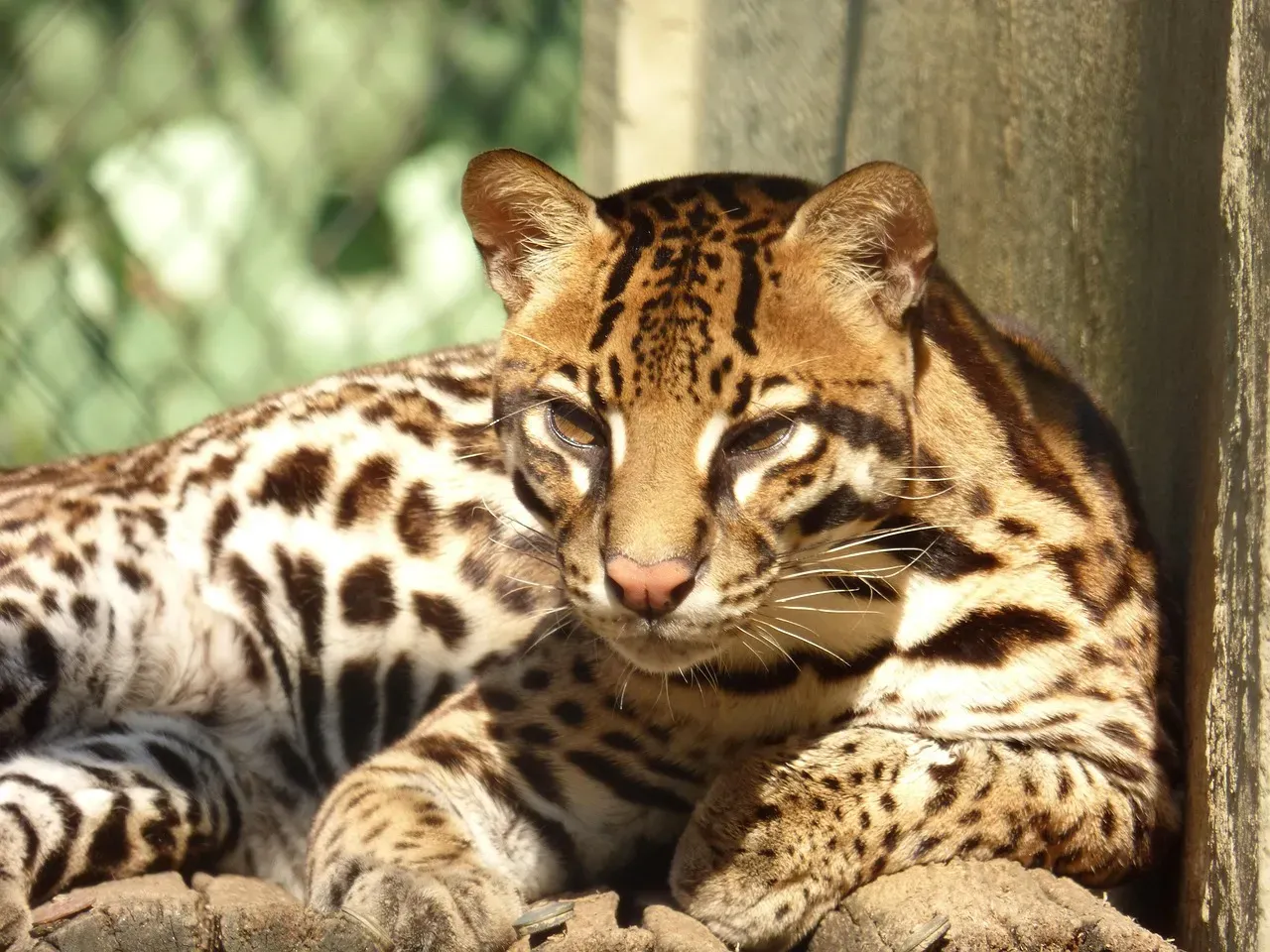
You might think of ocelots as rain‑forest cats from nature documentaries, but a small, struggling population still lives in the United States. If you head to extreme southern Texas – especially the Lower Rio Grande Valley – you step into the last stronghold of ocelots north of Mexico. Historically, ocelots occurred farther north into Texas, Arizona, and even states like Arkansas and Louisiana, but habitat loss, hunting, and road mortality pushed them back. Today, they are mainly confined to dense thornscrub, coastal prairie, and low, tangled brush near the Mexican border, with only a few dozen individuals left in the U.S. ([en.wikipedia.org](https://en.wikipedia.org/wiki/Cats_in_the_United_States?utm_source=openai)) You can think of their preferred habitat as “impenetrable brush” from a human perspective – exactly the kind of spiny, tangled vegetation you might want to avoid but an ocelot absolutely loves. This heavy cover gives them the concealment they need to stalk small mammals, birds, and reptiles, and to move safely in landscapes crisscrossed by roads, farms, and development. If you ever drive at night in ocelot country, slowing down on back roads can literally mean the difference between life and death for one of these cats. Their survival in the U.S. now depends on protecting and reconnecting tiny scraps of native thornscrub that most people once wrote off as useless. ([wildcatconservation.org](https://wildcatconservation.org/wild-cats/north-america/?utm_source=openai))
6. Jaguarundi – The Low‑Slung Mystery Cat of the Borderlands
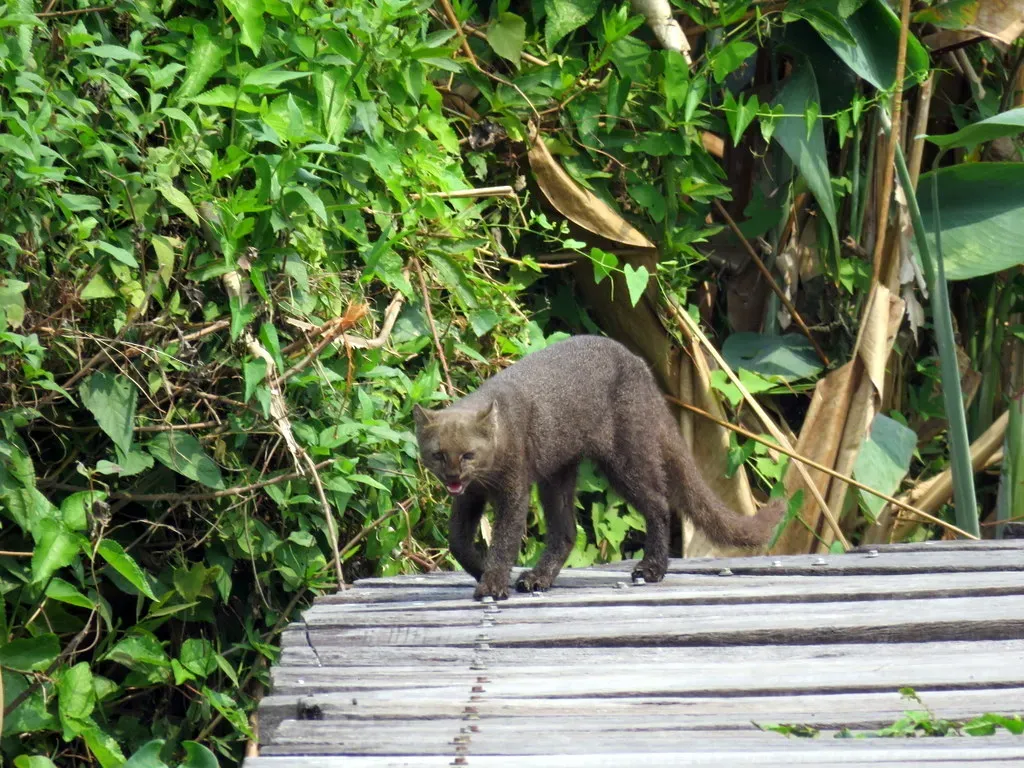
Jaguarundis are the wild cats you almost never hear about, yet they have one of the longest north–south ranges in the Americas, stretching from central Argentina up through much of Central America and into northern Mexico. Historically, they also reached into southern Texas, especially along the lower Rio Grande Valley, and some records suggest they once occurred slightly farther north into neighboring states. Today, they’re considered possibly extirpated from the United States, but they still live just across the border in Mexico, keeping the door open for the possibility of a return if habitat and connectivity improve. ([en.wikipedia.org](https://en.wikipedia.org/wiki/Jaguarundi?utm_source=openai)) If you saw one in the wild, you might mistake it for something between an otter, a weasel, and a house cat. Jaguarundis have long, low bodies, short legs, small rounded heads, and solid‑colored coats in gray, brown, or reddish tones. They use a mix of habitats: brushy woodland, savanna, river corridors, and even more open areas than most spotted small cats can tolerate, which helps explain their broad distribution farther south. Along the U.S.–Mexico border, their fate is tightly tied to the same thornscrub and riparian thickets that ocelots depend on. If you care about keeping that landscape wild and connected, you’re also keeping a door cracked open for one of the strangest and least‑known wild cats in North America. ([felidaefund.org](https://felidaefund.org/learn/cats?utm_source=openai))
7. The “Wildcat” Debate – European Wildcat vs. North American Wildcats
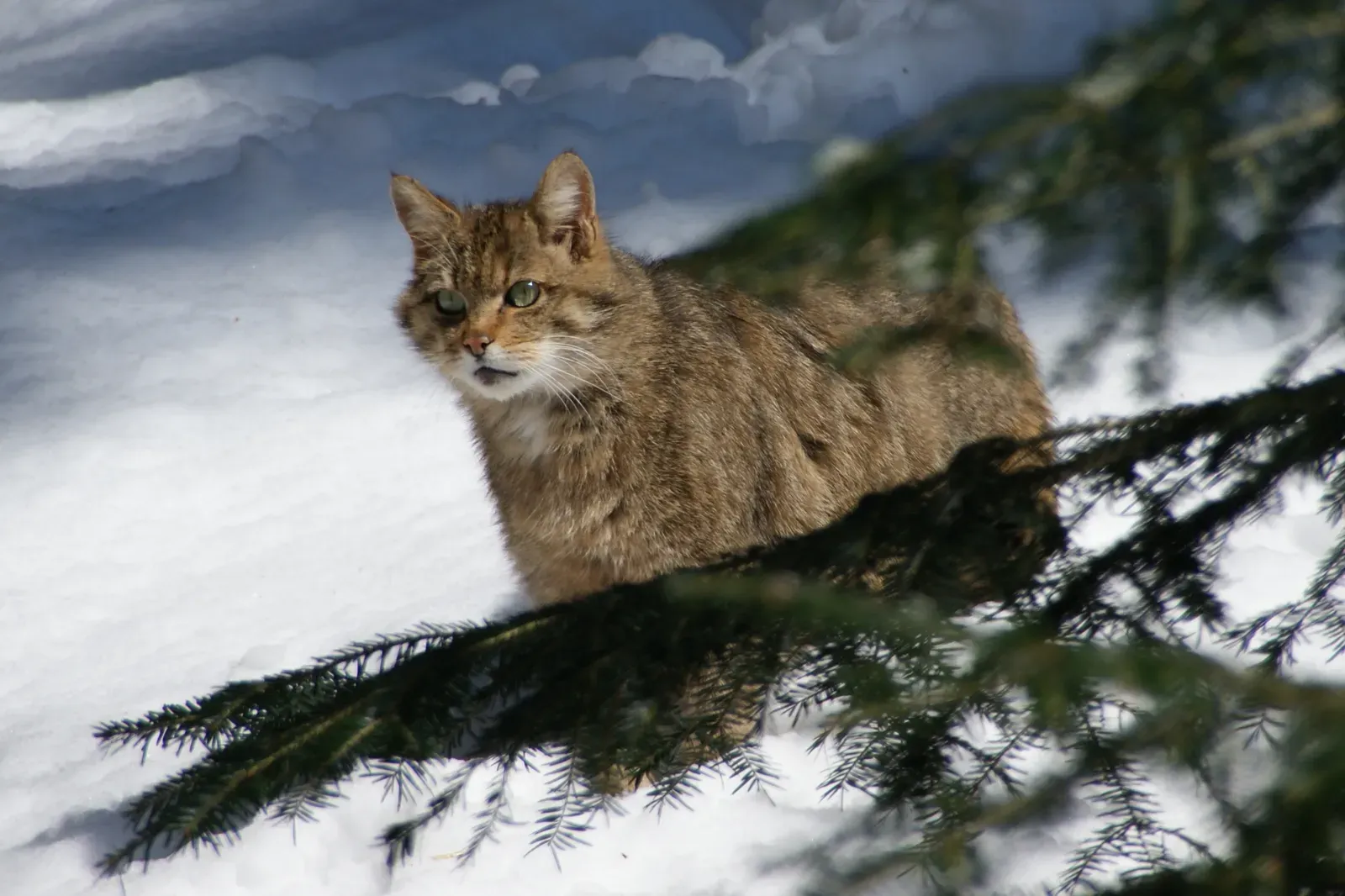
When you hear the word “wildcat,” you might picture a scruffy, oversized version of a house cat prowling a farmyard. In Europe, that image fits the European wildcat, but in North America the name gets used loosely for several different species, especially bobcats and Canada lynx. You don’t currently have a true “wildcat” species from the Old World living naturally in North America; instead, your native wild cats belong to different lineages that arrived from Eurasia millions of years ago and evolved into the species you see today. ([pmc.ncbi.nlm.nih.gov](https://pmc.ncbi.nlm.nih.gov/articles/PMC7149466/?utm_source=openai)) This matters because common names can confuse you about what actually lives on your continent. In parts of the United States, people casually use “wildcat” to mean any small wild felid, from bobcats to feral domestic cats. From a biological point of view though, the wild cats still truly native to North America are the bobcat, Canada lynx, cougar, jaguar, ocelot, and jaguarundi (with jaguars just barely holding on at the northern edge of their historical range). When you get clear on which cats actually live here and where, you’re better equipped to understand which habitats need protection and how each species fits into the larger ecological puzzle. ([en.wikipedia.org](https://en.wikipedia.org/wiki/List_of_mammals_of_North_America?utm_source=openai))
Conclusion: Living on a Continent of Hidden Cats
Once you know these seven wild cats are out there, your mental map of North America changes. That patch of scrub on the edge of a Texas field stops being “waste ground” and becomes potential ocelot territory; a snowy track in a Maine forest becomes a possible path for a Canada lynx; a rocky canyon in Arizona turns into a place where, just maybe, a jaguar has passed under cover of darkness. You start to see the continent not just as roads and cities, but as overlapping home ranges, hunting routes, and migration corridors for animals that very rarely show themselves to you. You also realize something more personal: you’re not just a spectator here. The choices you and your communities make – about land use, roads, energy, and protected areas – decide whether these cats will still have room to live in fifty or a hundred years. You do not have to see a cougar on a trail or an ocelot slipping through thornscrub for them to matter; their presence is a kind of quiet promise that your continent is still, at its core, wild. Now that you know where they live, the real question is what kind of North America you want to share with them – one that squeezes them into the margins, or one that leaves enough space for their shadows to keep moving just out of sight?
Kristina is a young writer from India. An arts graduate and an avid content creator, Kristina is passionate about animals and wildlife. She enjoys exploring topics related to pet care, animal behavior, conservation, and nature, combining thorough research with engaging storytelling.