If your cat insists on curling up by your head every single night, you’re not imagining it: that spot is special. It can feel cute, confusing, flattering, and a little suffocating all at once, especially when whiskers tickle your face at 3 a.m. or you wake up with a furry hat where your hair should be.
Instead of writing it off as “just a cat thing,” you can actually learn a lot about your cat’s emotions, instincts, and relationship with you from this one quirky habit. When you understand why your cat chooses your head over your feet, the bedroom floor, or a plush cat bed, you start to see that behavior as communication, not random weirdness.
Your Head Smells Like Home to Your Cat
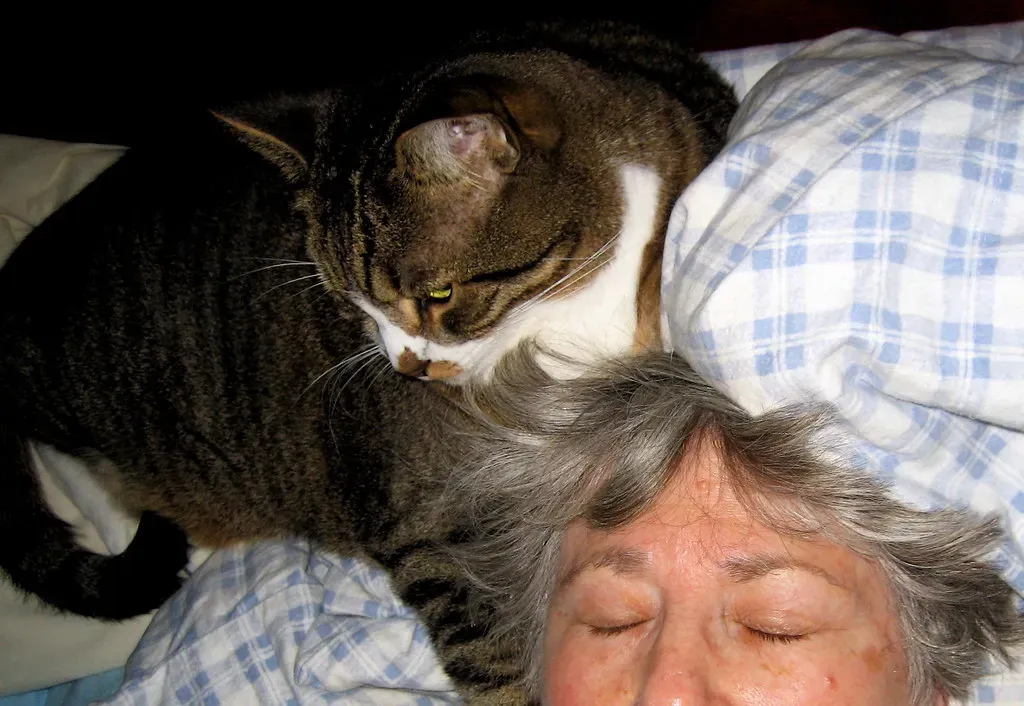
It’s surprisingly easy to forget that your cat lives in a world that’s ruled by scent more than sight or sound. Your scalp, hair, and pillowcase hold some of the strongest and most consistent smells in your entire bed: your natural skin oils, hair products, and the faint fragrance of your shampoo or detergent. To you, it’s just “how my pillow smells”; to your cat, it’s like a concentrated bottle of you.
When your cat curls up beside your head, they’re surrounding themselves with your scent, and that can feel incredibly reassuring to them. If you’ve ever noticed your cat burying their face into your hair, rubbing their cheeks along your pillow, or kneading near your head, they’re not just being affectionate; they’re also mingling their scent with yours. It’s their way of saying, “You and I belong to the same little family group.”
Your Cat Is Chasing Warmth in a Strategic Way
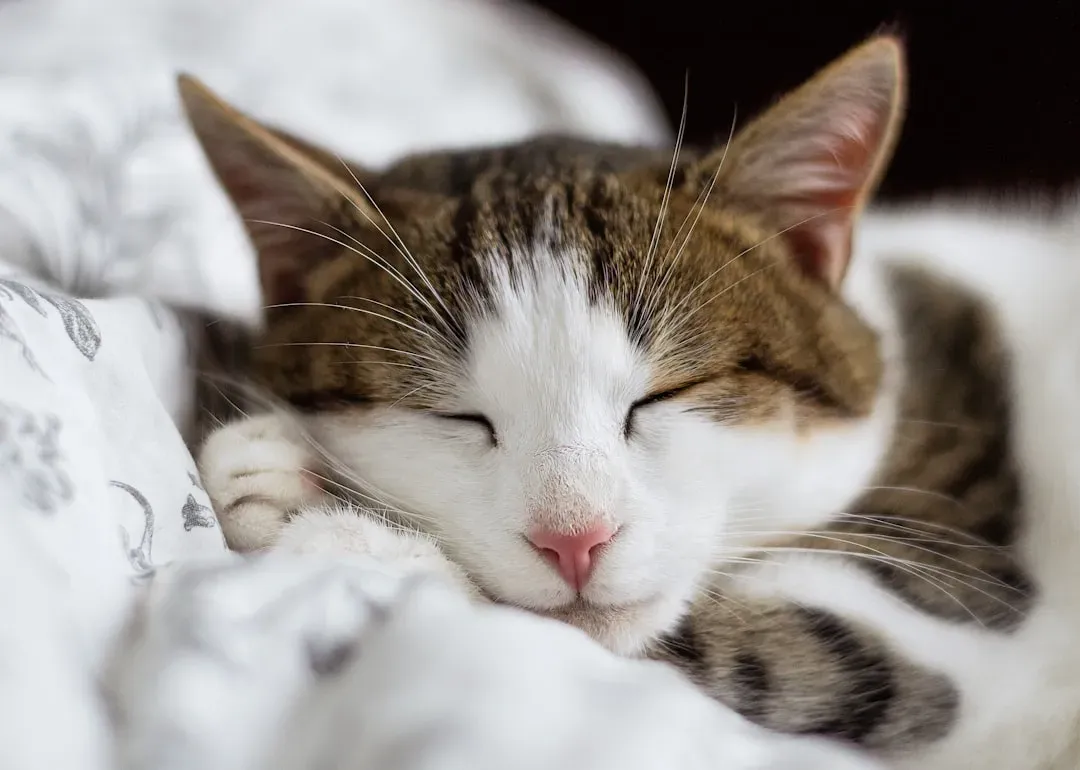
Your head and neck area give off a lot of body heat, often more consistently than your feet or legs under the blanket. Cats are naturally drawn to warm spots because they help conserve energy and keep muscles and joints comfortable. That’s why you’ll see your cat gravitate to sunbeams, laptops, heating pads, or that one chair the sunlight hits perfectly in the afternoon.
By sleeping next to your head, your cat gets the benefit of your warmth without the unpredictability of your tossing and turning. Your upper body, especially your head, tends to move a bit less dramatically than your legs, so it can actually be a safer, more stable heat source. In your cat’s mind, your head might be the cozy compromise between warmth and not getting kicked mid-dream.
Your Nighttime Routine Helps Your Cat Feel Secure
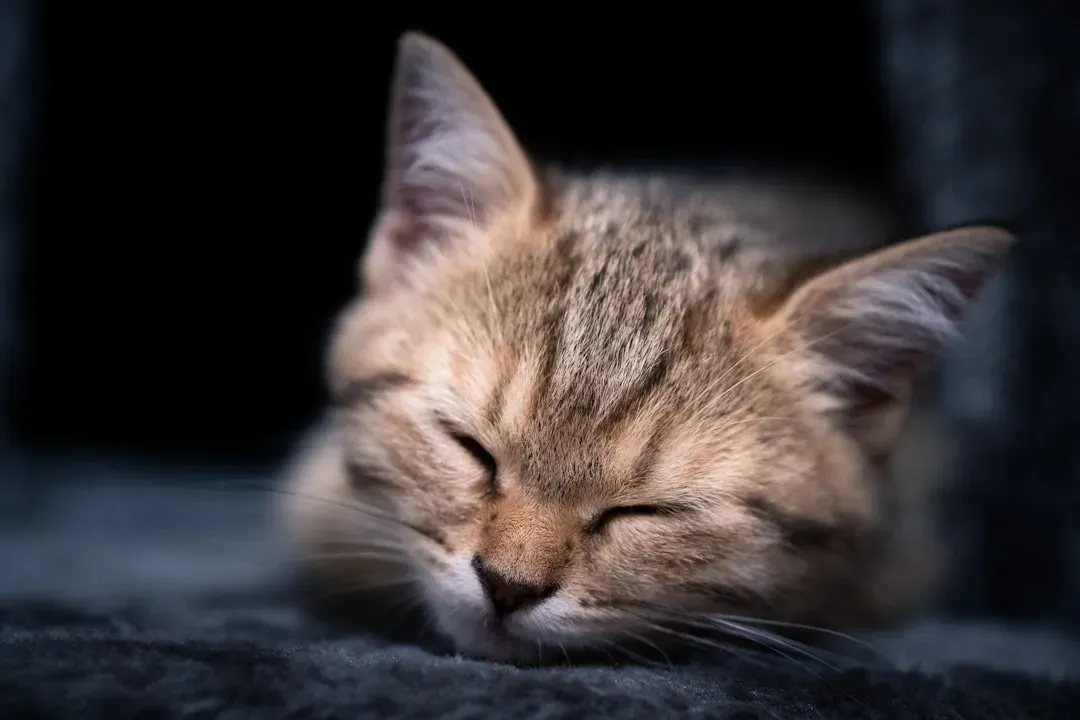
Think about how consistent your bedtime habits are: brushing your teeth, turning off certain lights, maybe scrolling your phone, then finally settling down. To your cat, all of that becomes a predictable pattern that signals “quiet, safe time now.” When you lie down in the same spot every night, you turn into an anchor in their environment, especially if the rest of the house feels a bit dark and mysterious after lights-out.
Sleeping beside your head lets your cat stay as close as possible to that anchor. If your cat is a bit anxious, sensitive to noise, or easily startled, your breathing and subtle movements can act like a reassuring background rhythm. It’s like how some people sleep better with the sound of a fan; for your cat, you are the fan: steady, familiar, and comforting.
Your Cat Might Be Guarding You in Their Own Quiet Way
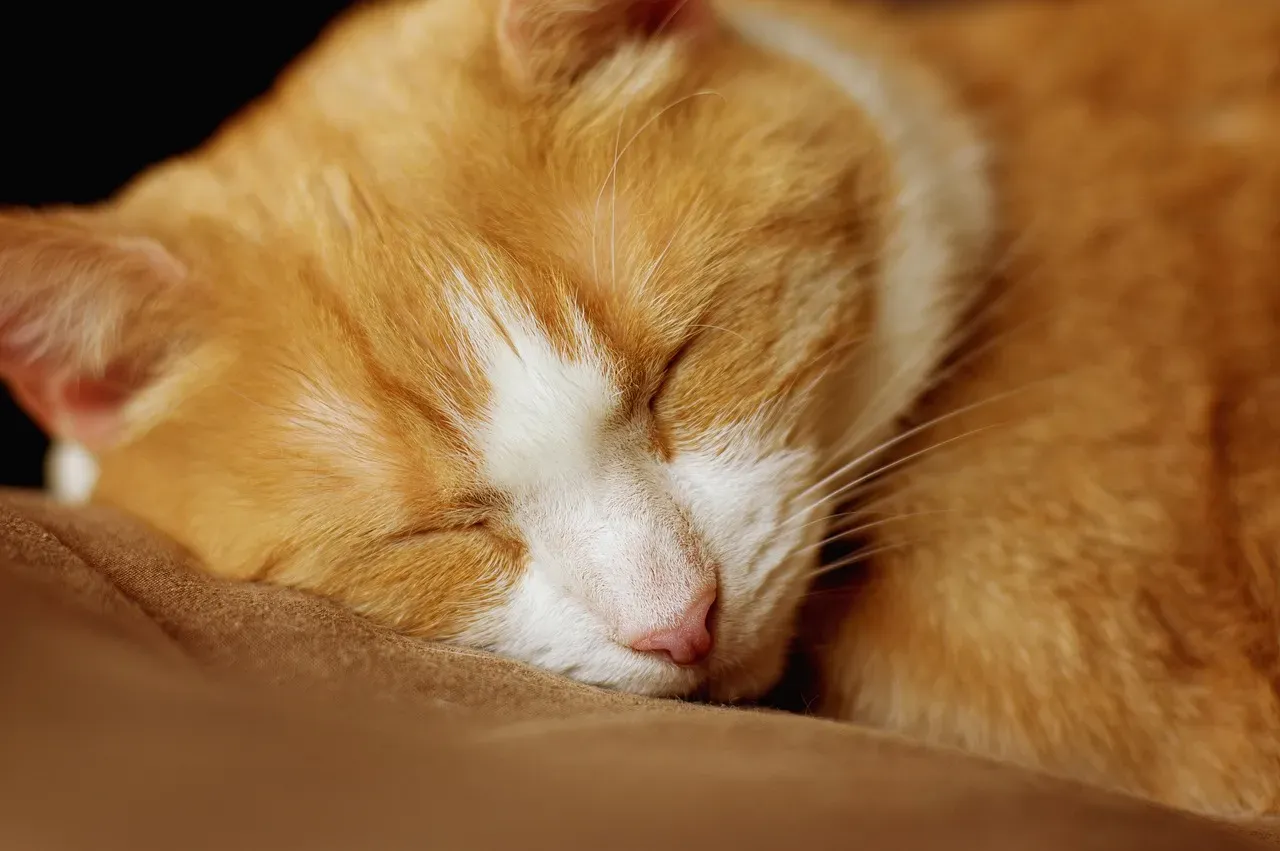
Even though your cat is not a guard dog, they still have a strong instinct to monitor their environment, especially when things are quiet and dark. Sleeping near your head gives them a prime vantage point to hear approaching sounds, sense movement, and react quickly if something feels off. It may not look dramatic, but that choice of position can be a subtle form of watchfulness.
You might notice that your cat’s ears twitch at night, or they suddenly lift their head, listen, then settle back down. From that spot near your head, they can keep tabs on both you and the room. It’s not that they think you’re helpless, but your presence is part of their territory, and they’re invested in keeping that territory safe. In their own quiet little feline way, they may be “on duty” while you sleep.
Your Cat Trusts Your Head More Than Your Feet
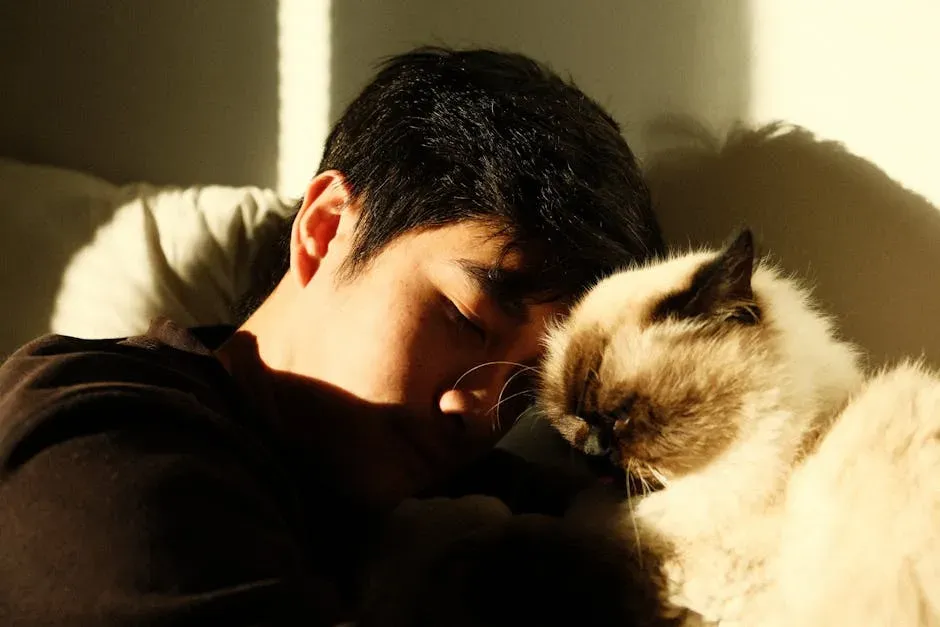
If you’ve ever accidentally nudged your cat with your knee or flopped a leg onto them, you already know your lower body can be pretty unpredictable while you sleep. Over time, your cat learns where the “safe zones” are on your bed. The area around your head is usually more stable and less likely to send them flying off the mattress in the middle of the night.
By choosing to sleep near your head, your cat is making a practical decision based on experience: this spot is less chaotic and easier to relax in. It also brings them close to your face, where your breaths are slow and rhythmic and your hands are nearby if they want a late-night chin scratch. It’s as if they’ve mapped you out and decided, “This is the calm end of the human; I’ll stay here.”
Your Cat Uses the Head Spot to Strengthen Your Bond
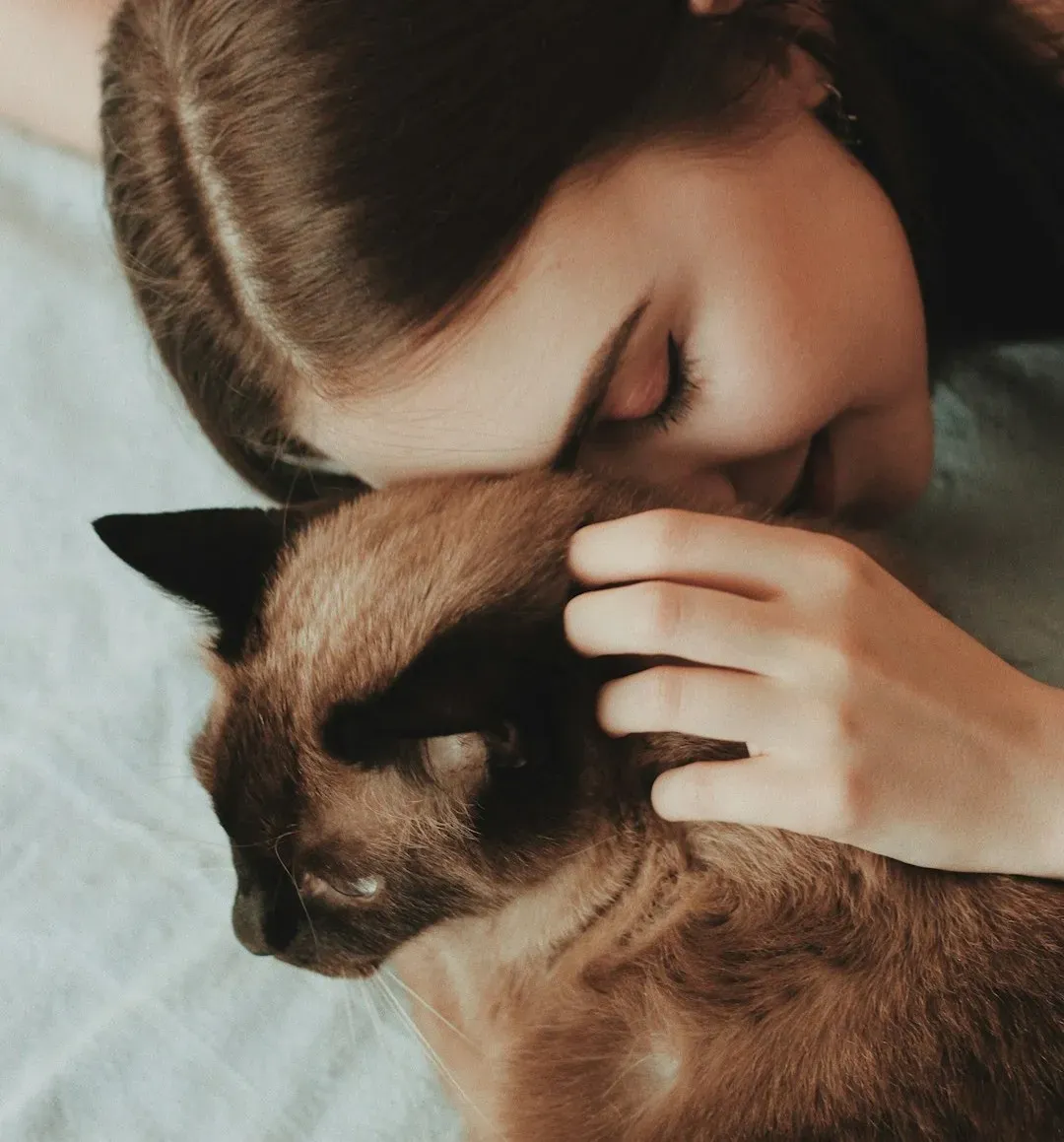
Sharing sleep is a big deal in the animal world. When a cat chooses to sleep close to your most vulnerable area – your head and neck – they’re basically announcing that they feel safe with you. In multi-cat households, you’ll often see cats that truly get along pile up together, touching backs or even draping tails over each other. When your cat does the human version of that with you, they’re treating you like part of their trusted inner circle.
You might also notice that these head-side sleep sessions are when you get the most purring, slow blinking, or gentle head bumps. Your cat is piling social behaviors on top of a naturally intimate situation. The result is that the more they do it, the more that routine reinforces your shared bond. It can turn into a nightly ritual that makes your cat feel rooted in your relationship and in your home.
Your Cat May Be Managing Stress or Change
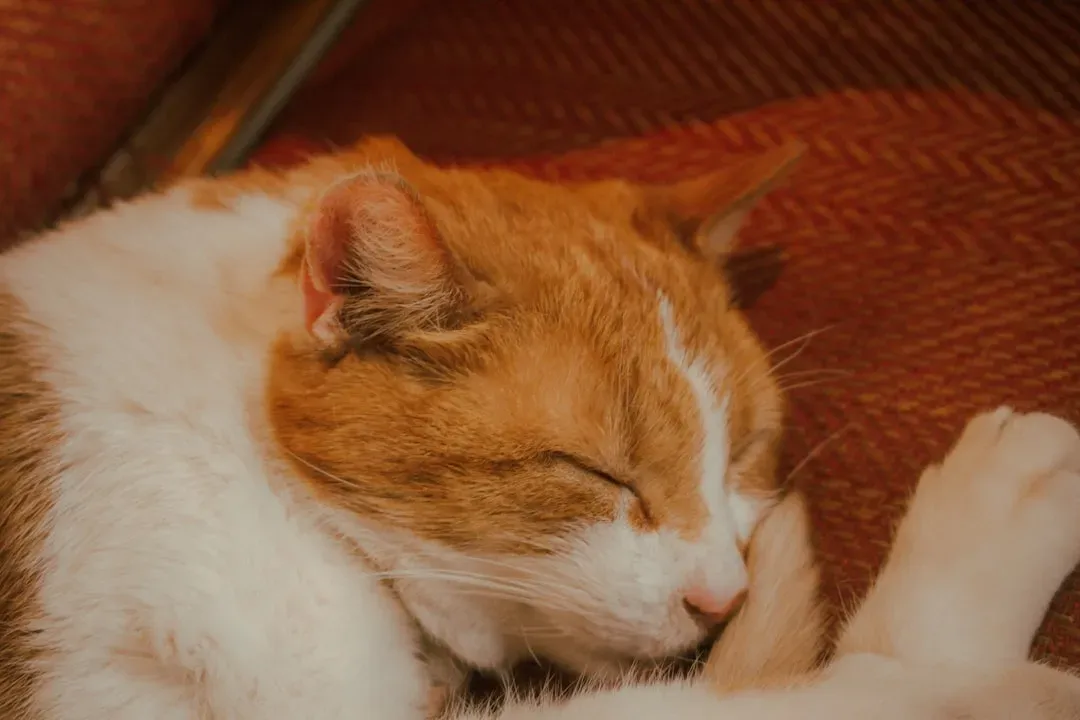
Sometimes, a cat that suddenly starts sleeping near your head more than usual is reacting to stress, change, or mild anxiety. New furniture, a recent move, a new partner, baby, or pet in the house – all of that can shake up your cat’s sense of stability. When that happens, they often cling more tightly to the most reliable, familiar thing they know: you.
If you notice your cat becoming extra attached at night right after a big change, you can read that as a sign they’re looking for extra reassurance, not just extra pillow real estate. Sleeping beside your head lets them feel your presence in the most direct way – your smell, your breathing, your subtle movements. You can quietly support them by keeping bedtime as calm and consistent as possible and making sure they have a predictable daytime routine as well.
How to Set Boundaries Without Damaging Trust
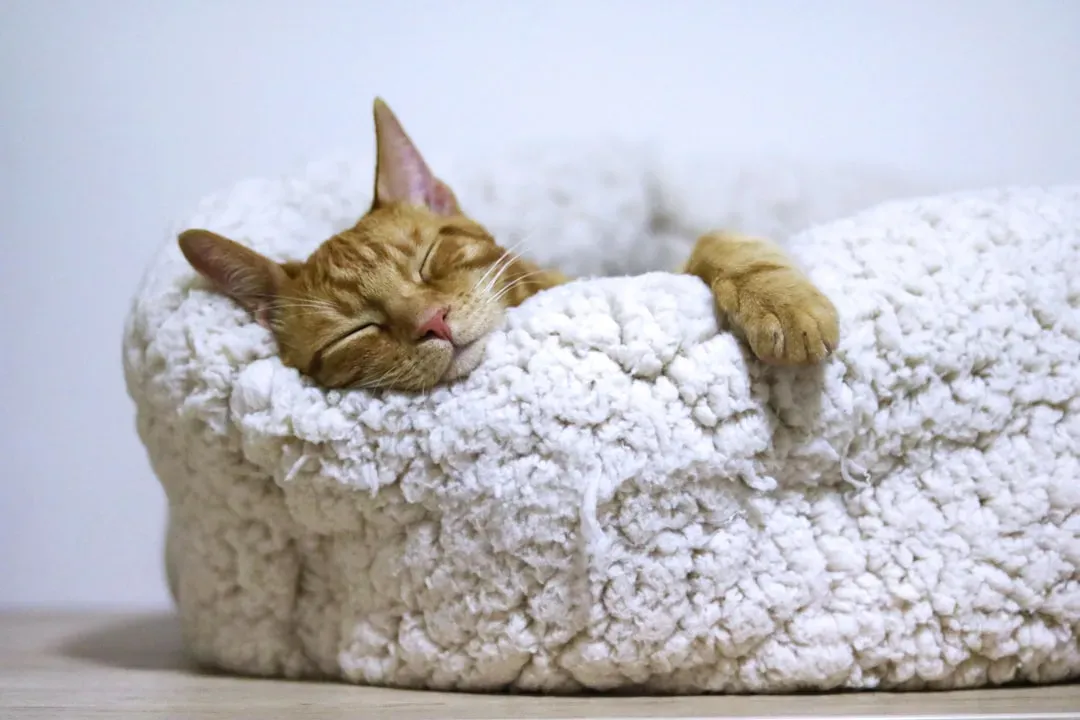
Of course, sometimes having a cat parked by your head all night is just too much – especially if you’re dealing with allergies, light sleep, or the occasional nose-boop at 4 a.m. You’re allowed to want rest as much as your cat wants closeness. The key is to set boundaries in a way that doesn’t feel like punishment or rejection from your cat’s perspective.
You can start by offering an appealing alternative very close to you: a soft cat bed or blanket near your pillow, or at the top corner of your bed. Gently redirect them there every night, staying calm and consistent. Over time, your cat can learn that “beside your head” can mean a specific, nearby spot that lets them enjoy your warmth and scent without literally breathing into your ear. That way, both of you get what you need: security for them, sleep for you.
When Head-Sleeping Might Signal a Health Issue
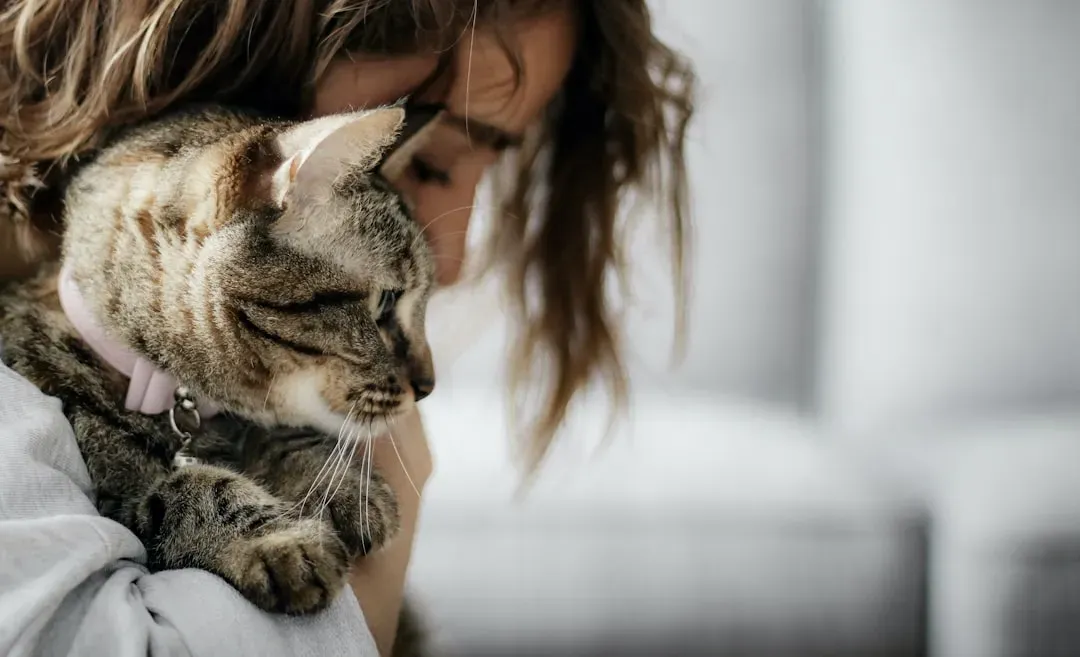
Most of the time, a cat snoozing near your head is harmless and even sweet, but it’s worth paying attention if the behavior changes suddenly and dramatically. If your cat starts clinging to you at night much more than usual, seems restless, vocal, or can’t seem to settle, it might be a clue that something is off physically or emotionally. Cats are masters at hiding discomfort, so changes in sleep habits can be one of the few visible hints.
You’ll want to watch for other subtle signs: changes in appetite, weight, grooming, litter box use, or how much they hide or interact. If your cat’s new head-sleeping obsession comes packaged with any of those shifts, it’s wise to talk to a veterinarian rather than just chalking it up to affection. Trust your gut; you know your cat’s normal behavior better than anyone, and noticing a pattern early can make a real difference.
Conclusion: Your Cat’s Favorite “Pillow” Is Actually You
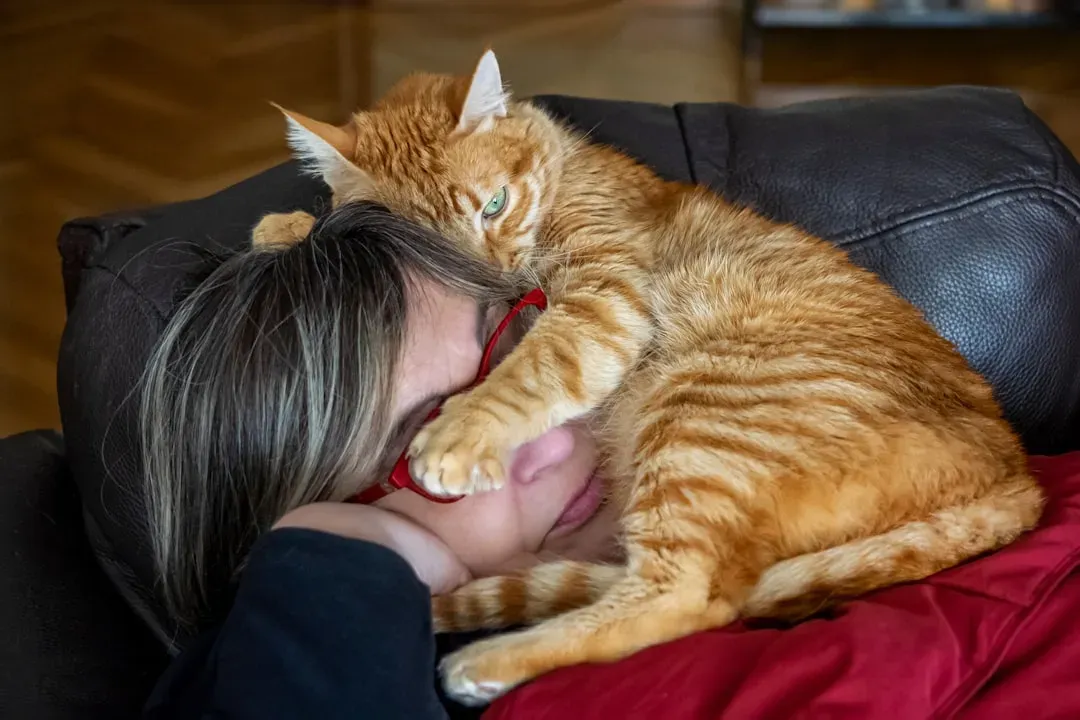
When your cat curls up by your head every night, it’s rarely about the shape of your pillow and almost always about how you make them feel. Your warmth, your smell, your steady breathing, and your predictable bedtime rhythm all combine into a powerful sense of safety and comfort for them. They are choosing the spot that feels the most secure and emotionally satisfying, even if it occasionally costs you a good night’s sleep.
Once you start seeing this habit as a complex mix of instinct, trust, and love, it becomes easier to decide how you want to respond – whether you lean into the nightly cuddle or gently nudge your cat toward a nearby compromise spot. Either way, that persistent head-side sleeping is your cat’s way of saying you’re their safe place. Now that you know what it really means, how will you treat those late-night purrs the next time you feel whiskers brushing your cheek in the dark?
Kristina is a young writer from India. An arts graduate and an avid content creator, Kristina is passionate about animals and wildlife. She enjoys exploring topics related to pet care, animal behavior, conservation, and nature, combining thorough research with engaging storytelling.