You call your cat’s name in your sweetest voice, and they glance over, blink slowly… and then go right back to licking their paw like you don’t exist. It feels a little insulting, especially if you’re used to dogs practically sprinting toward you at the faintest sound of their leash. But beneath that aloof surface, your cat is usually a lot more tuned in to you than they let on.
Modern research suggests that cats can reliably recognize their owner’s voice, even when they stay put and pretend to ignore you. That means the cold shoulder you’re getting is often a conscious choice, not confusion. Once I realized my own cat knew my voice perfectly well and was still choosing the couch over me, it changed the way I saw every slow blink and tail flick.
#1 The Science: Cats Know Exactly Who’s Calling Them
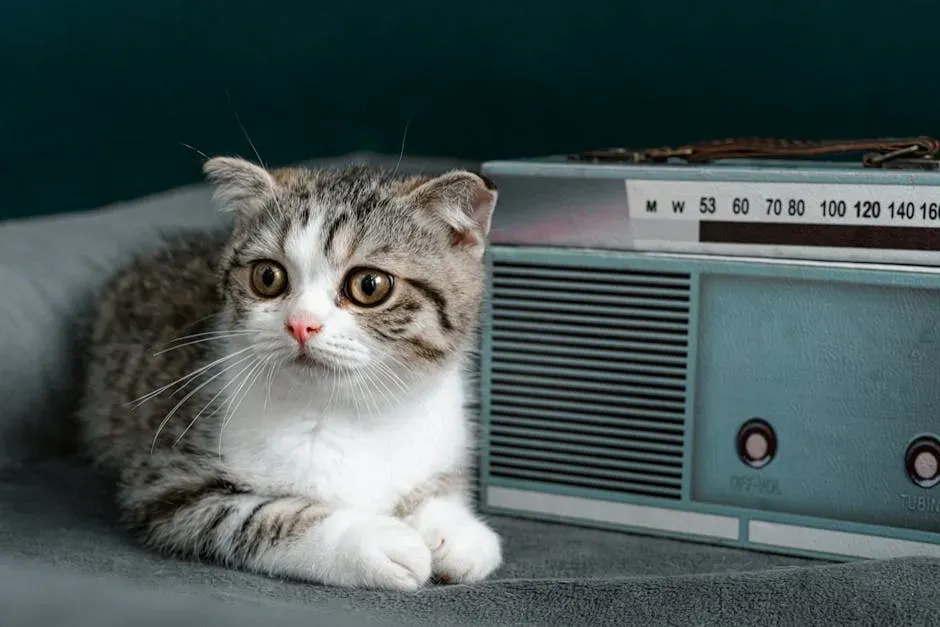
One of the most surprising things about cats is that they are actually very good at distinguishing between different human voices. Studies using recordings of owners and strangers have shown that many cats respond differently when they hear their own person, even if they do not move toward them. Their ears twitch, their eyes shift, and their heads turn slightly more when it is the familiar voice, which means they are paying attention on a level that is easy to miss if you only look for obvious reactions.
What this tells us is that cats are not confused when you call them from the kitchen and they choose to remain in the bedroom. They heard you, recognized your voice, and processed the sound as meaningful, then decided whether it was worth getting up. To me, that feels less like a communication failure and more like living with a furry roommate who understands you but has their own priorities.
#2 Why Your Cat Hears You but Doesn’t Come
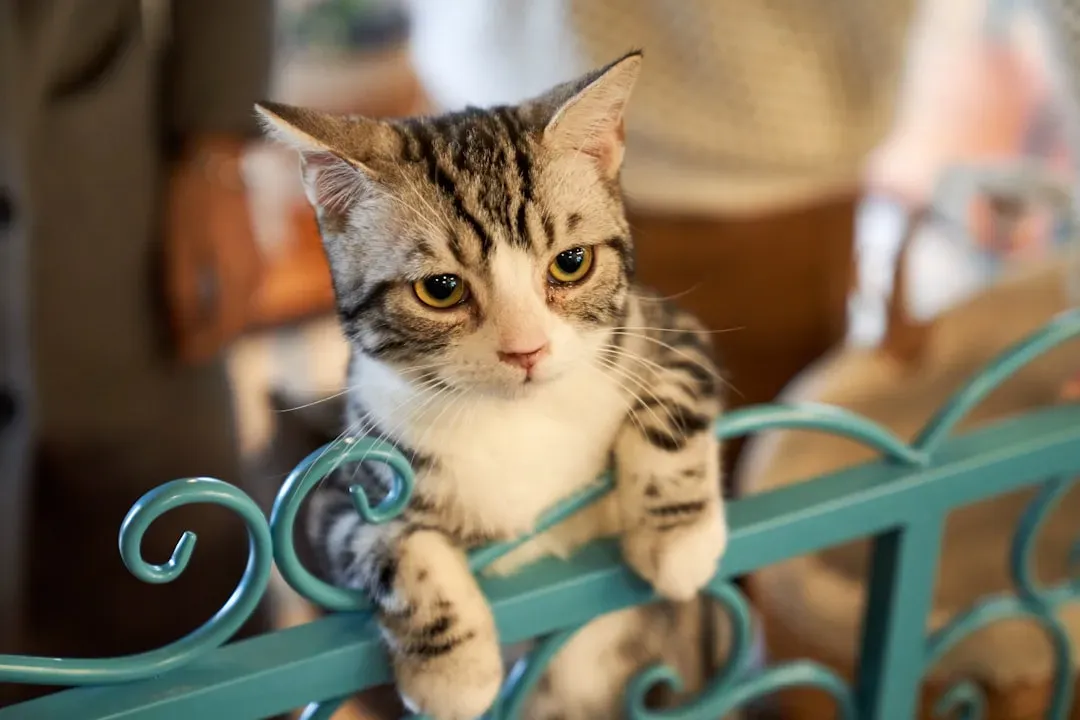
This is the part that stings: recognition does not automatically equal obedience. Cats are not wired like dogs, who have been selectively bred for thousands of years to respond to human cues and work closely with us. Cats remained more independent even through domestication, so their response to your voice is filtered through a simple question: does this benefit me right now? If the answer feels like no, they will stay exactly where they are, even if they love you deeply.
Think of it like getting a text message while you are on the couch after a long day. You see the notification, you know who it is, but you decide you are too tired to answer immediately. That is your cat when you call them without offering anything especially rewarding. They are not confused, broken, or uncaring; they are just making a cost‑benefit calculation with their nap ranking very high on the list.
#3 How Cats Actually Show They Recognize Your Voice
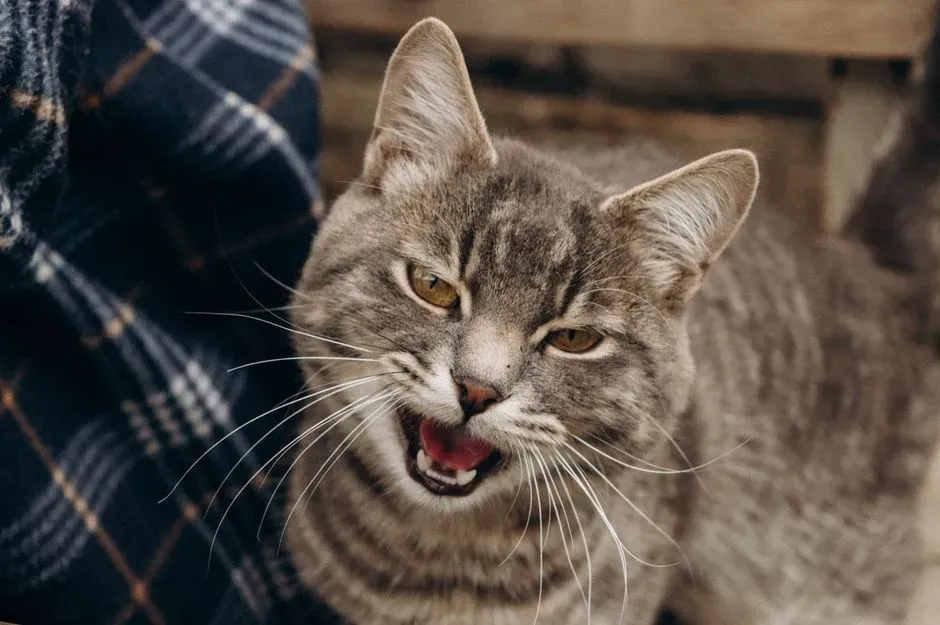
Because cats often do not run to you when you call, it is easy to assume they are ignoring you completely, but their bodies usually tell a different story. Many cats show recognition in subtle shifts, like rotating their ears slightly toward the sound, pausing mid‑groom, or opening their eyes from a half‑sleep when they hear your voice versus a stranger’s. These are small, quiet acknowledgments that say, in cat language, that they know it is you.
Some cats will give what I think of as the “lazy greeting” when they hear their person nearby: a tail twitch, a soft chirp, or a slow blink from across the room without actually moving their feet. Others might walk a few steps closer, then flop dramatically on the floor as if to say, you can come the rest of the way. Once you start noticing these micro‑responses, it becomes obvious that they are listening to you far more often than you realized.
#4 Voice Recognition, Bonding, and Attachment
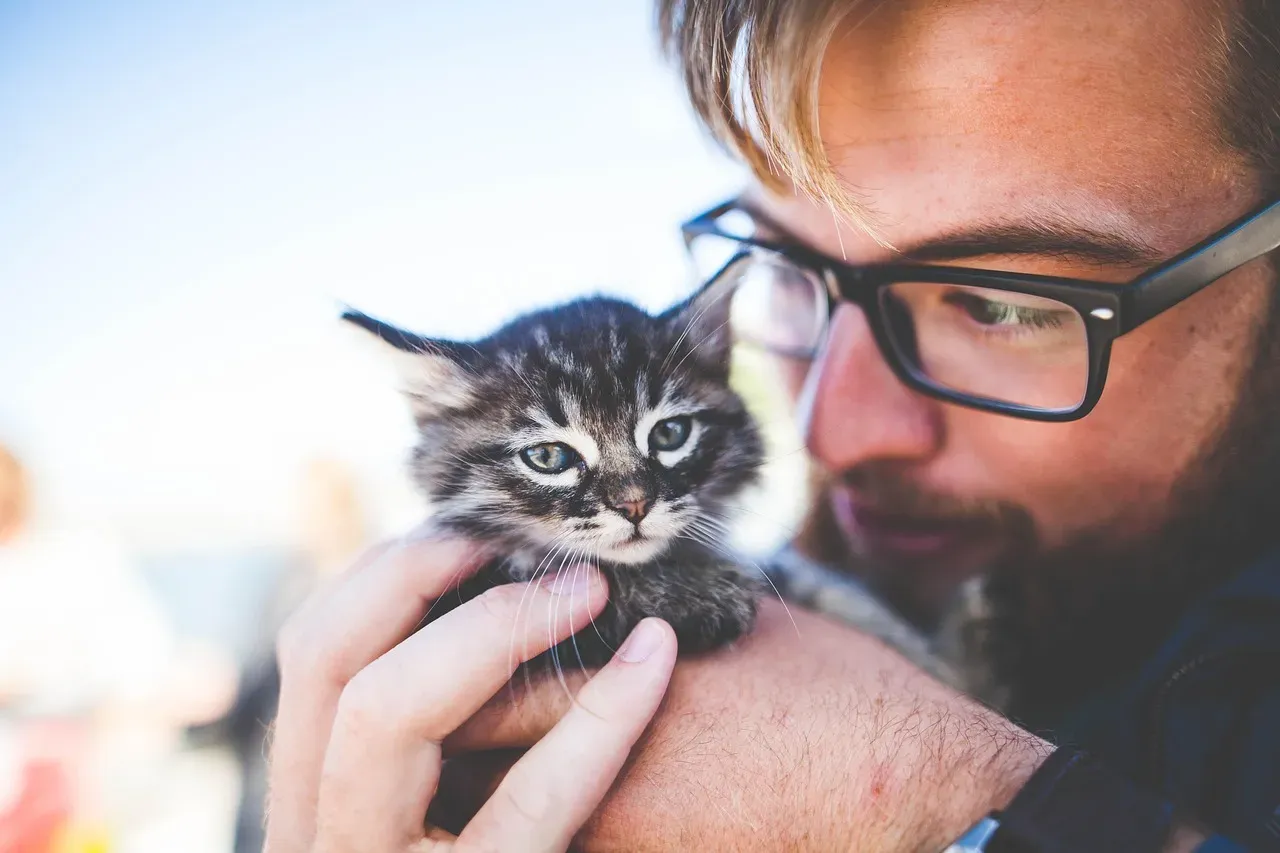
Even though cats act independent, their ability to recognize your voice is a sign of a real social bond, not just casual coexistence. Many cats form secure attachments to their owners, seeking them out for reassurance, comfort, or routine interactions, and recognizing a familiar voice fits right into that picture. It is one of the ways your cat orients themselves emotionally in their environment, much like we feel calmer when we hear a loved one in the next room.
In stressful situations, such as vet visits or unfamiliar places, a familiar voice can sometimes help a cat feel slightly more grounded, even if they still appear tense. Your cat might not leap into your arms, but they may soften their posture, blink more slowly, or at least look toward where your voice is coming from. That is why I am convinced that talking to your cat, even when they seem uninterested, quietly strengthens the relationship over time.
#5 Training Your Cat to Actually Come When Called

The good news is that recognition gives you a powerful starting point for training, because your cat already knows your voice; you just need to teach them that coming when you call is worth it. Many people have success pairing a specific word or sound with something appealing, like treats or meals. Over time, the cat starts to associate that sound with a reward, which nudges their natural calculation more in favor of getting up and coming over.
This does not turn a cat into a robot, and it definitely will not erase their personality, but it can shift the odds. If you are consistent and patient, you may notice your cat moving from a half‑hearted ear twitch to actually padding over when they hear that familiar cue. I have seen cats who act completely indifferent most of the day suddenly sprint from another room the moment they hear their name paired with a food sound, which proves they are fully capable of responding when the motivation feels strong enough.
#6 When Ignoring You Is a Message in Itself
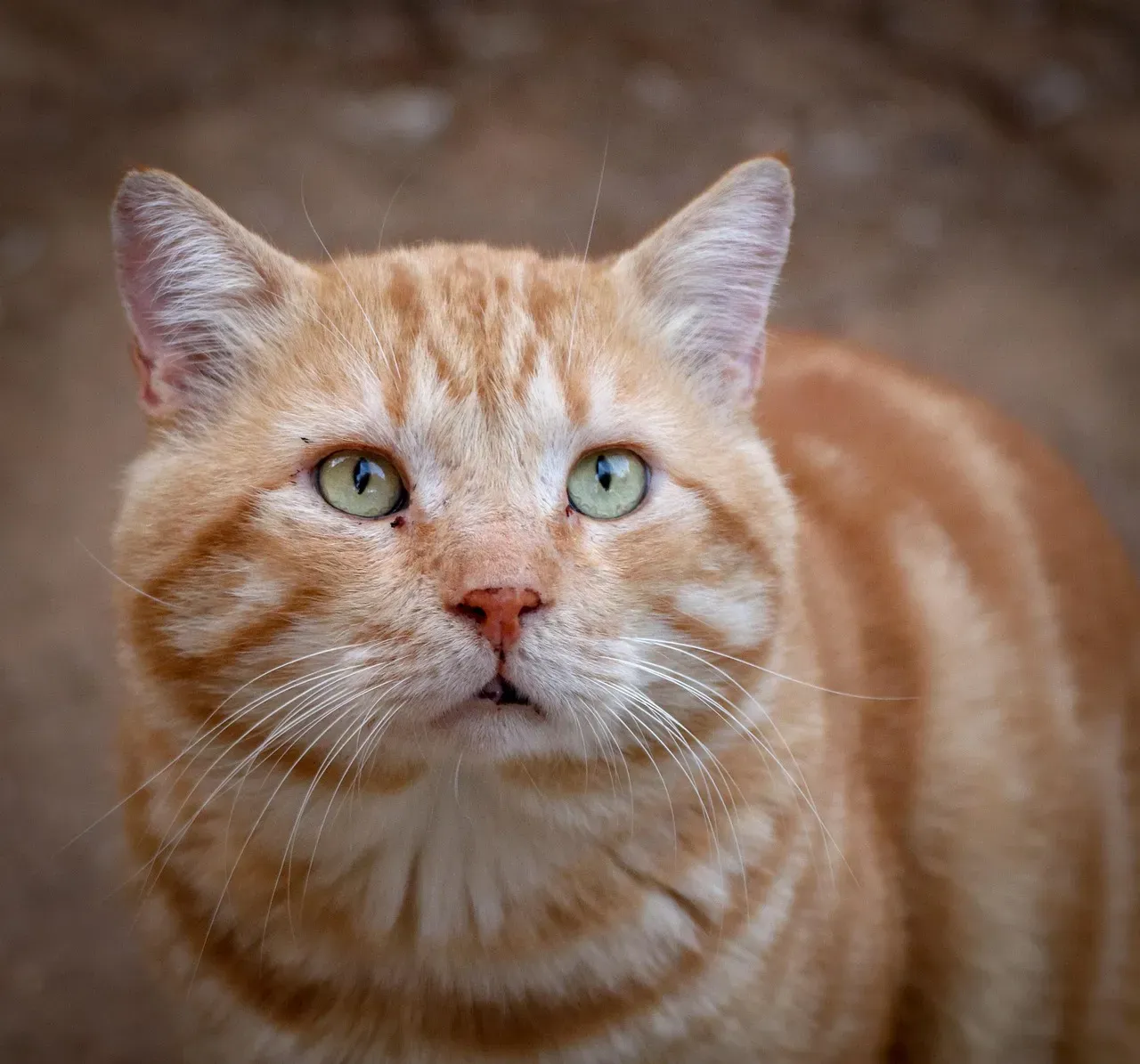
Sometimes, a cat’s choice not to approach is not just laziness, but communication. If a cat consistently stays away when you call from a particular spot, like near the carrier or around loud appliances, they might be associating your voice in that context with something they dislike or fear. In those cases, the lack of response can be a clue that they are anxious or uncomfortable rather than simply uninterested, and that deserves attention.
Changes in behavior can be especially revealing: a cat who once came when you called but suddenly stops might be in pain, stressed, or feeling unsafe. Their decision not to respond can be their version of withdrawing from social contact, which is often a warning sign. I am a big believer that when a cat “ignores” you out of character, it is worth asking what might have changed in their world instead of just taking it personally.
#7 What Your Cat’s Selective Hearing Really Says About Them

To me, the fact that cats recognize our voices yet still reserve the right not to respond is part of what makes them so fascinating. It pushes us to accept that they are not small, furry people‑pleasers, but thinking, feeling animals with their own preferences, moods, and boundaries. They are aware of us, deeply familiar with our sounds and routines, but they choose when to participate instead of automatically obeying, and I find that oddly respectful.
If anything, I think we should stop interpreting a lack of approach as a lack of affection and start seeing it as part of the unique deal we signed up for when we brought a cat into our lives. You are sharing space with a creature that hears you, knows you, and still demands the freedom to decide how to respond each time. That stubborn streak is not a flaw in the relationship; it is part of its charm. Knowing that, does it feel a little different the next time your cat “ignores” you from across the room?
Kristina is a young writer from India. An arts graduate and an avid content creator, Kristina is passionate about animals and wildlife. She enjoys exploring topics related to pet care, animal behavior, conservation, and nature, combining thorough research with engaging storytelling.