If your home is full of tiny feet, dropped toys, surprise squeals, and never-ending activity, you’re not alone. That kind of joyful chaos can be wonderful for kids, but not every cat will see it that way. Some breeds are wired for a calmer, more predictable environment, and bringing them into a noisy, high-energy home can quietly set everyone up for stress and disappointment – including you.
When you choose a breed that’s naturally sensitive, easily overstimulated, or deeply attached to routine, the constant rush of a busy family can feel like living next to a fireworks display that never ends. You might see hiding, scratching, peeing outside the box, or even hissing that you never expected. By understanding which breeds are more likely to , you give yourself a better chance of finding a cat who truly fits your life instead of constantly fighting against it.
Siamese: Sensitive Socialites Overwhelmed by Chaos
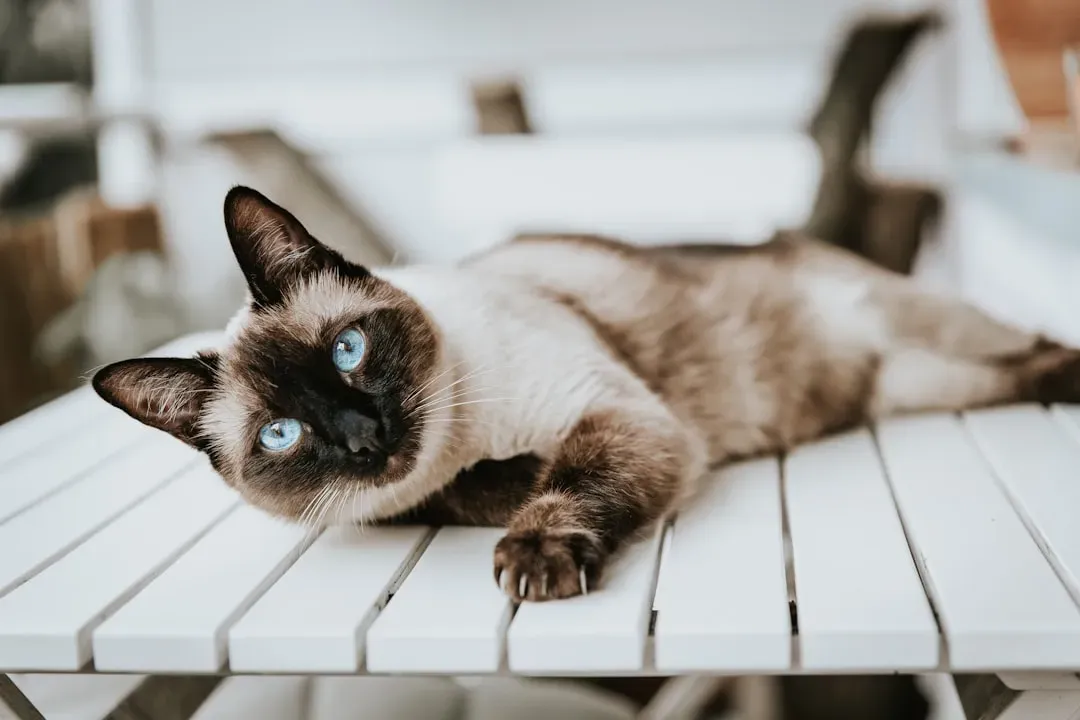
You might think a chatty, people-focused Siamese would thrive in a family with kids, but there’s a twist: they crave attention on their terms and can be surprisingly sensitive to noise and overhandling. A Siamese often bonds intensely with one or two people, and when a whirlwind of children keeps interrupting their chosen person, that can lead to possessive or anxious behavior. Their famously loud voice is not just personality; it can also be a way of expressing stress when the environment feels too busy.
In a very noisy home, a Siamese may start to hide more or become demanding and clingy, which can be tough if you’re juggling work, kids, and housework. They do best when you can offer focused, calm interaction, puzzle toys, and predictable routines rather than constant unpredictable touch from little hands. If you love Siamese cats and have young kids, you’d need clear boundaries, cat-only safe zones, and lots of education for your children about how to read feline body language.
Russian Blue: Quiet Souls That Crave Calm
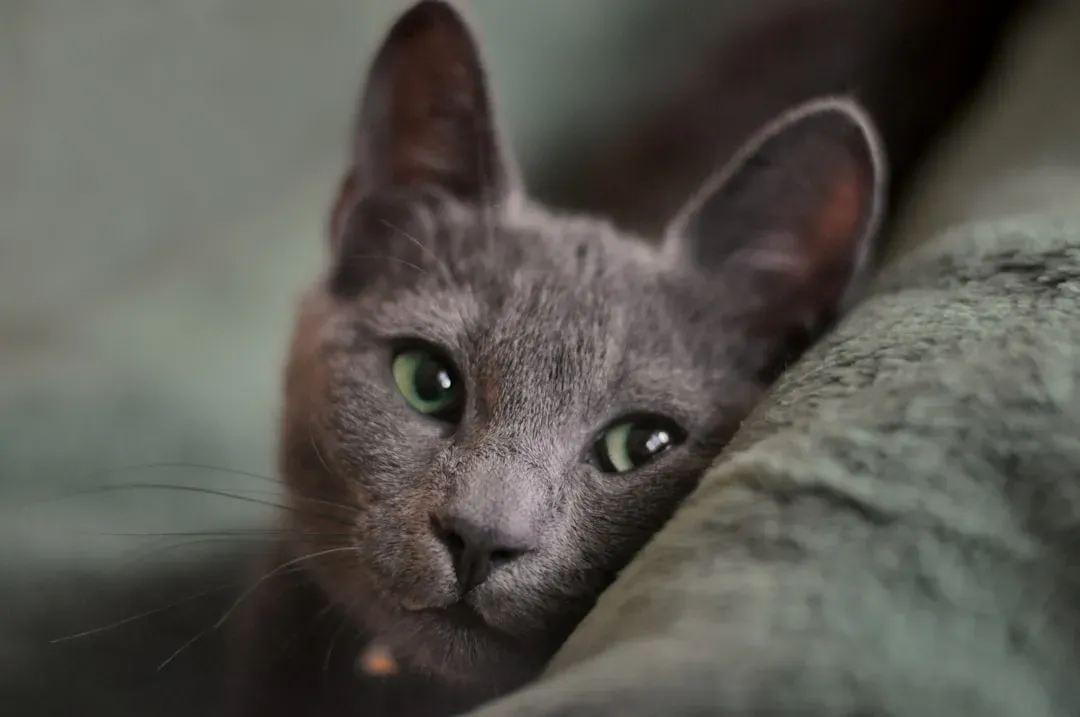
If you imagine your ideal evening as soft lighting, a book, and a cat curled gently at your side, that’s where the Russian Blue shines. This breed tends to be reserved with strangers, slow to warm up, and easily startled by sudden movements and loud sounds. In a home where toys crash, doors slam, and someone is always yelling from another room, a Russian Blue can end up spending most of the day hiding under the bed.
You’ll notice that a Russian Blue in a noisy household may eat less, avoid the litter box when others are nearby, or only appear at night when the kids are asleep. They thrive in environments where guests are occasional, voices are moderate, and you respect their need for personal space. With young children still learning impulse control, it’s very hard to give a sensitive cat like this the predictability and gentle handling it truly needs to feel safe and confident.
Persian: Gentle Lap Cats Who Hate Hustle
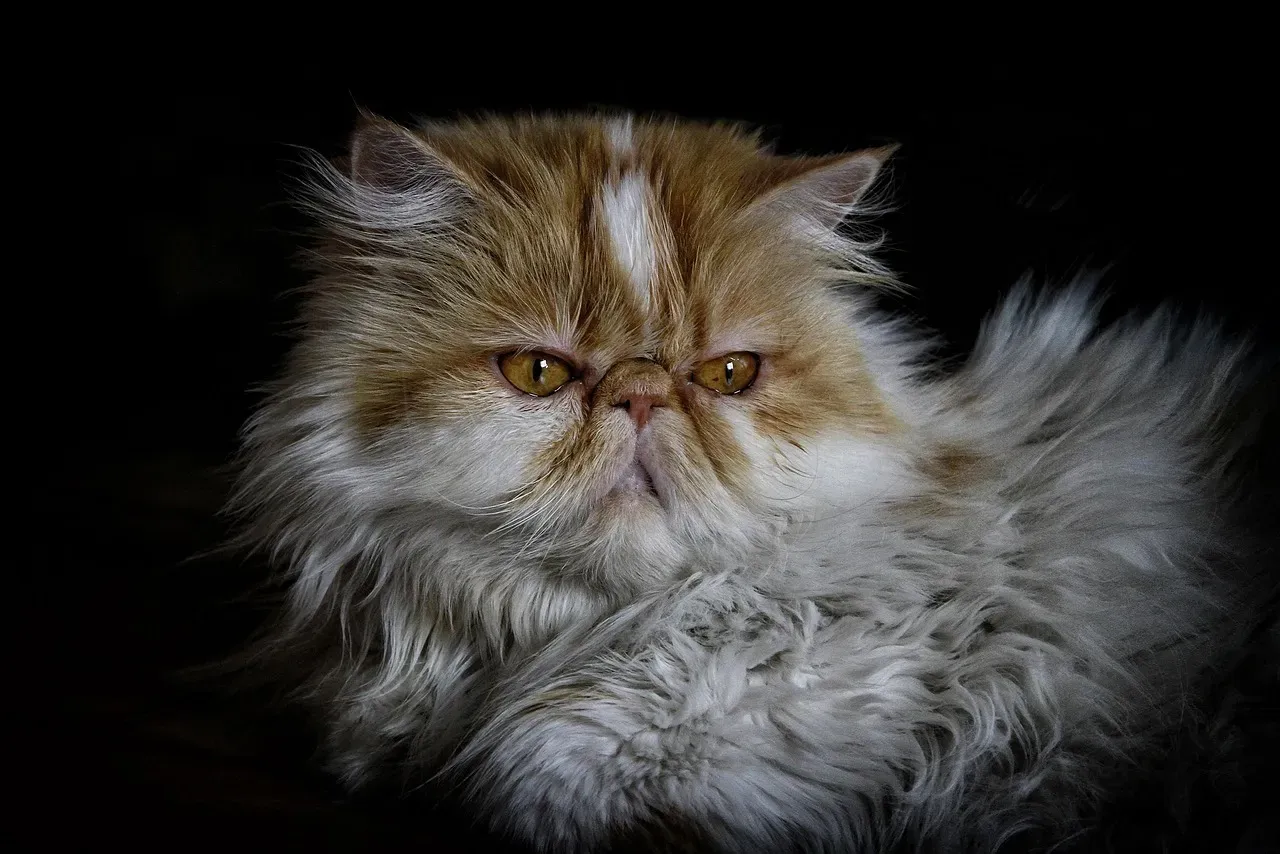
Persian cats look like living plush toys, which unfortunately makes children want to squeeze, cuddle, and carry them constantly. In reality, Persians usually prefer a slow, peaceful life where they choose when to sit on you, not the other way around. They are not naturally built for fast chases around the house or rough play, and all that noise and motion can leave them stressed and withdrawn.
On top of that, Persians require regular grooming, which means time, patience, and a calm environment to keep their coats from matting. Imagine trying to gently comb a long-haired, easily stressed cat while a toddler is banging blocks on the floor next to you. Over time, that kind of constant disruption can contribute to irritability, hiding, and sometimes even health issues if grooming is neglected because the household never slows down.
Himalayan: Sweet but Easily Overwhelmed
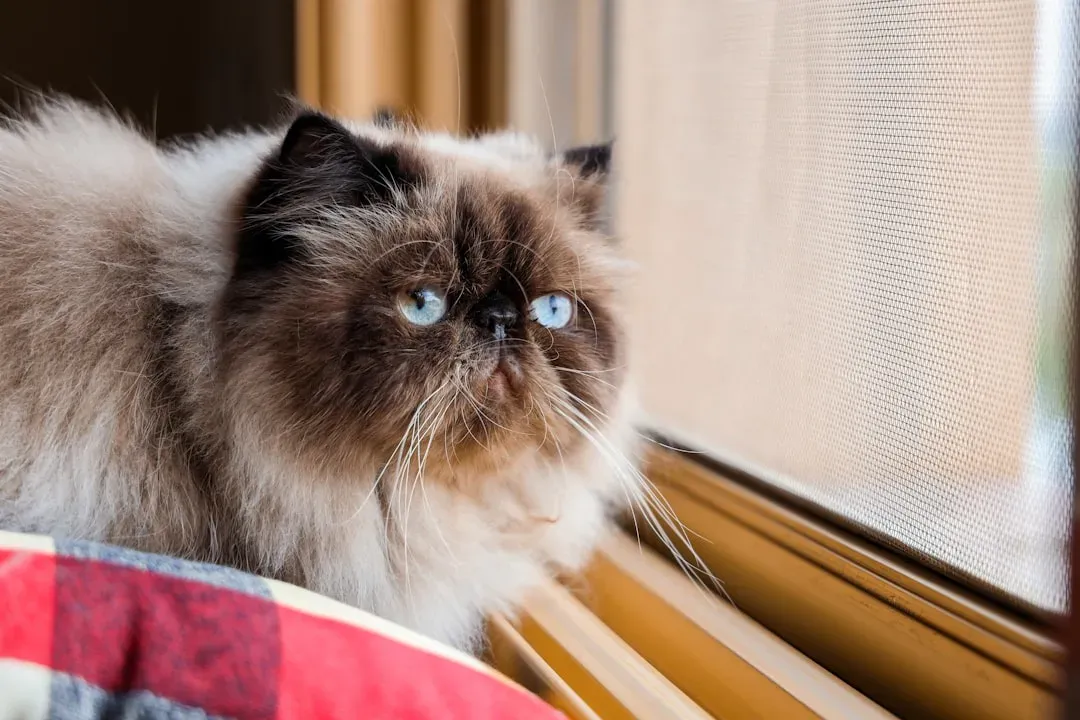
Himalayans share a lot of personality traits with Persians, including a generally gentle, laid-back nature and a love for quiet closeness rather than loud fun. Their thick coat and flat face mean they can be a bit higher maintenance, needing grooming and a stable, stress-free environment to stay comfortable and healthy. When the home feels like a carnival, this breed may retreat to the highest, farthest place they can find just to get some peace.
You might find that a Himalayan in a kid-heavy home only comes out when the children are asleep, which defeats the point of having a family pet that actually participates in family life. Sudden grabs, noisy chasing games, and rough petting are especially hard on them. If you truly adore this breed, you’ll need strict rules about gentle touch, cat-free zones for kids, and plenty of safe vertical spaces where the cat can observe without being touched.
Scottish Fold: Sensitive Ears, Sensitive Nature
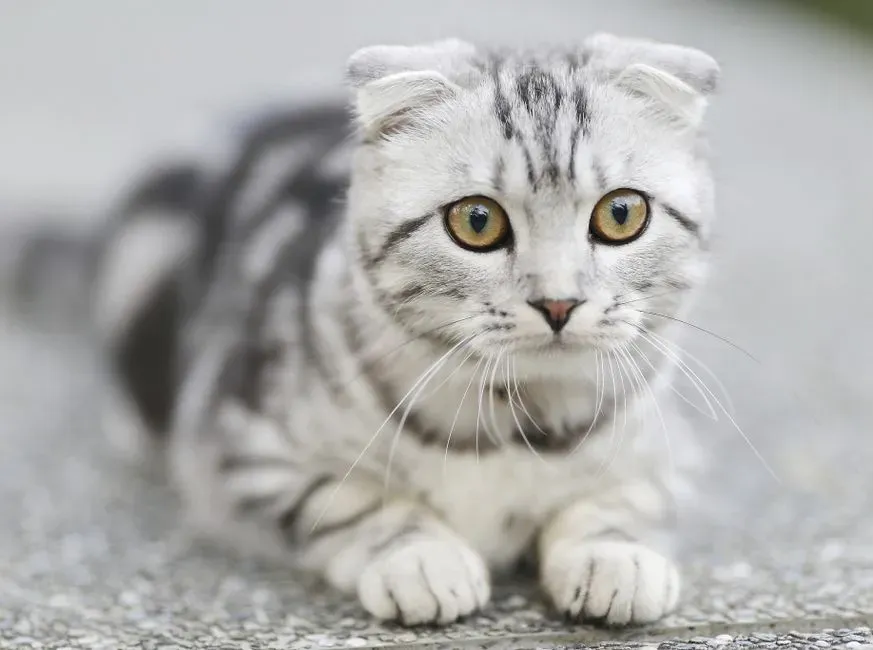
Scottish Folds are adored for their folded ears and round, owl-like faces, but those ears can make you forget that they are still just as sound-aware and startle-prone as any other cat. Many Scottish Folds are gentle and somewhat reserved, preferring predictable, soft interactions rather than the chaotic energy that young kids naturally bring. Repeated shrieks or sudden rushes toward them can build up anxiety over time.
On top of that, this breed is associated with potential joint and mobility issues, so being chased, grabbed, or carried awkwardly by children can be physically uncomfortable, not just emotionally stressful. You want a home where their movements are respected, and climbing or jumping is not constantly interrupted by tiny humans trying to pick them up. In a loud family home, a Scottish Fold is more likely to become a ghost cat, rarely seen during daylight hours and always on edge.
Chartreux: Quiet Observers, Not Chaos Lovers
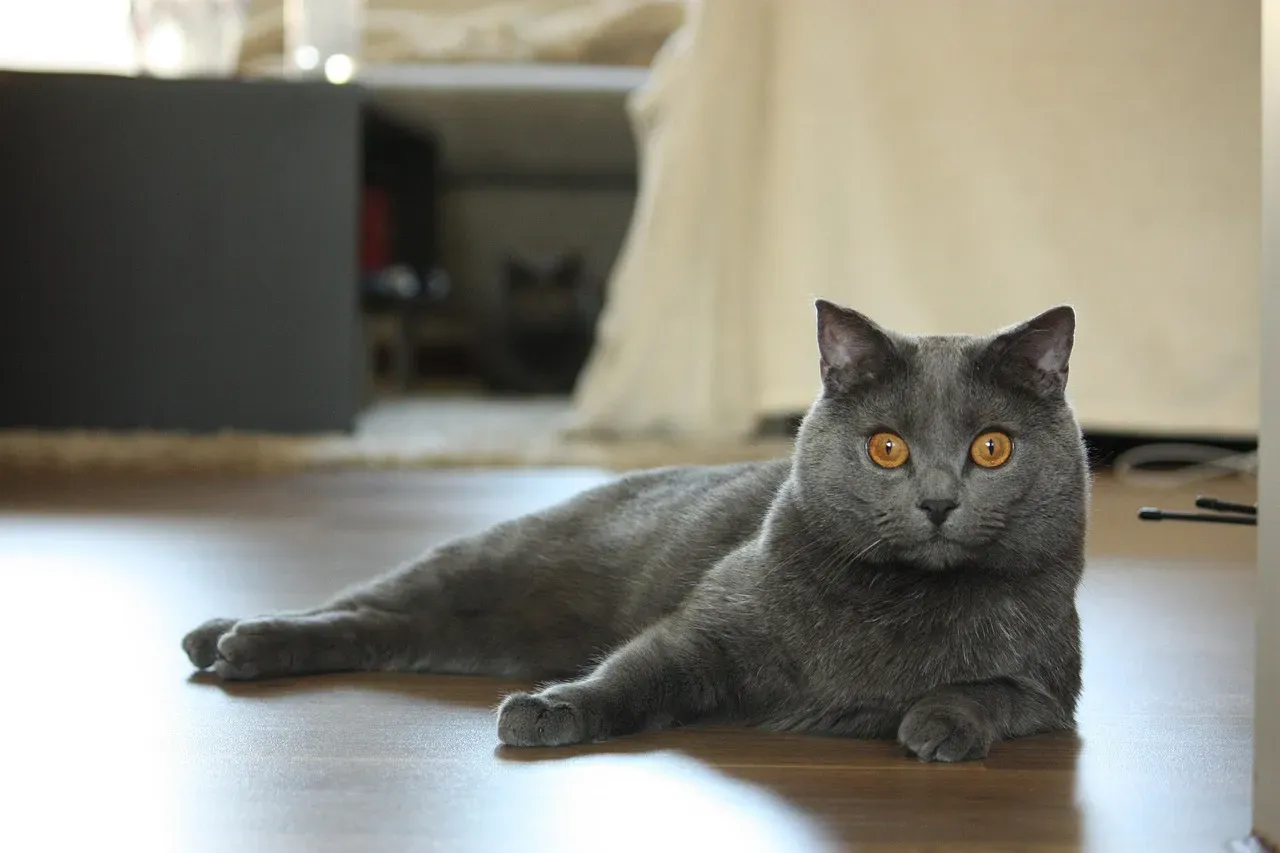
The Chartreux is often described as a quiet, watchful, almost contemplative cat, more like a blue-gray shadow that follows you peacefully from room to room. That kind of temperament can clash with a house full of shouting, clattering dishes, and kids racing down the hallway. While they can be affectionate and loyal, they usually prefer a calm, low-drama environment where they can approach you at their own pace.
In a loud home, a Chartreux might start avoiding common areas altogether, which can make you feel like they do not bond with the family, when in reality they’re just overwhelmed. They tend to appreciate soft voices, gentle touch, and slow introductions to new people. If your daily life feels more like a busy train station than a quiet library, this breed may never really relax or show you its full, sweet personality.
Norwegian Forest Cat: Large Bodies, Low Tolerance for Rough Handling
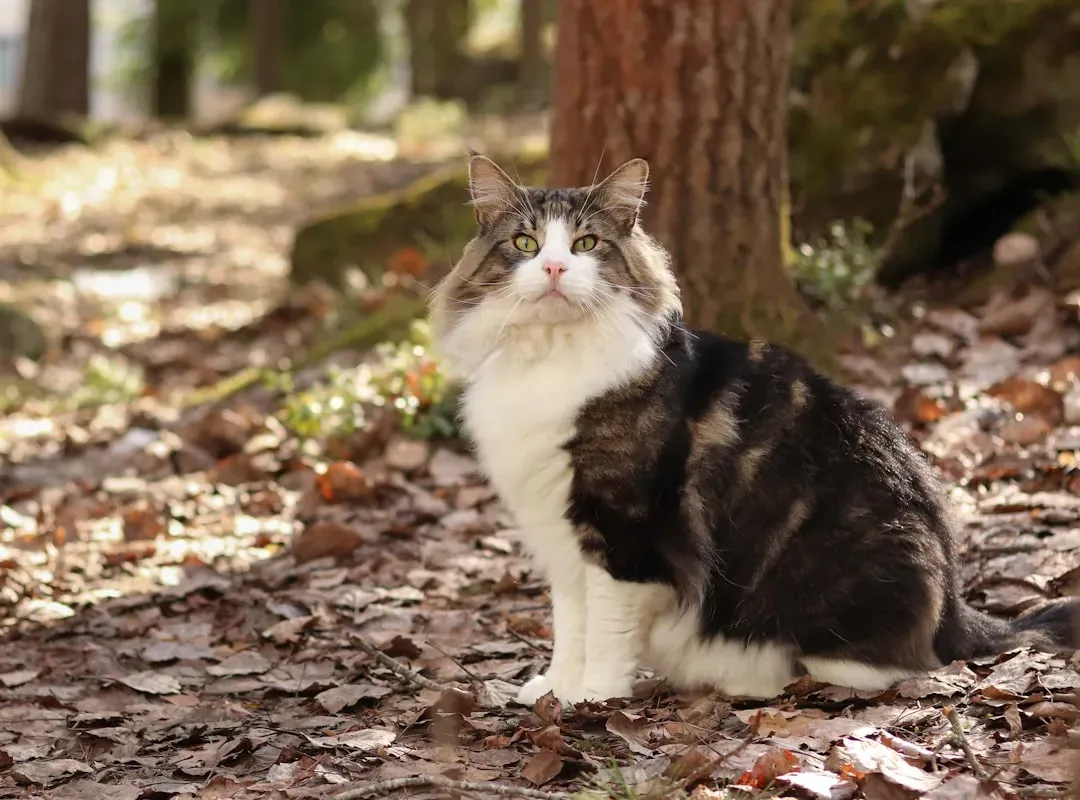
The Norwegian Forest Cat looks like it was built to handle anything, with its big body, thick coat, and confident stance. That appearance can give you the wrong impression that this cat will shrug off loud kids tugging its tail or pulling it into their games. In reality, while they can be playful and active, they still need respectful handling and may become stressed if constantly grabbed, cornered, or chased by small children.
These cats also love to climb and perch up high, making vertical escape routes essential in a busy home. In a loud environment where kids are always following them or trying to drag them down from their favorite shelves, a Norwegian Forest Cat can start associating the whole household with frustration and tension. They tend to do better when your children are old enough to understand that the cat is not a toy and that climbing spots and hiding places are completely off-limits to little hands.
Turkish Angora: High-Energy but Not Kid-Proof
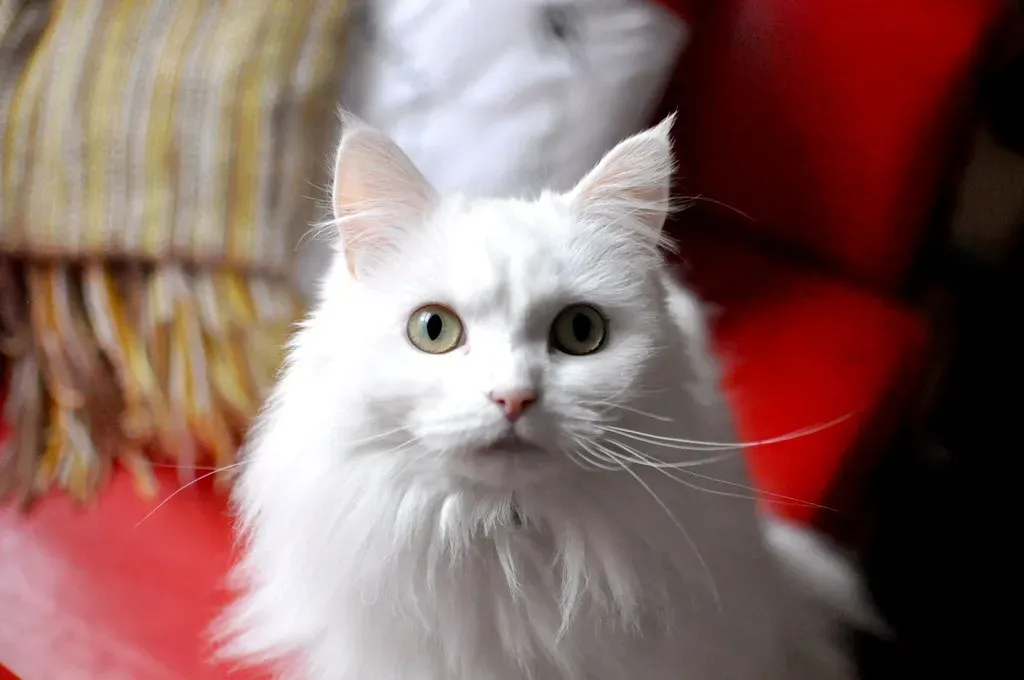
At first glance, you might think a Turkish Angora’s playful, energetic nature is a perfect match for children. The catch is that this breed usually likes to be the one initiating the game, and they can get overstimulated or annoyed when play turns into chaotic roughhousing. Young kids often do not recognize the early signs that a cat has had enough, like a flicking tail or pinned ears, so a Turkish Angora may start swatting or nipping in self-defense.
This breed also tends to form strong bonds with one person and can be picky about who they tolerate, which is tricky in a home where everyone wants a turn holding and petting the cat. In a loud family space, they may become more jumpy, vocal, or prone to sudden zooming and hiding. If you bring one into a kid-filled home without careful boundaries, you might end up with a nervous, unpredictable cat instead of the elegant companion you imagined.
Oriental Shorthair: Emotionally Intense and Easily Overstimulated
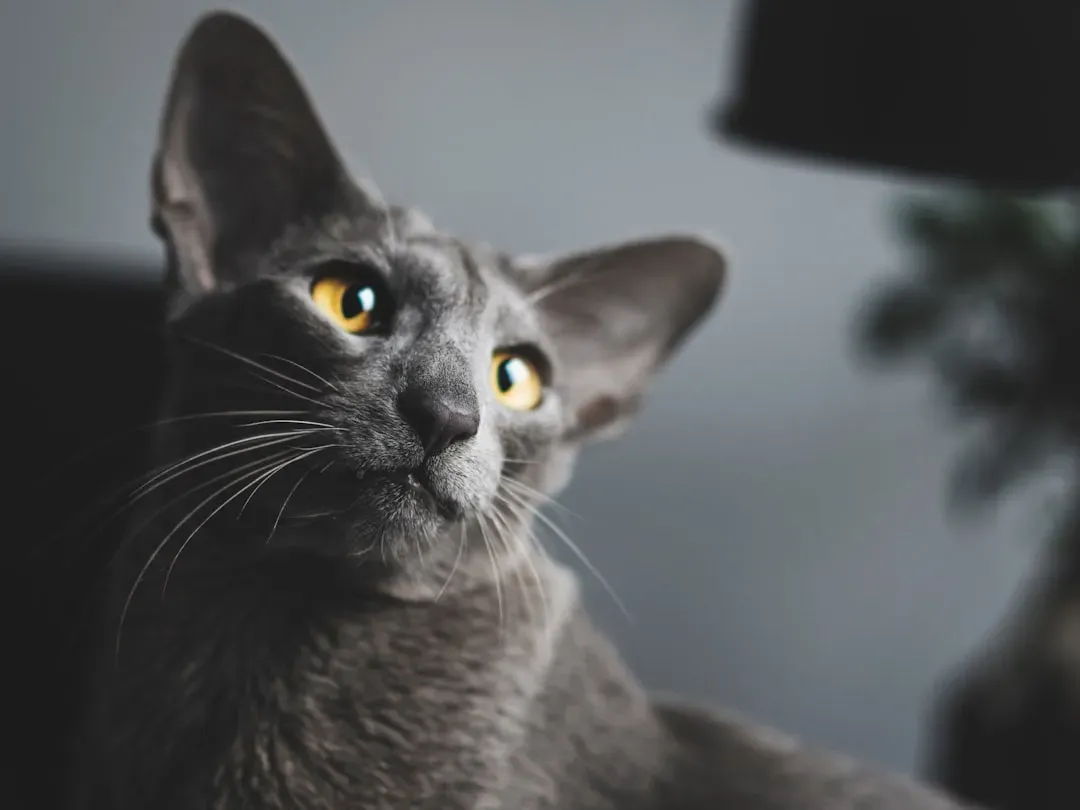
Oriental Shorthairs are known for being intelligent, talkative, and highly tuned in to their humans, almost like little emotional sponges. In a peaceful environment, that sensitivity is charming; in a loud, unpredictable home, it can turn into near-constant stress. They often respond dramatically to changes, noise, or lack of attention, and a house full of shouting, crying, and slamming doors can keep them on edge.
You might see an Oriental Shorthair pacing, meowing, or demanding reassurance more and more as the household noise level stays high. Their need for consistent mental stimulation and gentle interaction is hard to meet when you’re already stretched thin by young children. Without enough structure and calm, this breed can slide into anxious habits, like overgrooming or hiding, that are hard to reverse once they set in.
British Shorthair: Steady Companions Who Dislike Pandemonium
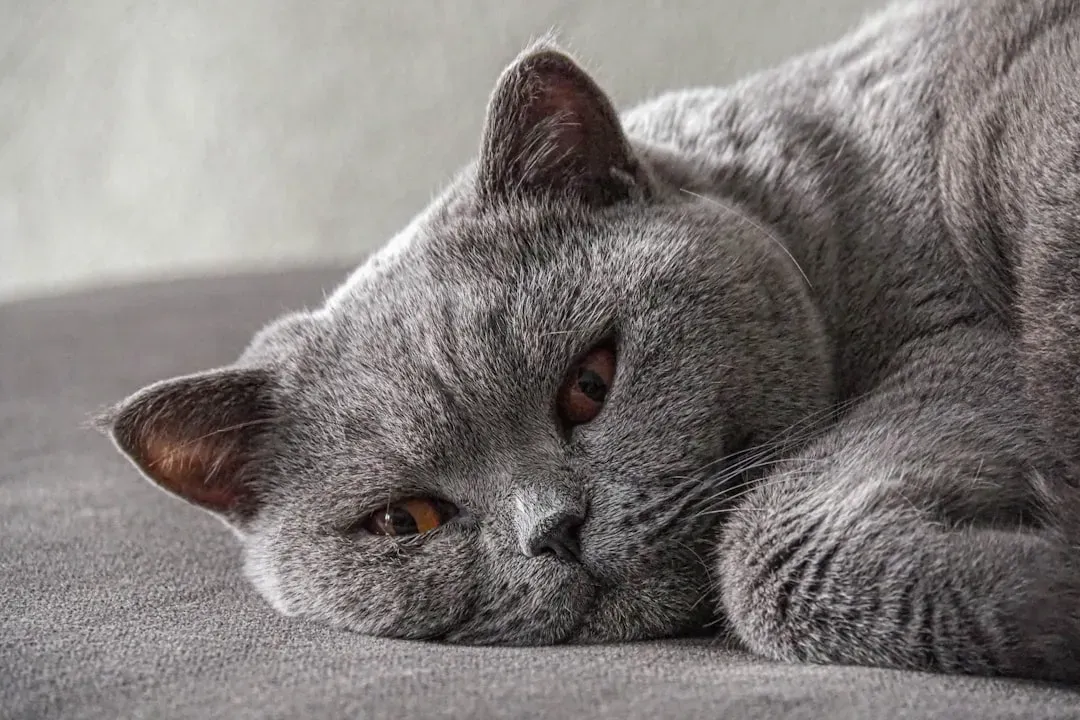
British Shorthairs are often called teddy bear cats, but unlike an actual teddy bear, they usually do not enjoy being constantly carried, squeezed, or dressed up by enthusiastic kids. Their temperament is typically calm, dignified, and independent, with a preference for predictable routines and moderate activity. Nonstop shrieks, chasing games, and random pokes can chip away at that calm and turn them into withdrawn or grumpy housemates.
They tend to show affection by simply being near you rather than clinging, and this subtle style is easy for young children to miss. In a very loud home, a British Shorthair may quietly relocate to the quietest room and stop engaging with the family altogether. If what you truly want is a kid-proof cat that loves chaotic playtimes, this reserved, routine-oriented breed is much more likely to be irritated than entertained by your household energy.
Ragdoll: Big Softies Who Can Be Too Passive
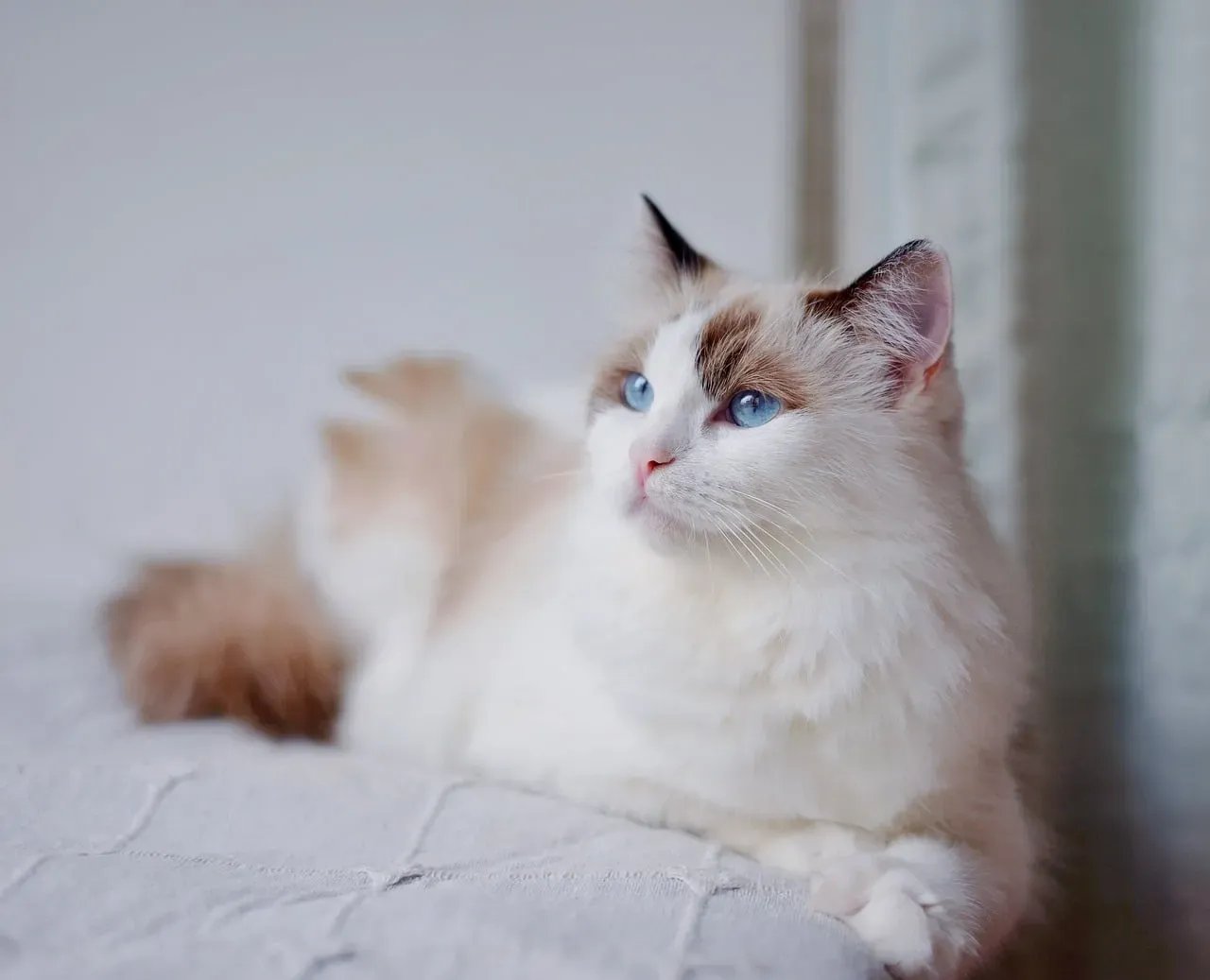
Ragdolls are famous for going limp when picked up and often tolerate handling better than many breeds, which makes them seem like a dream for families with kids. The problem is that this tolerance can work against them in a home where boundaries for children are still developing. A Ragdoll may not protest loudly when they are uncomfortable, so kids can accidentally push them far beyond what is fair, simply because the cat is not clearly fighting back.
Over time, constant carrying, loud noise, and being disturbed during naps can wear down even the most laid-back Ragdoll. You might start to notice subtle signs of stress, like avoiding certain rooms, licking the fur more than usual, or flinching when approached. They really thrive when you can provide calm affection, plenty of safe resting spots, and kids who understand that even an easygoing cat needs to be left alone sometimes.
Balinese: Social but Noise-Sensitive
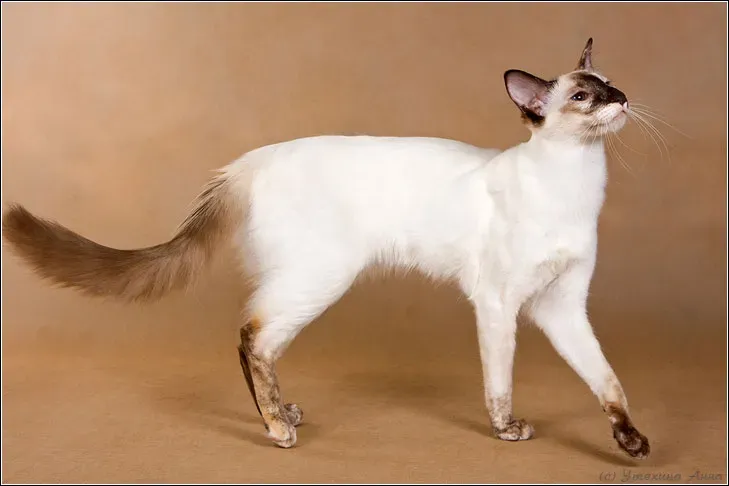
The Balinese is often compared to the Siamese, with a sleek, elegant body and a strong desire to interact with you. They tend to be vocal and responsive, but that does not mean they enjoy constant kid-level noise right in their face. Their social side works best when you have time for interactive play and one-on-one attention, not when they are being chased from room to room by toddlers trying to grab their tail.
Because they are intelligent and emotionally aware, Balinese cats can become particularly distressed if the home feels unpredictable or chaotic day after day. You may find them overreacting to minor changes or becoming clingy with one adult while avoiding the rest of the family. If your life stage right now is full of slammed cabinets, dropped toys, and kids racing indoors, this sensitive, brainy cat is more likely to end up frazzled than fulfilled.
Turkish Van: Strong-Willed Explorers Who Dislike Being Cornered
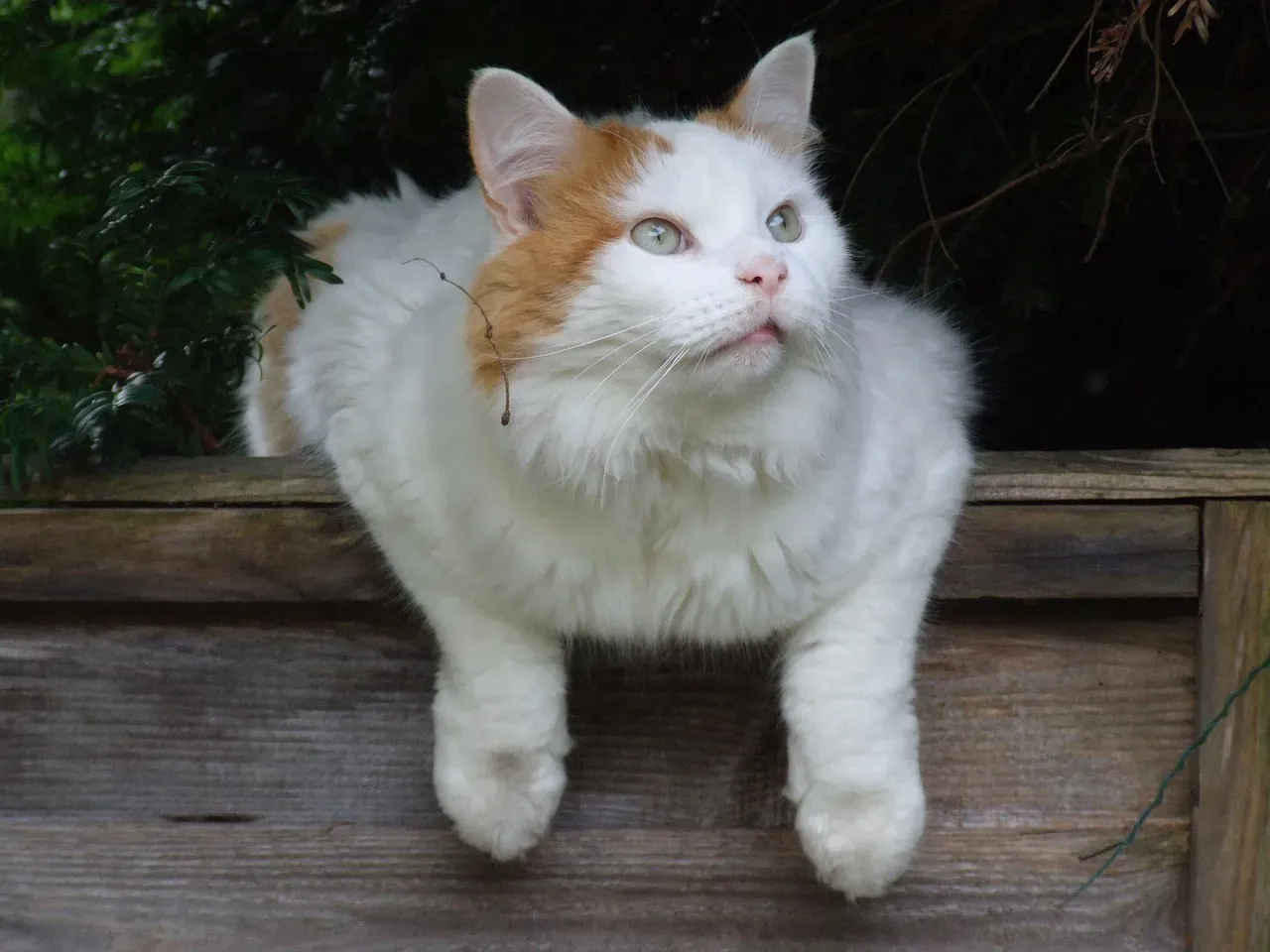
Turkish Vans are active, curious, and often bold, which can mislead you into thinking they are unbothered by loud households. In reality, their strong-willed nature means they like to be in control of when and how they interact. Young children who persistently chase them, try to hold them, or block their escape routes can trigger defensive behavior, including scratching or biting, simply because the cat will not tolerate being cornered.
They also love to climb, jump, and explore, sometimes in dramatic ways that are already challenging to manage in a busy home. Add kids into the mix, and the risk of accidents or rough encounters increases significantly. In a quieter, more structured environment, a Turkish Van’s boldness can be charming and fun; in a loud home with very young children, that same boldness can clash hard with the kids’ unpredictability and lack of boundaries.
Conclusion: Matching the Cat to Your Season of Life
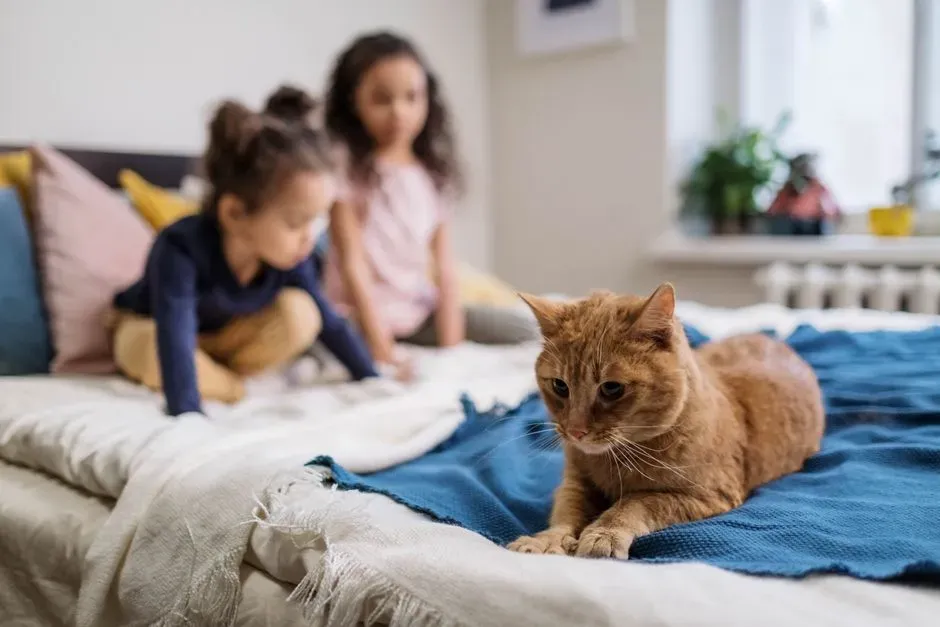
When you share your home with young children, you are not just choosing a pet, you are choosing a personality that will be dropped straight into your daily chaos. Many of the breeds you have just read about are wonderful companions, but they shine brightest in homes that are calmer, quieter, and more predictable than a typical household with small kids. If you ignore that and choose purely based on looks or internet hype, you risk ending up with a frightened, withdrawn, or defensive cat – and disappointed children who do not understand why the cat does not want to play.
If your life right now feels like a constant rush, you may be better off looking for sturdier, more easygoing breeds or even confident mixed-breed cats from shelters that have already shown they tolerate noise and handling. No breed guarantees a perfect match, but being honest about your home environment and your kids’ behavior gives you a huge head start. In the end, the happiest families are the ones where both the children and the cat feel safe, respected, and genuinely at ease with each other – which kind of cat do you think would truly relax in your living room today?
Kristina is a young writer from India. An arts graduate and an avid content creator, Kristina is passionate about animals and wildlife. She enjoys exploring topics related to pet care, animal behavior, conservation, and nature, combining thorough research with engaging storytelling.