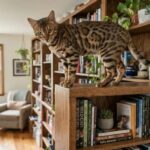
You paid $1,500 for a Maine Coon kitten and assumed that price tag came with a health guarantee. It doesn’t – and the data on that is brutal.
A Morris Animal Foundation-funded study tracking nearly 550,000 cats found that purebreds were more likely to develop disease across almost every health category, compared to mixed-breed cats. There are 13 things vets wish every breed cat owner knew before the vet bills start piling up – and #1 is the one most people never even think to research.
#13 – Your Breed Cat’s Pedigree Is NOT a Health Certificate
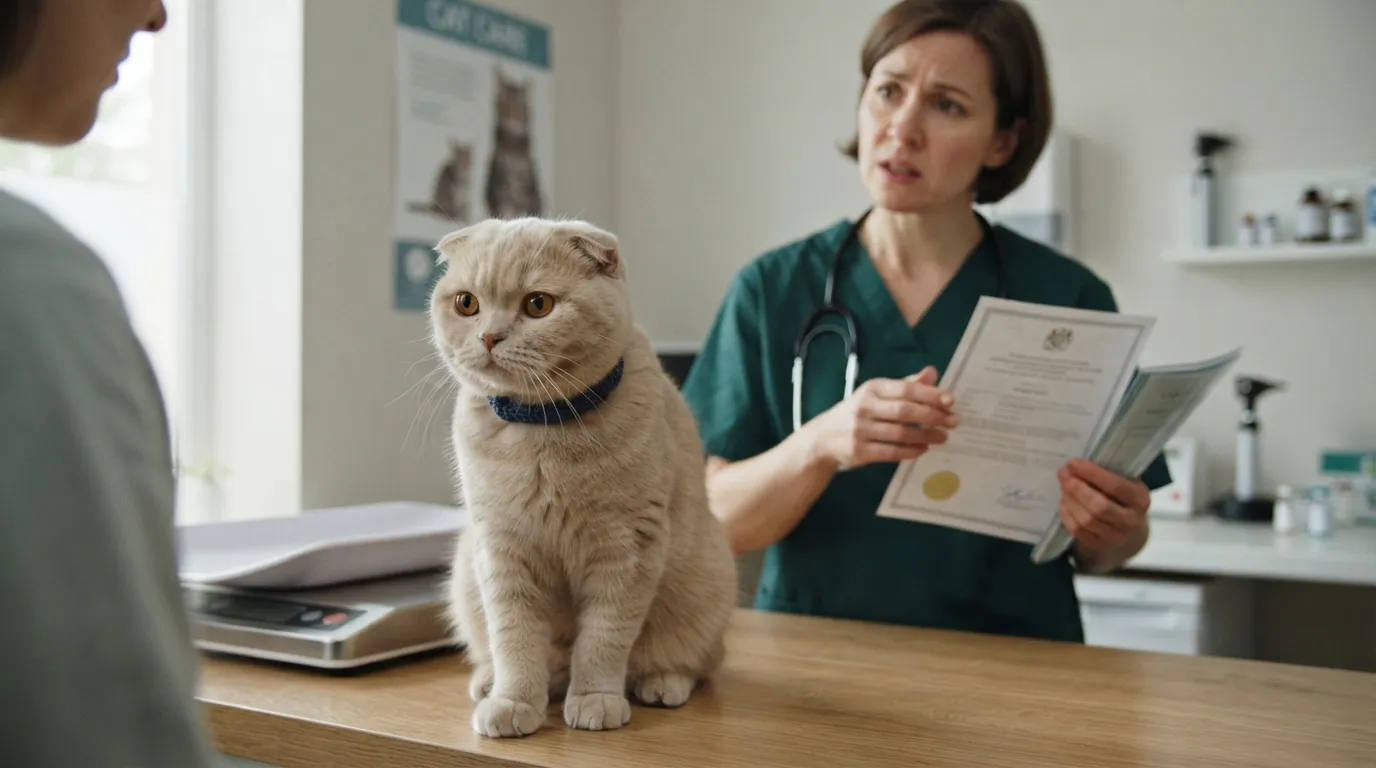
Buying a purebred does not guarantee good health or temperament, no matter how much you paid. That’s the first truth most breeders leave off their glossy website.
Purebred cats face countless health issues because they’re bred for specific traits from a shockingly limited gene pool. The showroom look often comes with a biological cost that only shows up years later, right when the vet bills start.
All purebred animals are by definition inbred and therefore prone to health problems.
Dr. Cat Henstridge, veterinary surgeon
Knowing this early lets you stay ahead of trouble instead of getting blindsided by it.
Turns out, the fix starts before you even bring your kitten home. Here’s what #12 gets wrong almost every time.
#12 – Genetic Screening Before You Buy Is Non-Negotiable
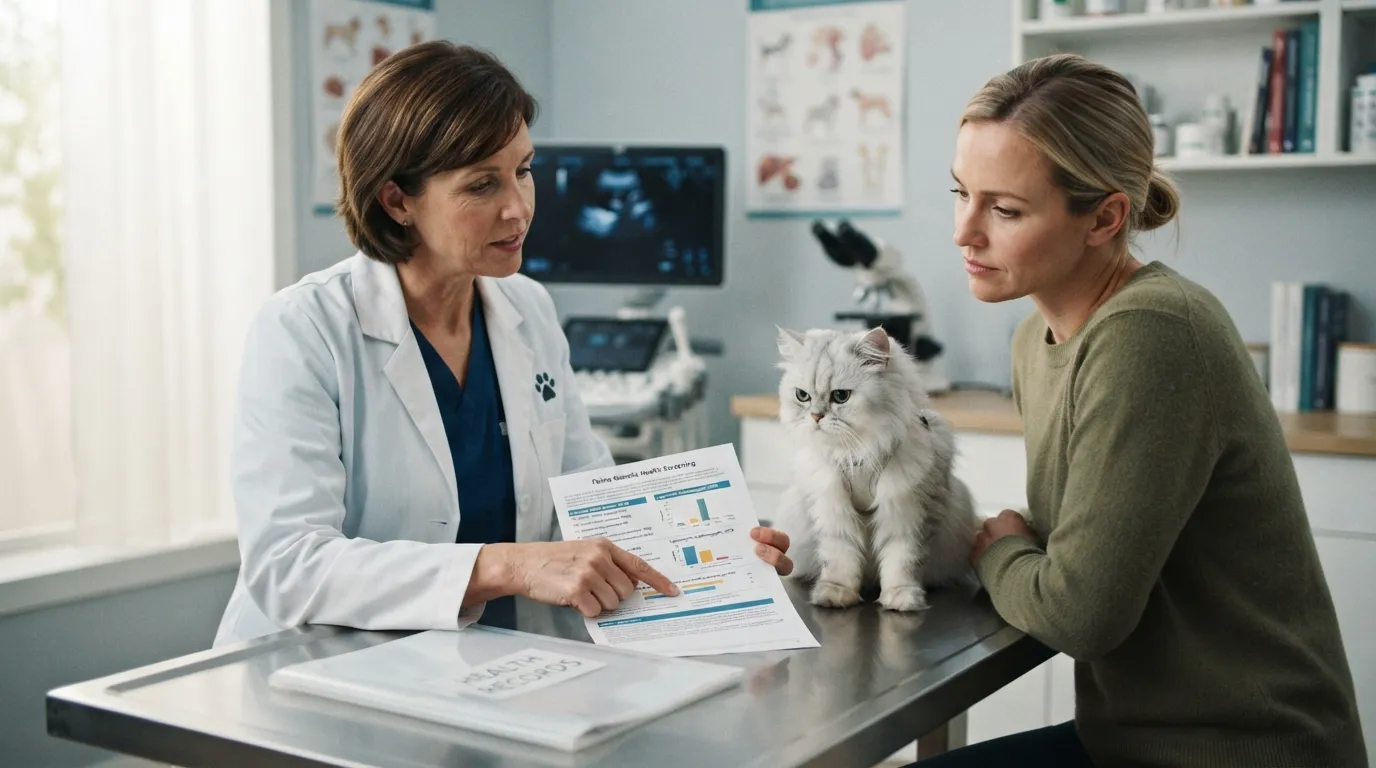
Most buyers skip this step entirely – and pay for it later, sometimes for years. A reputable breeder should hand you proof of health screenings, including genetic testing of both parents.
For breeds predisposed to specific conditions, vets recommend genetic testing to catch risks before they turn expensive. This isn’t optional – it’s your first line of defense.
If you already own a purebred, ask your vet which diseases your breed is prone to. Persians, for example, benefit from an annual kidney ultrasound or genetic testing for polycystic kidney disease.
Skip this step and the risks don’t disappear – they just wait quietly. #11 shows exactly where they hide.
#11 – Breed-Specific Health Risks Are Hiding in Plain Sight
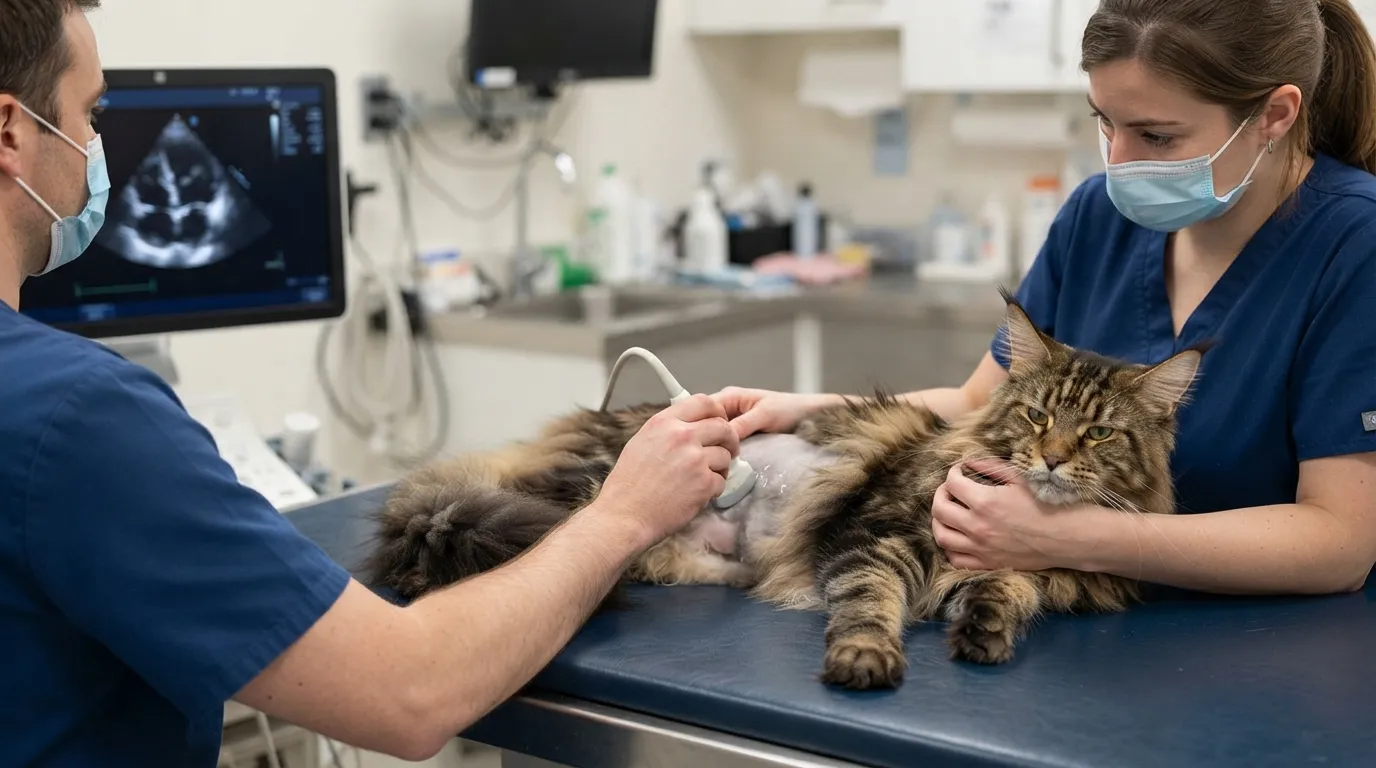
Every popular breed carries its own biological weak spot, and most owners find out the hard way. Persian cats often struggle with breathing issues from their flattened facial anatomy, plus a genetic disorder that fills the kidneys with cysts.
Maine Coon cats are prone to hypertrophic cardiomyopathy, a heart disease that can trigger sudden heart failure. This condition can develop silently, with no outward symptoms until it’s advanced.
Siamese cats tend toward respiratory trouble tied to their narrow facial structure, along with a higher-than-average risk of periodontal disease. Three breeds, three completely different ticking clocks.
Fast Facts
- Roughly 3 in 10 Maine Coons carry a genetic mutation linked to hypertrophic cardiomyopathy, though carrying it doesn’t guarantee the disease develops.
- Persian kittens with polycystic kidney disease can show cysts on an ultrasound long before any visible symptoms appear.
- Siamese cats rank among the breeds vets watch most closely for early dental and respiratory trouble.
Spotting these risks is one thing. Actually catching them requires a kind of vet visit most owners never book – which is exactly what #10 is about.
#10 – Your Vet Visits Need to Be Breed-Tailored, Not Generic
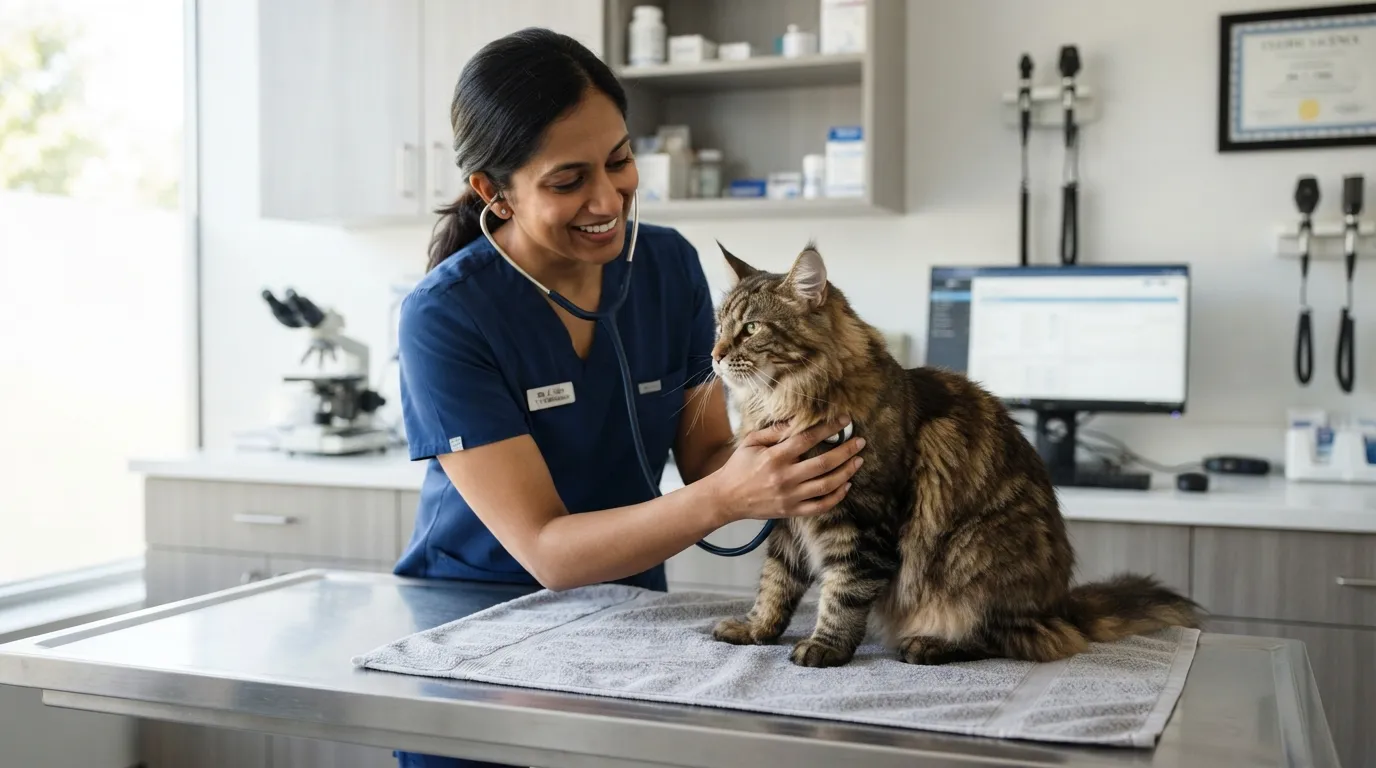
Showing up to an annual check-up with no breed-specific agenda is basically a wasted appointment. Annual visits for adult cats and twice-yearly visits for seniors aren’t just about shots.
Predictive models can now flag disease risk across many cat breeds, giving vets a data-driven head start. Ask if your vet is actually using this kind of approach for your specific breed.
Regular veterinary care is the cornerstone of responsible ownership – it catches problems before they become emergencies. Yearly inspections matter even when your cat looks perfectly fine.
All that vigilance costs money – and #9 is the truth most owners try to avoid facing.
#9 – Pet Insurance for Breed Cats Isn’t a Luxury – It’s Math
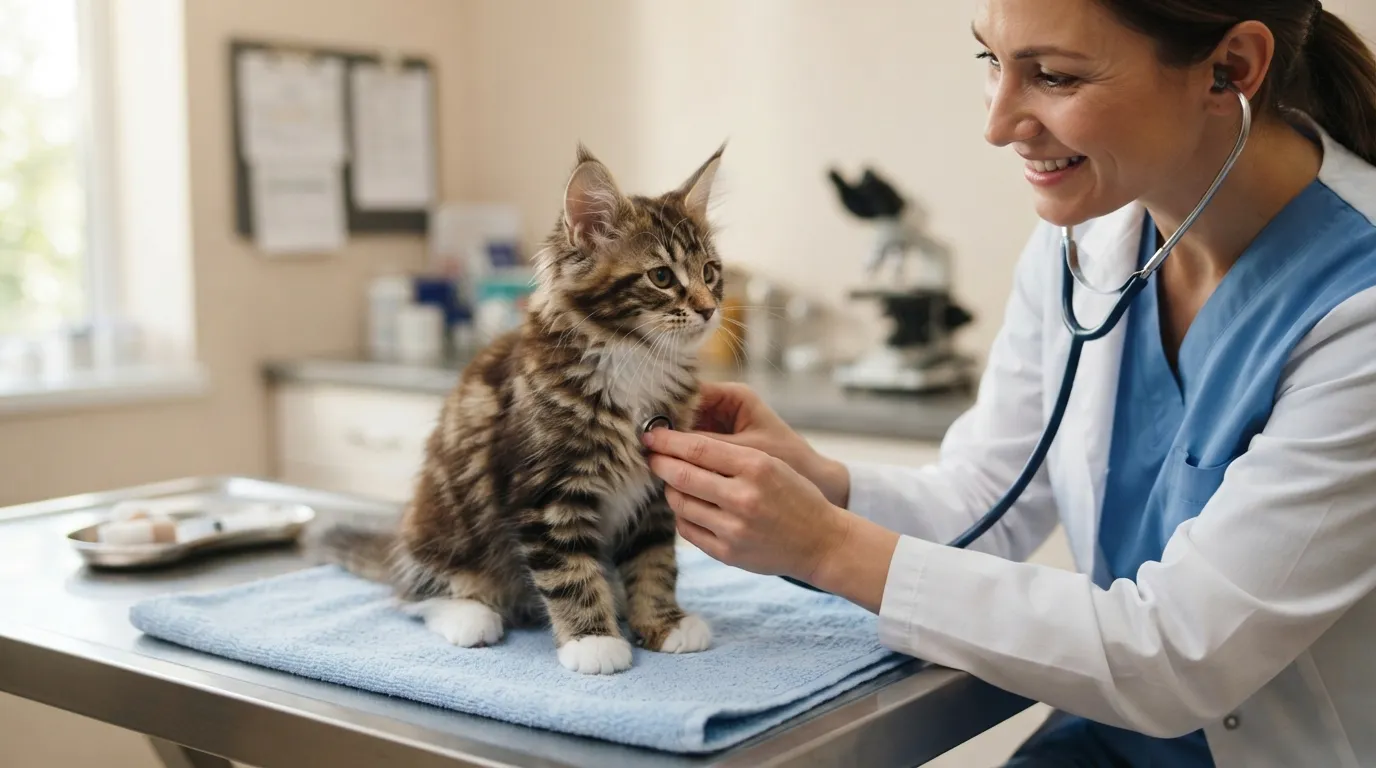
Here’s a cold truth most breed cat owners ignore until it’s too late. Purebreds often carry purchase prices of $500 to $2,000+, plus higher ongoing vet costs tied to breed-specific conditions.
Pet insurance can save you thousands if your cat develops a chronic condition like HCM, kidney disease, or cancer. Look for a plan that specifically covers hereditary and congenital issues.
Quick Compare
- Insure as a young, healthy kitten: future hereditary and congenital conditions are typically covered.
- Wait until after diagnosis: that condition becomes a permanent exclusion, forever.
The critical detail most people miss: enroll when your cat is young and healthy, because pre-existing conditions are never covered. Waiting is a gamble – and the house almost always wins.
Money problems are one thing. What you put in the bowl every day is a whole different story – and #8 might make you rethink dinner.
#8 – How You Feed Your Breed Cat Is Probably Wrong
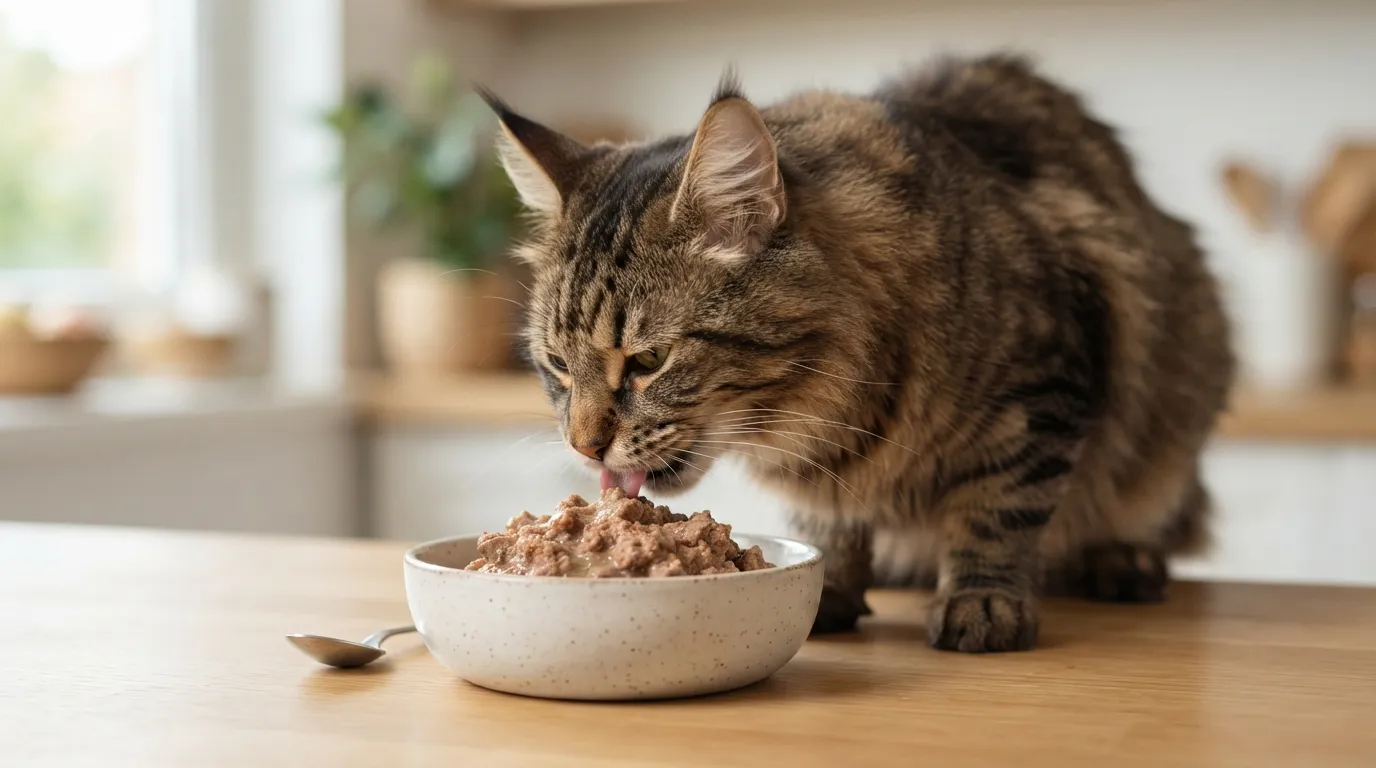
The dry-kibble-only approach is one of the most common mistakes breed cat owners make. Most vets agree high-quality wet food is best, since it mimics what cats would naturally eat in the wild.
Cats have a naturally low thirst drive, which makes hydration a constant, quiet concern. Wet food adds meaningful water intake, especially for cats prone to urinary issues.
High-protein, high-quality food matters more than brand loyalty. Look for an AAFCO nutritional adequacy statement – it’s the difference between complete nutrition and empty calories.
Feeding the right food is only half the battle. How you serve it might be quietly working against you – see #7.
#7 – Free-Feeding Your Cat Is Quietly Destroying Its Health
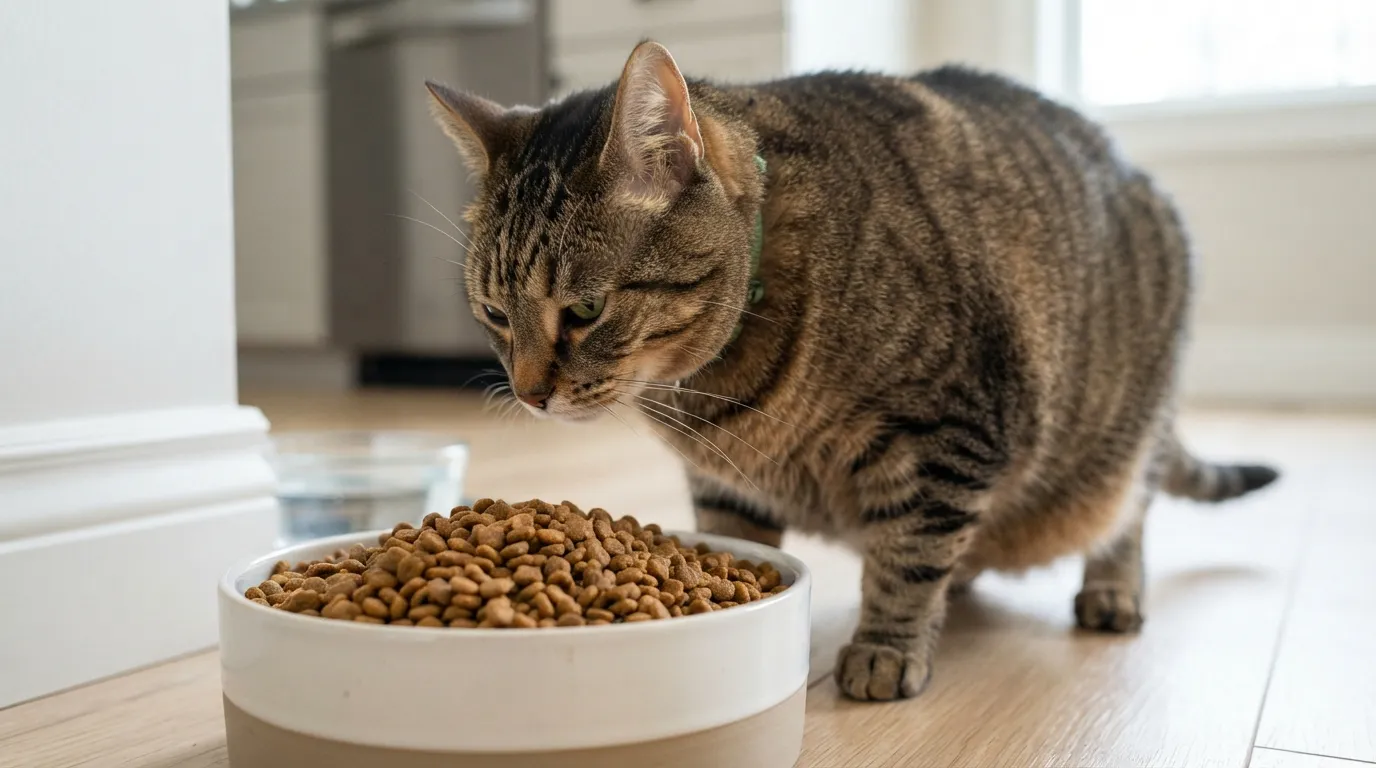
Leaving a full bowl out all day feels generous. Vets see it very differently.
Free-feeding makes it nearly impossible to monitor your cat’s appetite, one of the earliest signs something’s wrong. It also opens the door to obesity, fast.
The leading cause of preventable death in cats is obesity-related disease. That statistic alone should make every breed cat owner rethink the bottomless bowl.
Measured meals let you track consumption and adjust portions as needed. Add a little food-based enrichment, and your cat’s life gets healthier and more interesting at the same time.
Feeding habits are visible. What comes next isn’t – and it’s the one thing vets say owners miss constantly.
#6 – Your Cat Is Hiding Pain From You Right Now
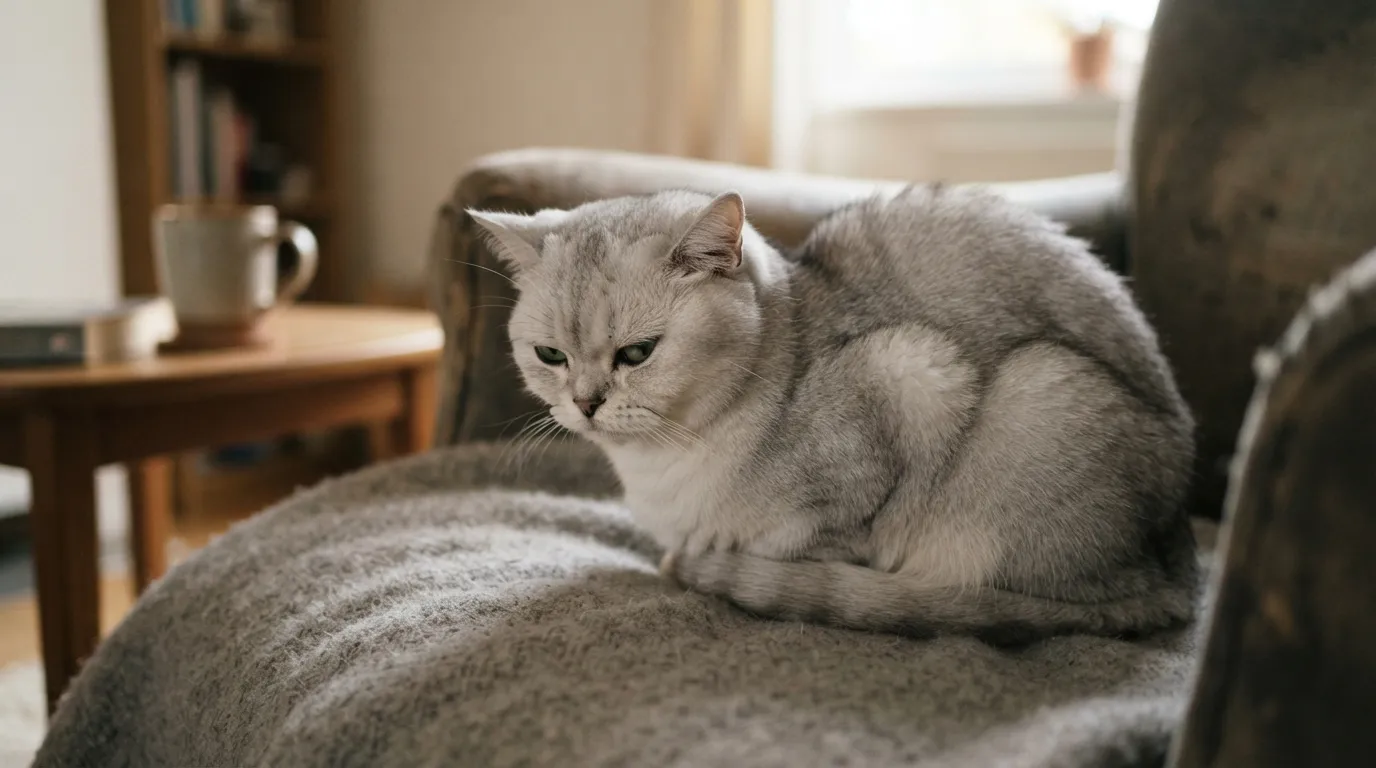
This is the one vets stress most – and the one owners overlook most. Cats are evolutionary masters at hiding pain, because looking vulnerable made them a target in the wild.
Worth Knowing
- Decreased activity or sudden, unexplained hiding
- Appetite changes or litter box habits shifting
- Aggression or flinching when touched in one spot
- Excessive grooming of a single area, or a sudden change in how vocal your cat is
Simple routines like checking ears for redness or watching litter-box habits can catch issues early. With breed cats carrying elevated disease risk, this vigilance isn’t paranoia – it’s survival.
Pain hides in behavior. The next danger hides in something even easier to ignore – your cat’s mouth.
#5 – Dental Health Is the Most Ignored Threat to Your Breed Cat
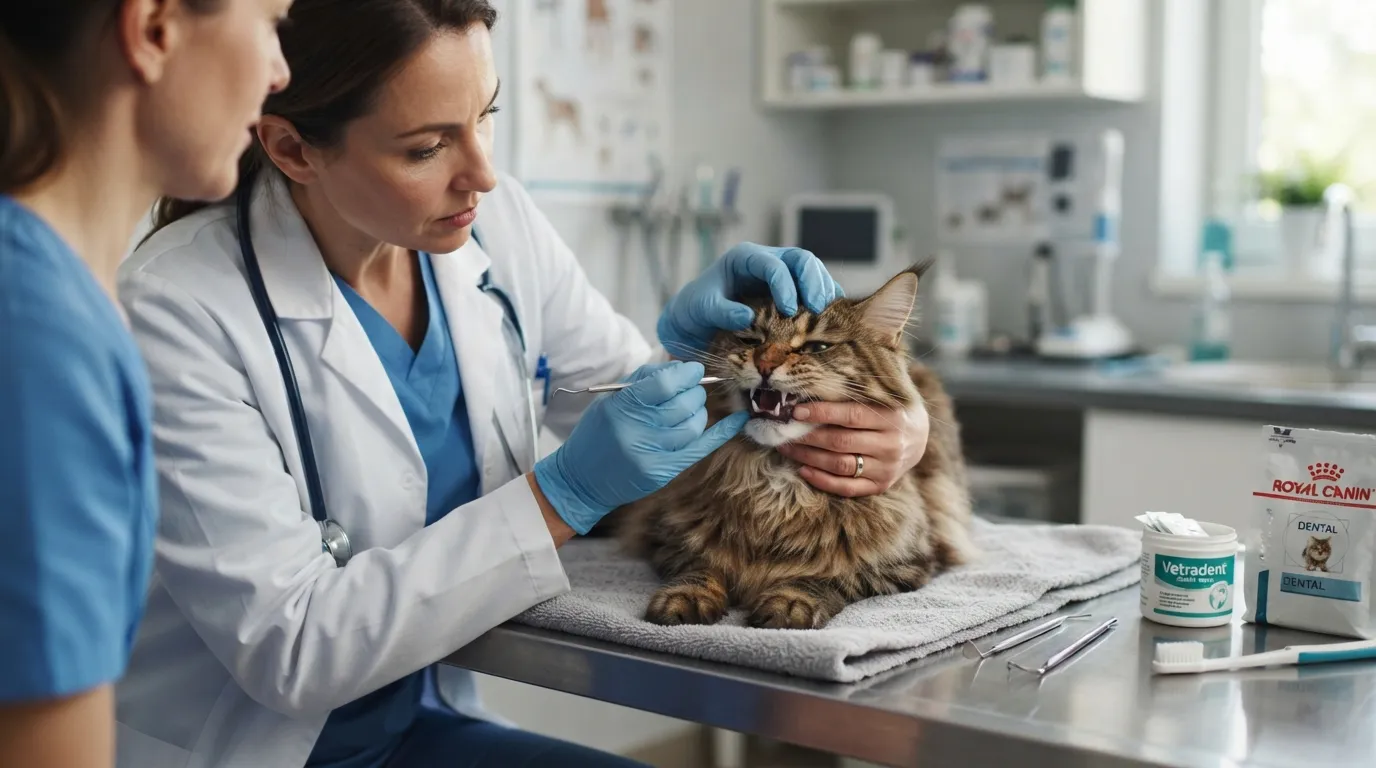
Owners obsess over coats, weight, and vaccines – and almost nobody thinks about teeth until there’s a problem. A daily dental routine, including brushing and dental treats, helps prevent periodontal disease, which shows up across many breeds.
The most effective way to prevent dental tartar is to brush your cat’s teeth every single day. Most owners never do this once in their cat’s life.
Vets often recommend specific dental diets that slow bacteria and plaque buildup. Formulas with larger kibble pieces force more chewing, which creates a natural abrasive cleaning action.
Teeth are easy to forget. Fur is the opposite problem – everyone notices it, but almost nobody reads what it’s telling them.
#4 – Grooming Is Medical Care in Disguise
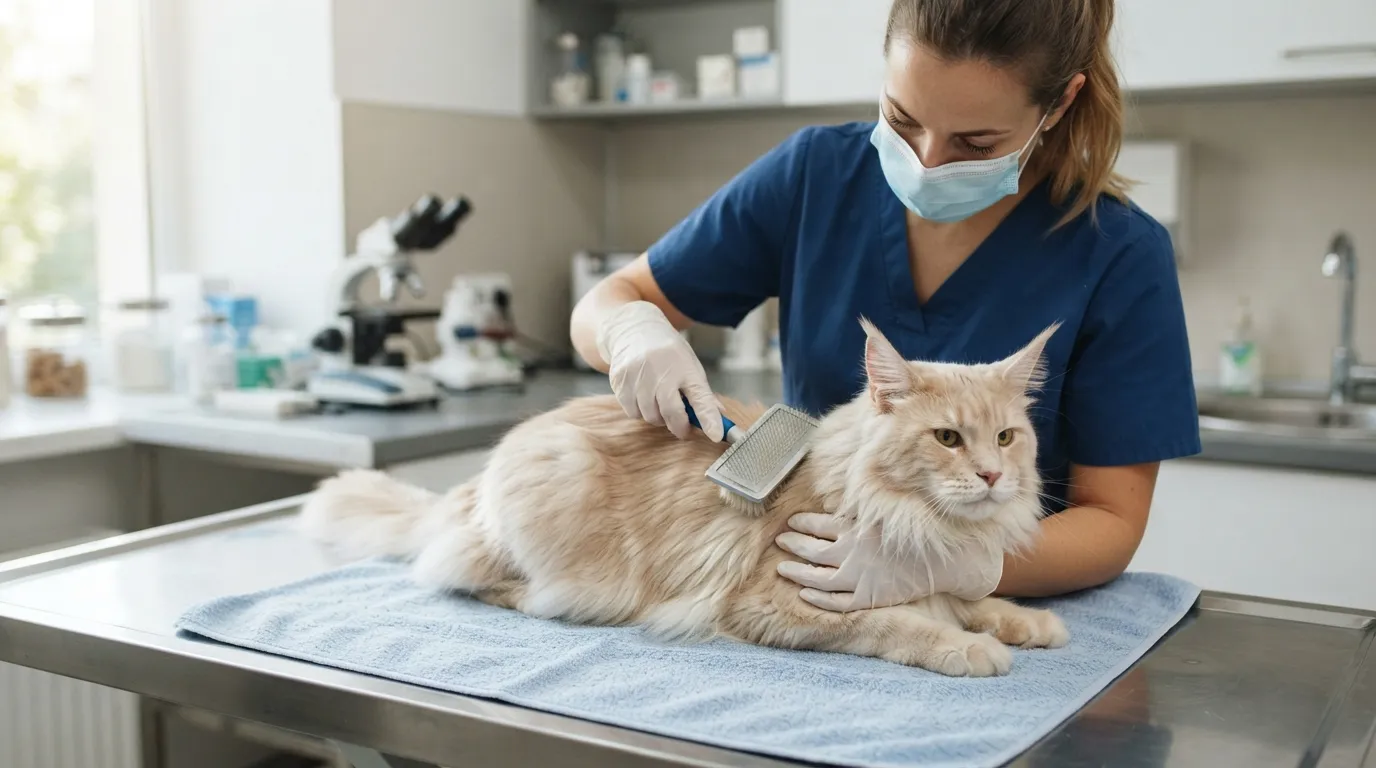
Grooming isn’t just about aesthetics – for breed cats, it’s basically a health screening you do at home. Daily brushing helps prevent skin conditions, especially in breeds prone to allergies.
Even fastidious self-grooming kittens benefit from early brushing, which builds trust and prevents mats in long-haired breeds. Start young, use soft brushes, keep sessions short, and reward calm behavior.
Brushing cuts down on hairballs and strengthens your bond, while regular nail trims protect your furniture and your skin. Think of it as a weekly wellness exam you can run yourself.
Some of the biggest health decisions for your breed cat happen before it’s even a year old – and #3 is one owners get wrong constantly.
#3 – Spaying and Neutering Protects More Than You Think
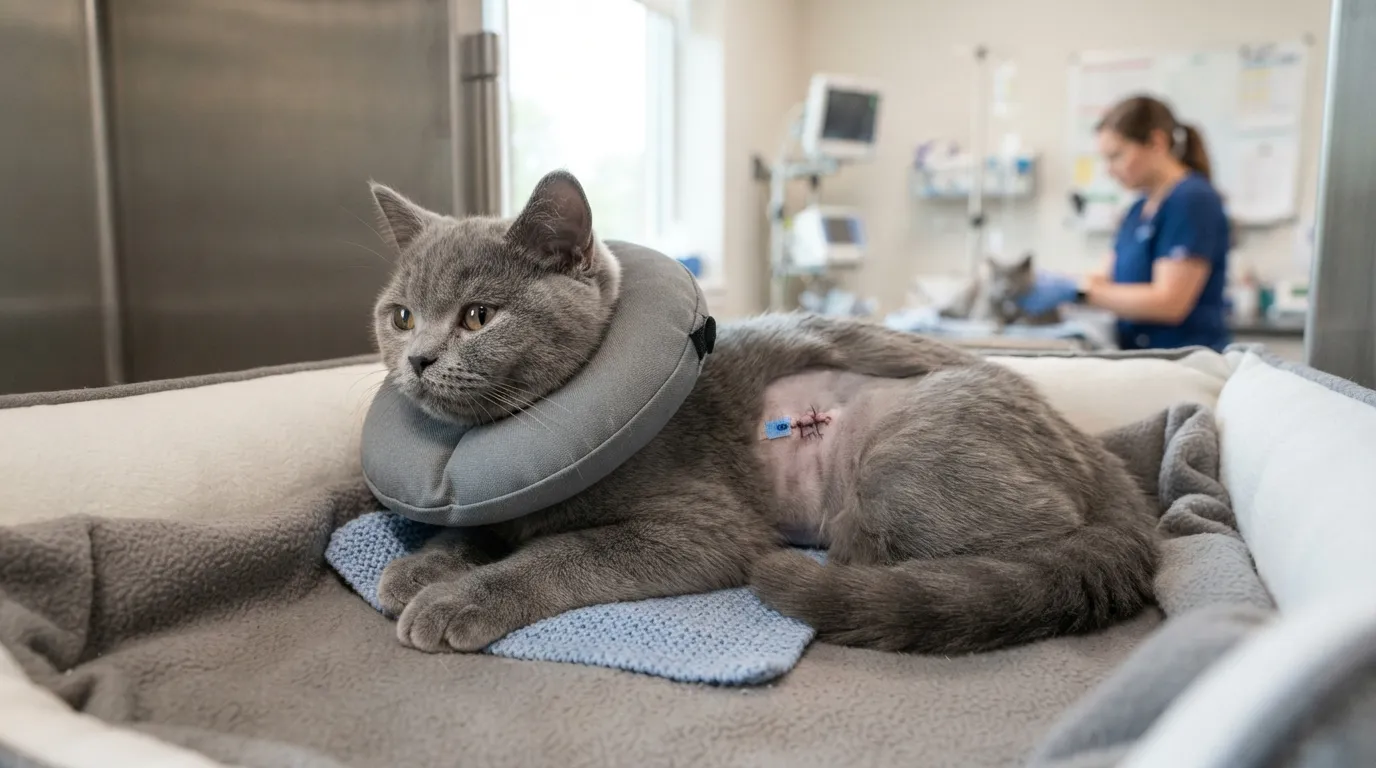
Many breed cat owners delay spaying or neutering to preserve “options” – a decision vets consistently push back on. Spaying dramatically lowers the risk of breast cancer and nearly eliminates pyometra, a dangerous uterine infection.
Purebred cats are already more likely to face reproductive issues, heart disease, and surgical complications than mixed-breed cats. That makes proactive timing even more important for pedigree owners specifically.
Fast Facts
- Cats spayed before 6 months old see roughly a 91% drop in mammary cancer risk compared to cats left intact.
- Spaying at any age still lowers mammary tumor risk by 40% to 60%.
- More than 90% of feline mammary tumors turn out to be malignant, which is why early prevention matters so much.
Waiting until your breed cat is older before spaying or neutering eliminates most of the protective health benefits. Ask your vet for the optimal timing window for your specific breed.
Reproductive health is one piece. What happens inside your home every day is another – and #2 is where boredom quietly becomes disease.
#2 – Indoor Life Requires Active Enrichment – Not Just a Safe Room
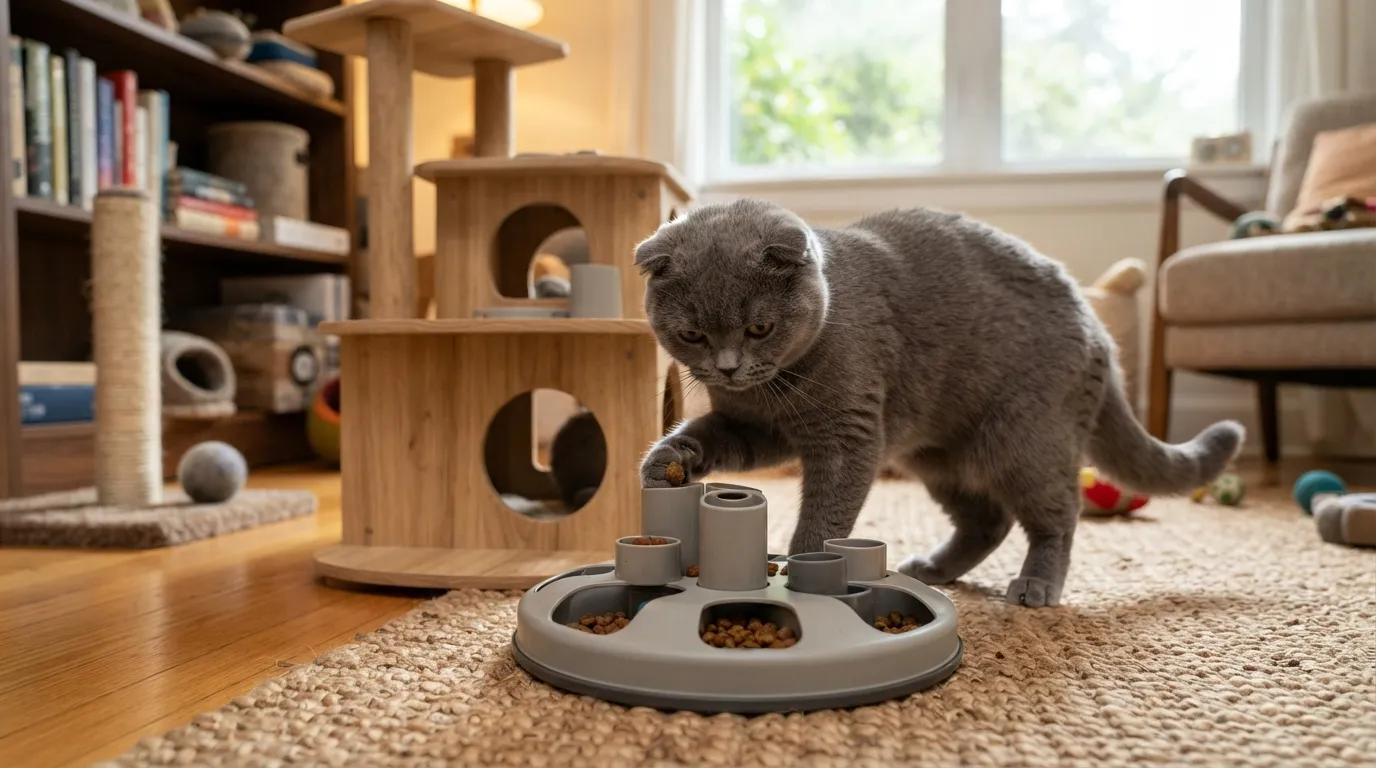
Breed cats kept exclusively indoors are not automatically “safe.” Boredom and inactivity are silent health destroyers that build slowly, over months.
Hiding meals in food puzzles taps into a cat’s predatory instincts and makes life less stressful, not more. Interactive play builds hunting behavior, coordination, and confidence – and burns off the calories that lead to obesity.
Hiding, over-grooming, appetite loss, or sudden aggression can all signal stress. A bored breed cat doesn’t just misbehave – it gets sick.
Everything above matters. But none of it means much if you got one decision wrong before you even brought your cat home.
#1 – The Breeder You Choose Determines Your Cat’s Entire Health Future
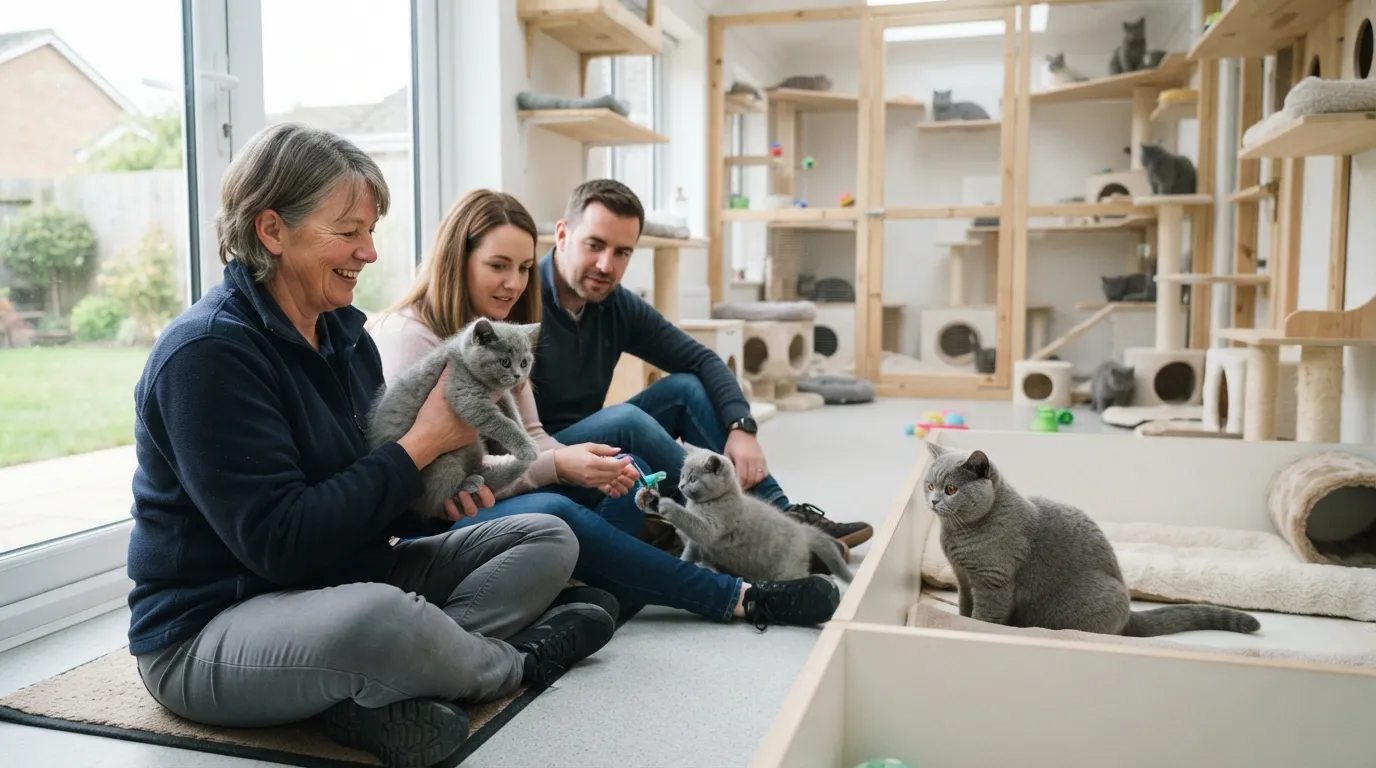
Everything else on this list gets harder if you start with the wrong breeder. This is the single biggest lever breed cat owners have, and most people don’t research it enough.
Always visit the cattery or home in person, meet the kitten, and check that it’s raised in a clean, enriching environment. A reputable breeder will also let you see both the mother and father.
Buying a sick kitten out of sympathy can spiral into years of vet bills. What feels like a rescue at purchase often becomes a long medical journey instead.
Each cat has a unique personality, but understanding breed characteristics gives you a clear picture of grooming needs, common quirks, and health issues to watch for. The right breeder, paired with the right knowledge, changes everything that comes after.
The Bottom Line
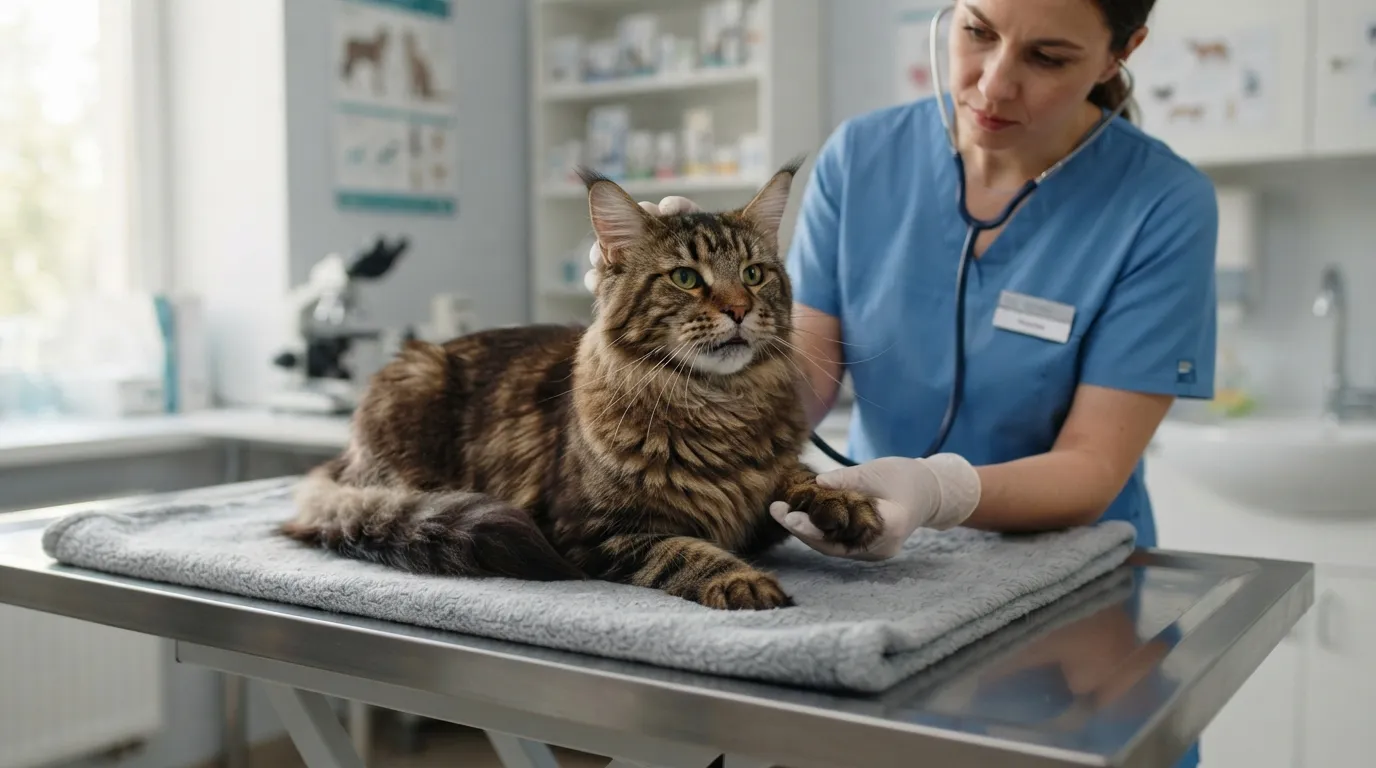
Most breed cat owners are flying blind – paying premium prices while missing the basics that decide whether their cat thrives or spends its middle years at the vet. Purebreds do carry elevated health risks, but those risks are manageable once you start with a vetted breeder and stay on top of screening, nutrition, dental care, and enrichment.
The biggest mistake isn’t any single thing on this list. It’s treating a pedigree cat like a standard household cat and skipping the breed-specific rulebook entirely – because that rulebook is the only thing standing between you and a very expensive surprise.
Did we miss a vet-approved truth your breeder or vet told you? Drop it in the comments – we read every one.
Growing up traveling and experiencing new cultures and wonders, I have had a passion for nature, adventuring, photography, and videography. I am currently working towards a BSc in Biodiversity and Ecology at Stellenbosch University, and I hope to specialise in Marine Sciences one day.
Please send any feedback to Feedback@animalsaroundtheglobe.com