7 Heart Melting Things That Keep Your Cats Happy
#1 A Predictable Daily Routine
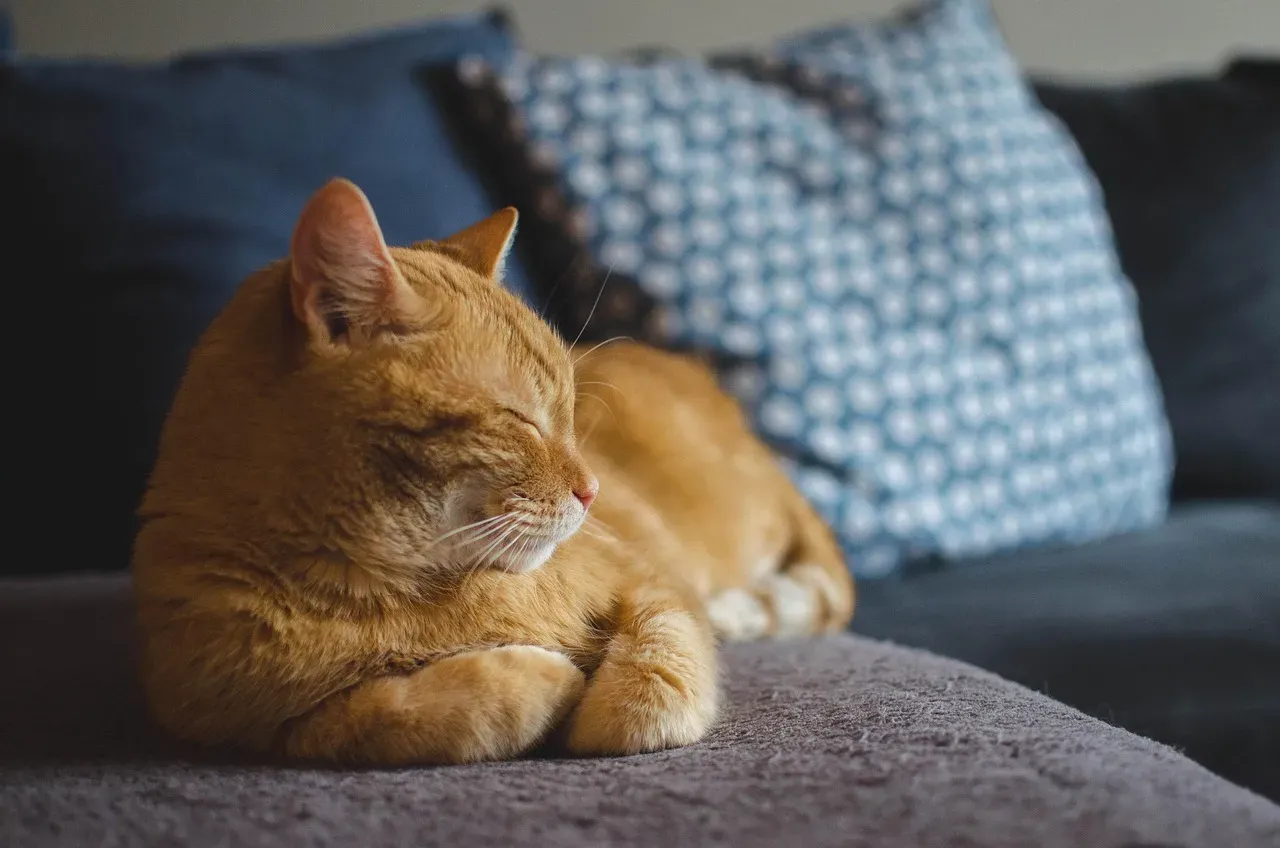
Cats are creatures of habit in a way that often surprises new owners. They thrive on knowing roughly when meals will show up, when the litter box gets cleaned, and when their favorite human is likely to be home. This isn't pickiness for its own sake, it's rooted in how cats manage stress. Unpredictability triggers anxiety in cats far more than in many other pets, since their wild ancestors relied on consistent territorial patterns to survive.
A steady routine doesn't mean rigid scheduling down to the minute, but general consistency matters. Feeding at similar times each day, keeping furniture and litter box locations stable, and maintaining a calm household rhythm all contribute to a cat's sense of security. Sudden changes, like rearranging a room or switching food brands overnight, can genuinely unsettle a cat that otherwise seems perfectly relaxed. Small, gradual transitions tend to go over much better than abrupt ones.
#2 Vertical Space to Climb and Survey
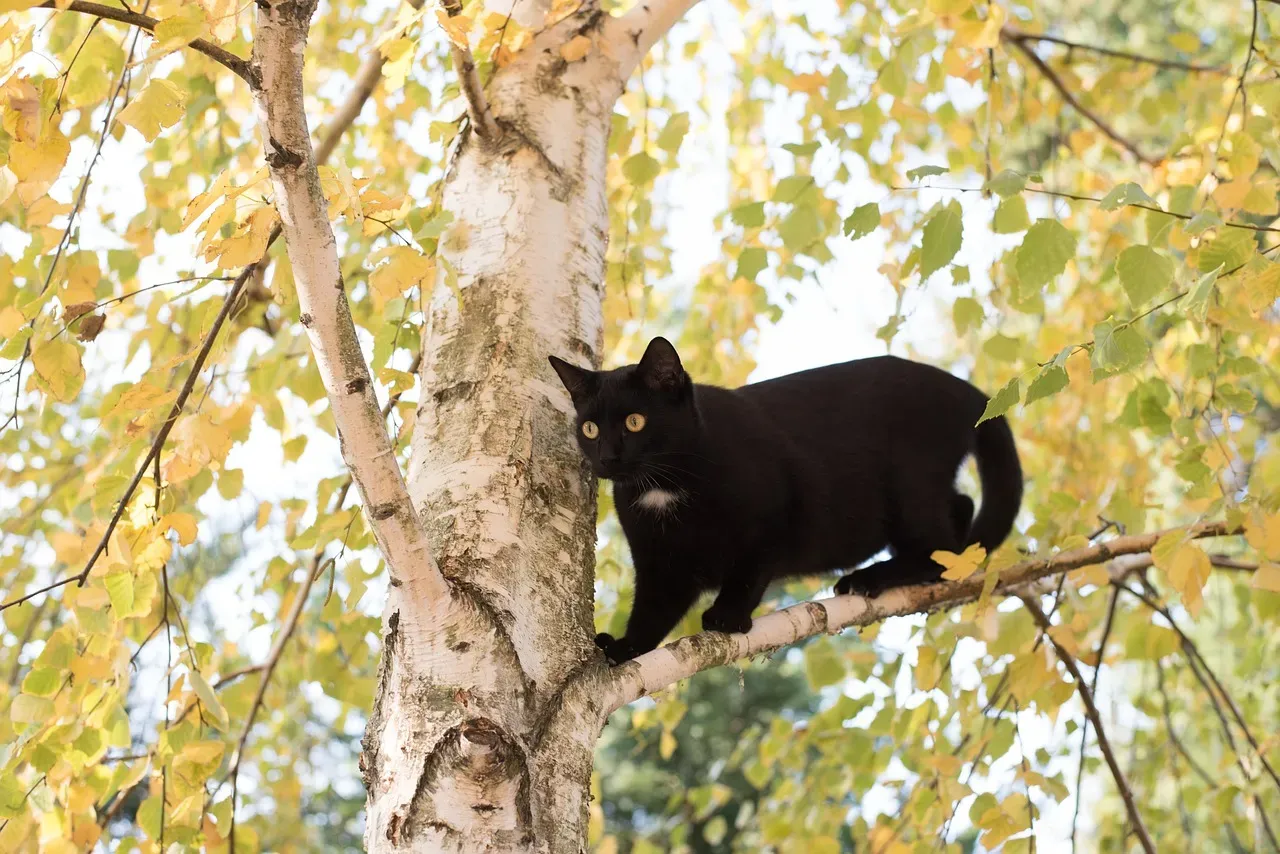
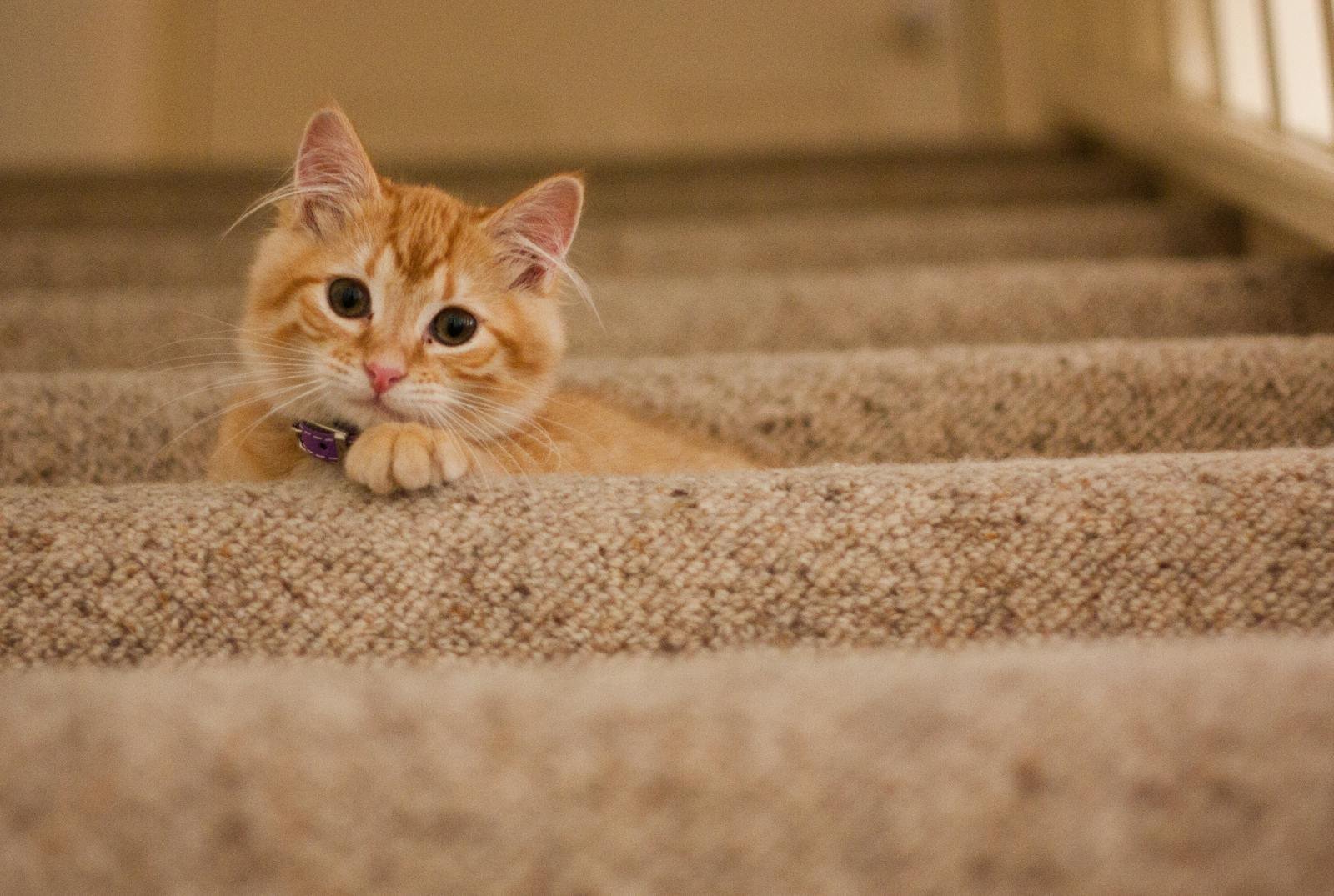
Cat trees, shelves, and window perches aren't just cute accessories, they tap into a deep behavioral need. In the wild, height offers safety from predators and a strategic vantage point for spotting prey or rivals. Domestic cats retain that instinct fully intact, which is why so many of them gravitate toward the top of the refrigerator or the highest bookshelf in the house.
Giving a cat vertical territory can noticeably reduce stress, especially in multi-cat households where floor space becomes a source of tension. Cats that feel cornered or crowded at ground level often relax once they have an elevated spot to retreat to. It's a simple environmental fix that costs little but pays off in a calmer, more confident cat who feels like they have some control over their surroundings.
#3 Regular, Low Pressure Play Sessions
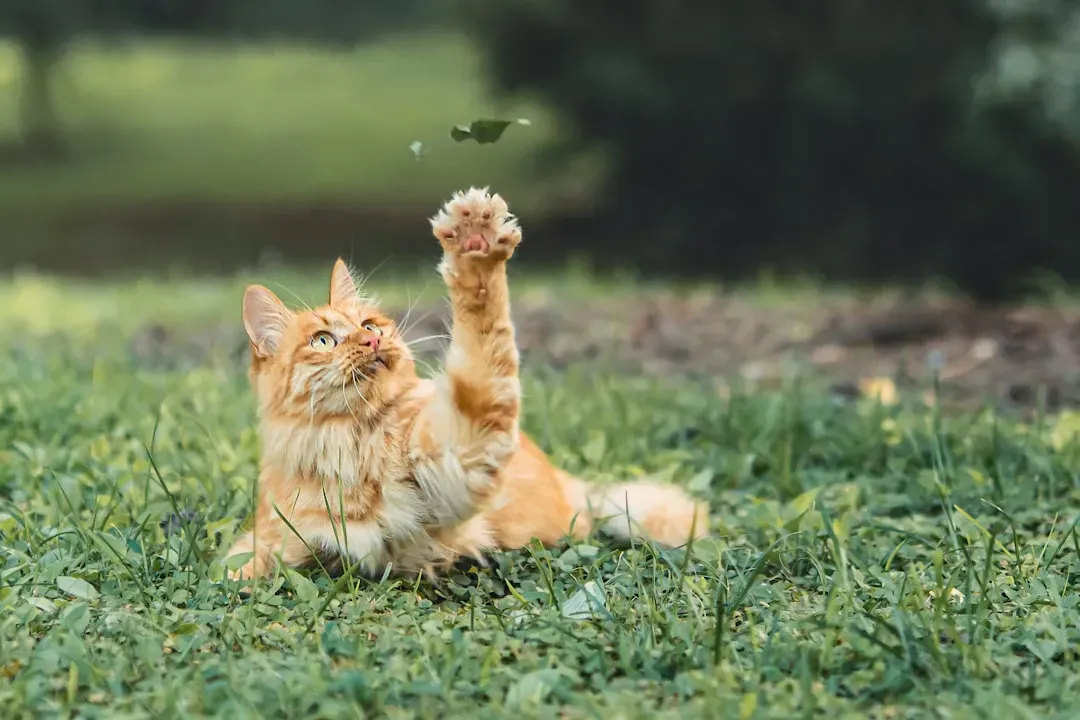
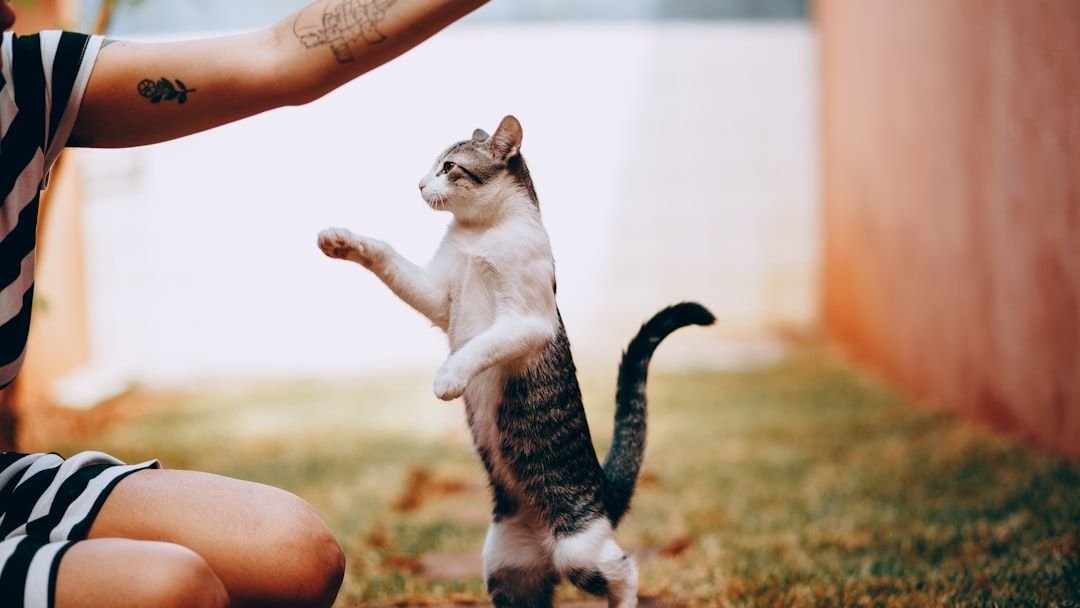
Play isn't just entertainment for cats, it's a stand in for hunting, which is one of their most instinct driven behaviors. Wand toys, laser pointers, and small plush prey substitutes let indoor cats act out stalking, chasing, and pouncing sequences that their bodies are wired to perform. Without some outlet for this, pent up energy can turn into destructive scratching or restless nighttime activity.
The key is ending play sessions the way a real hunt would end, with a catch. Letting a cat physically capture the toy at the end of a session satisfies the sequence completely, rather than leaving them keyed up with no resolution. Short, frequent sessions tend to work better than one long marathon, since cats' natural hunting bursts are quick and intense rather than sustained.
#4 Scratching Surfaces That Actually Get Used
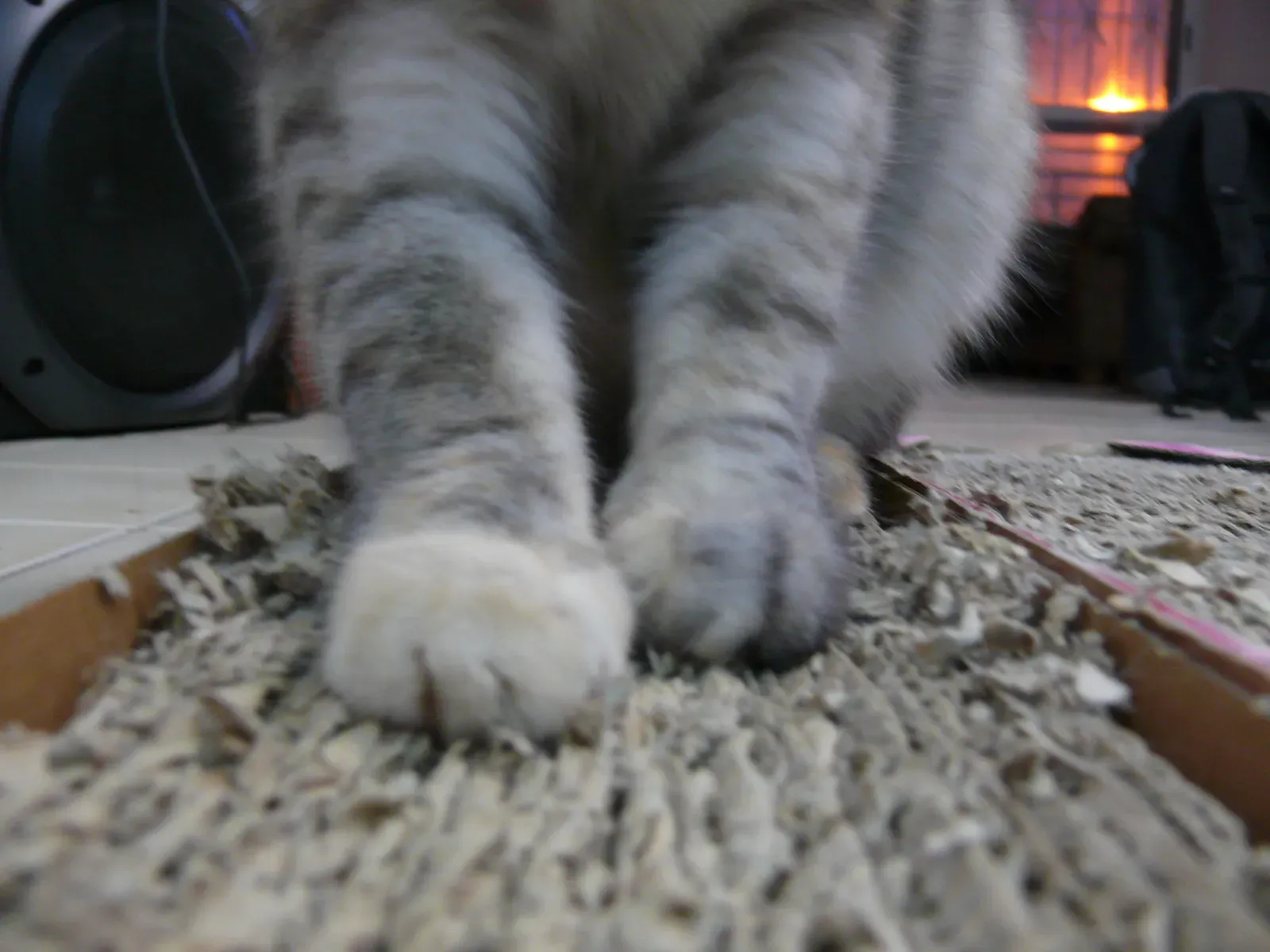
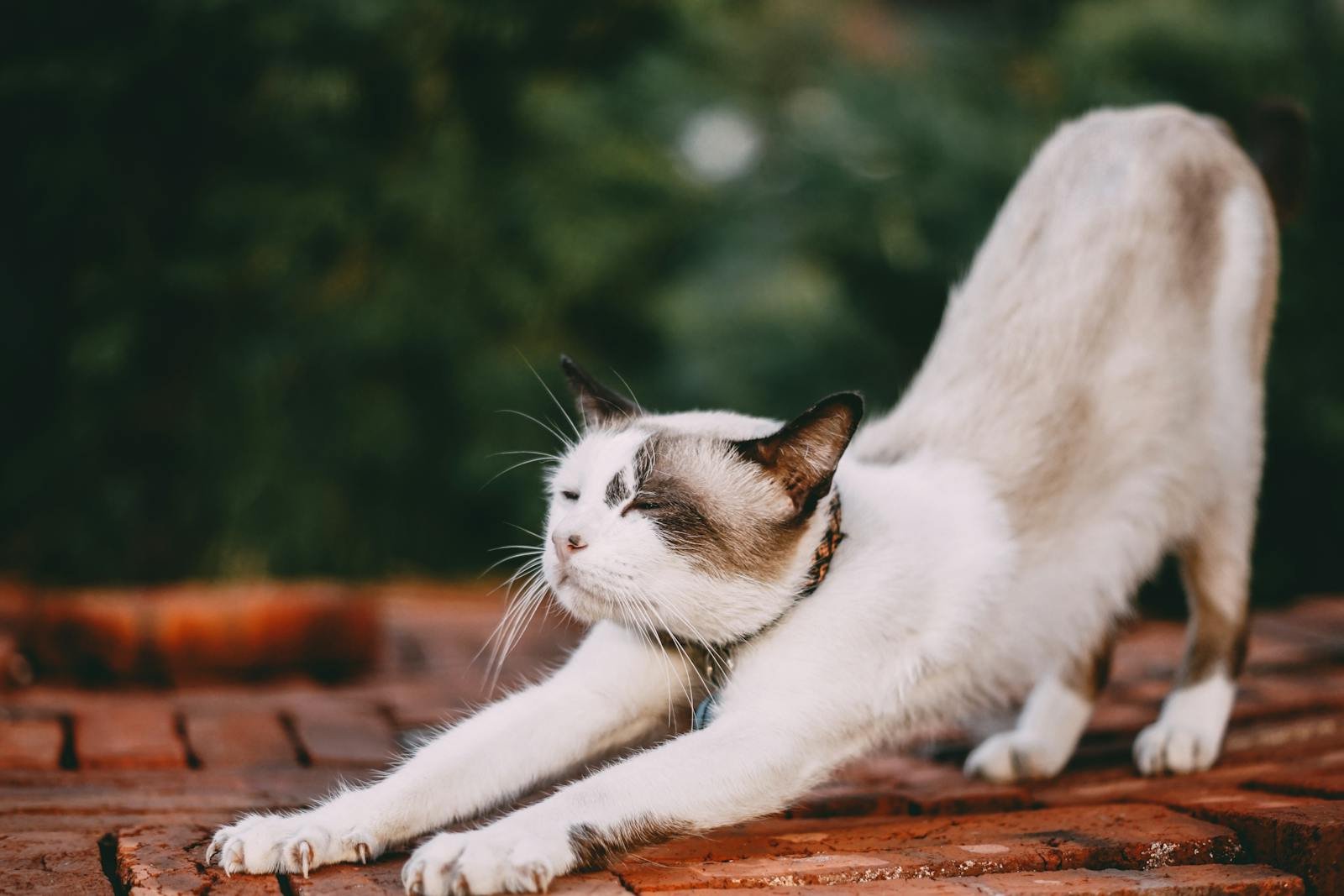
Scratching gets a bad reputation, but it's a completely normal behavior tied to claw maintenance, scent marking, and stress relief. Cats have scent glands in their paws, so scratching leaves behind a chemical signature that helps them feel secure in their space. Denying that outlet entirely doesn't stop the instinct, it just redirects it toward furniture or carpet.
The trick is offering the right kind of scratching surface, since not all posts are created equal. Some cats prefer vertical posts they can stretch fully upright against, while others favor horizontal scratchers or corrugated cardboard pads. Placing these near sleeping areas or high traffic zones, rather than tucked away in a corner, makes it far more likely the cat will use them instead of the couch.
#5 Gentle, Cat Initiated Physical Affection
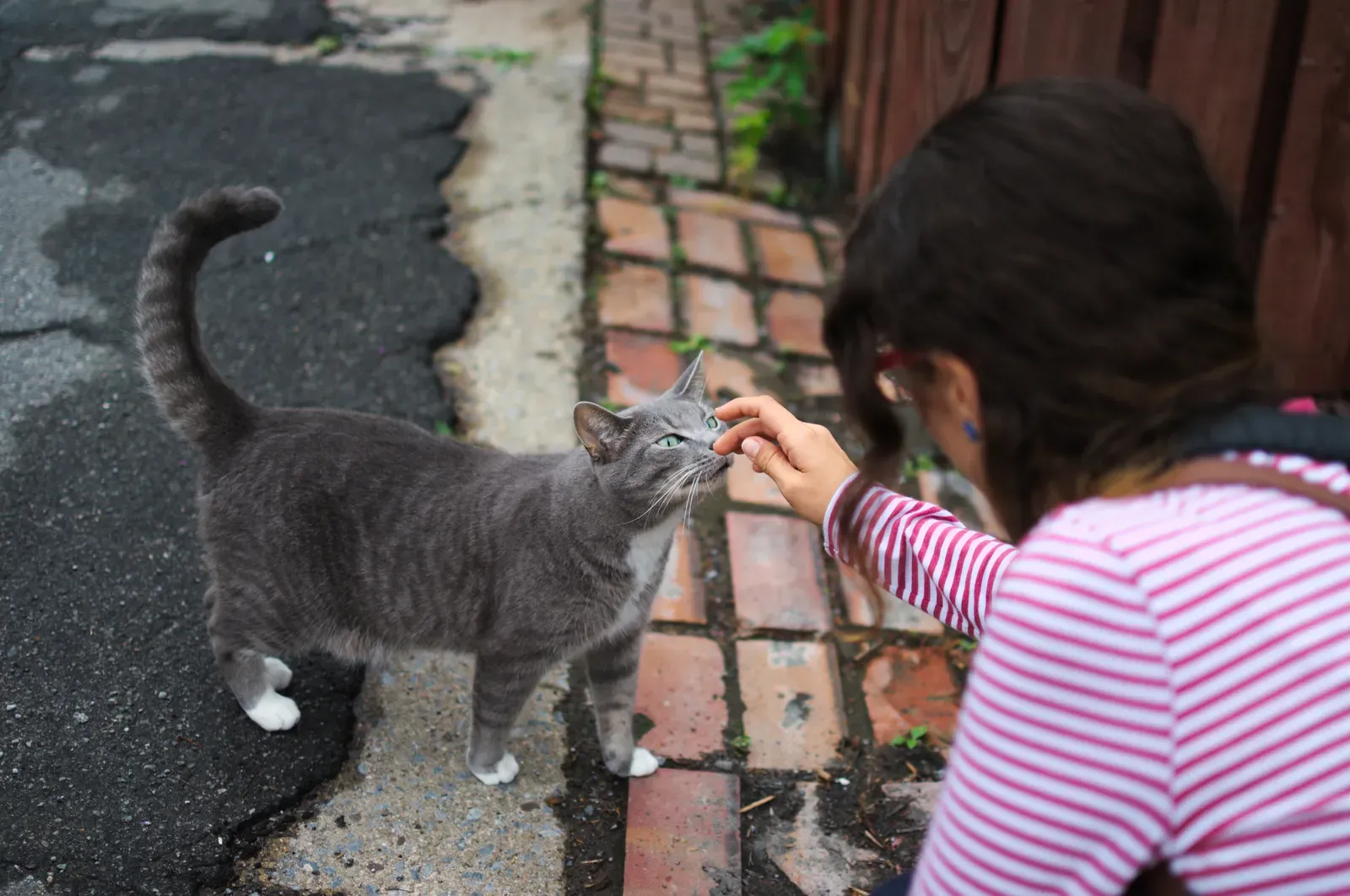
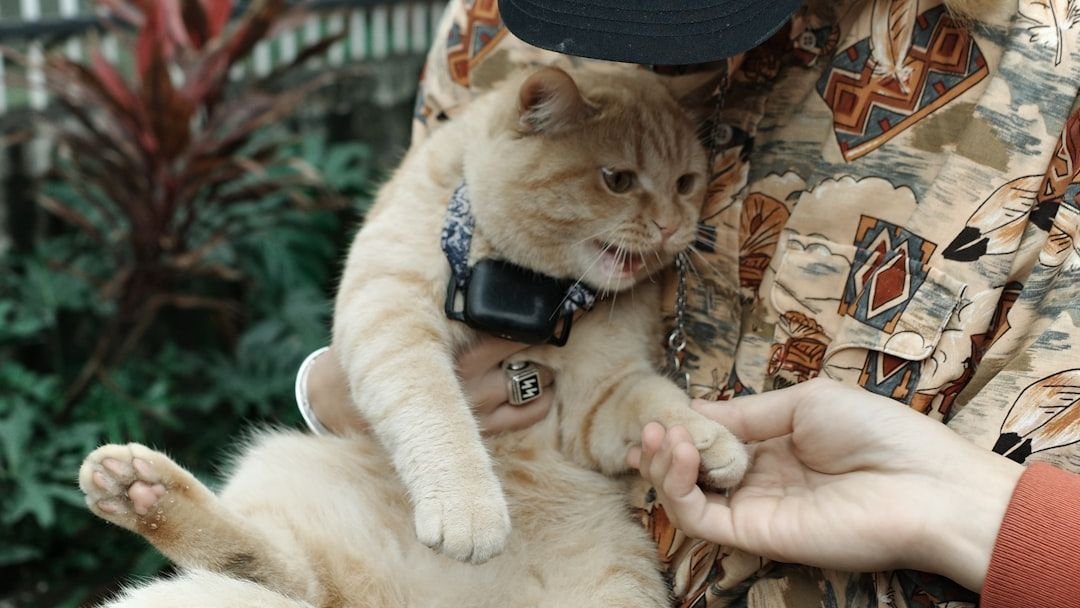
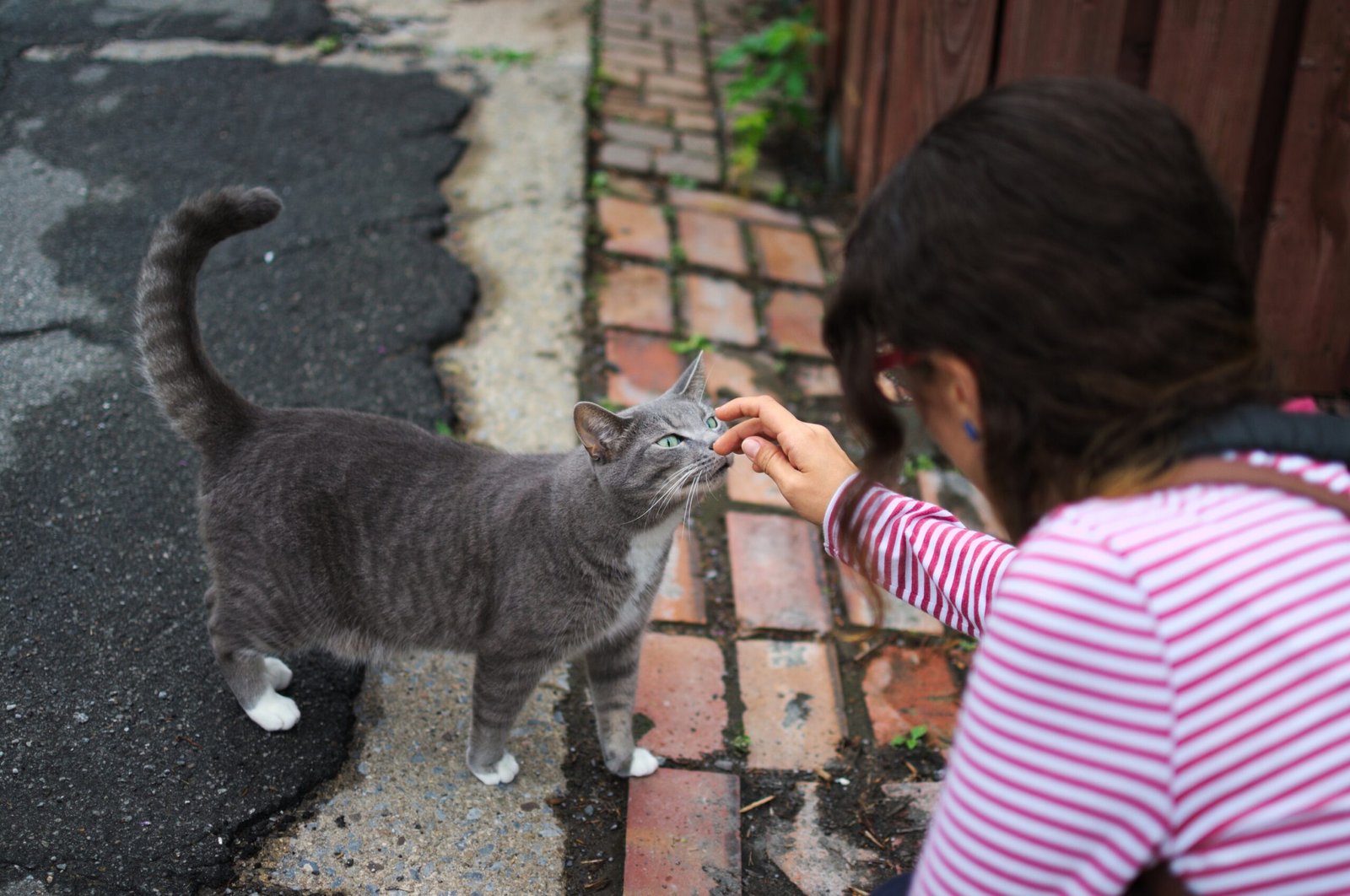
Physical touch matters enormously to cats, but only on their own terms. Forced petting or picking up a cat that isn't in the mood can create lasting wariness, while affection offered when the cat approaches first tends to build genuine trust. Slow blinking, a technique sometimes called a cat kiss, is one of the clearest signals a cat gives when it feels safe and content around a person.
Head and cheek areas are usually the most welcome spots for petting, since that's where a cat's scent glands are concentrated and where they mark familiar people and objects. Bellies, despite looking irresistible, are often off limits, as that's a vulnerable area many cats instinctively protect. Learning an individual cat's preferences, rather than applying a one size fits all approach, tends to strengthen the bond considerably over time.
#6 A Clean, Private Litter Box Setup
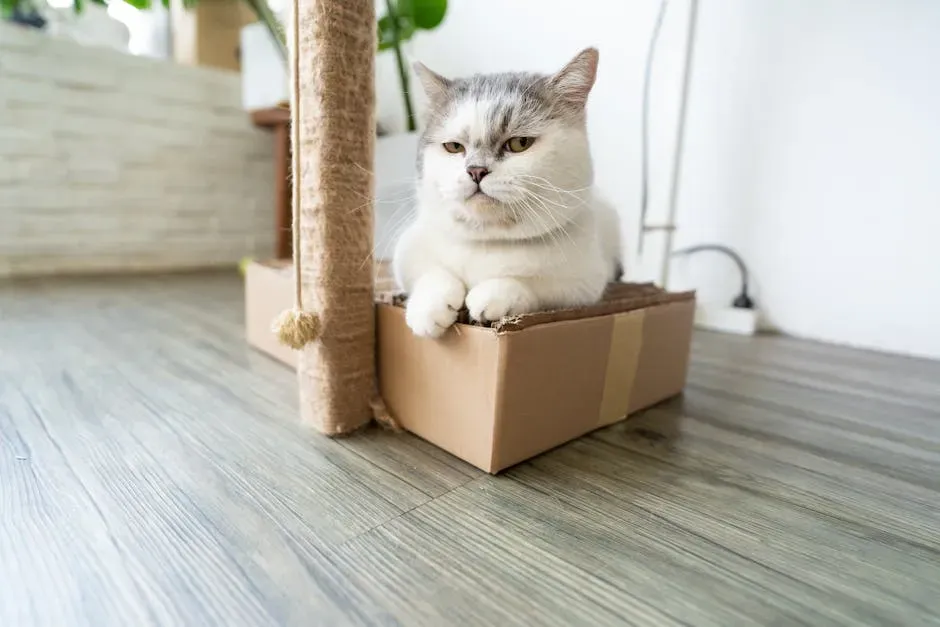
Litter box hygiene is one of the most underestimated factors in feline contentment. Cats are naturally fastidious animals, and a dirty or poorly placed box is a common trigger for stress and even behavioral issues like avoiding the box altogether. Veterinary behaviorists generally recommend one box per cat plus one extra, placed in quiet, low traffic locations away from food and water.
Beyond cleanliness, box type and litter texture matter more than most owners realize. Some cats dislike scented litters or high sided boxes that make entry and exit awkward, particularly as they age. Paying attention to these preferences, and cleaning boxes daily rather than every few days, removes a surprisingly common source of hidden stress in a cat's daily life.
#7 Safe Access to Sensory Enrichment
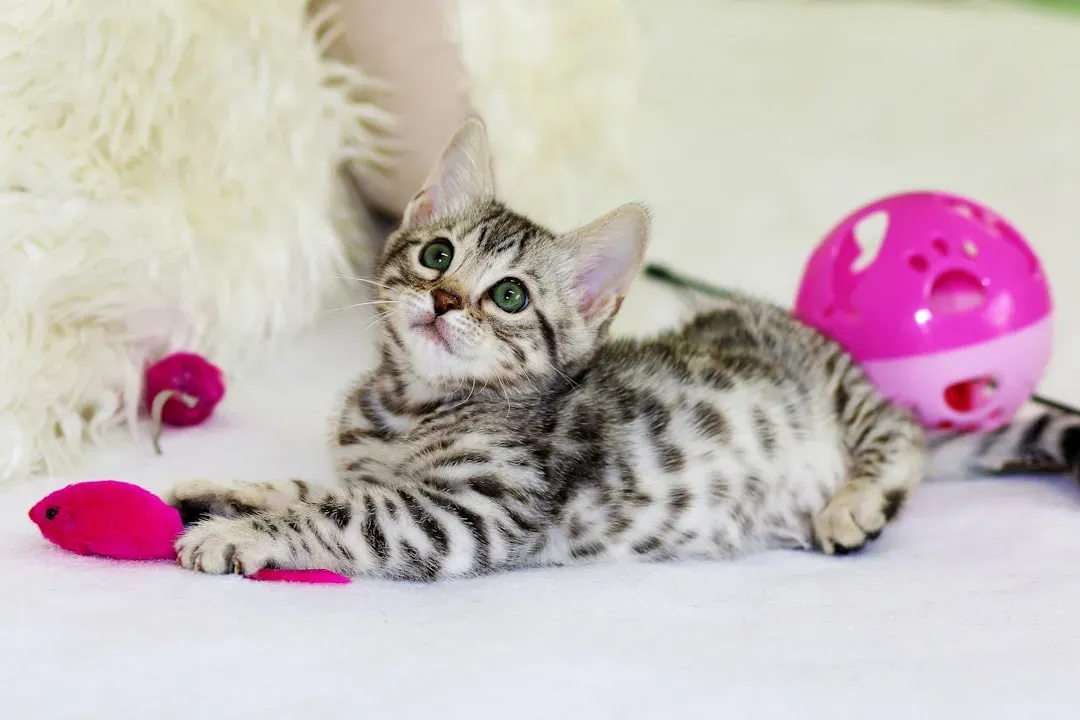
Cats rely heavily on their senses to feel engaged with their environment, and boredom is a real welfare concern for indoor cats especially. Simple additions like a secure window perch overlooking outdoor activity, rotating toys to keep novelty alive, or introducing cat safe plants like catnip and silvervine can meaningfully enrich daily life. Puzzle feeders that require a bit of problem solving to release food also tap into natural foraging instincts.
Sound and scent enrichment matter too, though they're often overlooked. Some cats respond well to species specific audio, like recordings of birds or gentle nature sounds, while others simply enjoy fresh cardboard boxes or paper bags to investigate. The goal isn't to overwhelm a cat with stimulation, but to offer enough variety that their environment feels alive rather than static.
Final Thoughts
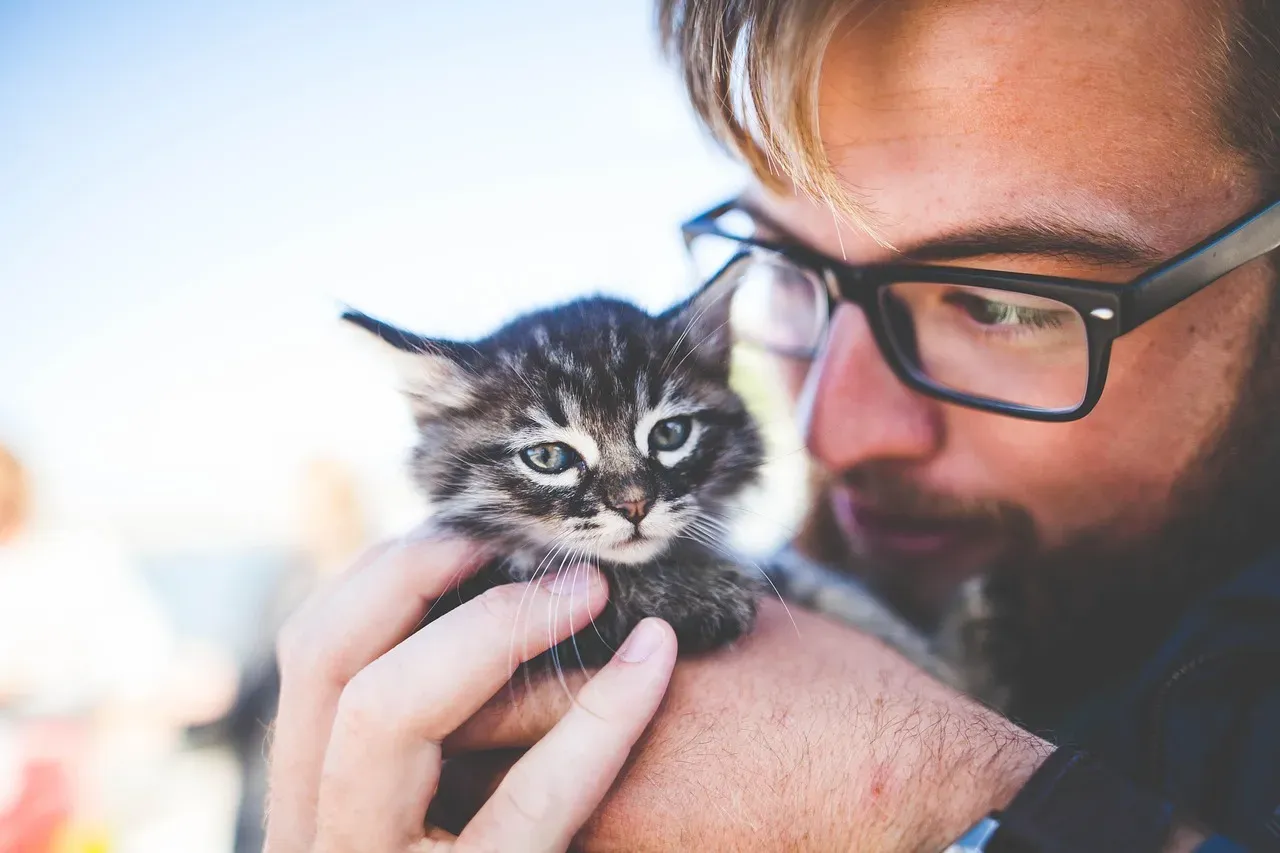
What strikes me most about all seven of these points is how little they actually cost in money or effort compared to the payoff in a cat's wellbeing. None of this requires exotic gadgets or expensive interventions, just attentiveness and a willingness to meet a cat on its own instinctual terms. I'd argue the biggest mistake owners make isn't neglect, it's assuming that because a cat seems self sufficient, it doesn't need much from us at all.
That assumption sells cats short. They're subtle communicators, not indifferent ones, and the owners who take the time to notice a slow blink, a contented scratch, or a perfectly timed nap in a sunny window tend to end up with far more affectionate, secure animals. Happiness in a cat isn't loud or obvious, but it's there for anyone patient enough to look for it.