7 Reasons Cats Carry Toys Into Rooms Where Their Humans Are Sitting
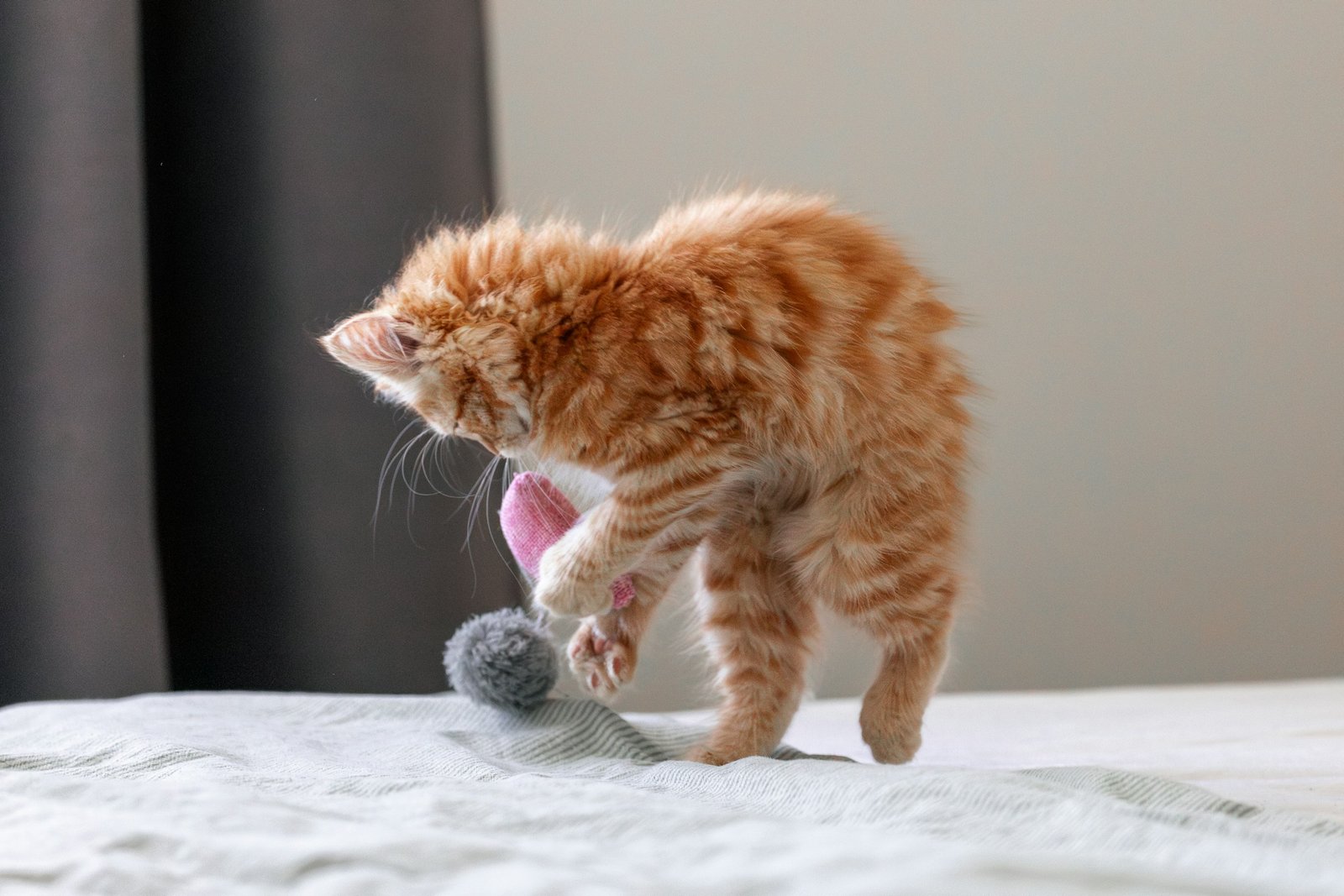
#1 They're Reenacting the Hunt and Sharing the Kill
Domestic cats descend from solitary hunters, and even after thousands of years living alongside humans, that hunting instinct hasn't gone anywhere. When a cat catches something in the wild, whether it's an actual mouse or a toy version of one, there's a biological script that follows. Bringing prey back to a den site and presenting it to others is a behavior seen in feral cat colonies and even in domestic cats that spend time outdoors, so when your cat drops a toy near you, it may be running that same ancient program.
Mother cats famously bring dead or injured prey to their kittens as a teaching tool, gradually showing them how to handle a catch on their own. Some researchers believe adult cats who never had kittens of their own still carry this instinct and redirect it toward the humans they consider part of their social group. In this light, your cat isn't just playing. It might be treating you like a member of the family who deserves a share of the catch, even if the catch is stuffed with polyester fluff.
#2 It's an Invitation to Play Together
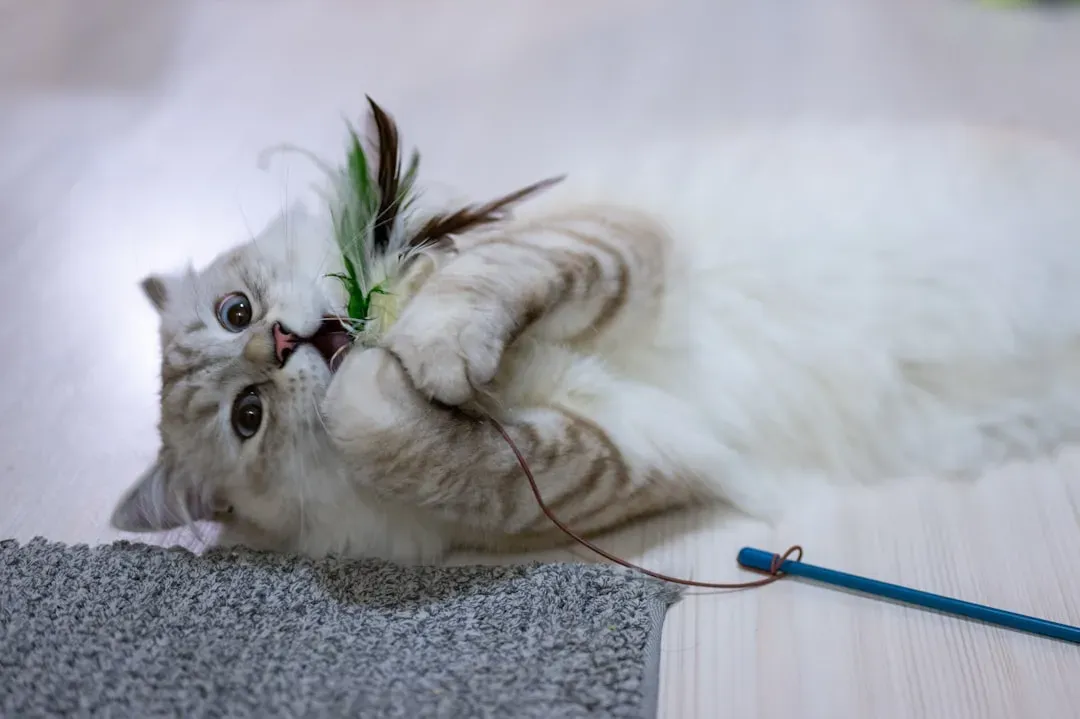
Cats are more social than their reputation suggests, and play is one of the clearest ways they ask for interaction. Dropping a toy in front of you and then staring expectantly is often a direct request. It's the feline equivalent of tapping someone on the shoulder and holding up a board game.
This is especially common in cats that were adopted young or that live in single cat households without other animals to wrestle and chase. Without a sibling to bounce a ball back and forth with, the household human becomes the default playmate. If your cat drops a toy and then backs up a few steps watching you, it's likely waiting for you to toss it or swat it back, essentially setting the terms of a game it wants to play.
#3 They Want Your Attention, Plain and Simple
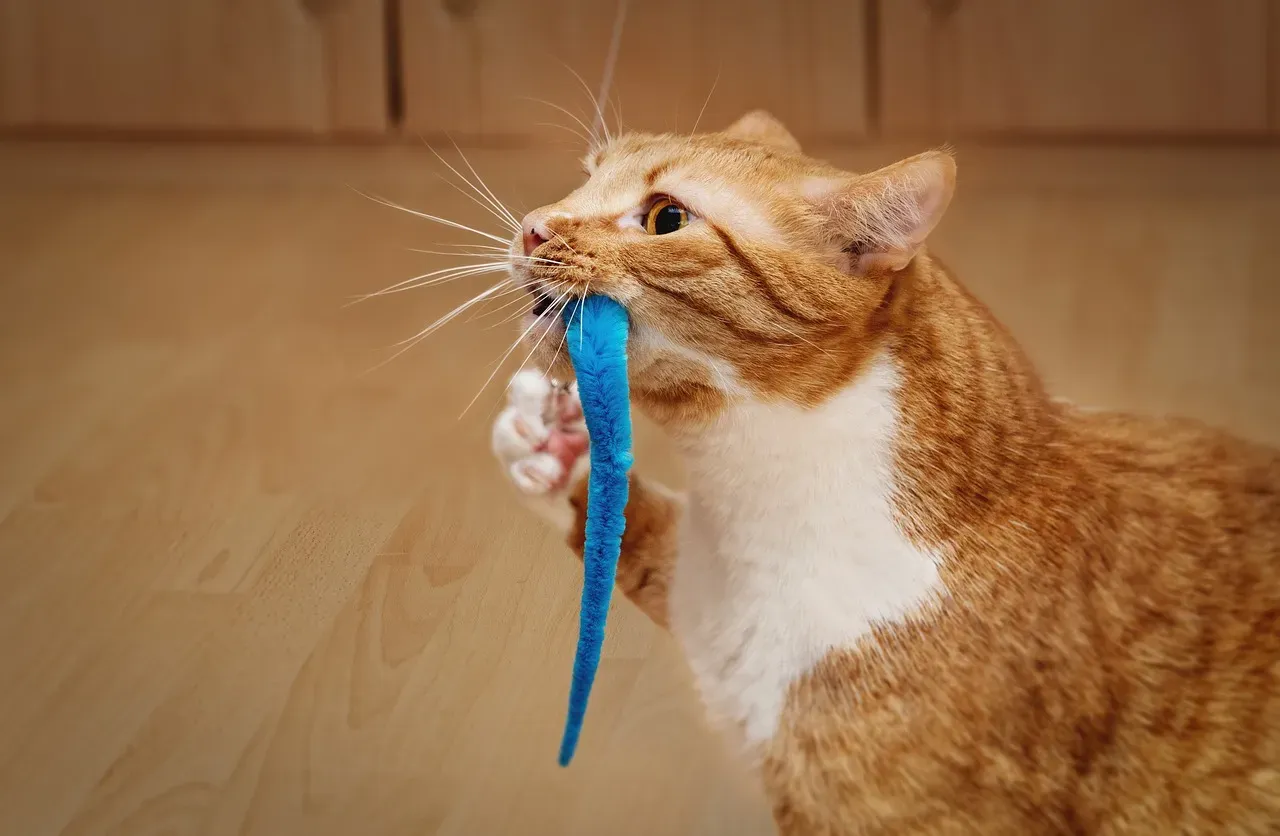
Sometimes the toy has nothing to do with hunting instincts or play invitations. It's simply a prop. Cats learn quickly what gets a reaction out of the people they live with, and a toy dropped dramatically at your feet, especially one that squeaks or crinkles, is hard to ignore.
This kind of attention seeking tends to show up when a cat feels under stimulated or has been alone for a stretch of the day. Rather than pawing at you directly or knocking something off a shelf, some cats have figured out that the toy delivery method works better and gets a more positive response. It's a clever bit of behavioral shaping on their part, and honestly, it's hard to be annoyed when the method is this charming.
#4 It Might Be a Sign of Trust and Comfort
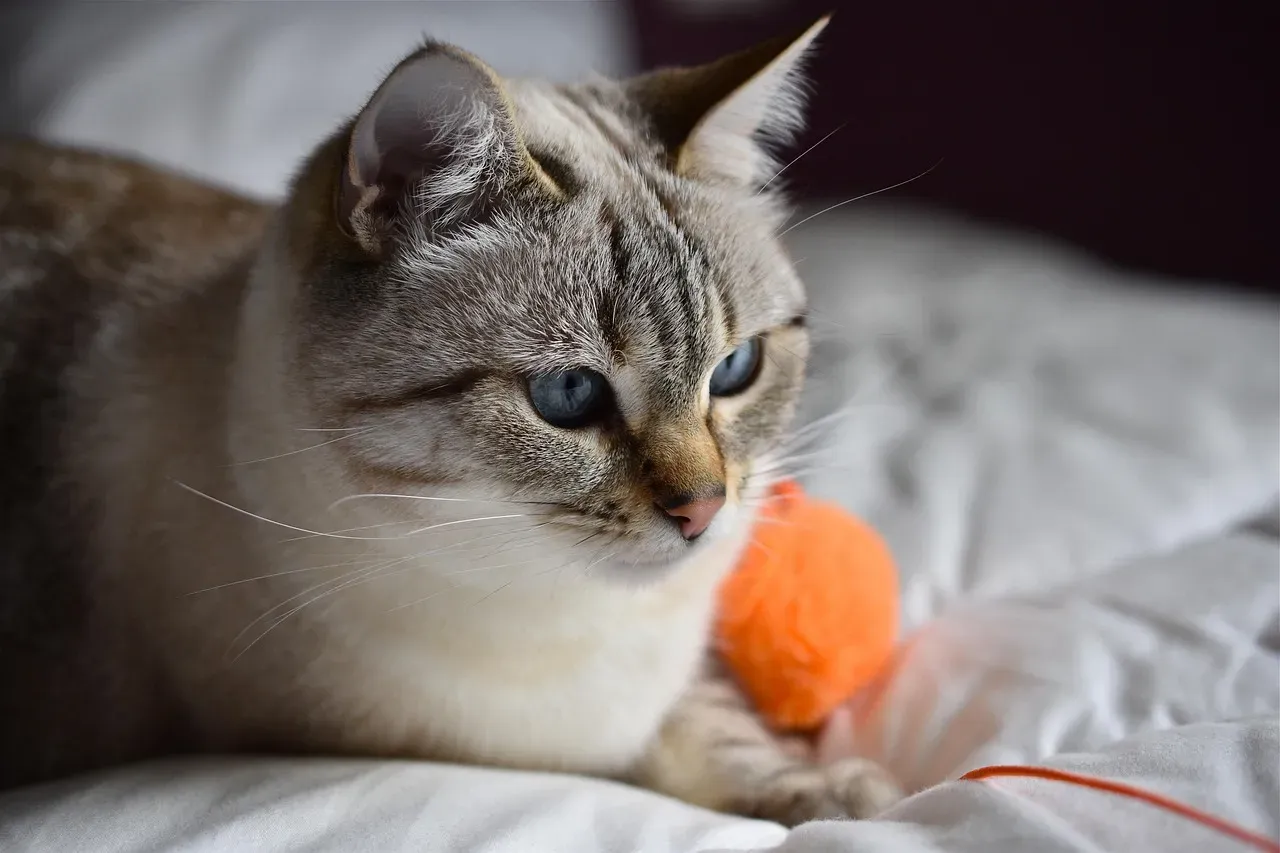
Carrying a toy into a room full of people, or dropping it specifically near a person they trust, isn't something a nervous or insecure cat is likely to do. This behavior tends to show up in cats that feel safe in their environment and secure in their relationship with their owner. A cat that hides under the bed at the sound of a doorbell probably isn't going to casually stroll in with a toy in its mouth.
Veterinary behaviorists often point to this kind of relaxed, voluntary interaction as a positive sign of the human animal bond. When a cat chooses to bring something to you rather than just play with it alone in another room, it suggests you've become part of its safe zone. Think of it as a small, low key vote of confidence in your relationship, even if it comes with a slightly damp cat toy attached.
#5 Some Cats Are Genuinely Wired to Retrieve
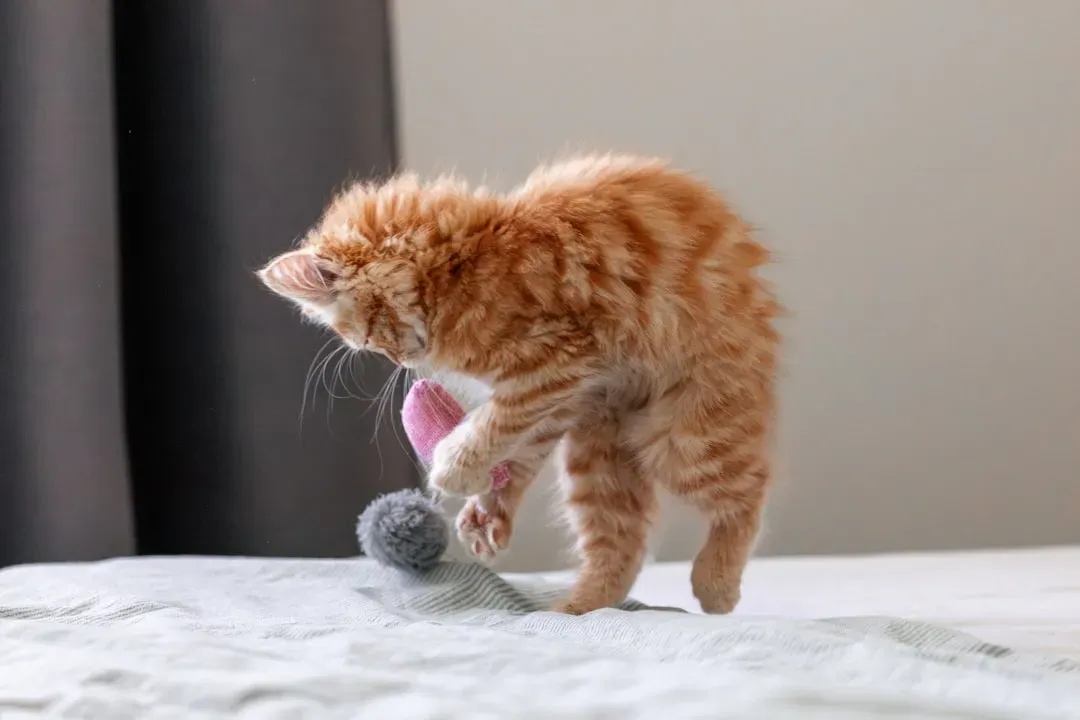
Fetching isn't just a dog thing. A noticeable number of cat owners report that their cats will consistently retrieve thrown objects, sometimes even bringing the item back multiple times in a row without being asked. Certain breeds, including Siamese and other oriental breeds, seem to show this tendency more often, though it can pop up in any cat regardless of pedigree.
Behavior researchers who have looked into feline fetching suggest it may be linked to both prey drive and a cat's individual personality traits, since not every cat in the same household will do it. If your cat consistently brings toys to you and seems to want you to throw them again, you may simply have one of the cats wired for this particular game. It's less about a deep symbolic message and more about a genuine, replicable habit that some cats just enjoy.
#6 Toy Delivery Can Signal Boredom or Excess Energy
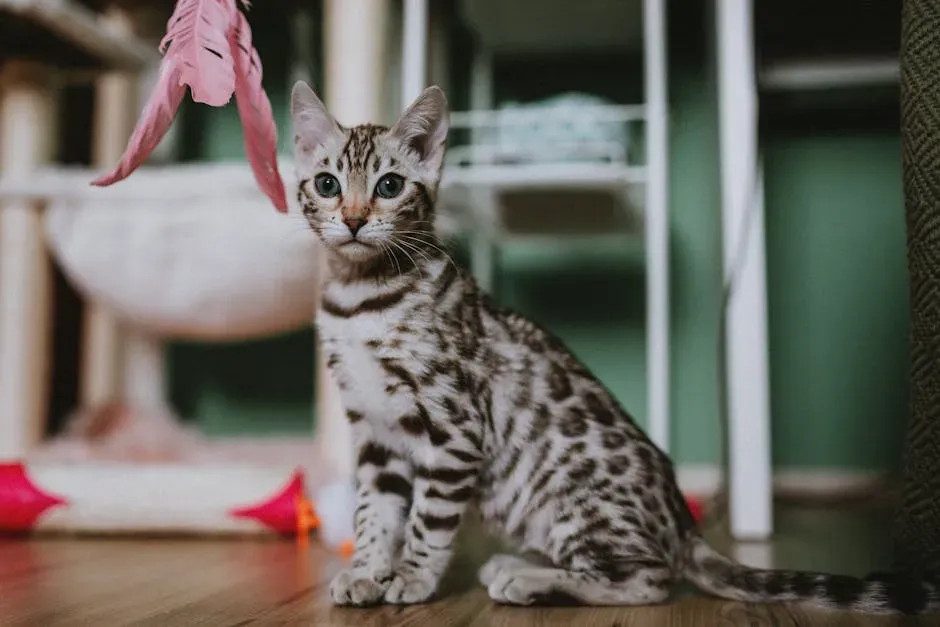
Indoor cats, especially those without much environmental enrichment, can build up energy that needs somewhere to go. Toy carrying and dropping sometimes shows up as part of a broader pattern of restlessness, particularly in younger cats or breeds known for higher activity levels. If the toy delivery happens at roughly the same time each day, often in the evening, it may line up with a natural crepuscular activity peak, since cats are biologically inclined to be more active around dawn and dusk.
This kind of behavior is worth paying attention to because it can be a gentle nudge that your cat needs more physical or mental stimulation during the day. Puzzle feeders, scheduled play sessions, or simply rotating toys to keep things interesting can help address this underlying restlessness. A cat that's getting enough exercise and enrichment may still bring you toys occasionally, but it's less likely to do so as a repeated, almost frantic request.
#7 It Could Be Tied to a Specific Toy's Texture or Scent
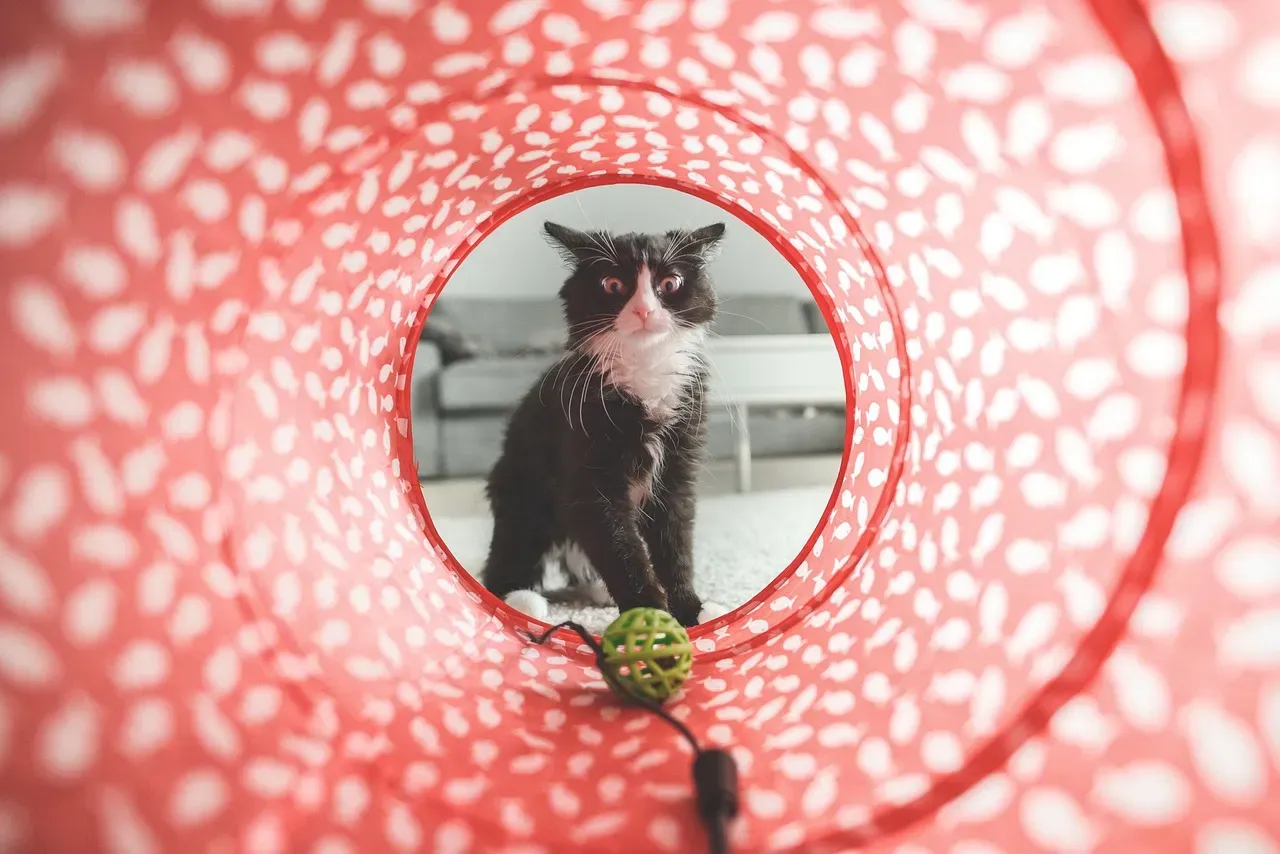
Not all toys get the delivery treatment. Many cat owners notice their cats gravitate toward one particular toy, often something with a specific texture, sound, or scent, like a toy stuffed with catnip or silvervine. That preference can intensify the delivery behavior, since a cat that finds a toy especially satisfying to catch and carry is more likely to want to show it off or interact with it near you.
Catnip and silvervine both trigger a euphoric response in a large percentage of cats through their effect on certain receptors, and toys infused with these substances often become favorites for exactly this reason. If you notice your cat repeatedly bringing the same soft mouse or feather toy rather than rotating through different ones, the object itself may be part of the story. It's not just about you in that moment. Sometimes the toy has simply earned a starred spot in your cat's personal collection.
The Takeaway