What the Cat Means as a Spirit Animal in Native American Culture
#1 The Cat Family Native to North America Isn't What Most People Picture
When people hear "cat spirit animal," many immediately think of a housecat, but that animal has no deep roots in pre-colonial Native American symbolism. Domestic cats were brought to the continent by European settlers, which means the wildcats already living across North America, bobcats, Canada lynx, and mountain lions, are the actual animals woven into Indigenous belief systems. These species had thousands of years of shared history with the people who lived alongside them, hunted near them, and occasionally crossed paths with them in ways that felt significant enough to remember.
This distinction matters because it shapes what the symbolism actually reflects. A bobcat moving silently through underbrush at dusk carries a very different feeling than a mountain lion perched above a canyon, and Native storytellers noticed those differences closely. So when people research "the cat as a Native American spirit animal," what they're usually looking for is really a blend of stories about these specific wild felines, each with its own reputation shaped by direct observation rather than imagination.
#2 Independence and Self-Reliance Show Up Again and Again
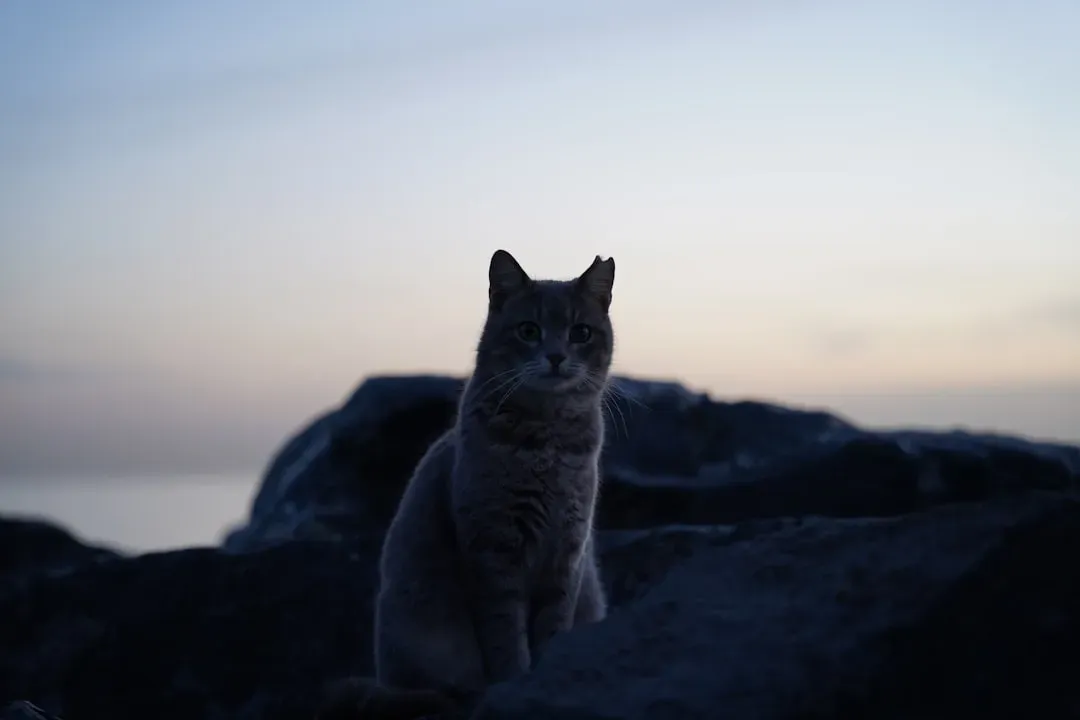
Across multiple nations, wildcats became associated with self-sufficiency, largely because that's simply how these animals live. Bobcats and mountain lions are solitary hunters, covering wide territories alone and relying on sharp instincts rather than group coordination to survive. That behavior naturally became a teaching point, a living example of what it looks like to trust your own judgment and move through the world without needing constant validation from others.
For individuals who felt a personal connection to these animals, whether through a vision, a recurring dream, or a meaningful encounter in the wild, the message often centered on developing quiet confidence. It wasn't about isolation for its own sake, but about learning to stand on your own two feet when circumstances called for it. In a way, the wildcat became a reminder that solitude and strength aren't opposites, they can actually reinforce each other.
#3 The Bobcat Carries Its Own Specific Symbolism
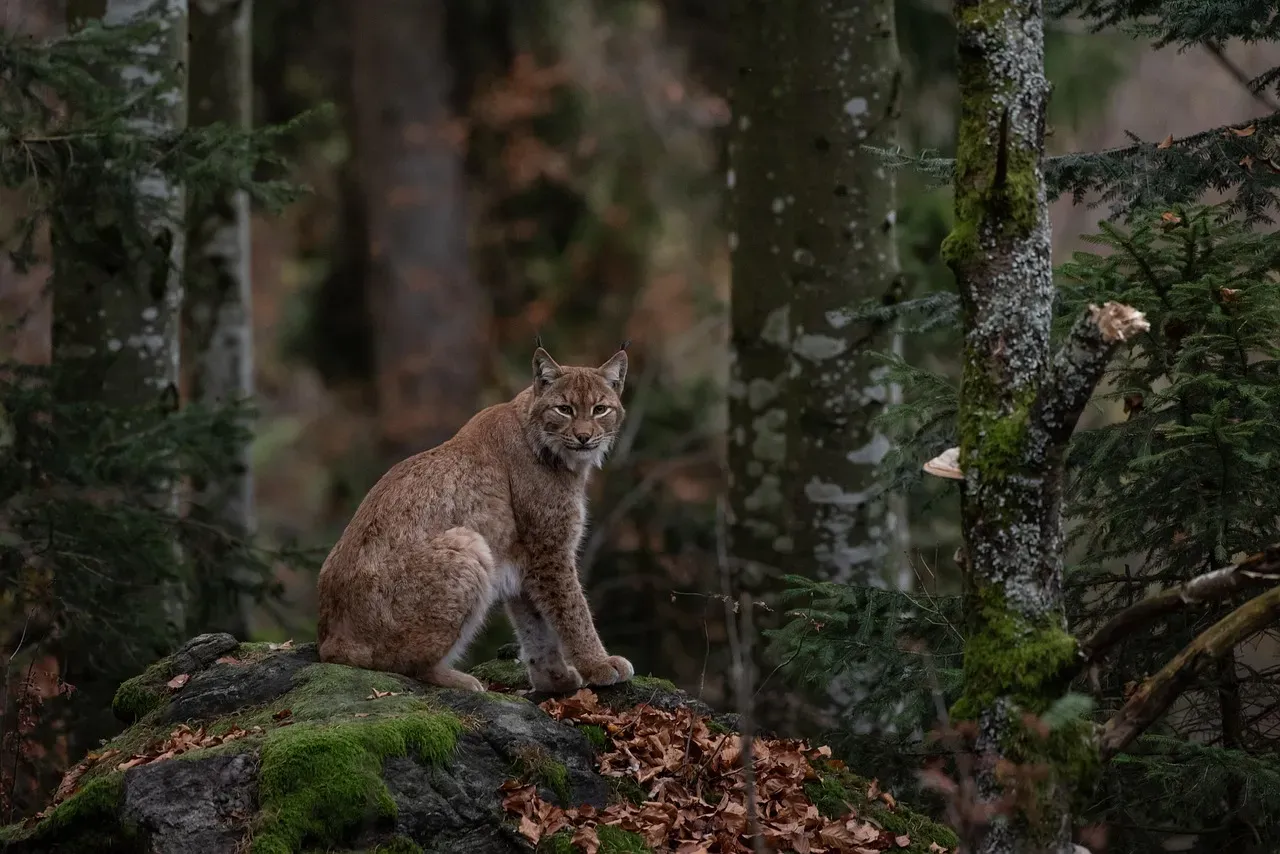
Among the smaller wildcats, the bobcat holds a particular place in Indigenous storytelling due to its secretive nature and patient hunting style. Several nations viewed the bobcat as a symbol of quiet observation, an animal that watches carefully before acting rather than rushing into anything. That patience wasn't seen as passivity, but as a disciplined kind of awareness worth cultivating in daily life.
The bobcat also became linked to the idea of hidden knowledge, since the animal itself is rarely seen despite living relatively close to human settlements. This elusiveness suggested that some truths reveal themselves only to those willing to slow down and pay close attention. People who identified with the bobcat as a personal guide often interpreted it as encouragement to trust their instincts, even when the path forward wasn't immediately obvious.
#4 The Mountain Lion Represents Leadership and Command
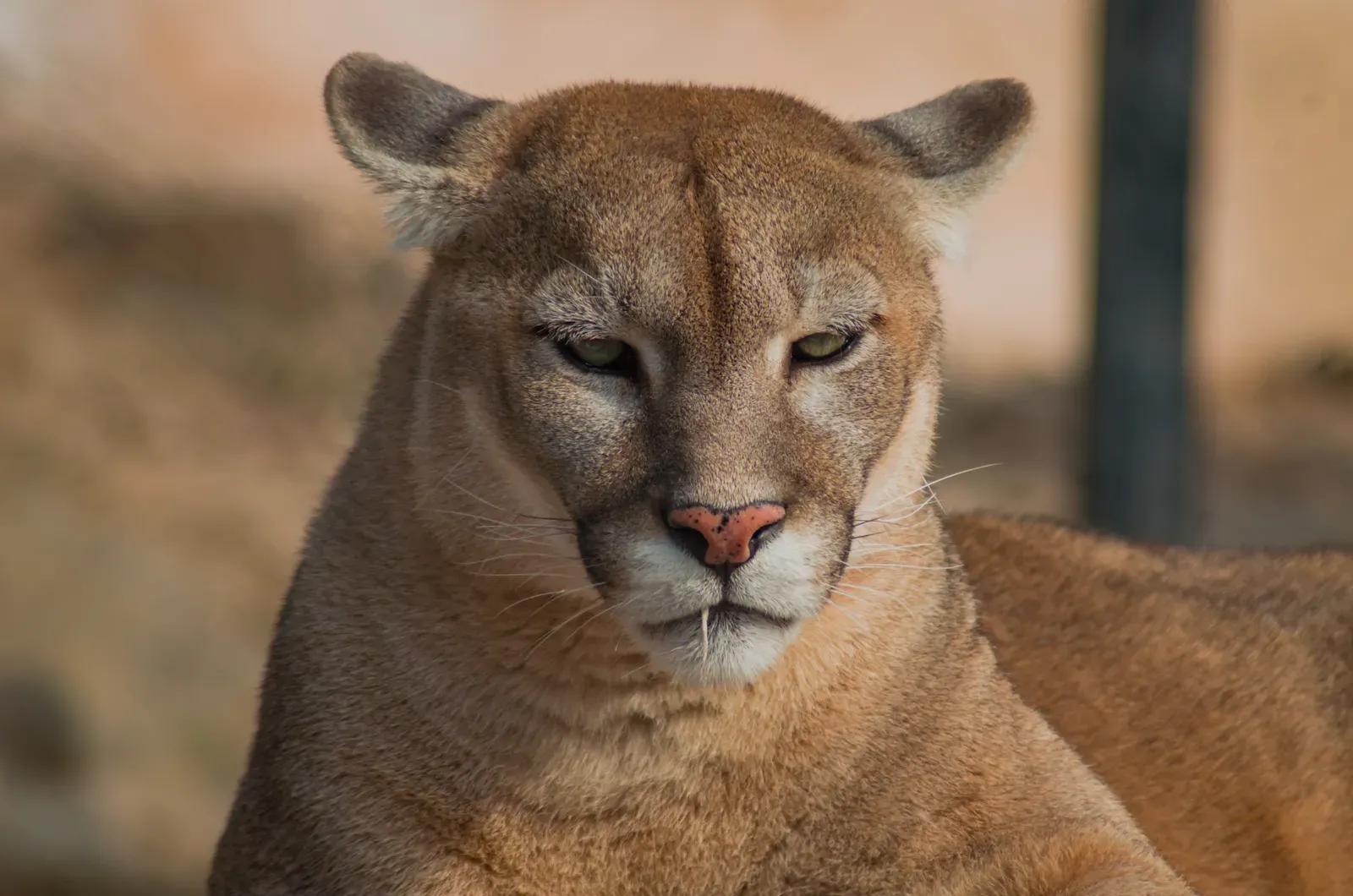
Mountain lions, also known as cougars or pumas depending on the region, occupy a very different symbolic space than their smaller relatives. As apex predators with commanding physical presence, they became connected to leadership, courage, and the responsibility that comes with power. Several Southwestern and Plains nations regarded the mountain lion as a figure worth respecting deeply, sometimes even fearing, because of the authority it seemed to embody in the landscape.
This wasn't leadership in a loud or showy sense. Mountain lions lead through presence rather than noise, moving with certainty and rarely needing to prove their strength outright. That quiet authority became a model for what real leadership could look like, something built on competence and calm rather than constant assertion.
#5 Cats Were Often Tied to Intuition and Feminine Energy
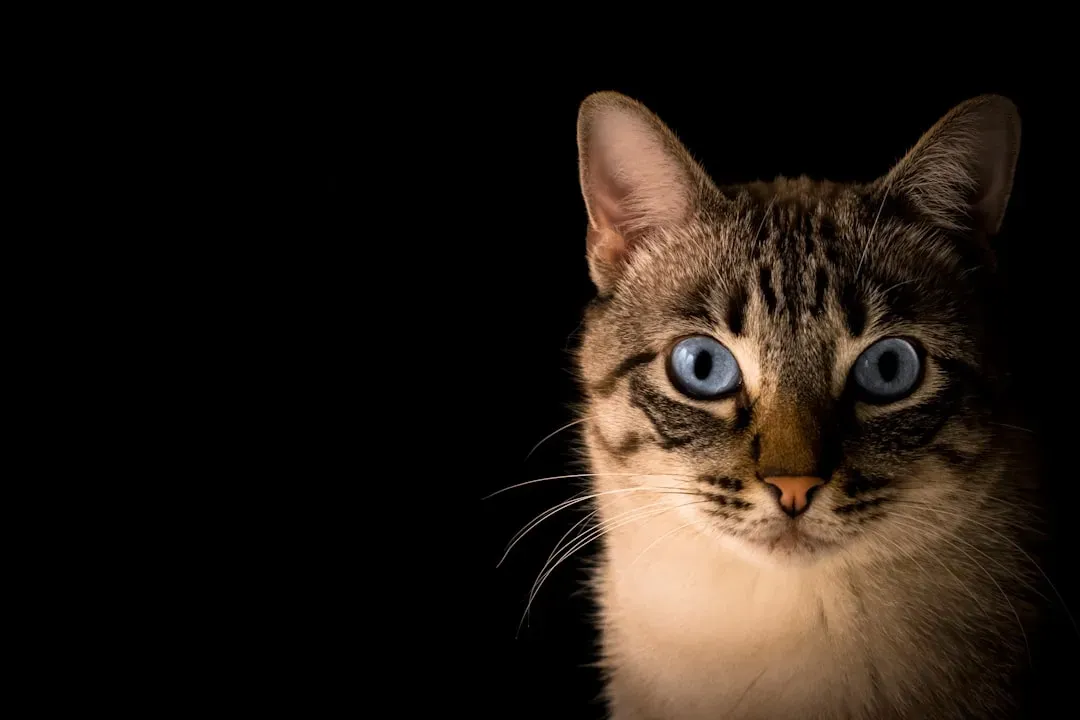
In numerous storytelling traditions, wildcats became associated with intuitive knowledge and a kind of perceptiveness that operates below the surface. This connection often intersected with feminine energy, not in a rigid gendered sense, but as a recognition of receptive, instinct driven wisdom that complements more direct or forceful approaches to problem solving. The cat's ability to sense danger or opportunity before it becomes obvious made it a natural symbol for this kind of awareness.
Some nations incorporated these ideas into healing practices or personal guidance, suggesting that people who felt a strong pull toward cat symbolism should pay closer attention to their gut instincts. The message wasn't that logic didn't matter, but that intuition deserved a seat at the table too. It's a nuanced way of thinking about decision making that still resonates with a lot of people today.
#6 Wildcats Appear as Trickster and Teacher Figures in Storytelling
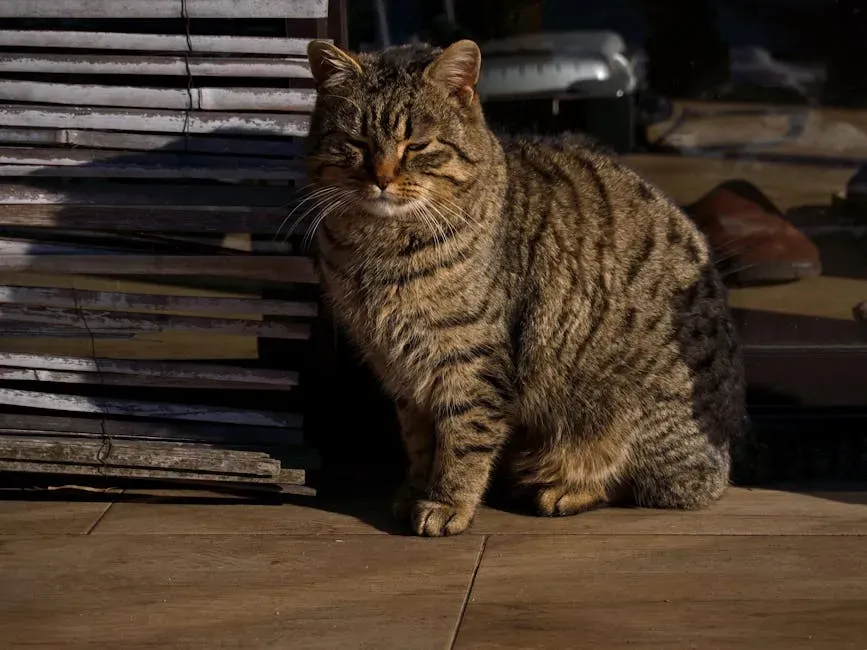
Not every story involving a wildcat painted it as purely noble or wise. In some Indigenous folklore, cats took on trickster like qualities, outsmarting other animals or humans through cleverness rather than brute strength. These stories often carried practical lessons disguised as entertainment, teaching listeners about the consequences of arrogance, greed, or carelessness.
Other tales positioned the cat as a teacher figure, someone or something that imparted wisdom through indirect means rather than blunt instruction. This storytelling approach reflects a broader pattern in Indigenous oral traditions, where animals frequently served as vehicles for moral and practical guidance. The cat's flexibility as a character, sometimes wise, sometimes mischievous, made it a useful figure for exploring complicated human behavior.
#7 Encountering a Cat Spirit Today Still Carries Personal Meaning
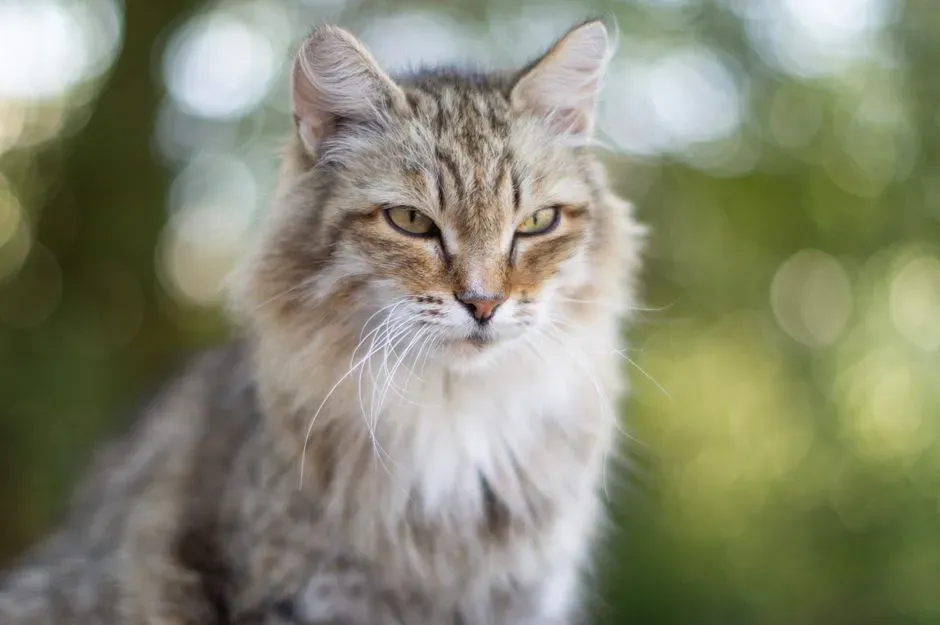
For people who feel a genuine connection to Native American spiritual traditions, encountering cat symbolism today often prompts reflection rather than a fixed checklist of meanings. It might show up as a recurring dream, an unexpected sighting of a bobcat or mountain lion, or simply a persistent pull toward these animals without an obvious explanation. Interpretations vary depending on which tradition someone is drawing from, so approaching this with humility and respect matters.
What tends to stay consistent is the invitation to look inward. Whether the message points toward independence, patience, leadership, or intuition, the underlying idea is that these animals ask something of the person paying attention to them. That's arguably the most valuable part of this symbolism, not a rigid definition, but an open ended prompt for self reflection.
Final Thoughts
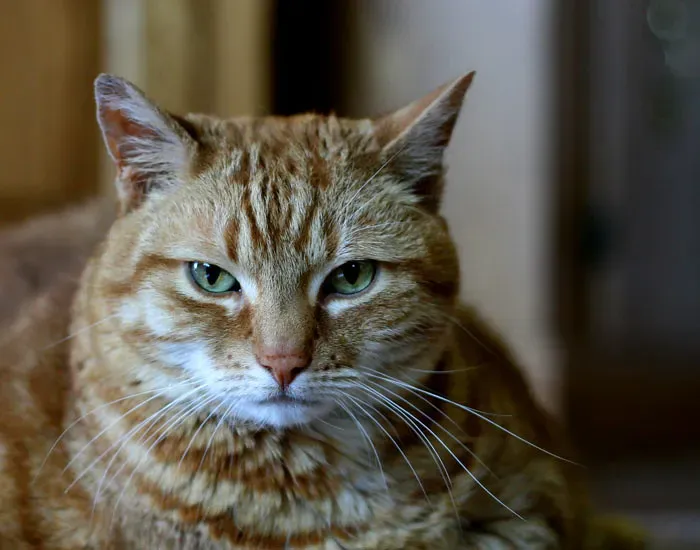
What strikes me most about researching this topic is how often people flatten rich, specific traditions into vague, one size fits all interpretations. The wildcats of North America, bobcats, lynx, mountain lions, carried distinct meanings shaped by real observation, regional context, and centuries of oral storytelling. Treating them as interchangeable symbols does a disservice to the cultures that developed this symbolism in the first place.
If there's one thing worth taking seriously here, it's the importance of approaching Indigenous spiritual concepts with genuine curiosity rather than convenience. These aren't universal archetypes borrowed from a generic spiritual marketplace, they're specific, meaningful traditions belonging to distinct nations with their own histories. Respecting that distinction doesn't make the symbolism less interesting, if anything, it makes it more worth understanding properly.