Animal Behavior Says Cats Who Follow You From Room to Room May Be Tracking More Than Just Where You're Going
#1 The myth of the aloof, solitary cat is losing ground
For generations, cats carried a reputation as self-sufficient loners who merely tolerated human company in exchange for food and a warm windowsill. That image has taken a hit as researchers have looked more closely at how cats actually behave around the people they live with. The cultural image of cats as fundamentally solitary, aloof, and self-sufficient animals is giving way under the weight of better research.
Part of the shift comes from observing cats in more natural, less controlled settings. Studies of feral cat colony behavior show complex social structures with genuine affiliative bonds, cats who groom each other, sleep in contact, and show measurable distress at separation from specific companions. If cats can form that kind of social structure with each other, it's not much of a leap to think they might extend similar behaviors toward the humans they share a home with.
#2 Oregon State researchers put cat bonding to a real test
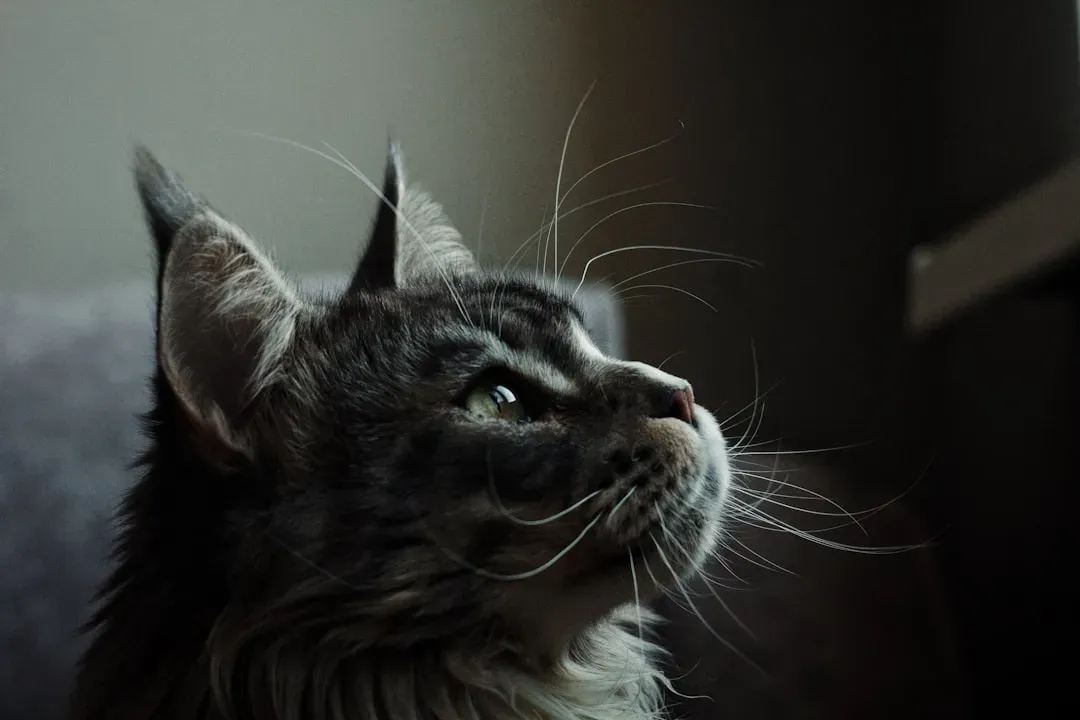
In 2019, a team led by feline researcher Kristyn Vitale ran what's become one of the most cited studies on this topic. The study tested cats' attachment behavior using a protocol similar to the Strange Situation test used with human infants. The setup mirrors classic developmental psychology experiments, just adapted for a species that doesn't take verbal instructions well.
The results were more striking than many expected. The majority of cats tested showed secure attachment patterns toward their owners, using their owner as a secure base from which to explore an unfamiliar environment, and settling quickly when reunited after a brief separation, forming genuine secure and insecure attachments similar to the patterns documented in human children and in dogs. That's a meaningful finding, because it places cats in the same conversation as species long assumed to be far more emotionally tethered to humans.
#3 Not every scientist agrees on what "attachment" means here
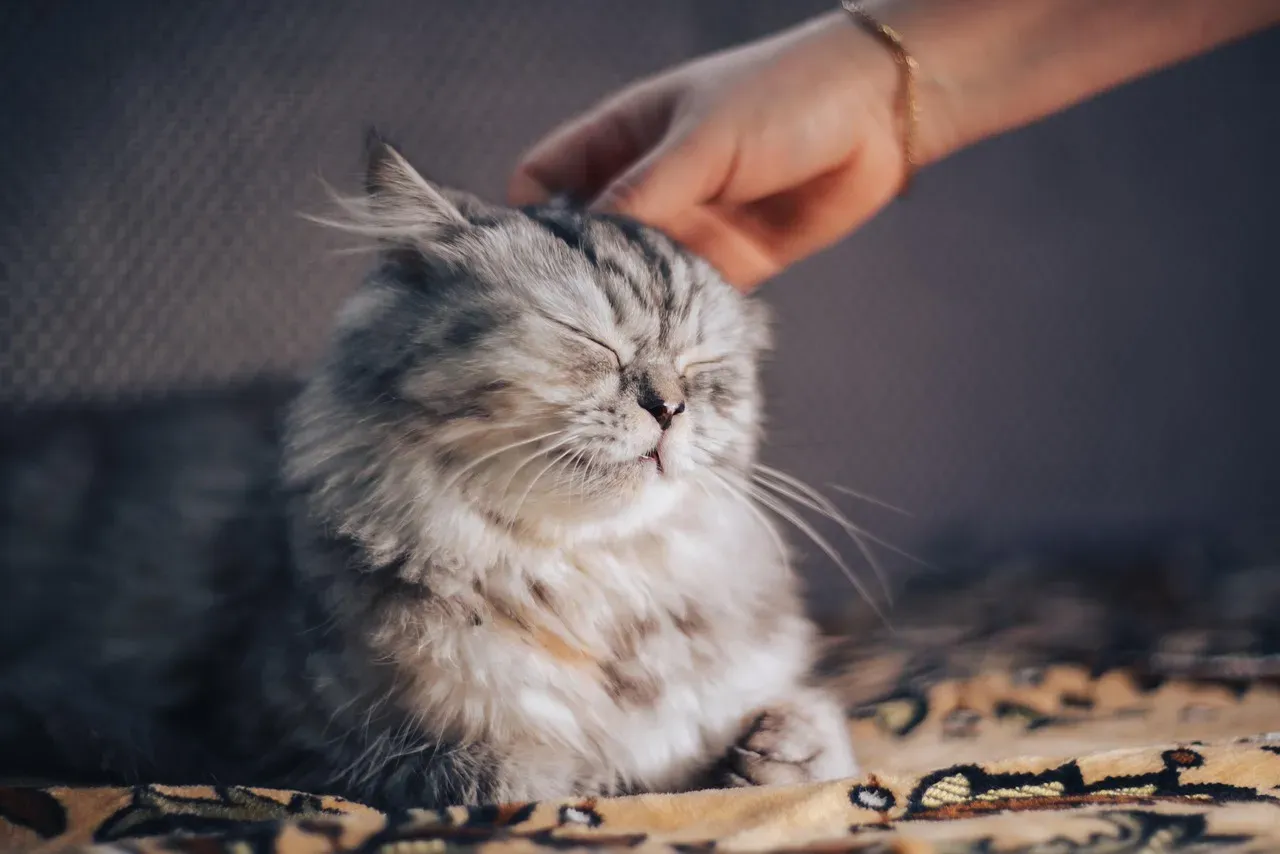
Science rarely settles a question this fast, and cat attachment research is no exception. An earlier study using an adapted Strange Situation Test reached a different conclusion. No evidence was found to support the use of owners as a secure-base in that particular study.
The researchers were careful about what this did and didn't mean. It seems that generally cats do not appear to attach to owners as a focus of safety and security in the same way that dogs do or children do towards their parents, though cats do appear to have a different relationship with their owner compared to a stranger, the extent of which remains unknown. In other words, cats clearly know the difference between their person and a random stranger. Whether that difference rises to textbook "attachment" is still being argued over in academic journals.
#4 There isn't just one type of cat-human relationship
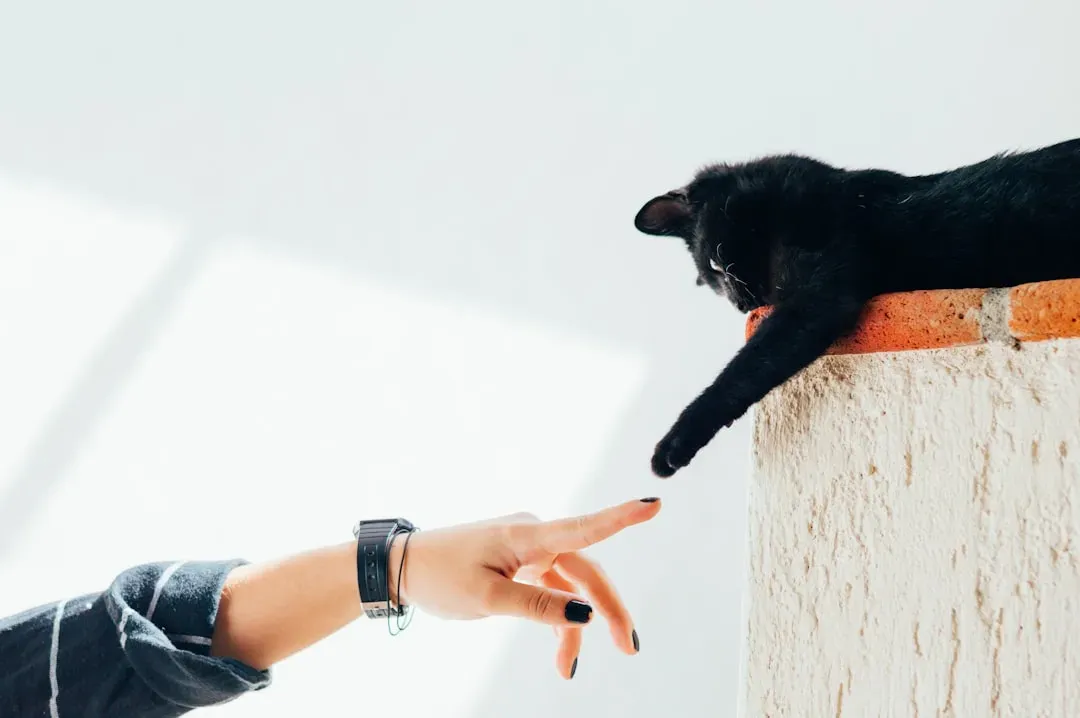
Anyone who has lived with more than one cat knows they don't all relate to people the same way. A questionnaire-based study looking at how owners perceive their bond with their cats found something similar when it dug into the data. Five distinct forms of cat–owner relationship were identified, described as an open relationship, remote association, casual relationship, co-dependence, and friendship.
That range matters when you're trying to interpret why your particular cat trails you around the house. The researchers concluded that the cat-owner bond should not be profiled simply or solely in terms of attachment in its classic psychological sense. A cat in a "co-dependence" style relationship and one in a more "casual" arrangement might both follow you into the kitchen, but for fairly different underlying reasons.
#5 Following can be a form of affection, not just neediness
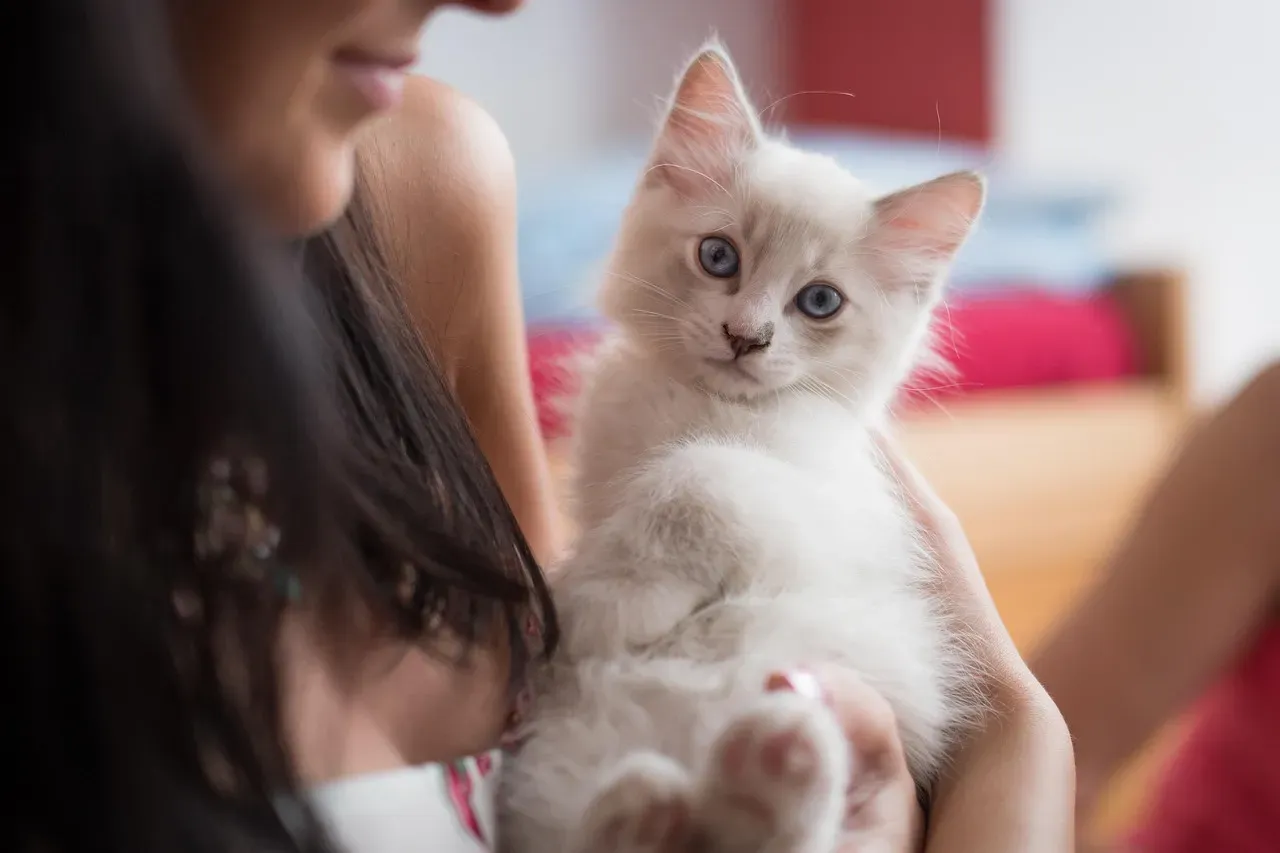
Veterinary behaviorists who work directly with cats and their owners tend to describe this in more everyday terms than the research papers do. According to one veterinarian quoted in a Rover feature on the topic, when following is driven by affection and trust, it often manifests in more relaxed and less intrusive ways compared to attention-seeking. That distinction is worth sitting with, because it separates a cat who genuinely enjoys your company from one who's following you out of stress.
The behavior itself often looks understated rather than clingy. Because their behavior isn't fueled by anxiety or insecurity, a love-motivated cat typically won't bother you, and these cats may quietly accompany you from room to room, sitting nearby rather than on you. That's a very different picture from a cat yowling at a closed bathroom door, and the difference tells you something about what's actually going on emotionally.
#6 Sometimes it's about resources, habits, and pattern recognition
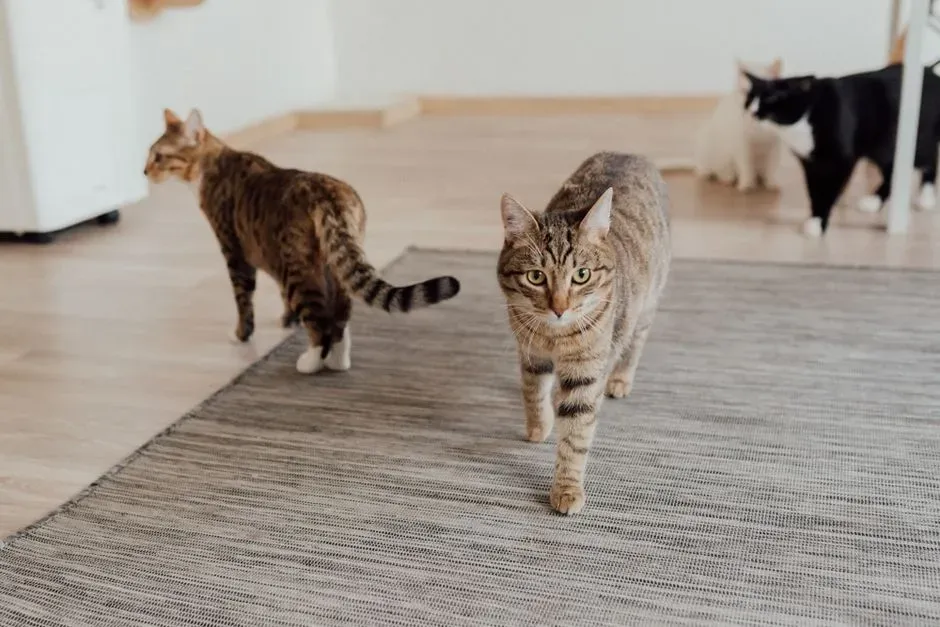
Cats are sharp observers of routine, and that shouldn't be underestimated when explaining why they trail you. Cats are creatures of habit, and if your movement through the house has historically predicted meals, treats, play sessions, or access to a room they like, they will follow. This isn't romantic, but it's honest. A cat that has learned your 7 a.m. kitchen trip means breakfast is coming has every incentive to keep tabs on you.
Curiosity plays a role here too, separate from any deeper bond. Cats are naturally curious, so they track movement around the house, and when you walk into another room or head toward the door or bathroom, your cat may follow to observe what happens next. Sometimes the explanation really is that simple: they want to know what you're up to.
#7 Following can also flag anxiety, illness, or hormonal shifts
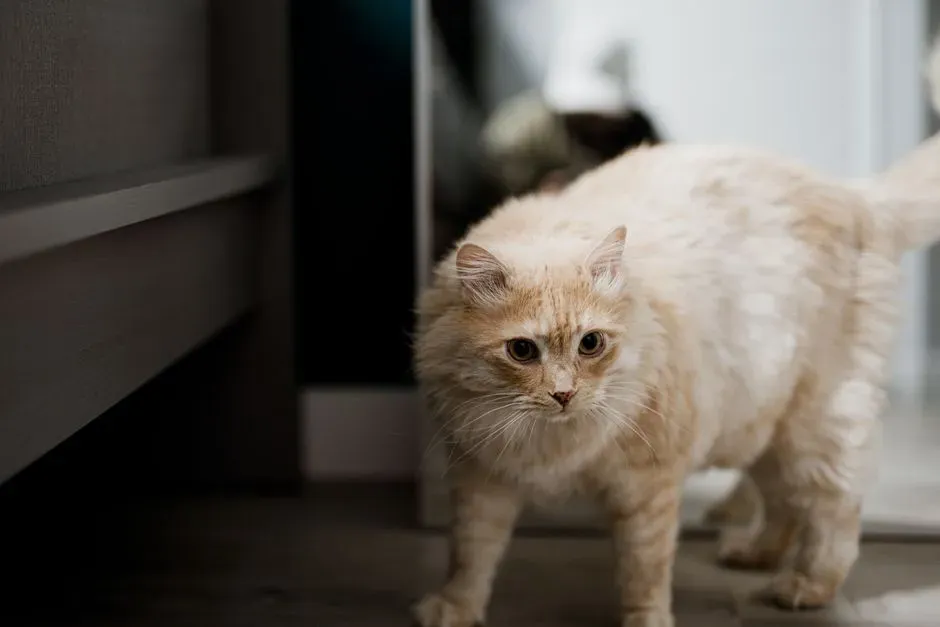
Not every case of shadow-following is a compliment. Behavior that shows up suddenly, without any change in routine, deserves a closer look. If there haven't been any changes to your cat's routine or disruptions to the household and they've suddenly decided to stick to you like glue, they might be sick or in pain, since several medical issues could cause a cat to follow their caregiver more than usual, including thyroid problems, hearing or vision loss, or cognitive dysfunction in older cats.
There's a useful behavioral checklist for telling secure attachment apart from something more worrying. A cat with secure attachment settles when you leave the room, it may glance toward the door, but within a few minutes it finds a resting spot and relaxes. By contrast, a cat with separation anxiety does not settle, it vocalises, paces, or stays at the door for most of your absence. Watching what happens after your cat follows you, not just the following itself, tends to be more revealing.
#8 Oxytocin and biology may be quietly involved
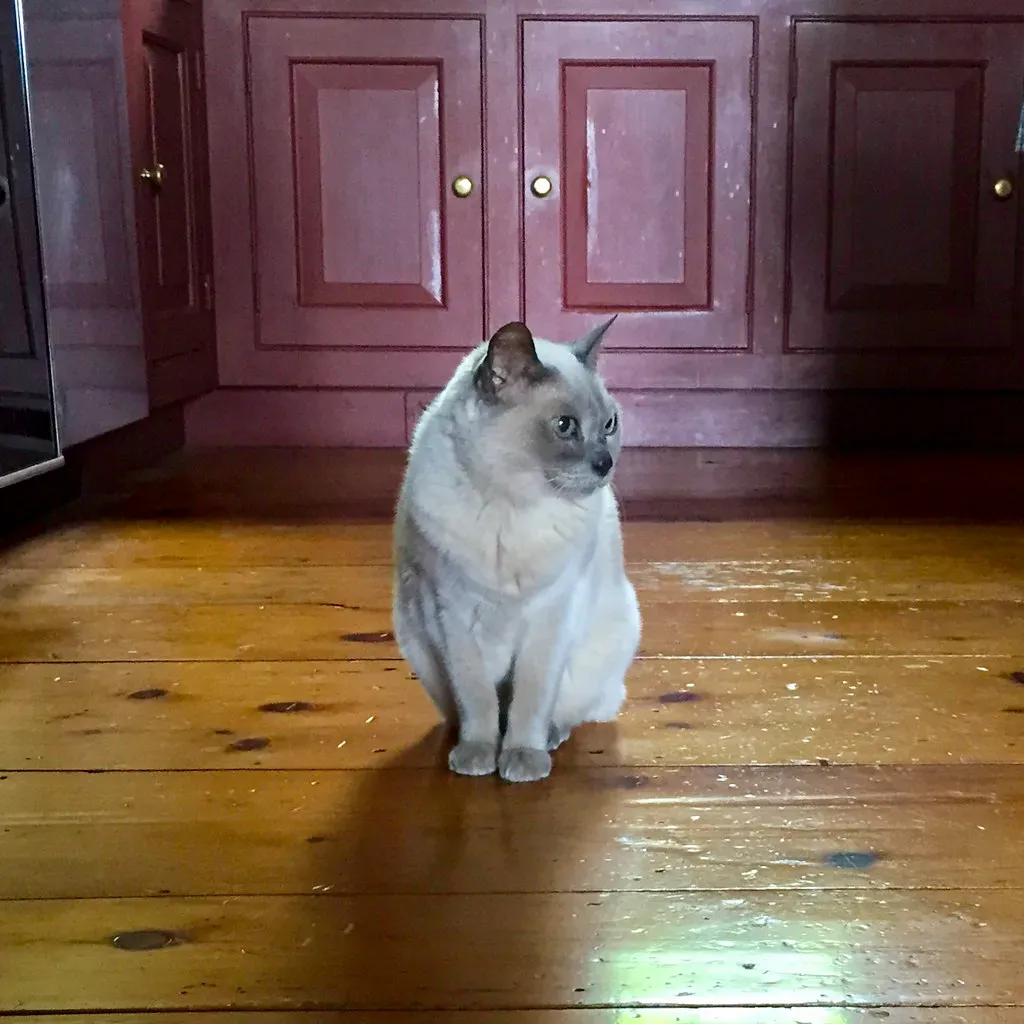
The hormonal side of cat-human bonding is still a young field of study, but it's starting to draw real attention. Researchers have pointed out a gap worth closing. Studies that evaluate the relationship between attachment behavior, owner-cat interaction, and the potential roles of oxytocin are non-existent in pet cats, prompting one research team to recruit thirty pet cats of different attachment styles to look closer.
The stakes of getting this right go beyond curiosity. Maintaining cat social behavioral health and good human-cat relationship are integral to the improvement of owner and cat welfare and reduced relinquishment of cats to shelters. If oxytocin turns out to play a measurable role in cat-owner bonding the way it does in human and canine relationships, that quiet trail of paw steps behind you might have a biochemical signature to match the behavioral one.
Final thoughts
- 7 Reasons Cats Carry Toys Into Rooms Where Their Humans Are Sitting
- Animal Science Says Cats Who Scratch Certain Places Repeatedly Are Leaving More Than the Claw Marks Their Owners Can See
- Feline Psychology Says Cats Who Sleep With Their Backs Toward You May Be Showing More Trust Than Their Position Suggests
- 9 Cat Breeds That Are Natural Problem-Solvers