Feline Psychology Says Cats Who Sleep With Their Backs Toward You May Be Showing More Trust Than Their Position Suggests
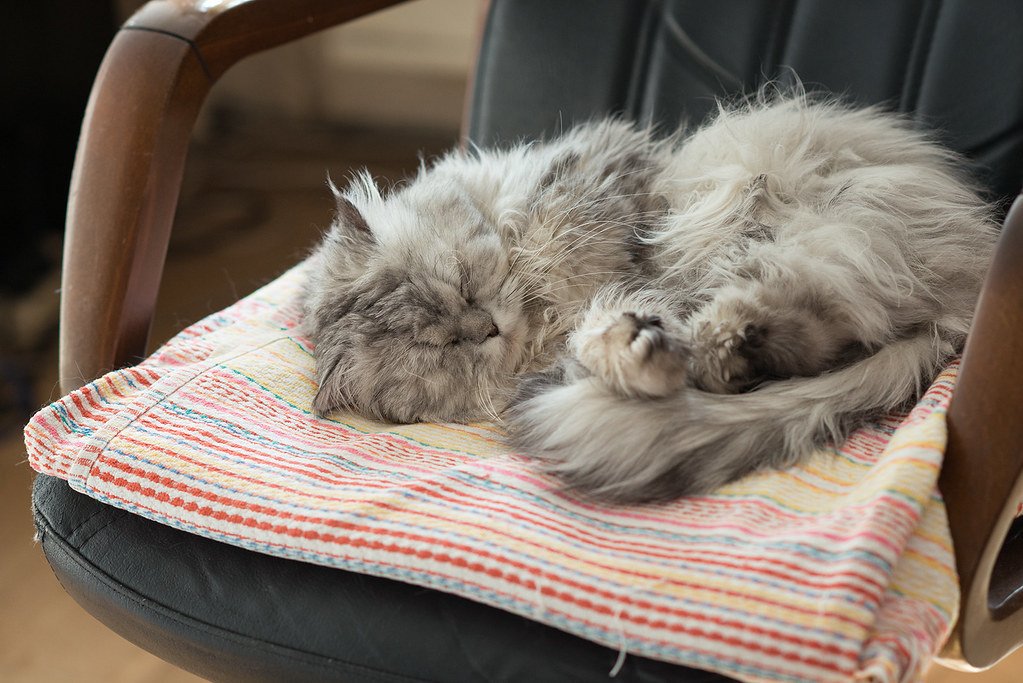
#1 The predator and prey paradox behind sleeping cats
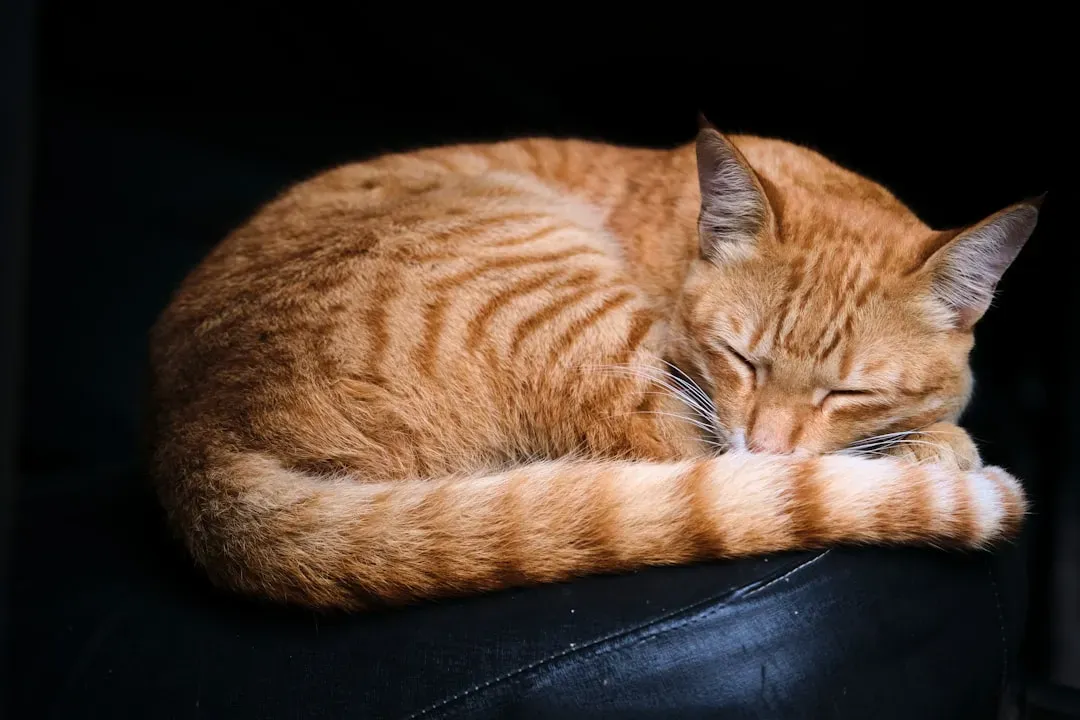
Cats occupy a strange dual role in the animal kingdom. They hunt smaller creatures, yet they're also small enough to be hunted by larger ones, and that tension never fully disappears even after thousands of years of domestication. There is bimodality where they are both hunter and hunted, and this bimodality will influence the perception of the world as well as how this world is communicated with.
This dual identity shapes almost every resting posture a cat adopts, including where they choose to point their face and where they choose to point their back. A wild predator cat is always on its environment, the prey of the potential as well as danger it may face. Sleep, for an animal wired this way, is never entirely passive. It's a calculated risk, and the direction a cat faces during that risk carries meaning.
#2 Why turning a back is riskier than it looks
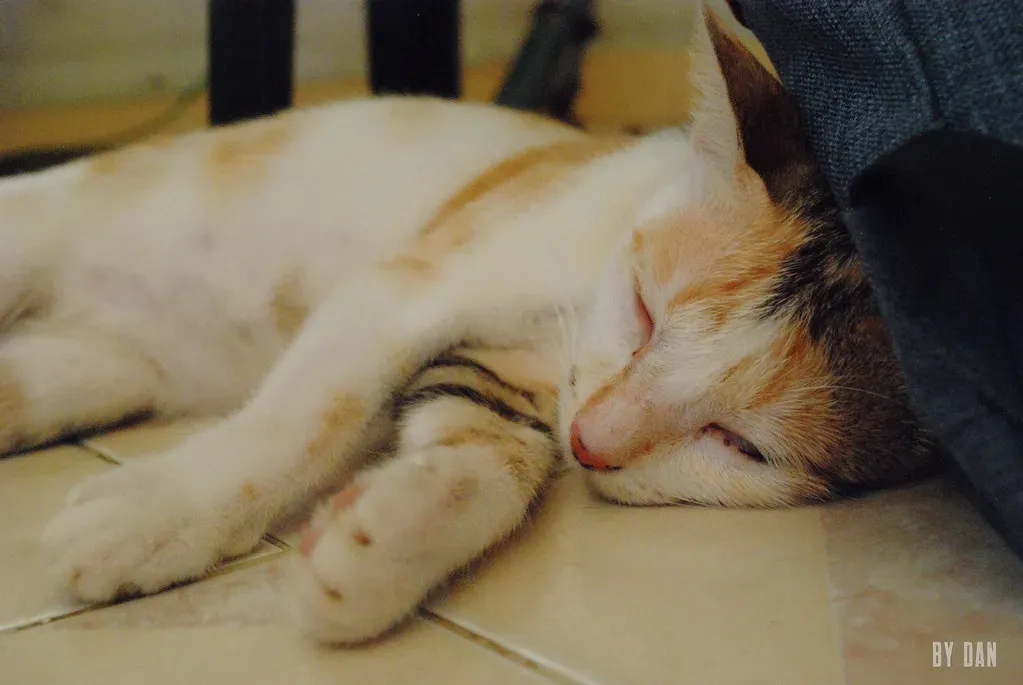
In a strictly survival sense, turning away from a potential threat is a bad move. A cat in the wild would never willingly hand over its blind spot to something it didn't trust completely. It will never turn its back in such a way and expose itself to attack in the wild.
That's precisely why the behavior stands out indoors. By turning away, your cat may be positioning itself to respond more quickly if it feels it is in danger, for both you and itself. In other words, the cat has essentially decided the room is safe enough that its eyes don't need to be on you at all times, which is a meaningful concession for an animal built around constant environmental awareness.
#3 Warmth or trust? The science says it's usually both
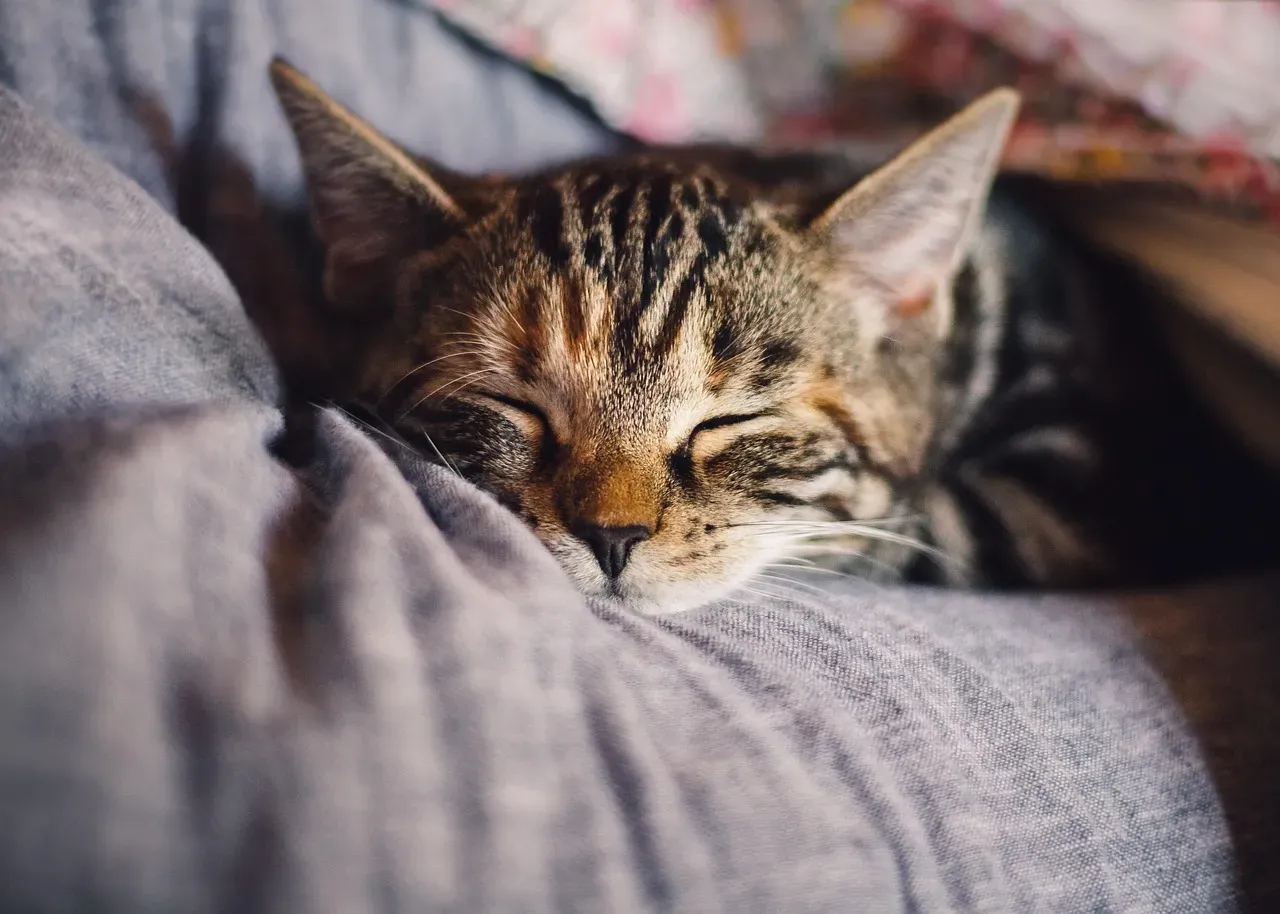
It would be easy to romanticize every back-turned nap as a grand declaration of love, but researchers who study this behavior are careful not to overstate things. It's worth being honest that not every instance of a cat turning away is a grand emotional statement, since cats are also just looking for the nearest warm body, and cats often choose sleeping positions that maximize their comfort and warmth. Sometimes the explanation really is that simple.
Still, warmth-seeking and trust aren't necessarily rivals for the same explanation. Warmth seeking and trust aren't mutually exclusive, and in most cases they reinforce each other, since body warmth provides a comfortable environment and a person's presence offers a sense of security, and that combination encourages a cat to relax fully. A cat that felt genuinely unsafe around you wouldn't linger for the heat either, so the two motives tend to travel together rather than compete for credit.
#4 What behaviorists call the handoff moment
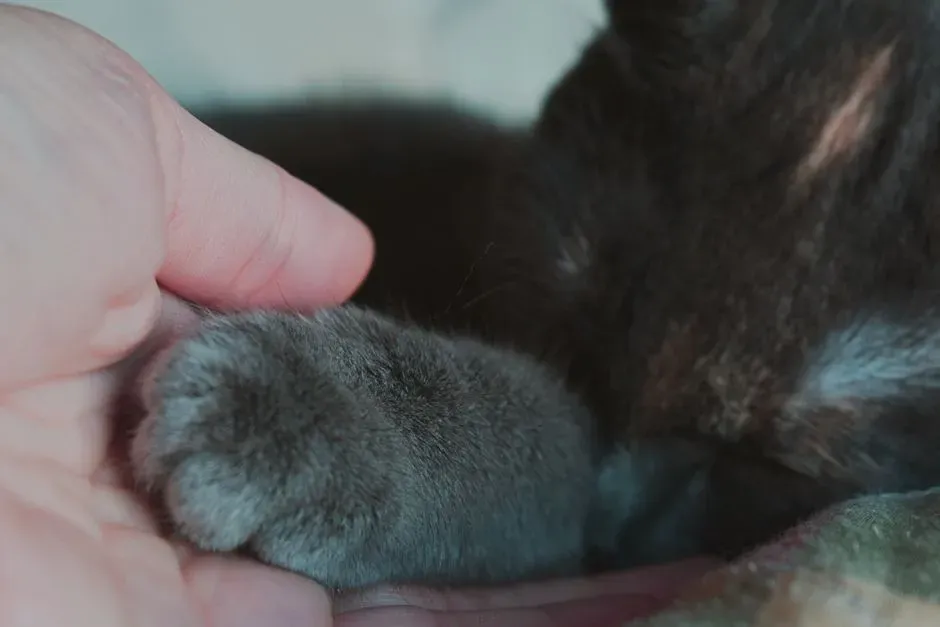
Feline behavior consultants have a specific way of describing what happens the instant a cat commits to that position. It's less about affection in the way people usually picture it and more about a functional transfer of vigilance. Feline behavior consultants describe the moment a cat turns its back during rest as something close to a handoff of responsibility, since a cat is both predator and prey, it wants to position itself in the safest place, and if it turns its back on you as it settles down, it's showing that it has decided you can watch the door for a while.
That interpretation lines up with broader agreement among professionals who study rest behavior in cats. Veterinary professionals who study feline behavior tend to agree on the core interpretation, even if they phrase it differently, since cats are typically at the top of the food chain, but even still, they have to keep a watchful eye out for danger, and sleep is a vulnerable time, so a cat sleeping near you is indicating that it trusts you and feels content and secure with you, and that combination of vigilance and vulnerability is exactly why the behavior gets flagged as meaningful rather than incidental. It's a small, almost bureaucratic-sounding idea, handing off a shift, yet it captures something real about how cats manage risk even while dozing.
#5 How it stacks up against the belly-up trust signal
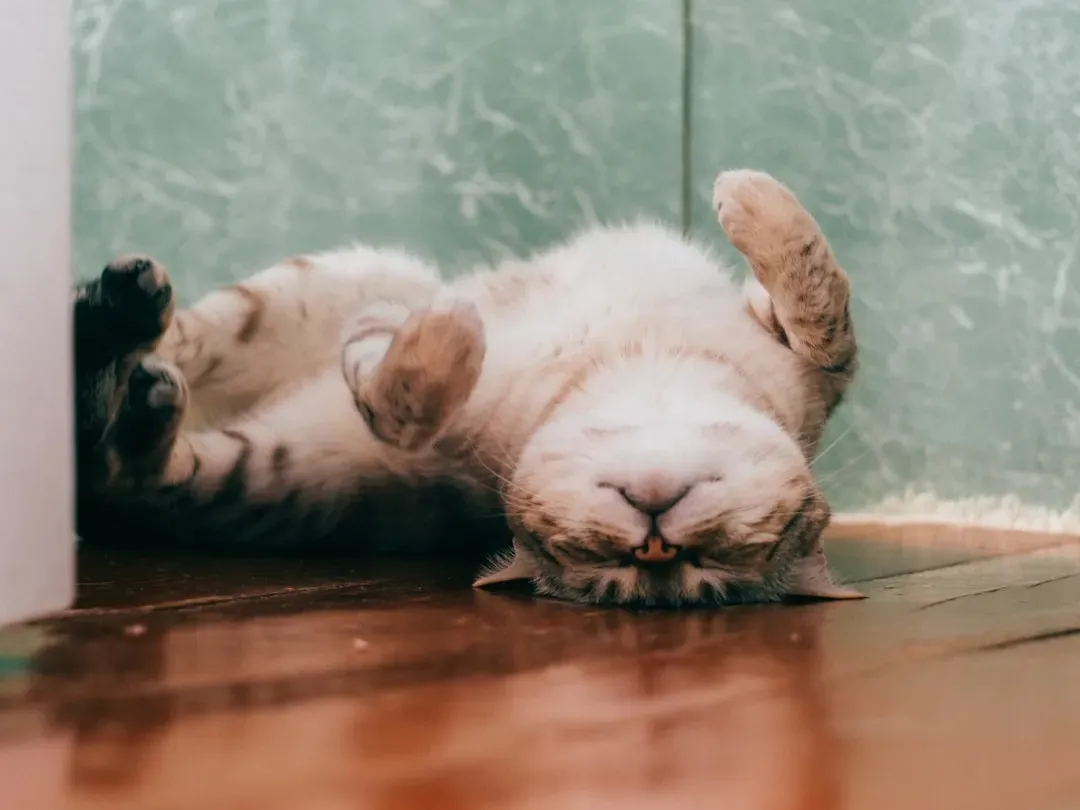
Cat owners already know the other classic trust pose, the one where a cat flops onto its back and leaves its stomach completely exposed. That posture gets a lot of attention because it's dramatic and photogenic, but it's worth comparing it to the quieter back-turned version. By sleeping on their back, a cat exposes its belly which is an extremely vulnerable position, and it's a difficult position to quickly get up from if they need to flee.
Belly-up sleeping is often treated as the gold standard of feline trust, and for good reason, since for a cat to choose this sleeping position, they must really trust the environment that they're in. Turning the back toward a person is arguably a subtler, more everyday version of that same calculation. It doesn't require the same total physical surrender, but it still asks the cat to give up its primary defense system, which is watching what's happening around it.
#6 Location matters just as much as posture
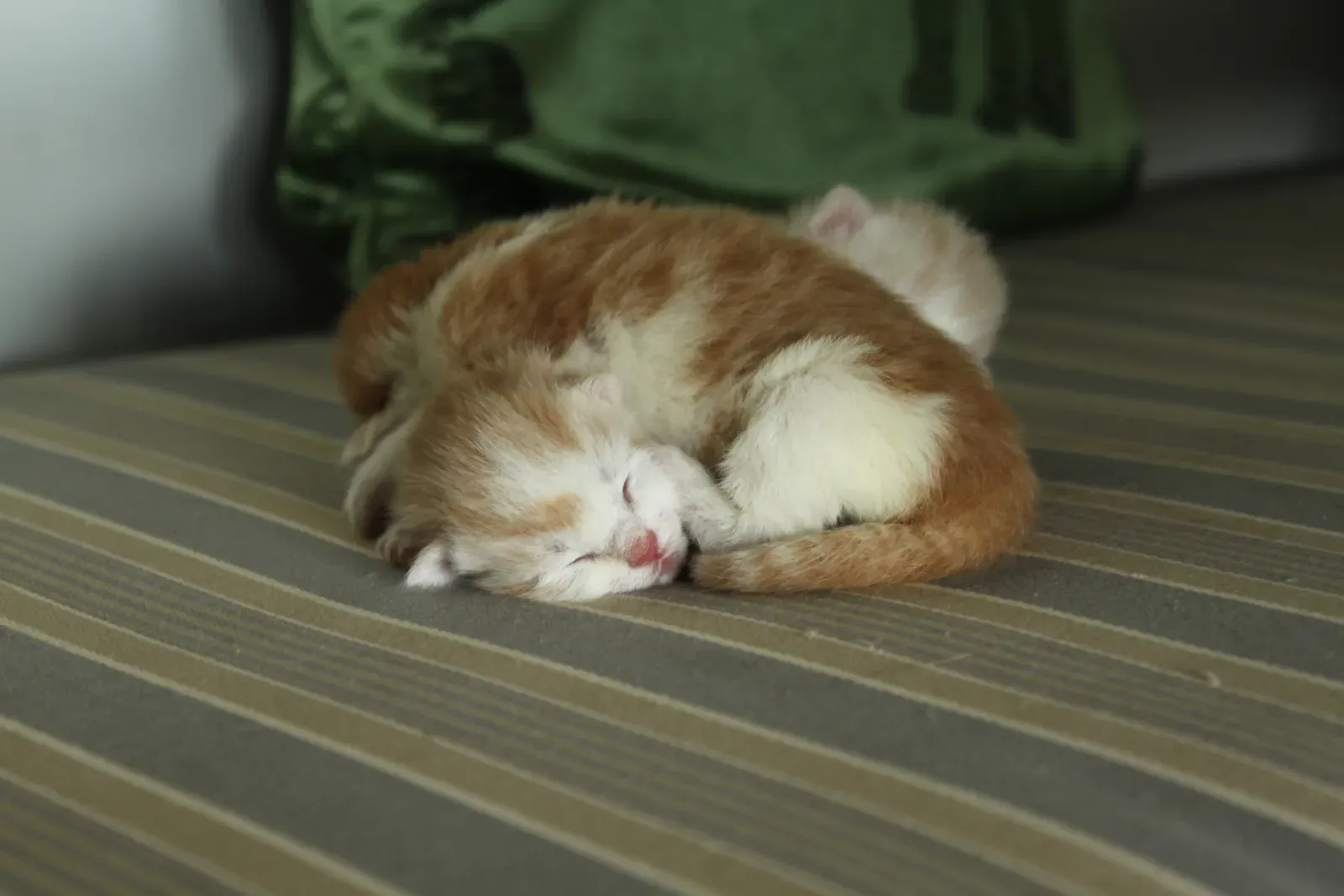
Where a cat chooses to turn its back tends to add another layer of information on top of the position itself. A cat that does this on an open floor is making a different statement than one doing it pressed against your leg on the couch. Each spot on your bed reflects a different balance of affection and independence, sleeping near your head signals strong bonding and scent-seeking, on your chest means deep attachment to your warmth and heartbeat, at your feet shows affection with a preference for personal space and an easy exit route, and between your legs means your cat is nesting for warmth and security.
None of these placements happen by accident. A cat weighing warmth, proximity, and escape routes all at once is still a cat making a decision, even mid-yawn. The fact that they consistently choose to be near a specific person, in a specific spot, with their back turned no less, says something cumulative about the relationship rather than being a one-off fluke.
#7 When the pattern suddenly changes
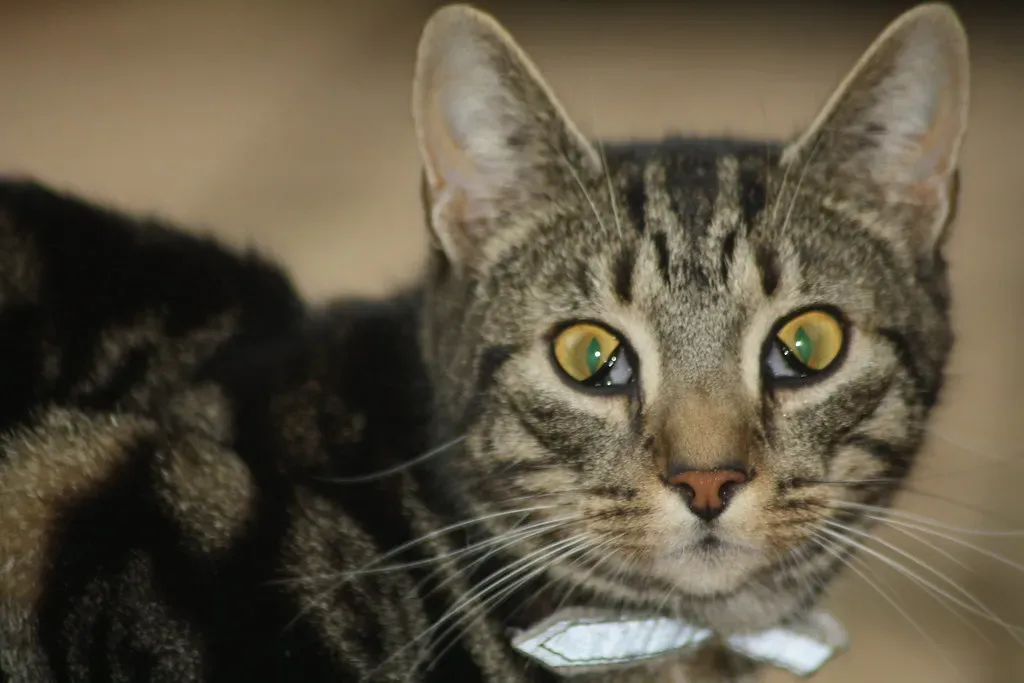
Because this posture is so closely tied to comfort and security, a break in the pattern is usually more informative than the posture itself. Because this posture is so tied to comfort, a sudden shift away from it is worth paying attention to. A cat that has slept back-to-you every night for years and then abruptly starts facing you, hiding, or avoiding the spot altogether may be signaling stress, pain, or a change in how safe they feel in the environment.
This isn't cause for panic on its own, but it is worth noting alongside other behavioral shifts. Sudden changes in sleeping habits or unusual sleeping locations can sometimes signal a health concern. Cats are not dramatic communicators. When something is off, a quiet change in how they position themselves at rest is often one of the first, and only, clues they offer.
The takeaway on turned backs and trust
- 7 Reasons Cats Carry Toys Into Rooms Where Their Humans Are Sitting
- Animal Science Says Cats Who Scratch Certain Places Repeatedly Are Leaving More Than the Claw Marks Their Owners Can See
- Animal Behavior Says Cats Who Follow You From Room to Room May Be Tracking More Than Just Where You're Going
- Why Your Cat Touches You Briefly and Walks Away