7 Reasons Cats Suddenly Sprint Through the House After Using the Litter Box
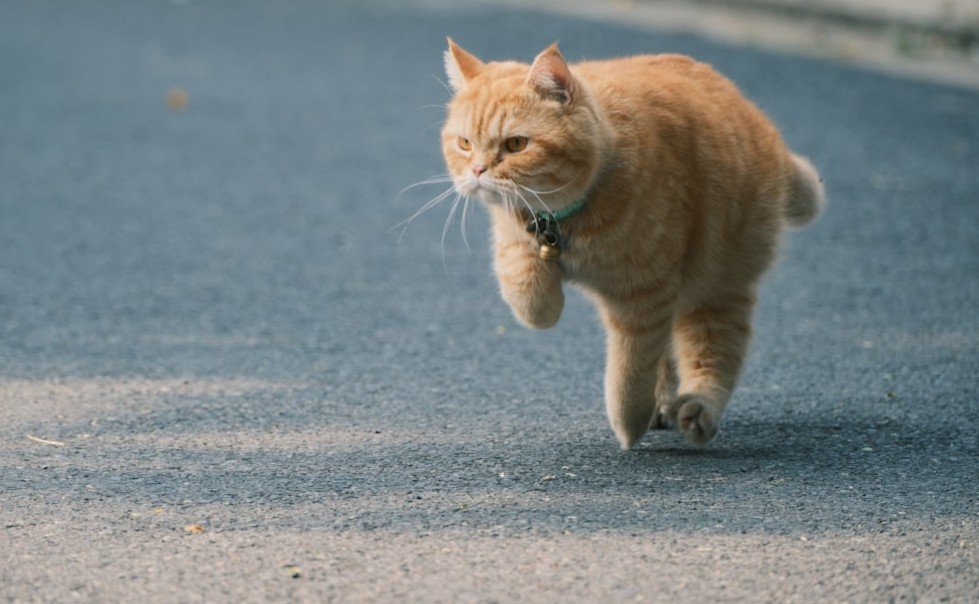
You watch your cat step daintily out of the litter box… and then it happens. Out of nowhere, they explode into a full-speed zoomie session, tearing down the hallway like something invisible is chasing them. It looks hilarious and a little mysterious, and it probably leaves you wondering what on earth just happened.
This post-bathroom madness actually has some surprisingly sensible explanations behind it. When you understand what might be going on in your cat’s body and brain, the whole scene starts to look less random and more like a window into how your cat experiences the world. Let’s dig into seven of the most likely reasons your cat sprints away after using the litter box - and what that means for how you care for them.
1. The Natural Instinct to Flee From “The Scene”
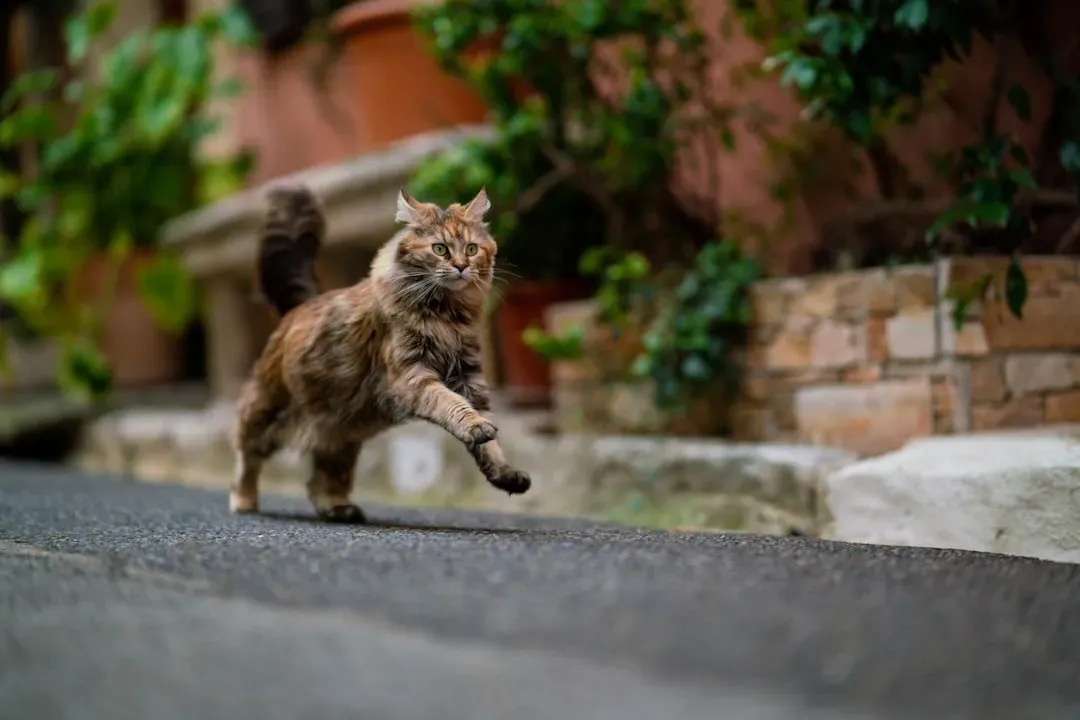
One of the simplest explanations is also the most ancient: your cat is hardwired to get away from the place where they just eliminated. In the wild, leaving urine or feces in one spot can attract predators or rival animals, so it makes sense to move quickly away and not hang around. You might not have lions in your living room, but your cat’s brain didn’t get the memo.
That sudden sprint is basically your cat’s internal alarm saying, “Okay, done here - time to go!” You may notice this more in some cats than others, especially in those who are naturally jumpy or high-strung. It can help to see it not as weird behavior, but as a normal survival instinct that never fully switched off just because your cat now uses a plastic box instead of the forest floor.
2. Relief and a Sudden Burst of Energy
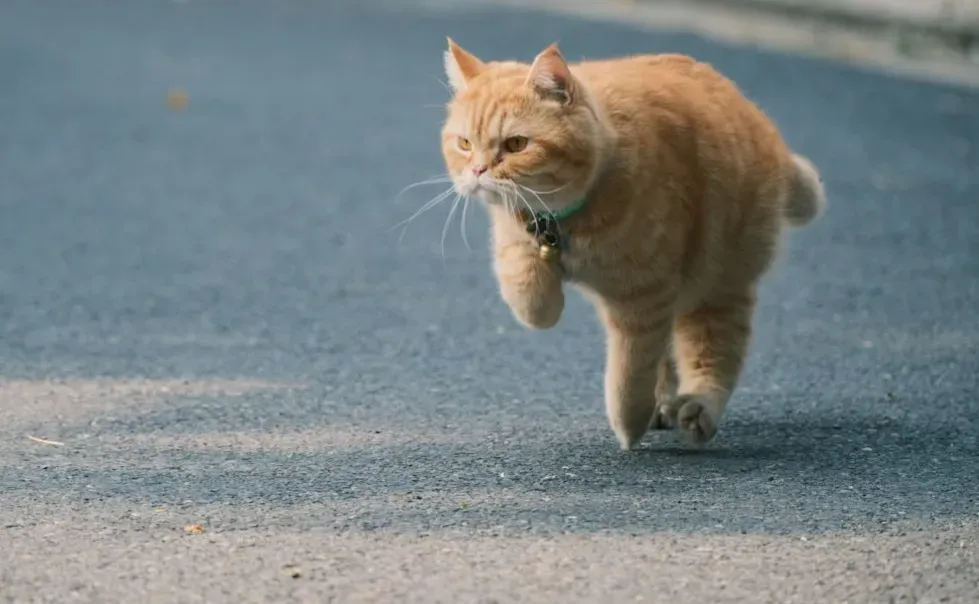
If you’ve ever finally found a bathroom after a long car ride, you know how good it can feel to, well, get it over with. Your cat may experience a similar wave of physical relief after a successful trip to the litter box. Once that discomfort is gone, their body can shift back into play mode, and the energy has to go somewhere.
That release may give your cat a quick jolt of “feel-good” chemistry, and they express it the only way they know how: by bolting around the house. It’s a bit like a built‑in reset button. If you notice your cat seems especially bouncy after a poop, you can think of it as their way of celebrating a job well done.
3. A Startle Response to Odor or Sensation
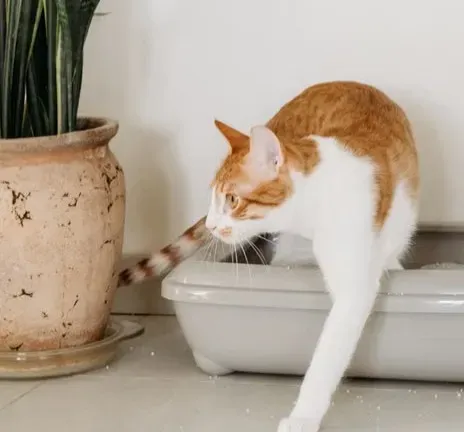
Sometimes your cat’s sprint looks less like joy and more like “I need to get away from that immediately.” Strong smells, a change in texture on their paws, or a piece of litter sticking to their fur can all trigger a startled reaction. If your cat associates the litter box with an intense or uncomfortable sensation, their instinct may be to run first and process later.
You might notice this especially if the litter is very scented, dusty, or has recently changed brand or texture. To your cat, those details are huge; their nose and paws are far more sensitive than yours. If the zoomies seem frantic or accompanied by paw-shaking or intense grooming, it’s worth checking whether the litter or box setup might be irritating them.
4. Discomfort, Pain, or Medical Issues
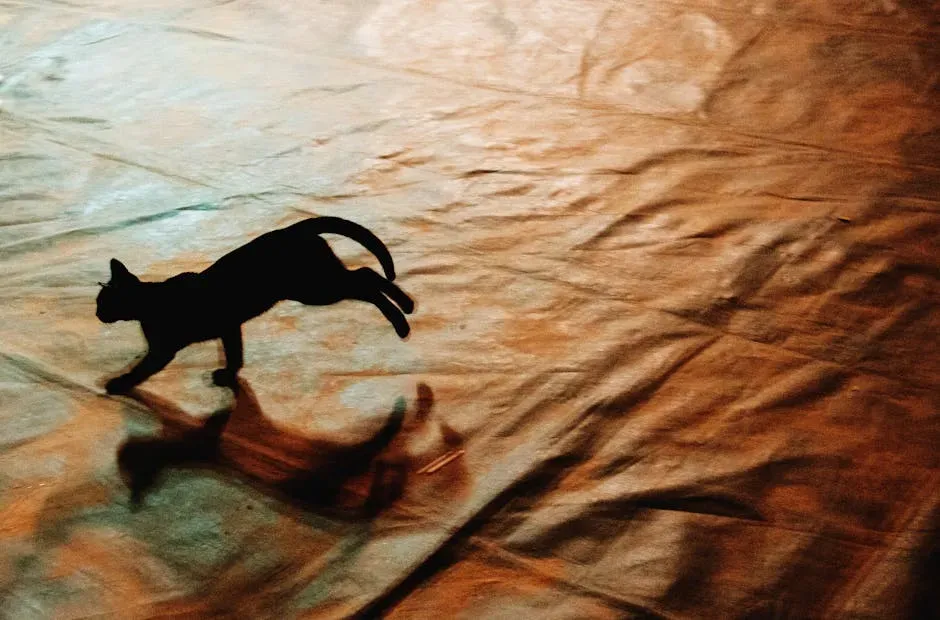
Here’s the serious side: sometimes that post-box sprint is not just quirky behavior, but a reaction to pain or discomfort during urination or defecation. If your cat has constipation, diarrhea, urinary tract issues, or inflammation around the anus, the litter box experience can be genuinely unpleasant. They may rush away as if trying to escape the discomfort itself.
Warning signs include straining in the box, crying or vocalizing while eliminating, going in and out of the box repeatedly, very small clumps of urine, visible blood, or suddenly avoiding the box altogether. If you see any of these alongside that frantic dash afterward, you should treat it as a medical red flag and talk to your vet promptly. In that situation, the sprint is less about instinct and more about distress.
5. Territory, Scent, and the Need to “Reset”
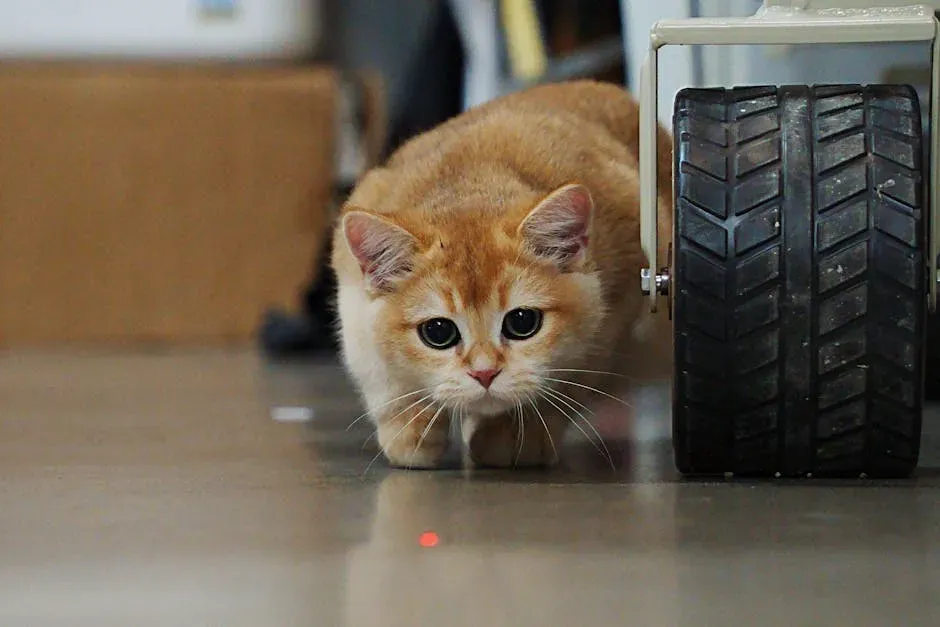
Cats are obsessive about scent, and your litter box is one of the strongest scent hotspots in their territory. After using it, your cat may feel the urge to rebalance the smell situation in the rest of the home. Racing around, rubbing on furniture, or jumping up to favorite perches can all be part of “reclaiming” their space after leaving a strong scent in one location.
In a multi-cat home, this can become even more pronounced. Your cat may want to make sure they are not leaving themselves vulnerable by having all their scent concentrated at the box. The sudden sprint might be their way of spreading their smell elsewhere and reasserting their ownership of other key spots, especially if there’s any subtle tension between cats that you barely notice.
6. Litter Box Stress or Negative Associations
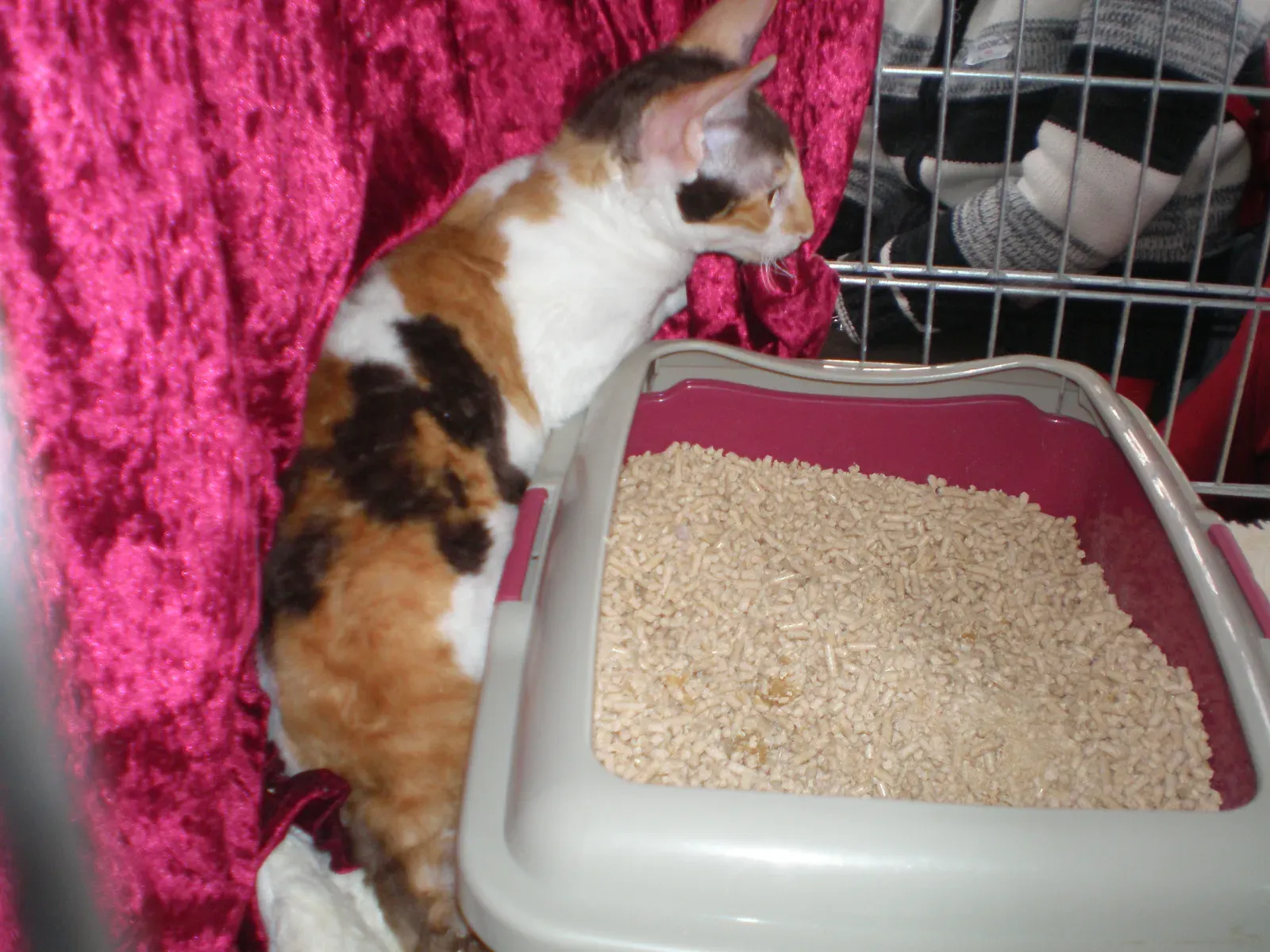
Your cat might dash away simply because the litter box is not a place they enjoy being. A box that is too small, too dirty, too covered, or placed in a noisy or high-traffic area can all make your cat feel trapped or anxious. Once they finish their business, their priority is to get out of that uncomfortable zone as fast as possible.
If you see your cat hesitate before entering, sniffing anxiously, or quickly scratching and fleeing, it might be time to reassess the setup. Giving them a larger box, a quieter location, unscented low-dust litter, and cleaning it at least once a day can turn the whole experience into something more neutral. When the stress drops, you may notice the frantic post-box sprints become less intense or less frequent.
7. The Classic Case of Random Cat Zoomies
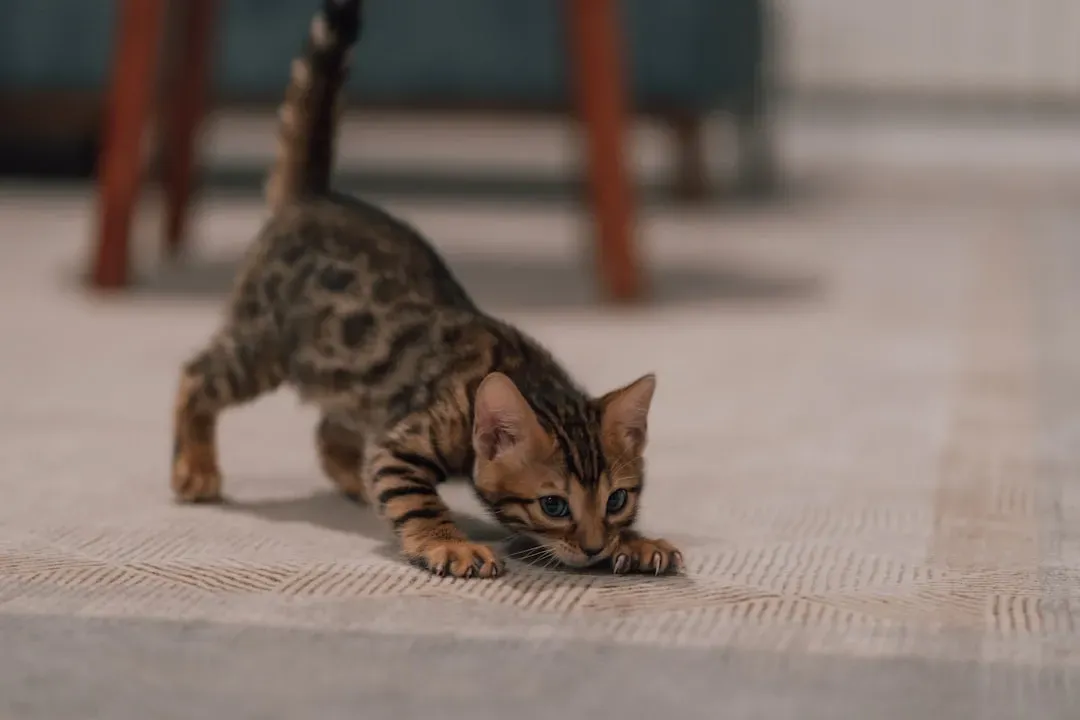
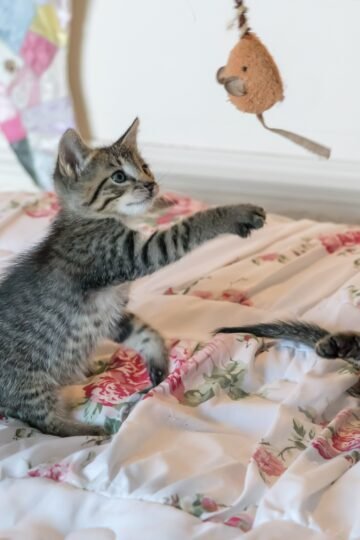
Sometimes, you’re not seeing a deep emotional or medical mystery - you’re just catching your cat in a classic zoomie moment that happens to line up with litter box time. Cats often get sudden bursts of energy, especially in the early morning or late evening. If that coincides with when they tend to use the box, it can look like the bathroom trip caused the sprint, even when it was just part of a larger energy wave.
Indoor cats, in particular, may have a lot of pent‑up energy that comes out in short, intense bursts rather than a slow, steady trickle. If your cat eats, uses the box, and then explodes into wild play, that may simply be their natural rhythm. Providing more structured play sessions with wands or chase toys can give that energy a better outlet, so the zoomies feel fun instead of chaotic.
How to Tell What Your Cat’s Zoomies Really Mean
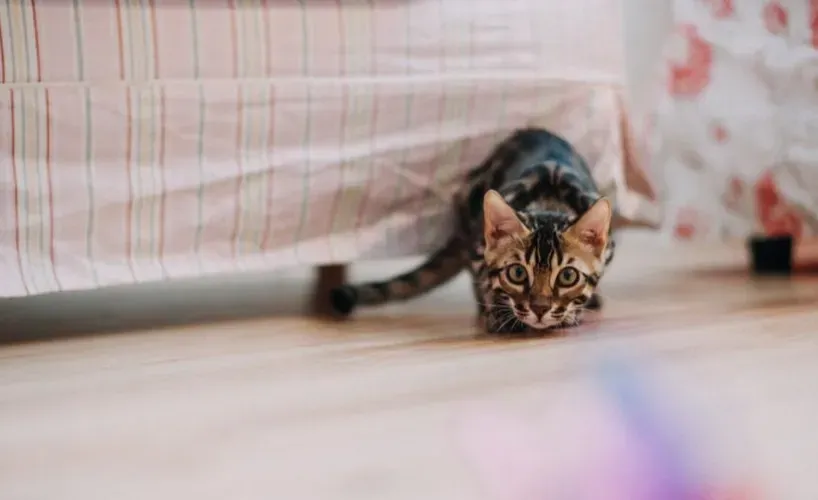
To figure out whether your cat’s post-litter sprint is harmless or worrisome, you’ll want to zoom out and look at the whole pattern. If your cat eats well, uses the box regularly, maintains a healthy weight, and seems relaxed most of the time, those wild runs are probably just instinct and personality. In that case, you can enjoy the show and maybe even join in with a toy.
On the other hand, if the sprinting is new, more intense, or accompanied by other changes - like straining, accidents, hiding, or a sudden shift in mood - it deserves more attention. Trust your gut; you know what is normal for your cat better than anyone. When something feels off, it is always reasonable to get a professional opinion rather than waiting and hoping it goes away.
When to Call the Vet and What You Can Do at Home
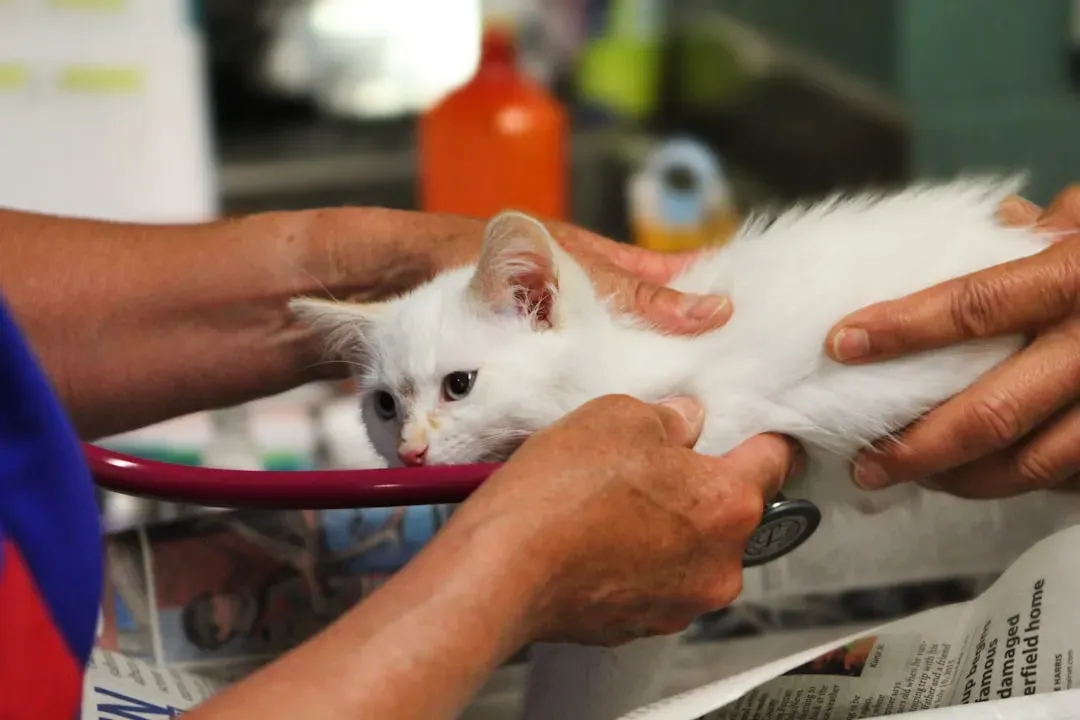
You do not need to rush to the vet just because your cat runs after using the litter box, especially if they have always done it and seem happy and healthy. But any signs of pain, blood, constipation, diarrhea, or frequent failed trips to the box should push that visit higher on your priority list. Urinary problems, in particular, can escalate quickly and be dangerous, especially in male cats.
At home, you can make things easier by keeping the box spotless, choosing a soft, unscented, low-dust litter, and providing enough boxes for the number of cats in your home. Giving your cat safe hiding spots, high perches, and daily interactive play sessions helps lower overall stress, which often calms down odd bathroom-related behaviors as well. Think of it as managing both their environment and their emotions, not just the box itself.
Conclusion: A Tiny Box With Big Stories Behind It
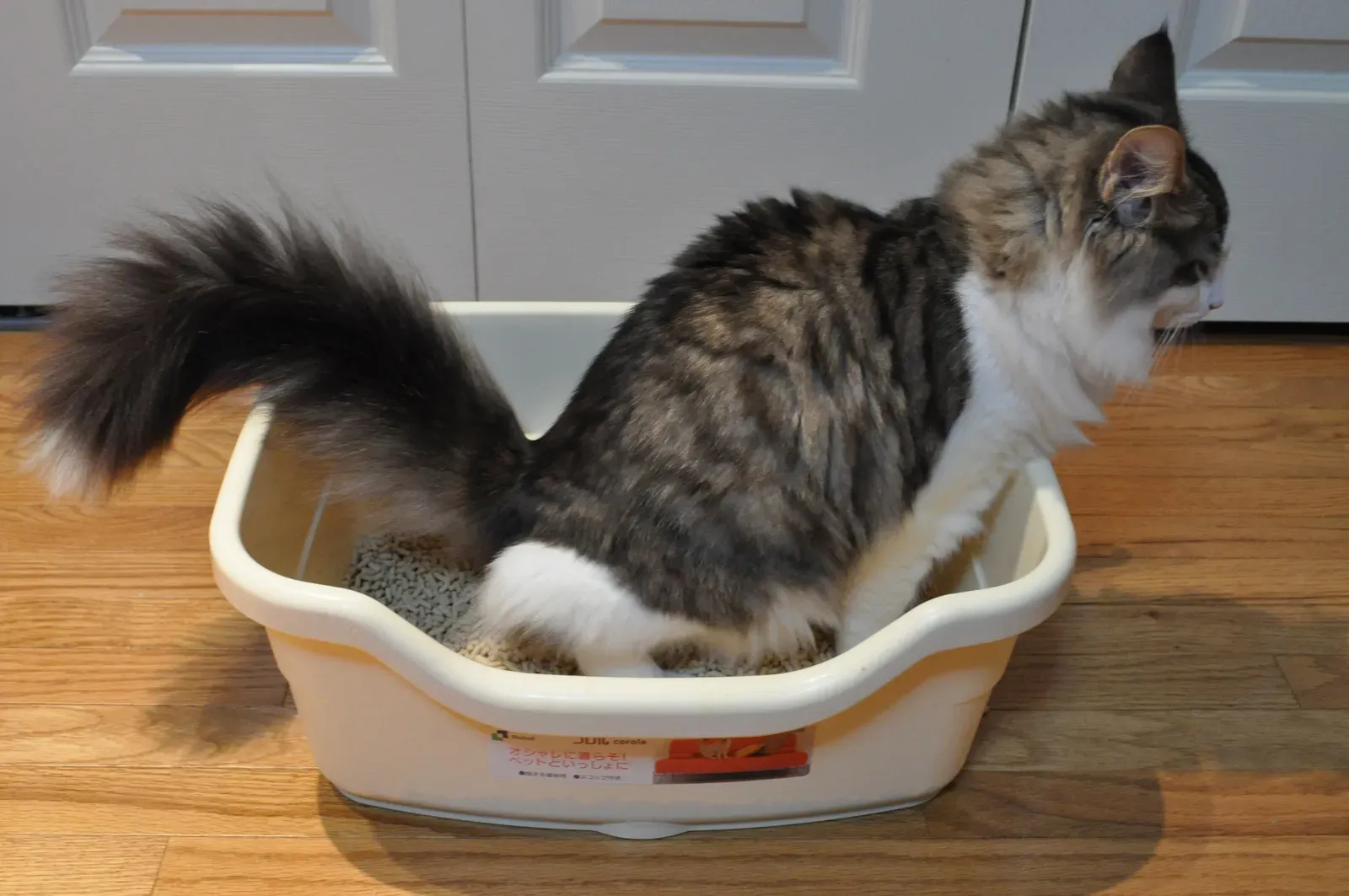
That ridiculous rocket run out of the litter box can actually tell you a lot about your cat’s instincts, comfort level, and health. Sometimes it is nothing more than a leftover wild instinct and a burst of joy, and sometimes it is a quiet signal that something does not feel right. Your job is not to diagnose everything, but to pay attention to the pattern and respond with curiosity instead of frustration.
The more you understand what might be driving your cat’s bathroom zoomies, the easier it is to keep them comfortable, safe, and confident in their little kingdom. Next time your cat shoots past you like a furry comet after using the litter box, you might find yourself smiling and thinking, “Okay, I see you. What are you trying to tell me today?”