Animal Science Says Jaguars Kill Prey Differently From Most Big Cats Because Their Powerful Bite Gives Them Another Option
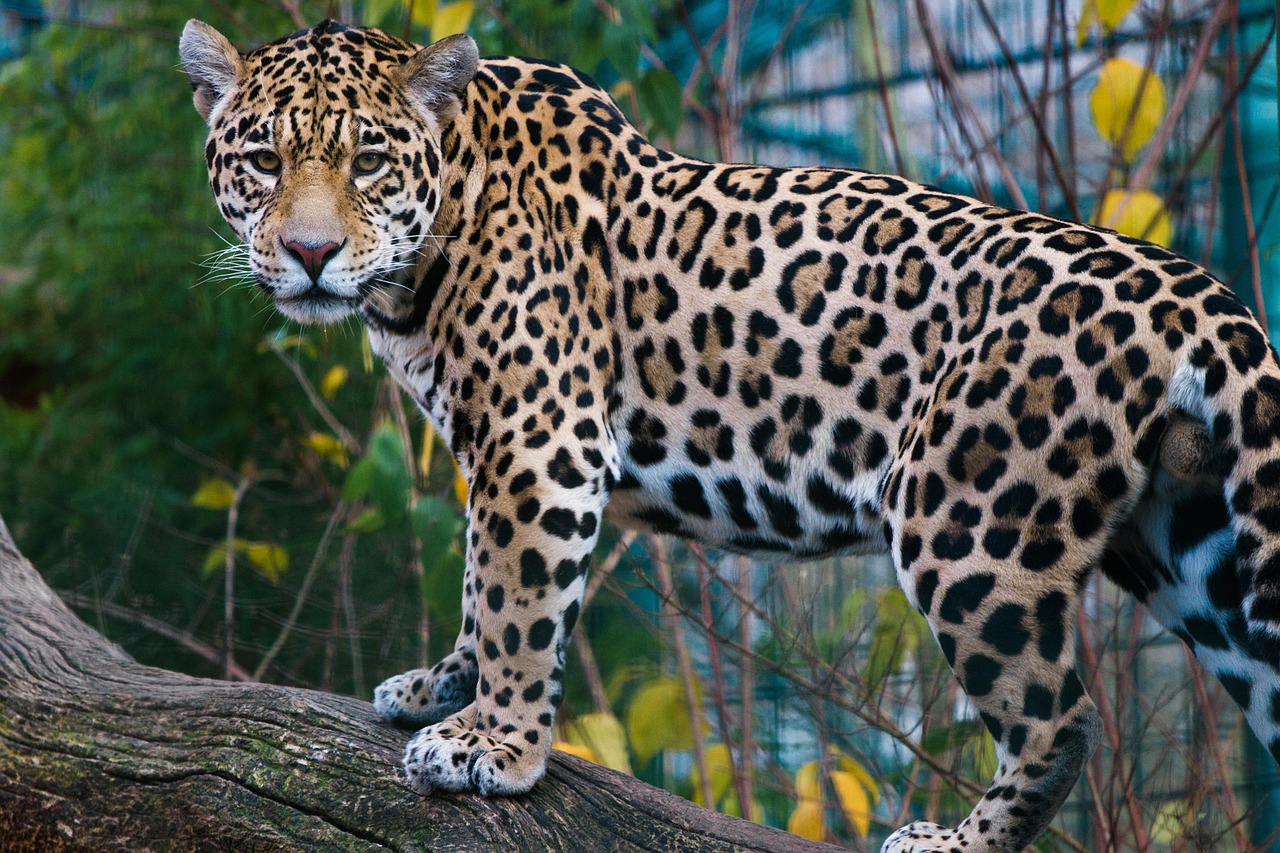
If you picture a big cat hunt, you probably imagine a lion clamping onto a throat or a leopard suffocating an antelope in the grass. Jaguars flip that script. Their skull-crushing bite lets them use a killing style that looks almost brutal even by big cat standards, and once you understand it, you never see them the same way again.
Instead of playing the long suffocation game like most big cats, jaguars often go straight for the head, punching their teeth right through bone into the brain. When you learn what their jaws can actually do, it starts to feel less like a “bite” and more like a living power tool. You are not just looking at a big spotted cat; you are looking at an animal built like a biological can-opener for skulls and shells.
You Usually Expect Throat Holds, But Jaguars Aim For the Skull
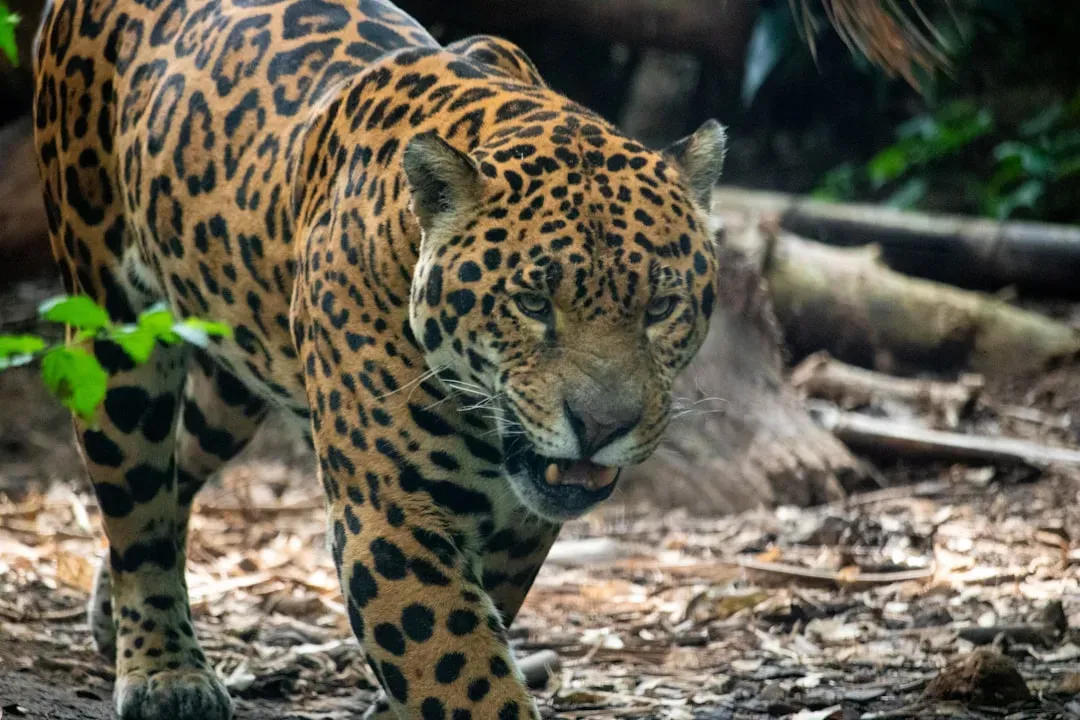
Most big cats you know follow a similar script: chase, tackle, grab the throat or muzzle, and hold until the prey suffocates. Lions, leopards, tigers, and cheetahs all lean on this strategy, because their bites are powerful but mainly designed to cut soft tissue and clamp airways, not crush bone. If you watch slow-motion footage, you see them focusing on windpipes, not skulls.
Jaguars do something else entirely. Instead of wasting time on a prolonged choke, they often drive their long canine teeth straight into the braincase or the back of the neck. You can think of it as skipping the “wait for you to stop breathing” phase and going straight to “instant shutdown of the nervous system.” That choice alone tells you their bite is operating on another level.
You’re Looking At the Strongest Bite Per Body Size of Any Big Cat
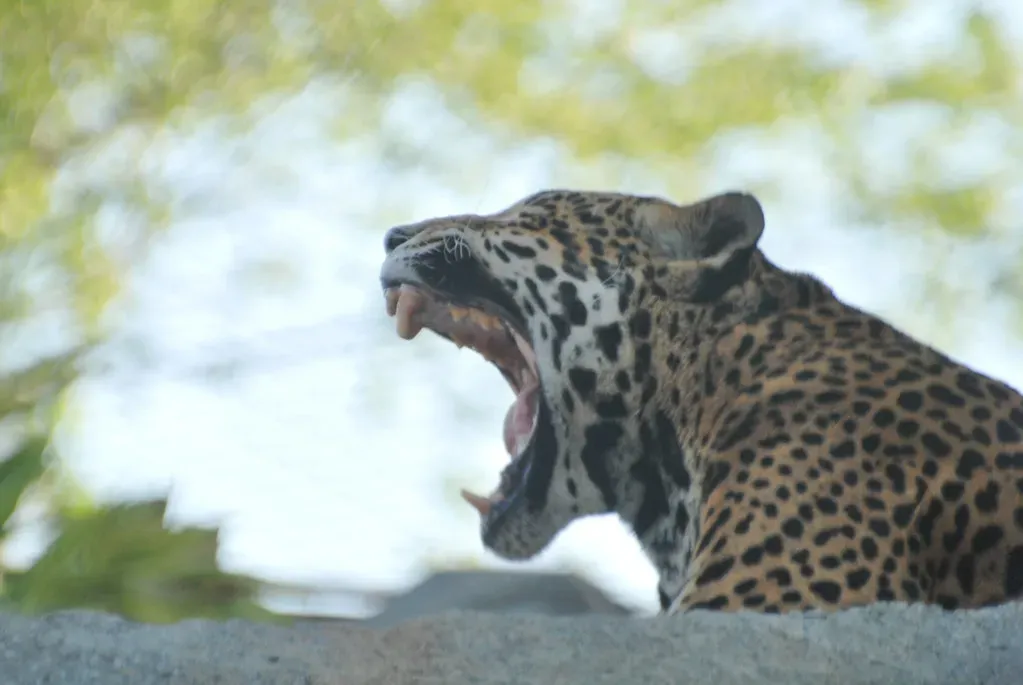
When scientists model bite force across big cats, jaguars come out on top for how much force they generate relative to their body size. In plain terms, pound for pound, no other big cat bites harder. Their jaws are short, deep, and heavily muscled, which lets them focus force into a smaller area, like using a compact, high-torque wrench instead of a long, flimsy one.
If you compare them to a lion, the lion is usually larger, but the jaguar’s skull is more robust, with thicker bone, big muscle attachment sites, and a jaw joint built to take enormous pressure. That lets a jaguar’s bite crush bones, turtle shells, and skulls that most big cats would only be able to tear at. You are not just seeing a difference in strength; you are seeing a difference in design.
You Notice Their Teeth and Skull Are Built Like a Bone-Cracking Toolkit
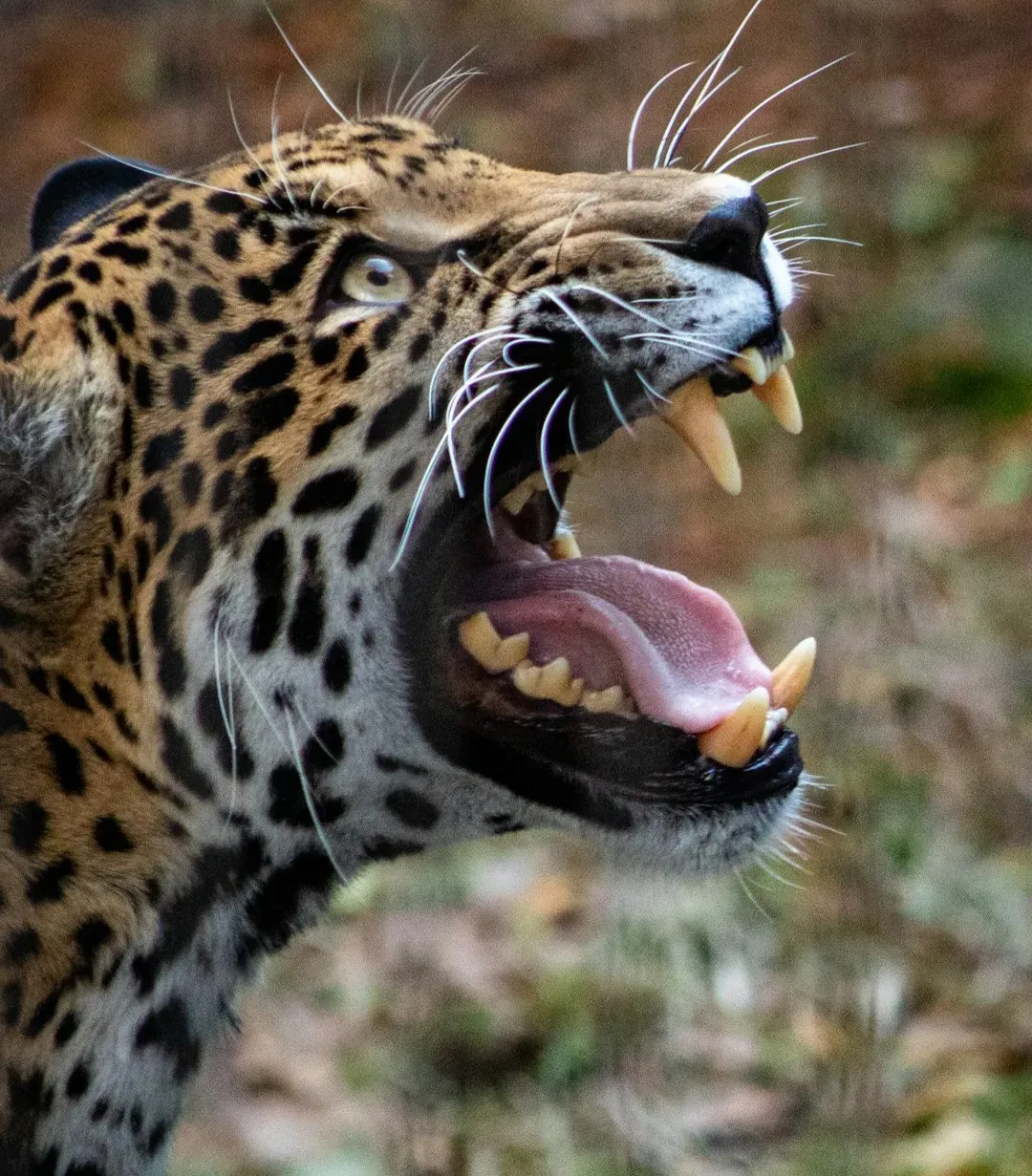
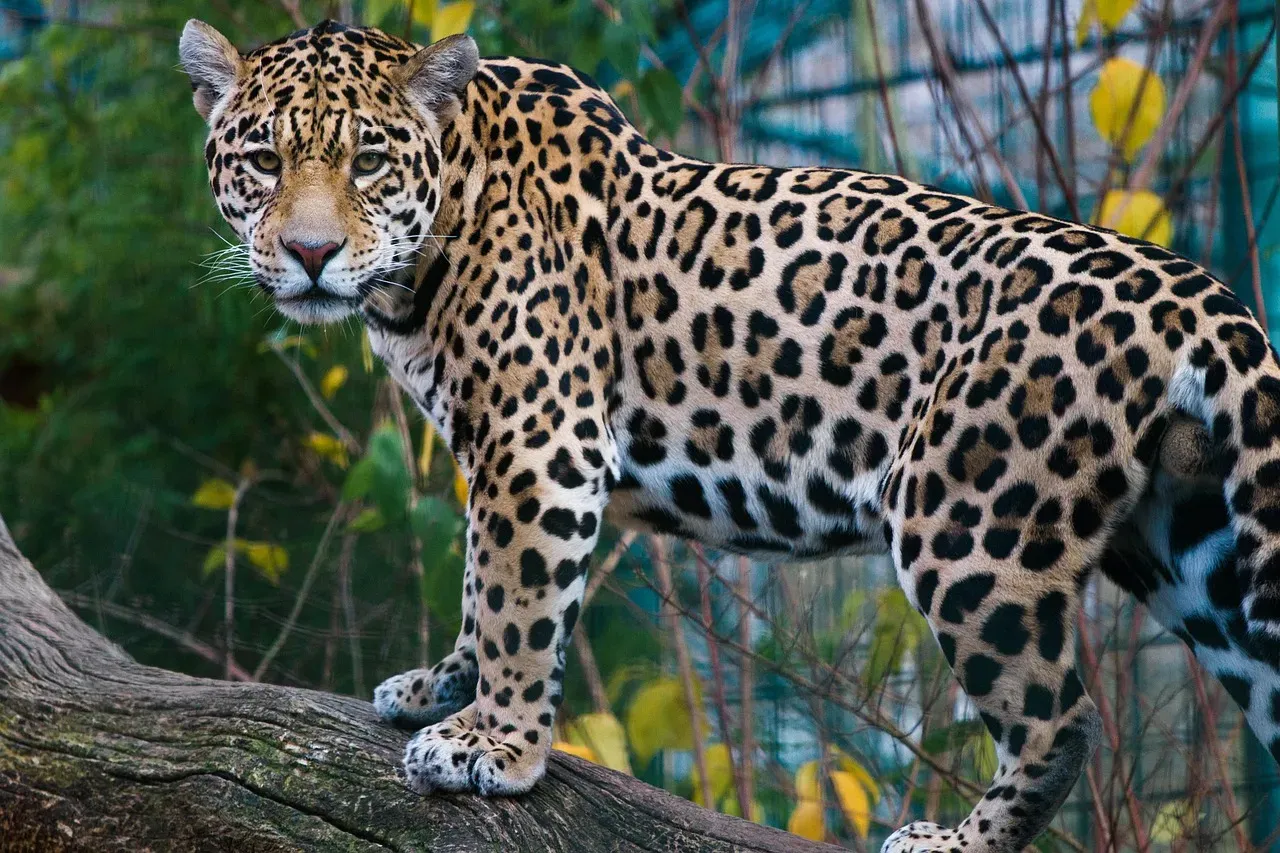
When you look closely at a jaguar skull, you see teeth and bone shapes that give away their strategy. The canine teeth are stout and conical, not long and fragile, which helps them withstand the stress of punching through bone rather than just slicing flesh. The skull is wide and vaulted, giving plenty of room for the massive jaw muscles that power that famous bite.
Behind the canines, their cheek teeth act like heavy-duty shears, letting them slice meat and crack smaller bones with ease. You can imagine holding a nut with your fingers versus locking it into a metal vise - that is the difference their skull shape makes for gripping and crushing. When you put all of this together, the head of a jaguar functions less like a cutting tool and more like a combined clamp, crusher, and saw.
You See Why a Headshot Works Better Than a Throat Hold in Dense Forests
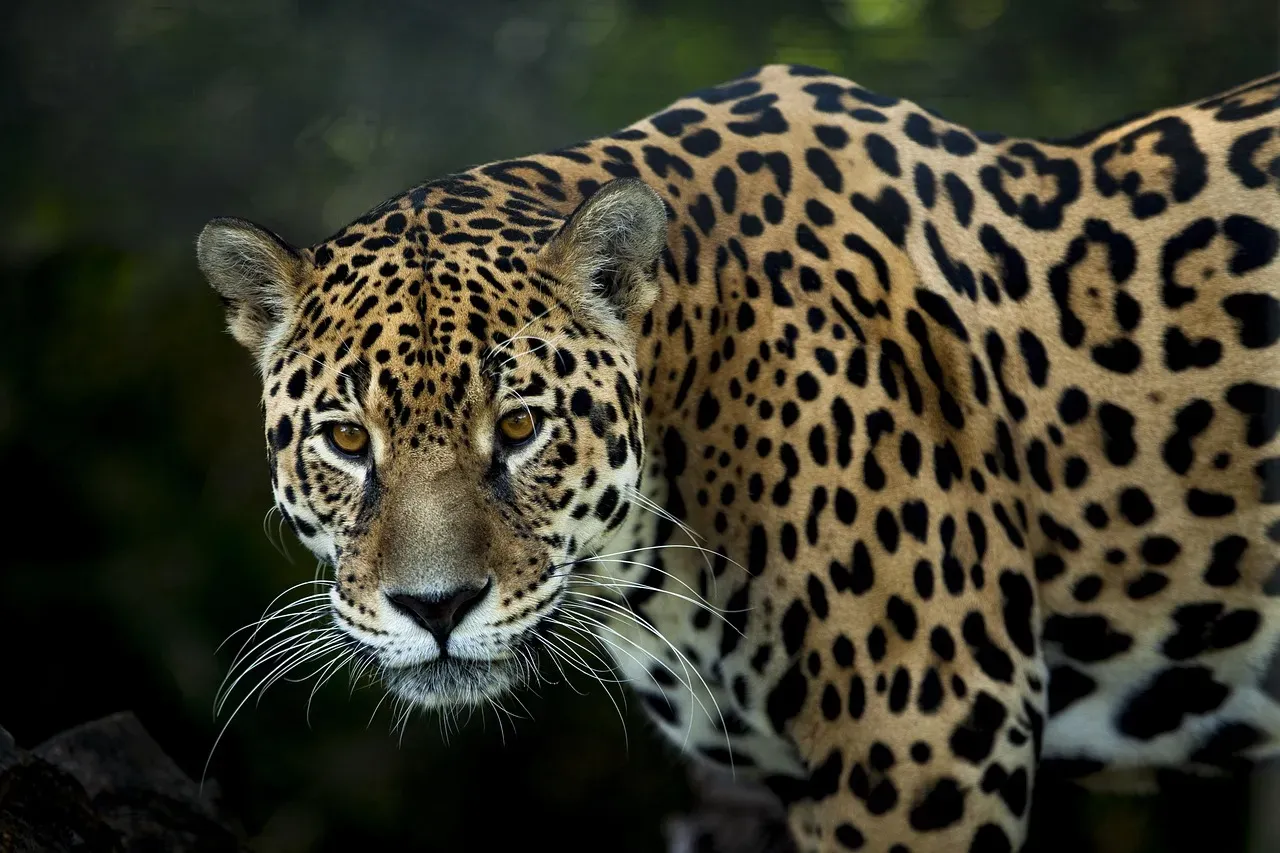
Jaguars mostly live in thick forests, swamps, and river systems where visibility is short and chases are messy and dangerous. A long running pursuit, like you might see with a cheetah on the savanna, simply does not work in tangle-heavy jungle. Instead, jaguars rely on stealth, short ambushes, and getting extremely close before exploding into action. That kind of environment rewards quick, decisive kills.
In close quarters, a throat hold can be risky and time-consuming, especially if your prey has horns, tusks, or claws that can injure you while you hang on. A skull-piercing bite cuts that risk down. By biting into the head or neck vertebrae and disabling the nervous system almost immediately, the jaguar reduces the time it spends wrestling an animal that could still fight back. You can think of it as a high-risk, high-reward move made safe by outrageous bite power.
You Watch Them Hunt Prey Other Big Cats Struggle With
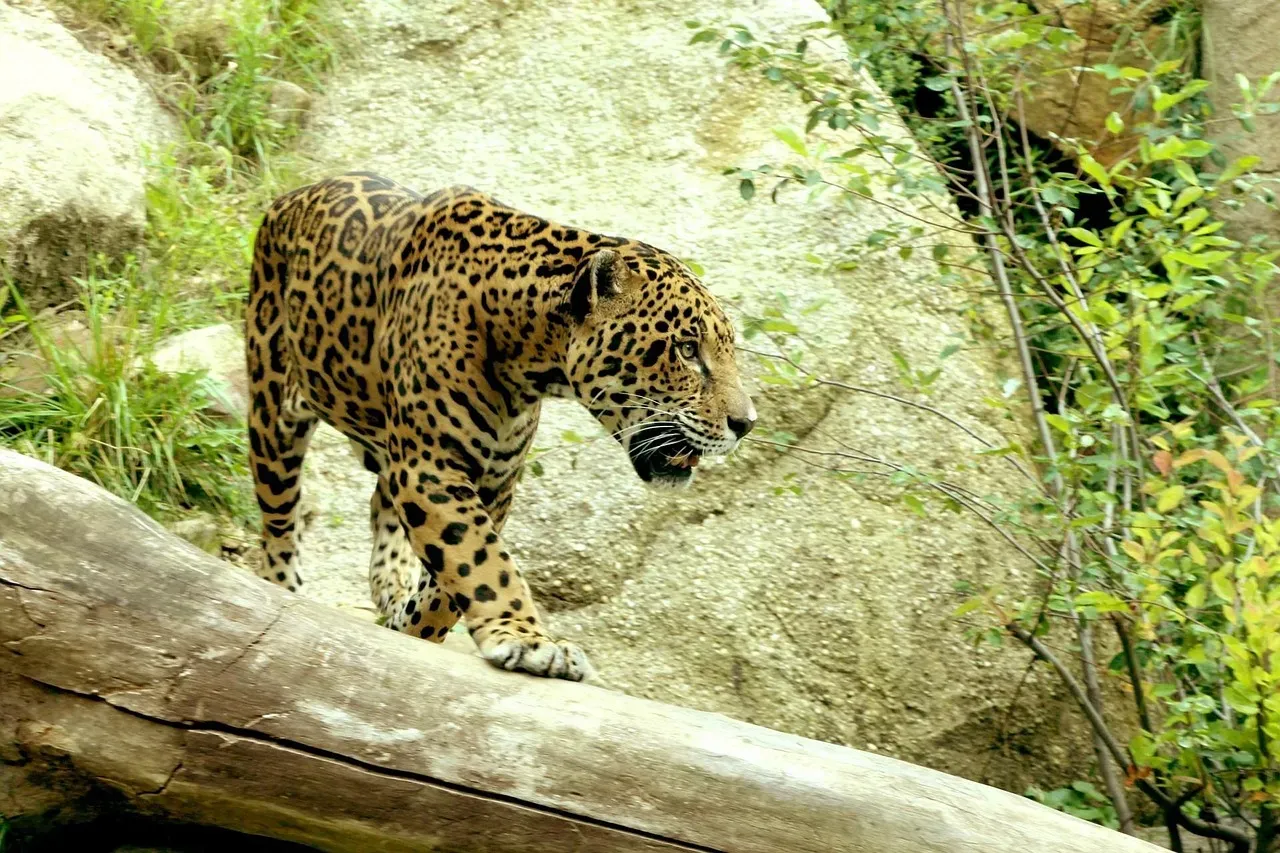
Because they can crush bone and shell, jaguars routinely go after animals that most big cats rarely target. In river systems, they take armored caimans and large turtles, using their bite to punch through skulls and carapaces that act like natural shields. On land, they can handle thick-skulled mammals, sometimes even delivering that signature bite through the back of the head to get straight to the brain.
You might be used to seeing big cats focus on softer, more easily subdued prey, like antelope or zebra. Jaguars do hunt deer and other mammals, but their toolset opens up a menu that includes heavily armored species. It is a bit like watching someone at a buffet who can eat everything, not just the soft foods - suddenly, crocodilian and turtle are on the table because the jaw strength to crack them exists.
You Realize Their Bite Changes How They Use Stealth and Ambush
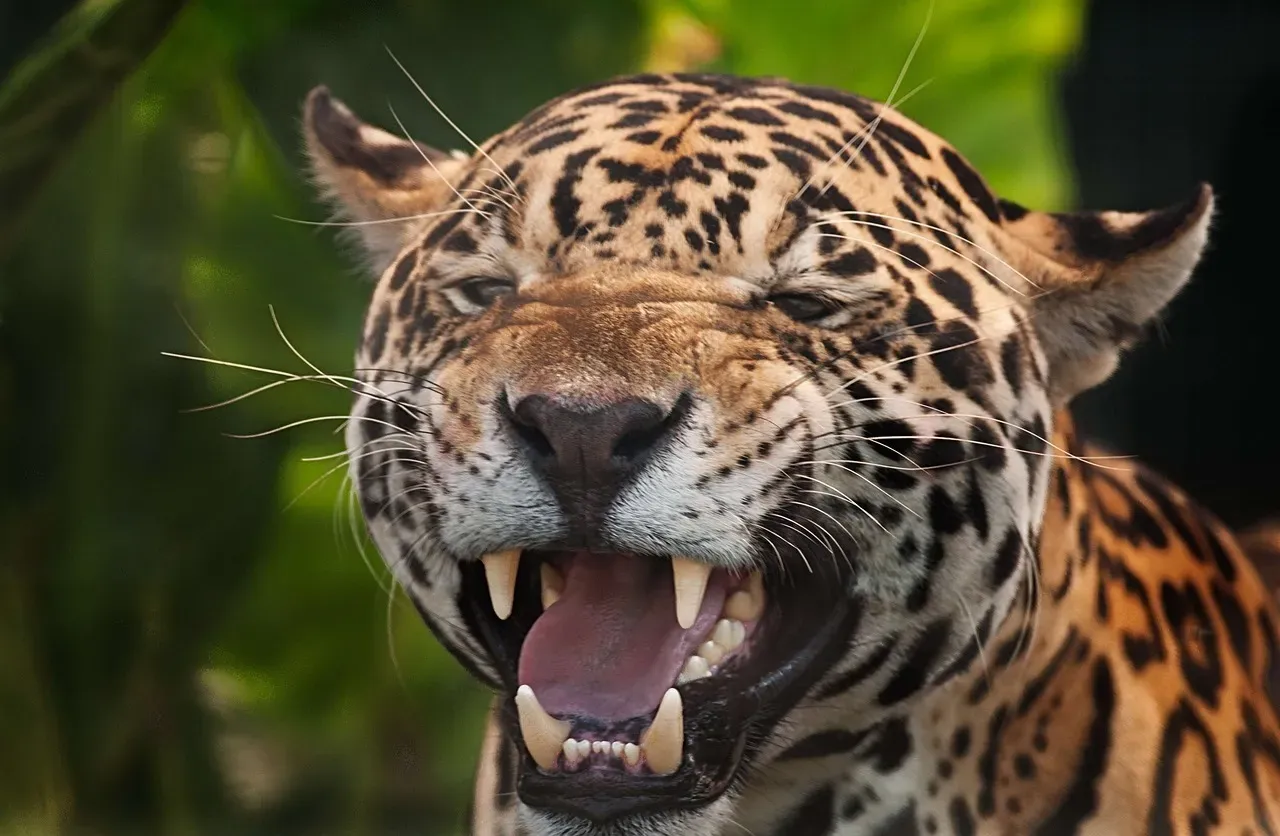
Since a jaguar does not need a long wrestle to suffocate its prey, it can tailor its whole hunting approach around that one devastating moment of contact. You often see them creeping in near-perfect silence, using cover and shadows to get within pouncing range. Once they launch, the attack is explosive and direct, with the mouth targeting the head in a single, committed strike. You are watching a predator built for one clean, high-impact hit.
This is different from big cats that depend on clamping and hanging on until the prey runs out of air. The jaguar’s method means you get fewer second chances, but a far quicker end when it works. Their powerful bite is not just another feature; it allows an entire ambush style that is shorter, sharper, and more surgical. You could say their whole hunting plan is built around earning that one perfect bite.
You Can Even See How Their Bite Shapes Their Reputation and Ecology
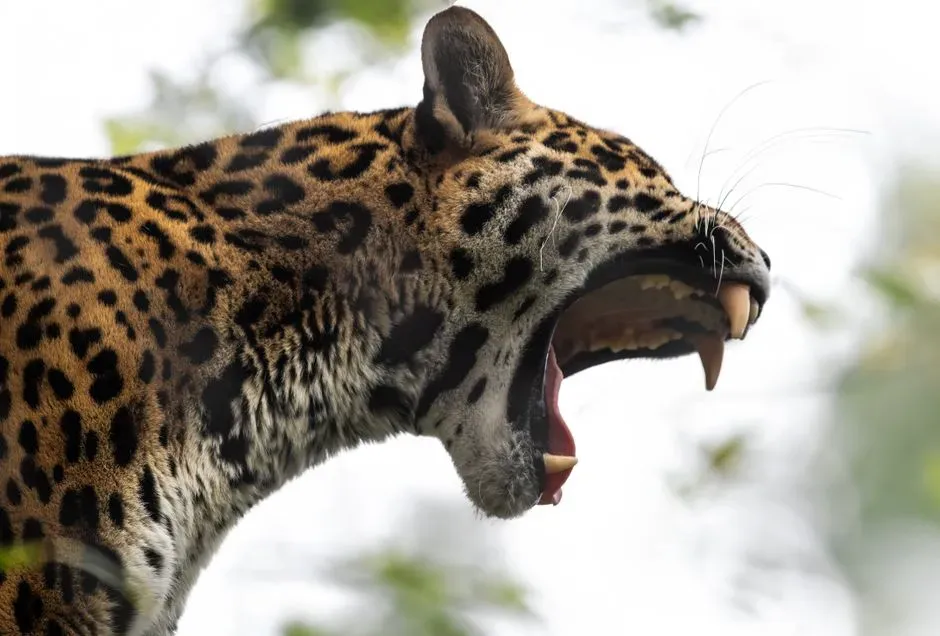
Because jaguars can kill quickly and crack through armor, they sit at the very top of their food webs in many ecosystems. Other predators and scavengers often have to wait until the jaguar has eaten its fill before they can move in. In some areas, their ability to control populations of large herbivores and armored species helps keep ecosystems balanced, even if you never see that process up close.
Their skull-crushing bite has also made them into a symbol of power in many cultures, partly because people noticed this unusual killing method long before science measured bite forces. When you understand how different their strategy is from lions or tigers, that reputation suddenly feels well earned. You are not just dealing with another big cat; you are dealing with a predator whose jaws literally give it another option for how to end a hunt.
Conclusion: You’re Looking at a Big Cat With a Built-In Superpower
Once you know how jaguars use their bite, the headline about them killing differently from most big cats makes perfect sense. Their skull shape, teeth, muscles, and forest habitat all work together to support a style of hunting built around a single, crushing, bone-piercing bite. Where other big cats are masters of the suffocating throat hold, jaguars are specialists in instant shutdown via the skull.
Next time you see a photo or video of a jaguar, you can look past the beautiful spots and notice the thick head, short muzzle, and heavy jaw muscles that tell the real story. You are seeing a predator whose entire blueprint bends around an almost unmatched bite force, and that one superpower changes everything about how it hunts and what it can eat. Knowing that, does a jaguar still look like just another big cat to you, or more like something uniquely - and powerfully - its own?