16 Gentle Ways to Help a Sick Cat Feel Safe and Loved
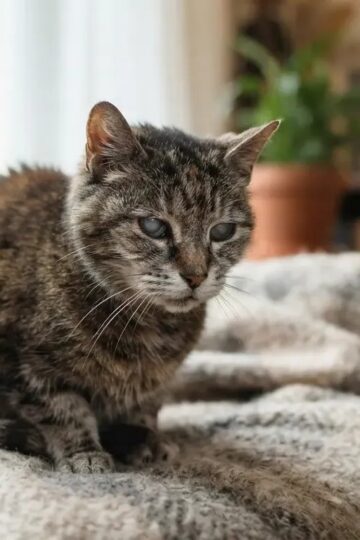
Most people assume a sick cat just needs medicine, rest, and time. But cats hide pain so well that the wrong environment - or an overeager cuddle - can quietly undo everything the medicine is trying to do.
The difference between a cat that bounces back and one that spirals often comes down to small, deliberate choices most owners never think to make. Here's the full list, counting down to the one thing that costs nothing and changes everything.
#16 - Keep Them Indoors, No Exceptions
A sick cat let outside is a cat you may not find again.
It's a firm rule to keep your cat indoors even if they usually roam. Illness triggers a strong hiding instinct, and outdoors that instinct can carry them far from home.
The urge to wander doesn't disappear just because your cat seems calm and sluggish indoors. Illness lowers their guard, not their instincts.
Think of your home as a controlled healing zone. Everything they need - warmth, food, water, litter - should sit inside that zone, reachable without effort.
But being indoors isn't enough on its own - the right kind of indoor space changes everything, and that's exactly what #15 covers.
#15 - Create a Dedicated Recovery Space
Most owners just leave a sick cat on the couch. That's actually one of the worst things you can do.
A quiet, familiar, private spot - a small enclosure or alcove with soft lighting - lets you monitor your cat closely while still giving them room to breathe. The smaller and more enclosed it feels, the safer your cat will feel too.
Move their bed into a spare room or a peaceful corner away from foot traffic. Sick cats don't want a front-row seat to household life; they want a den.
Once the room is set, most people skip a step that matters just as much - and #14 is exactly that step.
#14 - Dial Down the Noise
Sound is a hidden stressor that most owners completely overlook. A calm environment measurably lowers stress, and stress hormones actively interfere with immune function.
Keep the recovery area free of loud TV, heavy bass, or raised voices. Even a quick, well-meaning check-in from a child can reset a cat's stress levels all over again.
Reducing noise isn't just kindness - it's genuinely part of the treatment. Set a clear "quiet zone" rule and hold everyone in the house to it.
With sound handled, #13 tackles something even more underrated: temperature.
#13 - Add a Gentle Heat Source
Sick cats lose the ability to regulate body temperature far more easily than healthy ones. A warm bed, extra blankets, or a heating pad on low keeps them cozy without added strain.
This matters most for older cats or those recovering from surgery, infection, or major weight loss. A heat lamp or hot water bottle can help too, as long as it's handled carefully.
Fast Facts
- A cat's normal body temperature runs about 100°F to 102.5°F.
- Below 100°F can signal dangerous heat loss and needs a vet's attention.
- Above 102.5°F is considered a fever, not a reason to add more blankets.
The detail most people miss: always leave an exit route from the heat. Place the pad under only half the bed, so your cat can move away if they get too warm.
Once warmth is sorted, #12 covers something surprisingly powerful - what's directly under your cat's paws.
#12 - Use Soft, Clean Bedding
This one sounds obvious. Most owners still get it wrong.
A sick cat's immune system is already stretched thin, and soiled bedding adds bacteria and odor to that burden. Aim to change bedding every one to two days during active illness.
Use unscented detergent - strong fragrances can be aversive, even harmful, in concentration. If your cat has a favorite blanket, include it; the familiar scent works as a natural calming cue.
#11 pushes deeper into comfort - and it involves something you plug straight into a wall socket.
#11 - Try a Pheromone Diffuser
Synthetic pheromones are one of the most underused tools in home cat care. Vet clinics and shelters use them constantly to help anxious cats settle.
Feliway mimics the calming facial pheromone cats release when they rub against furniture or people. Diffused into a room, it can ease stress-driven behaviors like hiding, scratching, or avoiding the litter box.
Placement matters - put it in the room where your cat actually rests, not a hallway or behind furniture where airflow gets blocked. It's drug-free and worth trying before assuming your cat needs medication.
Now #10 deals with one of the most emotionally loaded moments of a sick cat's day: mealtime.
#10 - Tempt Their Appetite With Warmth and Smell
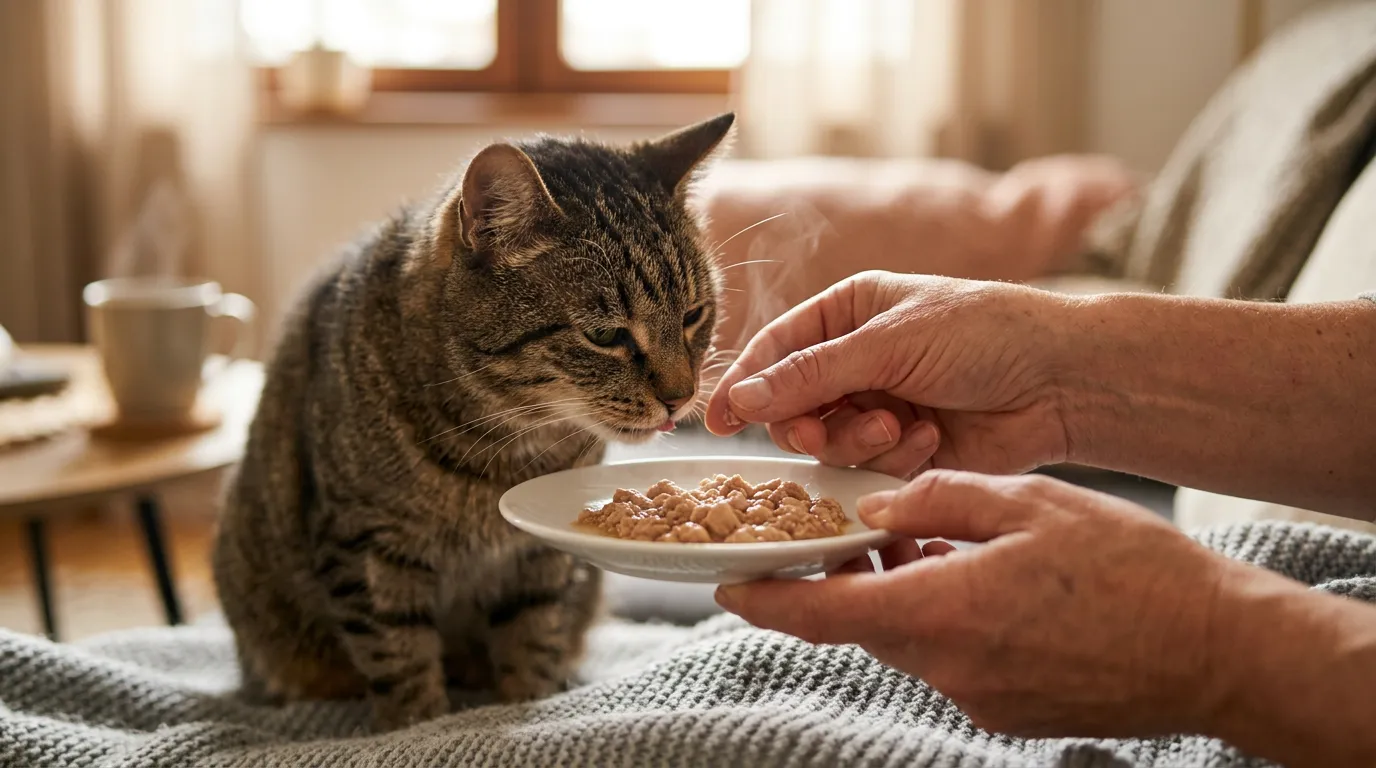
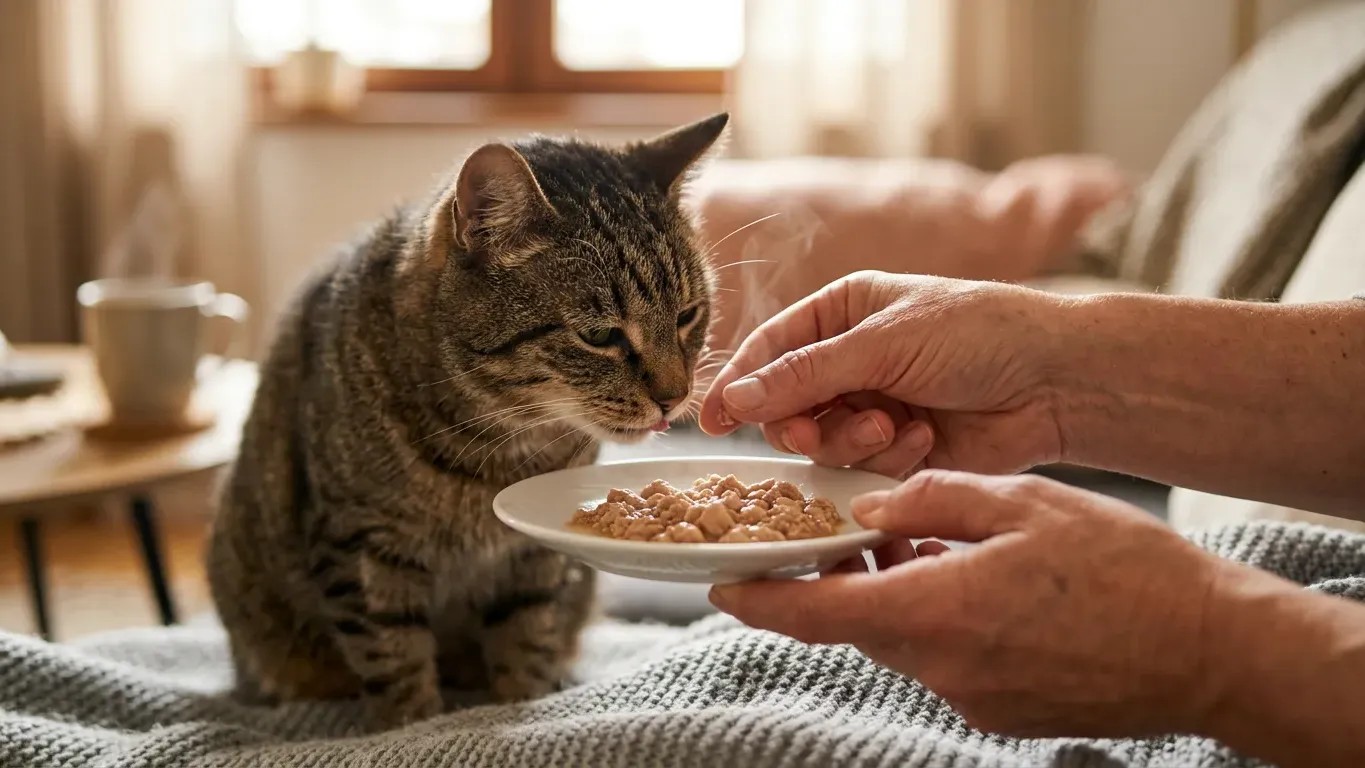
A cat that won't eat is a cat that won't heal - but force-feeding backfires badly. Warming food releases scent compounds, and scent drives feline appetite far more than taste does.
Offer small meals throughout the day instead of one or two large ones. Strong-smelling foods like chicken, or wet food blended smooth, can coax a reluctant eater.
Hand-feeding works especially well because it pairs food with your presence, reinforcing that eating is safe. A flat, shallow dish helps too - deep bowls bend sensitive whiskers and can put cats off eating entirely.
The water situation, covered in #9, is just as critical - and just as often mismanaged.
#9 - Place Water Bowls in Multiple Spots
One water bowl in one location isn't enough for a sick cat. Cats instinctively avoid drinking near where they eat, a survival habit that carries over even now.
Spread bowls across different rooms to encourage more frequent drinking. A cat water fountain helps too - the sound of moving water often tempts cats more than a still bowl.
Dehydration is one of the fastest ways a sick cat's condition can deteriorate. If your cat refuses water outright, call your vet promptly - temporary IV fluids may be needed.
From hydration, #8 moves to grooming - and it goes far deeper than just keeping your cat clean.
#8 - Gently Groom Them Daily
A sick cat often stops grooming itself, and that's a problem on more than one level. Gentle grooming lets you spot new lumps, skin changes, or tenderness you might otherwise miss.
Use a soft cloth or wet cotton ball to clear discharge from the eyes, ears, and nose. Keeping the face clean matters most for cats with respiratory illness, where crusting can make breathing and eating harder.
Worth Knowing
- Five minutes is plenty - longer sessions can overwhelm a weakened cat.
- A flicking tail or rippling skin means stop immediately.
- Grooming doubles as a health check, catching new lumps early.
#7 is the one most owners rush - and it causes more harm than almost anything else on this list.
#7 - Respect Their Need to Hide
Every instinct will tell you to pull your cat out of their hiding spot. Resist it completely.
Hiding isn't rejection - it's self-regulation. A cat tucked under a bed is actively managing its own nervous system, and forcing them out breaks that process.
A breathable cover over their enclosure can help them feel safer still. Sit near the hiding spot, speak softly, and let your cat choose when to come out.
The flip side of respecting hiding is knowing when to engage - and #6 shows exactly how to do that right.
#6 - Talk to Them in a Low, Calm Voice
Your voice is a more powerful tool than most owners realize. High-pitched, excited talking triggers a cat's alert response; low, slow speech signals the opposite.
Even a seemingly unresponsive cat is still processing what you say. A calm, trusted voice has a real, measurable calming effect on their nervous system.
You don't need meaningful words - a quiet, repeated "you're okay, you're doing so well" is enough. The tone matters infinitely more than the content.
#5 brings in something many owners feel awkward about touching: the litter box setup.
#5 - Move the Litter Box Closer
A sick cat that has to travel far to reach the litter box will often just stop trying. Placing a box within a few steps of their recovery space removes a major source of accidents and stress.
For cats recovering from surgery or weakness, this is a real medical consideration, not just convenience. Low-sided boxes - even a shallow storage bin - are easier for stiff or painful cats to climb into.
Check the box more often than usual too. A sick cat that finds a dirty box may simply stop using it altogether, creating more mess and more stress for everyone.
#4 is one of the most surprising items here, and most owners only discover it the hard way.
#4 - Avoid Phenol-Based Cleaning Products
You're trying to keep things clean, but the wrong product can quietly poison a recovering cat. Never use phenol-based disinfectants in your cat's room.
Phenols show up in many household cleaners, including some pine-scented and antibacterial sprays. Cats can't metabolize phenols the way dogs or humans can, and even paw contact with treated floors can cause liver damage.
Quick Compare
- Risky: anything with "-sol" in the name, pine-oil cleaners, phenol-based disinfectants.
- Safer: plain hot water, mild unscented soap, or a vet-approved pet-safe cleaner.
- Why it matters: cats lack the liver enzyme needed to break phenols down safely.
Run any new product past your vet before you use it near your cat's recovery space.
#3 is a small behavioral shift with a disproportionately large effect on recovery.
#3 - Establish a Predictable Daily Routine
Sick cats don't just need comfort - they need predictability. Uncertainty about feeding, medication, or handling keeps their baseline stress elevated all day long.
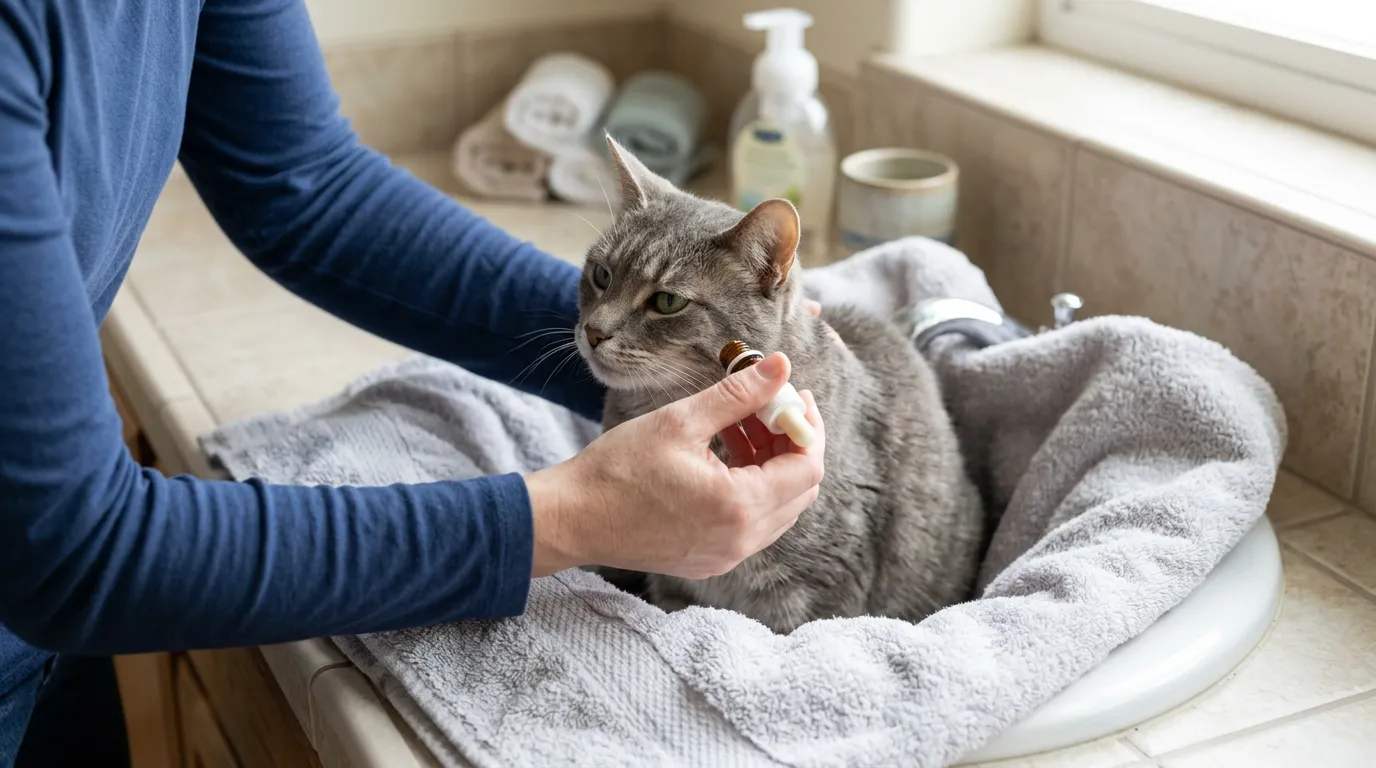
A bathroom sink lined with a soft towel gives you an enclosed, secure spot for giving medication. Repeating that setup daily turns a dreaded moment into one the cat learns to anticipate rather than fear.
Feed at the same times. Check in at the same times, and dim the lights at the same point each evening - small patterns register deeply with cats.
#2 might surprise you most, and it's something you can start doing right now.
#2 - Use Positive Reinforcement During Care
Most owners try to minimize a sick cat's discomfort. The smartest ones actively build positive associations instead.
Give a treat, some brushing, or gentle praise right after your cat accepts medication. Over days, this reframes the entire routine as something that reliably ends well.
The real goal is making your presence itself feel like the reward, not just the treat. Keep it immediate too - a tiny treat right after works far better than a bigger one given minutes later.
And now, the one gentle act that ties every other item on this list together.
#1 - Simply Be Present Without Demands
This is the one that costs nothing and means everything. Give your cat space, skip forced interaction, and let them come to you on their own schedule.
Sitting near your cat - reading, working quietly, simply existing in the room - communicates safety more powerfully than any active intervention. Cats read human emotional states with unsettling accuracy; your anxiety reaches them, and so does your calm.
Your undemanding presence is itself a form of medicine no prescription can replicate. Often, the most healing thing you can do is stay close, stay calm, and let your cat lead the way back to feeling safe.
The Bottom Line
Most people focus entirely on medication when a cat gets sick, but the environment, the routine, and the emotional cues you send matter just as much. Cats hide illness well, so watching for small changes in behavior catches problems early.
At a Glance
- Warm, quiet, and predictable beats loud and unpredictable, every time.
- Fresh water in multiple spots, and food warmed to release scent.
- Only phenol-free cleaners near the recovery space.
- Respect the hiding, speak softly, and let your cat set the pace.
None of this replaces your vet's care, but it clears the path for that care to actually work.
The cats that recover fastest aren't just the ones with the best prescriptions. They're the ones whose owners made them feel safe enough to heal.