What It Means When Your Cat Presses Their Forehead Against You and Stays There
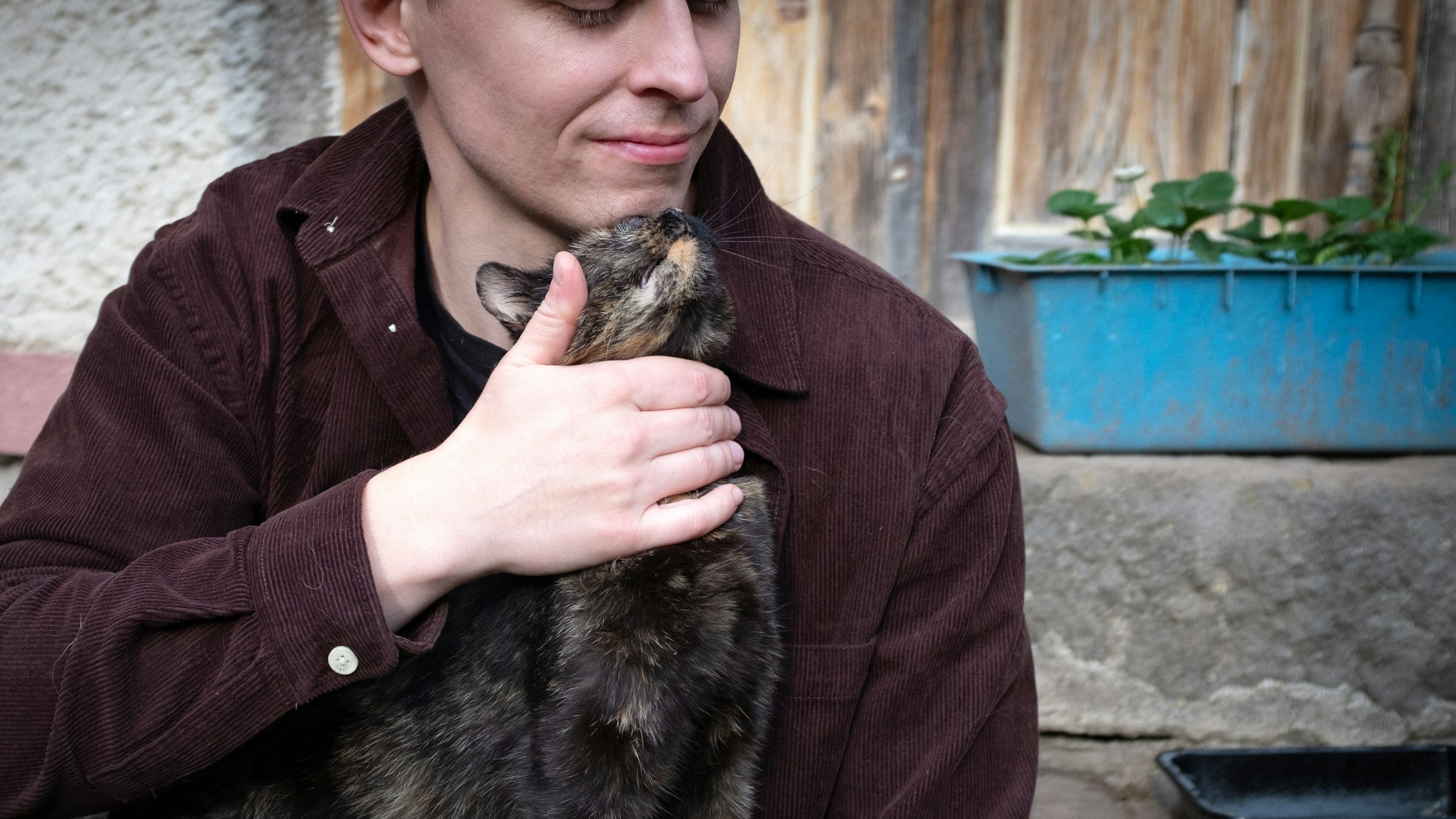
You know those quiet moments when your cat climbs into your space, leans in, and just presses their forehead against you like they are trying to melt into your skin? It feels oddly intimate, a little mysterious, and honestly, kind of magical. You might find yourself wondering if this is love, a secret code, or something you should worry about.
This behavior actually has real meaning in the feline world, and once you understand it, you’ll never look at those head presses the same way again. You’ll start to see them as full-on cat messages: about trust, territory, comfort, stress, and even health. Let’s unpack what your cat is really saying when they press their forehead into you and just stay there.
It’s Often a Deep Sign of Affection and Trust
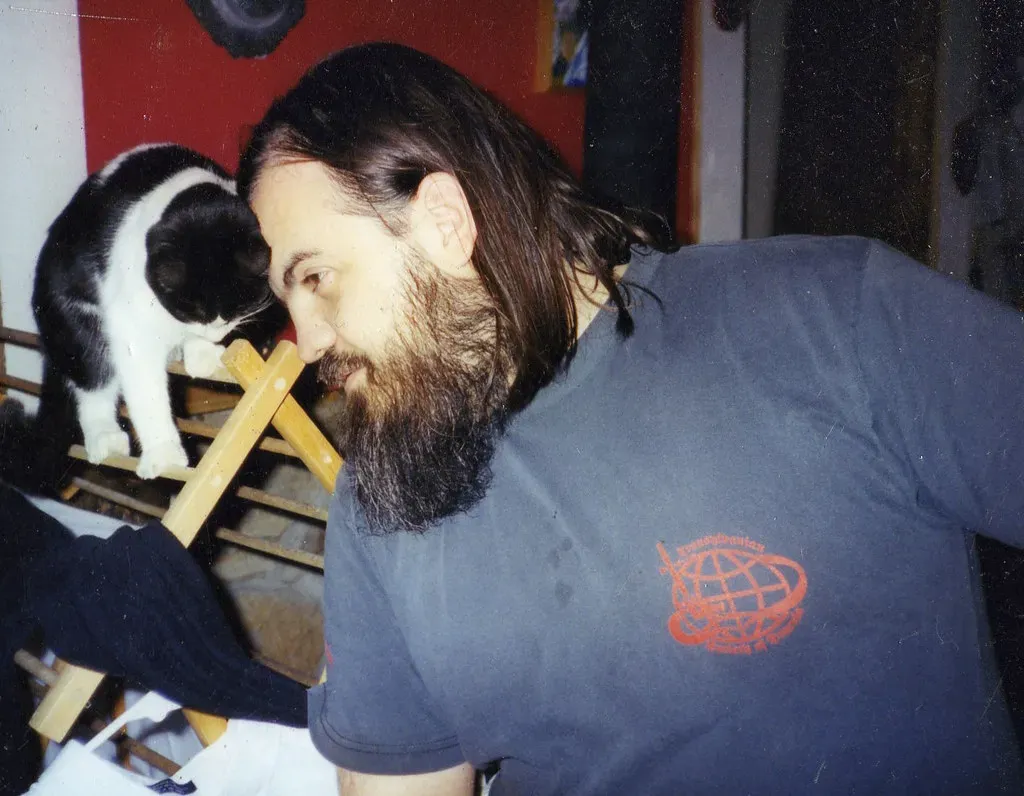
When your cat presses their forehead against you and lingers, you’re usually witnessing one of the strongest signs of trust they can offer. In the animal world, exposing the face and head is risky, so your cat choosing to lean in and close their eyes around you is a huge emotional green flag. They’re saying that they feel safe enough to let their guard down.
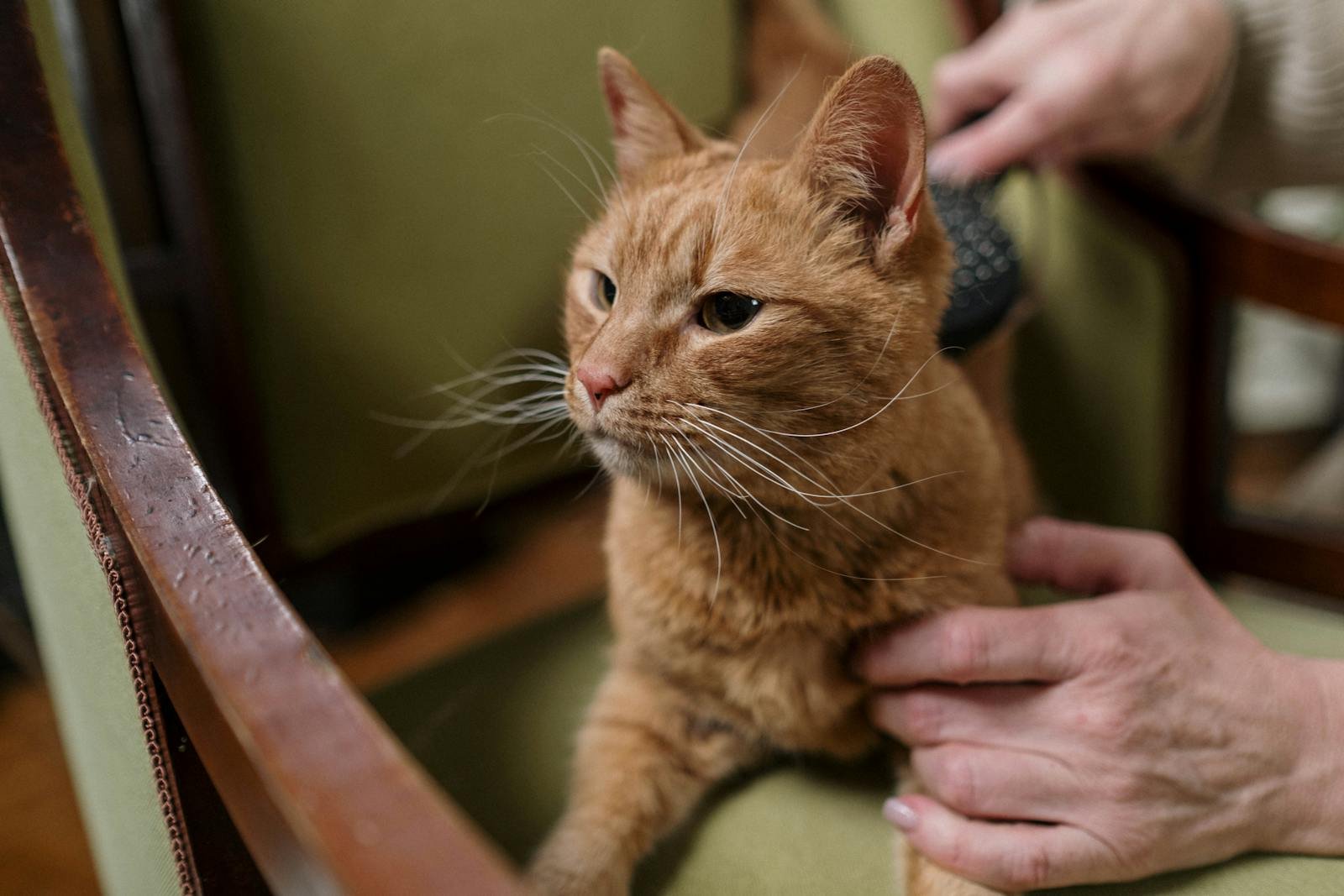
Think of it as your cat’s quiet version of a hug. Instead of jumping or wagging like a dog, your cat chooses stillness and contact. You might notice they do this when you’re relaxed on the couch, in bed, or when you’ve just sat down after a long day. That timing is not random: your calm energy makes your cat feel even more secure, and their forehead press becomes a way of syncing with you emotionally.
They’re Marking You as Part of Their “Safe Territory”
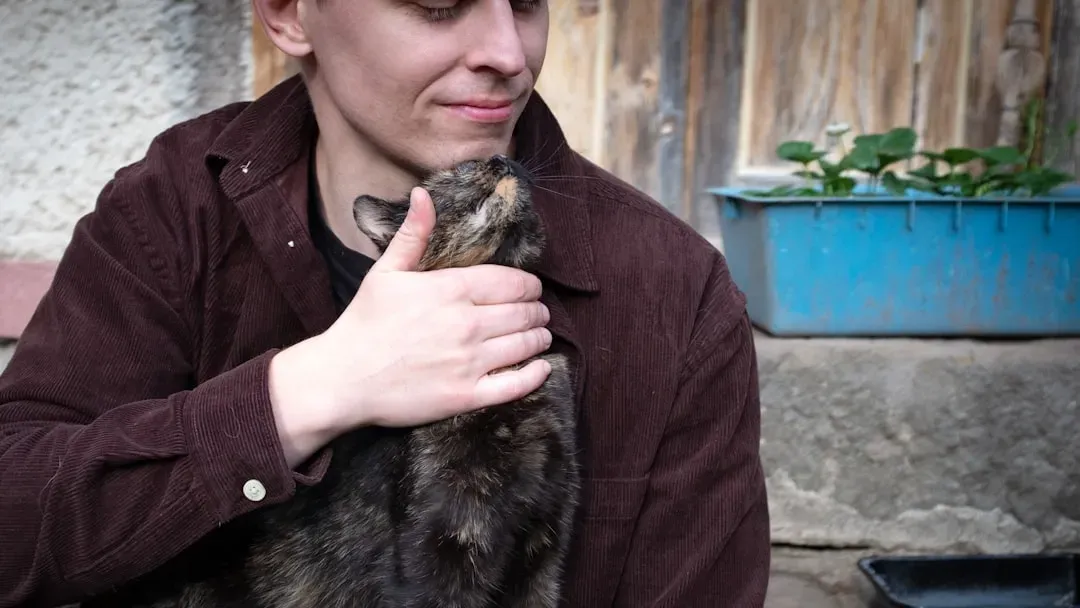
Your cat’s forehead and cheeks are loaded with scent glands that release their unique chemical “signature.” When they push their head into you and stay there, they’re rubbing those glands onto your skin, clothes, or hair. You can’t smell it, but other animals could, and to your cat this is like quietly planting a little flag that says: this human is mine and they’re part of my world.
Far from being possessive in a negative way, this is your cat folding you into what they consider home. If your cat presses their forehead on you more after you come back from work, a trip, or even just the grocery store, they may be “reclaiming” you from all the unfamiliar scents you picked up outside. In their mind, they’re restoring balance: you belong to their safe bubble, not the chaotic, smelly world out there.
It Can Be a Self-Soothing Move When They’re Seeking Comfort
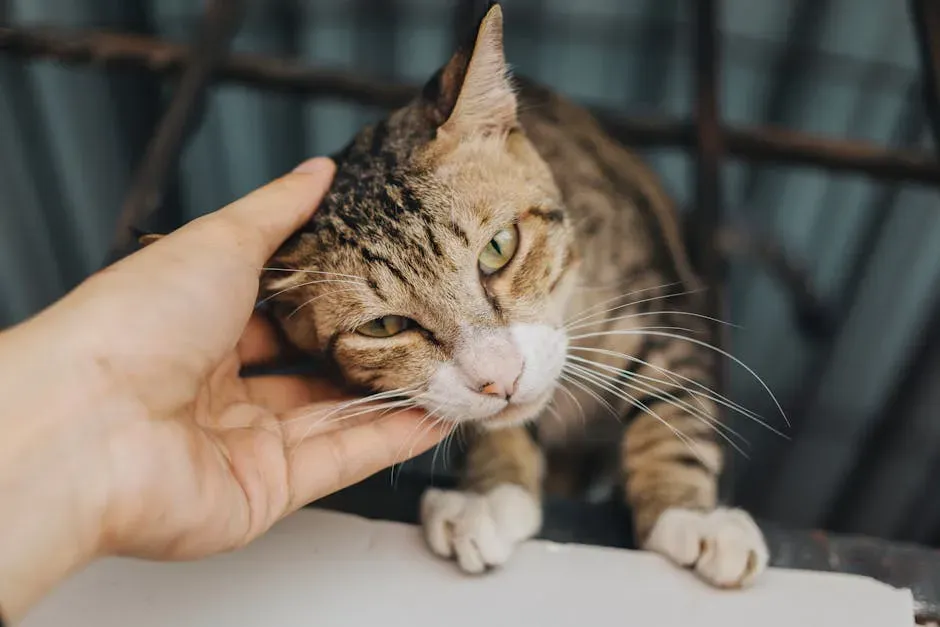
Sometimes that forehead press is less of a bold declaration and more of a quiet plea for comfort. Cats often lean their heads against soft, warm surfaces when they feel a bit anxious, uncertain, or overstimulated. When they choose your body instead of a pillow or a blanket, they might be using your warmth, scent, and heartbeat to calm themselves down.
You might notice this happens more during storms, fireworks, changes in routine, or after a loud argument at home. Your cat presses in, maybe purrs deeply, and stays there like they’re plugging themselves into an emotional charger. In those moments, keeping your movements slow, your voice gentle, and your environment calm helps reinforce that you’re their safe harbor.
Sometimes It’s a Request for Attention, Petting, or Connection
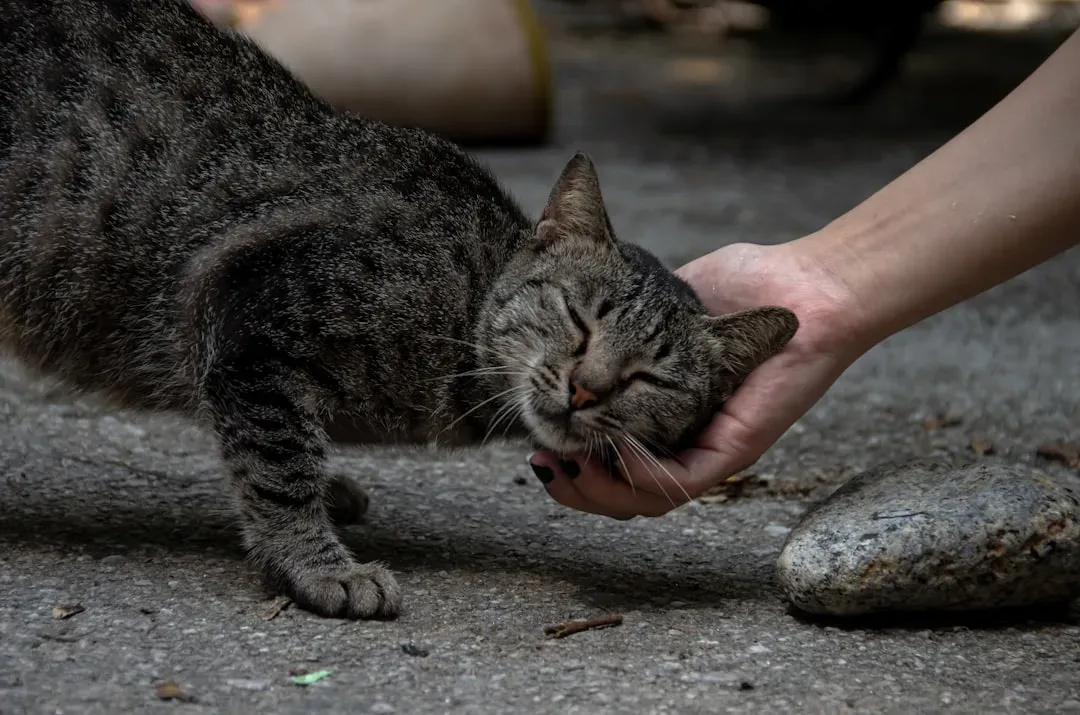
Cats can be surprisingly direct when they want your attention, and a forehead press that turns into a steady lean may simply mean: stop staring at that screen and interact with me. If your cat presses their head into your hand, phone, book, or laptop and then just stays there, they’re basically interrupting your plans on purpose. They’ve noticed that physical contact often makes you respond, so they use it like a soft button they can push.
Pay attention to what happens if you start gently scratching around their ears, cheeks, or under the chin after a head press. If your cat purrs, leans harder, or starts slow-blinking at you, you’re probably dealing with a social request. Over time, you’ll see patterns: certain times of day, certain spots in the house, or specific actions (like you sitting on the couch) may consistently trigger these forehead presses, almost like your cat has built an emotional schedule with you.
How to Respond So Your Cat Feels Even Safer
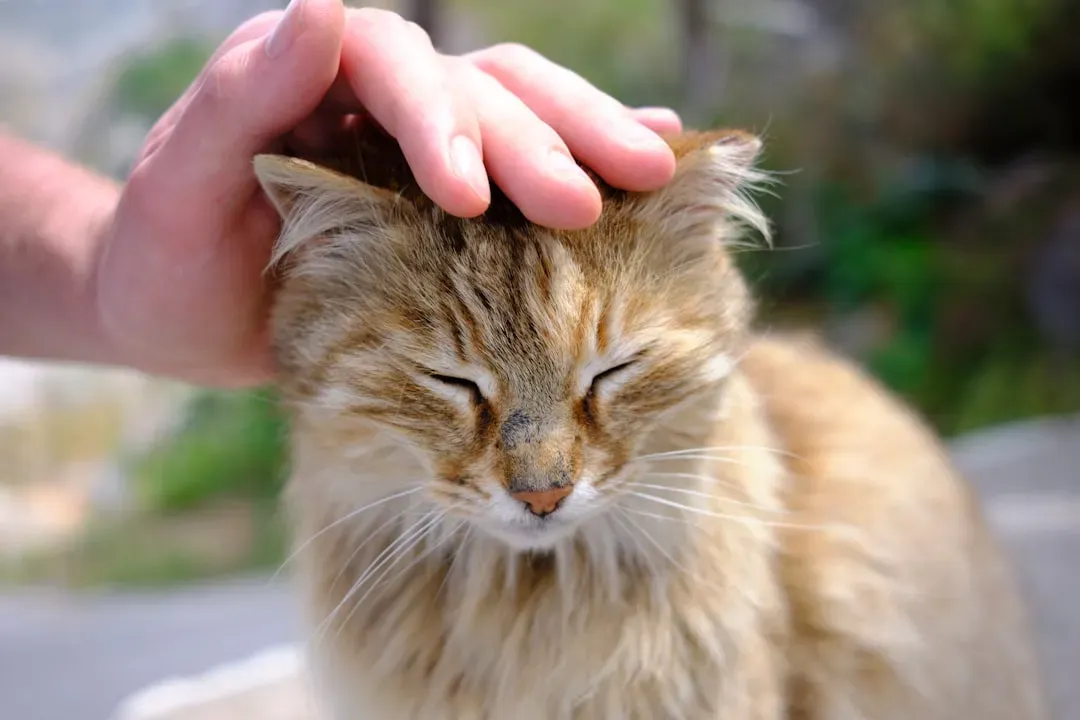
When your cat offers you a forehead press, your response can either strengthen the bond or make them think twice about doing it again. If you suddenly scoop them up, move too fast, or poke at their face, they might flinch or back off. Instead, try treating these moments as sacred little pauses: keep your movements slow, your hands gentle, and your voice soft or silent.
You can experiment with what your cat enjoys. Some cats love a slow, gentle rub from forehead to the back of the head, following the direction of the fur. Others prefer you to just stay still and let them do the pressing while you sit quietly. If they pull away, do not chase them; letting them set the pace is what convinces them that you’re safe to be vulnerable around.
When a Forehead Press Might Signal a Possible Health Issue
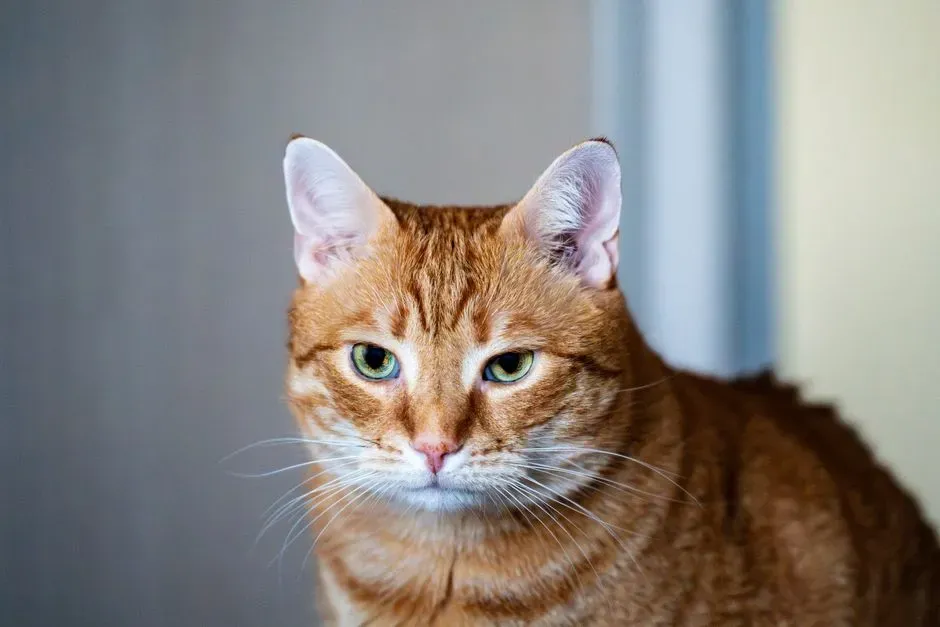
There’s an important distinction you need to know: affectionate pressing is not the same as medical “head pressing,” which can be serious. Affectionate forehead presses happen briefly, usually during cuddles, with relaxed body language, purring, and normal behavior before and after. True head pressing linked to illness often involves the cat pushing their head forcefully and repeatedly into walls, floors, or furniture, usually looking tense, disoriented, or unwell.
If your cat is standing near a wall or corner and just keeps pressing their head into a hard surface, especially if they seem spaced out, wobbly, or not themselves, this can be a red flag. It has been associated with issues involving the brain, liver, or other serious medical problems. In that situation, it’s not something to watch and wait on; it’s a reason to call your vet promptly and describe exactly what you’re seeing, including how long it’s been going on and whether anything else looks off.
Reading the Whole Body: Context Matters More Than One Gesture
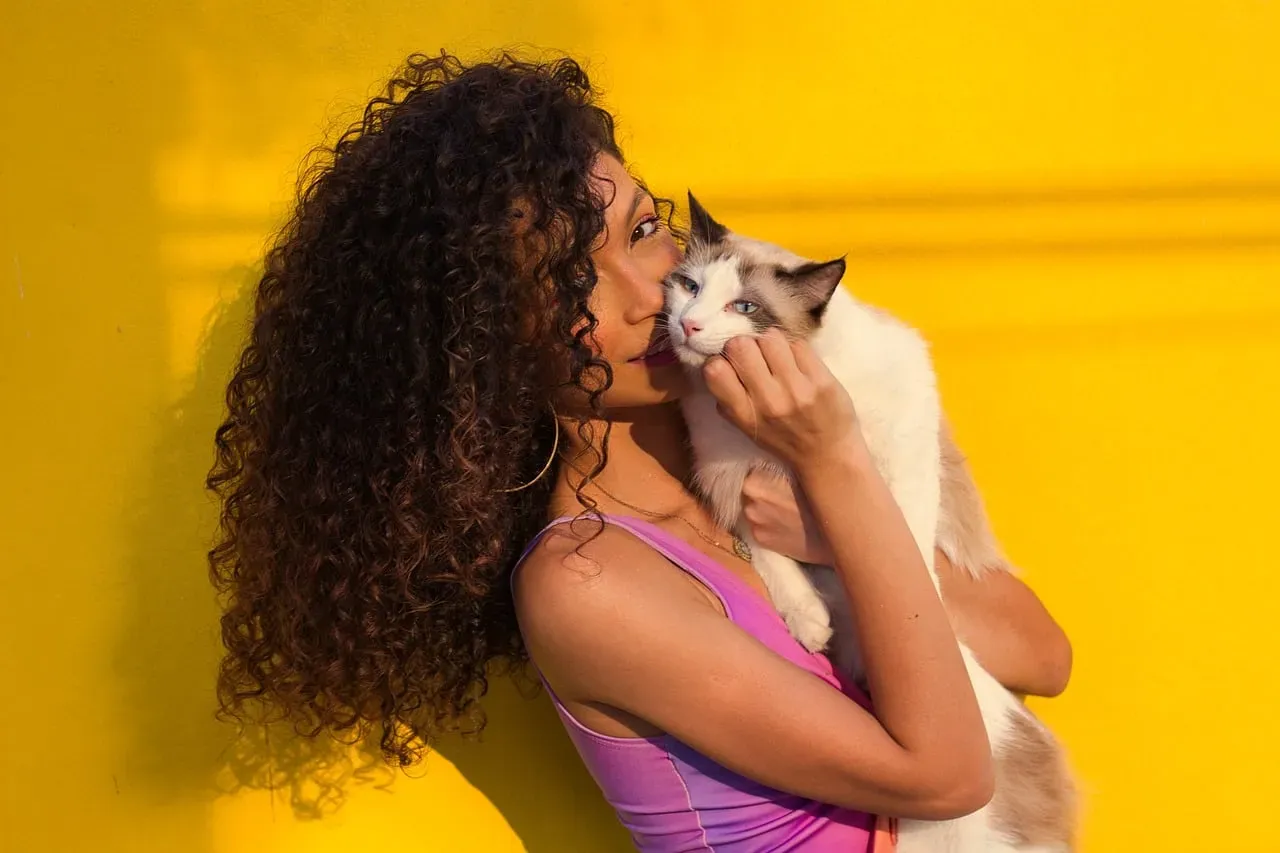
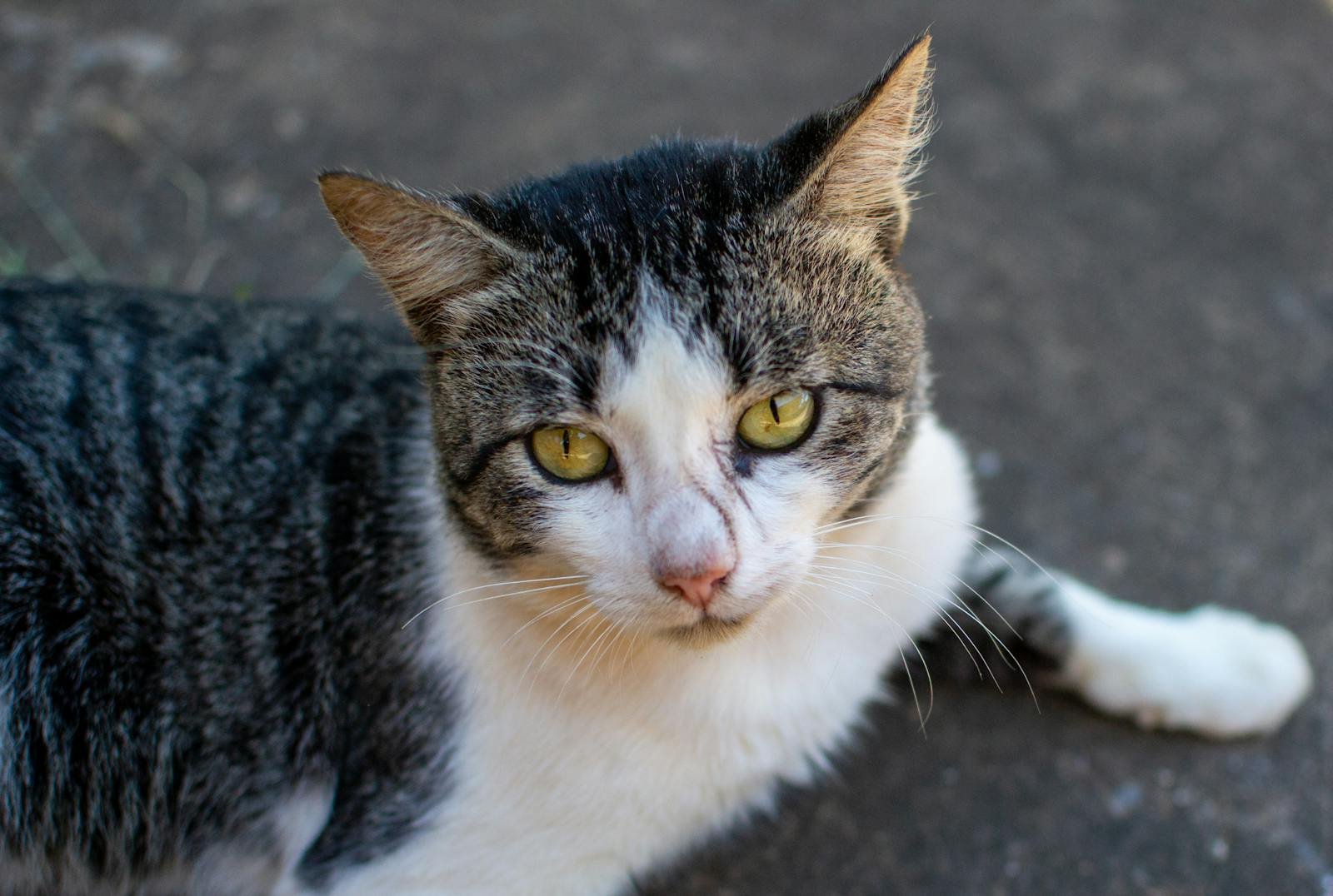
A forehead press by itself is only half the story; the rest of your cat’s body is the subtitles that explain what’s really going on. If the tail is up or softly swaying, the ears are relaxed, and the eyes are soft or blinking, you’re probably looking at a content, affectionate moment. On the other hand, if the body is stiff, pupils are wide, ears are flattened, or the tail is lashing, that same forehead contact could be happening in a very different emotional state.
Try treating each head press like a little puzzle: look at where you are, what’s happening in the environment, and what your cat’s been doing before and after. Over time, you’ll build a kind of internal dictionary of your own cat’s signals. The more you read the whole picture instead of fixating on one cute behavior, the better you’ll get at knowing when your cat is asking for affection, when they’re soothing themselves, and when something might not be quite right.
Strengthening Your Bond Through These Quiet Rituals
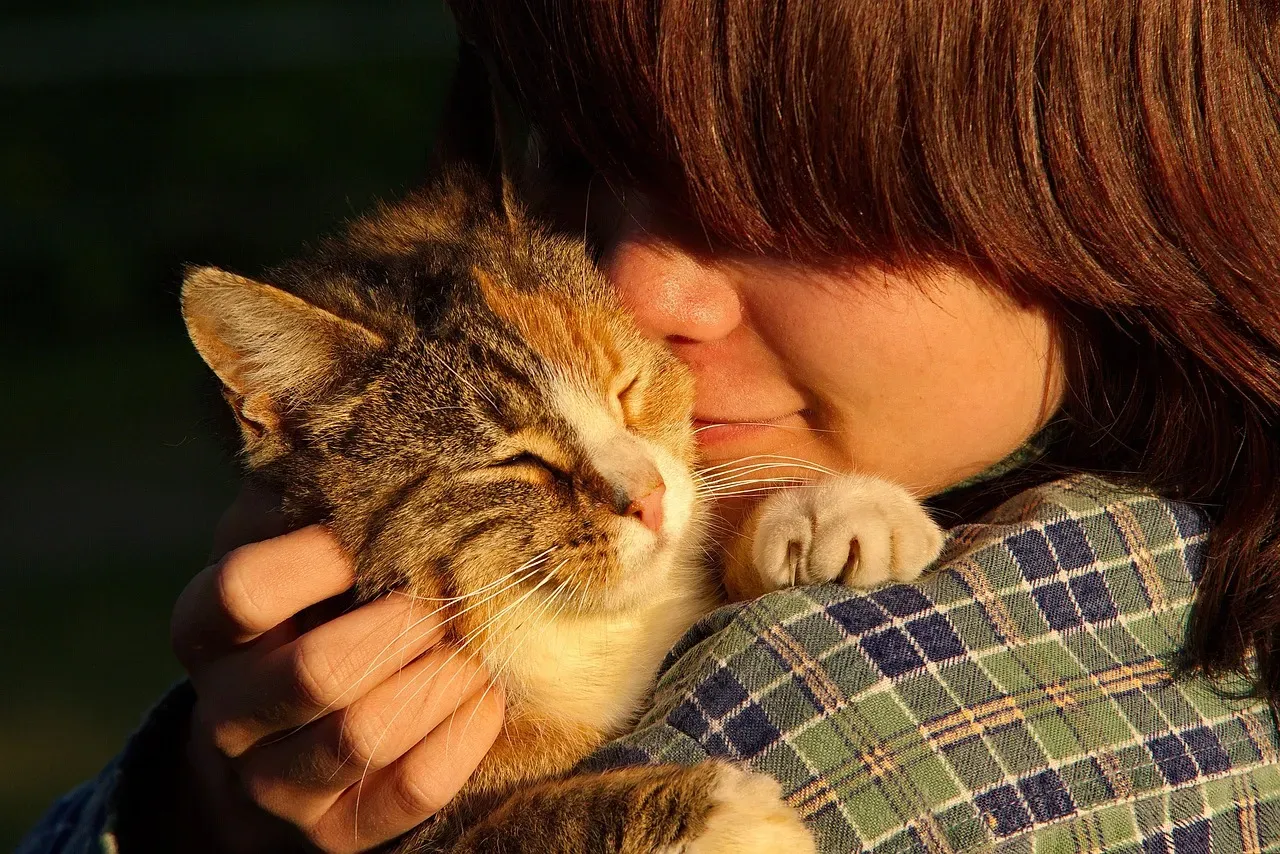
Once you recognize what these forehead presses usually mean for your cat, you can start treating them as opportunities instead of random quirks. You can lean into the moment - literally and emotionally - by giving them the calm, steady presence they’re looking for. In a world full of noise and distraction, that kind of shared stillness becomes oddly powerful for both of you.
Over time, these small rituals stack up and shape how your cat feels about you. You become not just the person who feeds them, but the one they choose to press their forehead against when the world feels big, loud, or just a bit too much. The next time you feel that little head resting on you, you might ask yourself: out of all the places they could be right now, they chose you - what does that tell you about the bond you’ve built?
In the end, a cat pressing their forehead into you and staying there is almost never random. Most of the time, it means you’re trusted, you’re part of their territory, and you’re a source of comfort they can literally lean on. By watching the context, respecting their boundaries, and staying alert for any worrying changes, you turn those quiet moments into something deeper: a language you and your cat share without a single word. Did you ever think such a small, silent gesture could say so much?