The 10 Best Small Pets For People Over 60
#1 Guinea pigs
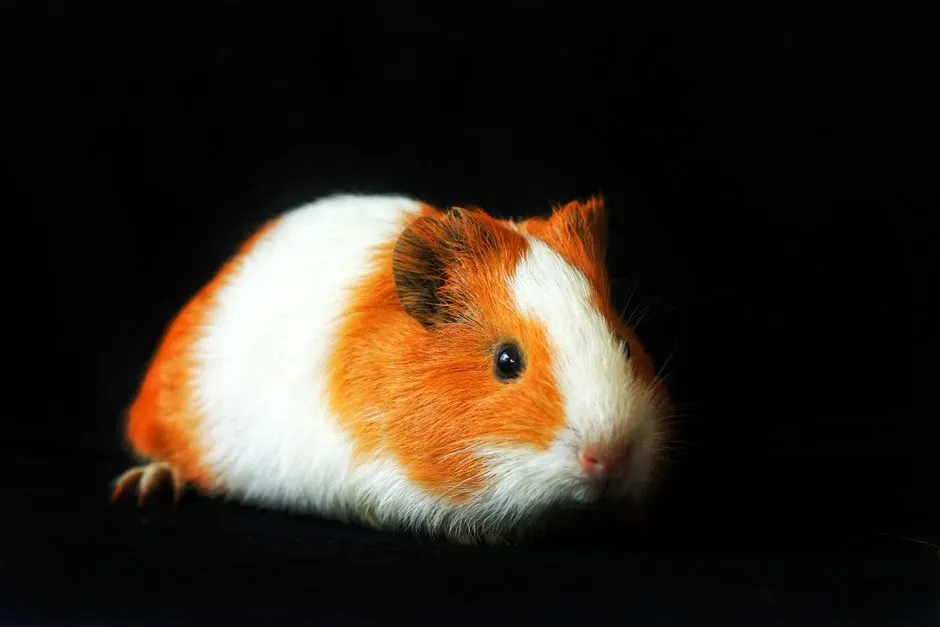
Guinea pigs strike a rare balance between being genuinely interactive and remarkably low-maintenance. They don't require walks, they're quiet compared to many other rodents, and their social nature means they often "talk" to their owners through a range of chirps, wheeks, and purrs that make the bond feel two-way rather than one-sided. Because they're ground-dwelling and rarely jump or climb, there's little risk of a guinea pig darting off a countertop or requiring an owner to chase it down, which matters a great deal for anyone dealing with balance issues or limited mobility.
From a health standpoint, guinea pigs are diurnal, meaning they're awake during the day and sleep at night, which lines up nicely with most older adults' schedules rather than disrupting sleep the way nocturnal pets can. Their cages are simple to clean on a weekly basis, and the physical act of handling them, gentle lifting, light petting, offering fresh vegetables, provides a bit of low-impact activity for hands and arms without any strain. Veterinary costs tend to stay modest too, since guinea pigs are generally hardy when kept in clean conditions with a proper diet.
#2 Betta fish
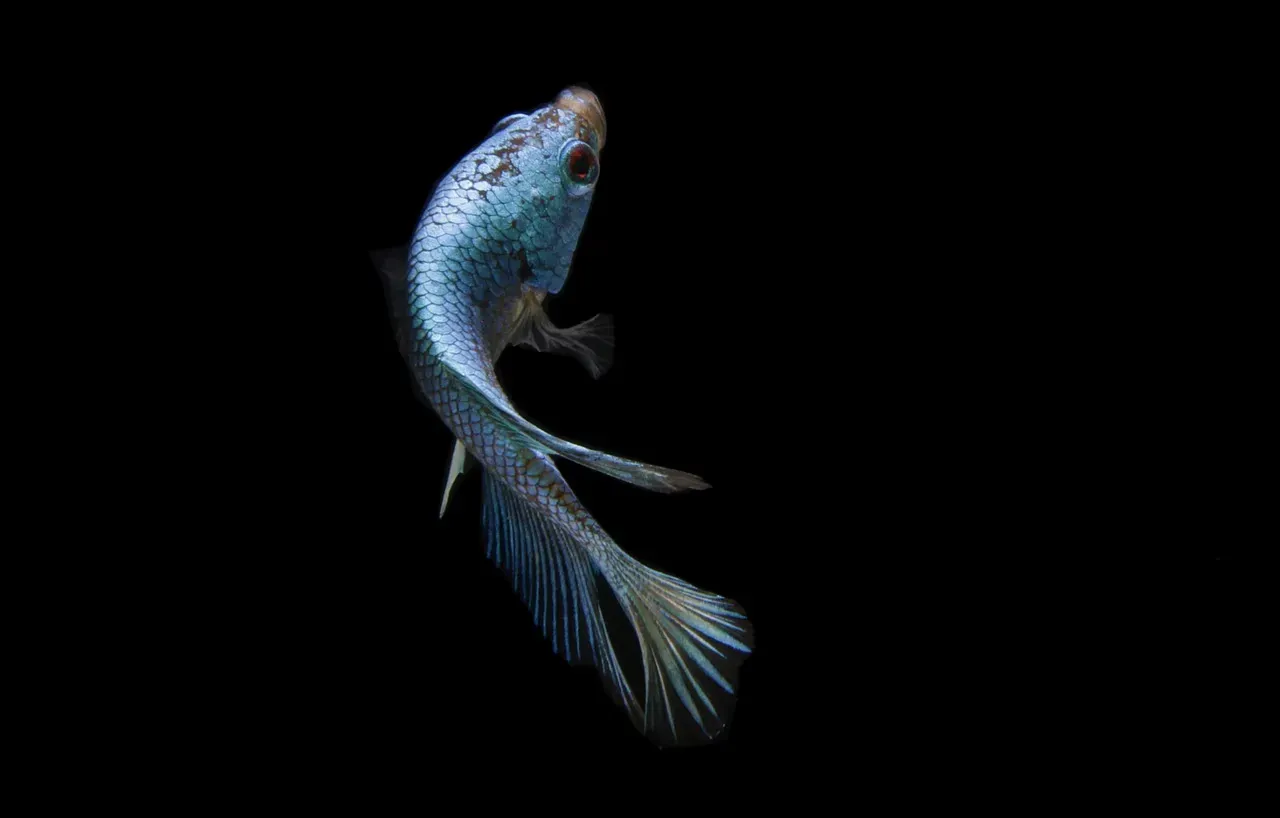
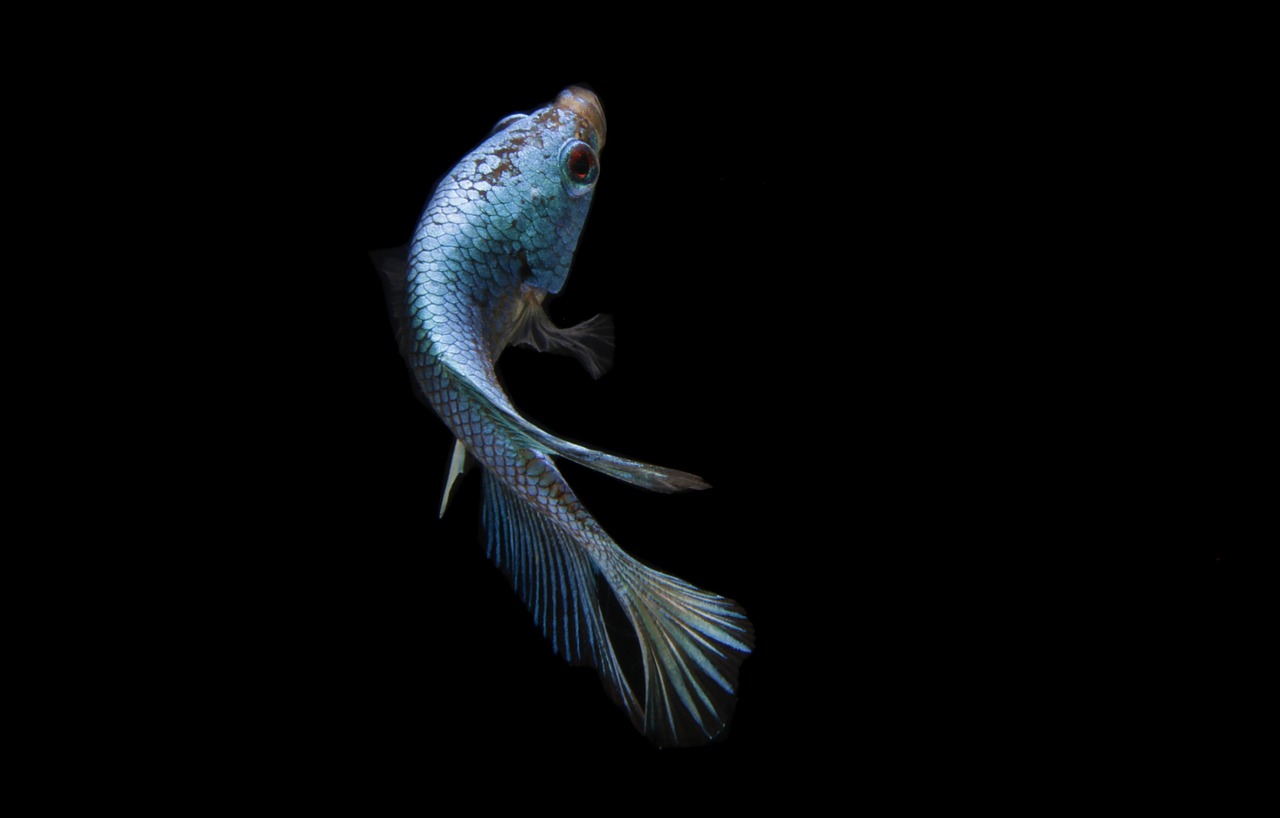
There's something genuinely calming about watching a betta fish glide through a well-lit tank, and that's not just anecdotal. Numerous studies on aquarium therapy have pointed to reduced blood pressure and lower reported stress levels among people who spend time observing fish, making bettas a practical choice for anyone managing anxiety or high blood pressure in later life. Unlike many fish that need to be kept in schools, bettas thrive alone, which simplifies tank setup considerably and keeps costs down.
Caring for a betta involves feeding a few pellets daily and doing a partial water change every week or two, tasks that take only a couple of minutes and require no lifting, walking, or physical exertion. They don't need to be let outside, they don't bark, and they don't require anyone to remember a walking schedule during bad weather. For someone who wants a living presence in the home without any hands-on interaction requirements, a betta fish offers a strikingly good return on minimal effort.
#3 Canaries and finches
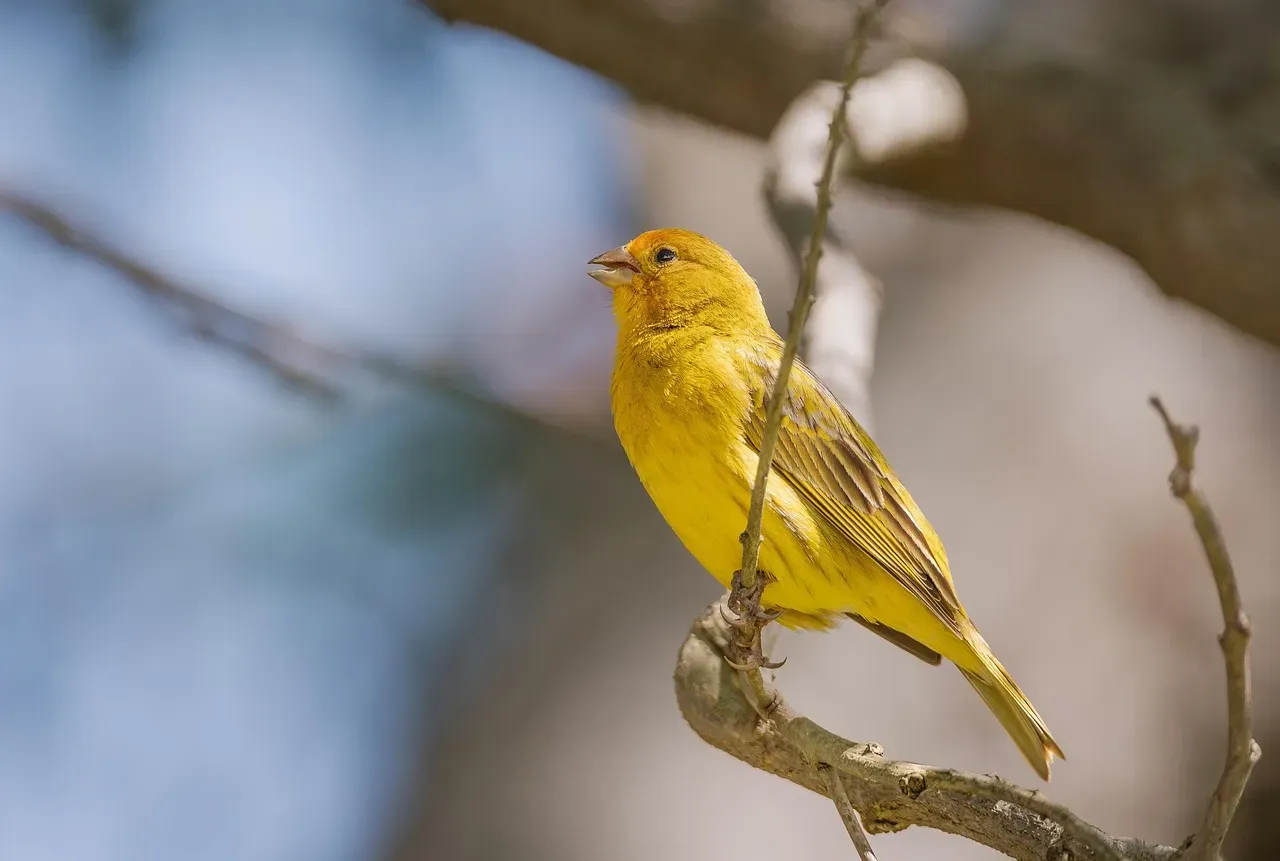
Small songbirds like canaries and finches bring something the other animals on this list can't quite replicate: a genuinely pleasant soundtrack to daily life. A canary's song has long been prized for its complexity and cheerfulness, and having that sound filling a quiet room can meaningfully change the emotional tone of a home. These birds don't need to be handled at all if an owner prefers not to, which makes them ideal for people who want companionship without direct physical contact.
Their cages require a moderate amount of cleaning, generally a quick wipe-down every few days and a fuller clean weekly, but nothing that demands heavy lifting or bending. Finches, particularly zebra finches, tend to do well in pairs since they're social birds, so many owners choose to keep two for the birds' own well-being rather than out of necessity. Both species are relatively inexpensive to feed and don't require the kind of veterinary attention that larger parrots often do, making them a sustainable long-term choice.
#4 Dwarf hamsters
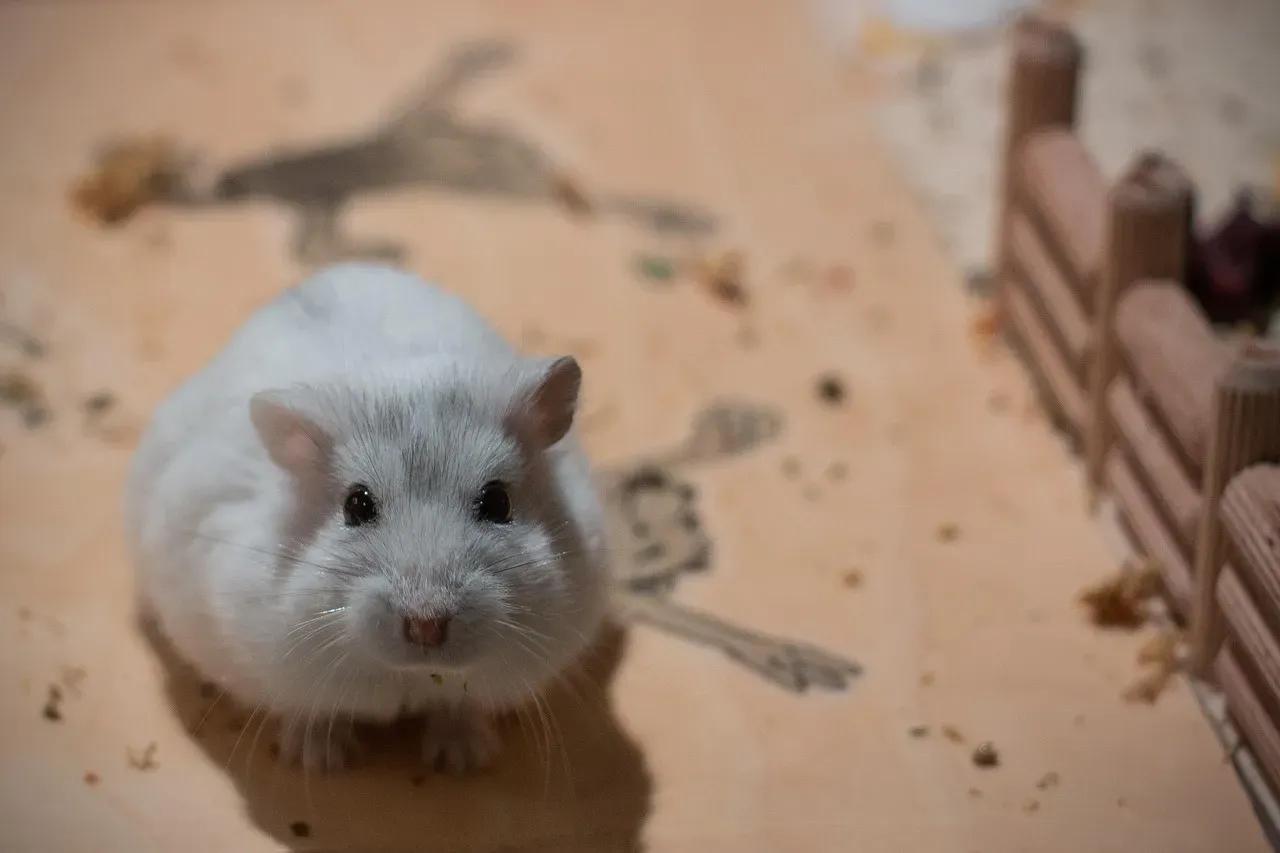
Dwarf hamsters occupy an interesting niche because they're smaller and generally calmer than their Syrian cousins, which some owners find easier to handle. They're nocturnal, so they're most active in the evening, which can actually suit retirees who enjoy quiet evening company after a slower-paced day. Their small size means their enclosures don't take up much space, an important consideration for anyone who has downsized into a smaller home or apartment.
That said, dwarf hamsters are quick and can be a bit skittish, so they're better suited to owners with steady hands and a bit of patience for building trust over time. Daily care involves fresh food and water along with a weekly cage cleaning, both manageable tasks that don't require bending or lifting anything heavy. Their lifespan tends to run shorter, often just two to three years, which is worth factoring in honestly since it does mean facing loss more frequently than with some other pets on this list.
#5 Rabbits, dwarf breeds
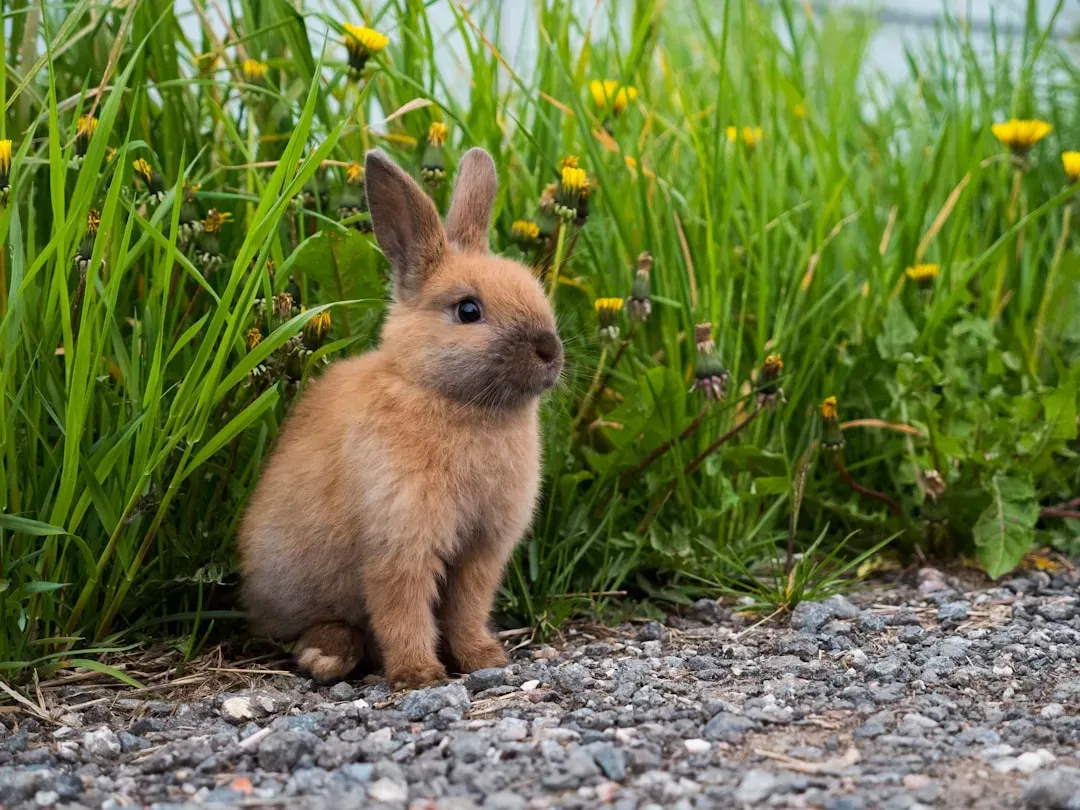
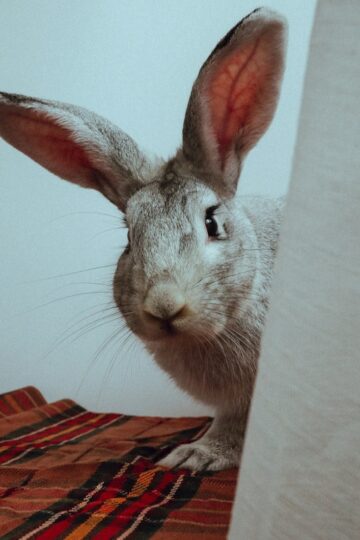
Dwarf rabbit breeds, such as the Netherland Dwarf or Mini Lop, offer a middle ground between the low-effort care of a guinea pig and the deeper emotional connection some people seek from a pet. Rabbits are notably intelligent and can be litter-trained, which many owners find surprising and genuinely useful for indoor living. They also enjoy being petted once they trust their owner, offering a tactile, calming interaction that some people find soothing for arthritic hands, since a rabbit's soft fur provides a gentle sensory experience.
Physically, rabbits need daily fresh hay, vegetables, and water, along with a living space large enough to hop around in, though this doesn't require anything approaching a dog's exercise needs. Their litter boxes need daily attention, which is a light task rather than a physically demanding one. Rabbits do live longer than many small pets, often eight to twelve years with good care, so this is a commitment worth entering with a clear-eyed view of the years ahead.
#6 Cockatiels
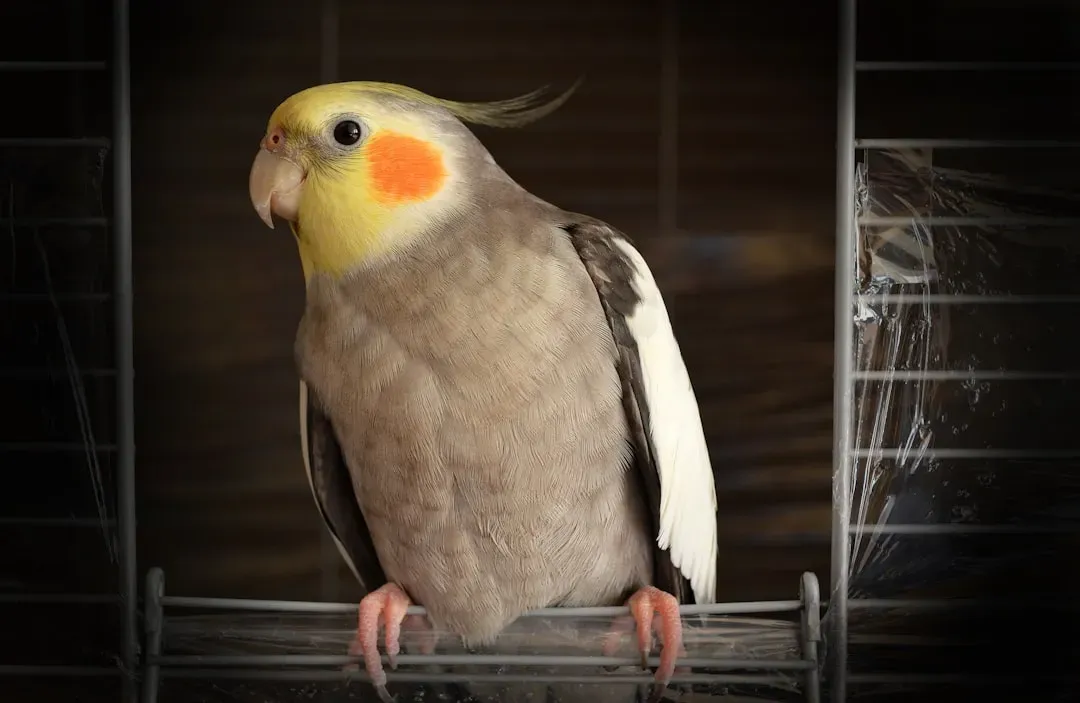
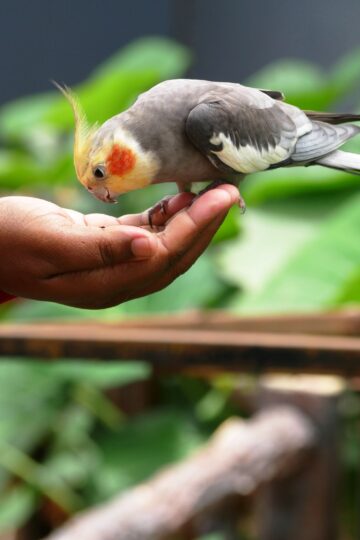
Cockatiels sit in an interesting spot among pet birds because they're social enough to bond closely with their owners while still being manageable in size and temperament. Many cockatiels learn to whistle tunes or mimic simple sounds, and that interactive quality tends to deepen the emotional bond in a way that quieter pets don't always achieve. They're also known for perching contentedly on a shoulder or hand, offering the kind of physical closeness that some retirees miss once larger pets are no longer practical.
Owning a cockatiel does require a bit more daily engagement than some options here, including time outside the cage for social interaction and mental stimulation through toys or gentle play. Their lifespan is notably long, often fifteen to twenty years or more, which is worth weighing carefully since it may represent a genuine long-term commitment. For someone in reasonably good health looking for a pet that offers real personality and affection without the physical demands of a dog, a cockatiel often fits remarkably well.
#7 Turtles, land-dwelling species
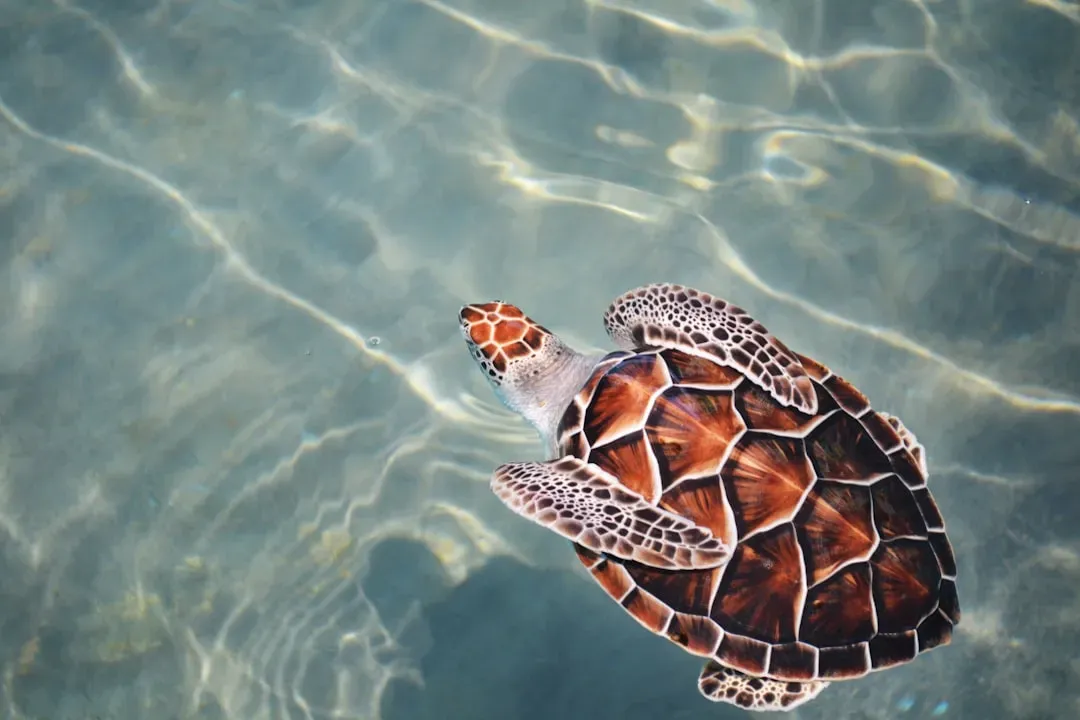
Land turtles, such as Russian tortoises, appeal to a specific kind of pet owner: someone who wants a long-term companion but has zero interest in daily walks, feedings, or complicated care routines. Turtles move slowly, don't require handling to feel content, and can go without food for longer stretches than most pets, which offers real flexibility for owners who travel or have unpredictable schedules due to medical appointments. Watching a turtle explore its enclosure, however slowly, has a meditative quality that many owners describe as unexpectedly calming.
Setting up a proper enclosure with the right heating and lighting takes some initial effort and expense, but ongoing maintenance is minimal once that's established. Turtles are famously long-lived, with some species surviving several decades, so this is genuinely a decision to make with eyes open regarding what happens to the pet down the road. Still, for anyone who wants a pet that asks very little on a daily basis while offering a quiet, steady presence, a small land turtle is worth serious consideration.
#8 Cats, particularly senior or low-energy breeds
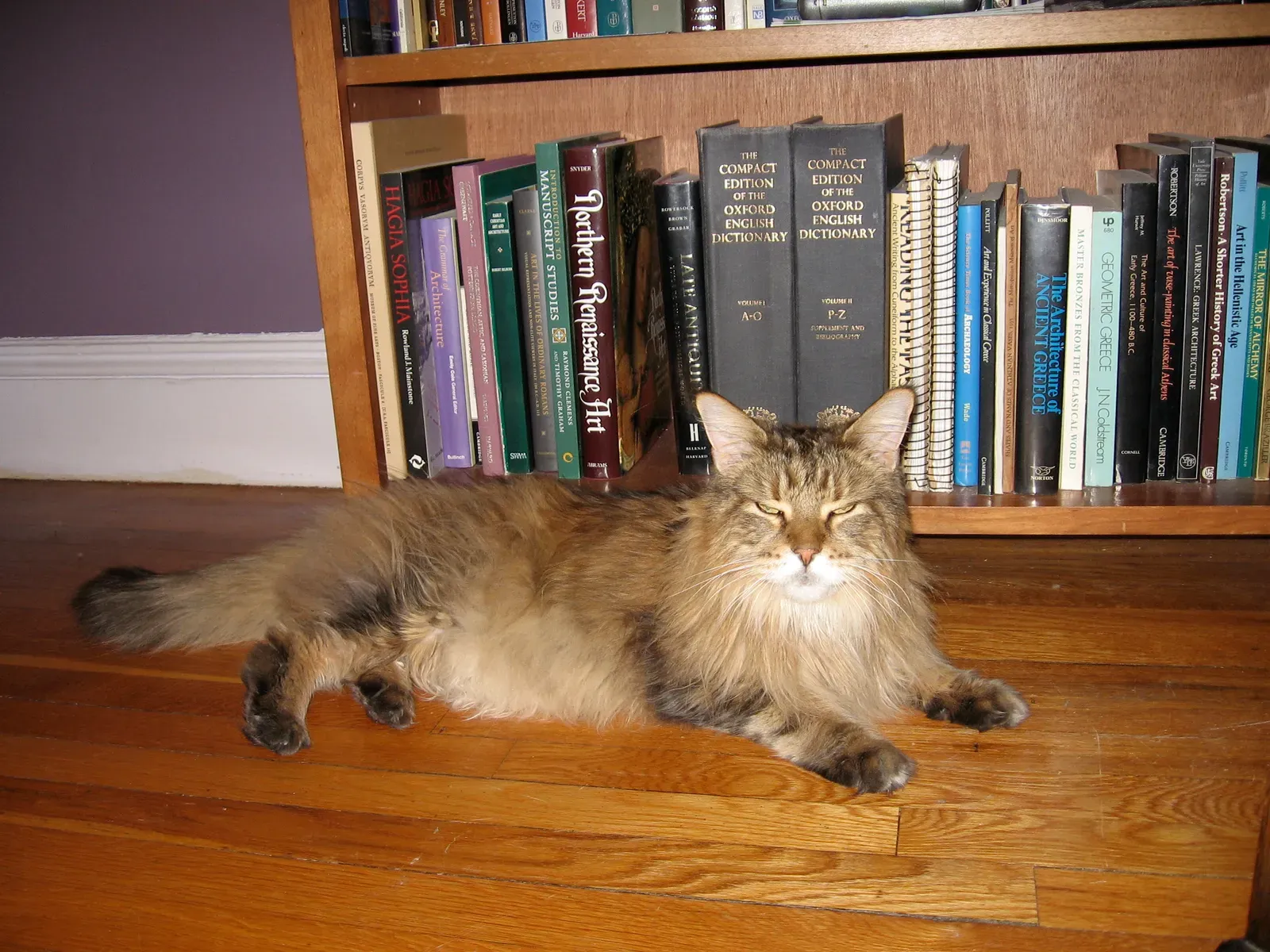
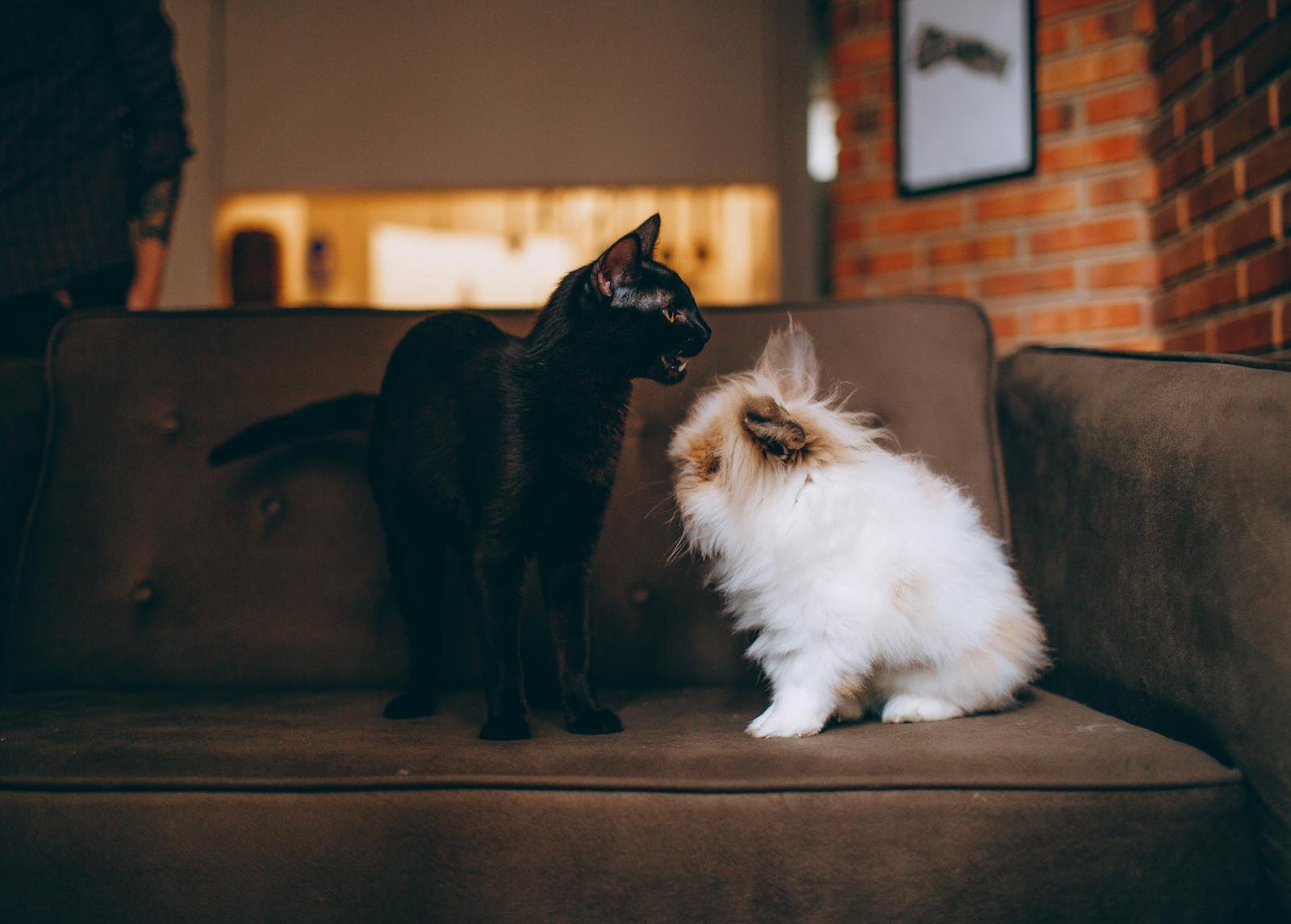
Cats often get overlooked on lists like this because people assume all cats require the same energetic upkeep as kittens, but that's simply not accurate. Adopting a senior cat or a naturally low-energy breed offers all the emotional richness of cat ownership, purring, curling up nearby, following an owner from room to room, without the demands of chasing toys or constant supervision. Shelters are often full of older cats who are calm, litter-trained, and desperate for a quiet home, making this both a compassionate and practical choice.
Daily care involves feeding, fresh water, and litter box maintenance, tasks that are entirely manageable without bending too far or lifting anything heavy if litter boxes are placed thoughtfully. Cats are also famously independent, meaning they won't demand constant entertainment or suffer if left alone for a few hours during appointments or errands. The companionship a cat offers, especially a mellow older one, tends to be exactly the kind of steady, undemanding presence many people in their sixties and beyond are genuinely looking for.
#9 Small parakeets, including budgies
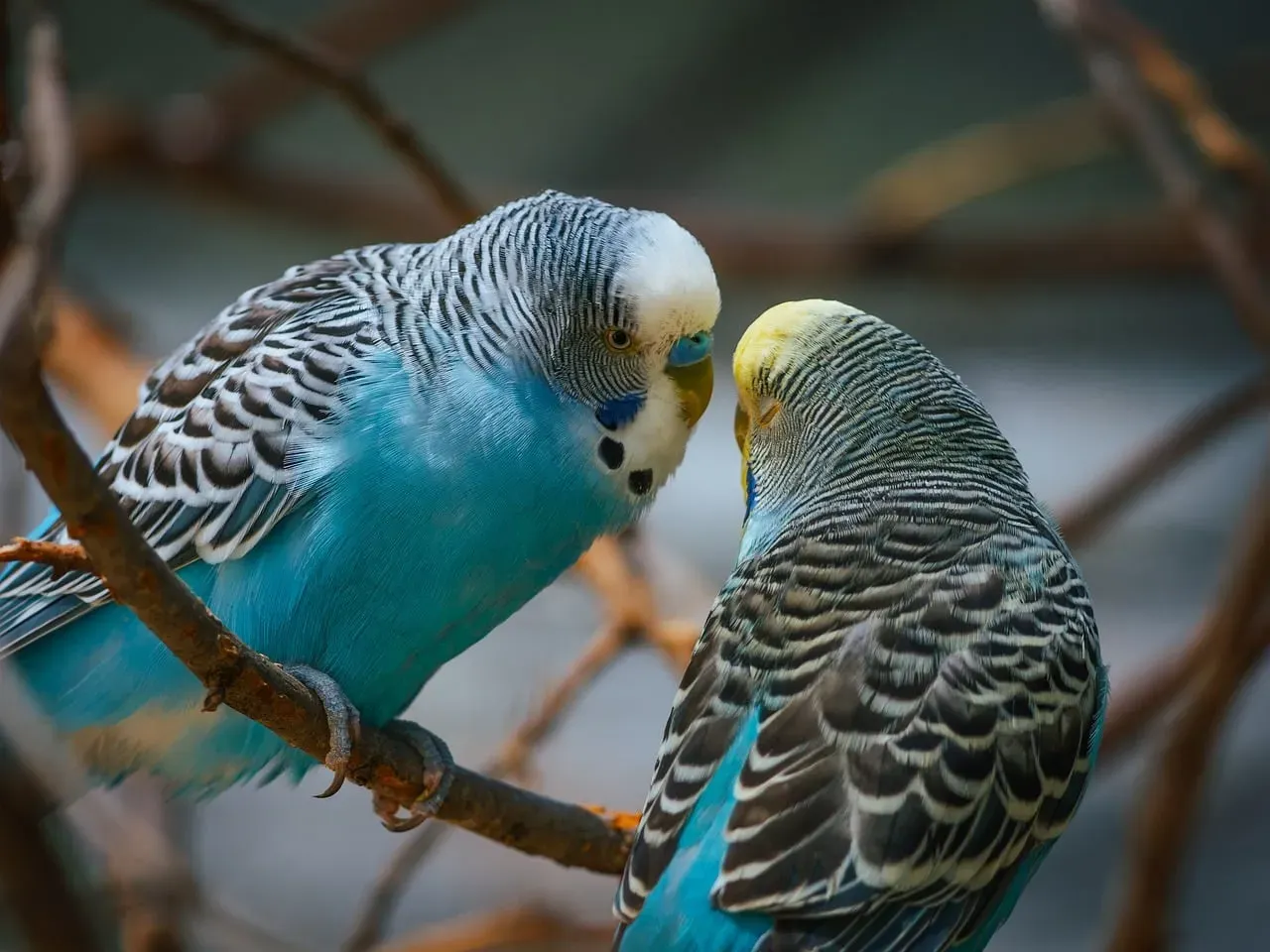
Budgerigars, commonly called budgies, are among the most popular pet birds worldwide, and for good reason. They're small, colorful, relatively inexpensive, and capable of learning to mimic words and sounds with enough patience and consistency. Their playful, curious nature makes them genuinely entertaining to watch, and many owners find real joy in the small rituals of daily interaction, like offering a millet spray or teaching simple tricks.
Caring for a budgie involves daily food and water changes along with a regular cage cleaning schedule, none of which demands physical strain. They do need some social interaction to stay mentally healthy, so a bit of daily attention matters, though nowhere near the level larger parrots require. Their lifespan typically runs five to ten years, a reasonable middle ground that offers meaningful companionship without the multi-decade commitment some birds represent.
#10 Hermit crabs
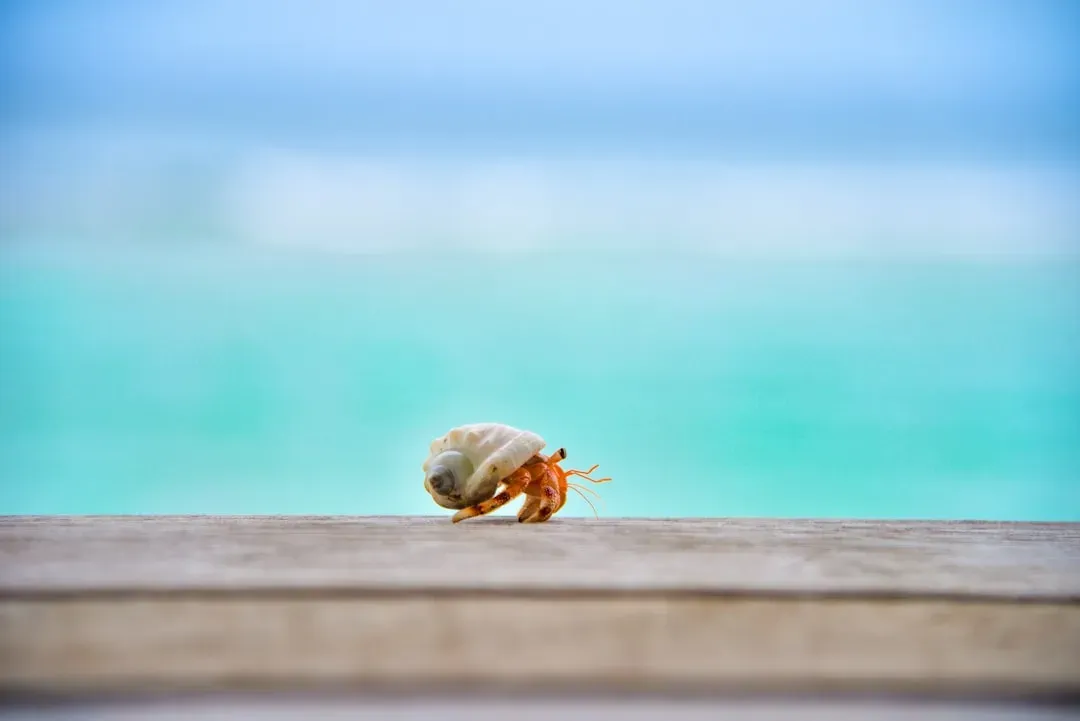
Hermit crabs might be the most unexpected entry on this list, but they deserve consideration for anyone seeking an unusual, genuinely low-maintenance companion. They don't require handling, don't make noise, and don't need daily feeding attention beyond keeping food and water available in their enclosure. Watching hermit crabs interact with their environment, occasionally switching shells as they grow, offers a quietly fascinating window into a very different kind of animal behavior.
Their care requirements center around maintaining proper humidity and temperature in their habitat, which takes some initial learning but becomes routine fairly quickly. They're inexpensive to keep, don't require veterinary visits in the way mammals or birds do, and can live for several years with consistent care. For someone who wants something living and interesting to observe without any physical demands whatsoever, hermit crabs offer a genuinely underrated option.
Final thoughts

Having weighed all ten of these options, I'll say plainly that the guinea pig deserves the top spot for most people over sixty, and the reasoning holds up under scrutiny. They combine genuine social interaction with minimal physical demands, modest costs, and a temperament that rewards patience without punishing a slower pace of life.
That said, the right pet always depends on the individual. Someone with limited mobility but a love of sound might find more joy in a canary than a rabbit, while someone craving physical affection might find a senior cat irreplaceable. The real point isn't which single animal wins, it's that there are far more thoughtful, well-suited options out there than most people realize, and choosing one shouldn't feel like settling for less just because life has gotten quieter.