8 Ways Cockatiels Bond With One Person
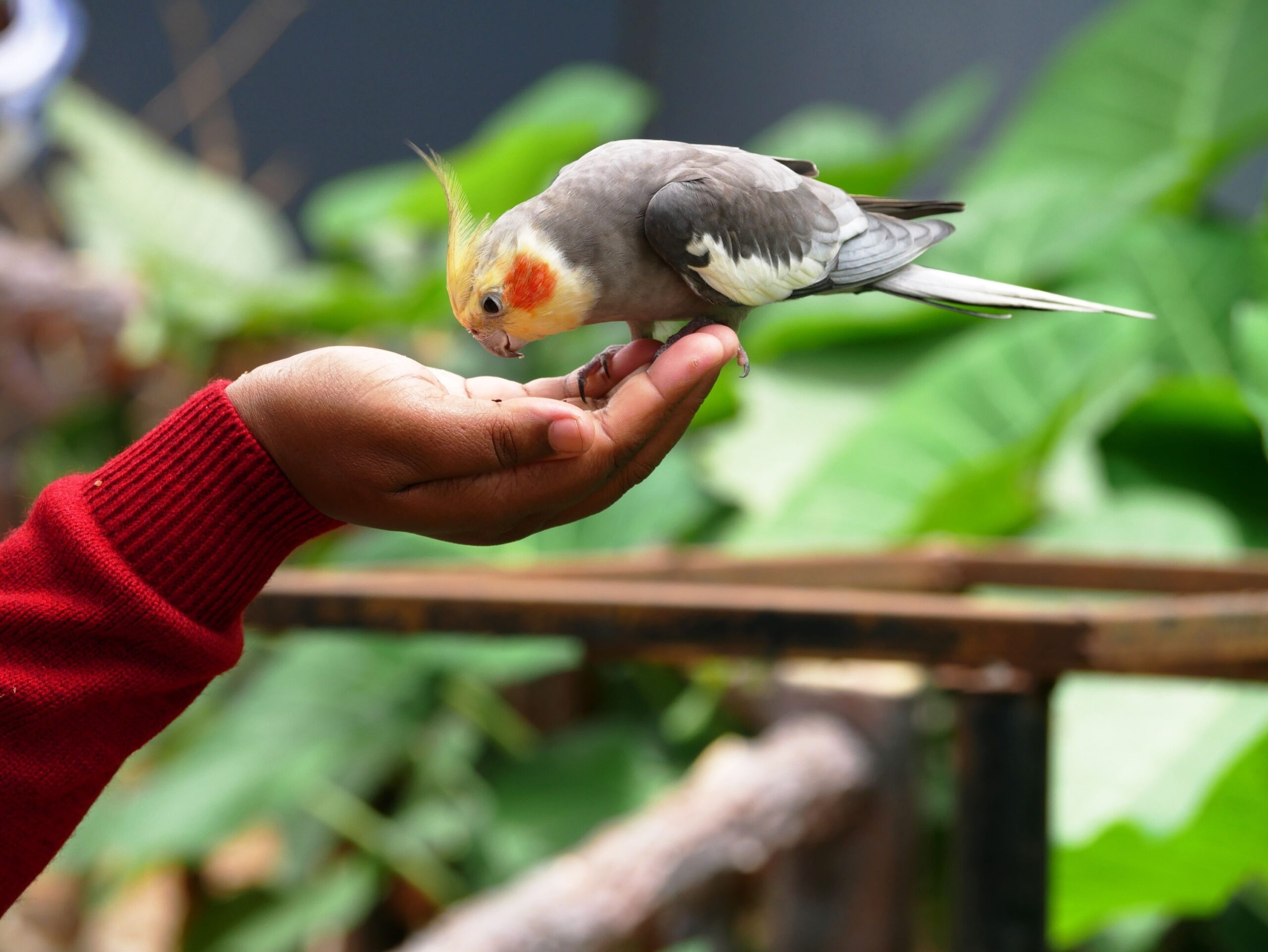
If you share your home with a cockatiel, you already know they’re not “just birds.” They are opinionated, emotional, and surprisingly loyal. Many cockatiels naturally gravitate toward one favorite human, forming a deep bond that can feel a lot like a feathery friendship. When you start to recognize the tiny ways your bird chooses you, it suddenly becomes easier to respond in a way that strengthens your connection instead of accidentally confusing or frustrating them.
In this article, you’ll walk through the most common ways cockatiels bond strongly with a single person and how you can gently encourage that bond without creating stress or jealousy. You’ll see what their body language actually means, why they may bite others but not you, and how routine, trust, and respect shape your relationship over time. Think of it as learning your cockatiel’s love language so you can finally “talk back” in a way they understand.
1. Choosing You As Their “Safe Perch”
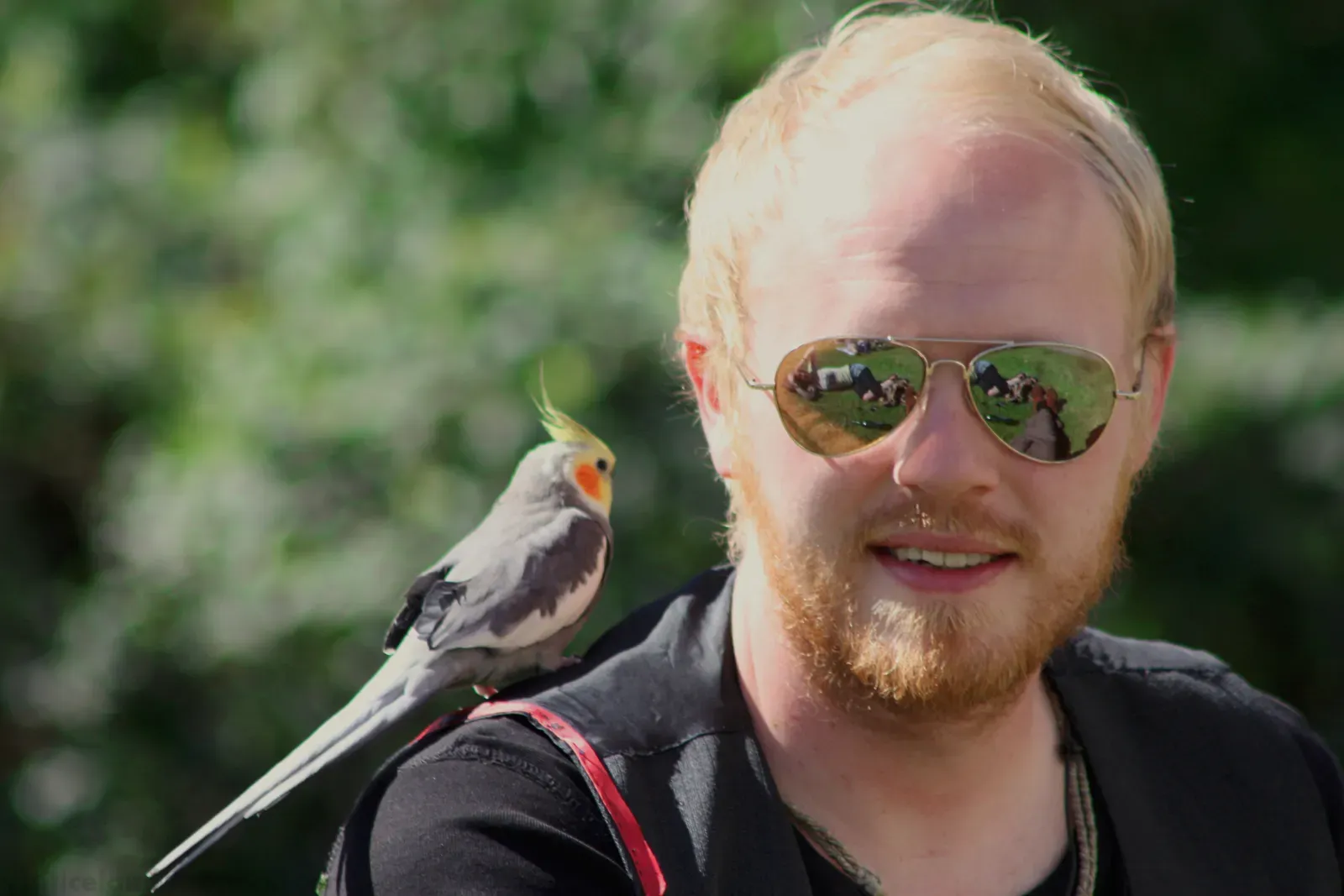
One of the clearest signs your cockatiel has bonded with you is that you become their favorite place to land. When they have the option of a stand, a cage-top, or another person’s shoulder, and they still fly straight to you, they’re telling you that you’re the safest spot in the room. You might notice they settle more quickly on you, tuck one foot up, or even close their eyes, which is a huge compliment in bird language.
You can strengthen this by being calm and predictable whenever they are on you. Move slowly, warn them softly before standing up or turning, and avoid startling noises right next to their head. Over time, your steady behavior teaches your cockatiel that when they’re on you, nothing bad or chaotic happens, so they naturally begin to treat you as their moving, breathing security blanket.
2. Following You From Room To Room
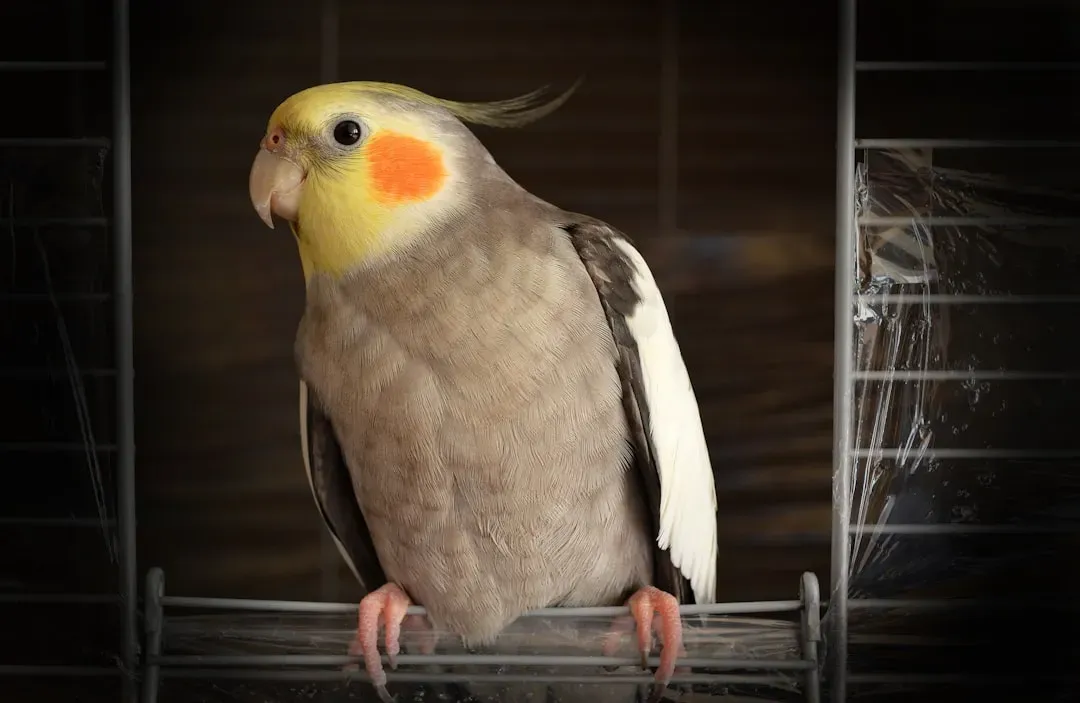
A bonded cockatiel often shadows their favorite human like a tiny, winged puppy. You might walk into another room and suddenly hear the flutter of wings behind you, or your bird may start calling loudly if you disappear out of sight. This isn’t just clinginess; in the wild, being separated from the flock can literally mean danger, so seeking you out is their way of keeping the “flock” together.
If you notice your bird trailing you, you can acknowledge it by talking to them as you move around, even if they’re not on your shoulder. Call back when they chirp, let them see where you’re going, and, when it’s safe, allow a bit of supervised room-to-room freedom. By consistently responding instead of ignoring them, you reassure your cockatiel that you’re paying attention, which deepens that sense of being a team rather than two separate creatures sharing a house.
3. Reserving The Sweetest Affection Just For You
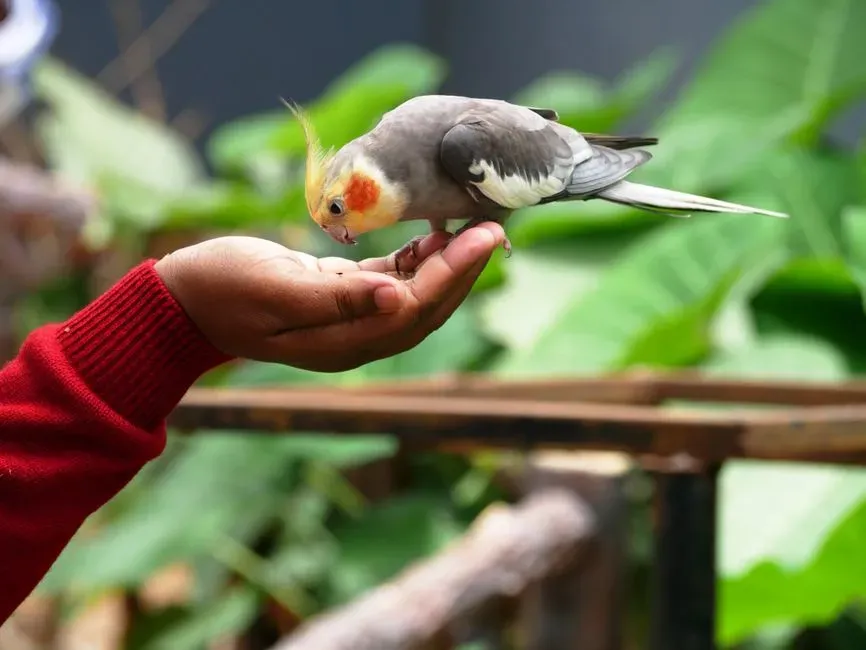
Many cockatiels seem polite with everyone but save their real tenderness for one special person. You might see your bird accept scritches from someone else for a second, only to quickly lean away, yet they melt under your fingers with relaxed feathers and slow blinks. They may preen your hair, nibble your ears gently, or tuck themselves under your chin, behaviors they rarely or never show with others.
You can nurture this special affection by learning exactly how and where your cockatiel likes to be touched. For most, the back of the head and neck is safest; avoid stroking the back and under the wings, which can be sexually stimulating and confusing. When you respect their boundaries and stop when they’ve had enough, you show that you’re listening to them, and that mutual respect turns basic handling into genuine, two-way bonding.
4. Vocalizing More When You’re Around
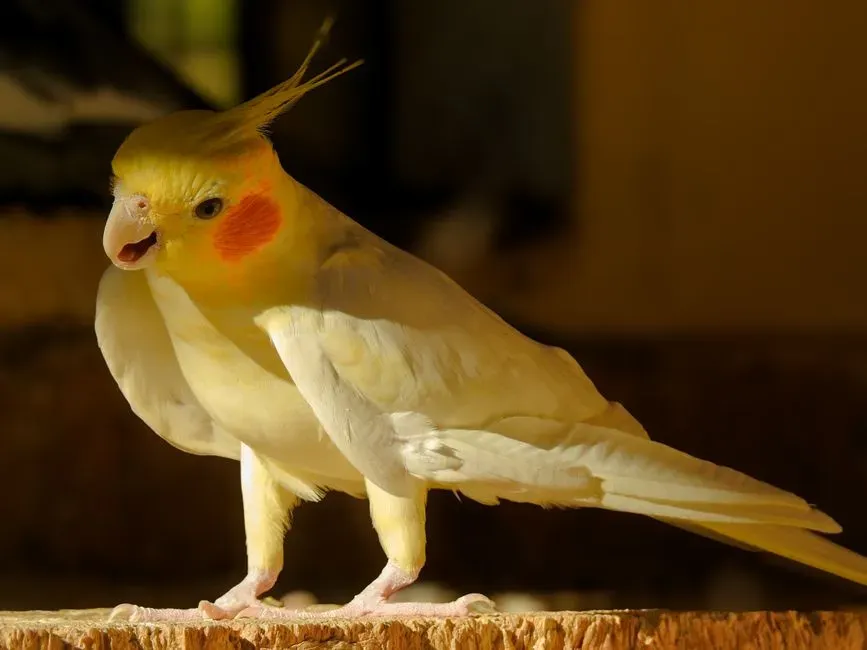
Cockatiels are social talkers, and one strong sign of a one-person bond is that your bird becomes more vocal, more musical, or more “chatty” when you are nearby. You might notice they whistle certain tunes only when they can see you or that they answer your voice from across the room with excited chirps. In their mind, they are keeping a conversation going, the same way wild birds coordinate with their flock.
You can lean into this by developing little sound routines together. Maybe you always answer their greeting chirp with the same whistle, or you repeat a short phrase every time you uncover the cage in the morning. Over time, your cockatiel starts to associate your particular voice and sounds with comfort, food, or fun, which makes you stand out from everyone else in the household as the most “talkative” and rewarding flock mate.
5. Showing Different Body Language With You Than With Others
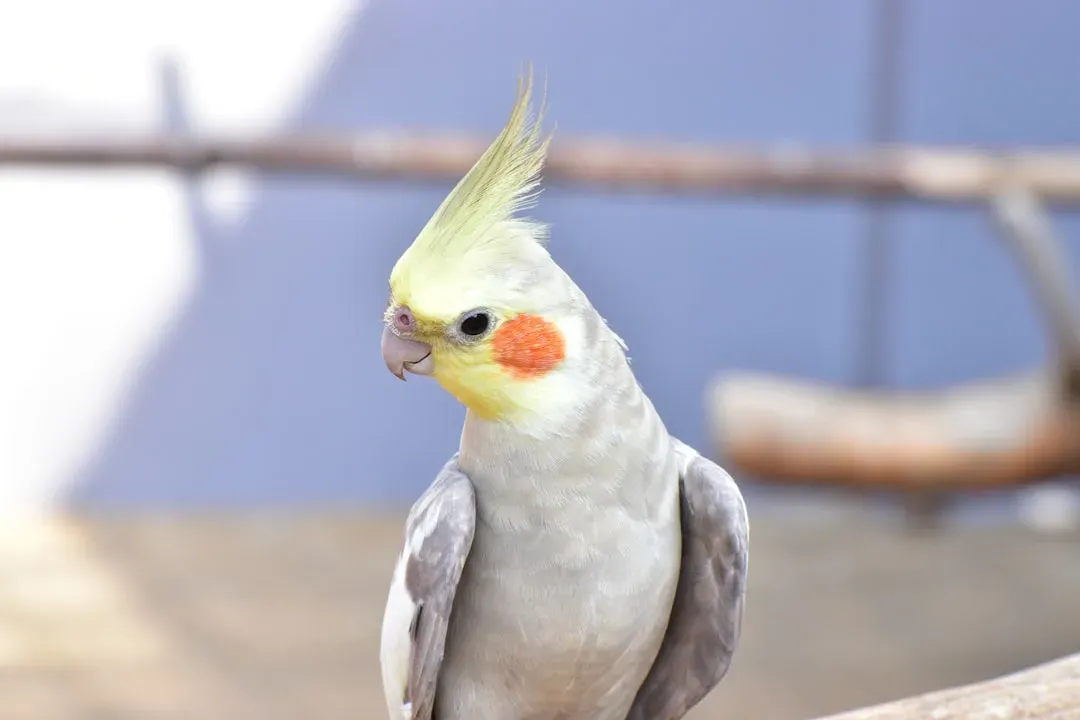
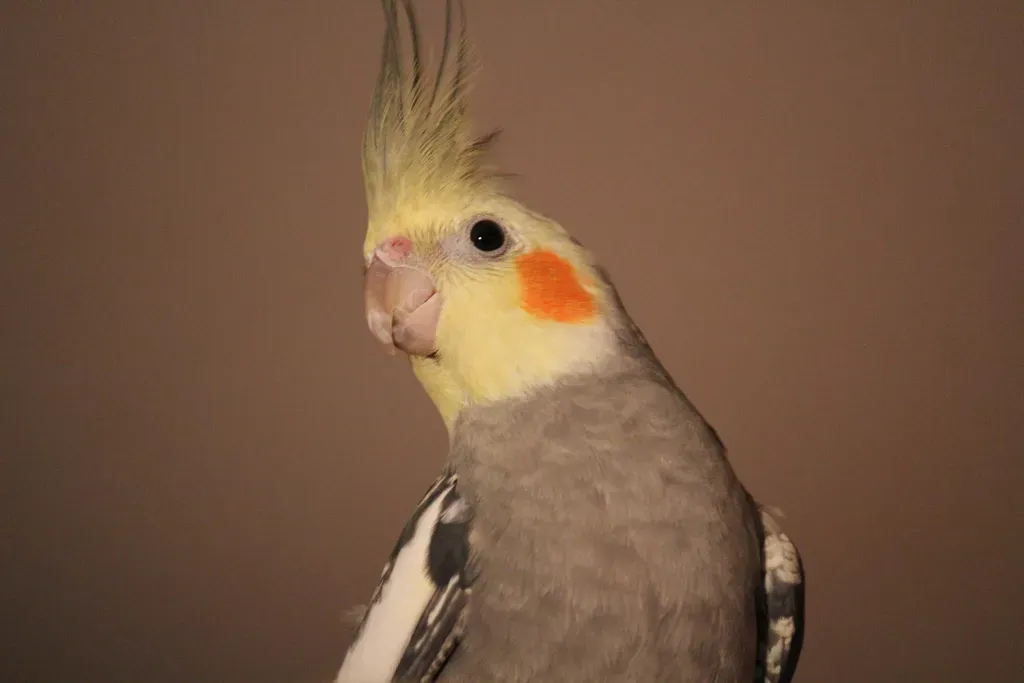
When your cockatiel is bonded to you, their whole posture changes around you compared to other people. With strangers, they may stand tall, pin their eyes, hiss, or keep their feathers tight, signaling uncertainty or defensiveness. With you, they’re more likely to appear fluffy and relaxed, crest partially raised in a gentle curve instead of straight up like a little exclamation mark.
Start paying attention to the tiny differences in how they hold themselves on your hand versus someone else’s. If they step up more willingly for you, relax their grip slower, or immediately start preening when they’re on you, those are all signs that they trust you on a deeper level. When you notice stress signals with others, you can advocate for your bird by reducing forced interaction, which further reinforces you as the person who truly understands them.
6. Trusting You During Handling And Scary Moments
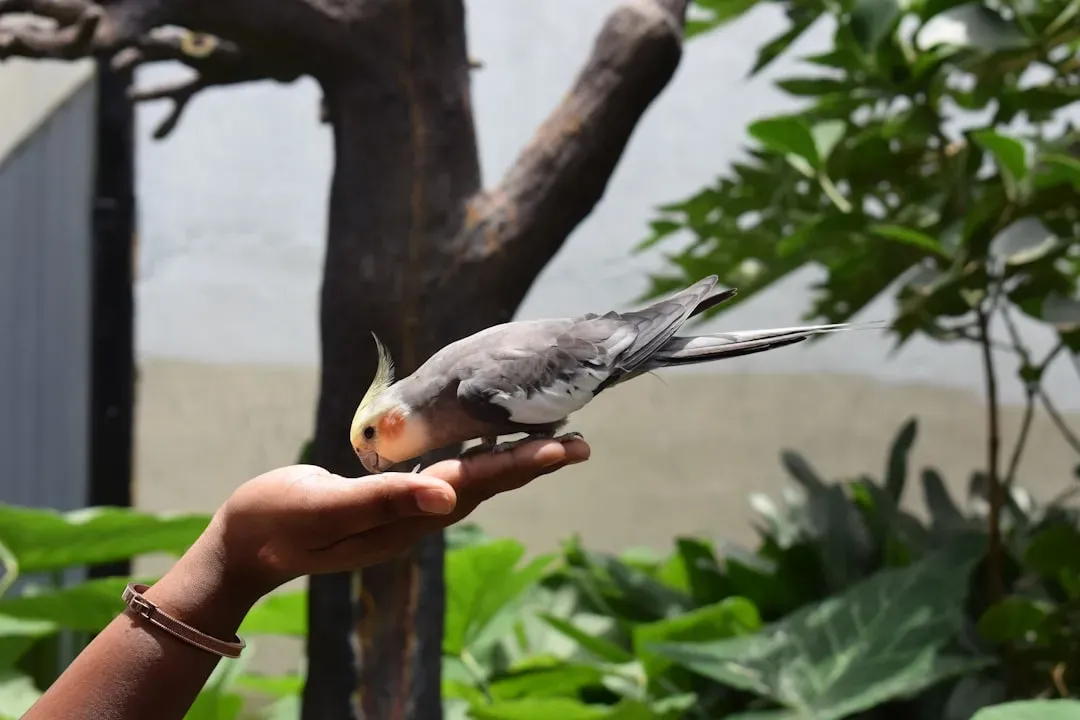
A bonded cockatiel will often tolerate things from you that they’d never accept from anyone else, especially during stressful or scary situations. You might be the only one who can towel them for a vet visit, trim a nail, or guide them back into the cage without a full-blown panic. They may still protest, but they recover faster and seem to forgive you more quickly than they would a less trusted person.
You build this trust by being consistently gentle and honest during handling. Give them a moment to see what you are about to do, speak calmly, and avoid grabbing without warning whenever possible. After a stressful event, offer their favorite treat and quiet time in a familiar place. Over time, your cockatiel learns that even when you have to do something they dislike, you stay predictable and kind, which cements you as their safest human, not just their “captor.”
7. Reacting Jealously Or Protectively Around You
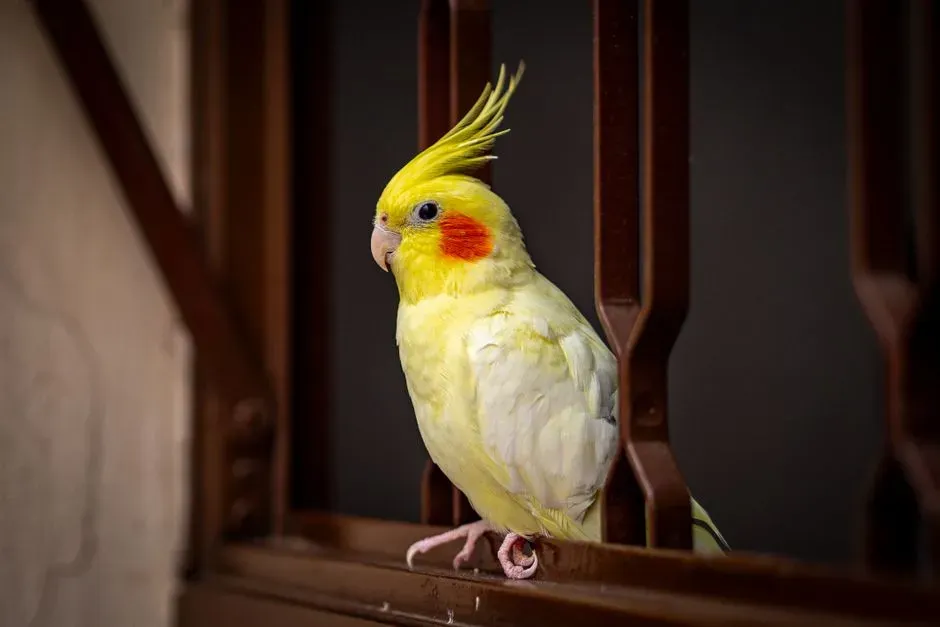
Bonded cockatiels sometimes react almost possessively when others come near you. You might notice your bird lunging at another person’s fingers when they reach toward you, flaring their wings, or giving sharp warning calls if someone they do not trust gets too close. While it can look a bit dramatic, from your bird’s point of view they are defending their chosen flock mate or territory.
If your cockatiel shows jealousy, it helps to manage it carefully instead of encouraging it. You can gently redirect them with a toy or perch when you’re interacting with someone else, and avoid rewarding aggressive behavior with laughter or extra attention. At the same time, maintain your special routines - like feeding, training, and out-of-cage time - so your bird never feels replaced. This way, they still get to feel that you’re “their” person without turning into a feathery little guard dog.
Another twist on bonding is when your cockatiel clearly prefers your company but doesn’t lash out at others, instead choosing to quietly retreat whenever someone else tries to engage. In that case, your bird is still telling you that their circle of trust is small and you’re at the center of it. By letting other people interact slowly, on the bird’s terms, you protect that trust and show your cockatiel that you can balance their feelings with the rest of your life.
8. Responding To Your Routine And Care Above All Else
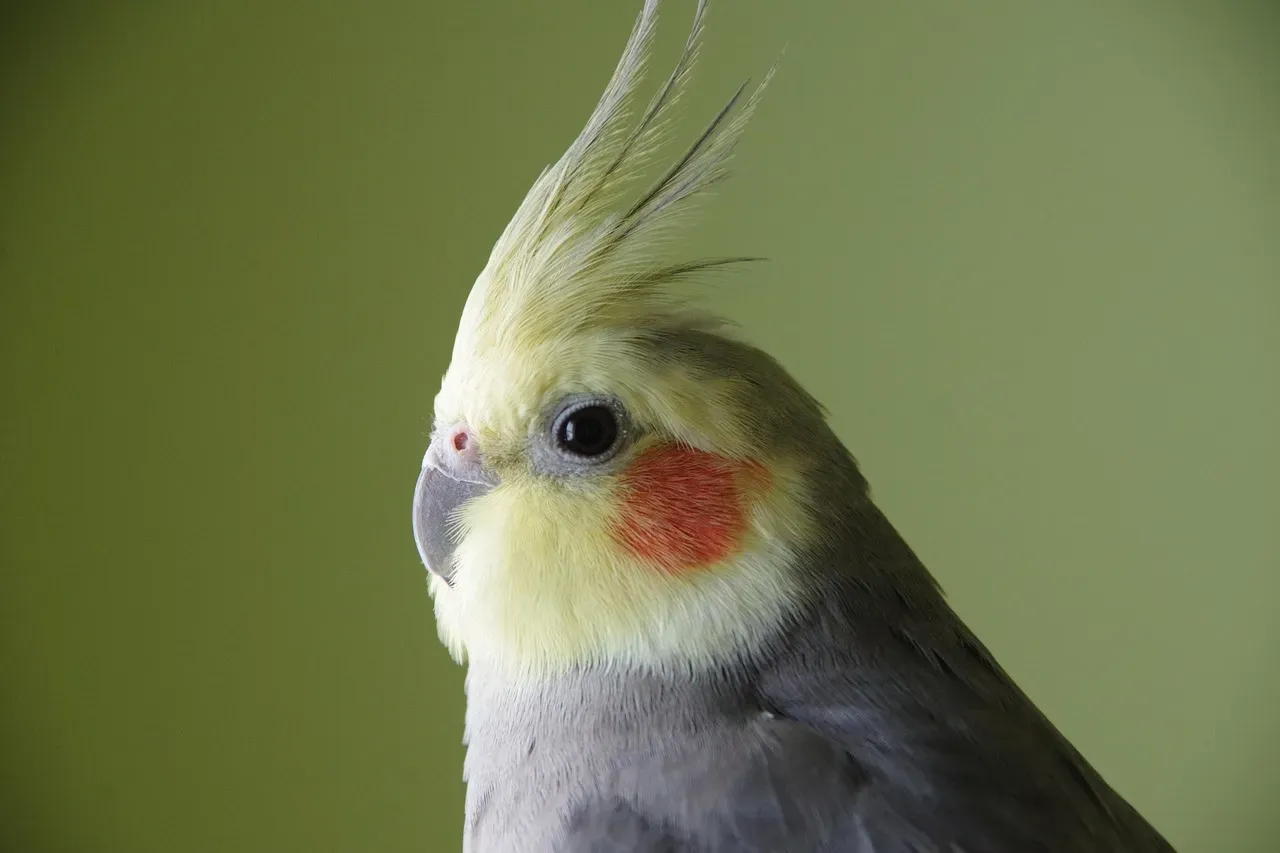
At the heart of a cockatiel’s one-person bond is your daily routine with them. You are the one who feeds them most often, cleans their cage, changes their water, offers new toys, and lets them in and out. Over weeks and months, your bird learns that when they see you in the morning, food appears; when you walk past in the evening, it’s nearly time for play or bedtime. All of these quiet, repeated patterns form the backbone of trust.
You can deepen this bond by making your interactions predictable and fair. Stick to roughly the same times for meals and out-of-cage time, use the same cue when you ask them to step up, and end play sessions before they’re exhausted or cranky. When your cockatiel can count on you, they stop wasting energy worrying about what might happen next and instead relax into your presence. That sense of reliability is often the real reason you end up being their chosen person, even more than treats, toys, or tricks.
Conclusion: A Tiny Bird, A Big Bond
When you zoom out and look at all these behaviors together - choosing your shoulder, calling for you, relaxing only in your hands - it becomes clear that your cockatiel doesn’t just live with you; they rely on you. Their one-person bond is really a sign that they see you as family, someone worth following, defending, and trusting even when life gets a bit scary. Once you recognize this, it is easier to respond with patience on the rough days and real appreciation on the sweet ones.
If you keep showing up with gentleness, consistency, and respect for their boundaries, your cockatiel will keep choosing you, again and again, in a hundred tiny ways. You may never speak the same language out loud, but you share a quiet, daily conversation in body language, routine, and mutual trust. In the end, that’s what makes this bond feel so special: a small, fragile bird deciding, out of everyone in the world, that you are their person - did you ever expect a relationship that powerful to come with feathers?