7 Things Cats Learn From Smelling Another Cat's Cheek Marks

#1 Identity Confirmation
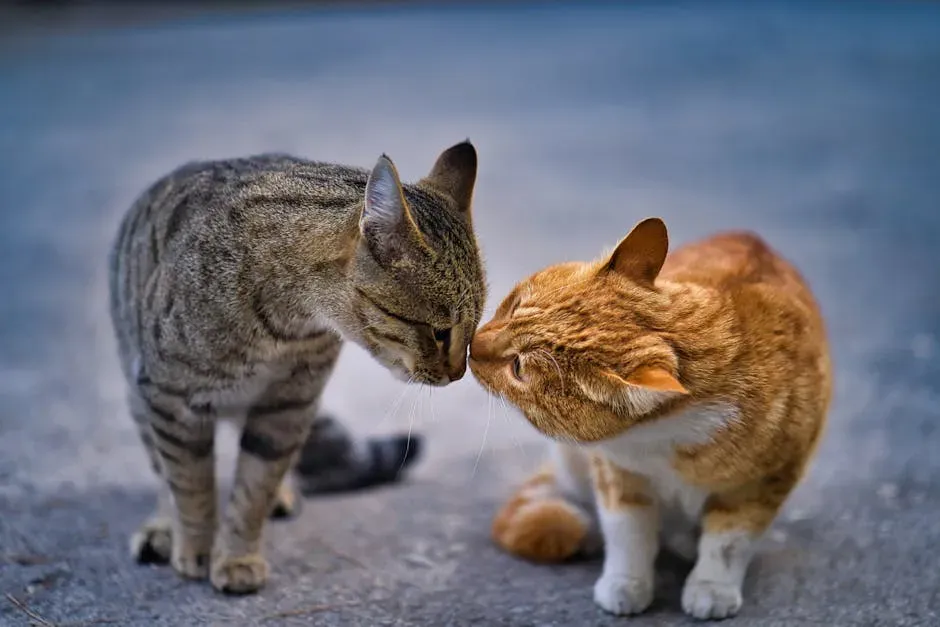
When one cat sniffs the cheek marks left by another, the first thing it's doing is confirming exactly who left that scent. Cats have glands concentrated around their cheeks, lips, and chin that release a unique blend of pheromones specific to that individual animal. This scent acts almost like a signature, distinct enough that a cat can tell one housemate from another, or a familiar visitor from a total stranger, without ever needing to see them.
This identity check matters because cats are naturally cautious animals, and knowing who has been in a space recently helps them decide how to react. A scent belonging to a trusted companion generally triggers relaxed, low alert behavior, while an unfamiliar scent can prompt more careful investigation. In multi cat households, this constant identity verification is part of what keeps the peace, since cats are essentially reading a scent based roster of who's been where.
#2 Social Bonding Status
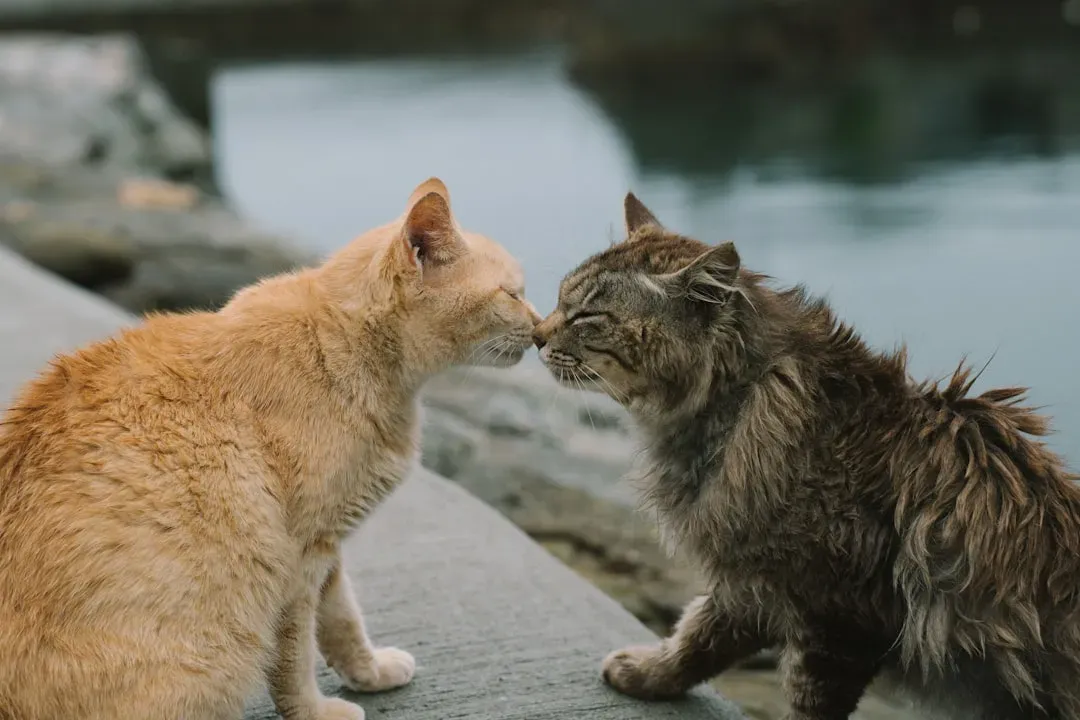
Beyond simply identifying another cat, cheek marks also communicate something about the relationship between the cats involved. When cats rub cheeks with each other directly, a behavior researchers call bunting, they're often mixing their scents together, which is thought to create a shared group odor. Smelling this blended scent later tells a cat whether it's dealing with a bonded companion or a more distant acquaintance.
This is why cats that live together and get along well tend to rub against each other and shared objects frequently, essentially reinforcing a communal scent profile. When a cat smells this familiar blend on a doorframe or on another cat's fur, it reads as reassurance, a sign that everything in the household is socially stable. The absence of that expected blended scent, on the other hand, can signal a shift in the relationship or the introduction of something unfamiliar into the environment.
#3 Emotional State Clues
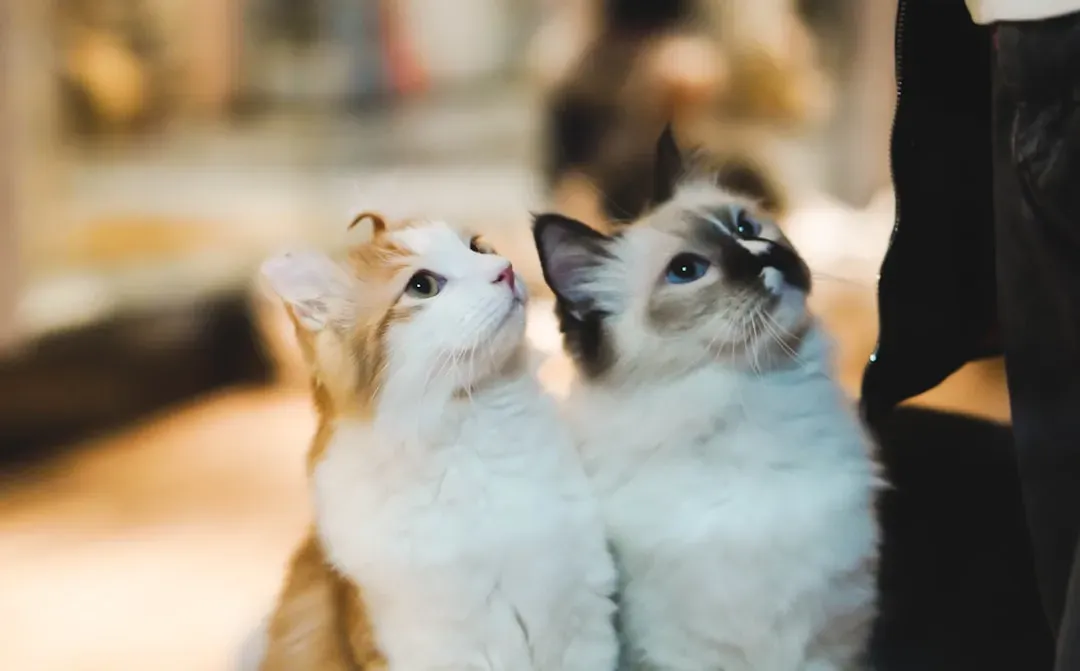
Scent marking isn't just about identity, it also appears to carry information about the emotional condition of the cat that left it. Feline facial pheromones are believed to shift somewhat depending on stress levels, and cats seem capable of picking up on these subtle chemical differences when investigating a scent left by another cat. A calm, secure cat marking territory produces a different chemical signature than one that's anxious or on edge.
This is part of why commercial synthetic pheromone products, designed to mimic the calming facial pheromones cats naturally produce, have become popular tools for reducing stress in multi cat homes or during vet visits. When a cat sniffs another animal's cheek marks and picks up signals associated with calm behavior, it may itself feel more at ease in that space. Conversely, marks associated with stress could put a sniffing cat on higher alert, making it more cautious about approaching.
#4 Territorial Boundaries
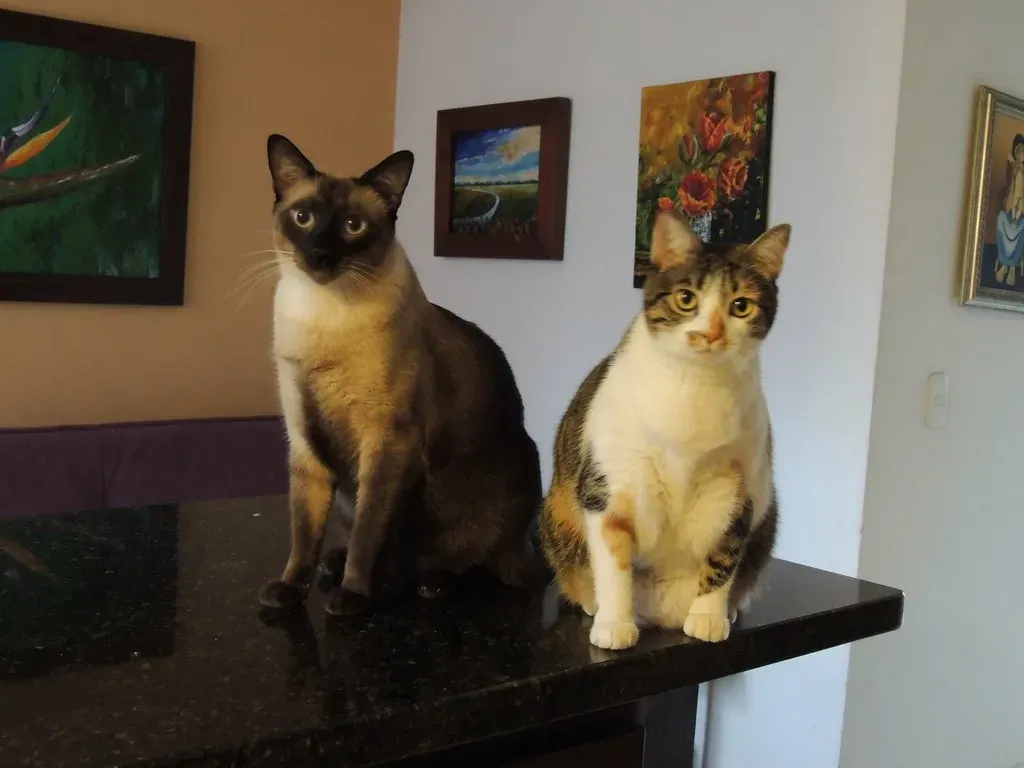
Cheek marking is one of the gentler forms of territorial communication cats use, standing in contrast to the more assertive method of spraying urine. When a cat rubs its cheek along a wall, a piece of furniture, or the edge of a doorway, it's essentially planting a low key flag that says this space has been claimed or at least visited and approved. Other cats smelling these marks can build a mental map of which areas are already accounted for by a resident animal.
This matters enormously in households with multiple cats, where invisible scent boundaries help reduce the need for actual physical confrontation. A cat that smells fresh cheek marks in a particular spot may choose to avoid lingering there if it senses that territory has already been claimed by another animal, especially one it doesn't have a strong bond with. In this sense, cheek marking functions like a quiet negotiation system, letting cats divide up shared space without constant conflict.
#5 Reassurance and Familiarity in the Environment
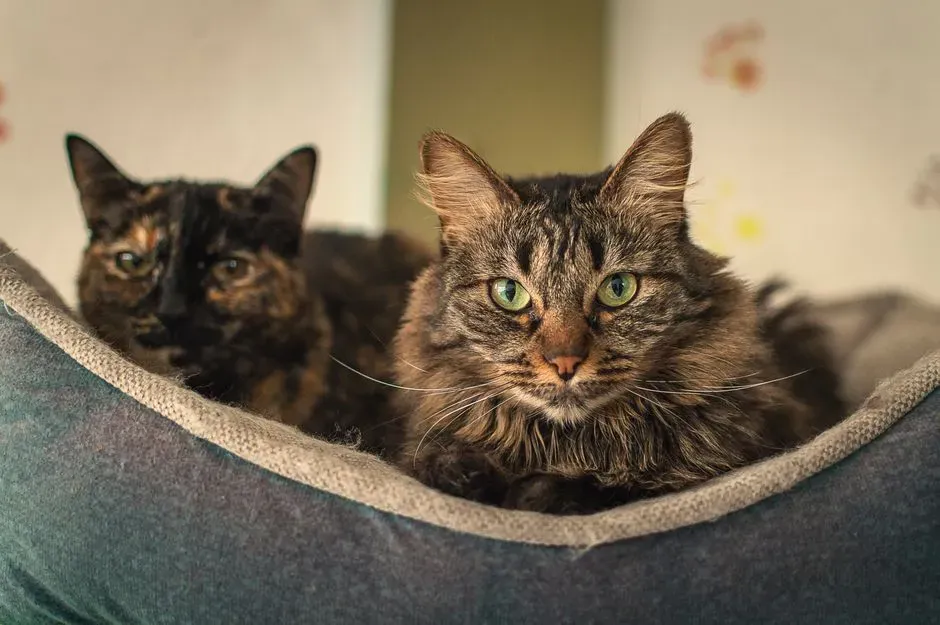
Cats are creatures deeply attached to routine, and scent plays a major role in what makes an environment feel safe. When a cat smells the cheek marks it or a companion animal left previously, it's essentially confirming that nothing significant has changed in that space. This familiar scent trail acts almost like a security blanket, reinforcing the sense that the environment is stable and unthreatening.
This is one reason cats often seem unsettled after a big cleaning session, when strong soaps or disinfectants wipe away their carefully built scent markers. All that familiar chemical information disappears in an instant, and cats sometimes respond by immediately re-marking furniture and doorframes to restore their sense of environmental order. Smelling old marks, then finding them replaced with new, unfamiliar odors, can genuinely disrupt a cat's sense of comfort at home.
#6 Health and Physical Condition Signals
There's growing interest among researchers in whether feline facial secretions can carry subtle information about physical health, beyond just identity and emotional state. Changes in hormone levels, illness, or even reproductive status can potentially alter the chemical makeup of an animal's scent profile. While the science here is still developing and far from fully mapped out, it's plausible that cats pick up on physiological cues embedded in another cat's cheek marks that go unnoticed by human senses entirely.
This kind of chemical eavesdropping would fit with what we already know about other species, where scent carries detailed biological information invisible to the naked eye. A cat sniffing an unfamiliar or altered scent from a companion animal might display curiosity or extra caution, behavior that could be linked to detecting something different about that animal's condition. It's an area where anecdotal observation from cat owners often runs ahead of confirmed research, so it's worth treating with appropriate caution rather than certainty.
#7 Reduced Need for Direct Confrontation

Perhaps one of the most practical things cats gain from reading cheek marks is the ability to avoid unnecessary physical conflict altogether. Cats are not naturally inclined toward prolonged confrontation, since even a minor injury in the wild could compromise their ability to hunt or defend territory. Scent marking offers a low risk alternative to direct physical negotiation, letting cats communicate boundaries and social standing from a distance.
By smelling cheek marks left in strategic locations, a cat can essentially gather information about another animal's presence, mood, and territorial claims without ever needing to see or interact with that cat directly. This reduces the frequency of tense standoffs, hissing matches, or actual physical altercations between household cats or neighborhood rivals. In many ways, cheek marking functions as a peacekeeping tool, one that lets cats manage complex social dynamics through smell rather than confrontation.
Why This Deserves More Attention Than We Usually Give It
It's easy to dismiss cheek rubbing as a cute quirk, something cats do because it feels nice or because they're claiming their favorite armchair. That framing undersells what's actually going on. Cats are running an entire layer of social communication through scent that most of us never notice, and honestly, that says more about the limits of human perception than about the simplicity of feline behavior.
If there's one opinion worth stating plainly, it's this: pet owners who pay attention to scent marking patterns, and who avoid stripping every surface with harsh cleaners the moment a cat marks it, tend to have calmer, more secure animals. Respecting this invisible communication system isn't just a nice gesture, it's a small but meaningful way of working with a cat's natural instincts instead of constantly overriding them. Cats have been managing their social lives through smell far longer than we've been trying to interpret it, and giving that system a little more credit seems like the least we can do.
- Animal Cognition Says Cats Track Where Their Owners Are by Listening From Another Room
- Animal Cognition Says Cats May Remember the Location of Hidden Objects Even After They Disappear From View
- Animal Cognition Says Cats Can Learn Which Human Gestures Lead to Food Faster Than Many Owners Realize
- Cats Don't Just Play; They Hunt: Understanding Their Instinctual Behaviors