11 Tail Movements That Reveal Exactly What Your Cat Is Feeling
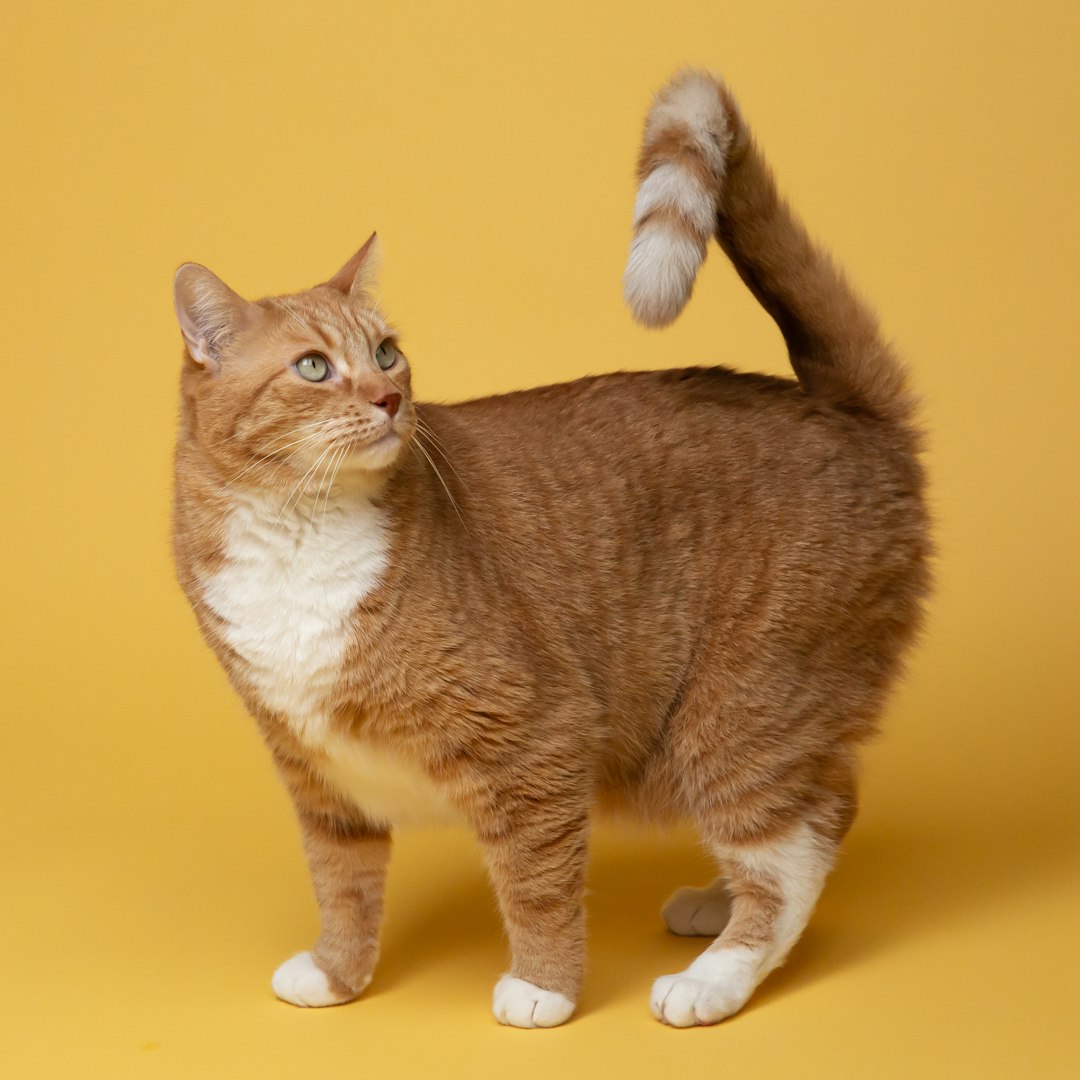
Your cat isn't ignoring you when it flicks its tail mid-pet - it's actually issuing a warning almost every owner misses completely. Roughly 80% of feline communication happens through body language, not sound, and the tail is the single most honest part of that signal. If you've ever been "randomly" scratched by a cat that seemed totally relaxed two seconds earlier, the truth is your cat probably warned you well in advance.
Veterinary behaviorists have spent decades decoding these exact movements, and what they've found contradicts almost everything pet owners assume. A wagging tail doesn't mean happiness like it does in dogs. A puffed tail isn't always fear. Most cat owners have been reading these signals completely backward - and once you see what each movement actually means, you'll never watch your cat's tail the same way again.
#1 - The Slow Blink Tail Curl
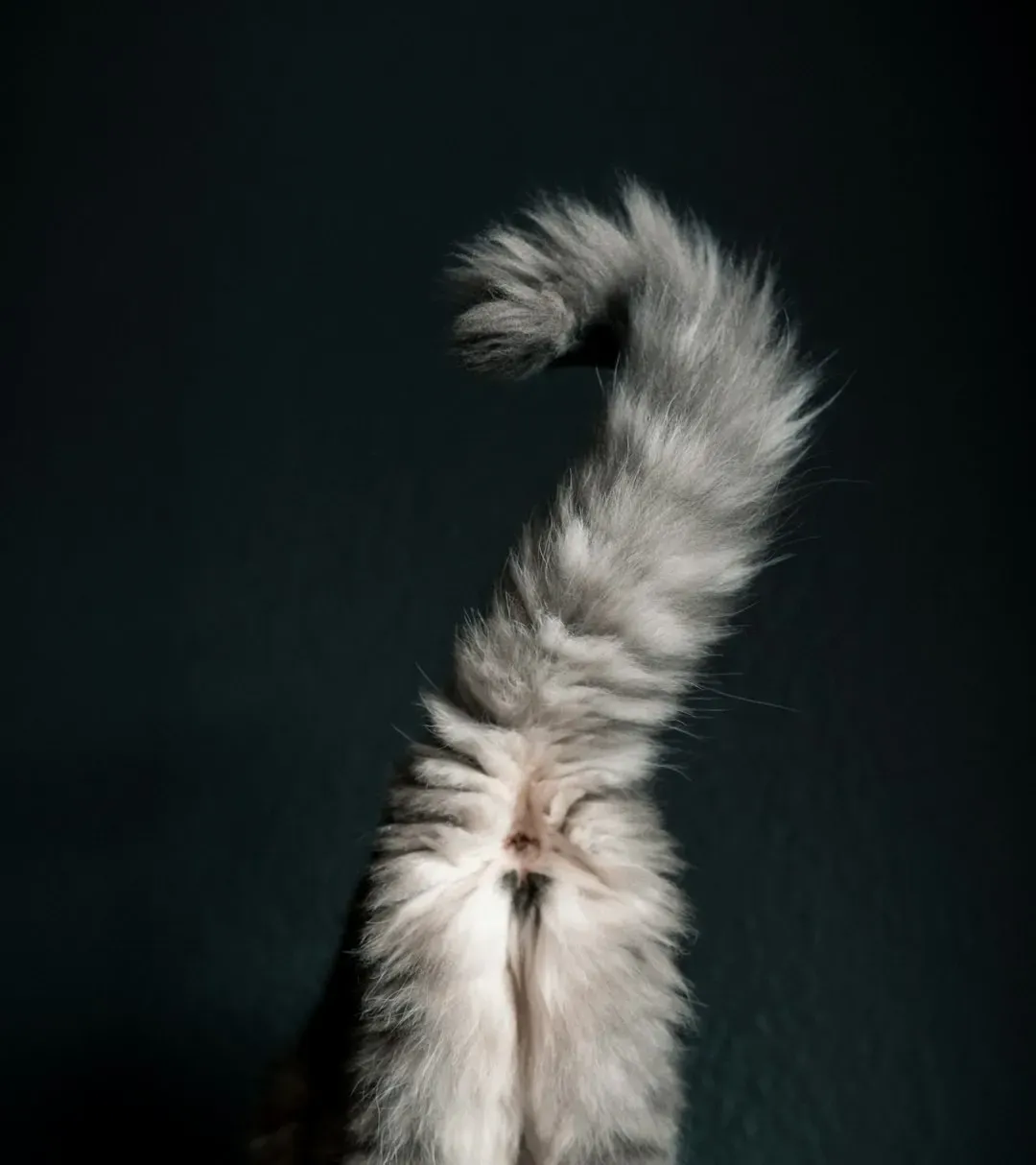
A gently curled tail tip paired with a slow blink is your cat's version of saying "I love you."
This is one of the most misunderstood signals in the feline communication playbook. When a cat's tail curls softly at the tip while resting near its body, and the cat is simultaneously making relaxed eye contact, it's displaying genuine contentment and trust. This combination signal is considered one of the clearest indicators of a secure human-cat bond, according to feline behaviorists who study attachment styles in domestic cats.
What most owners don't realize is that this signal requires context to read correctly. A curled tail tip alone, without the slow blink, can simply mean a cat is relaxed but not necessarily bonding with you specifically.
Fast Facts
- Slow blinking is often nicknamed "cat kissing" by behaviorists and owners alike.
- Cats are more likely to approach a person after being slow-blinked at first, according to feline behavior researchers.
- The tail curl paired with a blink reflects a calm, parasympathetic "rest and digest" state rather than pure visual habit.
- Kittens begin learning to read slow blinks from their mother within the first few weeks of life.
Experts recommend responding to this combo signal with a slow blink back - it reinforces trust, and behaviorists say cats genuinely reciprocate this "conversation" over time. Missing this signal means missing one of the few times your cat is actively choosing connection. Wait until you see how differently a hooked tail changes the entire conversation.
#2 - The Question Mark Hook
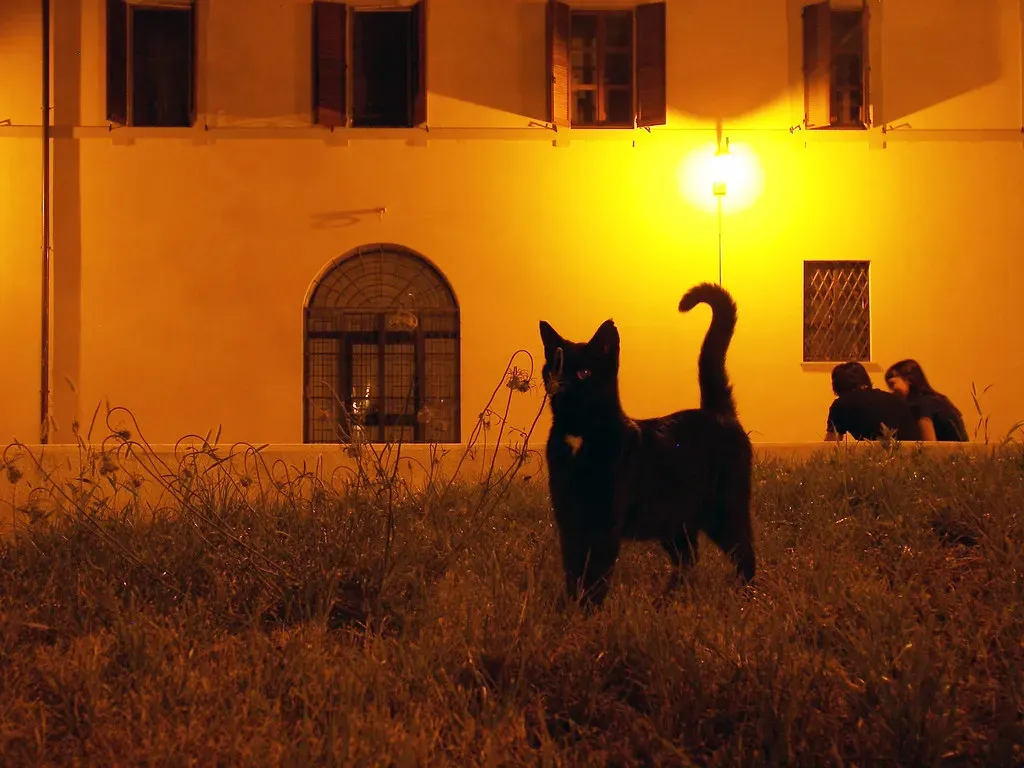
A tail shaped like a question mark, with a slight hook at the very tip, is a cat inviting playful interaction.
This posture is distinct from a full curl because the majority of the tail stands upright while only the last inch or two bends over. Behaviorists note that this specific shape signals a friendly, playful mood - it's essentially your cat asking "want to play?" without saying a word. It's commonly seen when cats approach toys, other pets, or humans they consider safe and fun.
The mistake most owners make is confusing this with aggression because the tail is elevated. Elevated doesn't always mean dominant or hostile in feline body language - it depends entirely on the shape and rigidity. A stiff, straight-up tail is a completely different message from this loose, curved hook.
If you see the question-mark shape, it's actually the ideal moment to initiate a play session, because your cat has already told you it's receptive. Ignoring this cue repeatedly can actually reduce a cat's confidence in initiating interaction altogether. Play mode has a much darker opposite number, and it looks nothing like you'd expect.
#3 - The Puffed-Up Bottle Brush
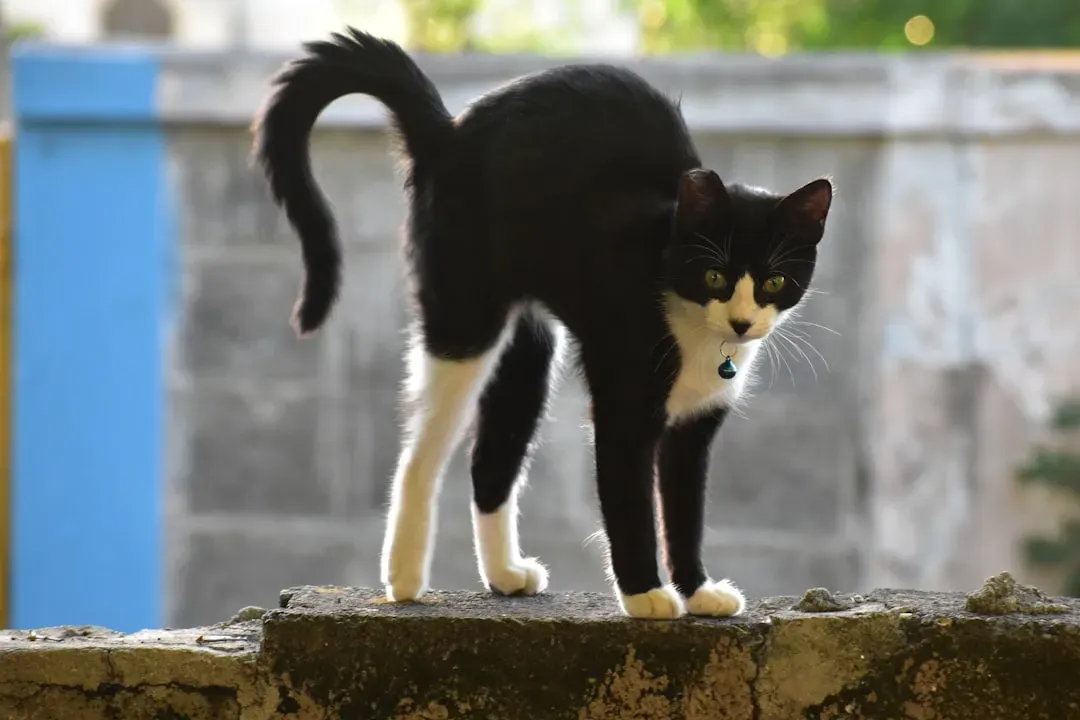
A fully puffed tail, often called a "bottlebrush tail," is a defensive display meant to make your cat look bigger and more threatening.
This reaction is involuntary, driven by the same fight-or-flight system responsible for human goosebumps - technically called piloerection. The hair stands on end due to a rush of adrenaline, and it's almost always paired with an arched back and sideways stance. Cats do this to appear larger to a perceived threat, whether that's another animal, a loud noise, or sudden movement.
Here's the part most people get wrong: this isn't necessarily aggression - it's fear-based defense. A genuinely aggressive cat preparing to attack often has a completely different tail posture (more on that later). The bottlebrush tail is a cat saying "I'm scared and trying to protect myself," not "I want to fight."
Approaching a cat in this state, even to comfort it, frequently backfires because its nervous system is already flooded with stress hormones. The smarter move, according to behaviorists, is giving the cat space and letting the adrenaline naturally subside. What comes next reveals the exact moment "annoyed" quietly turns into "about to bite."
#4 - The Low, Slow Tail Flick
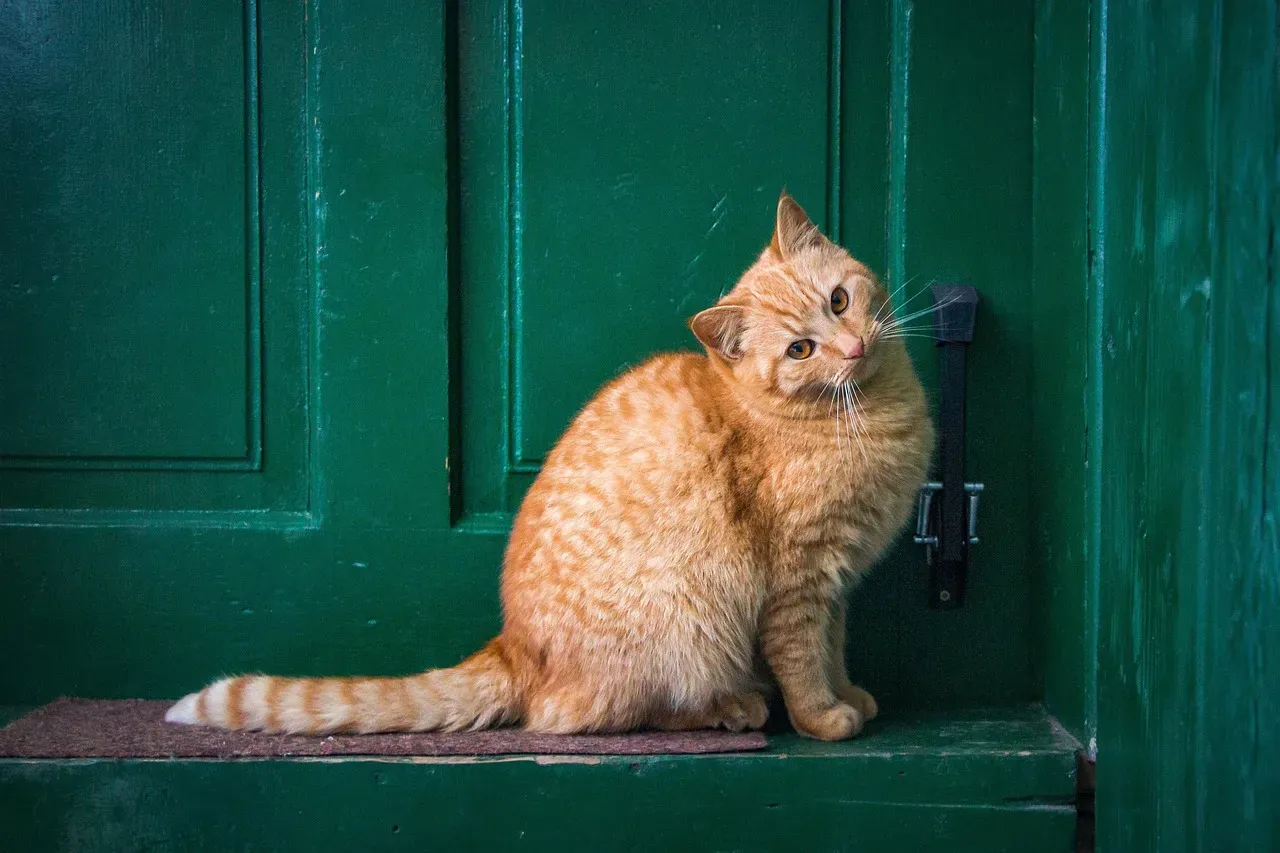
A slow, deliberate flick of just the tail tip, while the rest of the body stays still, signals mild irritation or intense focus.
This is one of the most subtle warning signs in feline communication, and it's the one most commonly missed before a scratch happens. Unlike the dramatic thrashing associated with anger, this movement is small and almost lazy-looking. Cats often display this exact tail flick right before pouncing on prey - or right before they've had enough of being petted.
Context matters enormously here. If a cat is watching a bird outside, this flick indicates predatory focus and excitement. If the same flick happens while you're petting your cat's belly or lower back, it's a different story entirely - it's an early-stage annoyance signal.
Experts consistently point to this movement as the "last warning" before a cat escalates to a bite or swat. The smart move is to stop whatever you're doing immediately rather than pushing your luck. Ignore that warning long enough, and the tail stops being subtle at all.
#5 - The Rapid Whip and Thrash
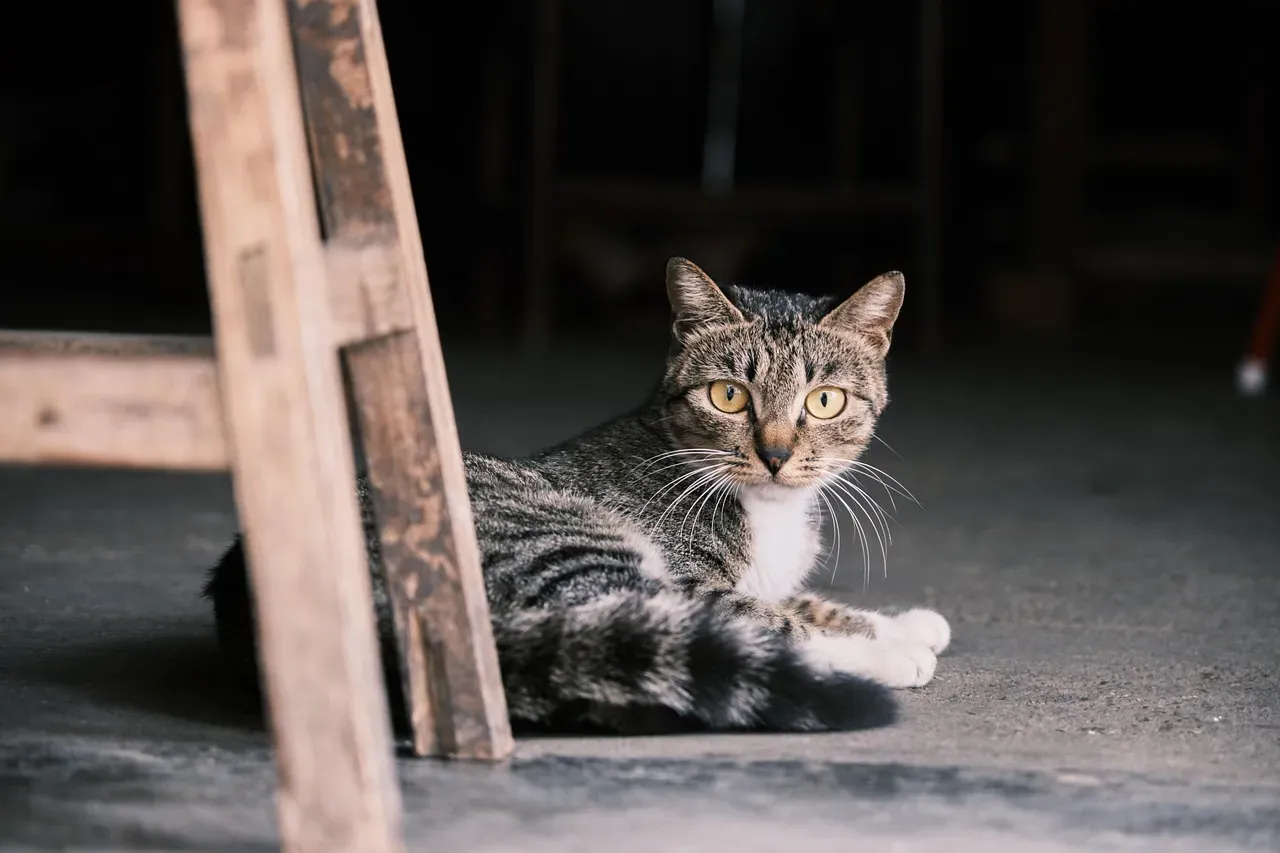
A tail that's whipping violently back and forth, hitting the floor or furniture, means your cat has reached its limit.
This is the unmistakable, high-intensity version of tail agitation, and there's no ambiguity about what it means. Rapid thrashing indicates significant stress, frustration, or anger, and it typically escalates quickly if the triggering behavior continues. This differs from the subtle flick in #4 by both speed and amplitude - the whole tail moves, not just the tip.
Many owners mistakenly compare this to a dog's tail wag because both involve movement, but the emotional meaning is nearly opposite. A wagging dog is often happy; a thrashing cat is nearly always upset.
Quick Compare
- Slow tip flick: mild irritation, an early warning most owners miss entirely.
- Rapid full-tail thrash: high stress or anger, a signal to disengage right now.
- Tucked-under tail: fear or submission, sometimes lingering for hours.
- Quivering upright tail: excitement or greeting, a positive-arousal signal.
Behaviorists warn that ignoring this signal is one of the top causes of "unprovoked" cat bites reported by owners - except it was never actually unprovoked. The cat gave clear warning through escalating tail movement that was simply missed or dismissed. If you see this, disengage immediately and let the cat calm down on its own terms. Sometimes what looks like anger is actually the opposite - pure fear in disguise.
#6 - The Tucked-Under Tail
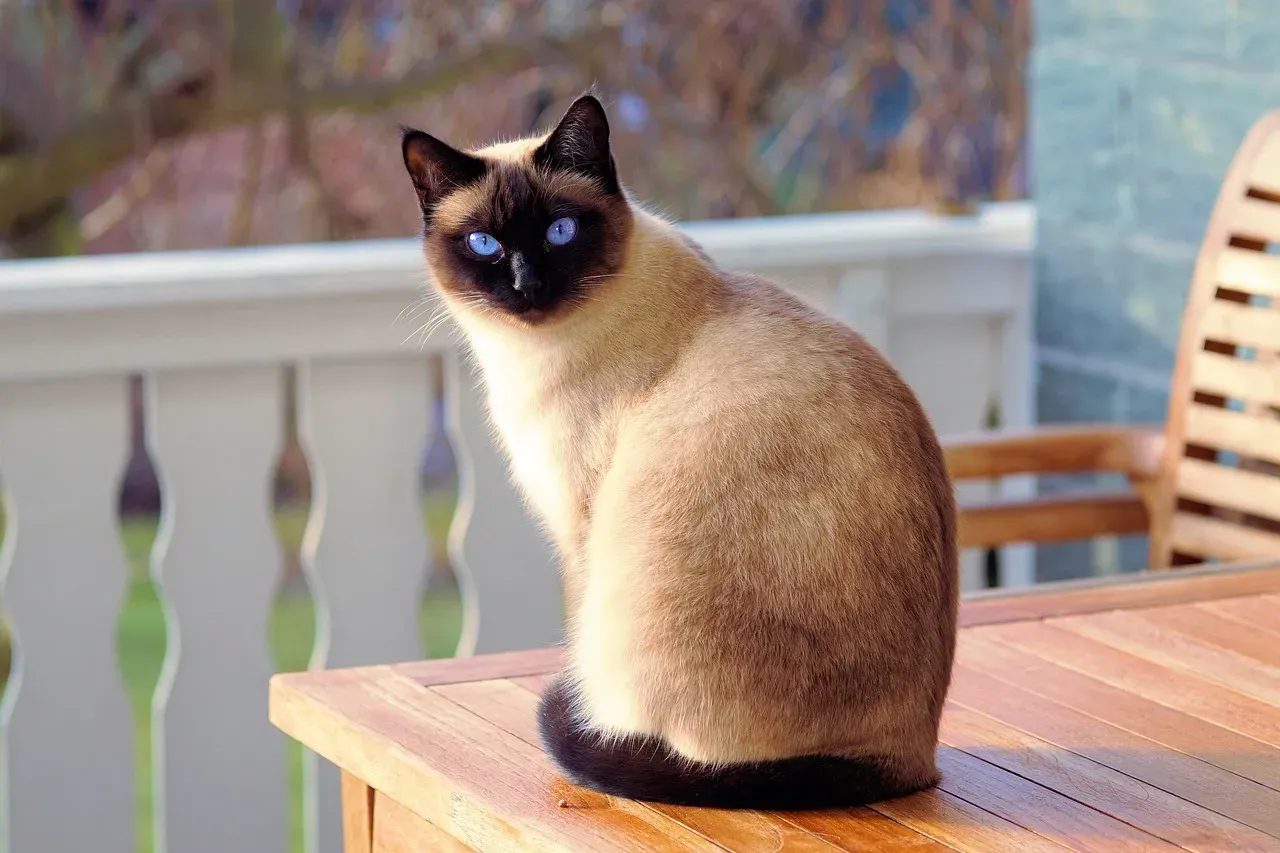
A tail wrapped tightly around the body or tucked between the legs signals fear, submission, or discomfort.
This posture mirrors what's seen in frightened dogs, though the underlying feline psychology is slightly different. A tucked tail essentially minimizes the cat's visible profile, making it appear smaller and less threatening to whatever is causing the fear response. It's commonly seen in shelter cats, cats in unfamiliar environments, or cats recovering from a startling event like a loud noise or vet visit.
What's often overlooked is that this posture can persist for hours after the triggering event, especially in anxious cats. Some behaviorists argue that chronic tail-tucking, especially in cats that show this posture frequently at home, may indicate an underlying anxiety condition rather than a one-time reaction to a specific event.
Worth Knowing
- Chronic tail-tucking paired with hiding or reduced appetite can point to ongoing anxiety, not just shyness.
- Everyday changes - a new pet, a move, or loud renovations - are common hidden triggers.
- Vertical scratching posts and quiet hiding spots can lower baseline stress in anxious cats.
- A vet visit can help rule out pain as the underlying cause behind persistent fearful posture.
This is a controversial take among cat owners who assume their pet is "just shy," but experts increasingly recommend environmental enrichment and, in persistent cases, veterinary behavioral consultation. Dismissing chronic tail-tucking as simple personality can mean missing genuine, treatable stress. Not every fast-moving tail spells trouble, though - some of them mean the exact opposite.
#7 - The Vertical Tail Quiver
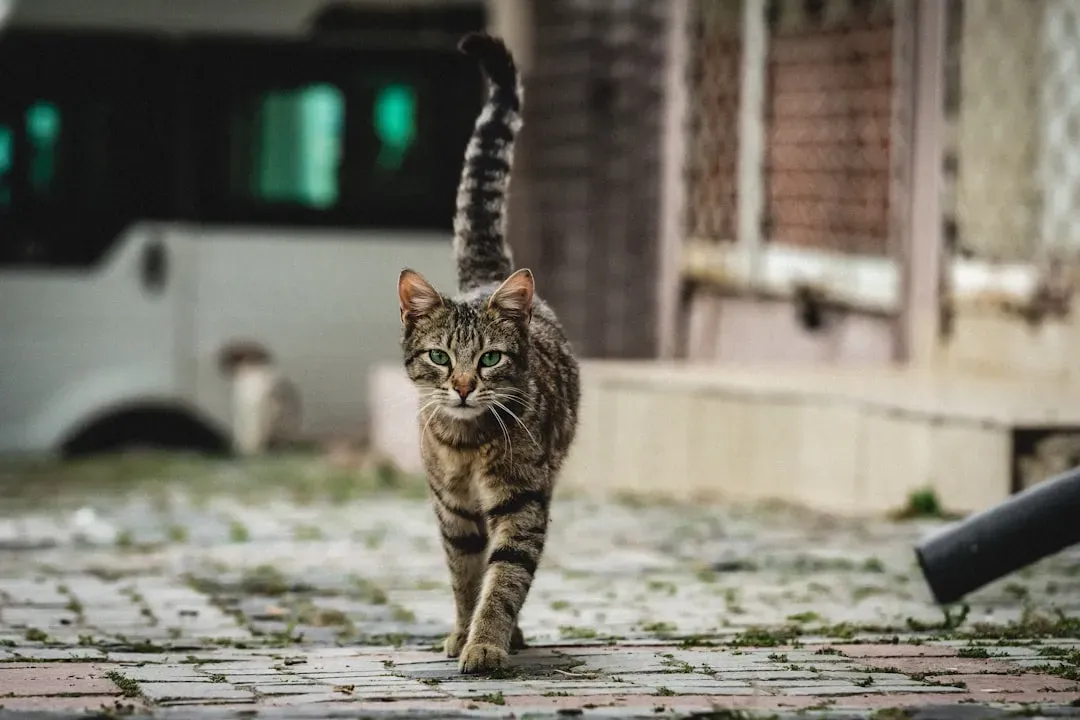
A straight-up tail that vibrates or quivers rapidly at the base usually means excitement, and it's often mistaken for spraying behavior.
This quick, trembling motion happens when a cat is highly stimulated in a positive way - commonly seen when a beloved owner walks through the door after time away. The vertical position itself signals confidence and friendliness, distinguishing it clearly from the fear-based postures covered earlier. The quiver adds an extra layer of intense, joyful anticipation.
Here's where it gets interesting: this same quivering motion, minus the vertical position, can precede urine marking in unneutered cats, which causes confusion for many owners. The context clues - tail fully upright versus horizontal, combined with the cat's overall body posture - determine which behavior is actually happening.
Behaviorists suggest that greeting quivers are almost always paired with a cat trotting toward you, purring, or rubbing against your legs, whereas marking behavior involves a stationary cat near a vertical surface. Learning to distinguish these two nearly identical movements is genuinely one of the trickiest skills in cat body language literacy. Some tails, though, don't leave room for confusion at all.
#8 - The Low, Straight Horizontal Tail
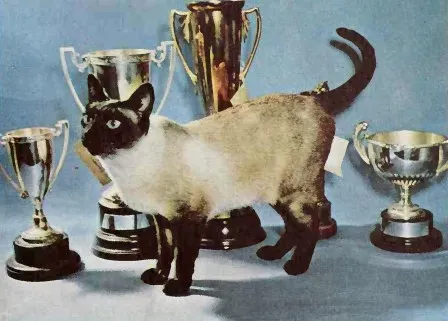
A tail held straight out, level with the spine and not moving, often indicates a cat that's alert, assessing, or mildly uncertain.
This neutral-but-watchful posture doesn't get discussed nearly as often as the dramatic signals, but it's arguably one of the most common tail positions cats display throughout an average day. This posture essentially represents a "wait and see" mental state - the cat hasn't decided whether a situation warrants excitement, fear, or aggression yet.
Many owners assume a still tail means a calm cat, but stillness combined with tension in the rest of the body (crouched posture, dilated pupils, forward-pointed ears) tells a very different story than stillness combined with a relaxed, loafed position.
This is one of the more controversial points among behaviorists: some argue a truly relaxed cat's tail is never perfectly straight and horizontal, but rather has a slight, natural curve. A rigid straight-out tail, they argue, almost always indicates some degree of underlying vigilance, even if subtle. The next posture on this list leaves zero room for interpretation.
#9 - The Aggressive Low Whip
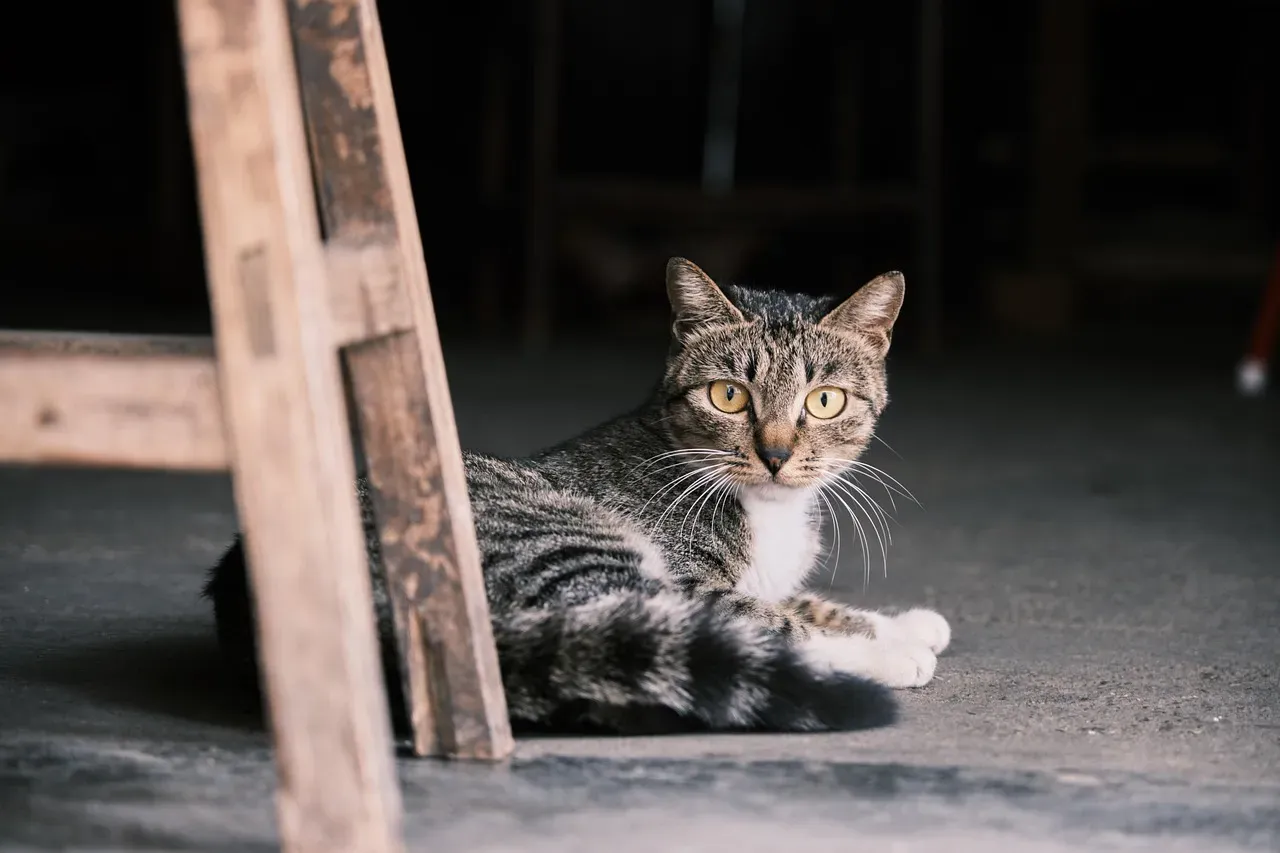
A tail held low, close to the ground, with sharp, aggressive whipping side to side, is one of the most dangerous signals a cat displays.
Unlike the fear-based bottlebrush tail in #3, this posture indicates offensive aggression rather than defensive fear. This low, weaponized tail movement often accompanies flattened ears, direct staring, and a lowered body preparing to lunge - it's a genuine pre-attack warning sign that experienced cat handlers take extremely seriously.
The controversial opinion among behaviorists is that this signal is dramatically underreported in casual cat-owner education, largely because most popular content focuses on cute or funny tail behaviors instead of genuinely dangerous ones.
Why It Stands Out
- Ears pinned flat plus a low whipping tail is one of the clearest pre-fight combinations in multi-cat homes.
- This posture is rigid and controlled, unlike the bouncy, loose movement seen in kitten play-fighting.
- Intervening physically during this state carries the highest risk of accidental scratches or bites.
- Calmly separating cats, rather than shouting or grabbing, is the safer de-escalation method.
Multi-cat households in particular need to recognize this signal quickly, since it frequently precedes real fights between cats rather than the play-fighting many owners mistake it for. The key differentiator from play is the complete absence of the loose, bouncy movement seen in kitten wrestling - this tail movement is rigid, controlled, and deliberate. Recognizing it early can prevent both animal injuries and owner scratches sustained while attempting to intervene. Thankfully, not every tail signal on this list is a warning - some are pure love.
#10 - The Gentle Tail Wrap Around a Companion
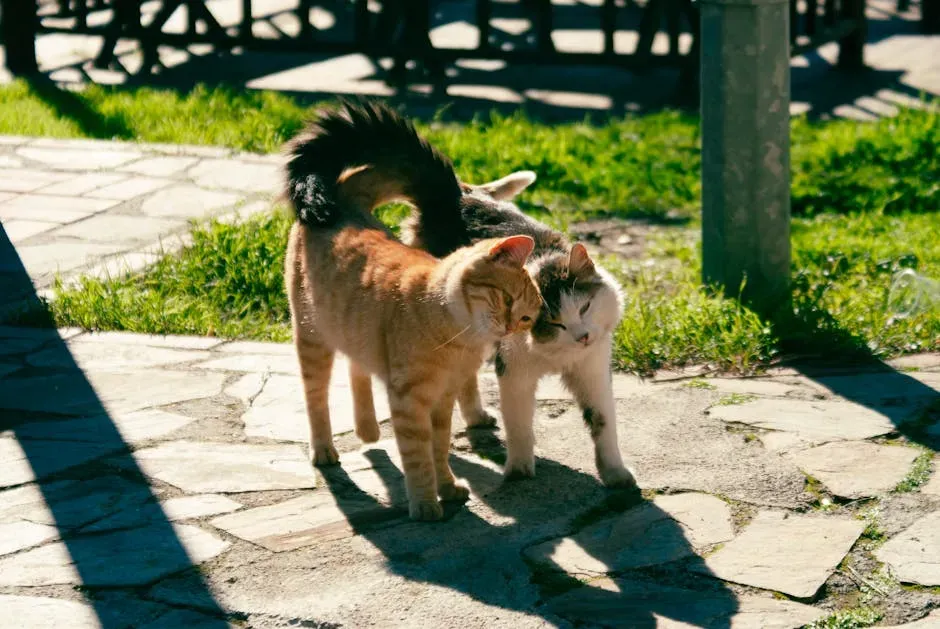
When a cat wraps its tail around another cat, a dog, or even a human's leg, it's displaying one of the strongest bonding gestures in its entire behavioral repertoire.
This gesture functions similarly to linking arms or holding hands in human relationships. Behaviorists consider tail-wrapping a clear marker of social bonding and affiliative behavior between animals that trust each other completely. It's frequently observed between cats raised together from kittenhood or between a cat and a specific favorite human.
What makes this signal particularly interesting is its selectivity - cats don't perform this gesture indiscriminately. A cat may tolerate dozens of humans in its life but only tail-wrap around one or two specific people, making it a genuinely meaningful marker of preference rather than generic friendliness.
Some owners feel slighted when their cat never performs this gesture with them despite years of care, but experts note that plenty of deeply bonded cats simply never express affection this particular way. Tail-wrapping is one signal among many, not a definitive scorecard of how much a cat loves you. There's one more tail movement, though, that has nothing to do with how your cat feels about you at all - it happens when they're not even conscious.
#11 - The Twitching Tail During Sleep
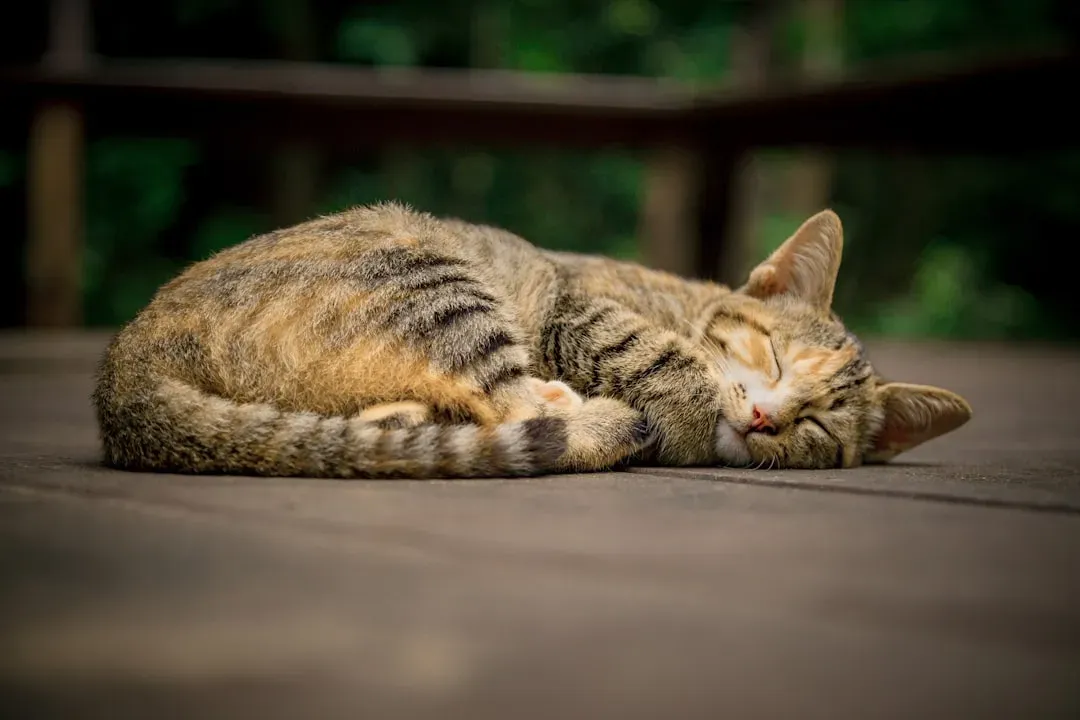
A cat's tail twitching gently while it sleeps is almost always a sign of active dreaming, not distress.
This phenomenon closely mirrors what happens in humans and dogs during REM sleep, when the brain remains highly active even though the body is largely paralyzed. Feline sleep researchers have observed that this twitching corresponds with brain activity patterns similar to waking predatory behavior, suggesting cats may be "hunting" or "playing" in their dreams.
This is genuinely one of the most misunderstood tail behaviors because unaware owners sometimes assume their sleeping cat is in pain or having a seizure. In reality, isolated tail twitches during sleep, especially paired with whisker movement or paw twitches, are completely normal and even considered a sign of healthy, restorative sleep cycles.
The controversial part: some behaviorists argue that waking a cat during this twitching phase - something anxious owners often do out of concern - actually disrupts a genuinely important restorative process. Letting sleeping cats twitch, quite literally, is the better move according to the science.
The Bottom Line
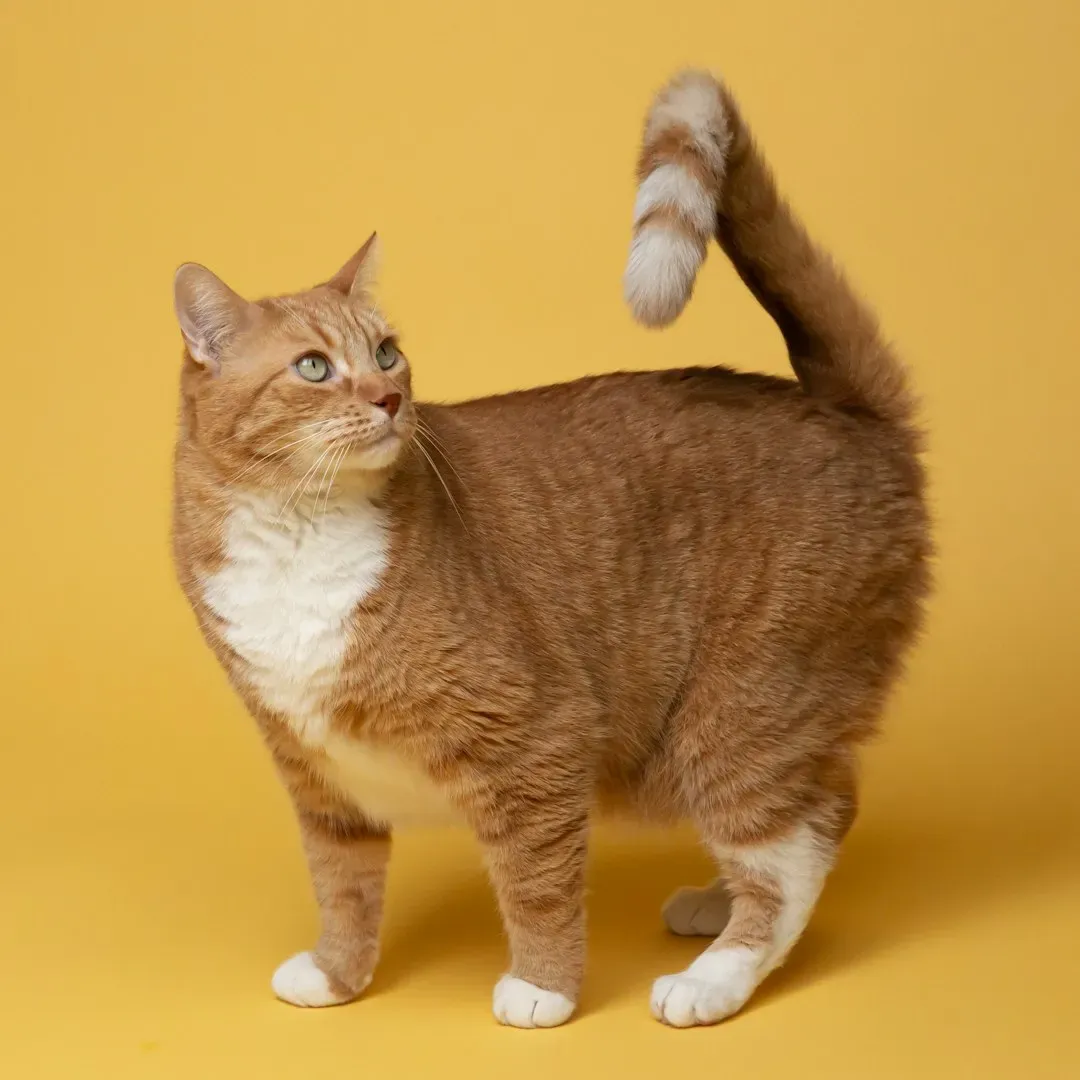
The tail is arguably the most honest communicator on a cat's entire body, and most owners have spent years misreading it entirely backward. A wagging tail isn't happiness. A puffed tail isn't always aggression. And that lazy little flick before a scratch was never actually a surprise attack - it was a warning most people simply didn't know how to read.
Understanding these 11 movements won't just prevent scratches; it'll fundamentally change how you interpret your cat's inner world. Frankly, any owner who claims to "just know" their cat without watching the tail is guessing - and cats have quietly been grading our attention span for thousands of years. Start watching the tail, and you'll realize your cat's been talking to you the entire time.
- 7 Simple Games That Will Tap Into Your Cat's Inner Hunter (and Keep Them Happy)
- Your Cat's Focused Gaze Isn't Staring; It's Deep, Observational Perception
- 8 Mistakes Owners Make That Can Accidentally Stress Out Their Cats
- What Secrets Does Your Cat's Nighttime Routine Reveal About Their Primal Instincts?