What It Means When Your Cat Suddenly Sniffs the Air and Changes Direction
#1 The Nose Knows Before the Eyes Do
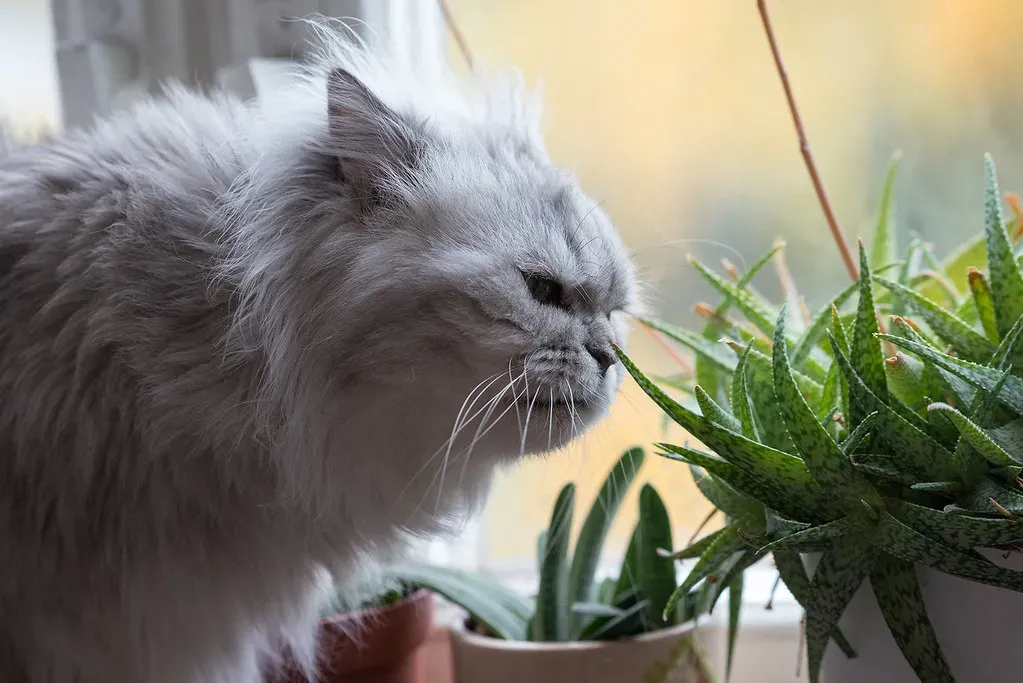
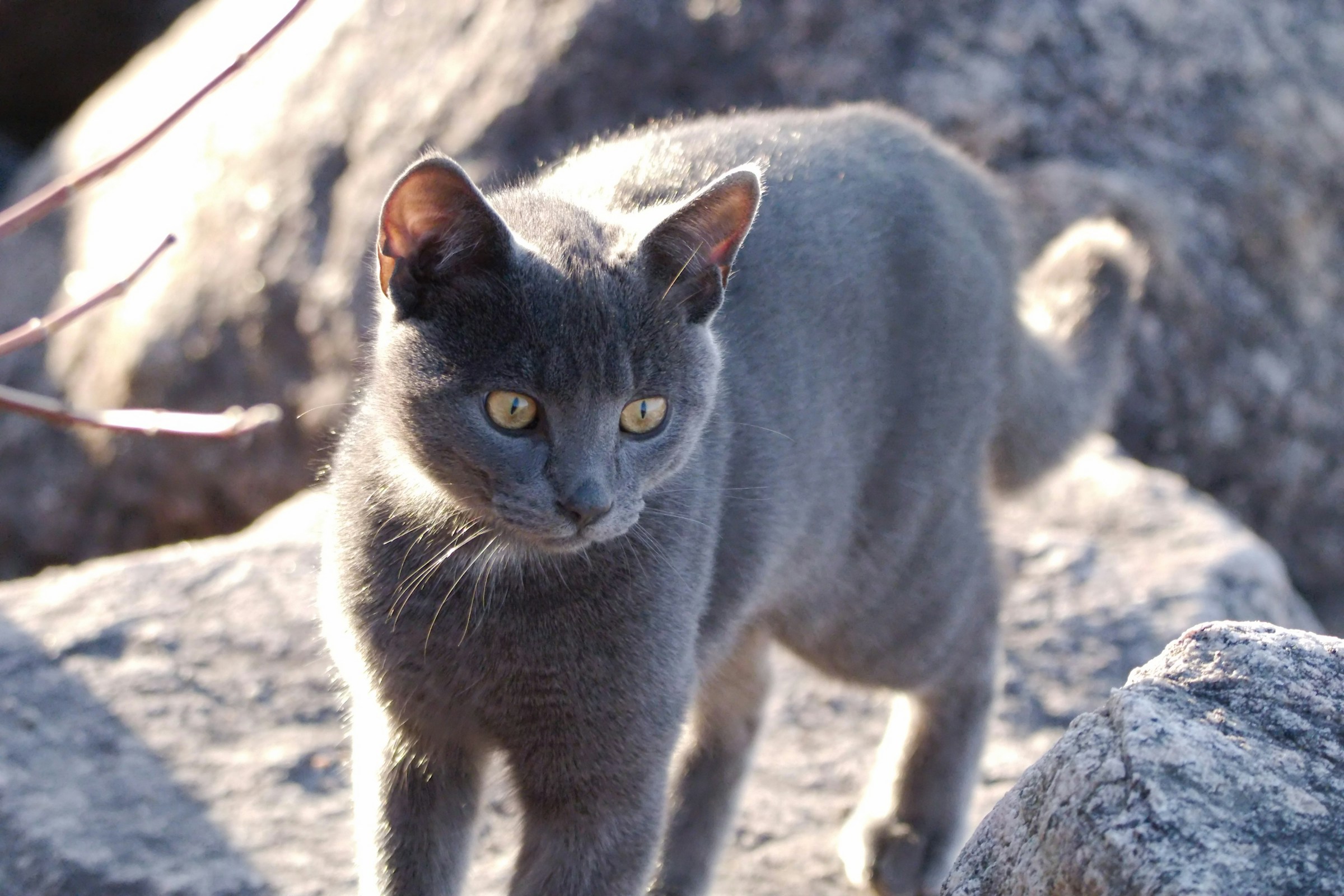
Cats experience the world through scent in a way that's genuinely hard for humans to relate to. Their sense of smell is estimated to be many times more sensitive than ours, and they rely on it constantly to gather information about their surroundings, long before their eyes or ears pick up on anything unusual. When a cat lifts its nose and sniffs the air, it's often reacting to a scent trail or airborne particle that arrived well before any visual or auditory cue would have.
This is why the air sniff so often precedes a change in direction rather than following one. The cat isn't reacting to something it saw and then confirming with a sniff. It's the opposite: the nose detects something first, and the body follows the information. That reordering of senses is a big part of why this behavior can look almost premonitory to us, even though it's really just cats using their strongest sense first.
#2 The Jacobson's Organ Adds a Second Layer
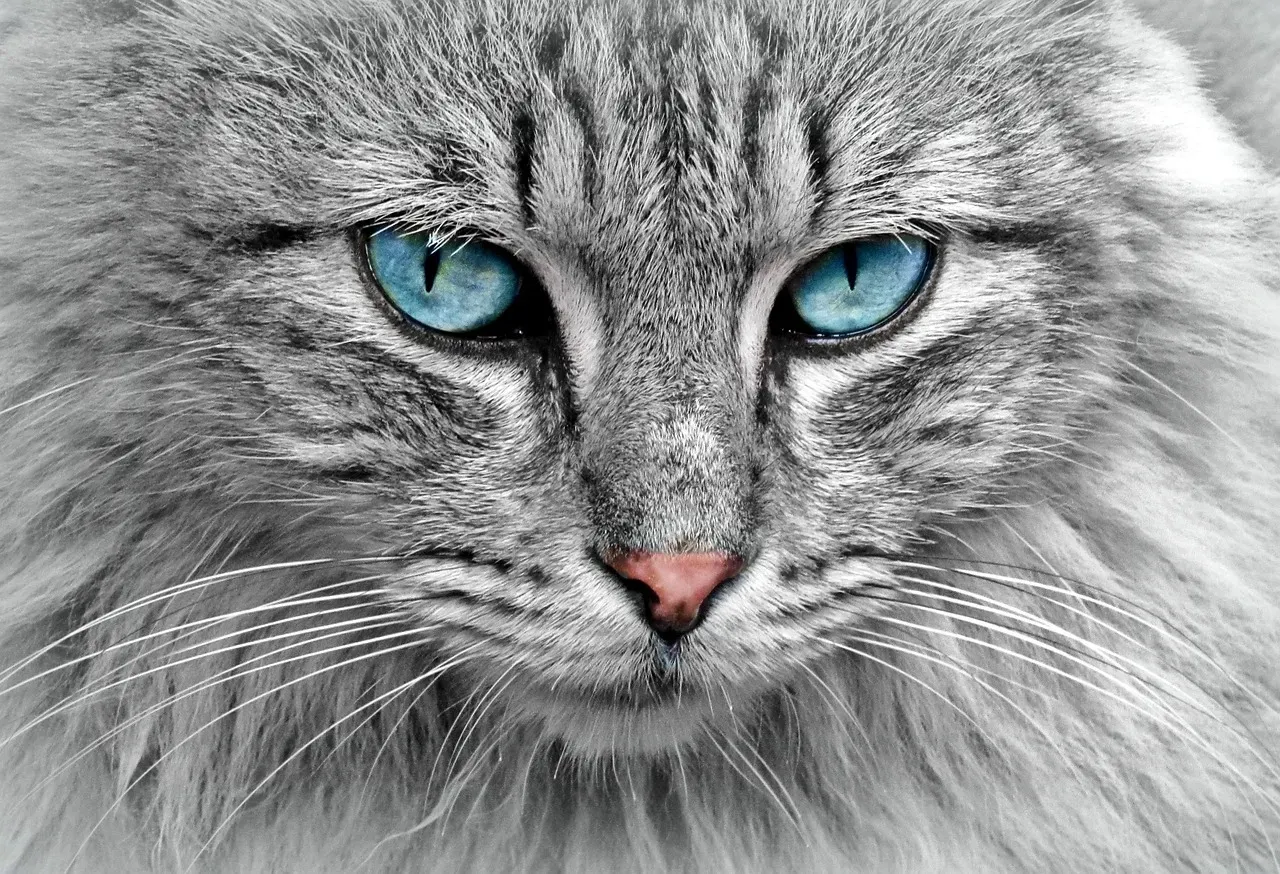
Beyond the standard nose, cats have a specialized structure called the vomeronasal organ, often referred to as Jacobson's organ, located in the roof of the mouth. This organ processes certain chemical signals, particularly pheromones, that a regular sniff through the nostrils doesn't fully capture. You may have seen a cat make a strange grimace with its mouth slightly open, called the flehmen response, which is this organ at work.
A sudden air sniff followed by a directional change can sometimes be tied to this secondary system kicking in, especially if another animal's scent marking is nearby. The cat isn't just smelling in the generic sense. It's parsing chemical information about identity, reproductive status, or territorial claims left by other cats or animals. That's a lot of data processing packed into a few seconds of twitching whiskers.
#3 Air Currents Carry More Information Than You'd Think
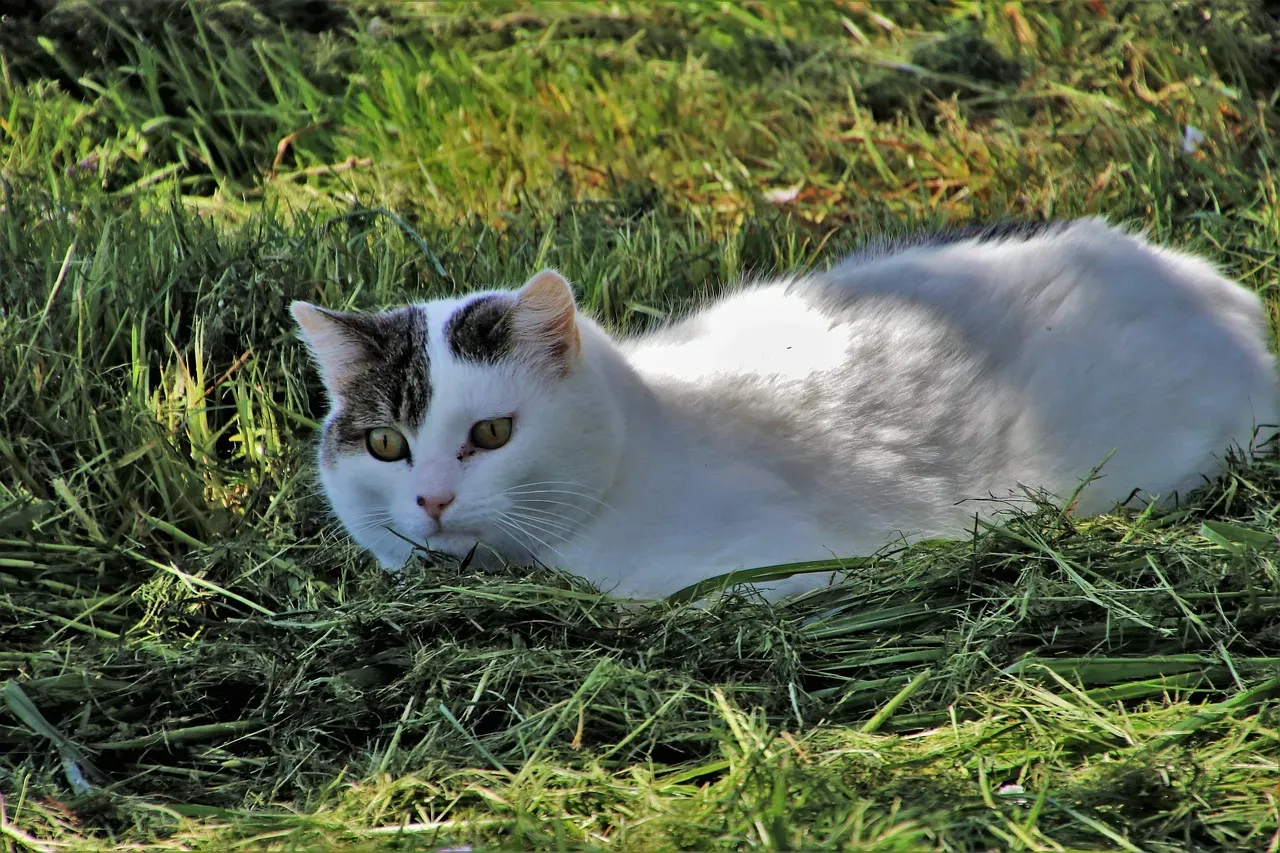
Indoor environments aren't as static as they seem. Air moves through vents, doorways, and gaps under doors, carrying scent molecules in shifting patterns throughout the day. A cat's redirected sniff is frequently a response to catching a scent on a current of air rather than a fixed scent source in one spot.
This explains why the behavior can seem to come from nowhere. The scent itself might be old, faint, or coming from somewhere out of sight, like a neighbor's cat passing outside a window or cooking smells drifting from another room. The cat isn't necessarily detecting something urgent or threatening; it may simply be following a thread of information that happens to be moving through the air at that exact moment.
#4 It Could Be Territorial Awareness in Action
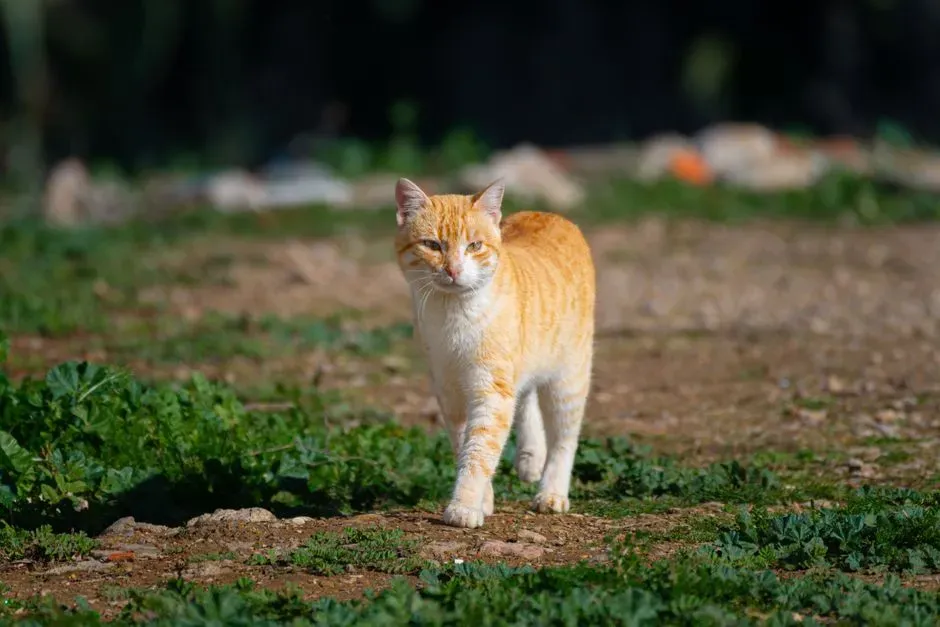
Cats are deeply territorial animals, and much of that territoriality plays out through scent rather than physical confrontation. They mark areas with facial pheromones, scratch marks, and occasionally urine, creating an invisible map of their space that only makes sense through smell. A sudden sniff and pivot can be part of routine territorial monitoring, almost like checking in on the borders of their domain.
This kind of behavior tends to be more common in multi-cat households or homes near other outdoor cats. If your cat catches a whiff of an unfamiliar feline scent, even faint traces carried in on your shoes or clothing, it may prompt this kind of alert reaction. It's less about danger and more about information gathering, the same way a person might glance at a notification without necessarily reacting to it.
#5 Prey Instinct Never Fully Turns Off
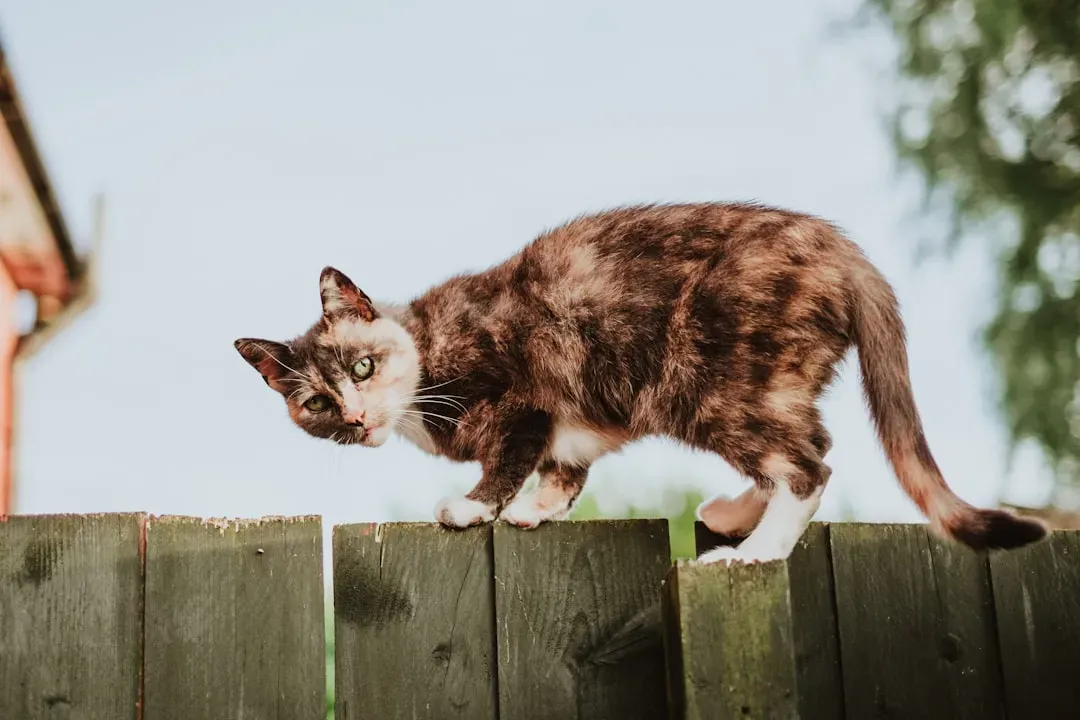
Even the most pampered indoor cat carries the instincts of a small predator, and scent is one of the primary tools cats use to detect prey. A sudden air sniff followed by a change in direction can be linked to detecting the scent of insects, rodents, or even birds, especially near windows or areas with more airflow from outside.
This instinctive response doesn't require an actual visible target. Cats are wired to investigate potential prey signals as a matter of survival programming, regardless of whether anything is actually there to catch. It's a reminder that domestication changed a lot about cats' daily lives, but it barely touched the instincts running underneath.
#6 Environmental Changes Can Trigger a Quick Reaction
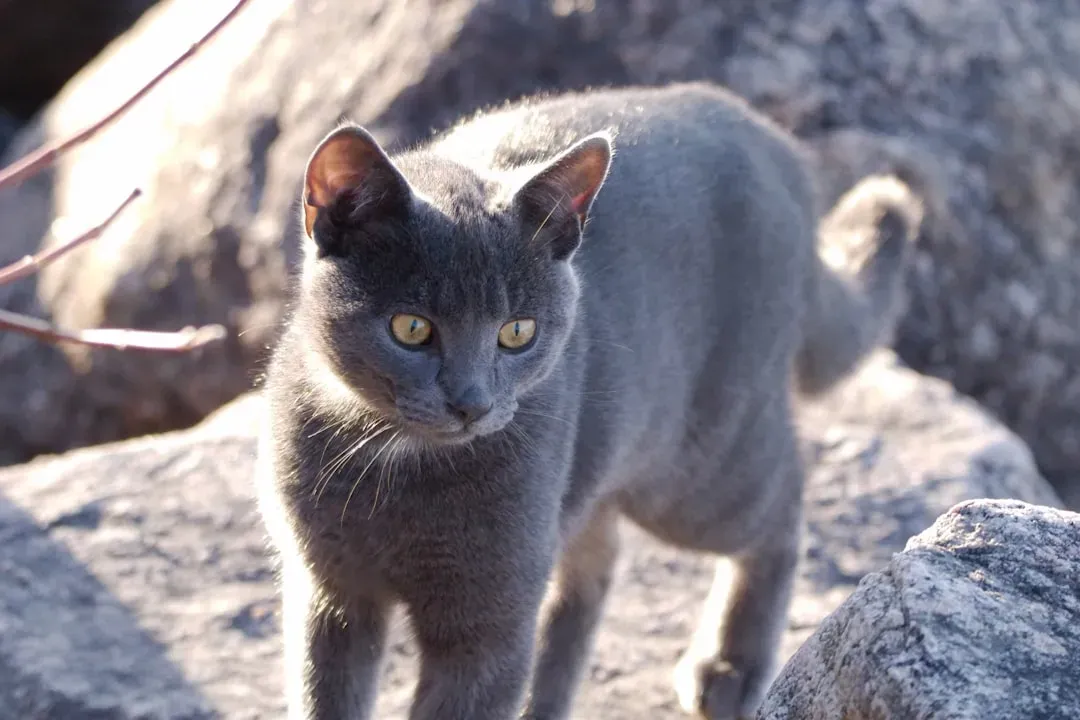
Cats are highly sensitive to subtle shifts in their environment, including changes in humidity, temperature, or even the introduction of new products like cleaning sprays, candles, or air fresheners. These changes often carry scent signatures that are barely noticeable to humans but quite distinct to a cat's nose. A sudden air sniff and redirect can simply be your cat noticing something new in the air that wasn't there five minutes ago.
This kind of reaction is typically brief and doesn't usually indicate distress unless it's paired with other signs like flattened ears or a lowered body posture. Most of the time, it's closer to curiosity. Cats investigate new smells the way people might glance toward an unexpected sound, checking it out before deciding it isn't worth further attention.
#7 Stress or Anxiety Can Show Up This Way Too
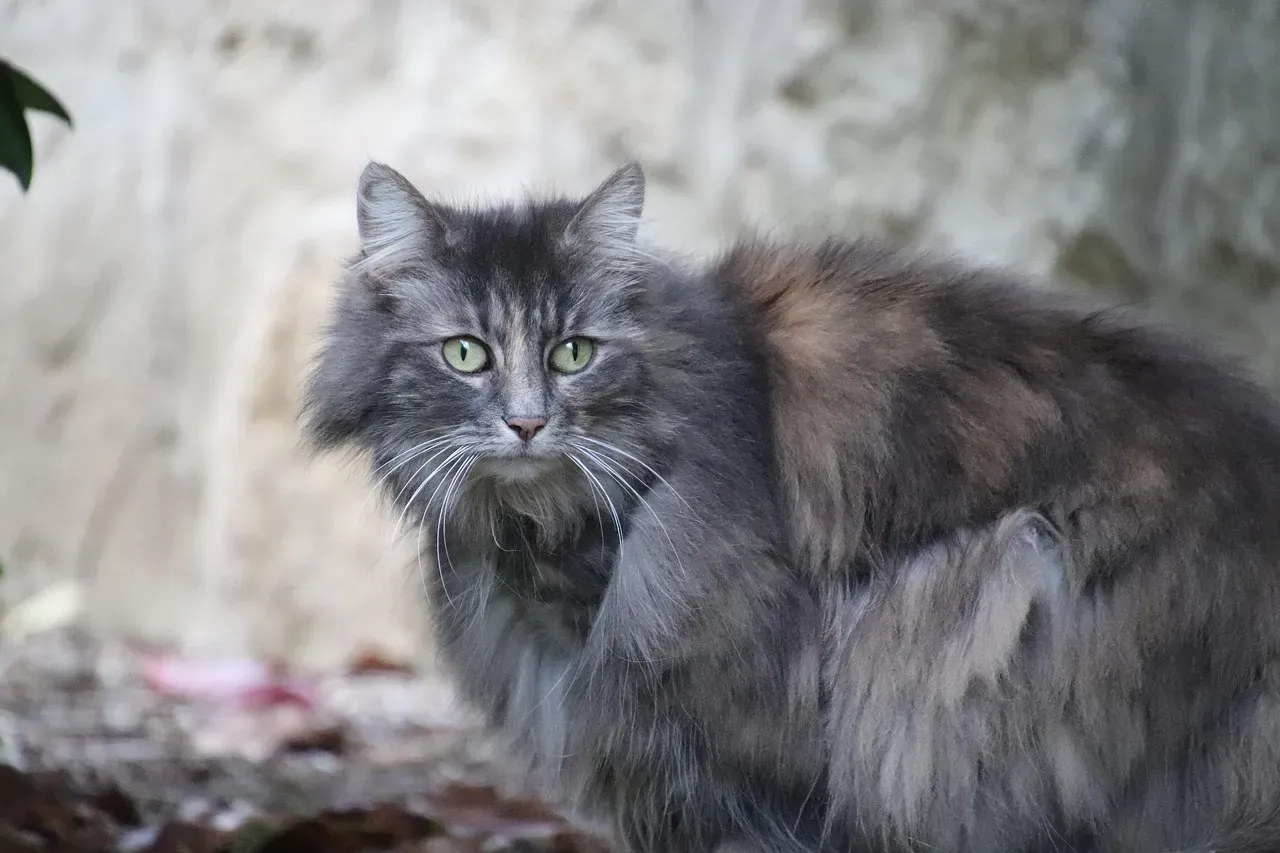
While many air-sniffing moments are perfectly ordinary, this behavior can occasionally be a subtle sign of stress, especially if it happens frequently and is paired with pacing, hiding, or a stiff tail. Cats experiencing anxiety often become hyper-alert to their surroundings, using scent as one more way to scan for threats or unfamiliar changes. In these cases, the air sniff isn't just information gathering. It's part of a heightened vigilance response.
If this pattern becomes frequent or seems to escalate, it may be worth looking at recent changes in the household, including new pets, houseguests, or even rearranged furniture. Cats are creatures of habit, and shifts in their environment can quietly affect their comfort levels in ways that show up through behavior rather than obvious distress signals. A veterinarian or behaviorist consultation is reasonable if the pattern becomes persistent or disruptive.
#8 It's Usually a Sign of a Sharp, Healthy Cat
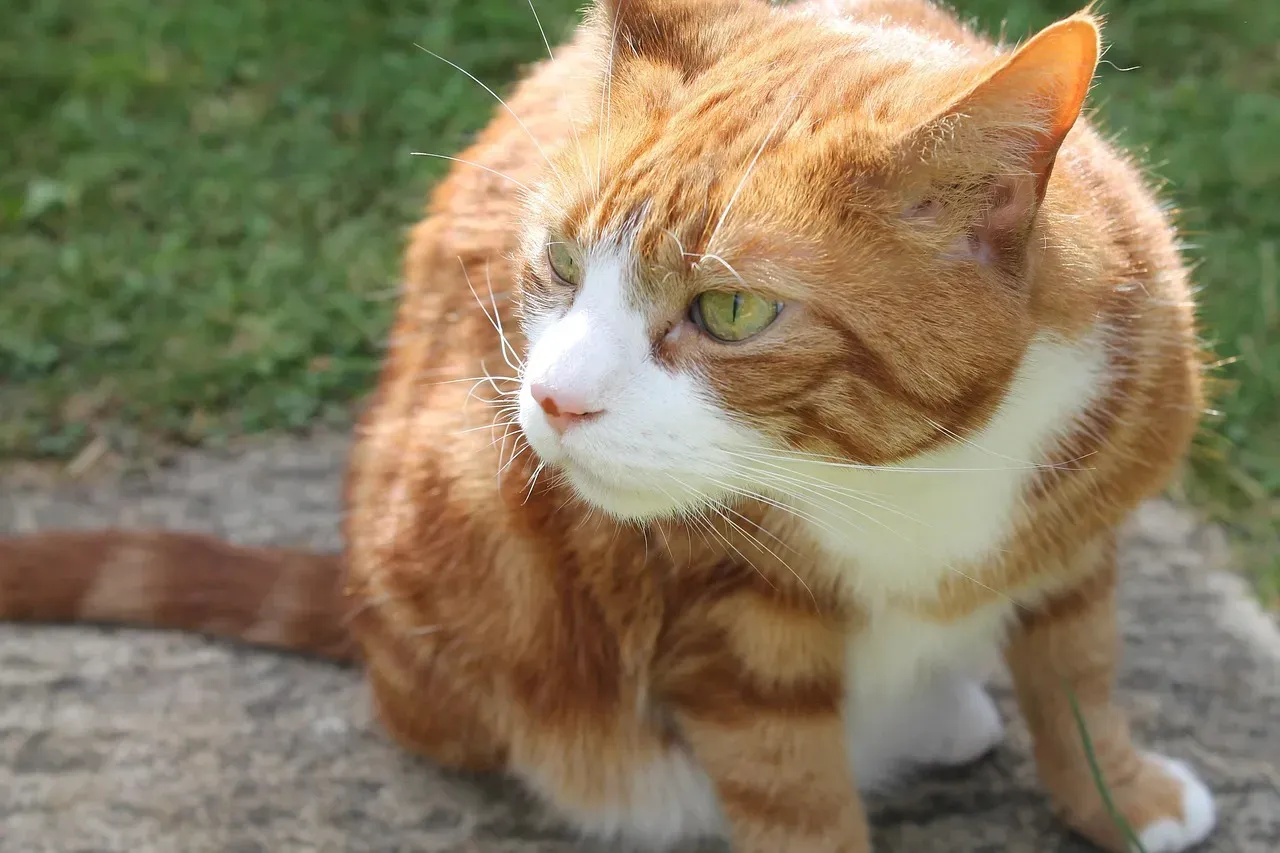
In the vast majority of cases, a cat sniffing the air and changing direction is simply evidence of a nervous system doing exactly what it evolved to do. It reflects sharp sensory processing, quick instinctual responses, and a brain that's constantly cross-referencing scent data with the surrounding environment. Far from being unusual, it's one of the clearest windows we get into how differently cats experience the world compared to us.
This behavior tends to become more noticeable to owners once they understand what's actually happening beneath the surface. Rather than a random quirk, it's a small, visible piece of a much larger sensory system working in real time. Watching for it, once you know what it means, can actually make you appreciate just how alert and present your cat is in every moment.
Final Thoughts
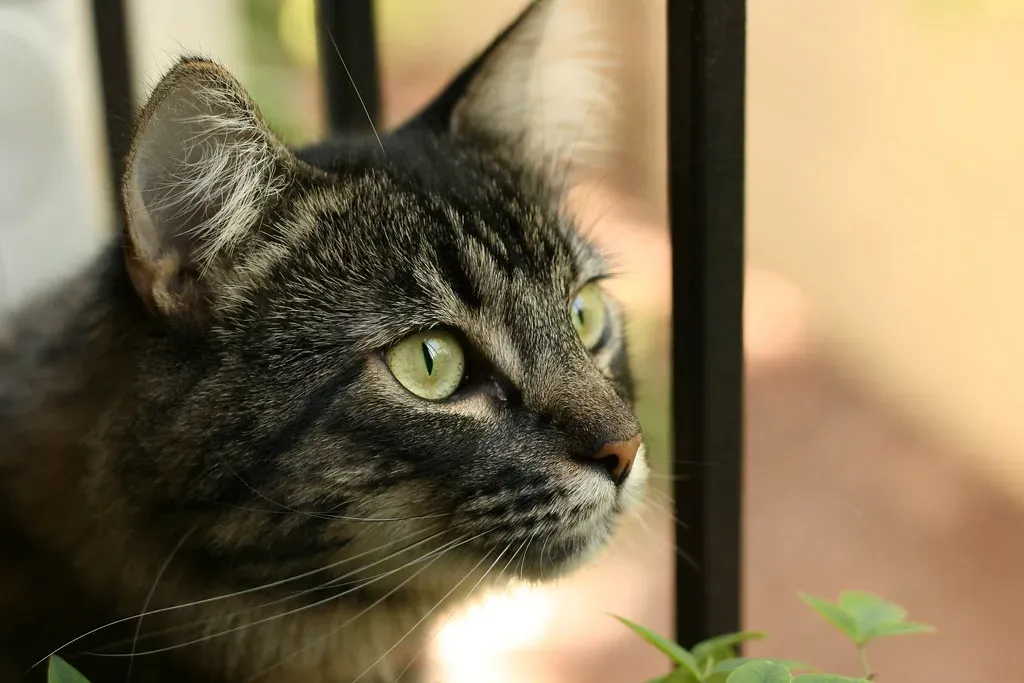
Cats don't waste movement, and that includes the little detours prompted by a sudden sniff. Most of the time, this is nothing more than a healthy, highly tuned sensory system doing routine work, whether that's monitoring territory, catching a whiff of the outdoors, or noticing a change in the home environment. It's easy to overthink these moments, but the honest answer is that they're usually mundane rather than mysterious.
That said, paying attention to context matters. A cat's behavior is rarely random, and learning to distinguish curiosity from anxiety is part of understanding your pet on a deeper level. If anything, this small behavior is a good reminder that cats are experiencing a version of your home that we can't fully access, one built almost entirely on scent.