7 Tips on How to Take Care of a Maine Coon Cat
#1 Brush that coat regularly, not occasionally
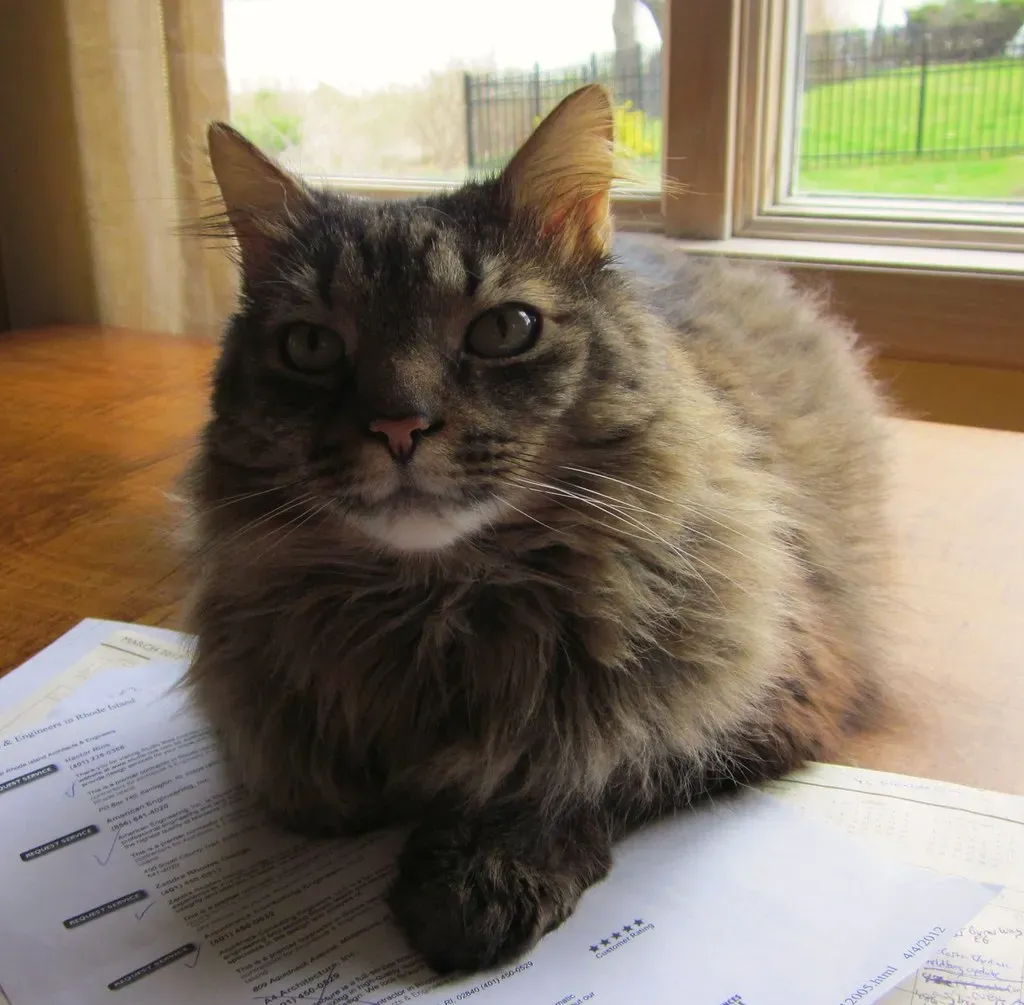
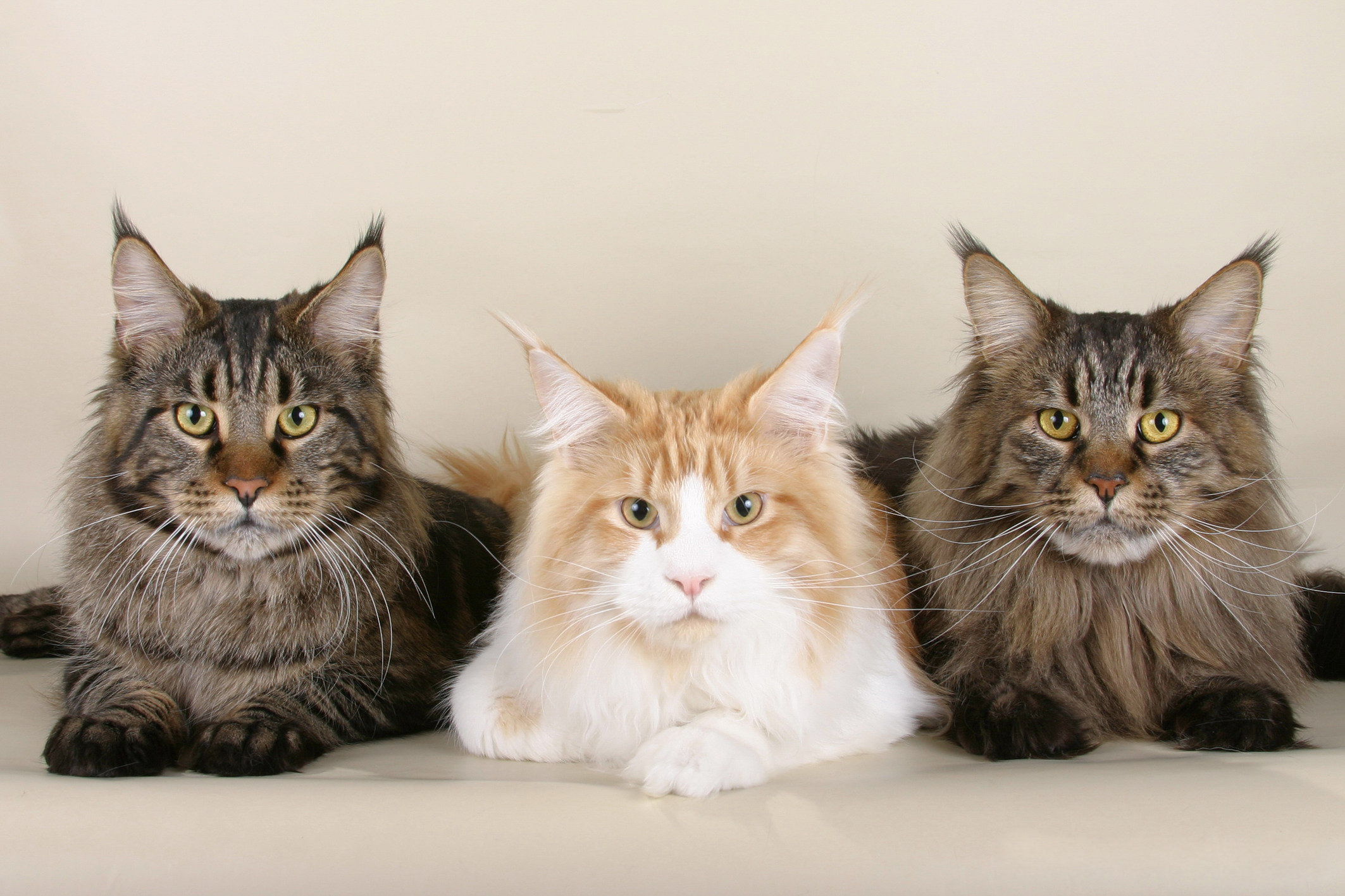
Maine Coons have a dense, shaggy double coat that's built to handle cold New England winters, which sounds charming until you realize it also means serious shedding and a real risk of matting if you skip brushing sessions. Their fur is longer around the neck, belly, and britches, and those areas tangle fast, especially in the warmer months when they're blowing out their undercoat.
A good routine is brushing two to three times a week with a slicker brush or a metal comb designed for long-haired breeds, paying close attention to the armpits and behind the ears where mats love to form. Skipping grooming doesn't just lead to a messy-looking cat, it can cause painful tangles that pull on the skin and sometimes require a vet to shave out entirely, so consistency here really does save everyone a headache.
#2 Feed for size, not just for age
These cats are big, often reaching fifteen to twenty five pounds, and that size doesn't happen by accident. They need a diet that's higher in protein and calories than what you'd give a standard-sized cat, especially during their extended growth period, since Maine Coons don't usually reach full physical maturity until they're three to five years old.
Look for high-quality cat food where real meat is the first ingredient, and talk to your vet about portion sizes based on your cat's actual weight rather than a generic feeding chart. Because they grow slowly and steadily, it's worth having weight checks built into regular vet visits so you can adjust their food before they become overweight, which is a common issue in a breed already prone to joint strain from sheer size.
#3 Watch their heart closely
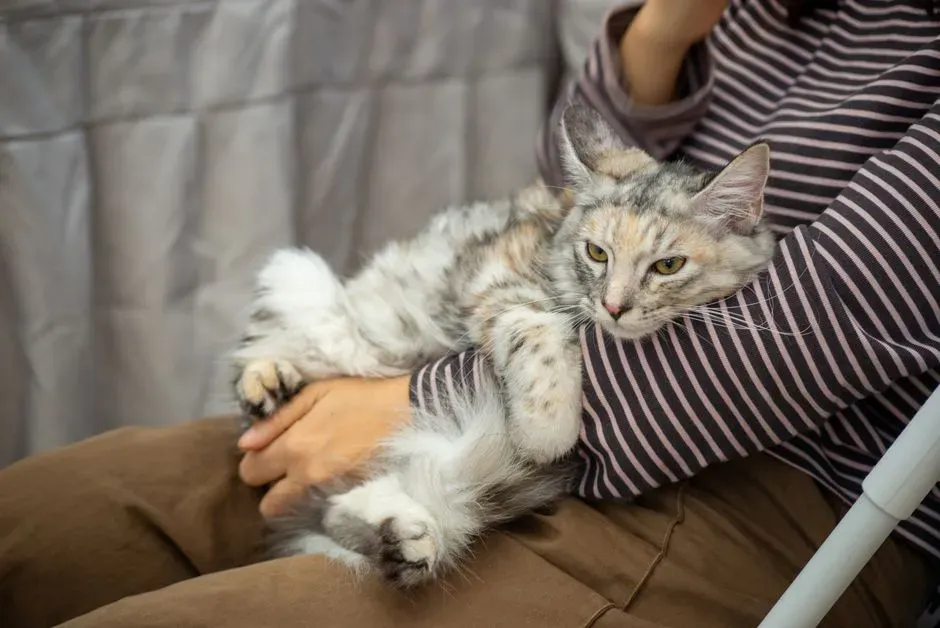
Maine Coons have a genetic predisposition to hypertrophic cardiomyopathy, a condition where the heart muscle thickens and struggles to pump blood efficiently. It's one of the most talked-about health concerns in the breed, and reputable breeders often test for the genetic marker associated with it, though a negative test doesn't guarantee a cat will never develop the disease.
Because symptoms can be subtle or completely absent until the condition is advanced, annual vet checkups that include listening for heart murmurs are worth prioritizing, and some owners opt for periodic ultrasounds as their cat ages. Catching heart issues early doesn't cure the condition, but it does give you and your vet more options for managing it and extending your cat's quality of life.
#4 Give them space to climb and roam
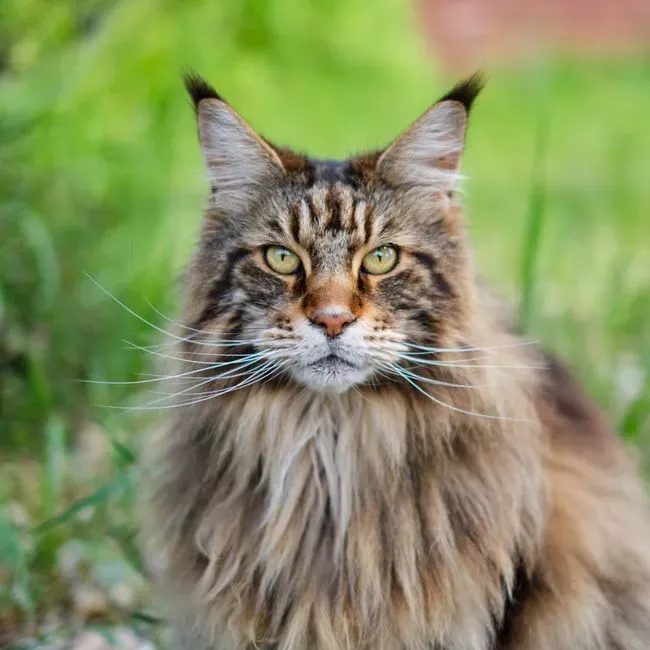
Despite their calm reputation, Maine Coons are surprisingly active and curious, and they tend to get bored without some kind of physical outlet. A cramped apartment with no vertical space can leave a big, energetic cat feeling restless, so investing in a sturdy cat tree or wall-mounted shelves gives them room to climb, perch, and survey their territory the way they instinctively want to.
These cats are also known for their dog-like curiosity, following owners from room to room and even learning to open doors or cabinets if they're motivated enough. Rotating toys, adding puzzle feeders, or setting aside ten or fifteen minutes a day for interactive play with a wand toy keeps their mind engaged and helps burn off the energy that a cat this size tends to have in surprising abundance.
#5 Keep their teeth on your radar
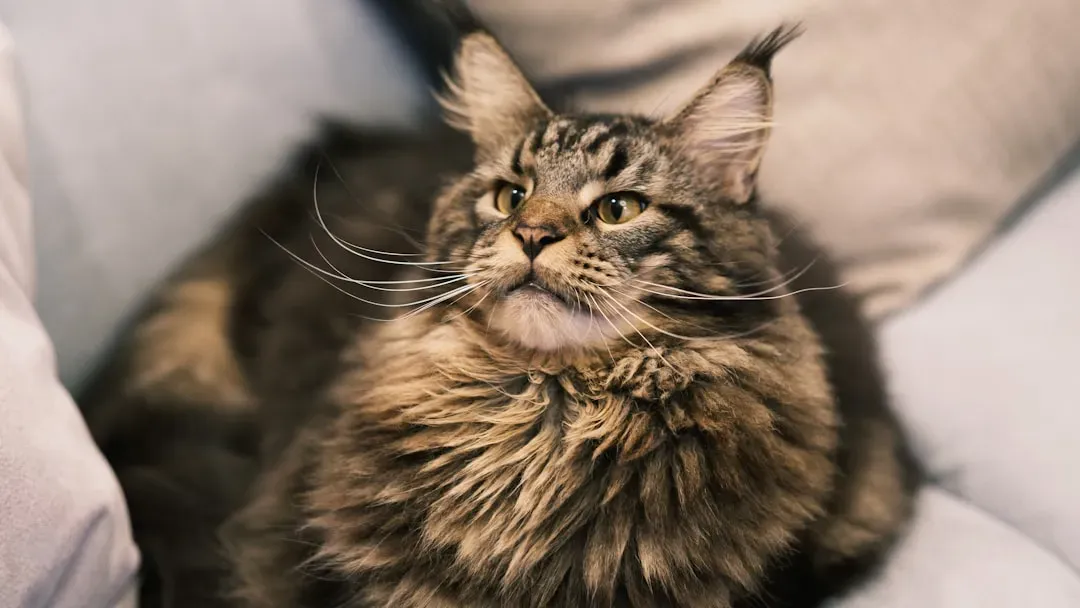
Dental disease is common across most cat breeds, and Maine Coons are no exception, especially since their larger jaw structure doesn't automatically protect them from plaque buildup or gum inflammation. Left unchecked, dental issues can lead to pain, tooth loss, and even affect other organs since bacteria from an infected mouth can enter the bloodstream.
Getting your cat used to having their teeth brushed early on makes a huge difference, and there are cat-specific toothpastes that make the process more tolerable for both of you. Dental treats and vet-recommended dental diets can help between brushings, but nothing fully replaces a physical brushing routine or the occasional professional cleaning your vet might suggest during a checkup.
#6 Manage shedding with the right tools and timing
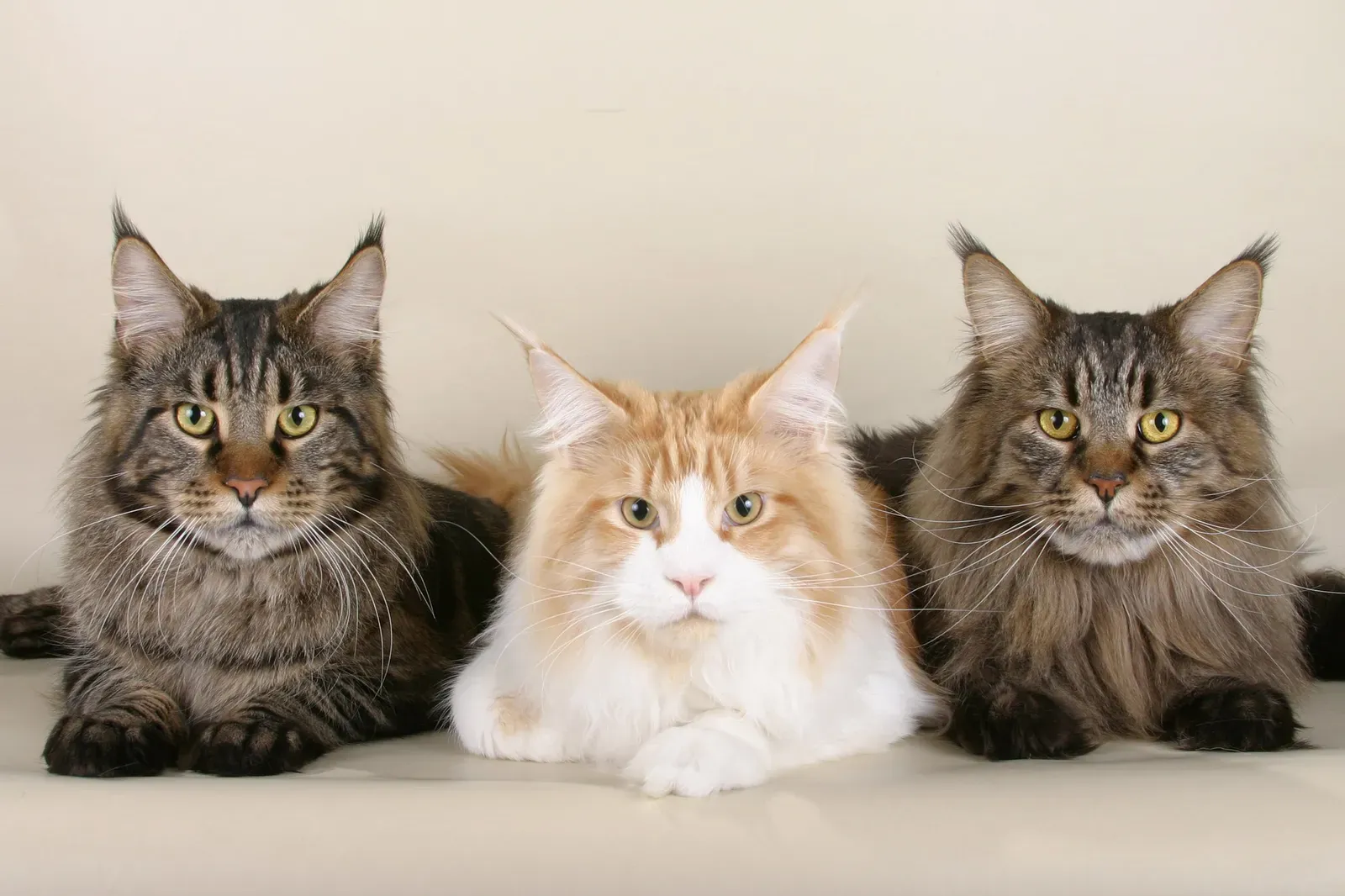
Beyond regular brushing, Maine Coons go through noticeable seasonal shedding, particularly in spring as they lose their thick winter undercoat. This is the time to step up grooming frequency temporarily, sometimes daily, to keep loose fur from ending up all over your furniture or forming mats before you even notice them.
A deshedding tool made for double-coated breeds can be a genuine game changer during these heavier shedding periods, pulling out loose undercoat without damaging the topcoat. Bathing a Maine Coon every couple of months, something many owners are surprised to learn these cats often tolerate well given their semi-water-resistant coat, can also help loosen dead fur and keep skin healthy underneath all that volume.
#7 Socialize them early and keep them engaged with people
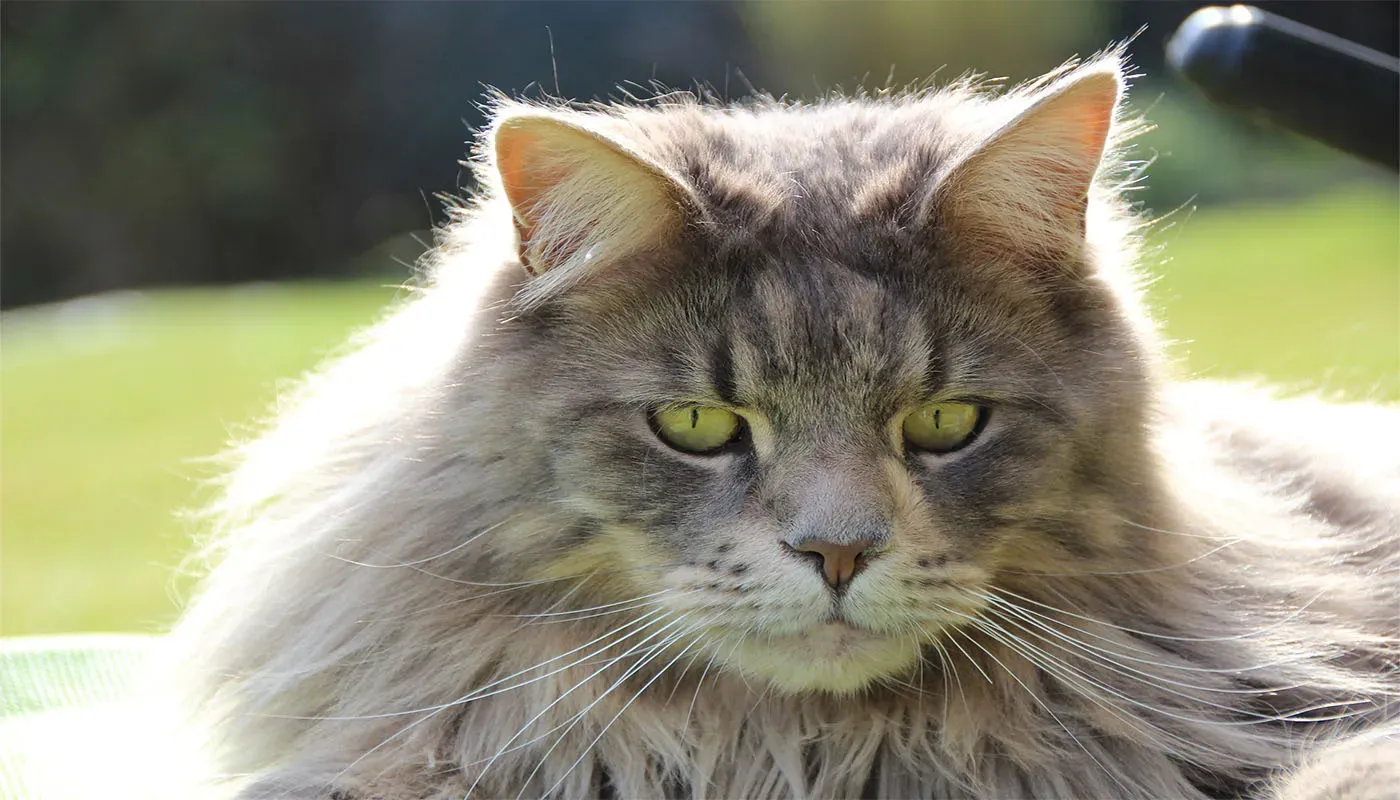
Maine Coons are famously sociable, often described as friendly toward strangers and genuinely attached to their families, which makes early socialization worth taking seriously if you want that temperament to shine through consistently. Exposing kittens to different people, sounds, and gentle handling in their first few months helps set the stage for the easygoing, people-oriented adult cat this breed is known for.
Because they bond closely with their households, Maine Coons don't do particularly well being left alone for long stretches, and many owners describe them as wanting to be involved in whatever's happening at home. If your schedule keeps you away often, considering a second pet for companionship or making extra effort with daily interaction can prevent the loneliness that sometimes shows up as destructive behavior in an otherwise mellow breed.
Final Thoughts