10 Cat Breeds That You Just Can't Leave Alone At Home
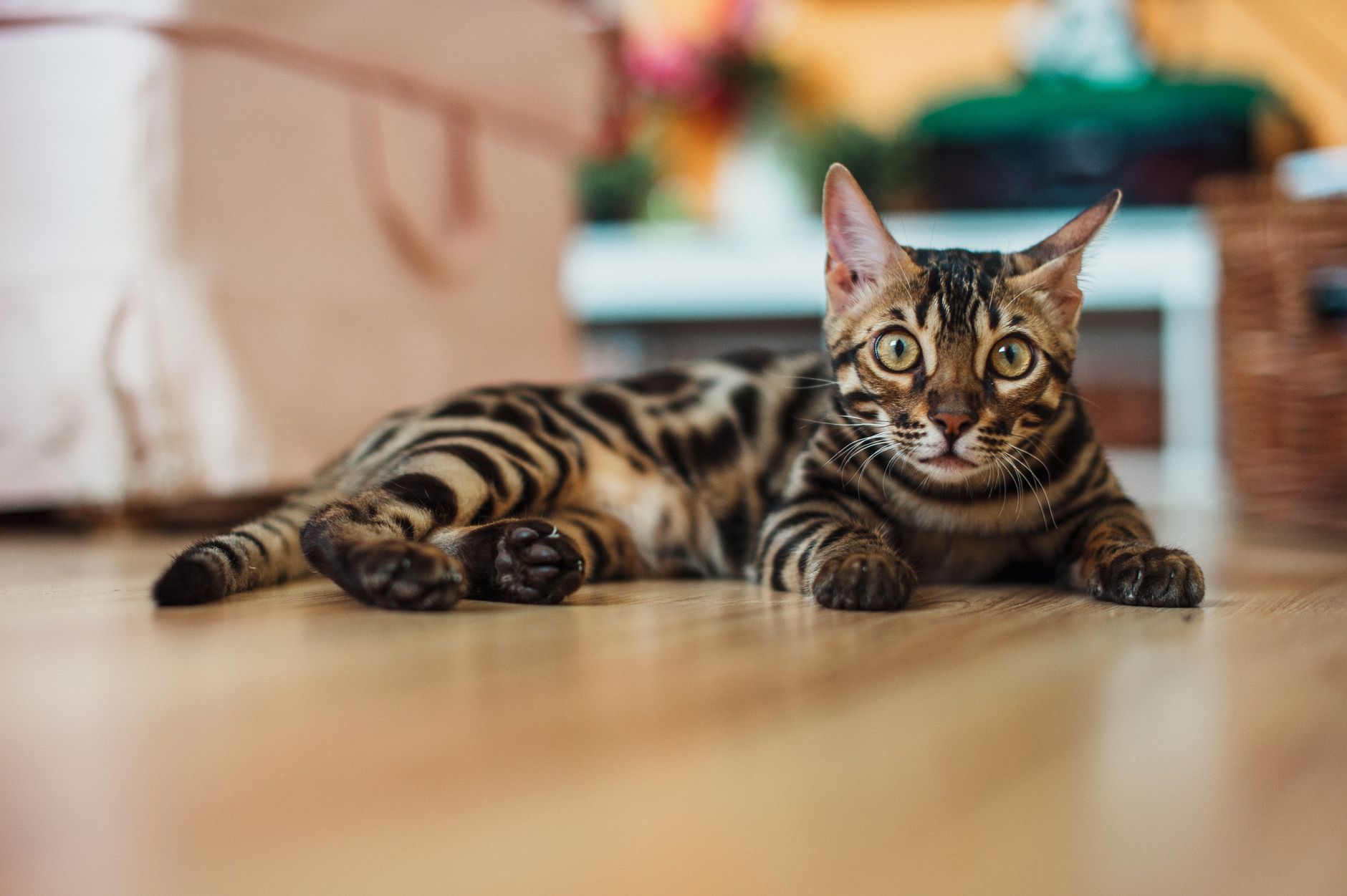
Most cat owners assume their pets are perfectly happy spending the day solo. But veterinary behaviorists now say that's one of the biggest misconceptions in pet ownership—certain breeds suffer genuine psychological distress when left without companionship for extended periods.
The breeds below aren't just "social." They're hardwired for constant interaction, and leaving them alone for a standard workday can trigger destructive behavior, vocalization issues, and even physical health problems. Here's what the data actually says.
#10 — The Burmese Will Literally Follow You Room to Room
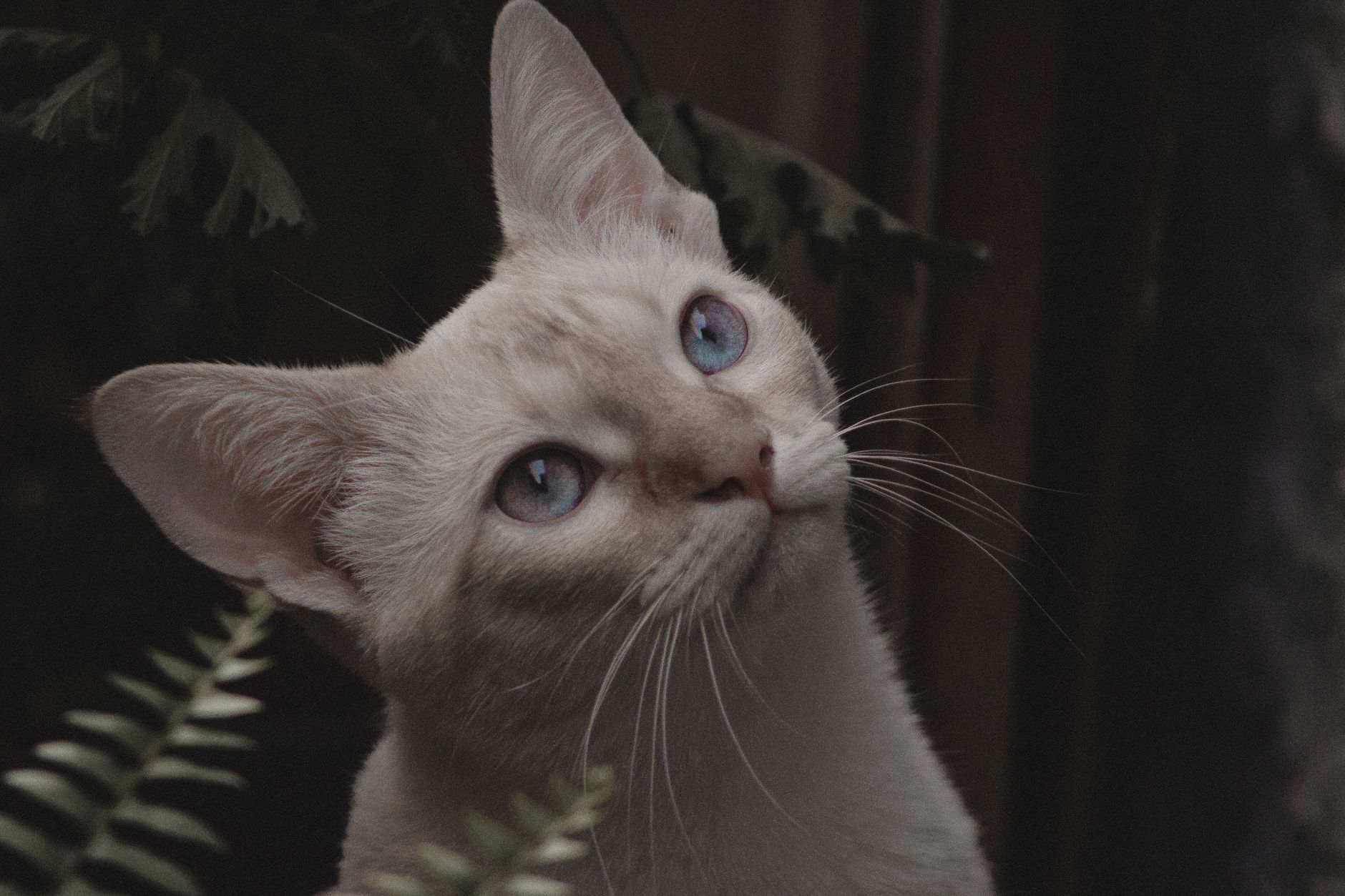
Burmese cats are often called "dog-like," but that undersells the reality—they're more accurately described as Velcro animals that cannot self-soothe in isolation.
This breed was selectively developed in the 1930s for temperament as much as appearance. Breeders prioritized cats that sought human contact obsessively. The result is a animal that interprets closed doors as rejection.
A 2019 UC Davis study found that Burmese left alone for more than six hours showed cortisol spikes comparable to separation anxiety in canines. They don't just prefer company. Their stress hormones prove they need it.
Owners report Burmese cats waiting at windows, vocalizing for hours, and refusing food when left solo. These aren't behavioral quirks—they're distress signals.
But that's nothing compared to #9...
#9 — Siamese Cats Vocalize Until Neighbors Complain
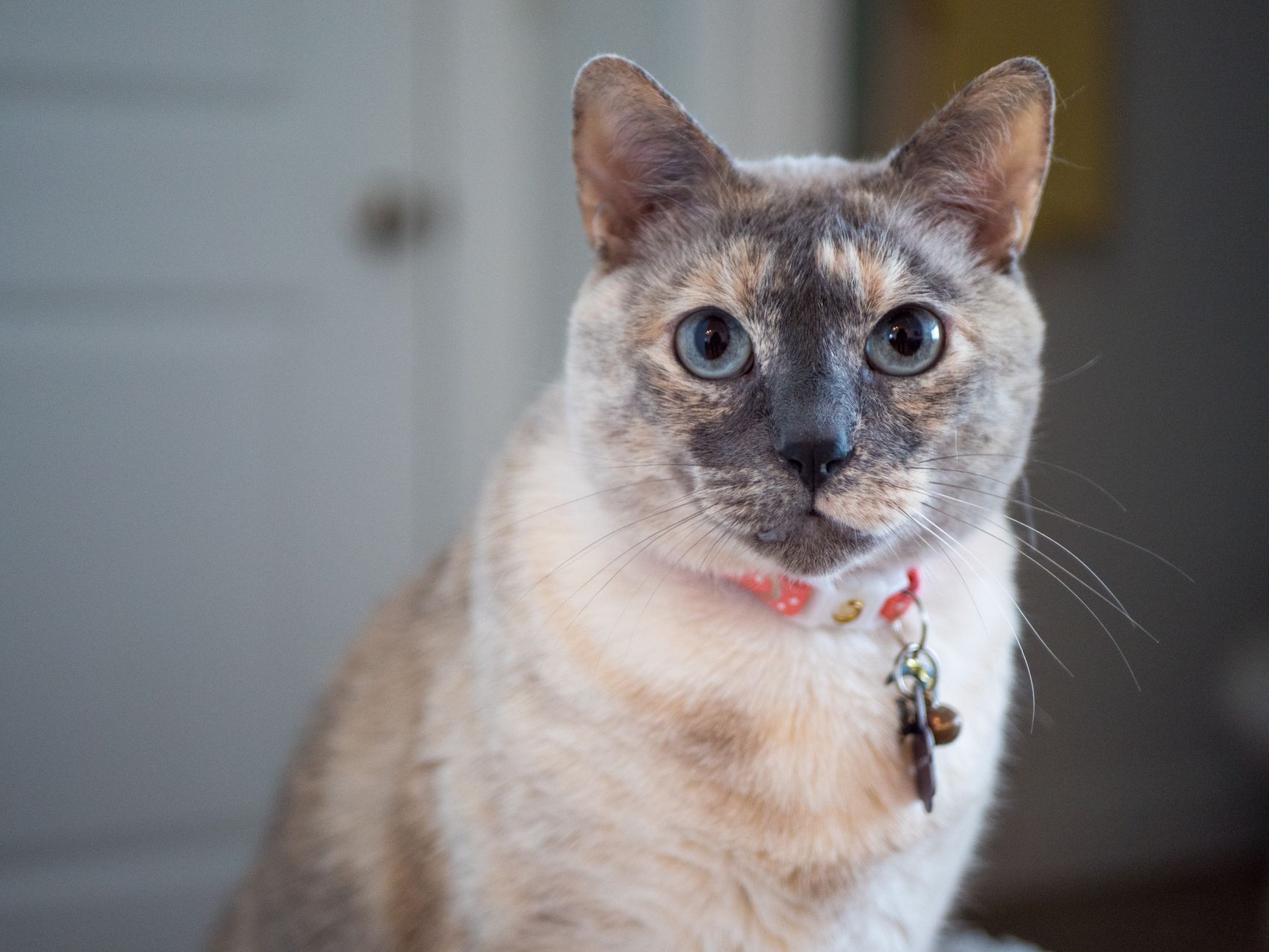
The Siamese is the breed most frequently surrendered to shelters specifically for "excessive vocalization"—and it happens almost exclusively in single-cat, working-owner households.
Siamese were temple cats in Thailand, living in large colonies with constant stimulation. Modern breeding hasn't dimmed that need. They're hardwired to communicate all day.
Left alone, a Siamese doesn't get quieter. It gets louder. Owners describe 8-hour crying sessions that carry through apartment walls.
Animal behaviorists note the vocalization isn't random. Siamese use distinct "calls" when alone—sounds they don't make when humans are home. The working theory is they're trying to summon their colony back.
One apartment complex in Portland now lists Siamese on its restricted breed policy, right next to large dogs. The reason given: noise complaints.
But even Siamese seem independent compared to #8...
#8 — The Ragdoll Goes Limp With Depression When Solo
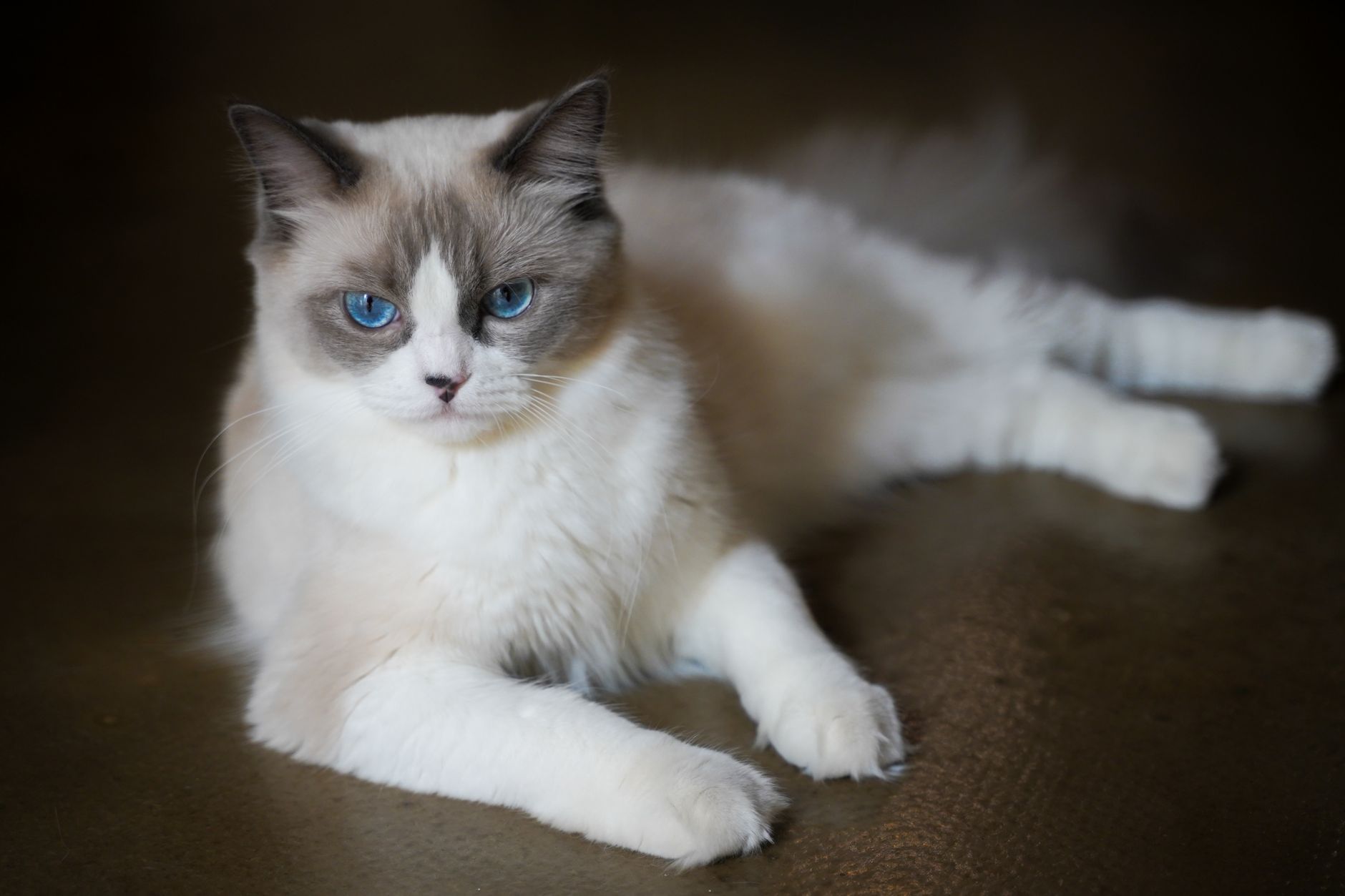
Ragdolls earned their name by going limp when picked up, but owners report a darker version of that trait: physical listlessness when left alone for repeated stretches.
This breed was developed in California in the 1960s specifically for docility and human attachment. The breeder, Ann Baker, selected only the calmest, most people-focused cats. She succeeded too well.
Ragdolls left alone for standard work hours often refuse to play, groom, or even move much when their owners return. Vets call it "learned helplessness"—the cat stops trying to self-comfort because it's learned nothing works.
One Cornell study tracked Ragdoll activity monitors and found that cats alone for 8+ hours moved 60% less than those with companionship, even during "active" evening hours. The physical shutdown persisted after owners came home.
These cats don't adapt to solitude. They shut down in response to it.
But at least Ragdolls are quiet about it, unlike #7...
#7 — Tonkinese Cats Develop Destructive Behaviors in Hours, Not Days
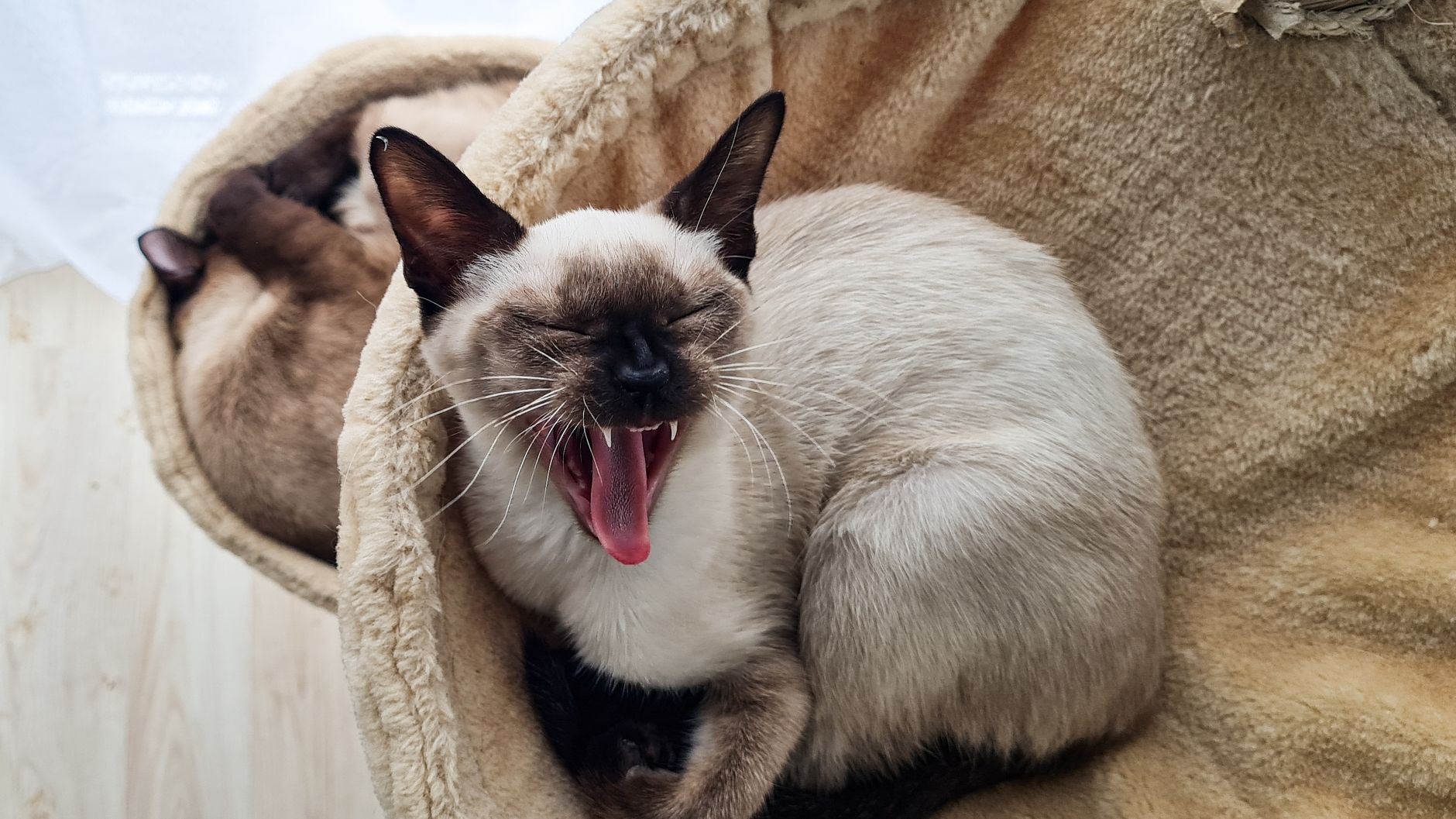
Most cats take weeks to develop separation anxiety behaviors. Tonkinese can start shredding curtains by day three of a new work schedule.
This breed is a Burmese-Siamese hybrid, meaning it inherited the neediness of both parents. Breeders describe the Tonkinese temperament as "relentlessly interactive." That's marketing language for "cannot be alone."
The destructive behavior isn't random, either. Tonkinese specifically target owner-scented items—clothing, bedding, even shoes. Behaviorists interpret this as proximity-seeking, not spite.
One study from UC Berkeley's animal behavior lab found that Tonkinese in isolation engaged in destructive behavior 4x more frequently than shorthair mixes in the same conditions. The variable was breed, not environment.
Owners who work from home report zero issues. Owners who don't report replacing furniture.
But even they can be left for short periods, unlike #6...
#6 — The Sphynx Gets Cold and Anxious Without Body Heat
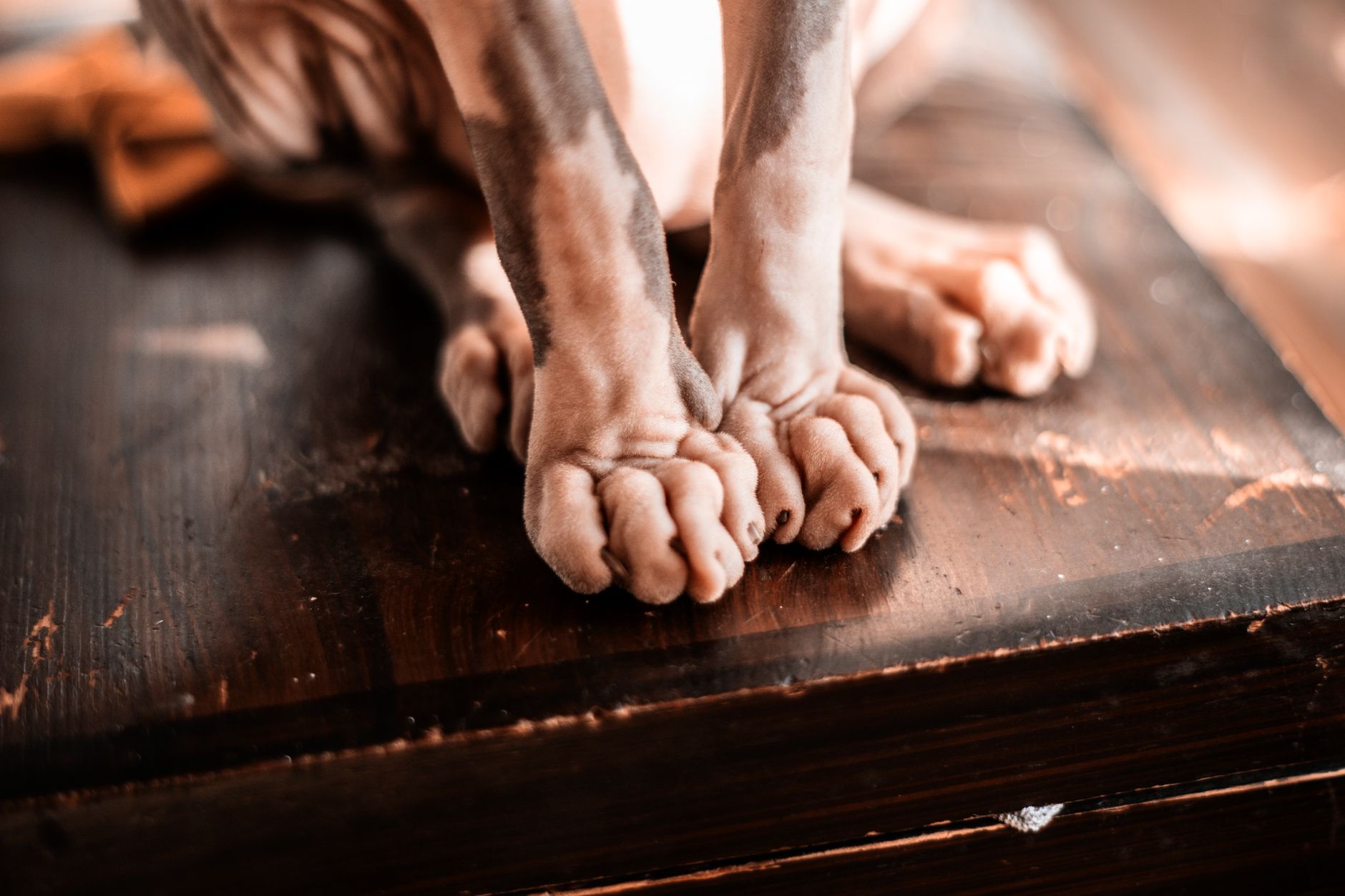
The hairless Sphynx has a biological reason it can't be left alone—it struggles to thermoregulate without an external heat source, and that source is usually you.
Sphynx cats have body temperatures 4 degrees higher than other breeds. They burn calories just staying warm. In a typical climate-controlled home, a Sphynx alone for 8 hours will seek heat constantly—and if none is available, stress hormones spike.
Owners report finding their Sphynx cats inside clothes dryers, under refrigerator coils, and even on top of running laptops. These aren't cozy naps. They're desperate heat-seeking.
The anxiety compounds the problem. Stressed cats burn even more calories, making them colder, which increases anxiety. It's a feedback loop.
Vets now recommend heated beds and companion animals for any Sphynx in a working household. Leaving them solo isn't just lonely for the cat—it's physically uncomfortable.
But at least the Sphynx tolerates other pets, unlike #5...
#5 — Abyssinians Demand Constant Mental Stimulation or They'll Create It
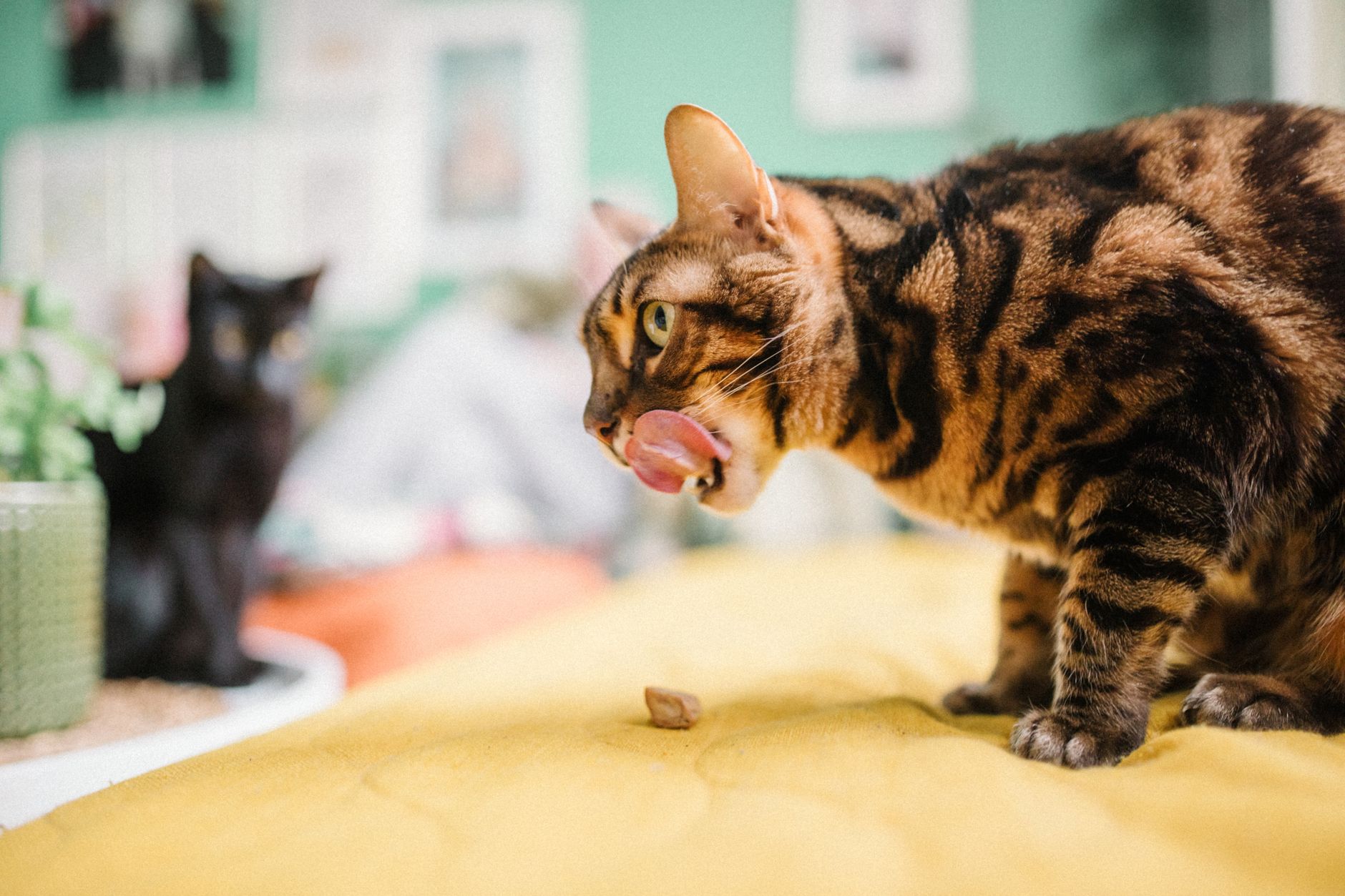
The Abyssinian is what behaviorists call a "high-drive" breed, and high-drive animals left unstimulated don't relax—they find outlets, and you won't like the outlets they choose.
This breed is believed to descend from ancient Egyptian cats bred for hunting and activity. Modern Abyssinians still carry that energy load. They're not content to sleep 16 hours a day like a typical housecat.
Left alone, Abyssinians open cabinets, knock objects off shelves, and have been documented turning on faucets. One viral video shows an Abyssinian systematically removing every book from a shelf—not knocking them down, but pulling them out one by one.
Behaviorists say it's not mischief. It's problem-solving behavior with no appropriate problem to solve. The cat is bored to the point of stress.
A survey of Abyssinian owners found that 74% reported destructive behavior, and nearly all of it occurred during work hours, not evenings. The cats behaved when humans were home.
But Abyssinians at least stay on the ground, unlike #4...
#4 — The Bengal Will Tear Your House Apart Looking for You
Bengals are partially descended from wild Asian leopard cats, and that ancestry shows—they're the breed most likely to cause actual property damage when left alone.
This isn't a housecat that knocks over a plant. Bengals have been documented tearing down curtain rods, ripping up carpet, and even damaging drywall. One insurance claim in Michigan listed $4,000 in damage from a single Bengal left alone for a weekend.
The behavior stems from their wild heritage. Leopard cats are solitary hunters, but they're also intensely territorial and don't tolerate confinement well. A Bengal in an empty house interprets the situation as "trapped," not "home alone."
Owners describe coming home to scenes that look like break-ins. The destruction is that thorough.
Behaviorists note that Bengals are one of the only breeds that show no habituation to alone time—meaning they don't "get used to it" over weeks or months. Every separation triggers the same panic response.
But even Bengals calm down eventually, unlike #3...
#3 — The Scottish Fold Develops Physical Illness From Loneliness
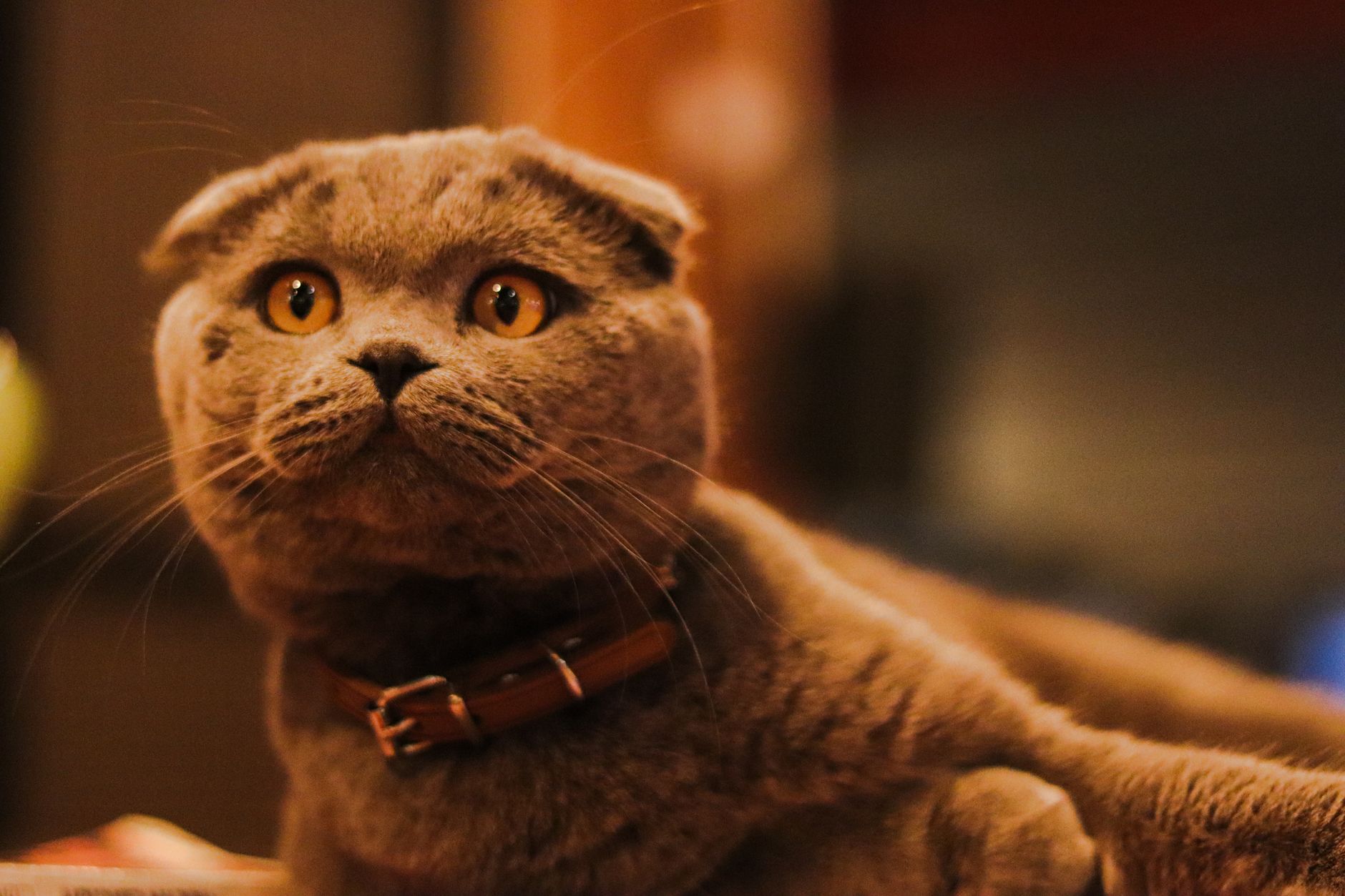
Scottish Folds are prone to a cartilage disorder that affects their joints—and stress from isolation measurably worsens the condition.
The signature folded ears are caused by a genetic mutation that also impacts cartilage throughout the body. Many Scottish Folds develop arthritis-like symptoms even as young cats. Stress hormones accelerate the deterioration.
A veterinary study in Scotland tracked two groups of Folds—one in multi-pet homes, one as solo cats with working owners. The solo cats showed joint issues 18 months earlier on average. The variable was companionship.
Beyond the physical issues, Scottish Folds are clingy even by cat standards. They're described as "low-energy Velcro cats"—they don't demand play, they just demand presence.
Owners report Folds that won't eat until someone sits with them. Others refuse to use the litter box when alone, then go immediately when the owner returns. It's not defiance—it's anxiety.
But at least Scottish Folds are quiet sufferers, unlike #2...
#2 — The Oriental Shorthair Will Scream Itself Hoarse
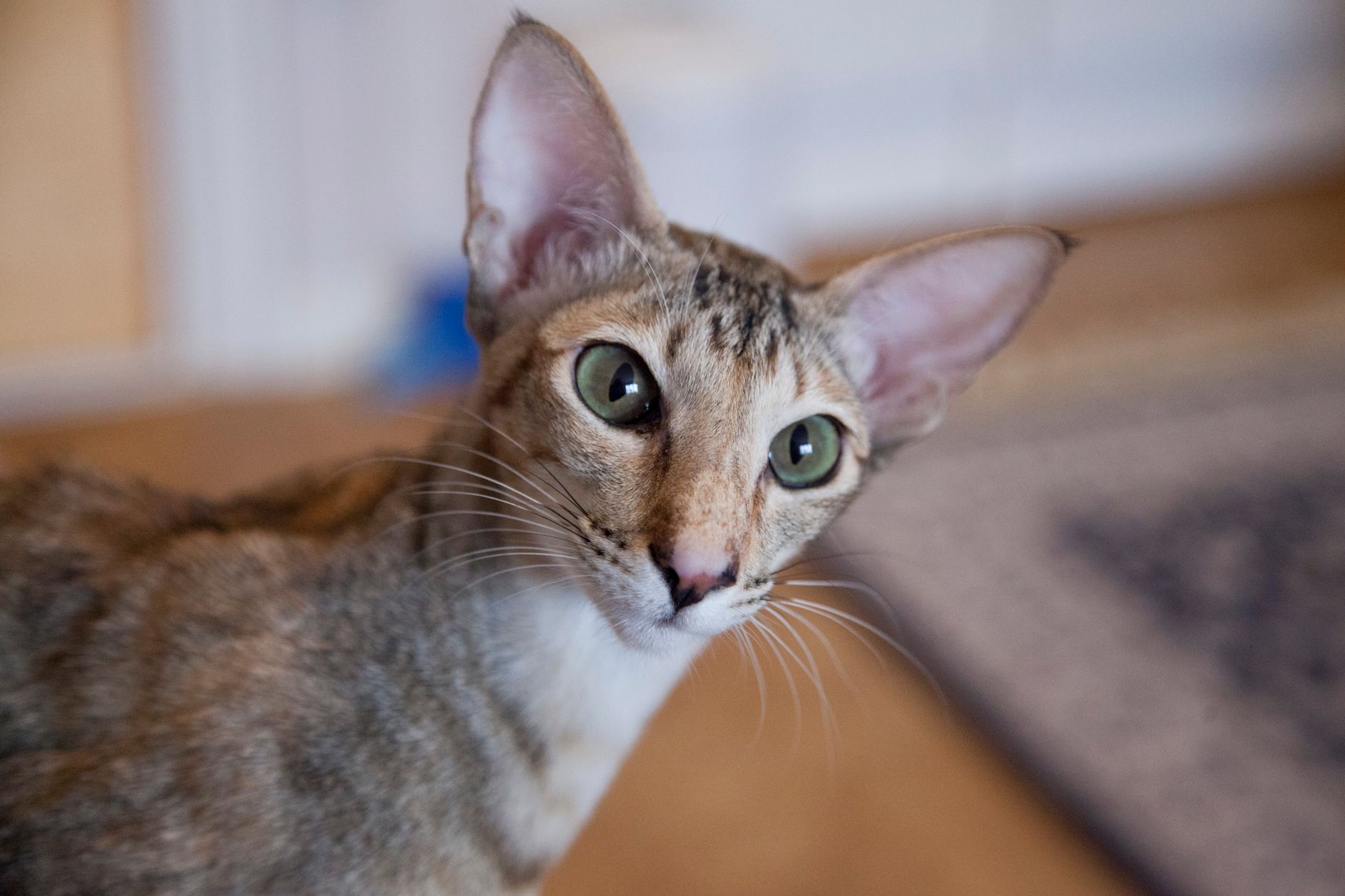
If you've ever heard a cat that sounds like it's being tortured, you've heard an Oriental Shorthair left alone.
This breed is a Siamese relative, and it inherited the vocalization trait but amplified it. Oriental Shorthairs have a wider vocal range than any other domestic cat—they can hit pitches that sound nearly human.
Left alone, they use that range. Owners describe sounds like babies crying, women screaming, and even words. The vocalization can last for hours without a break.
One apartment building in Seattle installed decibel monitors after complaints, and a single Oriental Shorthair registered levels comparable to a smoke alarm—85 decibels sustained for over an hour. The owner was asked to rehome the cat or leave.
The vocalization isn't attention-seeking in the normal sense. It's a distress call. Oriental Shorthairs are trying to summon help because they genuinely believe they're in danger when alone.
Behaviorists now recommend this breed only for retired owners or work-from-home households. There's no training solution—the instinct is too hardwired.
But even they're easier than #1...
#1 — The Devon Rex Forms Attachments So Intense They're Considered Codependent
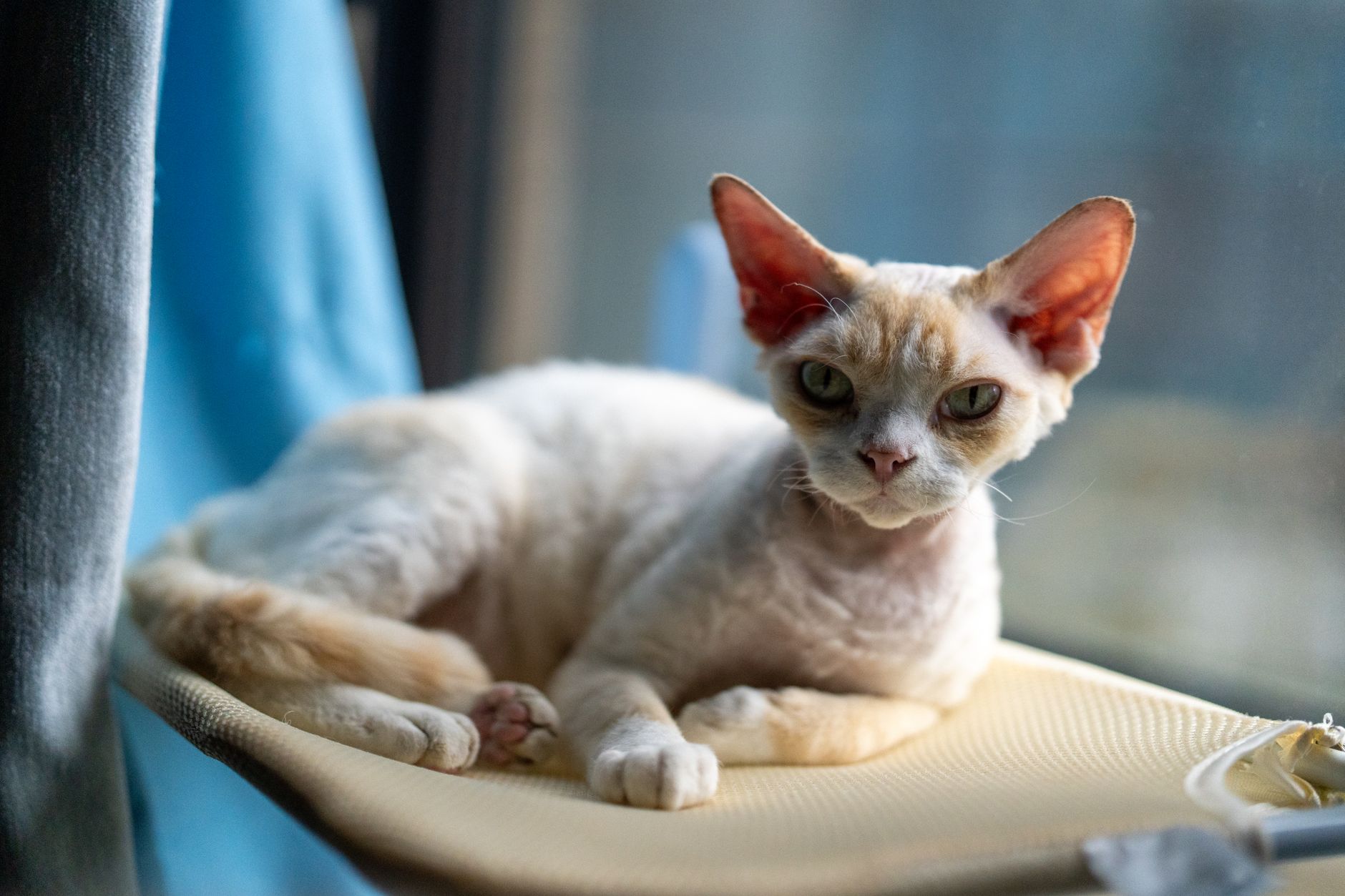
The Devon Rex isn't just social—it's the only breed where veterinary literature uses the term "pathological attachment" to describe normal behavior.
These cats don't want to be near you. They want to be on you, touching you, every minute you're home. They sleep on faces, sit on laptops during work, and follow owners into bathrooms and showers.
A study from the University of Lincoln found that Devon Rex cats separated from their primary human showed stress behaviors indistinguishable from human children with severe separation anxiety. The comparison wasn't metaphorical—the hormone panels were nearly identical.
The attachment goes beyond behavior. Devon Rex cats have been documented refusing food for days when their primary owner travels, even when other family members are present. They don't bond with households—they bond with individuals.
Breeders now screen potential owners specifically for work schedules. A Devon Rex in a single-person household where the owner works full-time is considered an ethical issue, not just a compatibility problem.
One rescue organization in California stopped adopting out Devon Rex cats entirely after three were returned in crisis within a month. All three had stopped eating, grooming, and using litter boxes. All three recovered within days of being placed in homes with stay-at-home owners.
The breed is sometimes called "the most dog-like cat," but that undersells it. Many dogs tolerate alone time better than a Devon Rex.
The Bottom Line
If you work a standard schedule and live alone, these ten breeds aren't just "challenging"—they're genuinely incompatible with your lifestyle, and the consequences aren't cosmetic. We're talking about documented health impacts, property damage, and behavioral issues that don't resolve with time or training.
The good news is awareness is rising. More breeders now screen for work schedules, and some require proof of a multi-pet household or work-from-home arrangement before selling these breeds.
The mistake isn't getting a social cat—it's assuming "social" means "likes company" rather than "requires company to function." These ten breeds cross that line.
Did we miss one? Drop it in the comments.