Cat Research Says Cats Who Approach You After You Speak May Be Responding to More Than the Sound of Their Name
If you’ve ever called your cat and watched them trot over like they actually understood you, you might have wondered whether it was a fluke, wishful thinking, or something more. In recent years, researchers have been quietly showing that your cat is not just reacting to random noise; they may be picking up on who you are, how you sound, and what kind of emotional message you’re sending.
When you talk to your cat, you are not just tossing sounds into the air. You are giving them information about safety, attention, and connection. The science around cats and human speech is still growing, but what we do know already is surprisingly rich: your cat can recognize your voice, distinguish their name from other words, and possibly respond to the emotional tone behind what you say. In other words, when they walk toward you after you speak, they may be responding to something much deeper than just syllables.
You Are Not Imagining It: Your Cat Really Can Recognize Your Voice

You might feel a little bit flattered to know this: your cat can tell your voice apart from everybody else’s. In several observational studies, cats were played recordings of different human voices, including their owner’s, while researchers tracked changes in ear position, head movements, and eye reactions. The cats consistently showed stronger reactions to their familiar person’s voice, even when they did not move their bodies much.
For you, this means that when you speak from another room and your cat looks up, swivels their ears, or slowly walks over, they are likely responding to the fact that it is you, not just any human. Your voice is like an acoustic home base: it signals familiarity and, usually, safety. So if your cat approaches after you call them, you can reasonably assume they are responding at least partly to your identity, not just to a random sound.
It’s Not Just the Name: Your Cat Hears Patterns, Rhythm, and Tone
You might think your cat is only keying in on their name, but it is more likely they are hearing an entire pattern. Cats are very good at picking up on the rhythm and melody of your speech, sometimes called its prosody. When you say their name in that special “cat voice” you use, you are pairing a consistent sound pattern with attention, treats, or affection.
Over time, your cat starts to associate not only the word itself but also the pitch, speed, and emotional flavor of your voice with certain outcomes. That is why you might notice your cat paying attention when you use a gentle, singsong style, but walking away when you mutter sharply, even if you technically say the same name. To your cat, your way of speaking is like the theme music that tells them whether a scene is going to be cozy, exciting, or stressful.
Your Cat May Be Reading Your Emotional Tone More Than Your Words
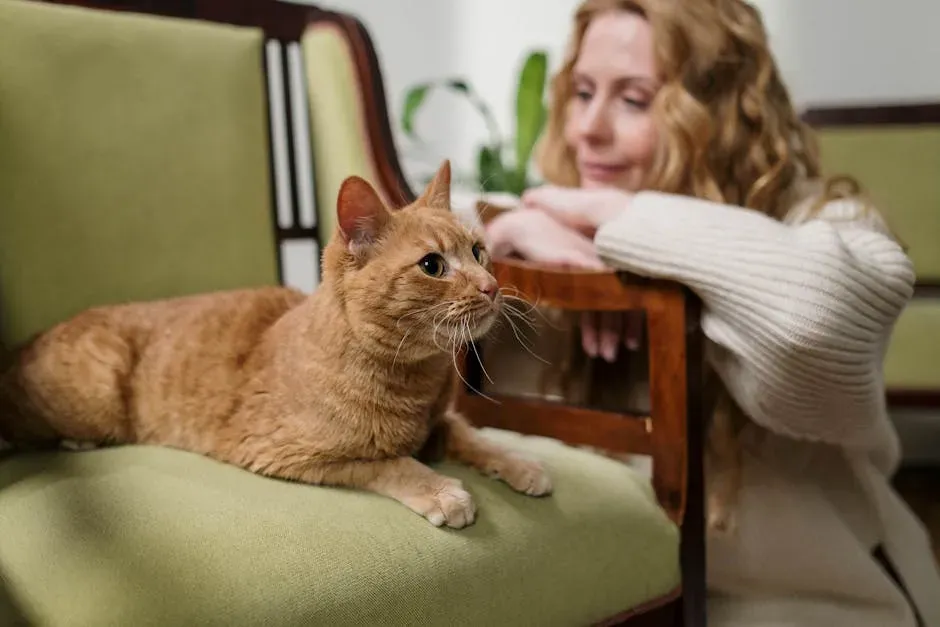
If you have ever comforted your cat after a loud noise or a visit to the vet, you have probably noticed that your tone matters more than your exact words. Even though your cat does not understand language the way you do, they can still sense when your voice is calm, tense, excited, or irritated. Cats in research settings have shifted their behavior when human voices played in different emotional tones, showing more relaxed or cautious postures depending on what they heard.
In your everyday life, this means that when you calmly say your cat’s name, they are likely picking up on your emotional state as much as the label itself. A soft, inviting tone can draw them closer, while a sharp or frustrated tone might make them pause or keep their distance. When your cat approaches you after you speak, they could be responding to the emotional signal that you are safe, engaged, and open to interaction.
Context Is Everything: Your Cat Also Responds to What Usually Happens Next

Your cat is constantly collecting data on you, probably more than you realize. They notice that when you call them in the kitchen, food often appears. When you say their name while sitting on the couch and patting the cushion, cuddles usually follow. Over time, your voice becomes part of a larger context that includes location, body language, time of day, and routine.
So when you call your cat and they approach, they may be thinking less in words and more in expectations: this sound from this person in this spot usually leads to something good. They are essentially running a mental prediction model based on everything you have done in similar situations before. You can use this to your advantage by pairing your voice with positive experiences, making it more likely that your cat comes when you call for something other than dinner.
Your Body Language and Gaze Help Your Cat Decide Whether to Come Closer
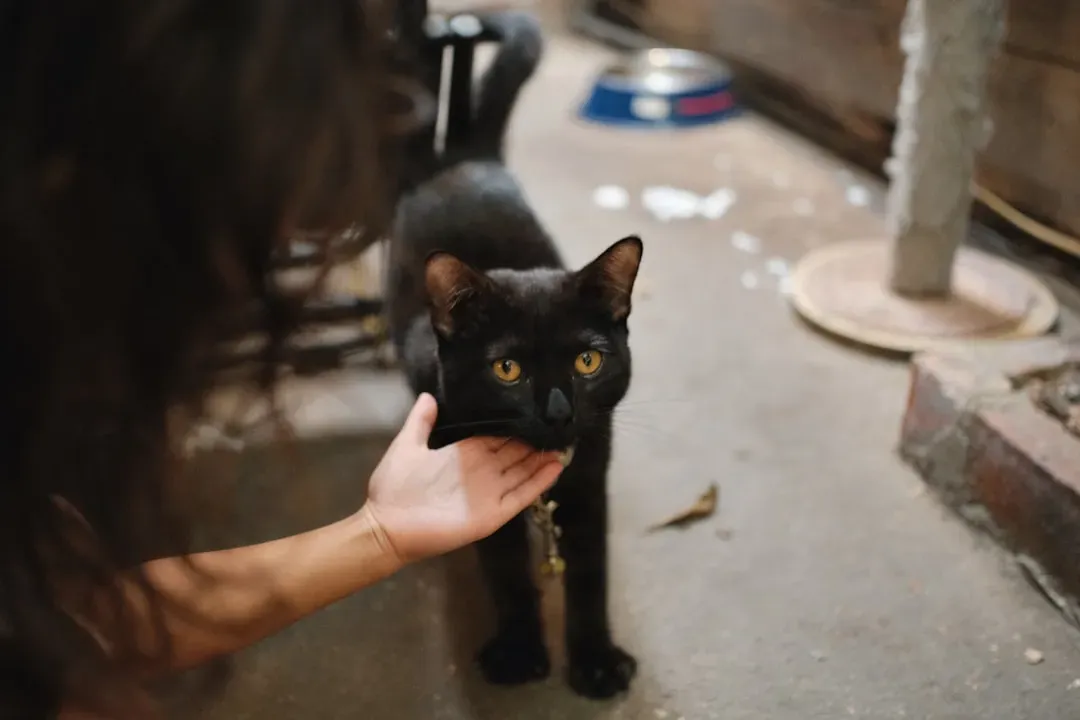
Even if you do not realize it, you talk with more than your mouth. When you call your cat, your posture, gaze, and movements all send signals. Cats have been shown to respond differently when humans make direct eye contact, look away, crouch low, or stand tall. A soft gaze, a relaxed body, and slow movements make you look safer and more inviting from a feline point of view.
If your cat walks toward you after you speak, they may be responding to this full package of cues, not just the sound of your voice. Try experimenting: call their name while making yourself smaller by sitting or kneeling, and soften your gaze instead of staring. You may find that your cat is more willing to come close because your whole presence, not just your words, is telling them it is safe and worthwhile.
Biscuit
Biscuit is looking at you hopefully.
Familiarity and Bonding Shape How Your Cat Responds to Your Voice
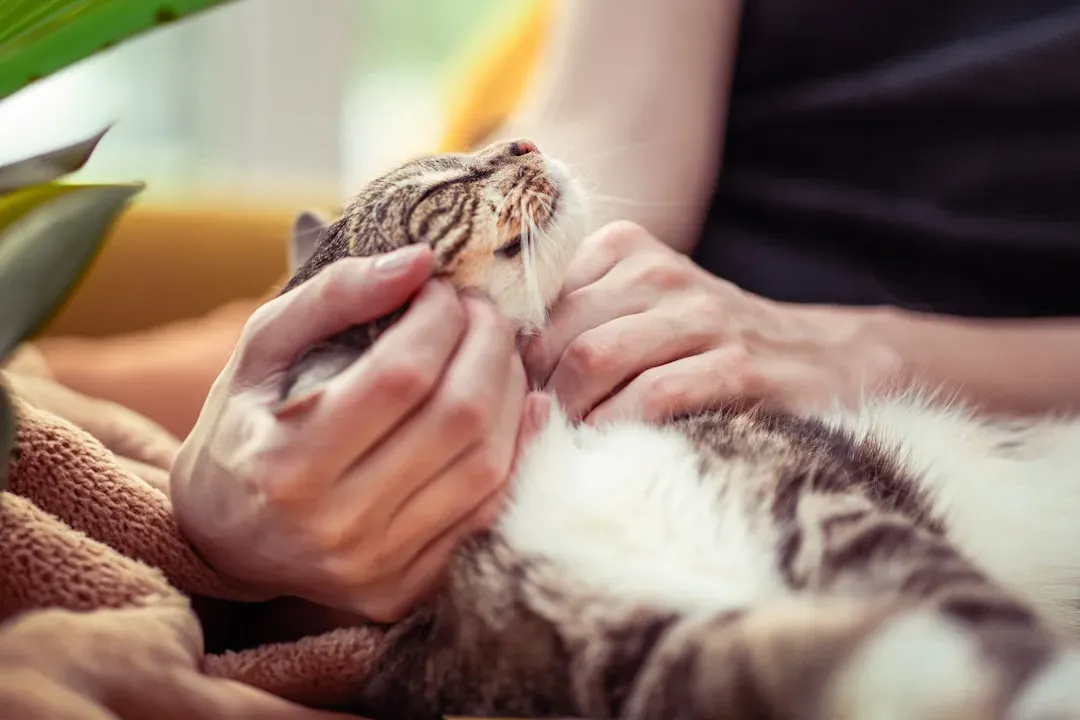
The longer you live with your cat, the more personal your voice becomes to them. Cats who share strong bonds with their humans are more likely to follow them, respond to their calls, and stay nearby. Your daily routines - feeding, playing, grooming, gentle talking - turn your voice into a reliable signal of connection and care.
When your cat approaches after you speak, it often reflects the history you have built together. You are not just some noise-making background object; you are a predictable, emotionally significant part of their world. If you consistently speak to your cat kindly, engage with them, and respect their boundaries, you reinforce the idea that coming to you when you call is both safe and rewarding.
Individual Personality Plays a Big Role in How Your Cat Responds
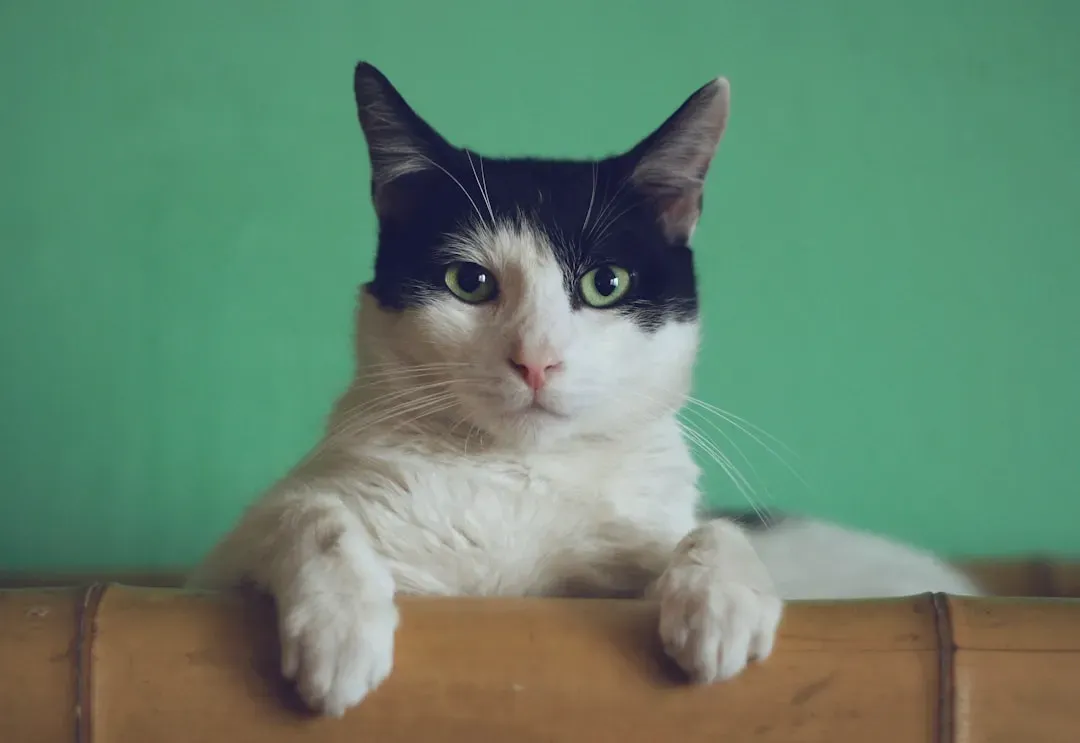
No two cats are truly alike, and that individuality shows up in how they respond to your voice. Some cats are naturally bold and curious, trotting over at the slightest hint that you might be interested in them. Others are cautious or independent, choosing to respond only sometimes, even if they clearly recognize you and their name.
You might notice patterns if you watch closely. A more social cat may come running when you say anything in a cheerful tone, while a shy cat might only respond when you stay very calm and give them space. It helps to treat your cat like a unique person with their own preferences, rather than expecting them to behave like a generic “pet.” When you adjust how and when you speak to match their personality, you are more likely to see those sweet moments where they voluntarily come closer.
How You Can Encourage Rich, Two-Way Communication With Your Cat
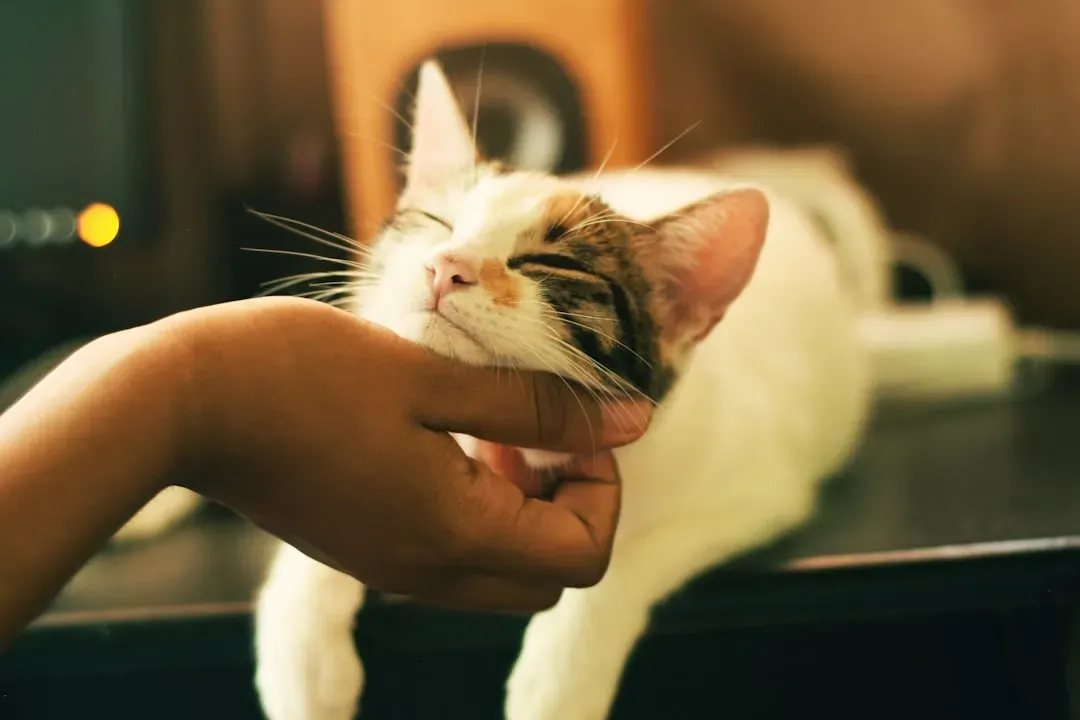
If you want your cat to respond to you more often, you can gently train them without turning your home into a laboratory. Start by pairing their name with good things: treats, play sessions, or cozy petting. Say their name in a consistent, warm tone and reward them when they even look your way, not only when they fully walk over. This builds a positive association with both the sound and the emotional tone behind it.
Over time, you can layer in more subtle communication. Use a softer tone when you want to calm them, a livelier tone when you invite play, and a steady, reassuring voice during stressful moments like vet visits or loud storms. You are teaching your cat the “vocabulary” of your emotions, even without real words. The more you pay attention to how they respond, the better you will get at reading them - and the stronger your invisible line of communication becomes.
Why It Matters That Your Cat Is Responding to More Than Just Their Name
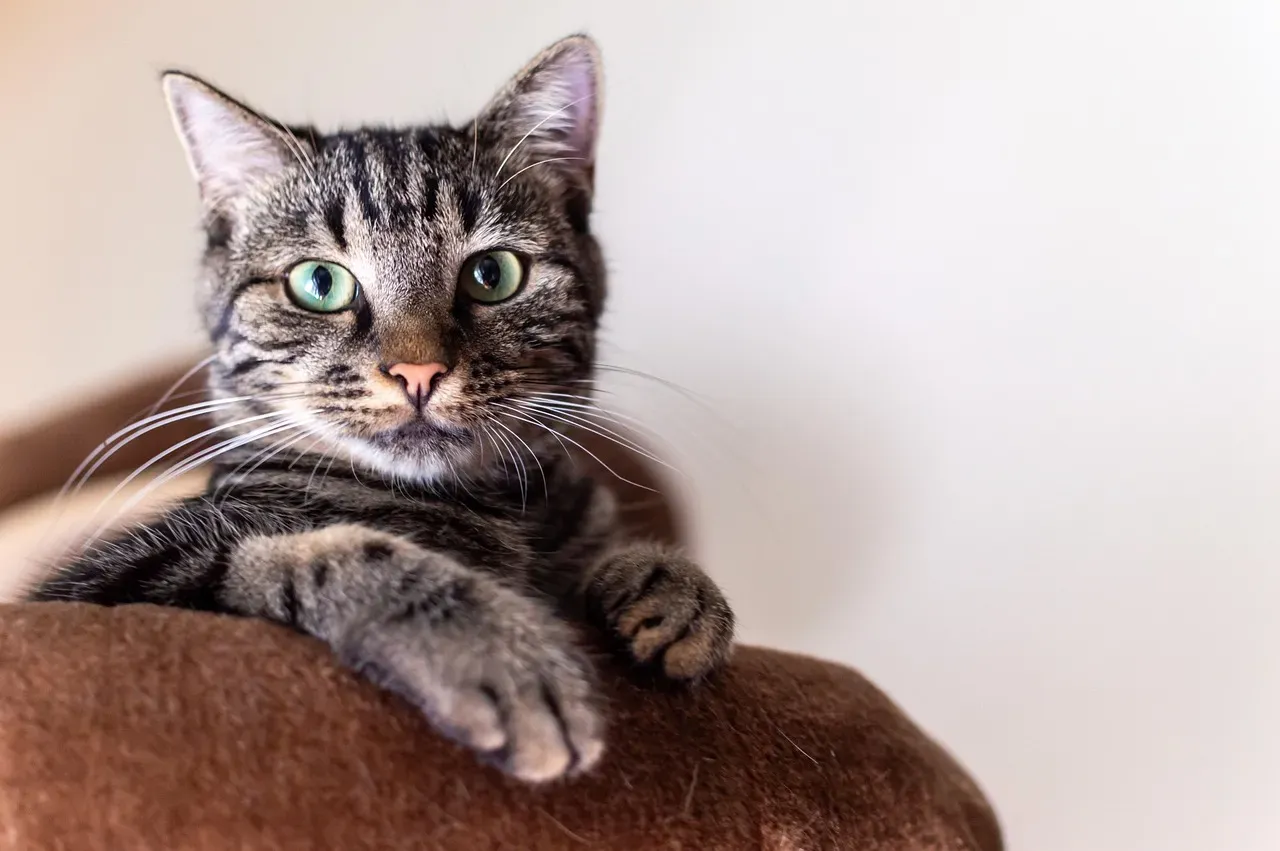
Understanding that your cat may be responding to your identity, tone, and emotional state changes how you see those everyday moments. When they pad over after you speak, you are not just seeing a random reaction; you are seeing a small act of trust and recognition. Your voice carries memories of meals, naps, games, and quiet evenings together, and your cat is reacting to the whole story, not just one word.
This awareness can make you more intentional in how you speak to them. Instead of writing off their reactions as coincidence, you can treat them as signs of a quiet but very real relationship. By respecting their sensitivities and using your voice with care, you turn simple moments - calling their name from across the room, chatting while you make coffee - into tiny threads that keep weaving your bond tighter.
Conclusion: Your Voice Is Part of Your Cat’s Emotional World

When you call your cat and they decide to come to you, there is a lot happening beneath the surface. They are recognizing your voice, reading your tone, remembering what usually follows, and factoring in how safe and connected they feel with you. Their response is less like a mechanical reaction to a sound and more like a small conversation between two very different species who have learned to meet in the middle.
So the next time your cat appears after you speak, you can see it as more than simple name recognition. You are part of their emotional landscape, and your voice is one of the clearest signals in it. If you treat that power with kindness and curiosity, you and your cat can build a richer, more responsive relationship than you might have thought possible. Now that you know what might really be going on, how will you talk to your cat differently today?