Animal Research Says Cats Who Look Back at You Before Entering Another Room May Be Checking More Than Whether You're Following
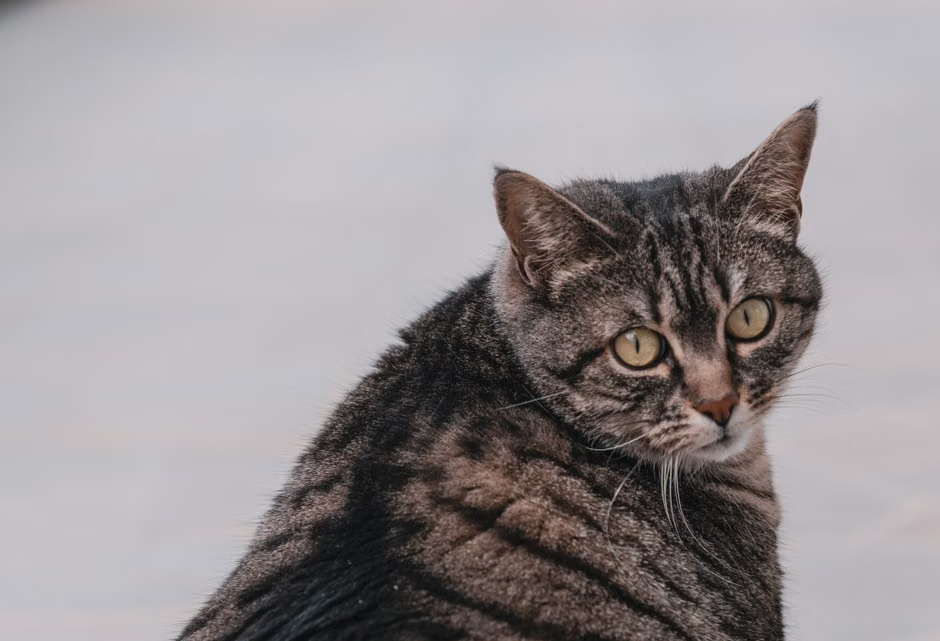
You've probably seen it a hundred times without giving it much thought. Your cat trots toward the hallway, pauses at the threshold, and turns its head back toward you before slipping into the next room. It looks almost like a habit, the kind of small gesture you'd file under "cats being cats" and move on.
Except researchers who study feline behavior have spent years picking apart exactly what's happening in that split second glance. What they've found suggests your cat isn't just glancing back to see if you're tagging along. There's a good chance something more calculated is going on behind those eyes.
The glance is a form of information gathering
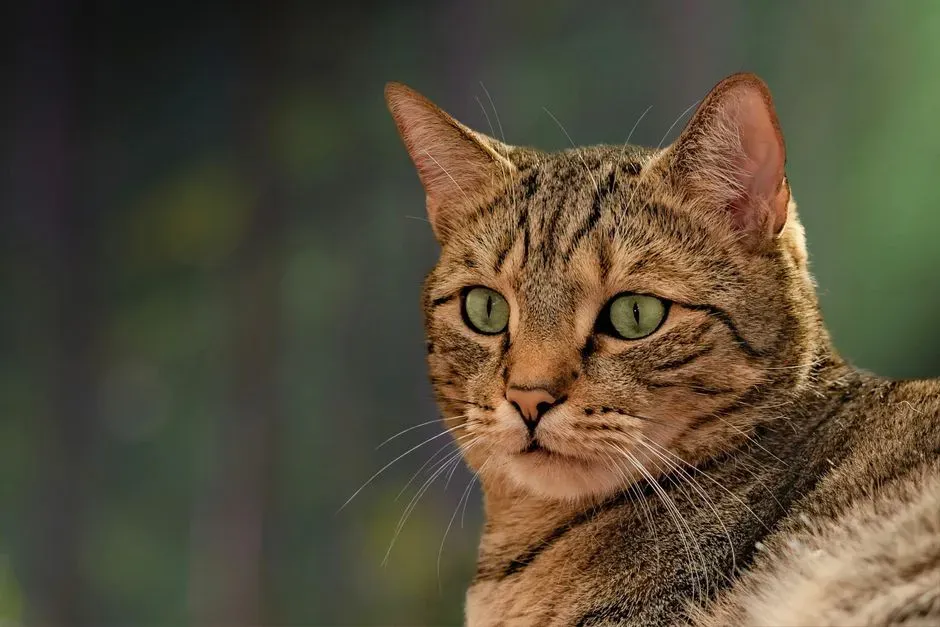
When you watch your cat pause and look at you before committing to a new space, you're witnessing a behavior scientists call referential looking. This is when an animal looks toward a person immediately before or after looking at something uncertain in its environment, essentially checking in for context before making a decision.
A study published in the journal Animal Cognition found that most cats, at about 79 percent, exhibited referential looking between the owner and an unfamiliar object, and also to some extent changed their behavior in line with the emotional message given by the owner. That means your cat's backward glance is likely doing real cognitive work rather than functioning as an idle tic.
Your emotional cues genuinely shape what your cat does next
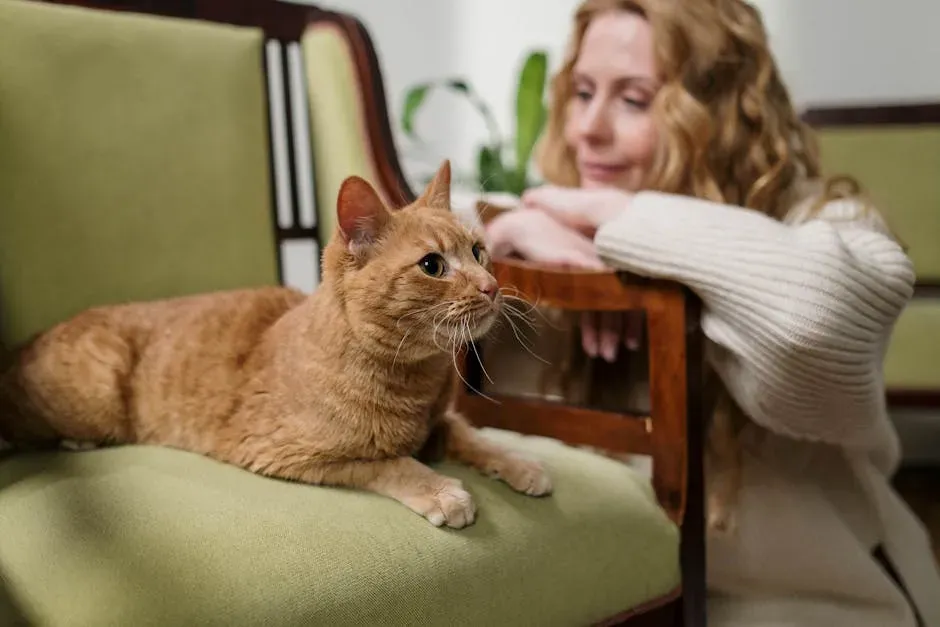
You might assume your face and tone are irrelevant to a species famous for its independence. The research says otherwise. When cat owners were asked to react to something unfamiliar with either a positive or negative tone, the cats picked up on it and adjusted their own behavior accordingly.
In one experiment involving a startling object, cats whose owners responded with visible unease reacted differently than cats whose owners stayed calm and encouraging. Cats in that more anxious group were significantly more likely to alternate their gaze between the object and their owner than cats whose owner reacted positively. Your emotional state, in other words, becomes part of the information your cat is weighing before deciding whether to relax or stay wary.
Cats track your location even after you leave the room
Here's where things get genuinely surprising. You might think your cat's interest in your whereabouts ends the moment you step out of sight, but a team of Japanese researchers found something that challenges that assumption. Using speakers placed in different rooms, they tested whether cats could keep a mental map of where their owner was without any visual confirmation.
The setup involved playing your recorded voice from one location, then suddenly from another, to see if your cat expected the sound to move logically or teleport. According to the findings, these results suggest cats hold a mental representation of the unseen owner and map their owner's location from the owner's voice, showing evidence of socio-spatial cognition. That's a fairly sophisticated mental task for an animal often written off as indifferent to human comings and goings.
The doorway pause is an old survival habit in a modern setting
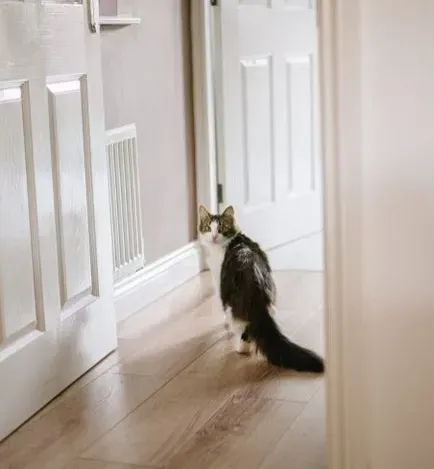
Before you start reading every glance as some deep emotional signal, it helps to remember where this behavior actually comes from. Cats evolved as both predator and prey, which means pausing before entering unfamiliar territory kept them alive long before anyone had a living room to walk into.
That instinct hasn't disappeared just because your cat now lives indoors with regular meals and no real threats lurking behind the couch. As one behavioral analysis put it, the pause at the door is essentially an ancient habit playing out in a modern living room, a brief check-in before committing to a space where the cat cannot yet see everything. Your cat's glance back at you might simply be part of that same cautious ritual, folding you into its assessment of the space ahead.
Body language around the glance tells you what your cat is actually feeling
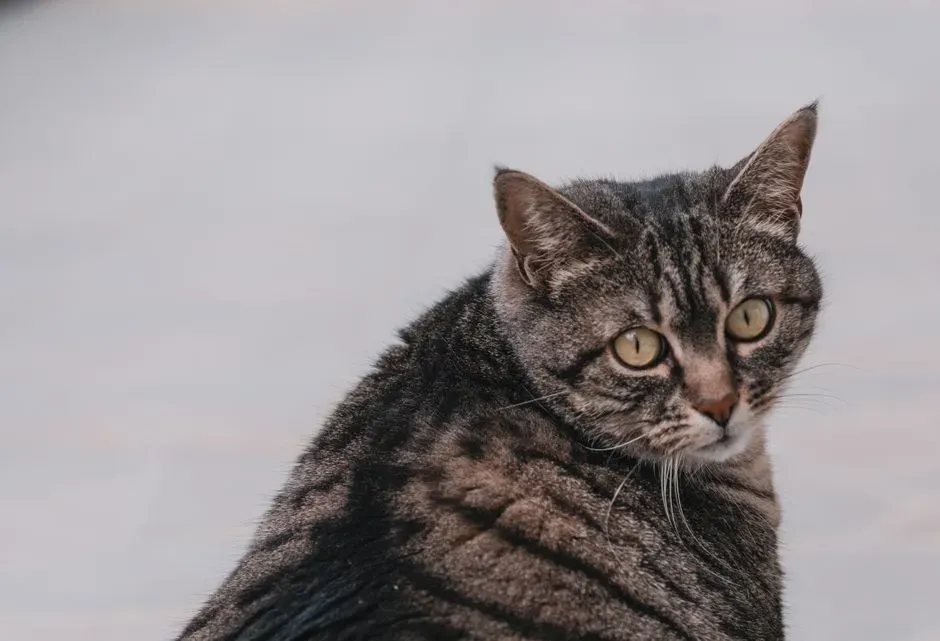
Not every backward look means the same thing, and you can learn to tell the difference if you pay attention to the rest of your cat's posture. A relaxed cat pausing at a doorway usually shows loose ears, a low and easy tail, and maybe a slow blink thrown your way.
That's a world apart from a cat whose ears are pinned back, whose body is crouched low, and whose tail is puffed or thrashing. As one detailed behavioral breakdown explains, a cat with relaxed ears, a loosely held tail, and slow blinking is typically doing a casual scan, gathering information without any real alarm, while a cat whose ears are pinned sideways, whose body is low, and whose tail is puffed or thrashing signals genuine uncertainty or stress rather than simple curiosity. Once you start noticing these details, the doorway glance stops looking random and starts looking like a readable signal.
Biscuit
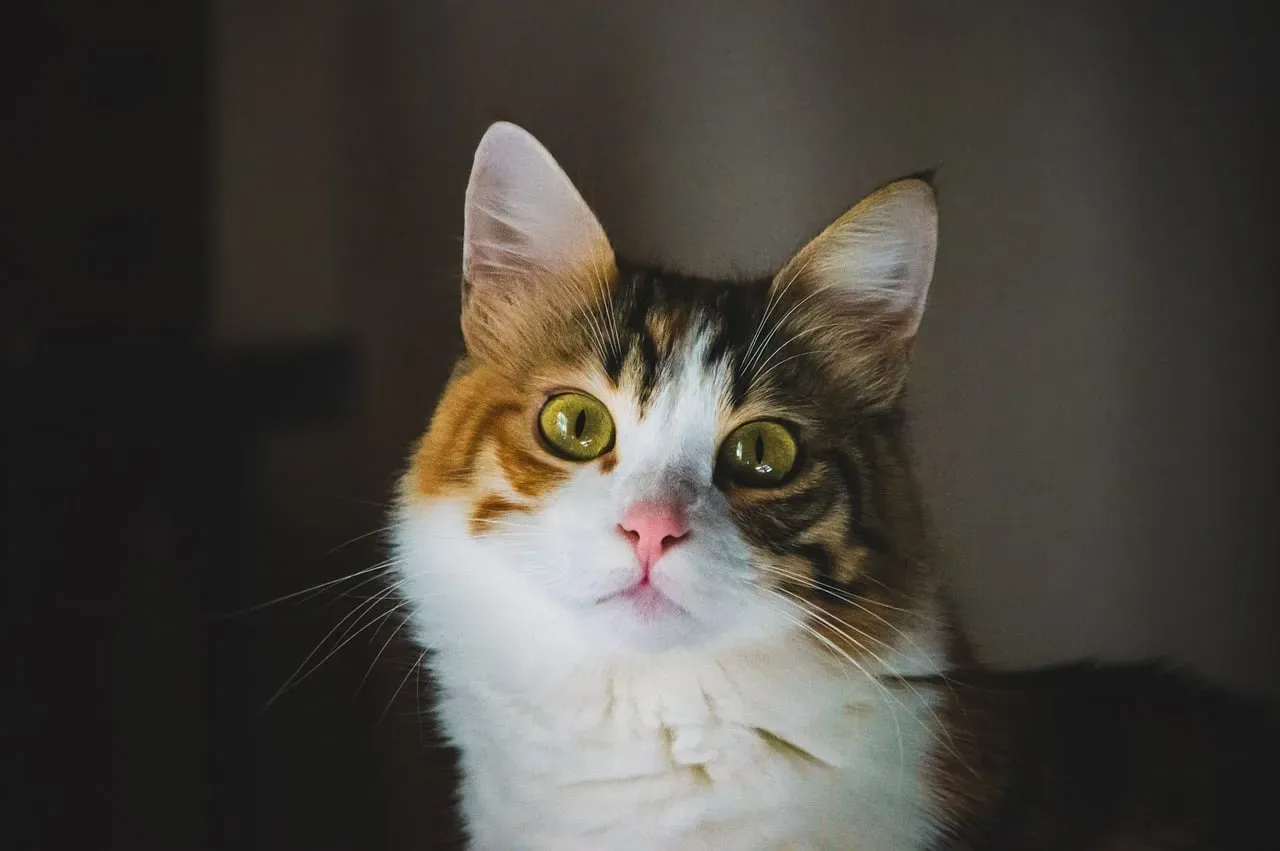
Biscuit is looking at you hopefully.
An attentive human changes how quickly your cat engages
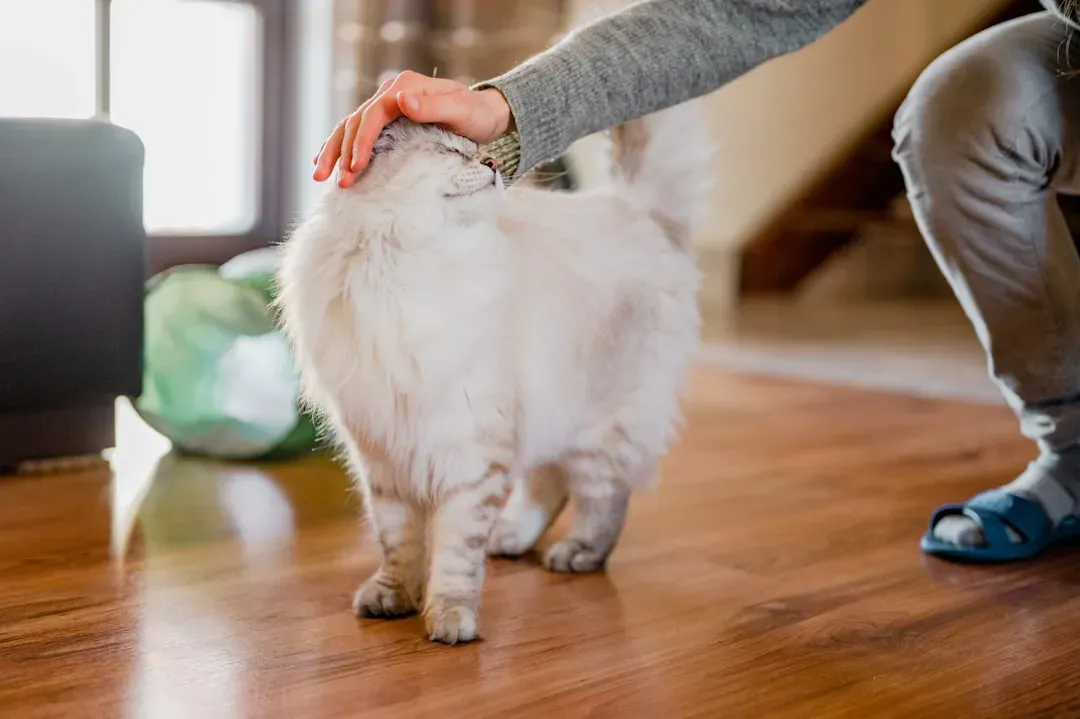
You might notice your cat seems more chatty, more likely to look your way, or quicker to approach you when you're actually paying attention rather than staring at your phone. That's not your imagination. Researchers testing cats with reachable and unreachable treats found that a caregiver's attentiveness directly changed the cat's behavior.
When the person in the room was engaged and watching, cats responded noticeably faster and more often. Specifically, when in the presence of an attentive caregiver, cats initiated first gaze at the caregiver faster, gazed at the caregiver for longer, and approached the treat more frequently, compared to when the caregiver was inattentive. This suggests your cat's backward glance before entering a room isn't happening in a vacuum. It's partly a response to whether you seem like a source of useful information in that moment.
Cats and dogs handle this glance differently, and the reason isn't fully settled
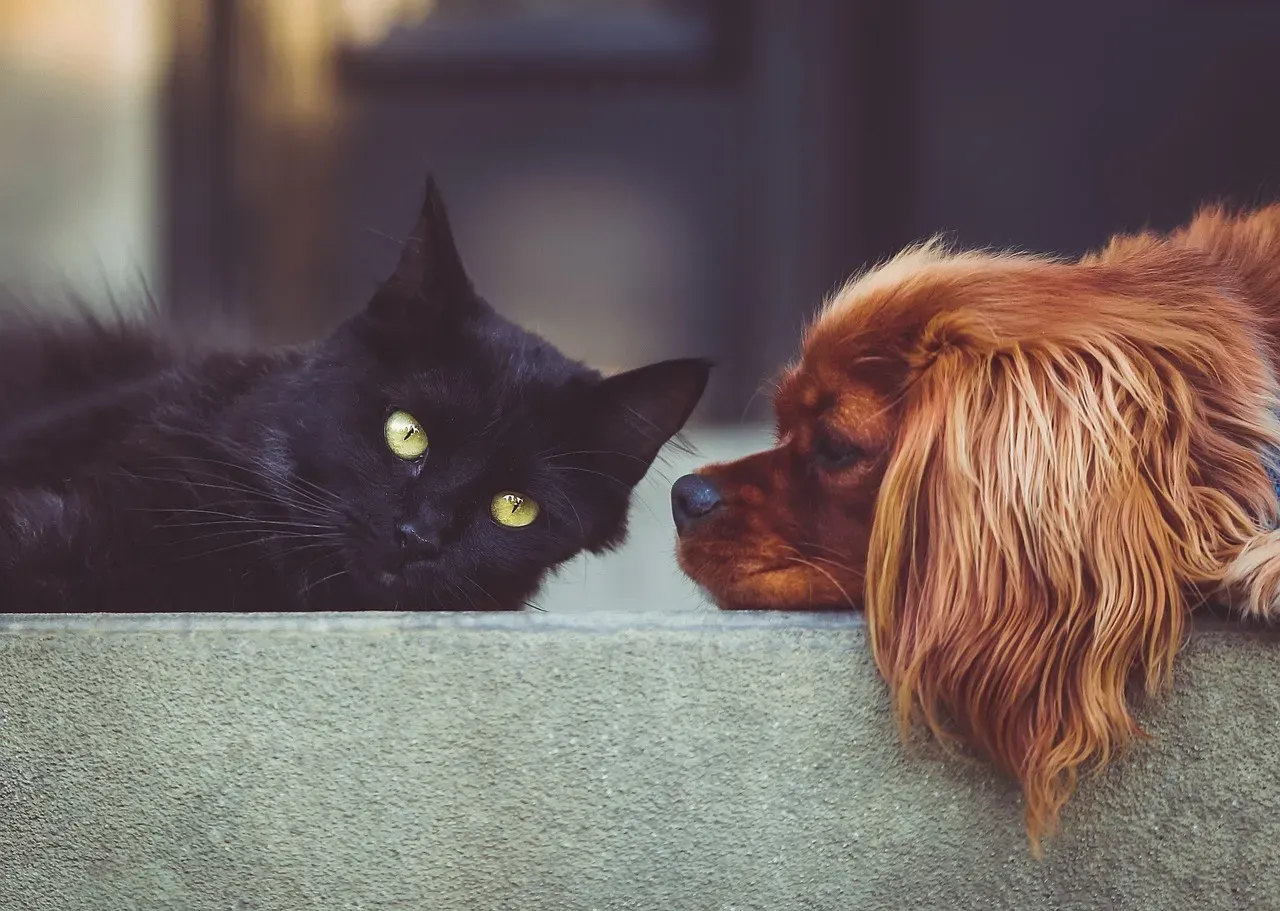
If you've owned both a dog and a cat, you've probably noticed the dog seems far more obvious about checking in with you, almost seeking permission before doing anything uncertain. Cats do something similar, but the underlying reason is murkier, and researchers are upfront about that uncertainty.
In one study using a startling stimulus, 79 percent of cats, like the dogs, looked back toward their owners when first encountering it. Still, the same researchers noted that while this is a notable starting point, why the cats looked at their owners is a bit harder to decipher for cats than for dogs. Dogs have thousands of years of selective breeding for cooperative work with humans behind them, while cats were largely domesticated for their independent hunting skills, which may explain why the glance carries a slightly different, less fully understood weight for your cat.
Your cat may be reading the room through you, not just watching for you
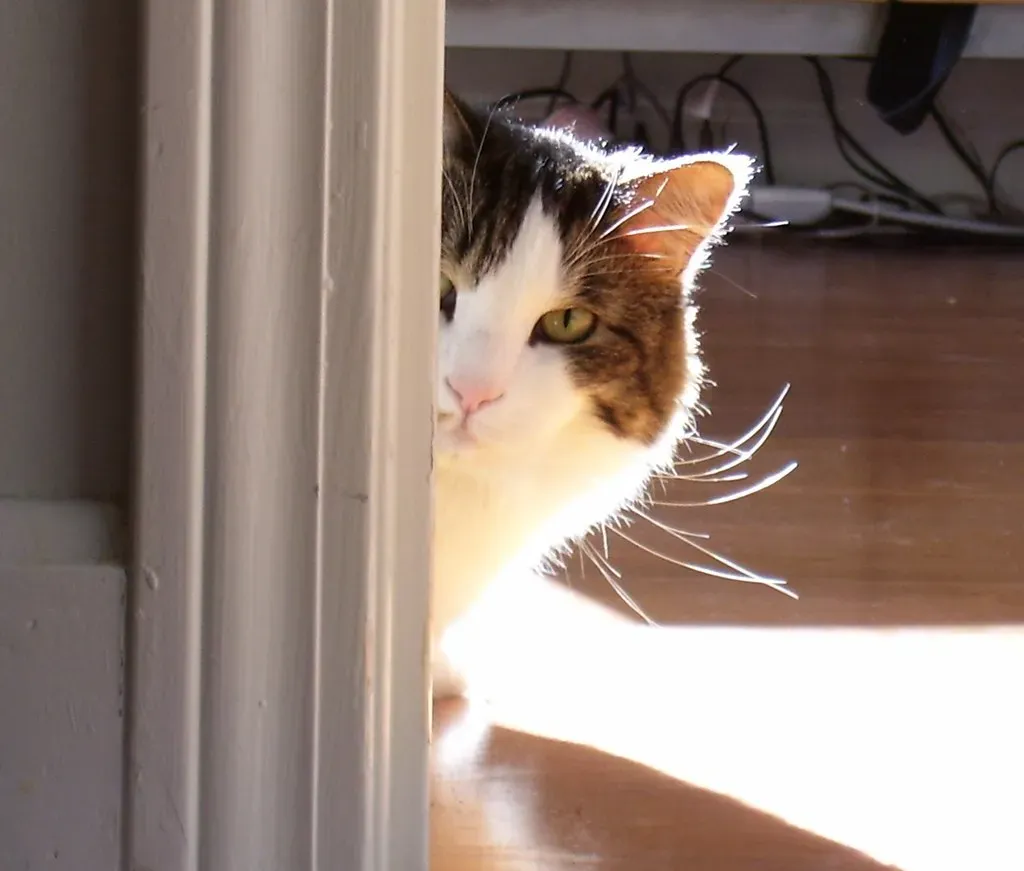
It's tempting to interpret the backward glance purely as "is my human still there." A more accurate read, based on the evidence, is that your cat is treating you as one input among several, alongside scent, sound, and visual cues from the space ahead. This lines up with what researchers describe as a genuine, if brief, piece of cognitive processing rather than an empty habit.
As one detailed look at doorway behavior put it, this momentary check is a genuine piece of cognitive work, a quick but real assessment of scent, sight, sound, and even human mood, compressed into a few seconds most people barely notice. Your presence, your tone, and your body language all become part of that quick calculation your cat runs before deciding whether the next room is worth exploring right now.
Final thoughts
The next time your cat pauses at a doorway and glances back at you, it's worth resisting the urge to read too much drama into it, while also not dismissing it as nothing. The evidence points to something in between: a quick, practical check-in that draws on your mood, your attention, and whatever your cat's senses are picking up from the space ahead.
None of this means your cat is constantly analyzing you like a research subject. Most of the time, it's probably just a quiet, low effort habit built from millions of years of caution. Still, knowing there's real cognitive work behind that glance might make you a little more likely to notice it, and maybe even to give your cat that extra second before rushing past.