You are sitting quietly across from your cat when it locks eyes with you, pauses, and then slowly closes and reopens its eyes in one long, deliberate movement. It seems effortless. Almost lazy. But here’s the thing – that tiny moment carries more meaning than most people ever realize.
For years, cat owners sensed something special was happening in those languid blinks. Scientists have now confirmed what many devoted pet lovers always believed: your cat is actively talking to you through its eyes, and that slow blink is one of the most intimate things it can say. Let’s dive into what it all means.
What Exactly Is the Cat Slow Blink?
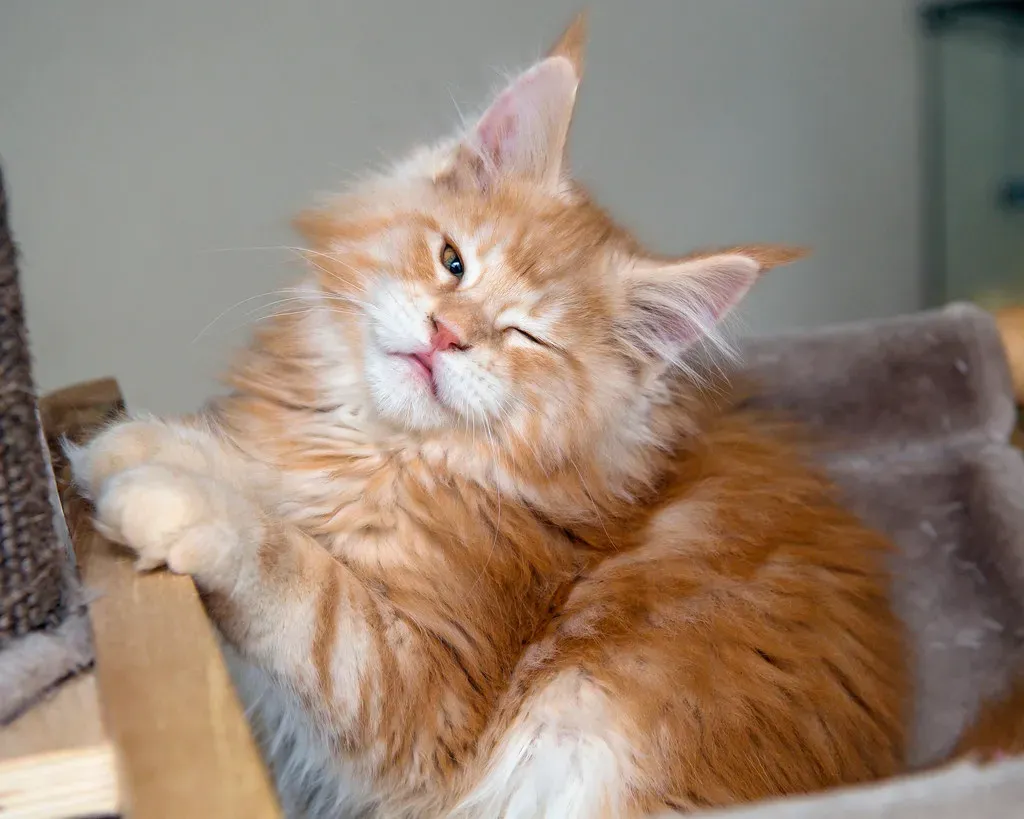
The cat slow blink is not your ordinary reflexive eye movement. A slow blink sequence typically involves a series of half-blinks followed by either a prolonged eye narrow or an eye closure. Think of it like a human smiling with their eyes – the kind of relaxed, unhurried expression that only happens when someone is truly at ease.
Slow blinking is thought to be used by cats to indicate a sense of calm and a positive emotional state, involving the partial or complete closure of the eyelids, performed slowly and lasting for longer than half a second. To the untrained eye it might look unremarkable, but to your cat, it is a deliberate and meaningful act of communication.
The Science That Backed It All Up
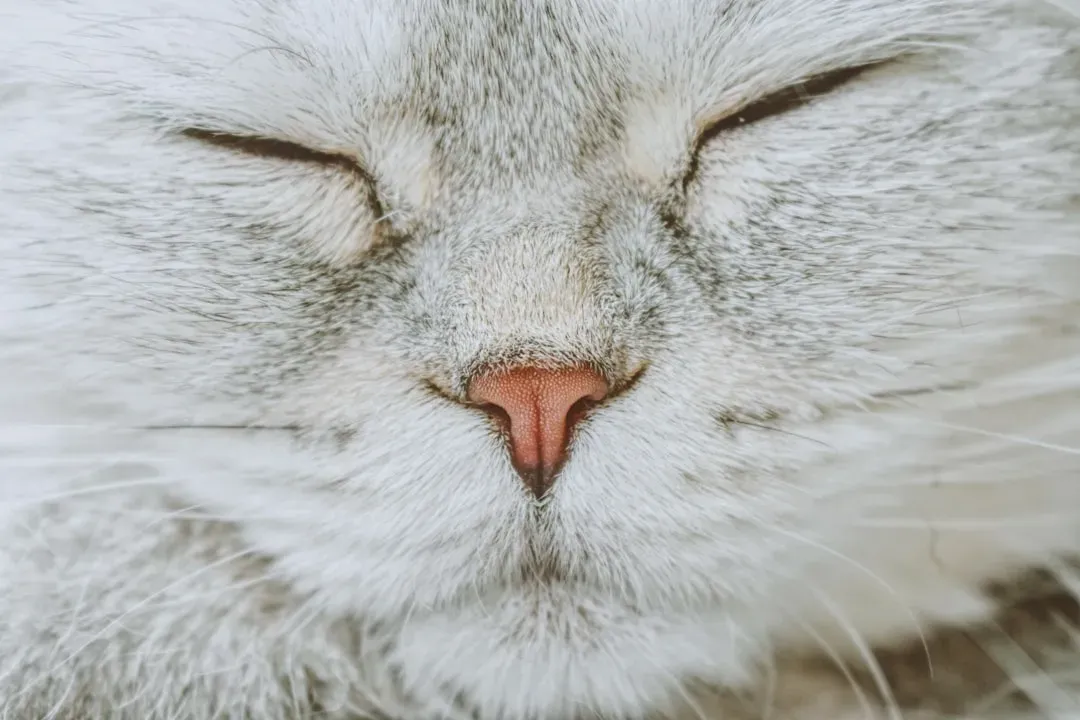
Research has shown that slow blinking is not just an anecdotal behavior observed by cat owners but a scientifically supported form of communication. A study conducted by the University of Sussex in the United Kingdom found that cats are more likely to slow blink at their owners when their owners slow blink at them. Honestly, the fact that science finally got around to proving this feels like a big win for every cat person who has been insisting their pet was “talking” to them for decades.
The first experiment revealed that cat half-blinks and eye narrowing occurred more frequently in response to owners’ slow blink stimuli towards their cats. In a second experiment, where an experimenter provided the slow blink stimulus, cats had a higher propensity to approach the experimenter after a slow blink interaction than when they had adopted a neutral expression. That second finding is particularly striking. Even with a stranger, the slow blink opened a door.
What Your Cat Is Actually Saying
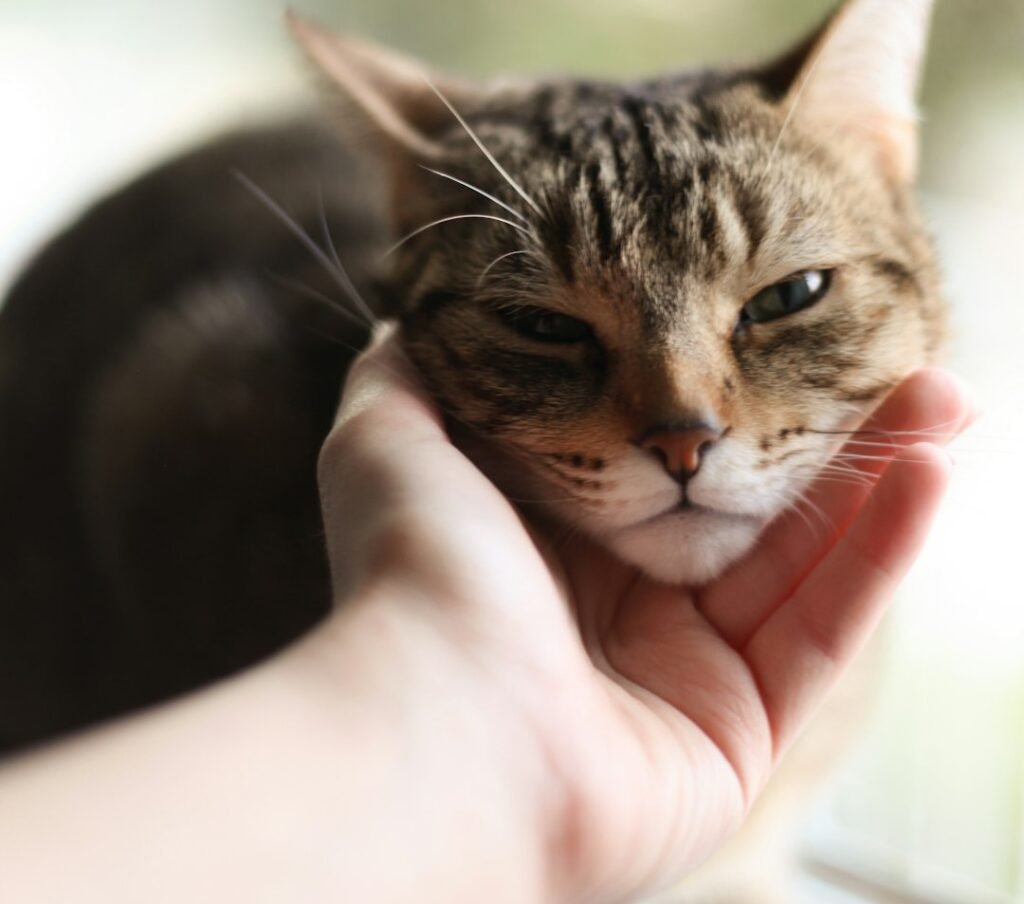
In the wild, closing your eyes is dangerous. If your cat looks at you and slowly closes its eyes, it is saying, “I trust you enough to lower my defenses.” Let that sink in for a moment. Your cat – a creature hardwired for survival and vigilance – is willing to momentarily surrender its guard with you. That is not a small thing.
The slow blink, sometimes called a cat smile, is one way cats convey affection and trust. This positive form of communication involves half-closed, relaxed eyes, giving the appearance of vulnerability, so you can take it to mean your cat feels safe and comfortable with you. It is the feline equivalent of a warm, genuine smile – no teeth required.
A Stare Versus a Blink: Two Very Different Messages
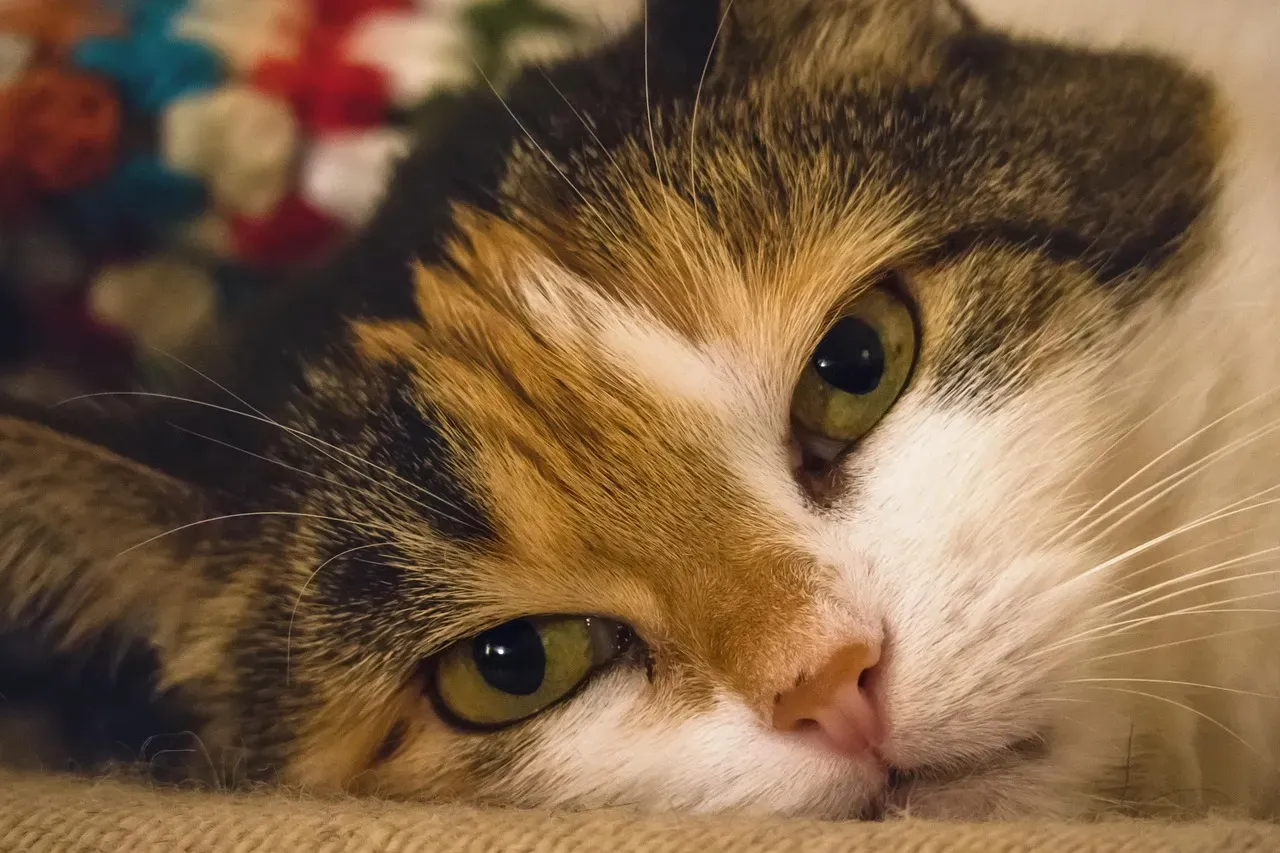
Here is where things get fascinating. You might assume that more eye contact from your cat means more love. Wrong. A soft gaze with relaxed eyes signals affection and trust, while an unblinking stare can be threatening or challenging. In feline social interactions, the cat who breaks eye contact first is typically acknowledging the other’s higher status.
In the feline world, a direct, unbroken stare is often interpreted as a threat or a challenge. This harkens back to their evolutionary past, where staring contests were a common way for cats to establish dominance and resolve conflicts. If you stare directly at your cat, they may perceive this as an act of aggression, leading to a defensive response. So the next time you catch yourself staring lovingly at your cat, try squinting gently and blinking slowly instead. Your cat will thank you for it.
How Domestication Shaped This Behavior
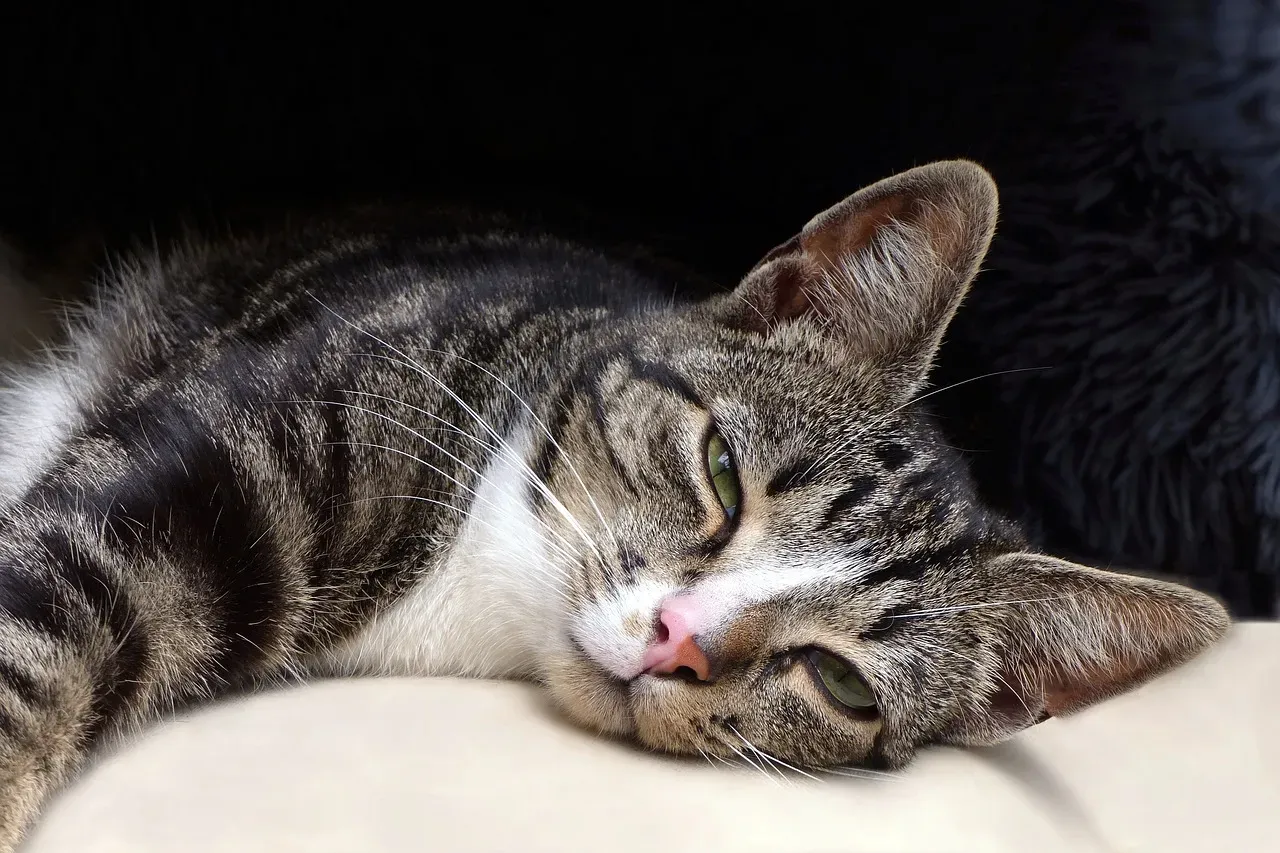
The slow blink did not just appear out of nowhere. It is rooted in thousands of years of cats and humans learning to coexist. Cats began their unique relationship with humans 10,000 to 12,000 years ago in the Fertile Crescent, the geographic region where some of the earliest developments in human civilization occurred. One such development was agriculture. As people abandoned their nomadic lifestyle and settled permanently to farm the land, stored grain attracted rodents.
Because this early human-cat relationship was so mutually beneficial, it is often said that cats “domesticated themselves,” meaning they voluntarily started living among humans and adopted behaviors that would allow them to continue their appealing new lifestyle. Over millennia, humans played a significant role in shaping the behaviors of domestic cats, including the slow blink. By rewarding cats with affection, treats, or attention when they slow blink, we inadvertently trained them to use this behavior more often, making the slow blink a common way for cats to communicate with us.
Can You Slow Blink Back – and Should You?
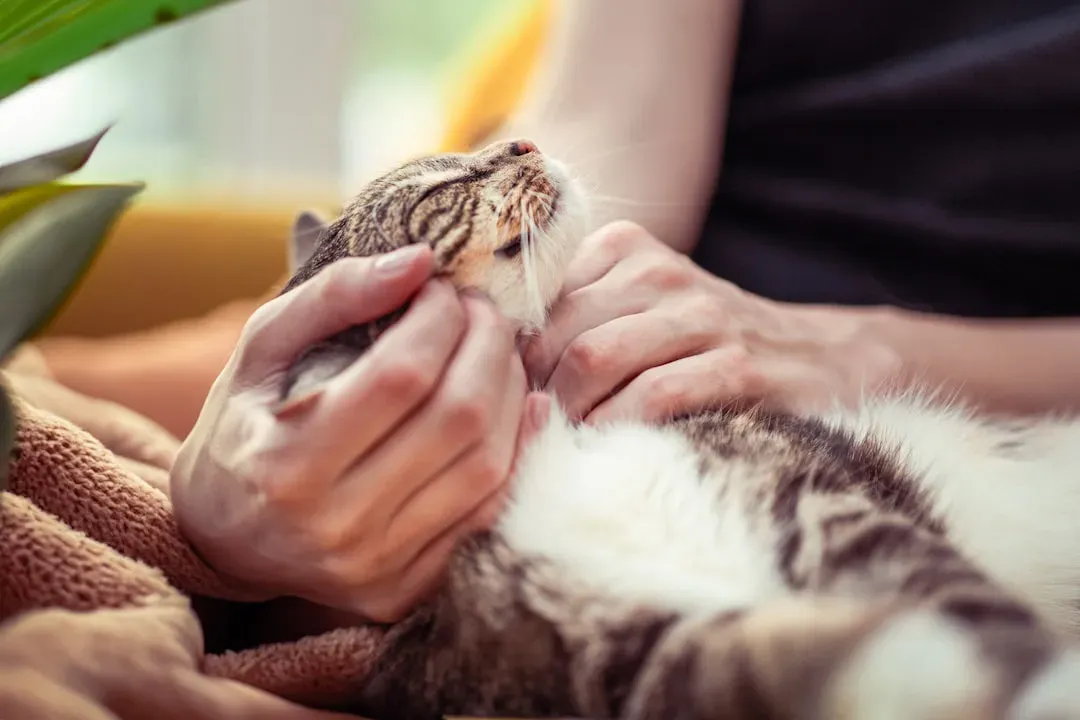
Absolutely you should, and the research supports doing so. By observing cat-human interactions in 2020, scientists confirmed that this simple gesture makes cats – both familiar and strange – more likely to approach and engage with humans. You do not need special training or treats to use this tool. You just need patience and soft eyes.
If you frequently blink slowly at your cat, they may start to reciprocate this gesture. This mutual exchange can strengthen the bond between you and your feline friend, creating a sense of understanding and companionship. I think of it like learning a few words of someone’s native language – it may be imperfect, but the gesture itself communicates respect and a genuine desire to connect.
The Slow Blink in Shelter Cats: A Surprising Discovery
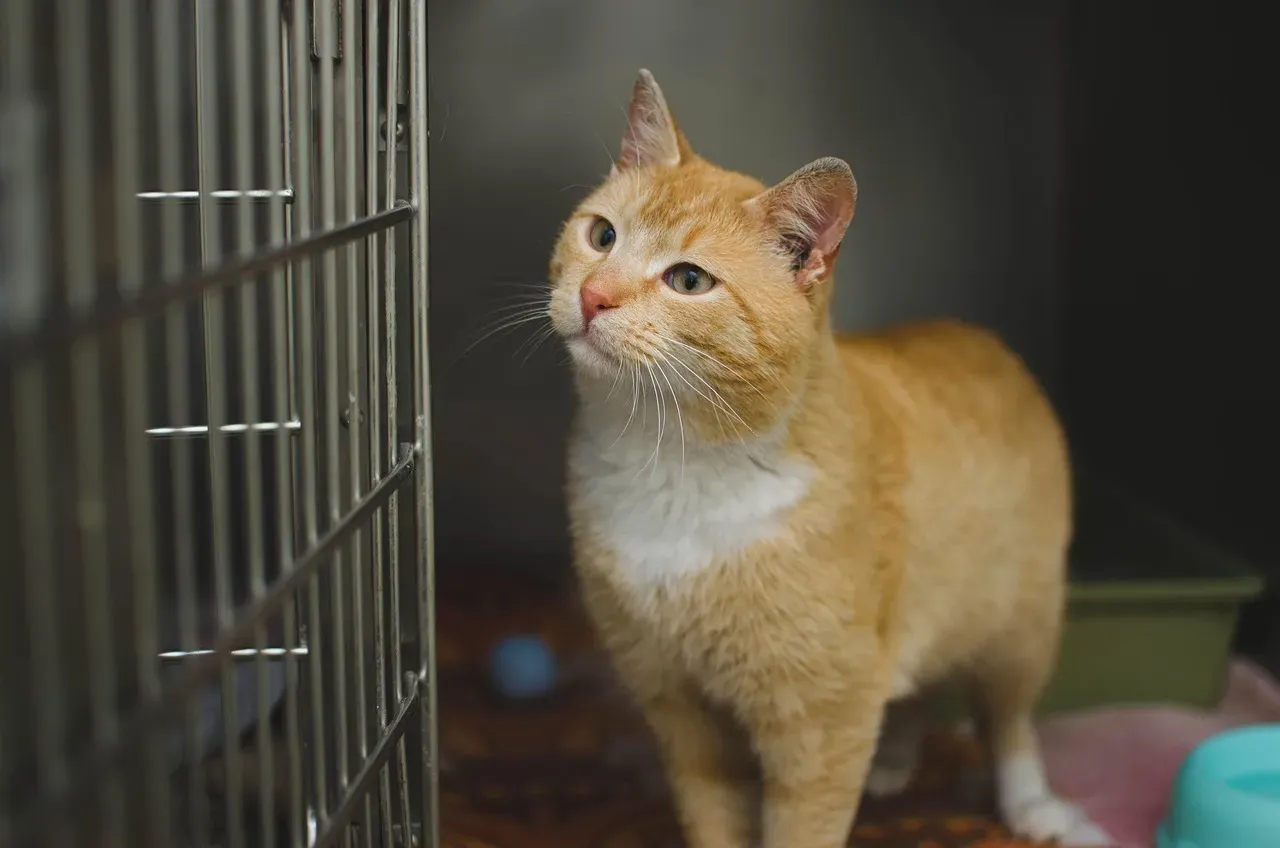
Here is something that genuinely surprised me when I came across it. The slow blink does not just help bonding at home – it can actually influence a cat’s fate in a shelter. Research demonstrates for the first time that cats that responded to human slow blinking, specifically by using eye closures, were rehomed quicker than cats that closed their eyes less. That is remarkable. A tiny facial gesture potentially determines whether a cat finds a home.
Furthermore, cats that were identified as more anxious around humans upon arrival at the shelter had a tendency to spend more time producing slow blink sequences. Slow blinking could share a similar social bonding function, and therefore the trend towards an increased length of time spent slow blinking seen in the anxious cats may have been used to mitigate their anxiety around humans. In other words, even nervous cats reach for this signal as a kind of peace offering. It is deeply moving, when you think about it.
When a Slow Blink Might Mean Something Else
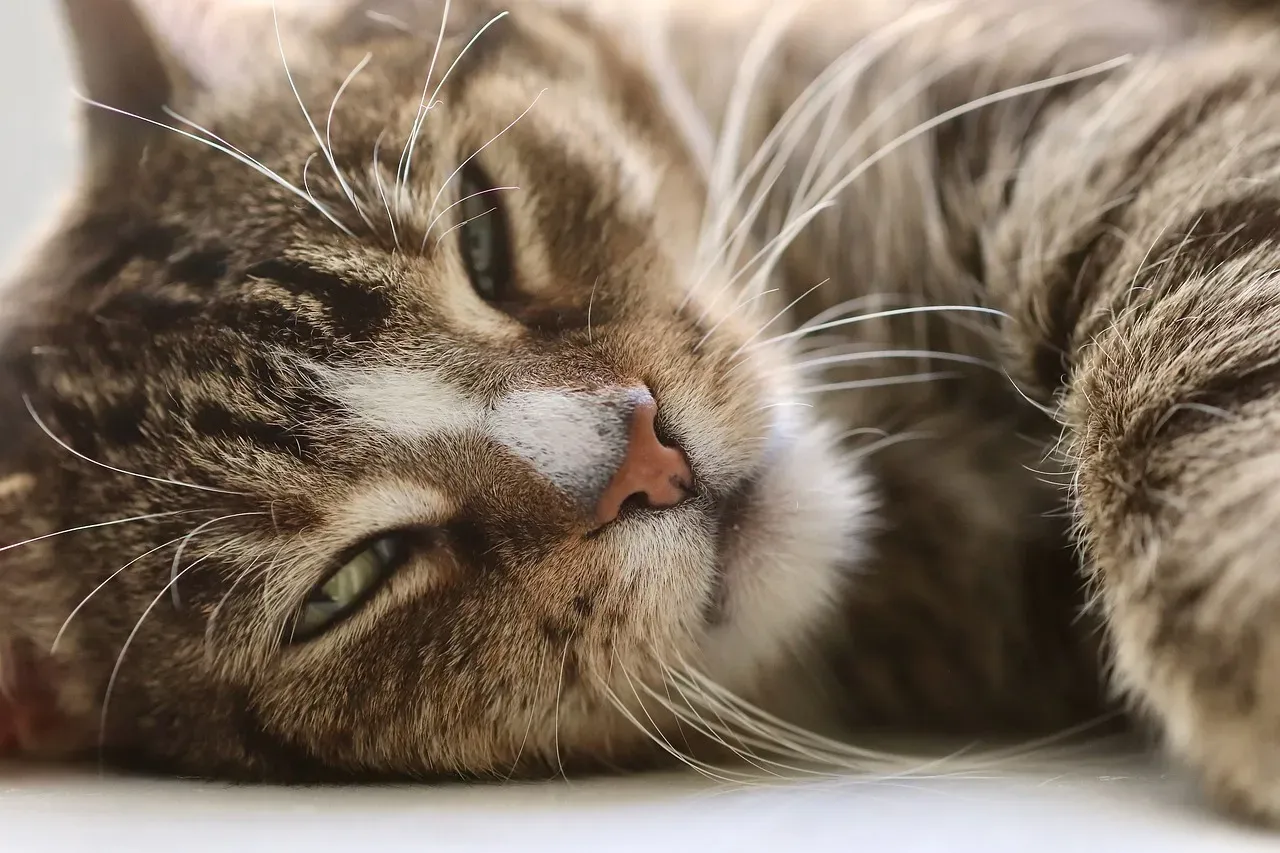
Let’s be real – not every squinted eye is a love letter. Sometimes what looks like a slow blink is actually a squint, and there is a meaningful difference. A cat’s slow blinking does not always communicate trust or affection. That’s because what looks like a slow blink is actually a squint, which generally means your pet is experiencing pain, discomfort, or injury.
Excessive blinking, squinting, or discharge from the eyes may indicate health issues. If you notice any changes in your cat’s normal blinking pattern or eye appearance, consult a veterinarian. Context is everything here. A slow blink paired with relaxed ears and a calm body is a greeting. A squint paired with watery eyes or visible discomfort is a signal to book a vet visit.
What This Means for Your Relationship With Your Cat
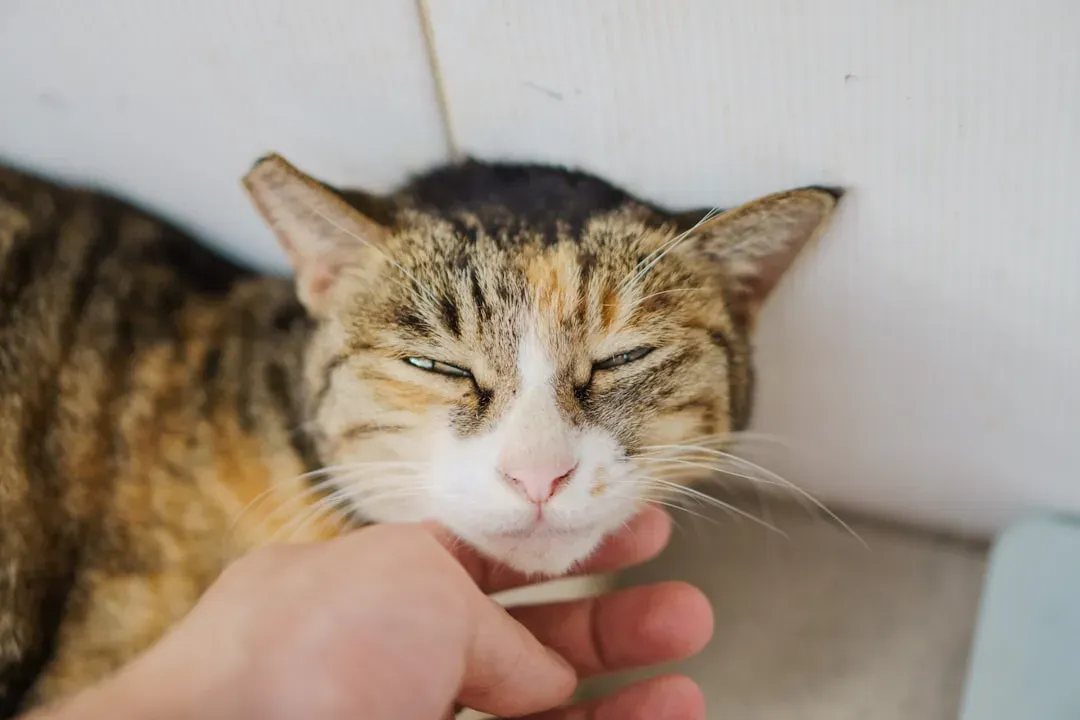
Understanding the slow blink transforms the way you see your cat entirely. These findings support the idea that slow blinking serves as a form of positive emotional communication between cats and humans, helping to build trust and strengthen the bond between the two species. Understanding your cat’s slow blink as a form of communication can help you to better interpret their emotions and needs. It is less about decoding a mystery and more about showing up in a language your cat already knows.
Research provides the first systematic investigation of the role of slow blink behavior in cat-human communication, showing that slow blink interactions appear to be a positive experience for cats and may be an indicator of positive emotions. Such findings could potentially be used to assess the welfare of cats in a variety of settings, including veterinary practices and shelter environments, as well as enhancing cat-human communication in the human home. The implications stretch far beyond your living room couch.
Conclusion
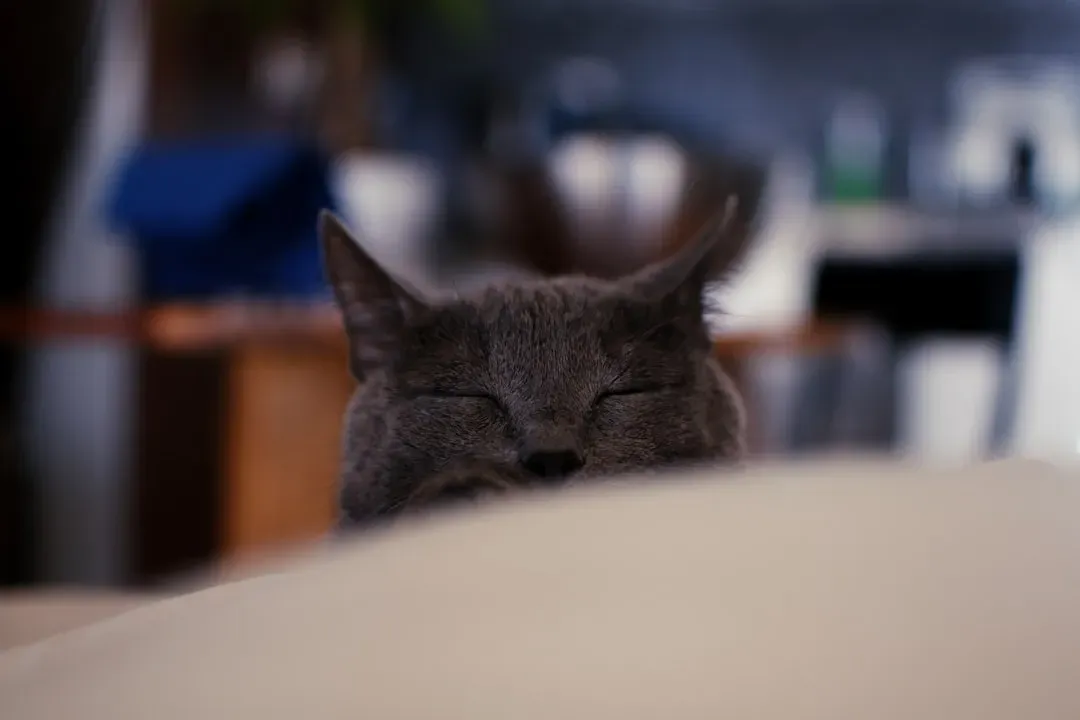
There is something quietly profound about the fact that one of the most powerful things you can do to connect with your cat requires no words, no toys, and no treats. Just your eyes, a moment of stillness, and the willingness to speak in a language older than any human conversation.
Your cat has been sending you messages all along. Many cats end up misunderstood because their subtle behaviors go unnoticed. Recognizing the meaning behind slow blinking helps us offer better emotional support, whether a cat lives in a warm home or a crowded rescue center. Now that you know what that slow, deliberate blink actually means, will you blink back the next time your cat looks your way? Something tells me the response will surprise you.