Have you ever wondered what your cat is really saying when they press their soft little head against your face? That gentle bonk, that insistent rubbing, that warm forehead meeting yours might seem simple, but it’s actually far more complex than you might imagine. Your cat’s head nuzzle is packed with meaning, layered with chemical messages, and rooted in behaviors that have evolved over thousands of years.
When your feline friend decides to headbutt you, they’re doing something surprisingly intimate. This behavior isn’t random or meaningless. It’s deliberate, purposeful, and reveals just how deeply connected your cat feels to you.
The Science Behind the Scent Glands
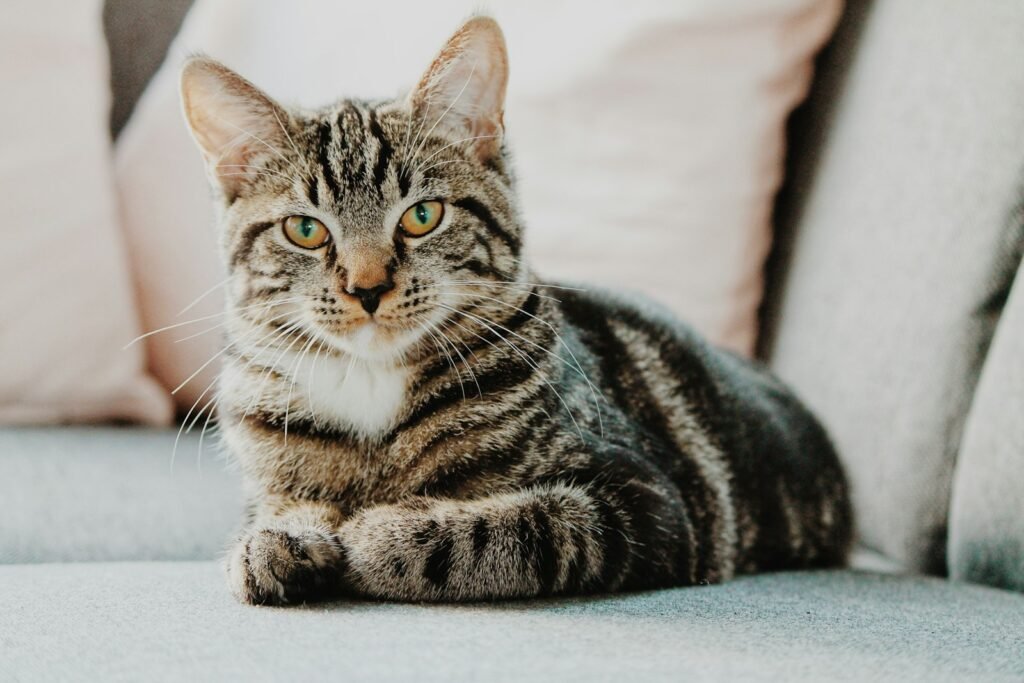
Your cat has scent glands located in their cheeks, forehead, and chin that contain pheromones. These glands are called temporal glands, positioned between a cat’s eyes and ears, and they produce a fatty substance containing pheromones. Think of these glands as your cat’s personal signature stamp.
The pheromone deposited during headbutting comes from glands located just in front of a cat’s ears. When your cat rubs their head on you, they’re actually transferring invisible chemical messages that only they (and other cats) can detect. You can’t smell these pheromones, but to your cat, you’re now marked with their unique scent profile.
What Head Bunting Really Means
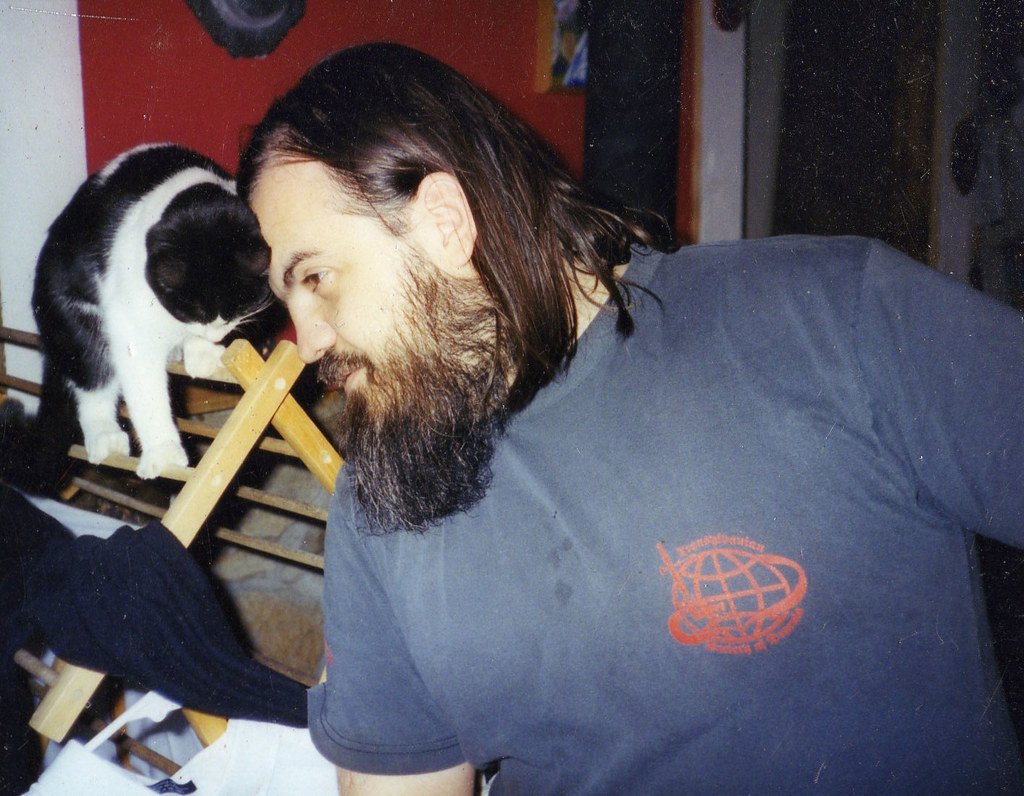
When your cat engages in head bunting or head rubbing, they are placing their scent there as a social and affectionate gesture, and cat-to-cat head bunting is reserved for cats who already have a familiar and friendly relationship. Let’s be real, this means you’re part of their inner circle. Not every person gets this treatment.
Cats don’t headbutt just anyone, and it’s only a behavior they would do when they feel safe, because if they feel threatened, they’re unlikely to want to turn their back on any potential predators, and therefore, if they decide to bunt, it means they feel safe around you and are willing to be vulnerable because they trust you. This vulnerability is what makes the gesture so profound. Your cat is telling you something important about their emotional state.
Creating a Colony Scent With You
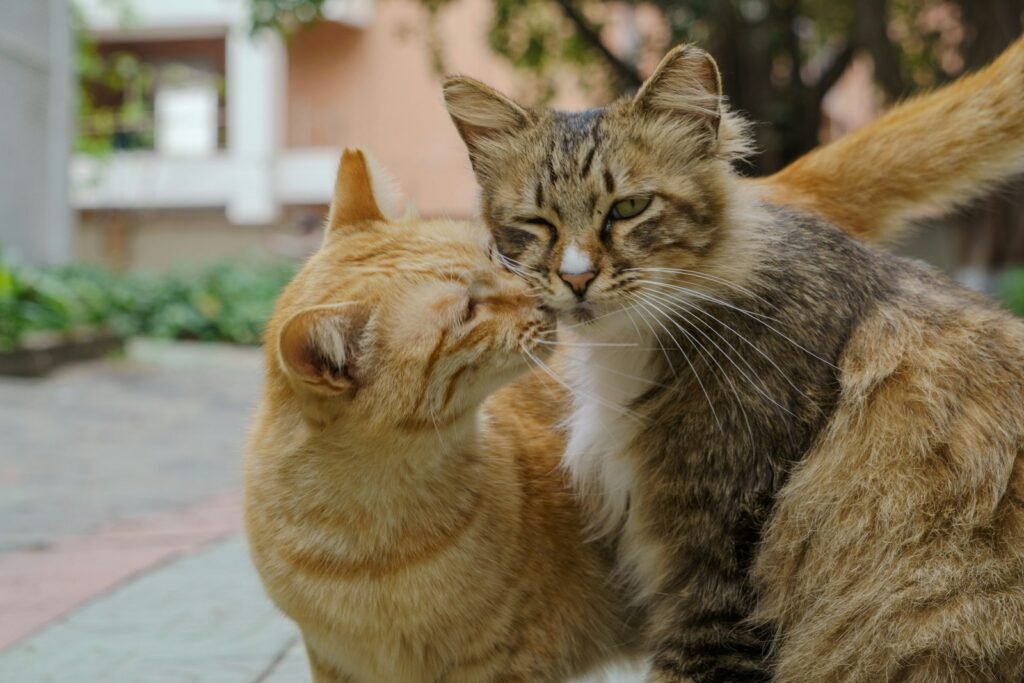
Cats recognize members of their group by the way they smell, and group scent is very important for group identity in the cat world. You might think of your family as people living together, but your cat thinks of it as a colony with a shared odor signature. Honestly, that’s kind of beautiful when you think about it.
When cats rub on each other or you, they are marking with the F4 pheromone, and the transfer of scent that takes place helps to build up a colony odor or group scent which shows that the cats are part of the same social group. Your cat wants you to smell like them, and they want to smell like you. This allows your cat to reclaim you, and it’s thought that these behaviors release endorphins, which gives your cat a sense of calm, happiness, and safety.
The Dominant Cat’s Role
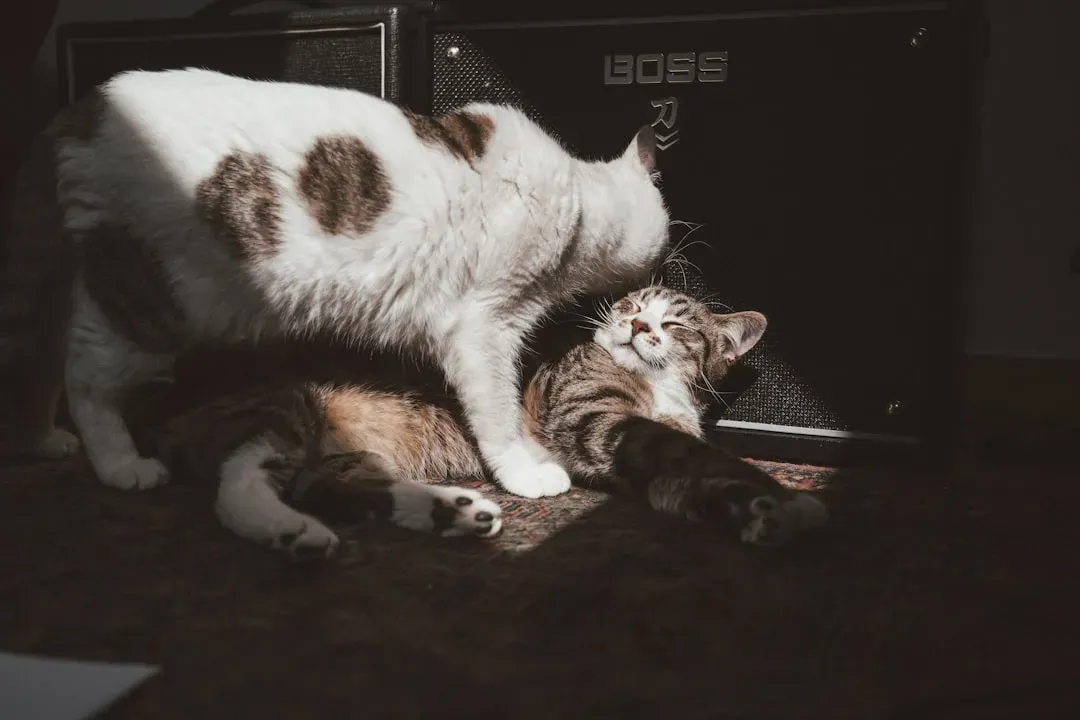
Here’s the thing: not all cats in a household will headbutt equally. A more dominant cat with a higher social rank will be the one to initiate head bunting, and it’s the job of the dominant, confident cat to spread the family scent and groom the other cats (and sometimes humans). If your cat is the one doing most of the bunting, they likely see themselves as the head of your little family unit.
Not only is the most self-assured cat more likely to headbutt, but they are also likely to be the dominant cat in a multiple-cat household, and it’s the dominant cat’s role to deliver the colony scent to other cats in the colony. This doesn’t mean aggression or control in a negative way. It means your cat feels confident and secure enough to take on the role of social organizer.
Marking You as Territory
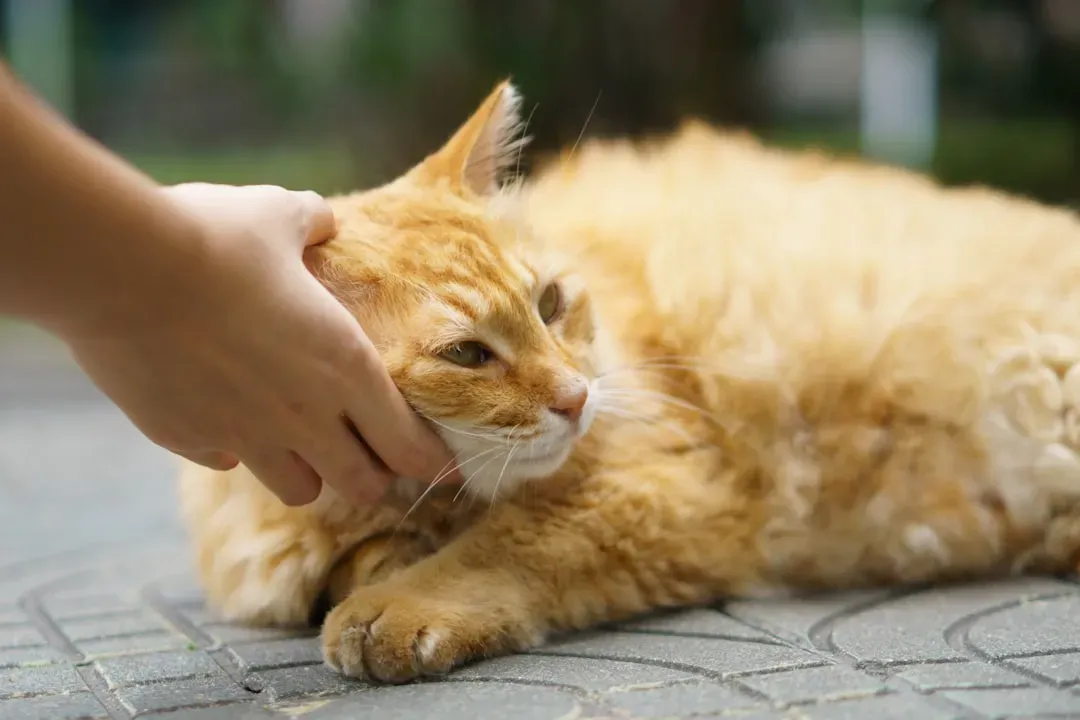
Once you come home from being out in the world, your cat’s personal scent has faded, so they may want to mark you again by rubbing, headbutting, licking, or even gently biting you. Every time you leave the house, you pick up foreign smells. Your cat notices this immediately.
Contrary to popular belief, a bunting cat is not claiming you or trying to dominate you, and a cat feeling insecure about his territory would leave a urine scent behind. So this isn’t about control or possession in a negative sense. It’s about comfort and familiarity. In addition to expressing affection, your cat nuzzles you to mark their territory, and identifying you as an important and comforting part of their environment makes sense.
Different Types of Pheromones
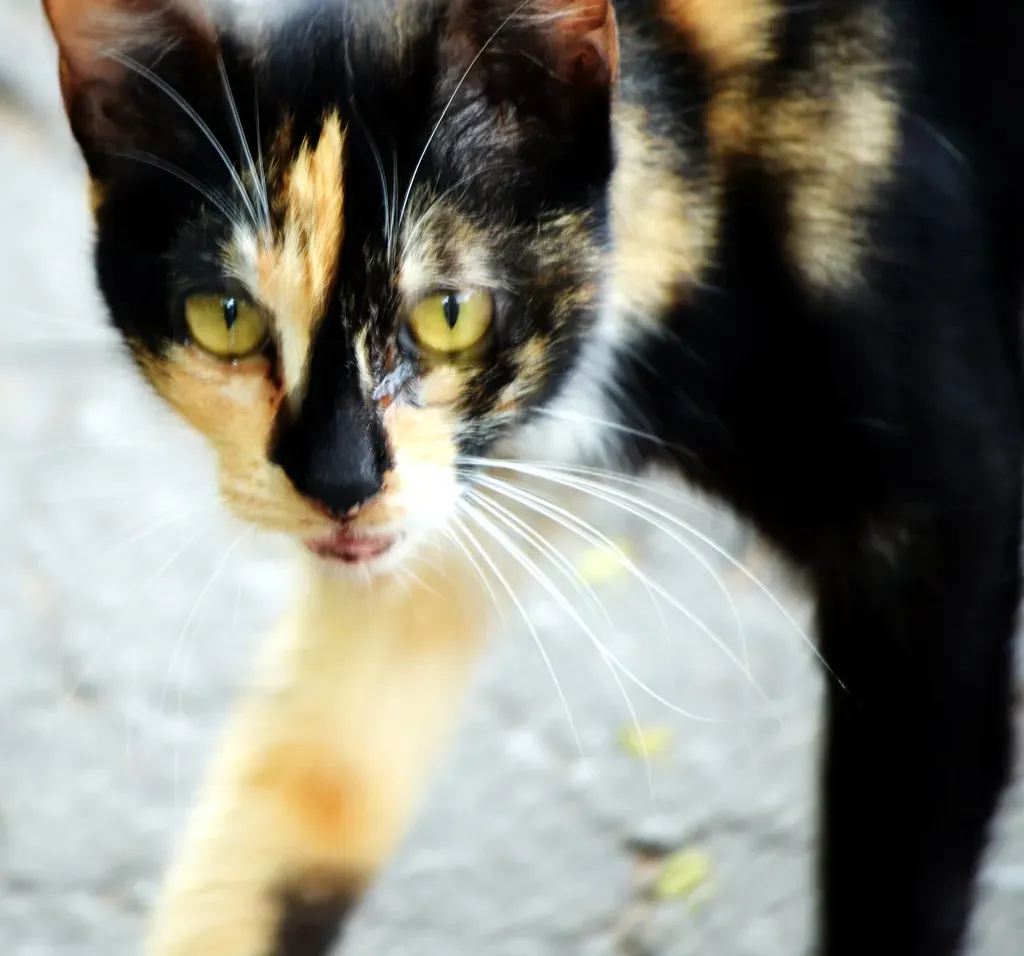
Five different pheromones are known to be secreted by the glands in cats’ cheeks, and while we don’t fully understand them yet, the F3 and F4 pheromones seem to be involved in marking of an affiliative nature. Scientists have actually identified and studied these chemical compounds, which is pretty remarkable. The F3 pheromone is what your cat leaves on furniture and walls to make the space feel safe.
The F2 pheromone is known to be deposited predominantly in sexual contexts, F3 is deposited predominantly during object rubbing, and the F4 pheromone is deposited in social situations when engaging in allorubbing with conspecifics, humans or other species. When your cat rubs their head on you specifically, they’re likely using F4. It’s their way of saying you’re family, not just furniture.
Communication Beyond Words
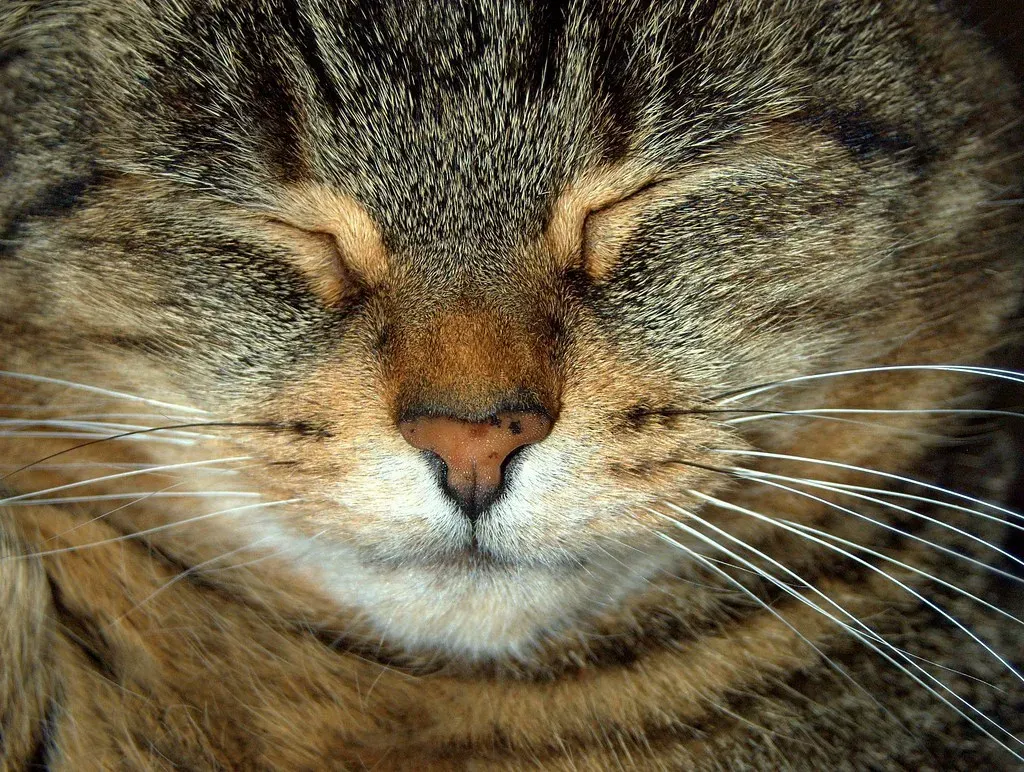
Rubbing can be a way for cats to signal that they want or need something, such as food, attention, or playtime, and cats do communicate in their own way by using rubbing, headbutting, and gentle biting as a sign of need. Sometimes your cat is asking for something specific. They might headbutt the cabinet where treats are stored, or nuzzle your hand when they want affection.
Many cats will meow, social roll, and rub against their caregiver, communicating welcoming intent, which is often aimed toward humans the cat has a positive relationship with, and in fact, allorubbing is a vital greeting behavior for felines, with 83% of cats rubbing against their owner when they were united after a separation. That greeting headbutt when you walk through the door? Your cat genuinely missed you.
The Difference Between Bunting and Head Pressing
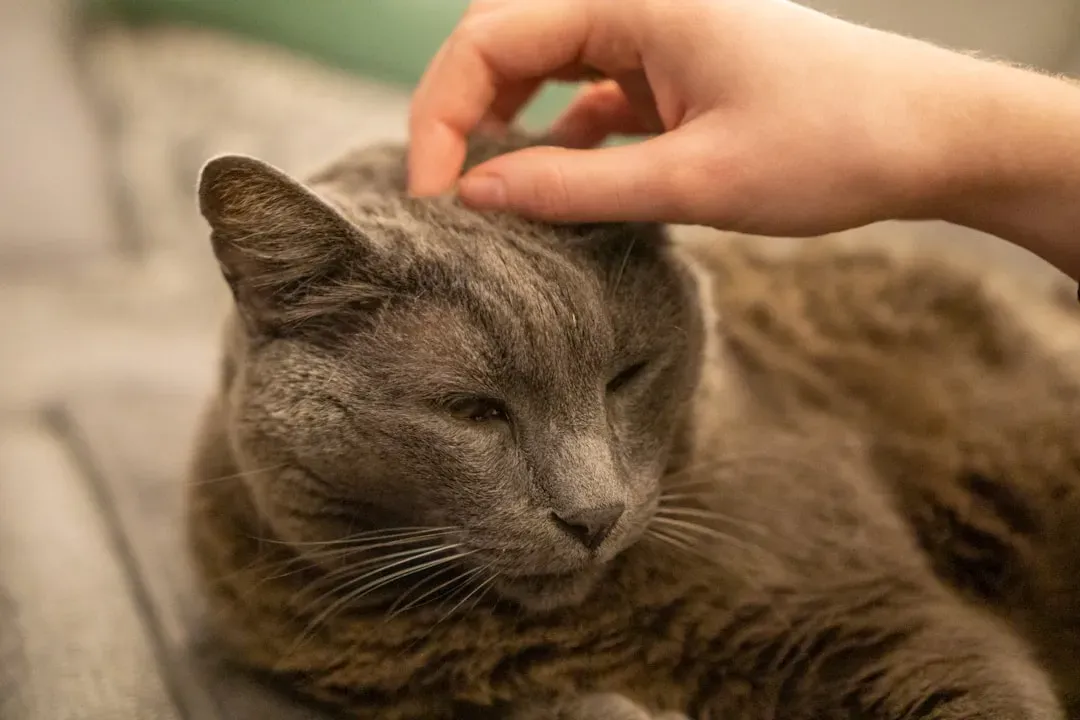
Almost the opposite of head bunting is head pressing, and when a cat presses their head against you, a wall, or other surfaces, it’s a sign of severe discomfort and could be the result of hypertension, head injury, a tumor, or a developing neurological problem. This is crucial to understand. Head pressing is not affectionate.
Watch for wincing, vocalizing, irritability, and disorientation, and any and all of these behaviors mean there is a medical emergency and a vet visit should happen immediately. If your cat is pushing their head forcefully and continuously against hard surfaces, especially walls, that’s not bunting. It’s a red flag that requires immediate veterinary attention.
Not All Cats Are Buntlers
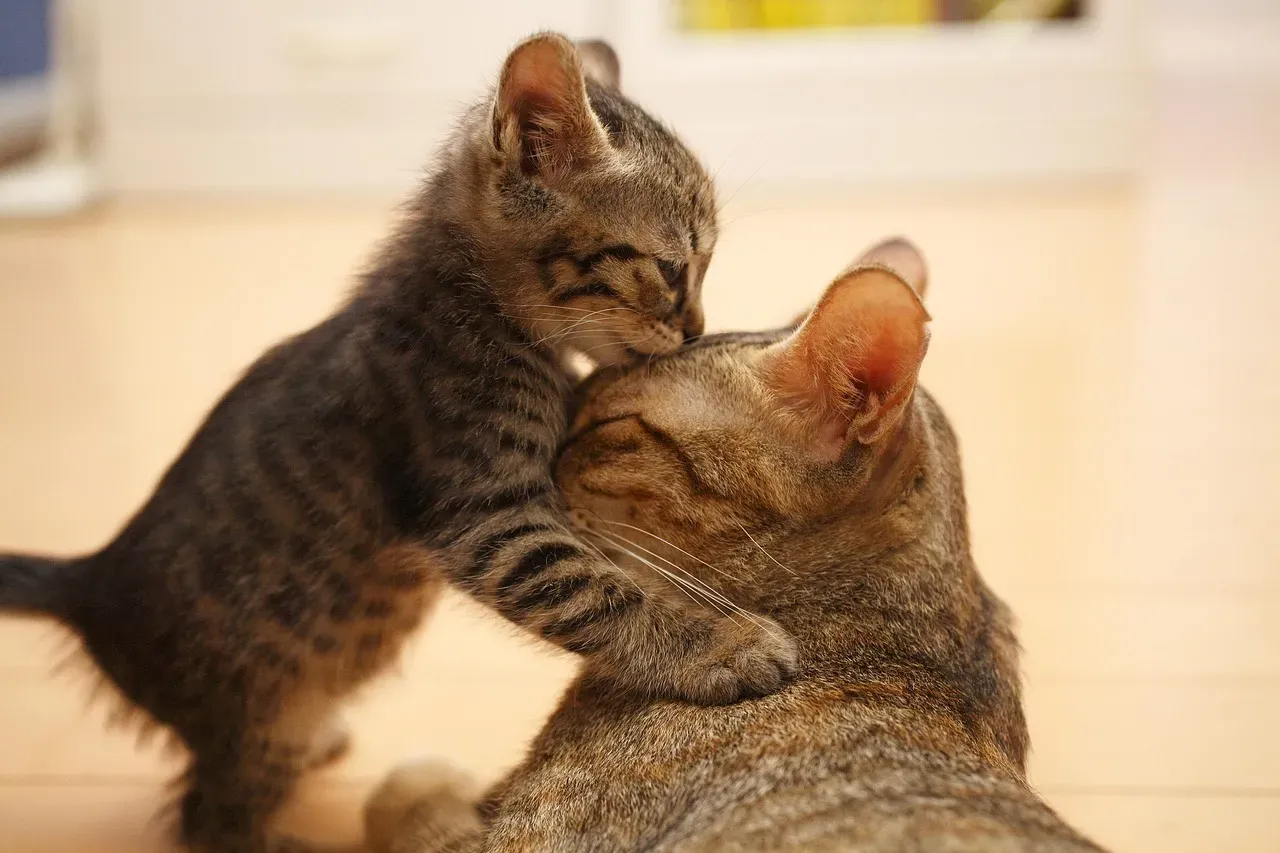
Kitties are different everywhere, and there are a wide range of communication methods a cat may prefer, and while head bunting is a way many cats express trust and friendship, a cat that doesn’t use this method is not a problem, it just means they show their affection in other ways. If your cat doesn’t headbutt you, don’t worry. Some cats are just less physically demonstrative.
If your cat doesn’t headbutt, there’s no need to be alarmed, because headbutting is only one way that cats show affection, and cats can also purr, flop, knead, slow-blink, or sleep next to you. Each cat has their own personality and preferred methods of communication. Your cat might prefer to show love through slow blinks or by bringing you gifts instead.
How to Respond When Your Cat Bunts You
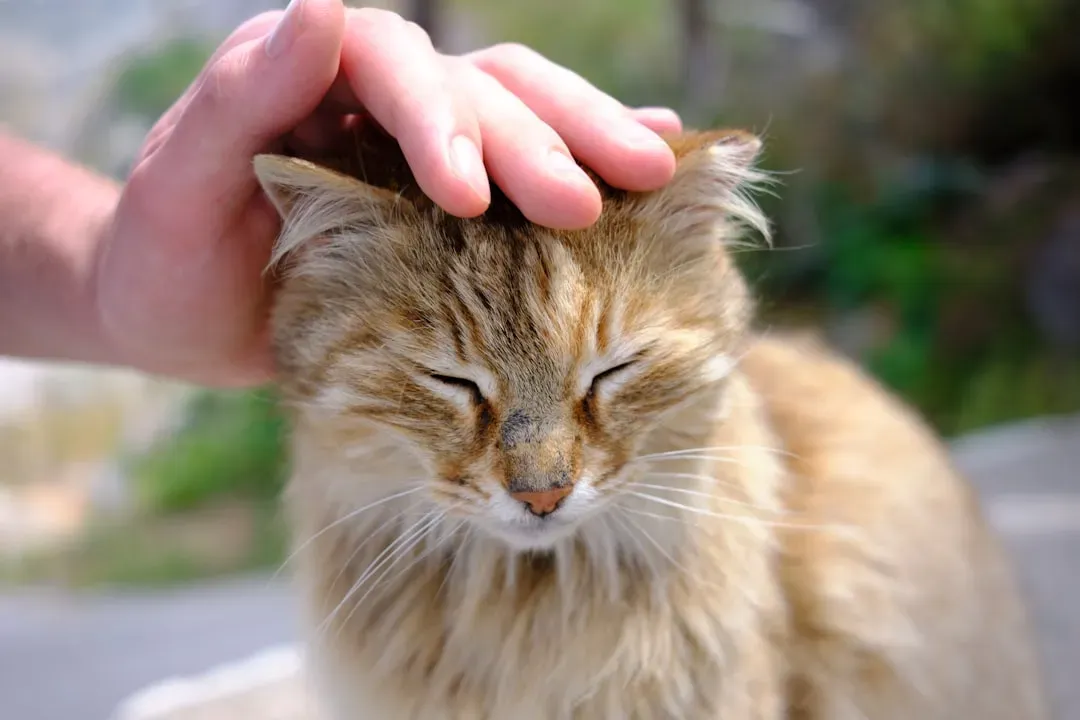
Rubbing their head all over you is their way of saying I love you, and in exchange for nuzzling, your cat probably gets a lot of cuddles from you, which is a strong motivator for repeat behavior. When your cat headbutts you, respond gently. Give them gentle pets, scratches behind the ears, or soft words of affection.
If they respond affectionately or enjoy it, this may be what they are looking for, and if they leave or stop being affectionate, wait until they approach again later, and try a different response, while treats are a response worth trying, but you need to be careful not to train them to think head bunting will result in treats. Pay attention to what your individual cat prefers. Some might want vigorous petting, while others prefer minimal contact after the bunt.
Conclusion: A Gift of Trust
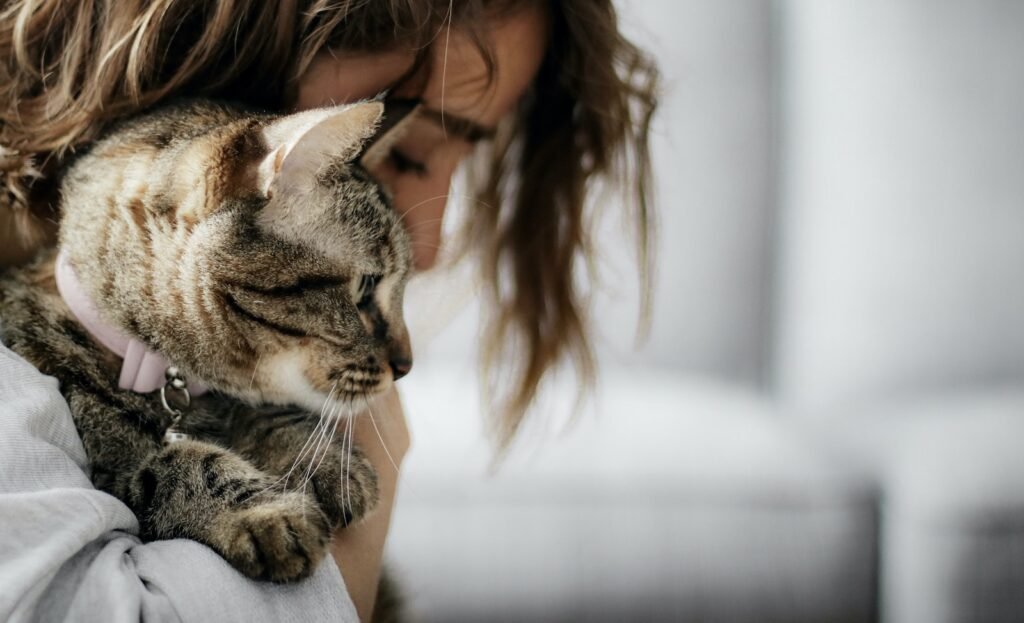
When your cat nuzzles their head against you, they’re giving you something incredibly special. They’re sharing their scent, claiming you as family, expressing trust, and creating a bond that goes beyond what we can see or smell. This simple gesture contains layers of meaning that scientists are still working to fully understand.
The next time your cat bonks their forehead against yours, take a moment to appreciate what’s really happening. You’re being invited into their world, marked as safe, claimed as family, and trusted with their vulnerability. What do you think about it? Does knowing the science behind this behavior change how you see your cat’s affection?