You’ve probably heard it countless times. Cats are aloof. They don’t care about people. They tolerate humans at best, viewing them as little more than walking can openers who occasionally provide a warm lap. This narrative has become so deeply ingrained in our cultural consciousness that even people who’ve never owned a cat repeat it with absolute confidence. The image of the solitary, standoffish feline persists everywhere from casual conversations to veterinary offices.
Let’s be real though: what if everything you thought you knew about feline independence was fundamentally wrong? What if decades of scientific research have quietly been dismantling this myth, piece by piece, revealing a picture of cats that looks nothing like the stereotype? The truth about your cat’s emotional life might surprise you. Perhaps even shock you.
The Science Behind the Independent Cat Myth
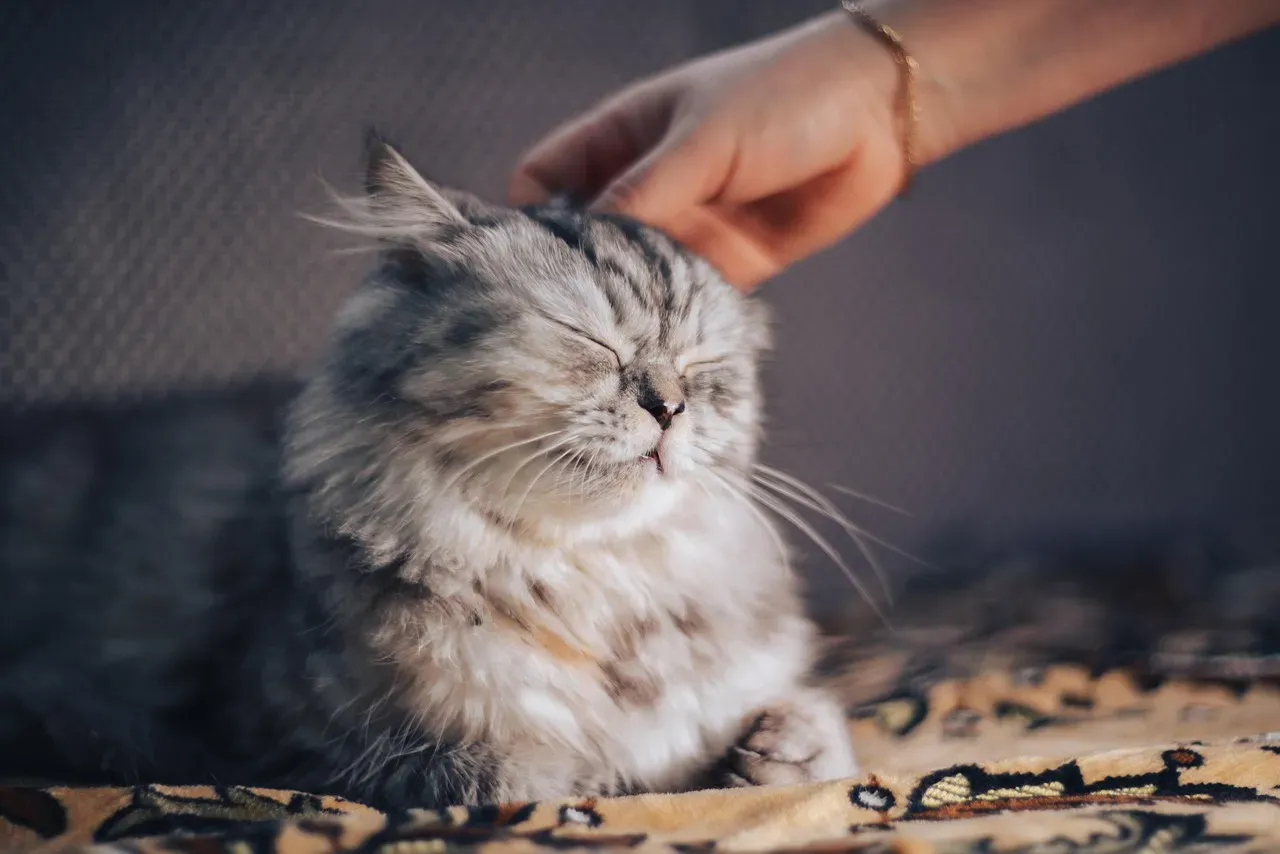
Cat owners were inclined toward agreement that cats are independent and have less social needs than other animals, according to research comparing owner and veterinarian perceptions. This belief shapes how people care for their felines, often to the detriment of the animals themselves. Although widespread, many of these beliefs lack empirical support.
Here’s the kicker: an increasing number of studies demonstrate that cats not only have the capacity to form strong social bonds with humans, they also show great social sensitivity. They preferentially approach attentive humans and follow human points or gazes. Cats often exhibit preferences for social stimuli when given the choice. When researchers gave cats the opportunity to choose between their favorite food, scent, toy, and human interaction, social interaction ranked surprisingly high.
The disconnect between perception and reality runs deep. The misconception that cats are independent and require little or no care causes many of them to suffer needlessly both physically and emotionally.
Attachment Styles Mirror Human Infant Bonds
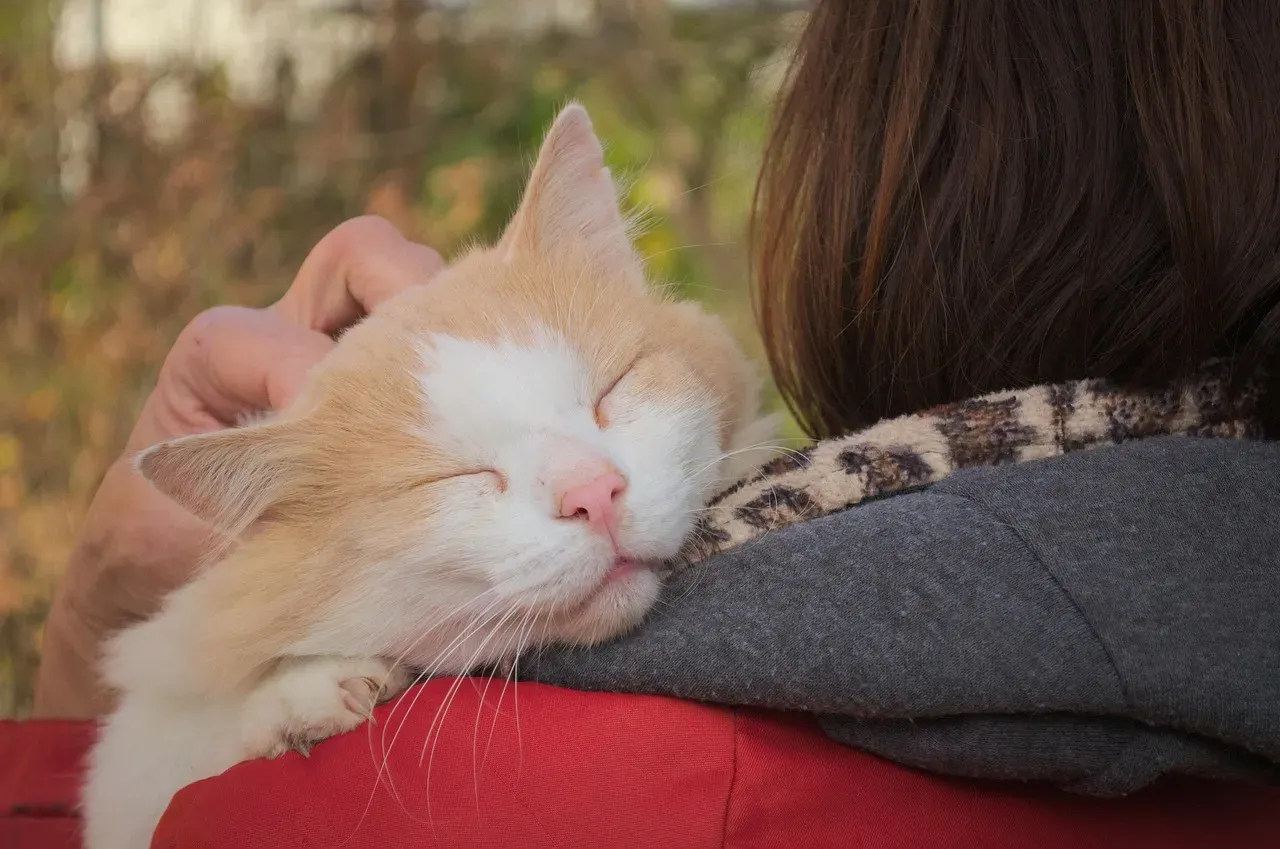
In a groundbreaking study from Oregon State University, researchers applied the secure base test to cats. The current data support the hypothesis that cats show a similar capacity for the formation of secure and insecure attachments towards human caregivers previously demonstrated in children and dogs, with the majority of individuals in these populations securely attached to their caregiver. Roughly 65 percent of cats showed secure attachment.
Think about that for a moment. Nearly two thirds of cats form bonds with their humans that are psychologically similar to the bonds between parents and children. In attachment tests, cats show almost identical search patterns, vocalizations, and other signs of separation distress to dogs upon an owner’s departure.
Cat attachment style appears to be relatively stable and is present in adulthood. This isn’t some fleeting kitten behavior that disappears with maturity. Your adult cat’s connection to you is genuine and enduring.
The Social Lives Nobody Talks About
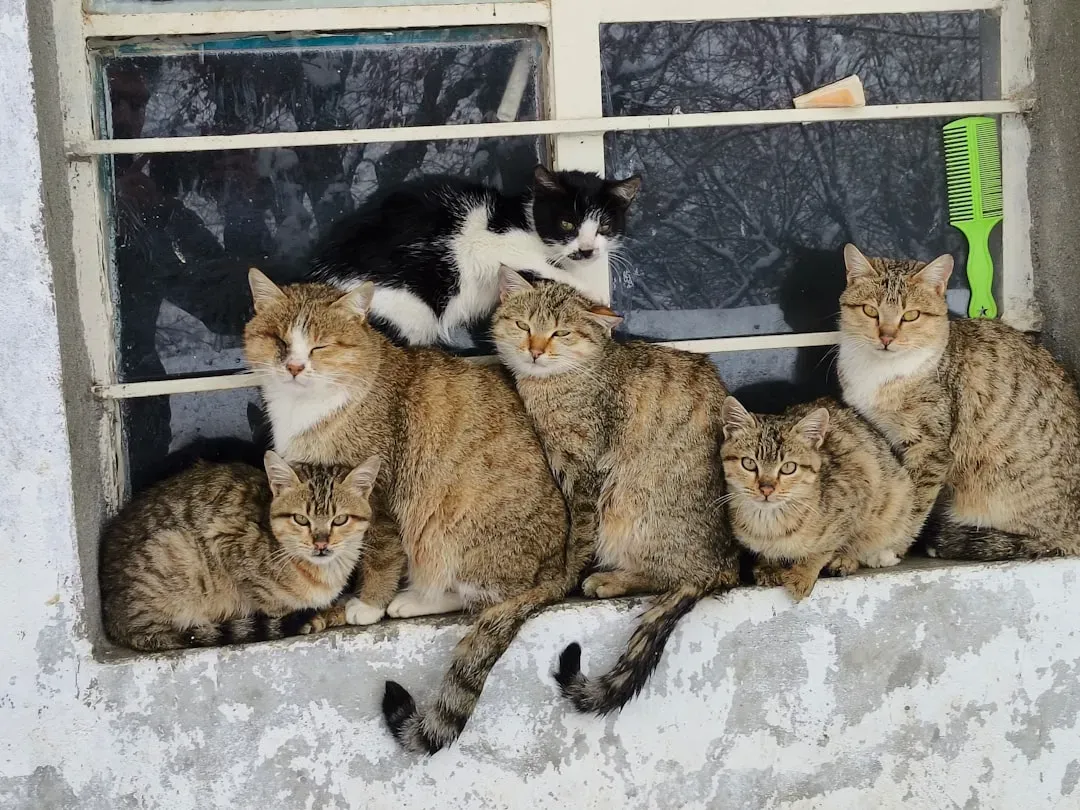
Cats have the inaccurate label as solitary. They are solitary hunters but not solitary animals. This distinction matters tremendously. Yes, cats evolved to hunt alone, stalking mice and small prey through fields and forests. However, when resources are abundant, cats naturally form social groups.
Although cats are stereotypically thought to be aloof and unsocial, domestic cats display great flexibility in their social behavior. Cats have the ability to live solitarily, to live in extremely gregarious colonies, and to live socially in homes with humans and various other species. Their social flexibility is actually one of their most remarkable traits.
Within colonies, cats develop preferred associates. Cats that are more familiar with one another groom each other more often, spend more time in proximity to one another, and display less frequent aggressive behaviors toward one another. They choose companions. They maintain friendships.
Even the concept of feral cats as completely independent creatures misses the mark. Free-ranging cats form intricate social structures based on kinship and familiarity when conditions allow.
Your Cat’s Secret Language of Devotion
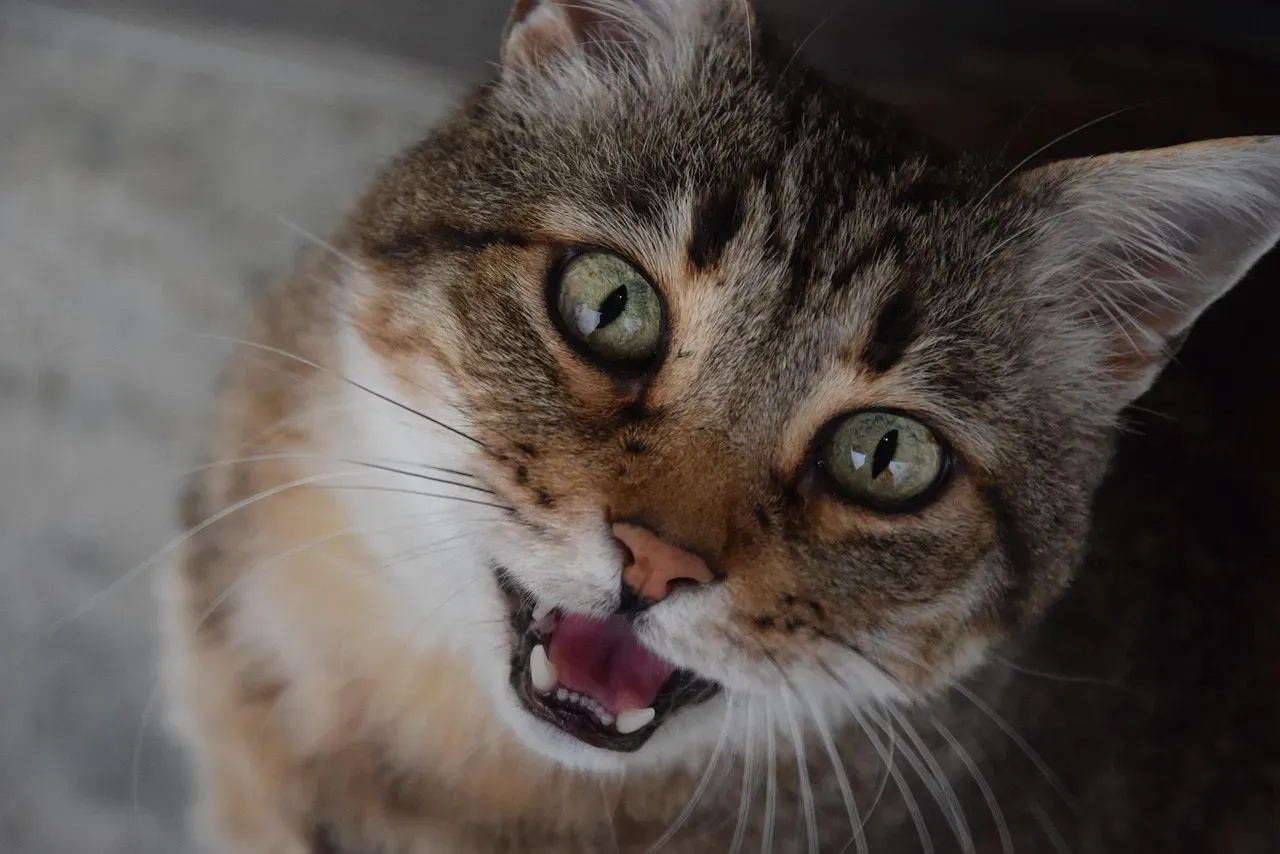
Domesticated cats have adapted their vocal behavior to communicate with humans. They’ve learned that meowing gets them what they want, whether that’s food, attention, or access to a room. Adult cats only meow at humans, never other cats, but kittens will meow at their mother. Studies have found that cats meow at their owners, but not at each other – it is a very human-centric sound.
Your cat literally developed a special communication system just for you. Cats don’t meow to each other as adults in the wild. This vocalization evolved specifically to interact with humans. That’s not indifference – that’s adaptation driven by the desire to connect.
The environment has an important impact on the vocal behaviour and thus feral cats and pet cats vocalize differently. Pet cats are thus able to create an efficient communication with humans thanks to the flexibility of vocalisation behaviours.
The Separation Anxiety Nobody Expected
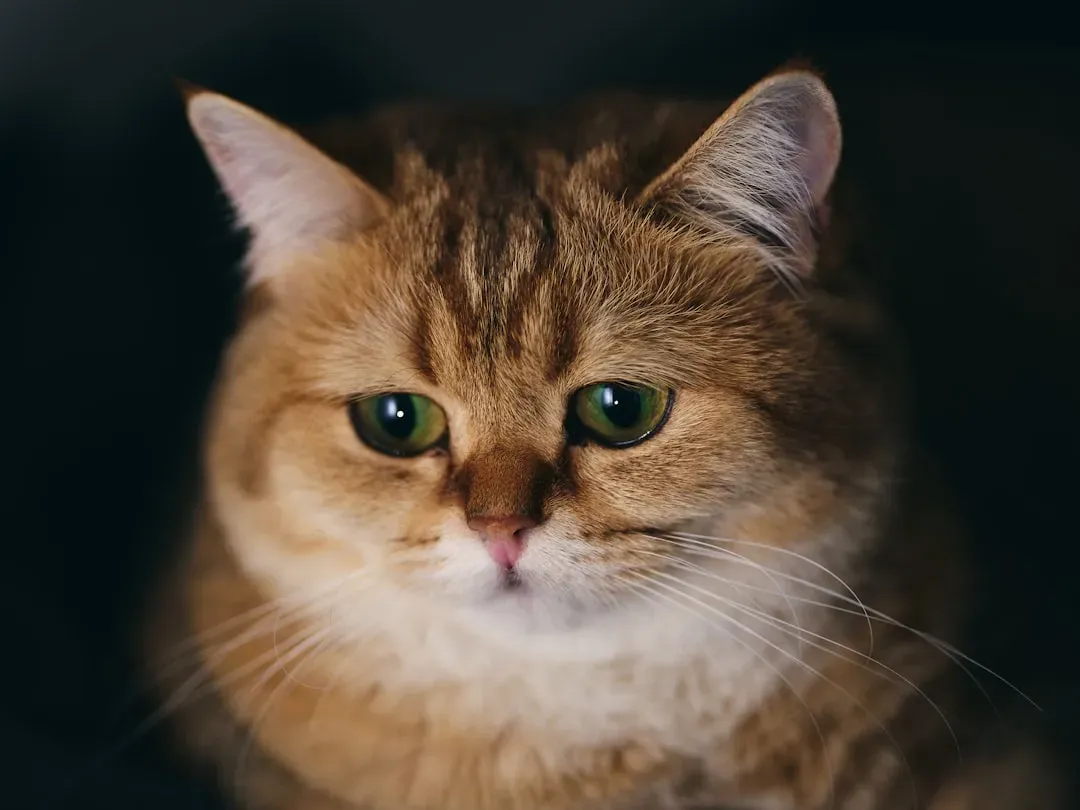
Separation anxiety is much less likely to be diagnosed in cats than in dogs, even though there is evidence to suggest that cats can suffer from this condition. Research supports the fact that cats can develop separation anxiety syndrome, and they show many of the same signs that are seen in dogs.
Behavior problems triggered by separation anxiety included inappropriate urination, inappropriate defecation, excessive vocalization, destructiveness, and psychogenic grooming. Many owners attribute these behaviors to spite or misbehavior. They couldn’t be more wrong. Your cat isn’t acting out of malice when they urinate on your bed. They’re experiencing genuine distress at your absence.
Studies show that about 64% of cats establish a secure attachment to their human caretakers. When those attachments are disrupted, cats experience real emotional pain. Cats need your companionship and in fact, some will go through separation anxiety if left alone too often or for too long, something most people only associate with dogs.
The Myth That Keeps Cats From Getting Help
Multiple studies suggest that many people who keep cats lack the basic knowledge to optimize their environments, the ways in which they are managed, and their overall well-being. This ignorance has consequences. A number of domestic cat owners appeared unable to interpret the behavior of their pets, particularly as it pertained to gauging their stress responses.
Get this: 19% of owners failed to recognize house-soiling as a sign of distress in their cats and 57% did not view aggression as indicative of distress. More than half of cat owners cannot identify when their pet is suffering. That’s staggering.
Such practices may be overlooked because many people believe that cats, being independent, neither require nor enjoy human interaction. Brushing, toy provision, and nail trimming are neglected. Veterinary visits are skipped. The assumption of independence becomes a self-fulfilling prophecy of neglect.
How Cats Actually Show They Care
You might think your cat is aloof because they don’t greet you at the door like a dog would. What you may interpret as a cat being aloof is actually your exquisitely designed companion being ready for anything. Just because your cat may not jump to immediate attention when you call his name, doesn’t mean he’s aloof – he’s focused.
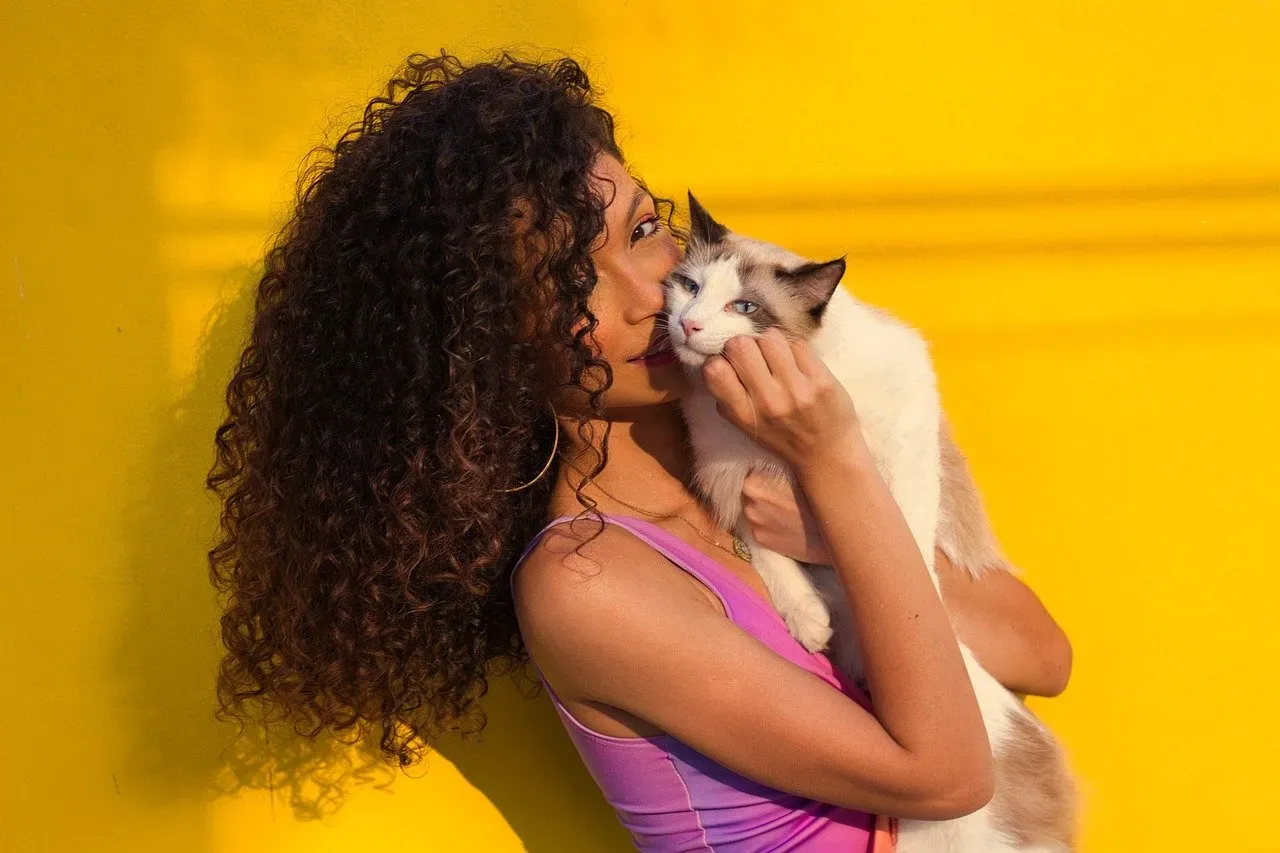
Cats sought proximity to an attentive human versus an inattentive human. Shelter and pet cats spent less than 20% of the testing period interacting with an inattentive human, but on average spent over 60% of trial time seeking the proximity of the same human when the human was attentive. Your cat reads you constantly. They know when you’re available and when you’re distracted.
Studies have shown that cats’ brains release oxytocin – often called the love hormone – during positive interactions with their owners, demonstrating a neurochemical foundation for emotional bonding. The slow blink your cat gives you? That’s a kiss. The head bunting? Affection and scent marking combined.
Why the Myth Persists Despite Evidence
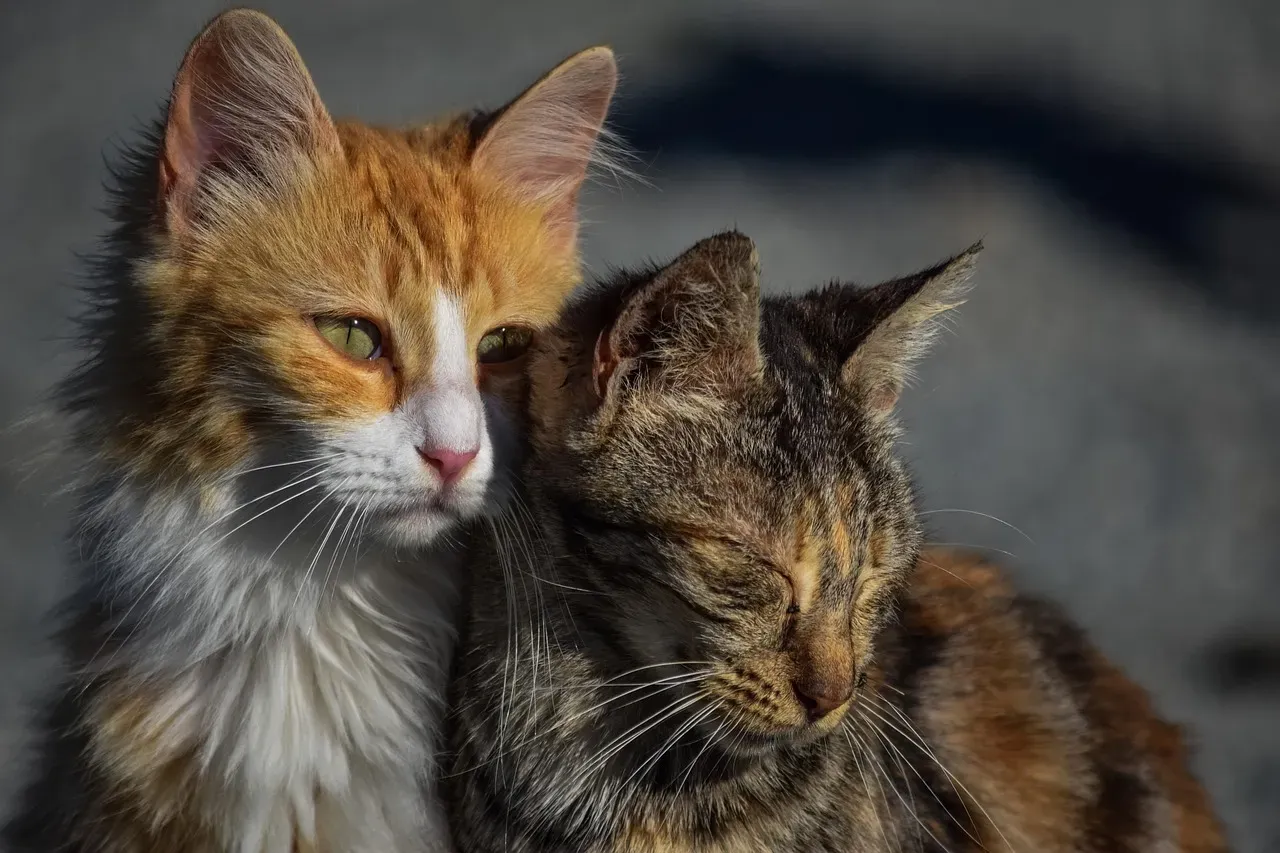
Much of the unsocial cat stereotype may come from human perception and a lack of scientific knowledge about cat social behavior. We compare cats to dogs constantly, and in that comparison, cats always come up short. Dogs are demonstratively affectionate, following their owners everywhere, tail wagging, enthusiasm barely contained.
Cats show love differently. Cats may not show affection in the same way as dogs, but their behaviours are still meaningful. They’re subtle. Sitting several inches away from you is closeness for a cat. Showing you their belly is trust. Following you from room to room is companionship.
Cats are likely viewed as aloof because they are often compared to dogs, which are undeniably more social. This comparison does cats a profound disservice. They’re not failed dogs. They’re successful cats, with their own rich emotional landscape.
The Real Cost of Believing the Myth
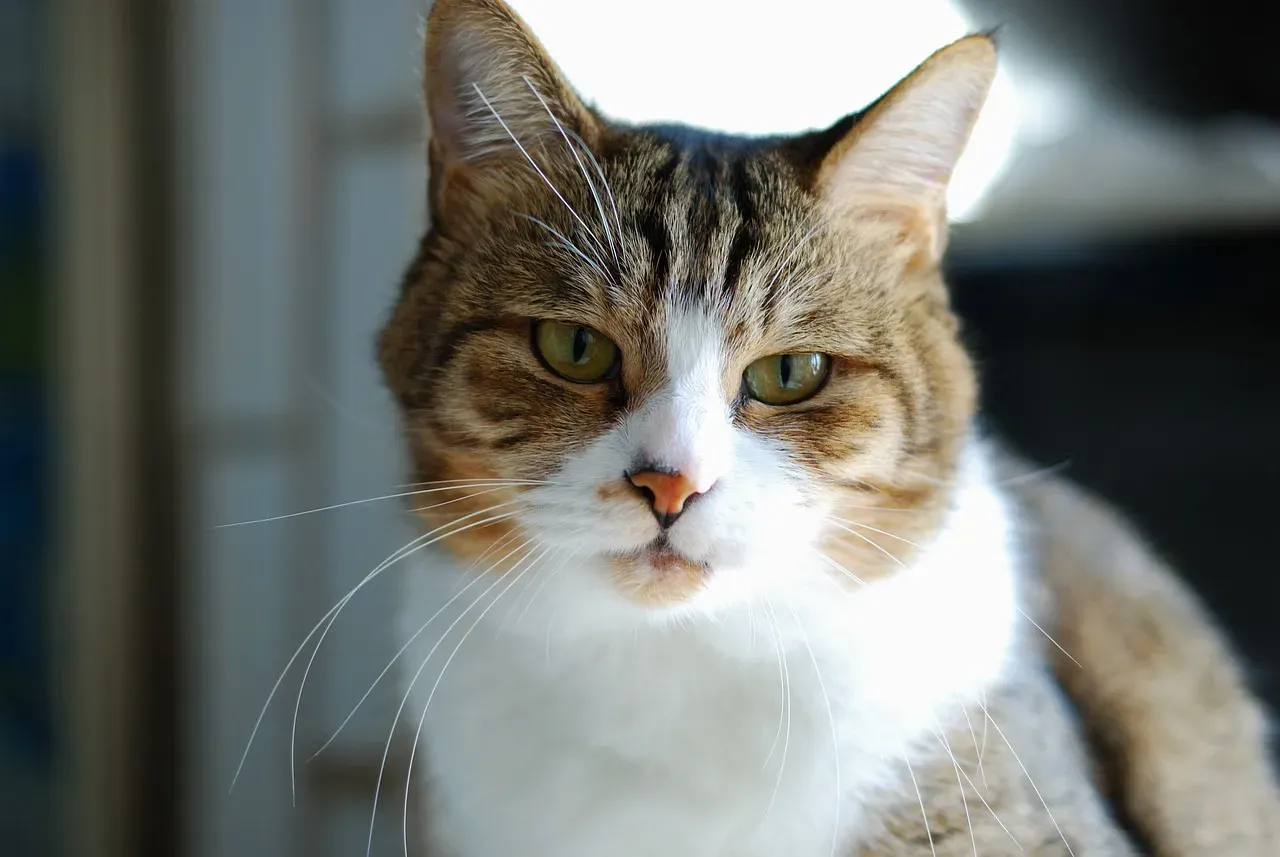
Viewing cats as asocial can harm them, as their caretakers are less likely to provide affection, exercise, hair brushing, toys, and veterinary care. The belief in feline independence has tangible, measurable effects on animal welfare. Cats receive less attention, less medical care, and less environmental enrichment than they need.
Too many cats get abandoned or dumped in shelters by disillusioned owners who failed to develop a bond or understand cat social behavior. If people knew that certain behaviors, like scratching, are normal and can be redirected using training techniques, they’d be less likely to abandon their pets.
Cats with fewer interactions with people and longer periods of time left alone displayed higher numbers of problematic behaviors and were perceived to have higher anxiety levels. The myth creates a vicious cycle: people believe cats need less attention, so they provide less attention, which causes behavioral problems, which reinforces the belief that cats are difficult or antisocial.
What Your Cat Actually Needs From You
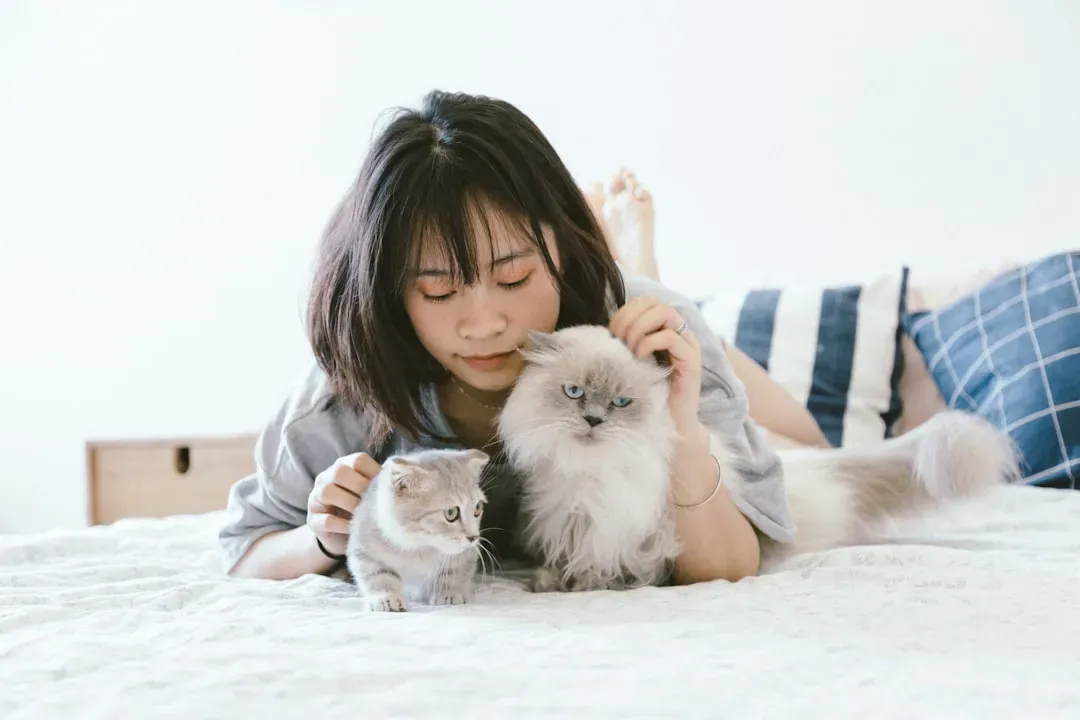
The initiation, and the initiator of social interactions between cats and humans have been shown to influence both the duration of the interaction bout and total interaction time in the relationship. Let your cat approach you, but also make yourself available. Create opportunities for connection.
Whether or not cats are able to form a bond with humans or other species is influenced by early life experience. Proper socialization, the process through which an individual develops appropriate social behaviors toward a member of their own or another species, is an important component to forming bonds. If a cat does not receive social experiences with humans, especially early on in their lives during a sensitive period between 4 and 8 weeks old, it may be extremely difficult for them to bond to a human.
Cats’ socialization or sensitive period is between 2 and 7 weeks of age. Kittens handled frequently by humans during their second to mid-seventh week of age become friendly and trusting of people and remain so throughout their later lives. Early experiences shape lifelong behavior, but that doesn’t mean adult cats can’t form attachments.
Understanding your cat’s needs means providing environmental enrichment, consistent positive interactions, and recognizing their subtle communication signals. It means treating them as the social creatures they truly are.
Your cat isn’t aloof. They’re not indifferent to your presence or your absence. Cats are capable of forming strong bonds with their human owners, similar to those formed between dogs and their owners. This bond is built on trust, affection, and mutual respect. The independent cat is largely a fiction, a story we tell ourselves that makes it easier to justify giving them less care and attention than they deserve. The reality is far more beautiful and far more demanding. Your cat loves you, needs you, and depends on you more than you probably ever realized. What are you going to do with that knowledge?