Picture this: you open your eyes and your cat is already there, staring directly into your soul, purring at maximum volume, tail held high like a flag of tiny, furry authority. You haven’t even checked your phone. You haven’t had coffee. Yet somehow, in the warm haze of waking, you feel genuinely, profoundly loved. It’s one of the most disarmingly sweet things about sharing your life with a cat.
Here’s the thing, though. That morning ritual your cat performs is far more layered than a simple “good morning.” It’s a finely tuned, biologically wired, emotionally loaded ceremony that blends ancient instinct with deeply personal expectation. Every headbutt, every chirp, every insistent paw on your face has meaning, and once you understand what’s actually happening in those precious first moments of the day, you’ll never look at your cat the same way again. So let’s dive in.
Your Cat’s Internal Clock Is Already Running
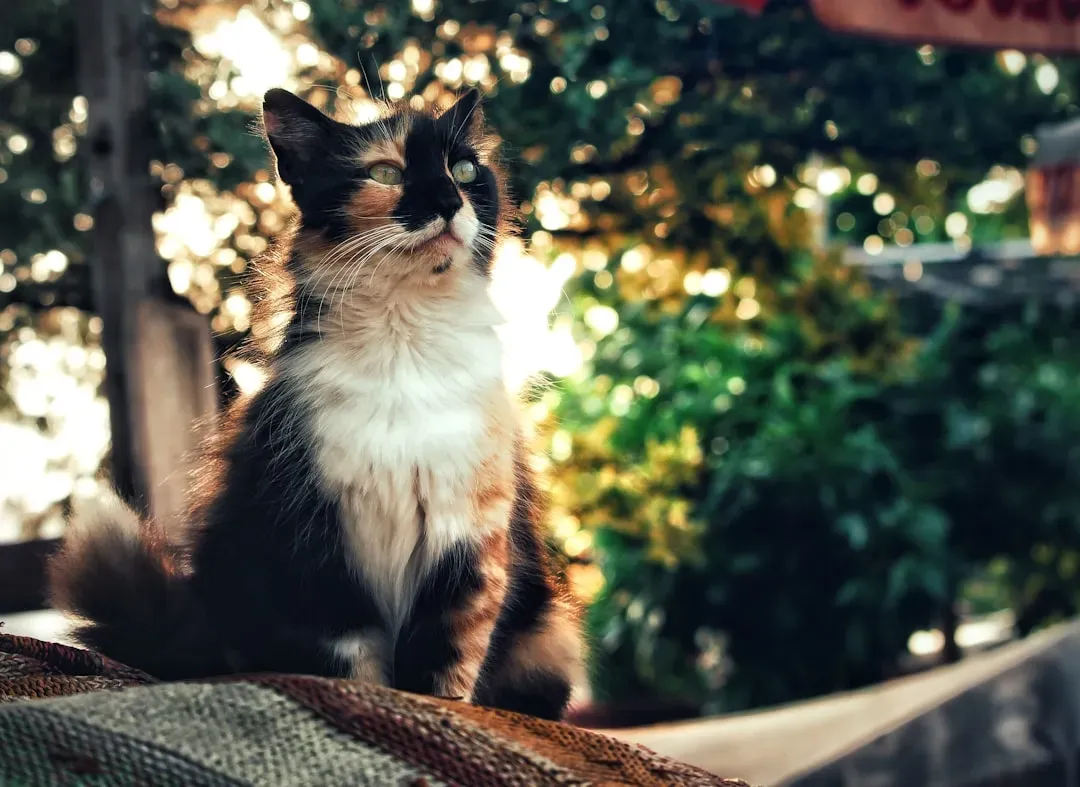
Long before your alarm goes off, your cat’s body is already preparing for action. Cats are crepuscular creatures, meaning their natural instincts drive them to be most active during twilight hours, dawn and dusk. Think of it less like an alarm clock and more like a biological sunrise festival hardwired into their DNA.
This biological rhythm stems from their wild ancestors, who hunted during low-light periods when prey was more abundant and movement was less detectable. As the sun rises, your cat naturally enters a peak activity window, with their body primed for alertness, energy, and engagement. And affection? That’s absolutely part of that morning behavioral package. Honestly, it’s remarkable that something so ancient still shapes what plays out on your duvet every single morning.
Hunger Is a Very Real Part of the Morning Script
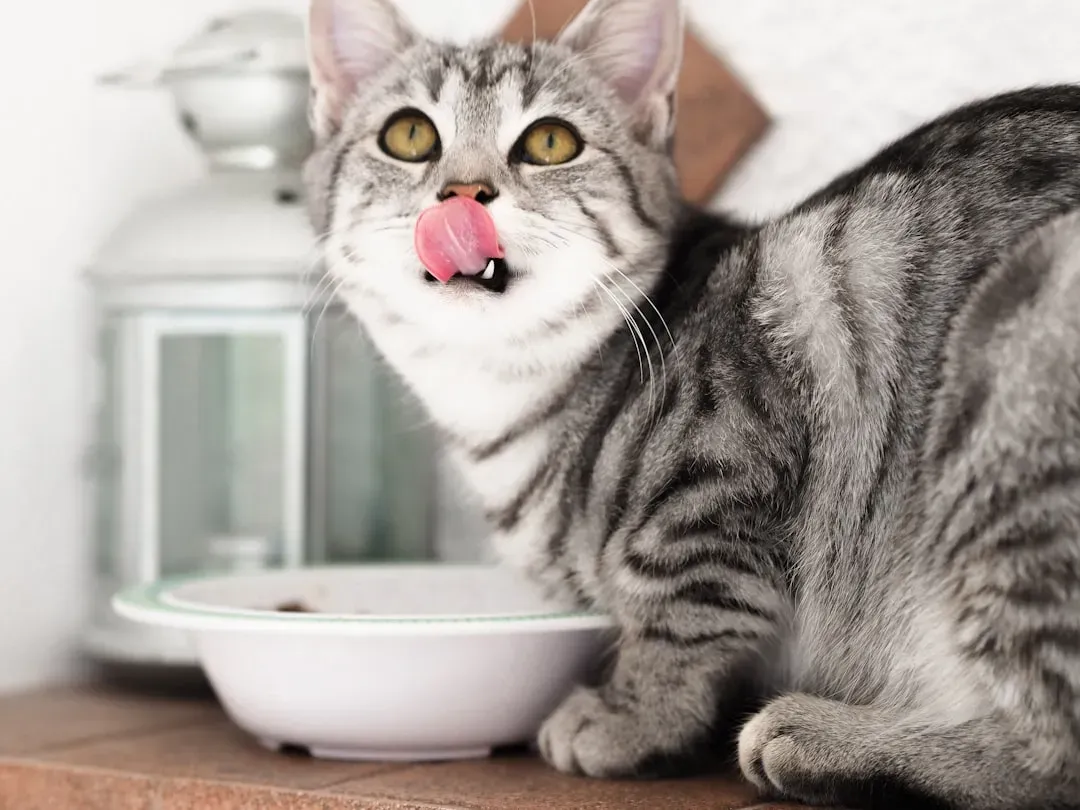
Let’s be real: your cat is not purely a romantic. Cats have very small stomachs, only about the size of a ping pong ball. Your cat will start to get hungry about five hours after eating. If you’re going more than about eight hours between meals, which many people are when they feed in the evening and not again until morning, your cat is genuinely hungry by dawn.
Cats are creatures of habit and they quickly learn to associate morning time with positive experiences like feeding, play, and attention. If you regularly feed or interact with your cat in the morning, they’ll anticipate these moments and may become more affectionate in anticipation of these rewards. So yes, some of that early morning charm is strategic. Your cat has learned that being adorable gets results. Honestly, can you blame them?
The Headbutt That Says “You Belong to Me”
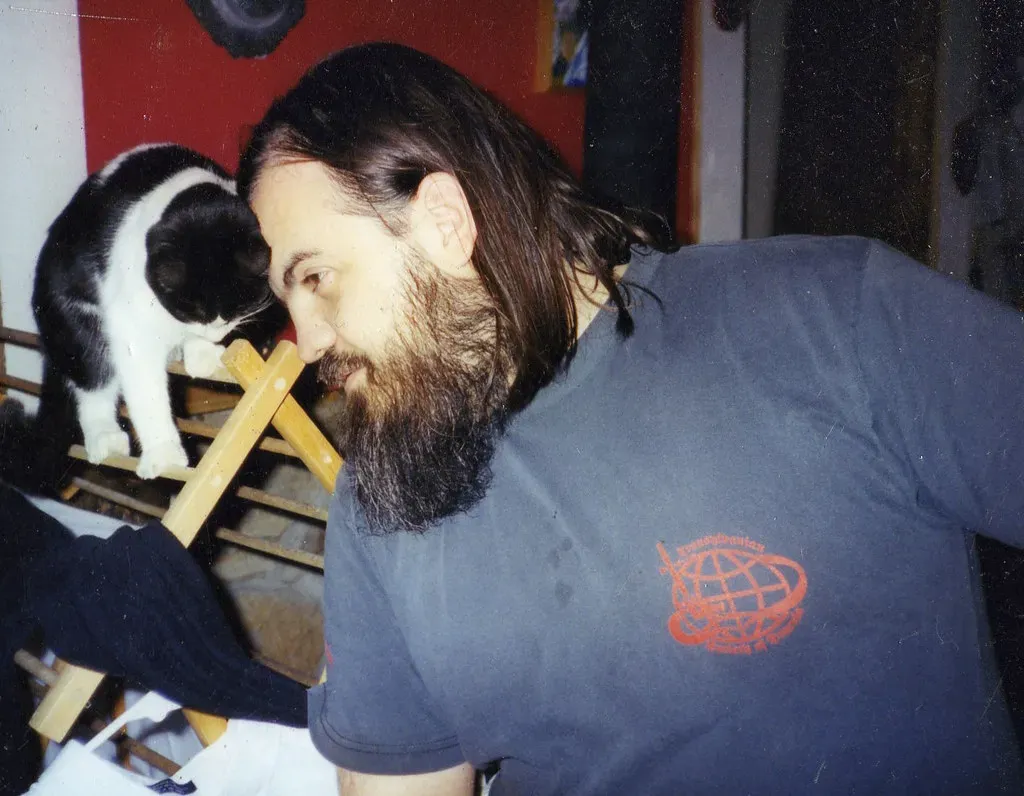
That forehead pressed firmly against your chin at 6 a.m. is not random. Cat headbutting, also called bunting, is usually a friendly behavior where cats mark you with their scent to show bonding, comfort, and familiarity. It’s their way of literally writing their name on you, except instead of a pen, they use invisible chemical signals called pheromones.
When a cat headbutts you, they are rubbing pheromones on you. The pheromone deposited during headbutting comes from glands located just in front of a cat’s ears. Humans can’t detect these pheromones, but to a cat, you can consider yourself marked. What seems like a cute morning nudge is actually a declaration: you are part of the family, and you are safe. A study conducted in 2021 found that allorubbing is a significant reunion behavior, with the vast majority of cats bunting or rubbing against their human companions after a separation.
The Tail Tells the Whole Story
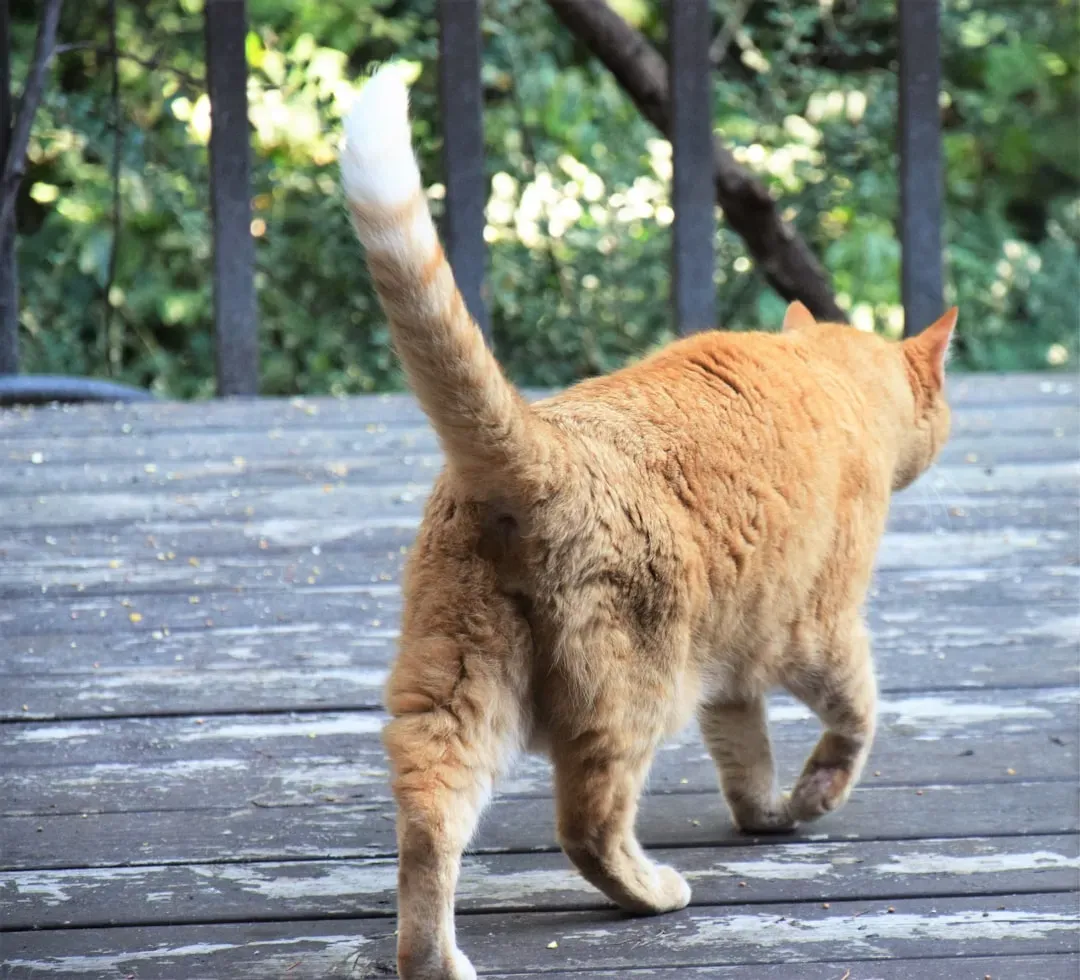
Pay attention to how your cat approaches you when you wake up, because their tail is communicating volumes before a single sound is made. When a cat’s tail is upright, they are feeling social and confident, and are approaching in a friendly manner. This tail language indicates a friendly greeting between cats, and it’s how kittens greet their mothers. In other words, that tall, proud tail aimed straight at the ceiling is the feline equivalent of running toward you with open arms.
Many cats use a question mark shaped tail to greet someone they like or to signal they want to play. A tail in the full upright position also indicates familiarity, trust, and affection. If you see that little hook at the top, consider it an invitation. Just as we greet one another with handshakes or hugs, cats may greet by curling their tails around people, and tail wrapping is an affiliative behavior that demonstrates a willingness to interact.
Purring Is Both Emotion and Expectation Rolled Into One
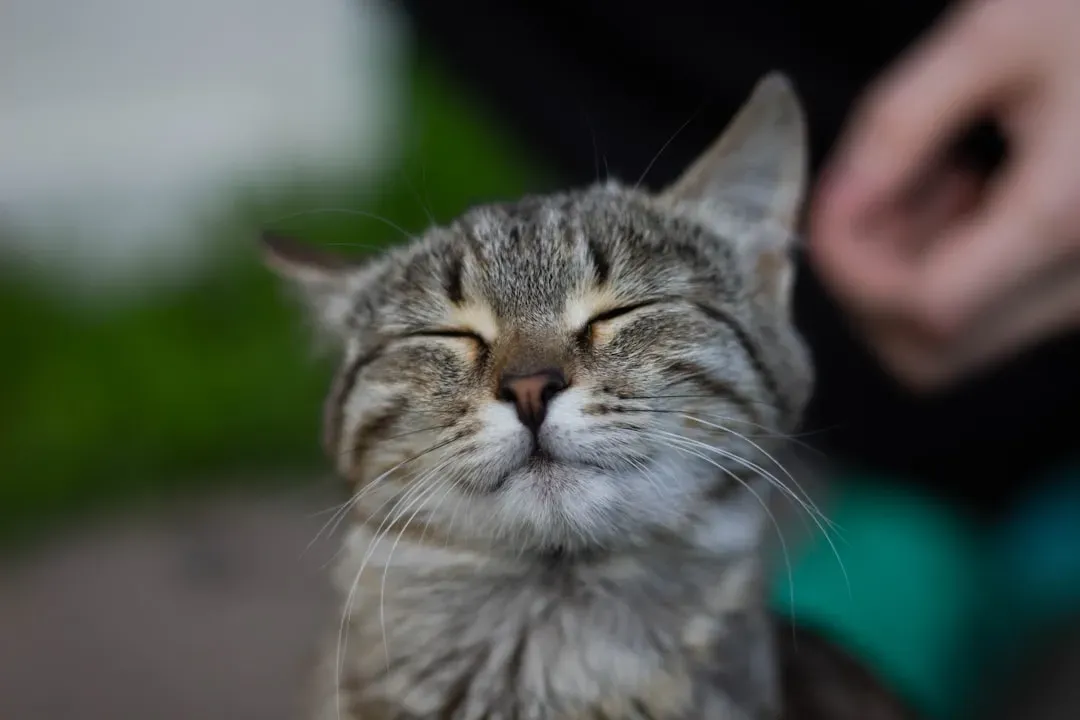
That deep, rumbling vibration filling your bedroom in the morning is probably one of the most comforting sounds in the world. But purring is more nuanced than it seems. Purring is a way that cats show their contentment. Cats can use purring to communicate, though it is also a bit of an automatic response when they are happy. Often, cats may purr in anticipation of the affection that you’re going to show them, especially if you frequently pay attention to your feline in the morning.
When we slip from consciousness to unconsciousness at night as we fall asleep, our cats sense this change, which prompts them to watch over us. This is also why your cat may want to cuddle up next to you as you fall asleep. So that purring might also carry a note of genuine relief. Something like: “You’re awake. The vigil is over. Let’s eat.” It’s oddly touching, when you think about it that way.
Reconnecting After the Night’s Separation
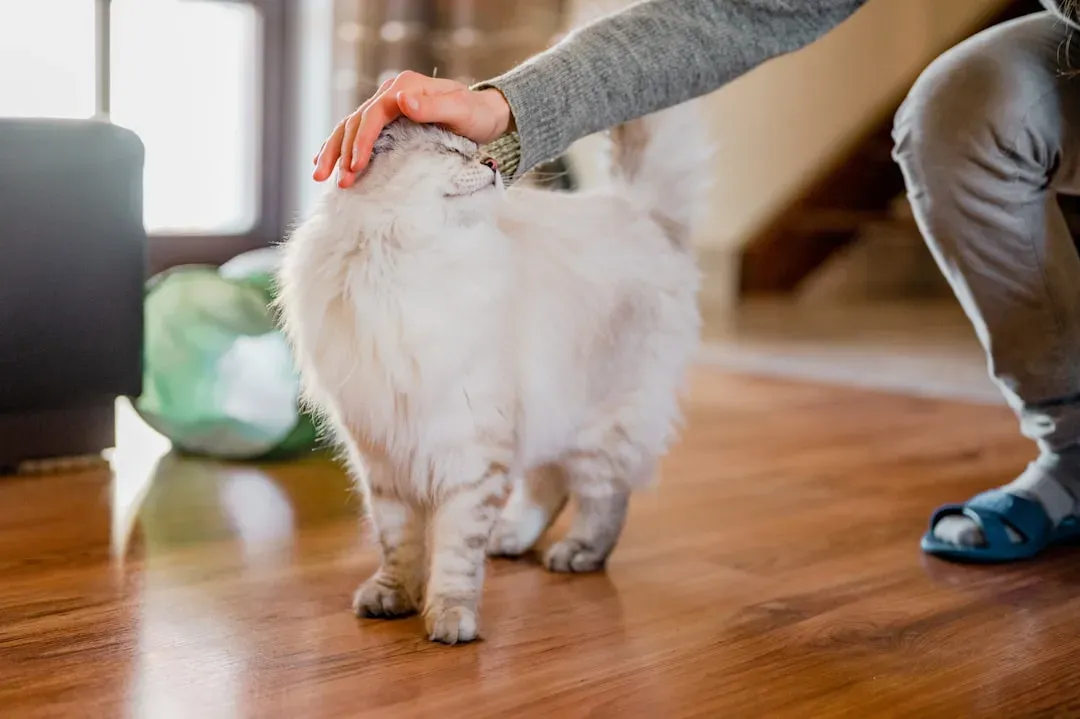
Cats and humans share something genuinely emotional when morning arrives. Despite their independent reputation, many cats form deep emotional attachments to their caregivers. Some experience mild separation anxiety when left alone for extended periods, even overnight. Waking up to greet you with enthusiasm is a way of reconnecting after a period of separation.
Morning affection often represents a genuine emotional bond between cats and their owners. After hours of separation during sleep, your cat may simply miss you and want to reinforce your social connection. It’s a surprisingly tender reality. Cats use physical contact with humans as a way of reinforcing relationships within their social groups. When they greet you first thing in the morning with headbutts or snuggles, they’re reaffirming your place in their world. You’re not just an owner. You’re their person.
Your Cat Has Learned to Read You Almost Too Well
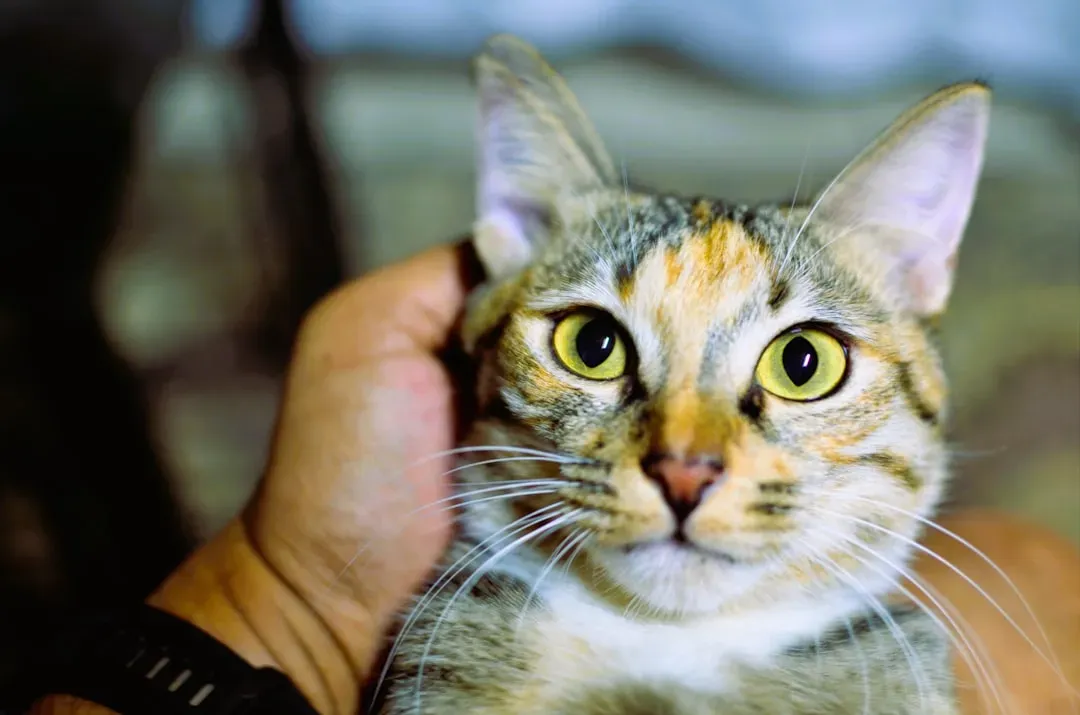
Here’s something that might surprise you: your morning mood shapes your cat’s behavior more than you realize. Believe it or not, your mood can significantly shape your cat’s demeanor. Cats are highly attuned to their humans’ emotional states. If you wake up feeling happy and relaxed, your cat may respond with an increase in affectionate behavior, purring, head-butting, or even playing. Conversely, if you’re rushed or stressed, your cat might pick up on that negative energy and retreat or appear aloof.
When a cat owner experimented with changing their schedule, their cat adjusted within two days, aligning their affectionate greetings with the new wake-up time. This shows the cat isn’t acting purely on instinct but responding to learned patterns and human availability. Their affection is both emotionally driven and context-aware, highlighting how intelligent and socially attuned cats truly are. I think that level of attentiveness honestly rivals some people I know.
Morning Routines Reinforce the Bond Over Time
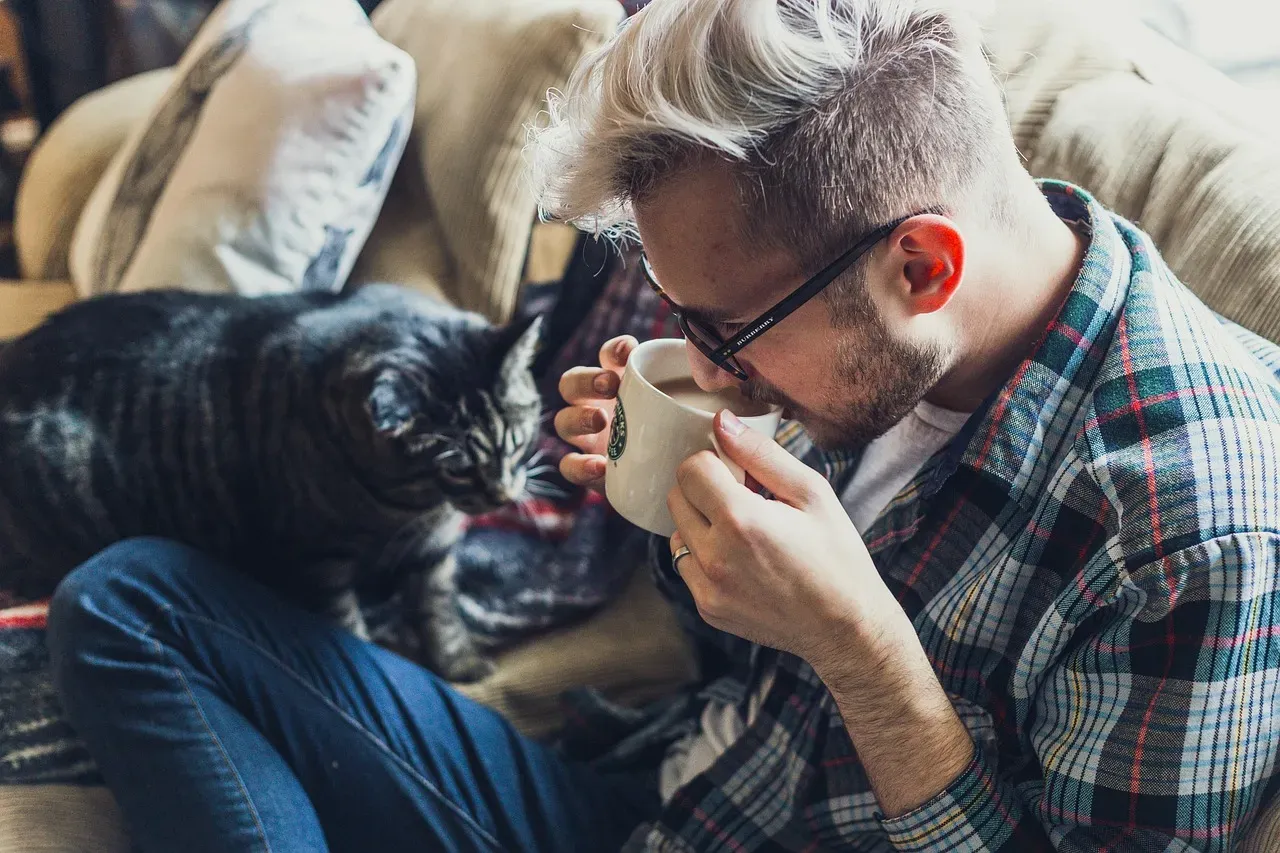
Every morning interaction you share with your cat is a deposit into an emotional bank account. Cats thrive on routine, and mornings are a prime time for building that bond. Start your day by establishing a consistent morning ritual. Bringing out the treats or food at the same time each day not only signals your cat that it’s mealtime but also sets up positive associations with your presence.
How you respond shapes your cat’s behavior patterns over time. If every time they show affection you reciprocate by petting them or giving treats, even inadvertently, you reinforce this loving behavior further. They learn quickly: being affectionate equals positive outcomes like attention or snacks. It’s a beautiful feedback loop, really. The more warmly you respond, the richer and more elaborate the morning greeting ritual becomes. By focusing on small, consistent rituals like gentle wake-ups, calm feeding, playful enrichment, light grooming, and creating a relaxing space, you encourage healthy cat habits and deepen your bond.
The Slow Blink and the Language Beyond Words
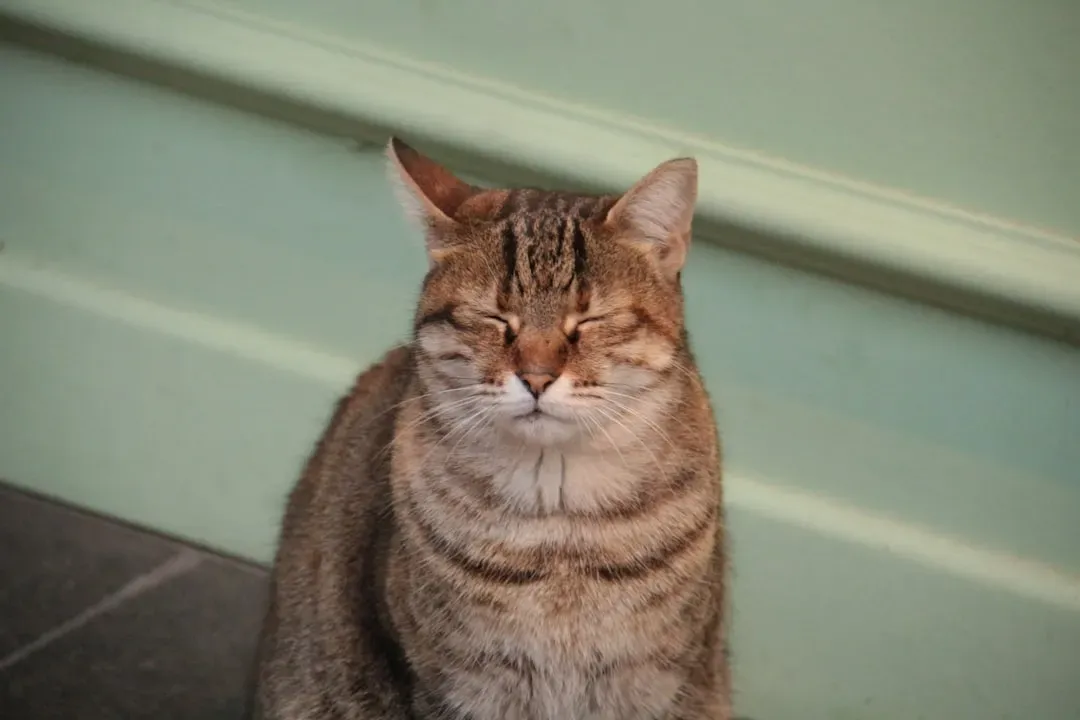
Not every part of your cat’s morning greeting is physical. Sometimes, a cat will simply sit across the room, meet your eyes, and blink slowly. Don’t overlook this. Slow blinks can be a sign of contentment and affection. You can slowly blink back at your cat and see how long the exchange lasts. This blinking can be a way to bond with your cat without touching them.
Slow blinking is a sign of trust and affection, and slow blinking back at your cat can help them feel safe and relaxed. Think of it as a cat kiss, delivered across the room over your morning coffee. Whether it is tail signals, slow blinks, head bumps, or just leg rubbing, cats show their affection in many ways and greet the people they trust and love with these body language quirks. Put them all together and you realize the morning greeting isn’t one gesture. It’s an entire conversation.
Conclusion
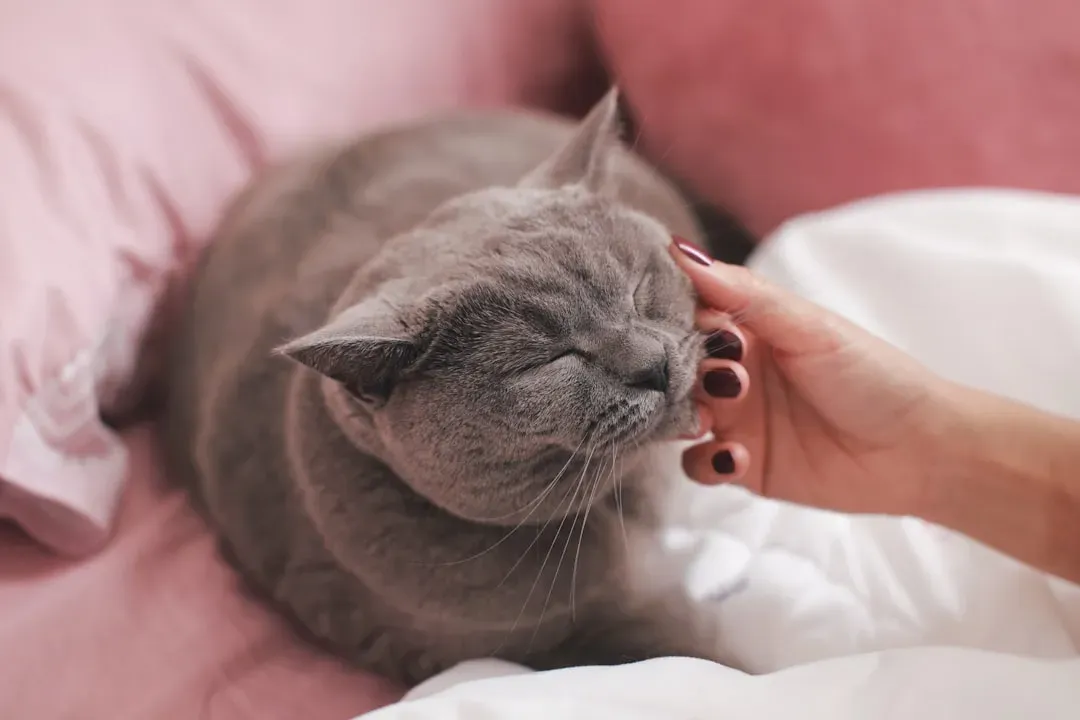
Your cat’s morning ritual is genuinely one of the most layered, emotionally rich forms of non-verbal communication between two different species. It blends millions of years of instinct with the specific, learned rhythms of life shared with you. Every purr, every headbutt, every upright tail and slow-blink is a piece of a complex puzzle your cat assembles fresh every single morning.
Once you understand the biology behind those crepuscular energy peaks, the emotional weight of overnight separation, and the powerful language of scent and body position, the morning greeting stops looking like a cat being demanding and starts looking like something far more meaningful. It’s trust. It’s ritual. It’s love, expressed in the only language your cat has.
You share your mornings with a creature whose ancestors hunted under half-light skies, and yet here they are, pressing their forehead into yours before the world fully wakes up. When was the last time you slowed down enough to truly appreciate that? What would you do differently tomorrow morning if you knew exactly what your cat was trying to say?