You’ve probably heard your cat settle into your lap, close its eyes, and start that familiar warm rumble. It’s one of the most universally comforting sounds on the planet. Most people assume it simply means the cat is happy. Relaxed. Content. Done.
Here’s the thing, though. That assumption barely scratches the surface. What your cat is actually doing when it purrs is far more layered, more fascinating, and honestly more surprising than science originally thought. There’s biology in there. Communication. Emotion. Even something that looks a lot like self-healing. Ready to rethink everything you thought you knew about your feline friend? Let’s dive in.
The Mechanics Behind the Sound: How Purring Actually Works
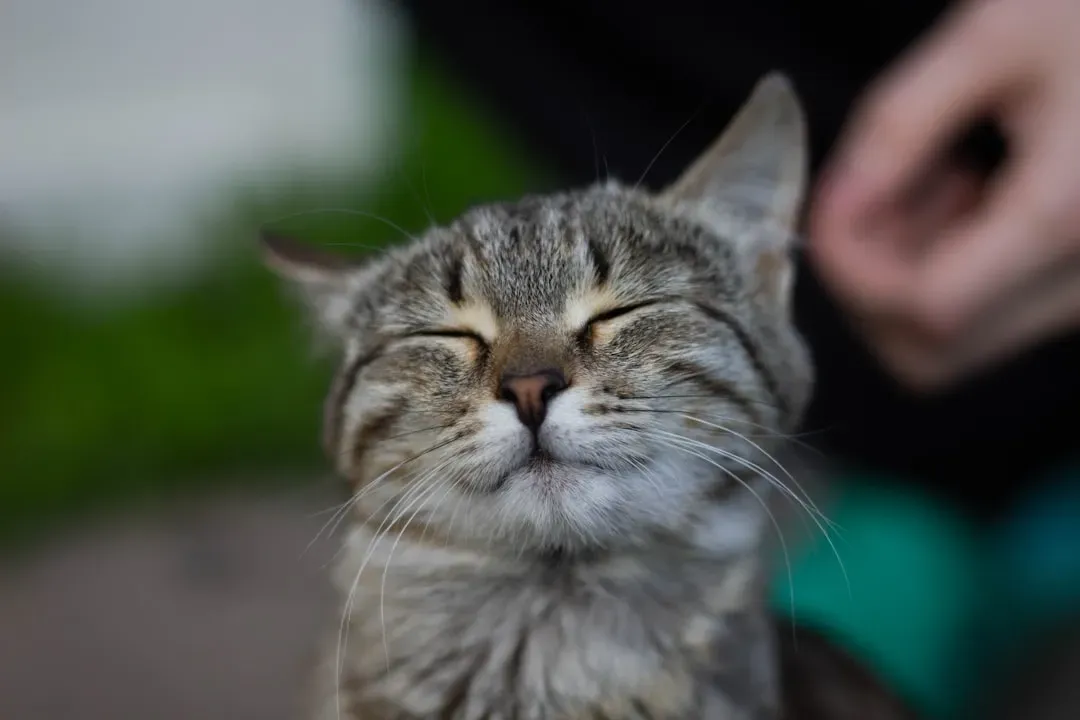
If you’ve ever pressed your hand against a purring cat, you know the vibration is real and physical. It’s not just sound. Scientists have demonstrated that cats produce the purr through intermittent signaling of the laryngeal and diaphragmatic muscles. Think of it less like a vocal performance and more like a deeply biological rhythm, one that the body generates almost automatically.
Cats purr through a neural oscillator that comes from the brain. This sends a signal to the muscles in the throat, causing the larynx and diaphragm to rapidly contract and relax. By doing so, the opening between the vocal cords, or glottis, is constantly opening and closing. It’s a bit like how your heart keeps beating without you consciously telling it to. The brain controls the rhythm, and the body follows.
Cats purr during both inhalation and exhalation with a consistent pattern and frequency between 25 and 150 Hertz. That detail alone should tell you this is no casual background noise. Something that consistent, that sustained, that precise, carries meaning far beyond a simple emotional expression.
It’s Not Always Happiness: When Cats Purr in Distress
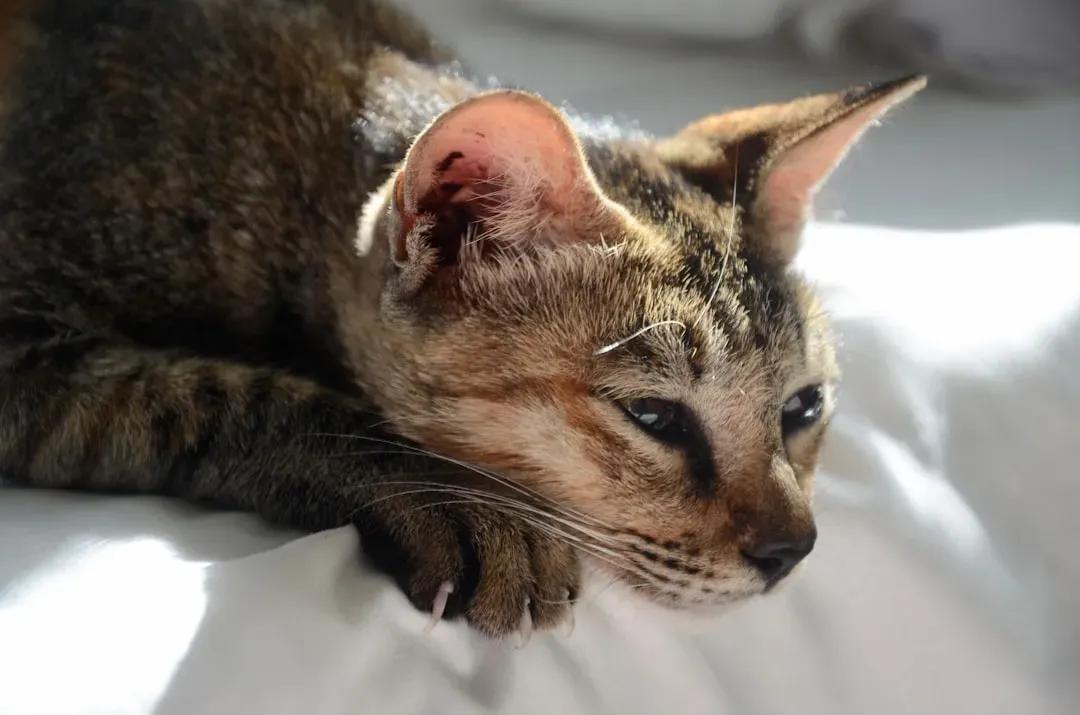
Let’s be real. The idea that purring always equals a happy cat is one of the most common misunderstandings in pet ownership. Cats often purr while under duress, such as during a visit to the veterinarian or when recovering from injury. Not all purring cats appear to be content or pleased with their current circumstances. So if your cat purrs at the vet’s office, it may not be enjoying itself at all.
Cats may purr when they are frightened, anxious, or in pain. This type of purring is believed to be a self-soothing mechanism. It’s not uncommon for a cat to purr while at the vet, after an injury, or during a stressful event. Think of it like a person humming quietly to themselves when they’re nervous. It’s a coping behavior, a way of calming the internal storm.
Cats purr not only when there’s pleasure in their current situation, but also when they need to catch a breather. This typically happens when cats get anxious, stressed, or feel pain. Understanding this distinction makes you a far more attentive and informed cat owner.
Purring as a Language: What Your Cat Is Trying to Tell You
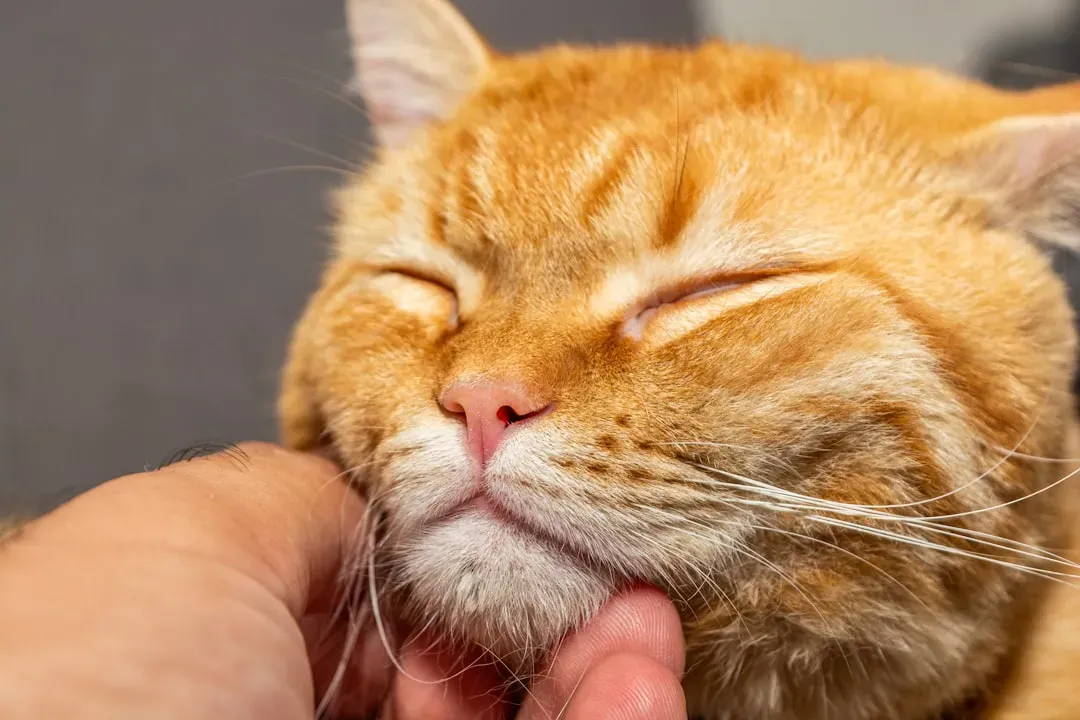
Cats use purring as a means of communicating with you and other cats. When used on humans, purring acts as a signal of the cat’s emotions and feelings in the moment. It’s almost like a text message with variable meanings depending on context. You have to read the full situation, not just hear the sound.
Hungry cats looking to be fed by their owner contain an unusual high-frequency element, akin to a human baby cry, within their naturally low-pitched purr. With these “solicited purrs,” domestic cats are effectively tapping into our own nurturing instincts to give them attention. Their cries of “feed me” are hidden in what may sound like a pleasant purr. Honestly, when you realize your cat is embedding a demand inside a sound designed to manipulate your emotions, it’s hard not to be impressed and slightly suspicious.
Purring serves as a social signal, conveying messages of comfort and reassurance to both kittens and humans. Different types of purring can indicate varying emotional states, such as contentment or distress. The next time your cat purrs, pay attention to the tone, the timing, and the body language around it. Your cat is speaking. You just have to learn the dialect.
Mother and Kitten Bonds: Purring From Day One
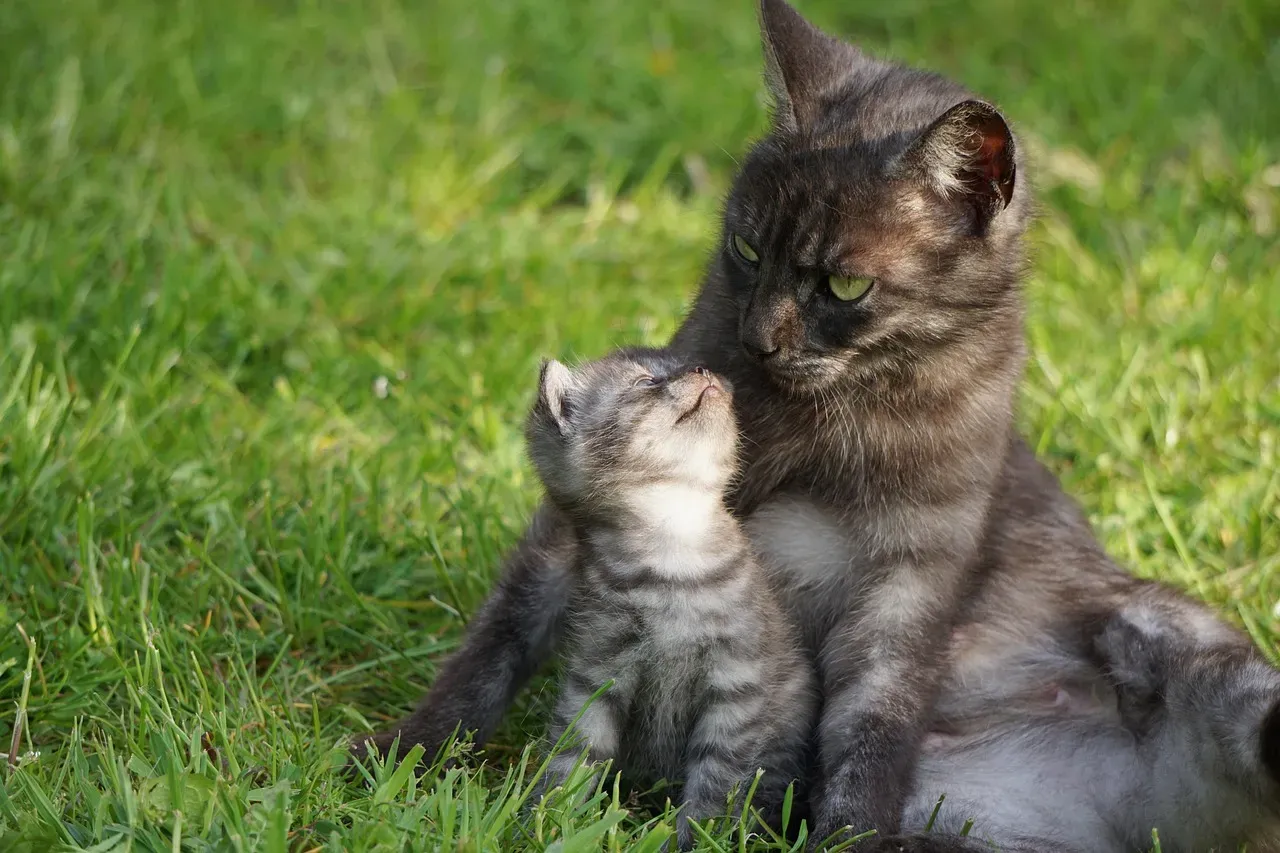
Mother cats and kittens use purring to communicate from the very beginning. Kittens can purr as early as two days old, and it helps mothers locate them and bond during nursing. That’s extraordinary when you think about it. Before their eyes open, before they can walk, kittens are already engaged in this sophisticated vibrational dialogue.
Kittens don’t get to see and hear anything right after birth, but they can feel. A mother cat’s purr creates vibrations that the kittens can feel, letting them feel safe knowing their mother is right by their side. It’s touch-based communication in its most primal form. In that sense, the purr is as ancient and instinctive as any sound in nature.
Purring also helps stimulate milk production in the mother cat. As kittens grow, they continue to purr as a way to communicate with their mother and siblings and to express their contentment. It’s a full system of bonding baked into the biology of feline life from the very first hours of existence.
The Healing Frequency: Science Gets Serious About the Purr
This is the part that surprises people the most. The frequency of the vibrations is typically between 25 and 150 Hertz, which is in the range of vibrations that can promote healing of bones and tissues. That’s not folklore. That’s physics. And it aligns with what researchers have been studying in therapeutic medicine for years.
Domestic cats, servals, ocelots, and pumas produce fundamental, dominant, or strong frequencies at exactly 25 Hz and 50 Hz, the two low frequencies that best promote bone growth and fracture healing. That’s a remarkable convergence. The same vibration range your cat produces naturally is also used in clinical settings to help repair human bone fractures.
The frequency of cat purring has been shown to fall between 25 and 140 Hz. The same frequency has been shown to aid in the healing of broken bones, joint and tendon repair, and wound healing. I think it’s fair to say at this point: your cat may be carrying around a biological therapy machine without even knowing it.
Purring and Your Cardiovascular Health
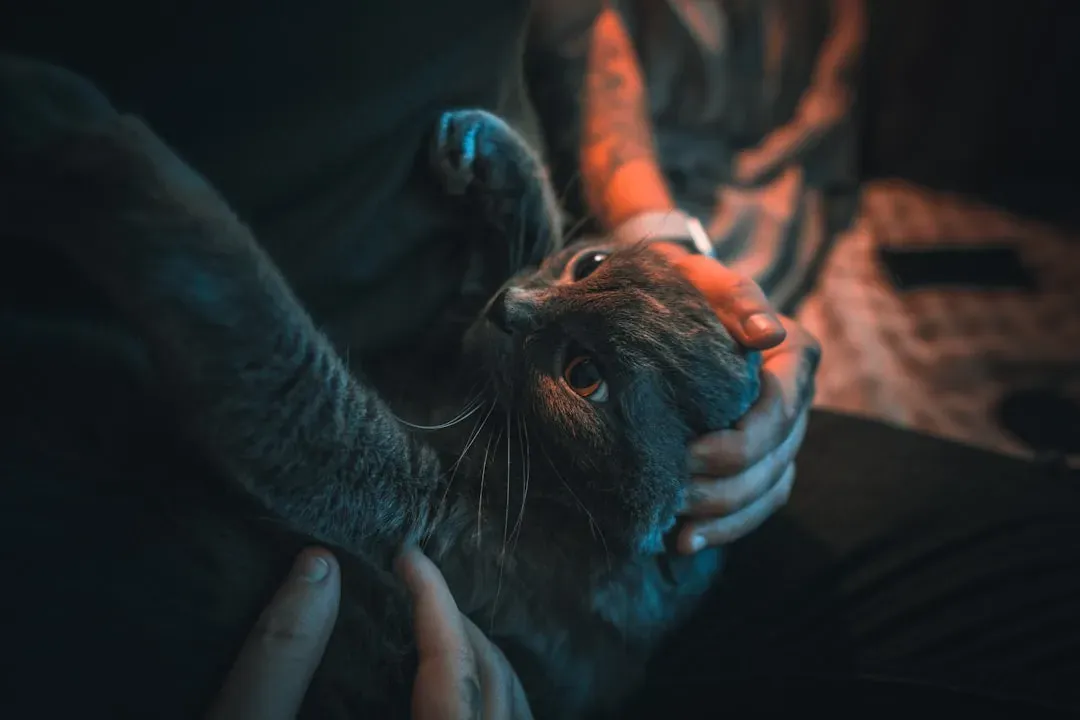
Here’s something your cardiologist probably hasn’t mentioned yet. The cat purring effect on humans includes benefits like lowering blood pressure, promoting healing, and even reducing the risk of heart disease. Studies have shown that cat owners are less likely to suffer from heart disease compared to those without cats. That’s a remarkable connection for something as ordinary as a sound.
The soothing effects of purring help reduce blood pressure, which can lower the risk of heart attacks and strokes. The calming presence of a cat, combined with the rhythmic vibrations of its purr, contributes to a healthier cardiovascular system. It’s like nature’s version of a slow breathing exercise. Only furrier. And considerably more entertaining.
The soothing vibrations of a cat’s purr can help regulate the autonomic nervous system, which controls involuntary bodily functions like heart rate and breathing. By lowering stress and triggering the body’s relaxation response, purring promotes a sense of calm, balance, and emotional well-being. The body doesn’t just respond to the sound. It responds to the vibration on a deep, systemic level.
The Hormonal Response: Oxytocin, Cortisol, and the Chemistry of Calm
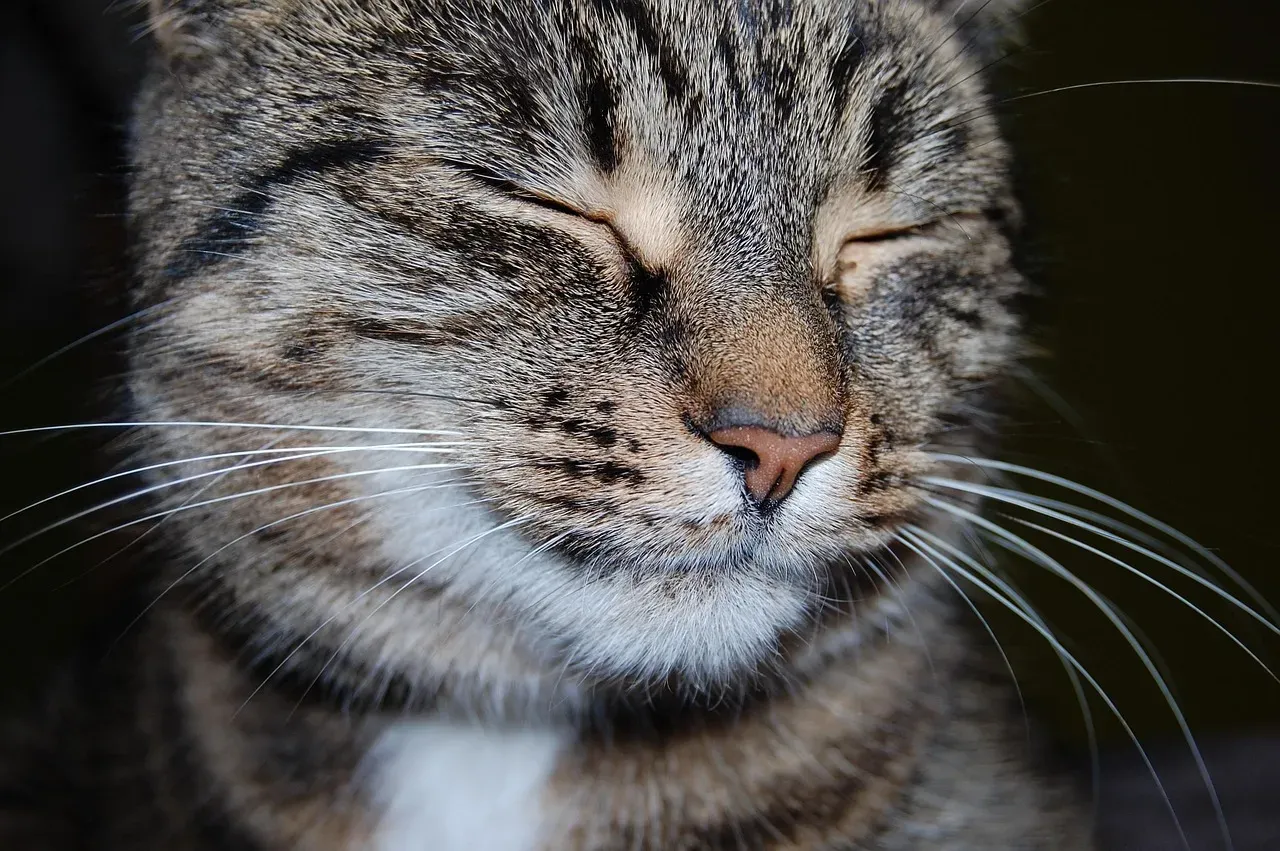
Studies have shown that petting a cat while listening to its purr can boost oxytocin levels, a hormone associated with trust and emotional bonding. Oxytocin is the same hormone released during a hug, during laughter, during moments of deep human connection. Your cat’s purr essentially triggers the same pathway.
Purring not only releases endorphins in cats but can also induce the same thing in humans too. Endorphins help decrease stress hormone levels. Lowered stress hormones are helpful for healing, lowering blood pressure, and helping people cope with illness. That’s a chain reaction worth paying attention to. Hear the purr, feel calmer, heal faster. It sounds almost too simple, yet the science supports it.
For individuals who live alone or struggle with mental health challenges, a cat’s presence can offer consistent comfort. The predictability of a cat’s purring response reinforces feelings of security and emotional connection, making daily life feel less overwhelming. There’s real power in that consistency. In a world full of chaos, something that reliably vibrates with calm is no small thing.
Mental Health and Emotional Support: More Than Just Company
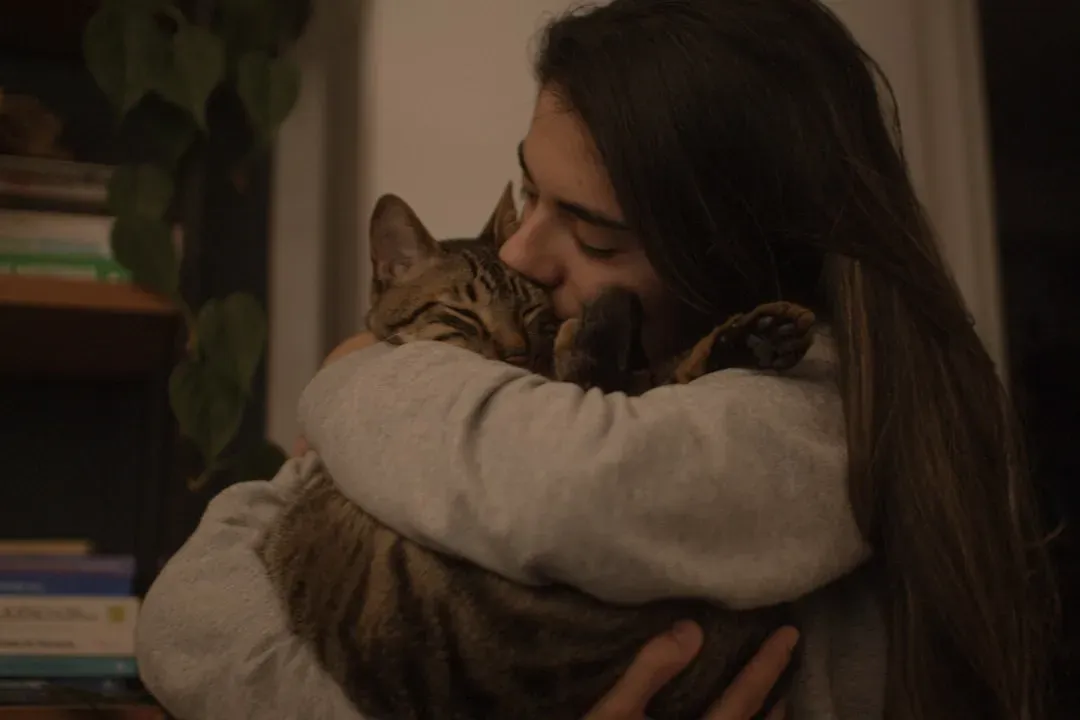
Therapy animals are increasingly recognized for their role in mental health treatment, and cats are no exception. Therapy cats visit hospitals, nursing homes, and schools to provide comfort to people experiencing stress or trauma. The gentle vibrations of purring can have a grounding effect, helping individuals manage symptoms of anxiety or PTSD. The idea of a cat as a therapeutic tool might seem informal, but it’s becoming increasingly mainstream.
Emotional support animals, like cats, offer vital relief to those experiencing anxiety, depression, or other mental health conditions. It’s hard to say for sure how much of the benefit comes from the purr specifically versus the broader comfort of having an animal companion. Most likely, it’s both, working together in a way that’s hard to separate but easy to feel.
Many cat owners find that sleeping near a purring cat improves their sleep quality. The soft, rhythmic sound acts as a form of white noise, blocking out disruptive sounds and helping the brain enter a state of relaxation. People who suffer from insomnia or frequent nighttime awakenings may experience better sleep when accompanied by a purring feline companion. If you’ve ever fallen asleep to the sound of a purring cat on your chest, you already know this to be true.
A Cat’s Self-Healing: When Purring Becomes Internal Medicine
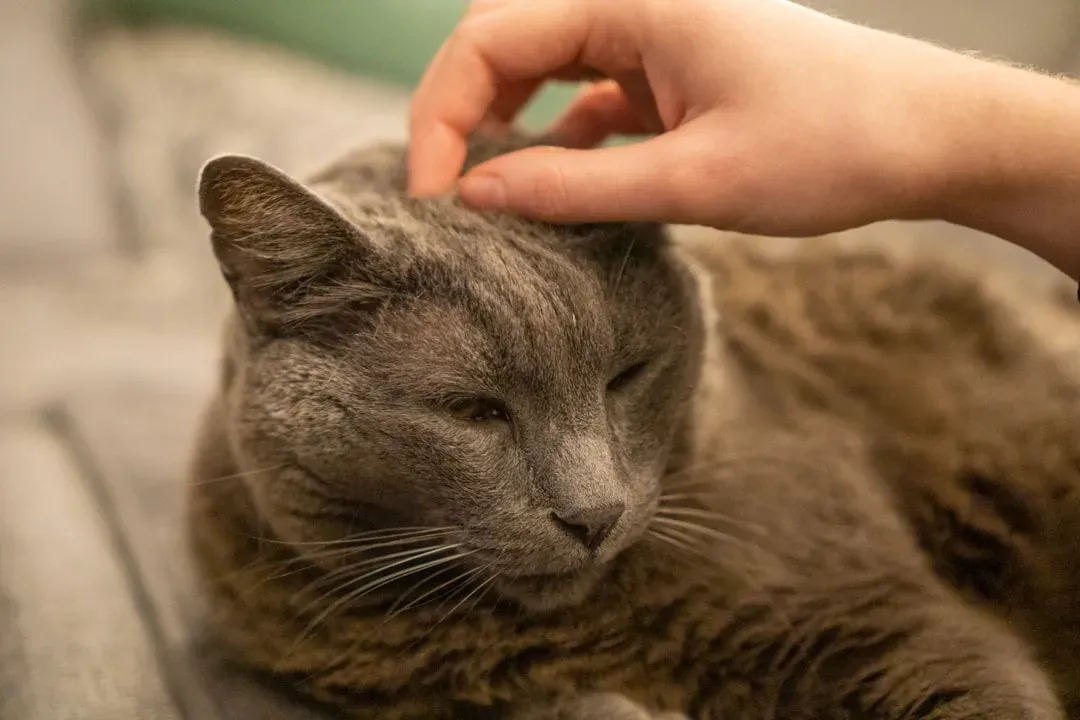
We all know that cats are able to heal quickly from their own broken bones, and incidences of joint problems and bone cancer in cats are rare. That’s not just genetic luck. Researchers have begun seriously exploring whether the act of purring itself is part of what keeps feline bodies so remarkably resilient. Think of it as a built-in repair system, humming away on the inside.
The frequency of the vibrations caused by a cat’s purr has been shown to help heal injuries and reduce inflammation. This is why you may notice your cat purring more loudly when they’re recovering from an injury or illness. It’s not a coincidence. It’s biology doing what it does best, finding an efficient path to recovery.
Clinical observations of cats that are suffering from upper respiratory conditions resulting in dyspnea or trouble breathing indicate that purring helps the cat breathe more easily. Even when a cat is at its most physically compromised, the purr continues to serve a function. It is more plausible that cat purring is a means of communication and a potential source of self-healing. That framing, communication and healing rolled into one, may be the most accurate summary of what a purr truly is.
Conclusion
The humble purr is one of nature’s quietly remarkable phenomena. It communicates hunger, fear, contentment, and love. It soothes kittens in the dark. It may slow the heartbeat of an anxious human. It vibrates at frequencies that align with bone healing and tissue repair. It releases hormones that make both species feel safer, calmer, and more connected. That soft rhythmic hum coming from your cat is, in every real sense, a multi-layered signal of biological intelligence.
So the next time your cat curls up beside you and that familiar vibration begins, take a second. Don’t just assume it’s happiness. Listen a little deeper. Watch the body language. Feel the frequency. Your cat might be healing itself. It might be telling you something urgent, or something tender. It might even be quietly improving your health without you even realizing it. What would you have guessed was behind that sound before today?