You’ve probably had that moment. You call your cat’s name, they glance at you with a slow, unbothered blink, yawn enormously, and look away. Rude? Maybe. Indifferent? Not quite. That little act of spectacular nonchalance is, believe it or not, one of the most misunderstood performances in the animal kingdom. Cats have a centuries-old reputation as cold, distant, and fiercely independent creatures who merely tolerate human company. Honestly, it’s a reputation they’ve done nothing to correct.
Here’s the thing though: science keeps poking holes in that story. Behind those half-closed eyes and perfectly sculpted poses of indifference lies a far more complex, emotionally layered animal than most people give them credit for. The idea that your cat doesn’t care about you is one of the great myths of our time. What’s really going on is something much more fascinating. Let’s dive in.
The Ancient Roots of the “Aloof” Label
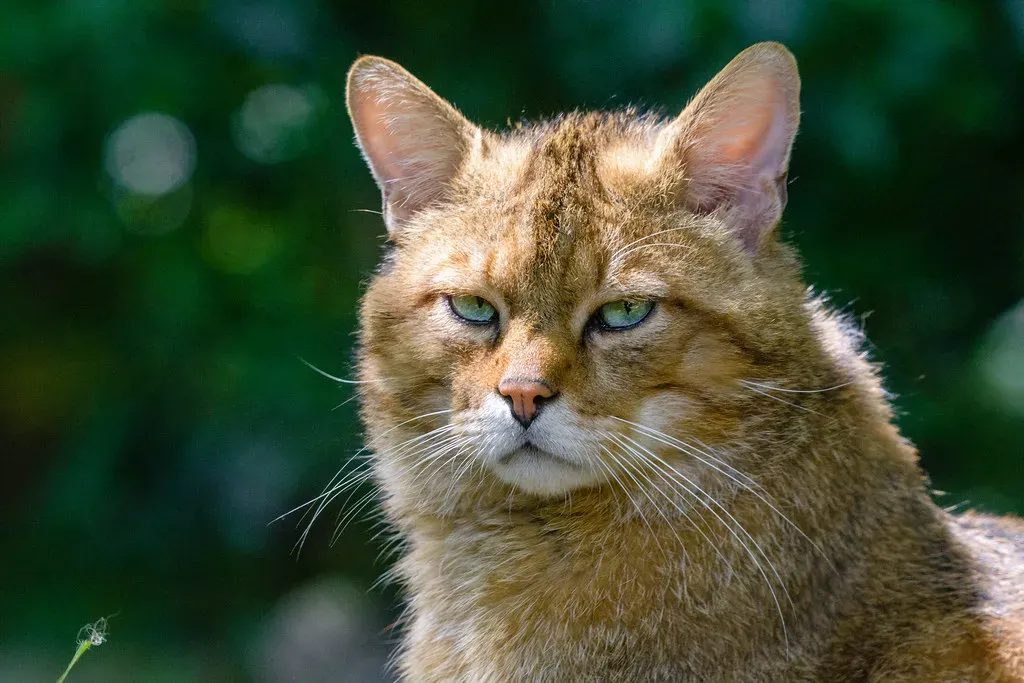
Your cat’s reputation for being cold and distant didn’t come out of nowhere. Cats are descended from a largely solitary-living species, the North African wildcat, and although they have been domesticated for more than 10,000 years, it is a common perception that cats remain aloof and often fiercely independent animals with relatively little reliance on humans. Think about that for a second. Ten thousand years of shared history, and we still think they don’t care. That says something about how deeply this myth has rooted itself into human culture.
Felids are solitary hunters that defend their home ranges fiercely from others of the same sex. This evolutionary blueprint, perfectly designed for lone predators, survived largely intact as wildcats gradually transitioned into domestic companions. People more or less allowed cats to domesticate themselves, which means your cat’s independence isn’t just a personality quirk. It’s literally woven into the story of how these animals came to share your home in the first place.
Self-Domestication: The Cat Who Chose Its Own Terms
Most animals were domesticated because humans needed something from them. Horses pulled carts. Dogs herded sheep. Cows fed families. Cats contribute virtually nothing in the way of sustenance or work to human endeavor. So how exactly did they end up curled on your couch? The answer is deeply telling about their nature.
African wildcats were attracted to early human settlements in the Fertile Crescent by rodents, in particular the house mouse, and were tamed by Neolithic farmers. There was no leash, no training program, no human master plan. Unlike dogs, whose domestication was actively guided by humans, cats chose domestication on their own terms. This matters enormously when you try to understand why your cat still acts like it’s running the show. Because in a very real evolutionary sense, it always has been.
The Science That Shattered the Myth of Cold Indifference
You might have assumed that cats simply don’t bond with people the way dogs do. That assumption has been tested repeatedly in research settings, and the results are genuinely surprising. A study at Oregon State University found that pet cats form attachments with their human owners similar to the bonds formed by children and dogs with their caretakers, and it was the first time researchers had empirically demonstrated that cats display the same main attachment styles as babies and dogs.
Distinct attachment styles were evident in adult cats, with a distribution similar to the kitten population, roughly two thirds displaying secure attachment. To put that in perspective, in humans, roughly two thirds of infants are securely attached to their caregiver. Your cat and a human baby, statistically speaking, are showing up in remarkably similar emotional proportions. I know it sounds crazy, but the data doesn’t lie.
Why Your Cat Acts Distant When You Need Them Most
The results of research from the University of Lincoln reveal that while cats might prefer to interact with their owner, they do not rely on them for reassurance when in an unfamiliar environment, and researchers believe this is because of the nature of the species as a largely independent and solitary hunter. This is a critical distinction. Not needing reassurance is not the same thing as not caring. It’s more like the difference between a confident person and an anxious one. Your cat is, in a behavioral sense, emotionally self-sufficient.
While it is increasingly recognized that cats are more social and more capable of shared relationships than traditionally thought, research shows that adult cats appear to be more autonomous, even in their social relationships, and not necessarily dependent on others to provide a sense of protection. In plain language, your cat doesn’t need you to feel safe. It wants you around for its own reasons. That distinction is actually a kind of compliment, if you think about it long enough.
The Hidden Language You’ve Been Missing All Along
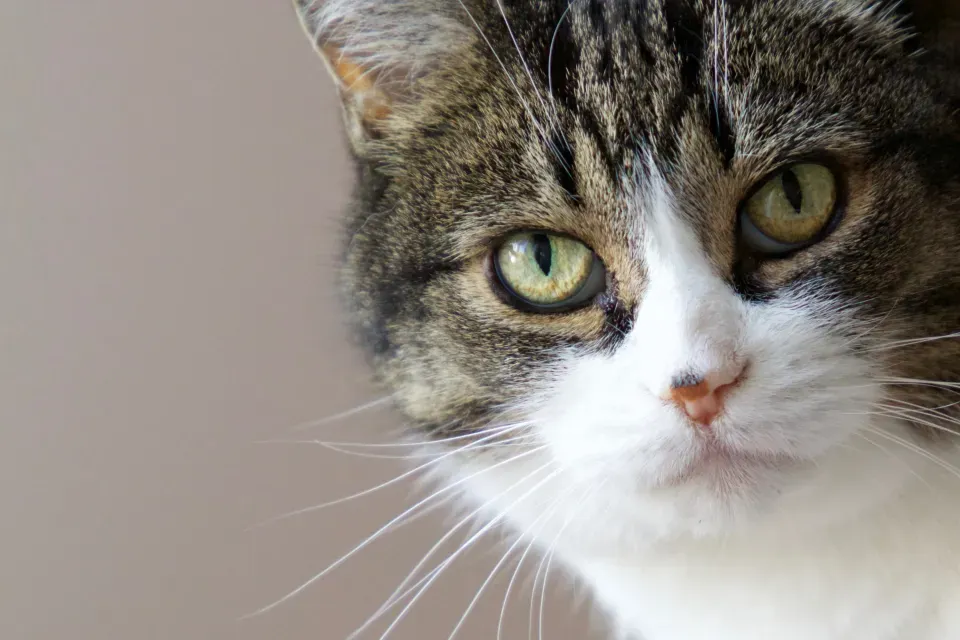
Here’s the thing about cats. They are not silent. They are not unexpressive. They are just speaking a language most humans haven’t bothered to learn. Cats can express their feelings through 276 distinct facial expressions, with changes in head position revealing signs of pain or discomfort. Two hundred and seventy six. That’s more variety than most people use in a typical Tuesday meeting.
Head butts and chin rubbing are clear signs that your cat loves you, because cats have scent glands in their faces that allow them to claim friends and objects as their own. When your cat casually headbutts your shin and walks away, that’s not an accident. That’s a declaration. Cats blink slowly to show affection and relaxation, and if a cat blinks slowly at you, they are not threatened by you. In fact, they trust you. You’ve been receiving love letters in a language you didn’t know existed.
The Myth That Cats Don’t Need You
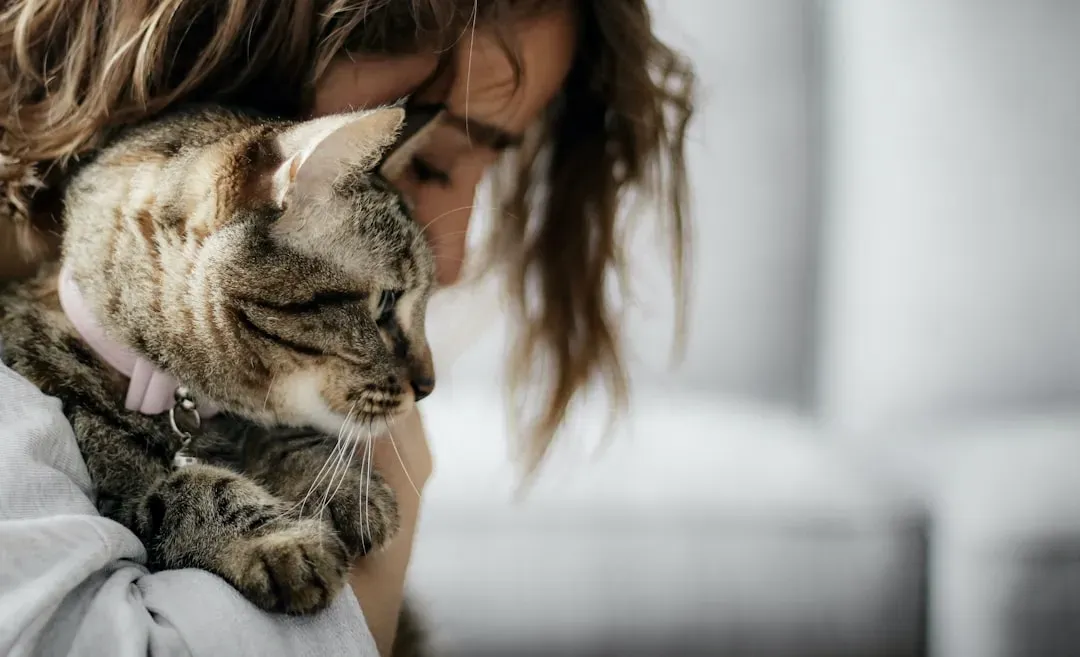
Some people say the reason to get a cat instead of a dog is because cats are so independent. Cats, the theory goes, don’t need your time and attention the way dogs do. They entertain themselves. They can be left alone for hours while you work or play. This belief is not just slightly wrong. It’s the kind of wrong that can genuinely harm the animals in your care.
While it’s true that in general, cats can be kept home alone for longer periods than dogs, they are still dependent on us and are not low-maintenance companions. The misconception that cats are independent and require little or no care causes many of them to suffer needlessly both physically and emotionally. Your cat may not bark or scratch the furniture when you leave, but that quiet composure can mask something much more difficult underneath. Cats need your companionship and, in fact, some will go through separation anxiety if left alone too often or for too long.
Breed Personality, Individual Character, and the Spectrum of Aloofness
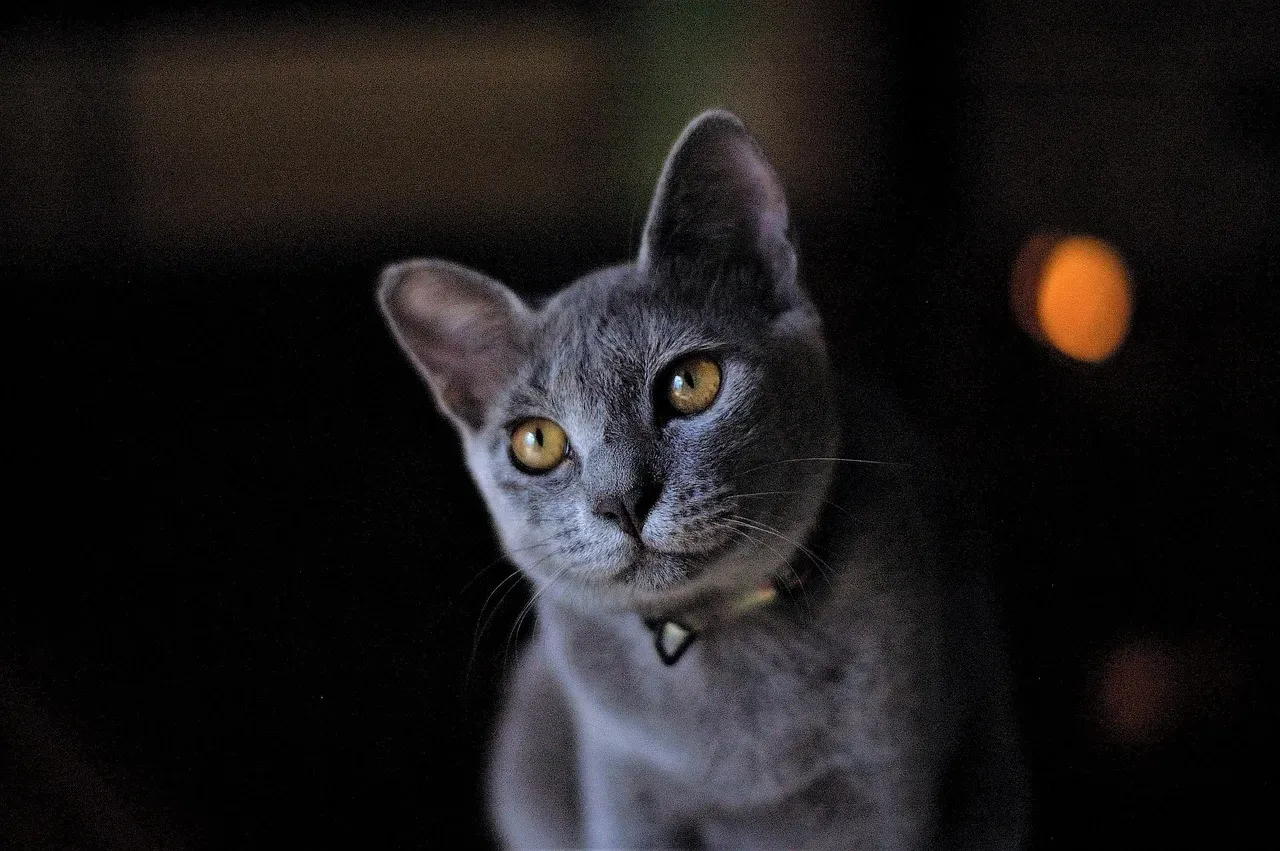
Let’s be real. Not every cat is the same, and pretending otherwise does a disservice to the fascinating range of personalities these animals carry. Like people, cats enjoy a full spectrum of personality types, preferences, and behaviors. Some cats are more introverted and need more time alone in any given day. Other cats can’t wait for you to take them on a leash-walk so they can catch up with all their friends in the neighborhood.
Sometimes, the cat’s breed will have an impact on the level of independence. The RagaMuffin, for example, is known to love being with people, while the Russian Blue or Persian breeds are often happy with their own company. The Norwegian Forest Cat is a very active breed that loves hunting and climbing, while a British Shorthair likes to relax and will be quite happy to keep you company. So if your cat seems more aloof than others, it’s worth considering that a large part of that behavior is simply personality, not rejection. It’s hard to say for sure where the line is between breed, upbringing, and individual temperament, but all three clearly matter.
Your Relationship with Your Cat Is More Nuanced Than You Think
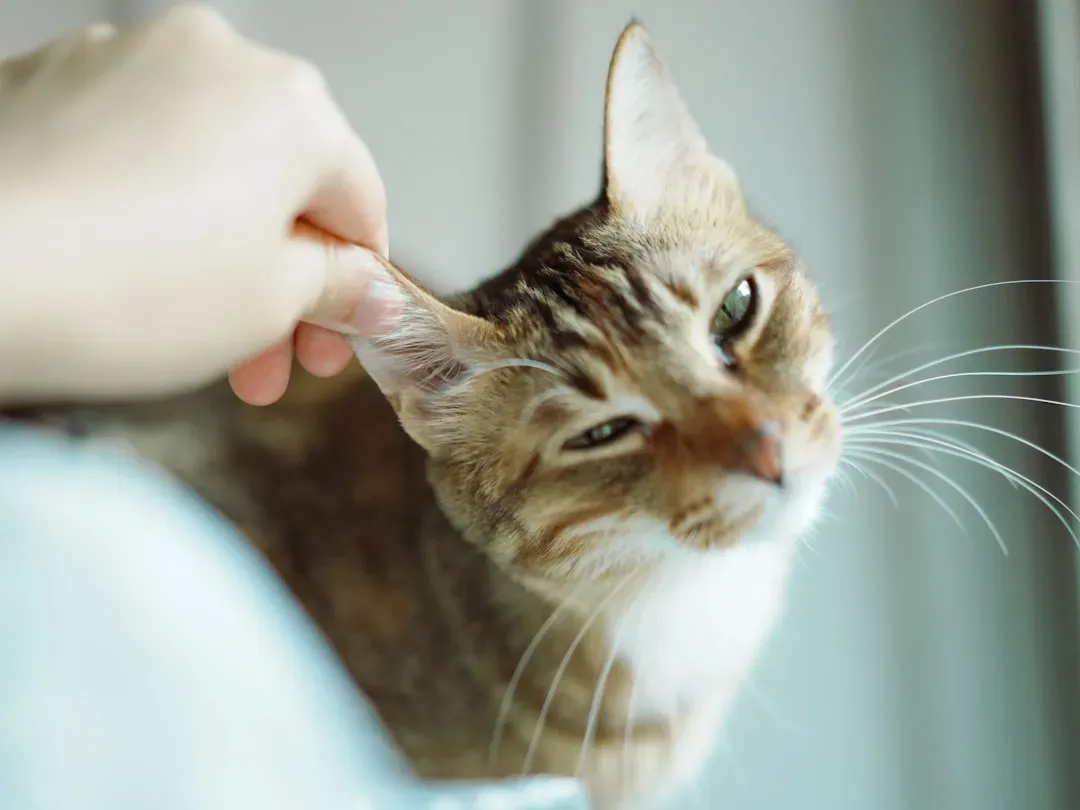
Researchers have found that the bond between a cat and its owner isn’t one-size-fits-all. Five distinct forms of cat-owner relationship have been identified. These constitute what researchers describe as an “open relationship,” “remote association,” “casual relationship,” “co-dependence,” and “friendship.” You and your cat are, in a very real sense, in a defined relationship type. That’s both deeply endearing and slightly hilarious.
As with any complex social relationship, the type of cat-owner bond that develops is the product of the dynamic that exists between both individuals, along with certain personality features, of which the wider sociability of the cat and owner expectations may be particularly important. In other words, you are co-authoring this relationship with your cat every single day. Like any relationship, you get out what you put in, and if you respect that your cat sometimes likes its independence, it will make all the sociable interactions you have all the more special.
What You Can Do to Truly Connect with Your Cat
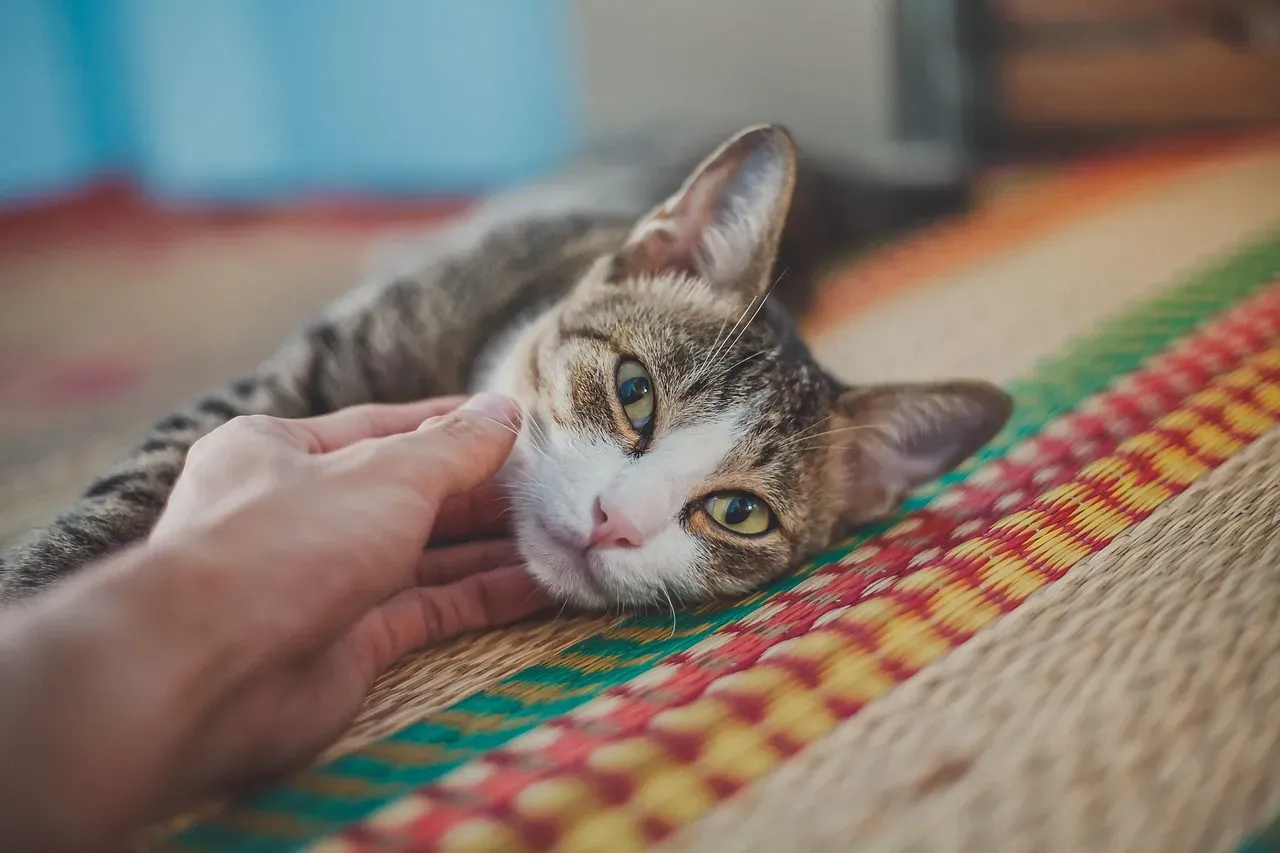
You don’t need to trick or force your way into your cat’s affections. That approach, actually, tends to backfire spectacularly. By acknowledging their need for personal space and offering opportunities for interaction at their pace, you can nurture a harmonious connection with your feline friend. Think of it like building trust with a very private person. You show up consistently, you don’t push, and you let them come to you on their own schedule.
The best way to deepen your connection is through consistency and patience. When your cat feels understood, they will be more affectionate and relaxed. Simple things matter more than you’d think. Try mimicking your cat’s communication sometimes, returning slow blinks, speaking softly, or sitting nearby without reaching out. These small gestures reassure your cat that you are part of their trusted circle. Honestly, it’s less about grand gestures and more about learning to speak the same quiet language your cat has been using all along.
Conclusion: The Performance of Indifference Is a Love Language
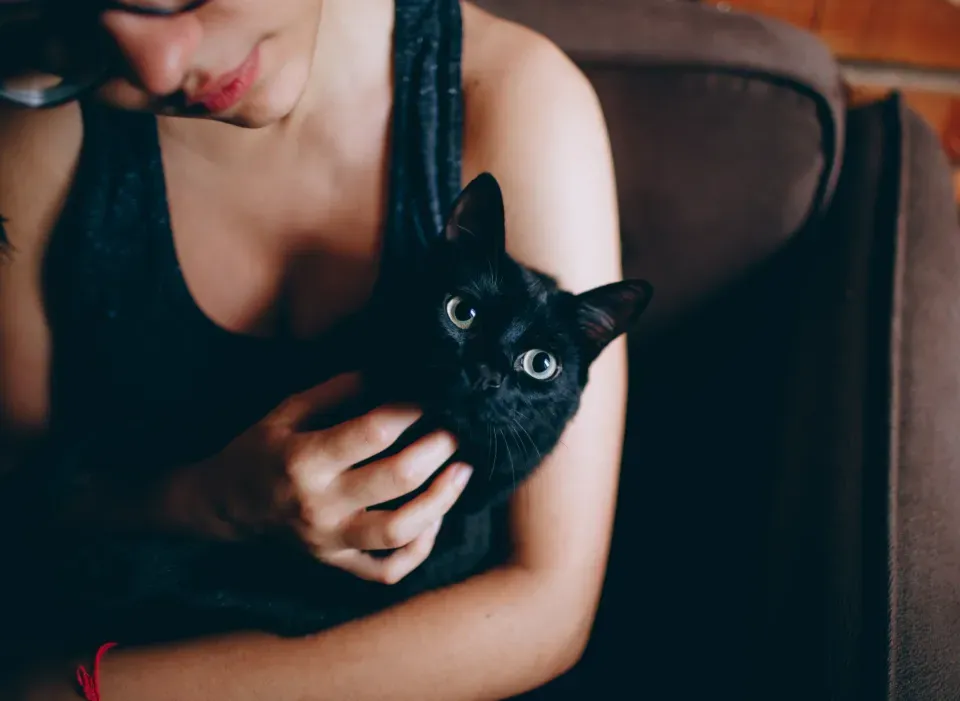
Here’s what it all comes down to. Your cat is not a small, furry robot programmed to tolerate you. It is a highly evolved, emotionally complex animal carrying thousands of years of solitary survival instinct right alongside a genuine, scientifically verified capacity for love and attachment. The aloofness is real in its roots but misleading in its meaning. Think of it less like coldness and more like a seasoned introvert at a social gathering. Present, aware, and far more invested than they appear.
Cat owners are inclined toward agreement that cats are independent and have fewer social needs than other animals. Such beliefs are not supported by scientific data on cat social behavior and may result in failure to meet cats’ individual social or environmental needs. The more you understand the truth behind the illusion, the richer your relationship with your cat becomes. Every slow blink, every casual headbutt, every time they choose to sit exactly three inches away from you rather than across the room, those are choices. Your cat is choosing you, just in the way only a cat can.
What would you have guessed about your cat’s inner life before you knew all of this? Tell us in the comments.