You’ve probably felt it before. Your cat curls up in your lap, closes its eyes, and suddenly that soft, steady rumble begins rolling through its body and right into yours. It feels almost hypnotic. A little like white noise. A little like therapy. Honestly, it’s one of the most quietly extraordinary sensations in everyday life, and most people never stop to wonder what’s actually happening beneath that fur.
Here’s the thing though: a cat’s purr is far more complex than it looks or sounds. Science has been slowly peeling back the layers on this phenomenon for decades, and what’s been discovered is genuinely surprising. From vibration frequencies that mirror medical therapy equipment, to hormonal changes in your brain, to a kitten’s earliest survival tool, the purr is a full-on biological event. So let’s dive in, because you’re about to see your cat in a completely different light.
The Remarkable Science of How the Purr Is Actually Made
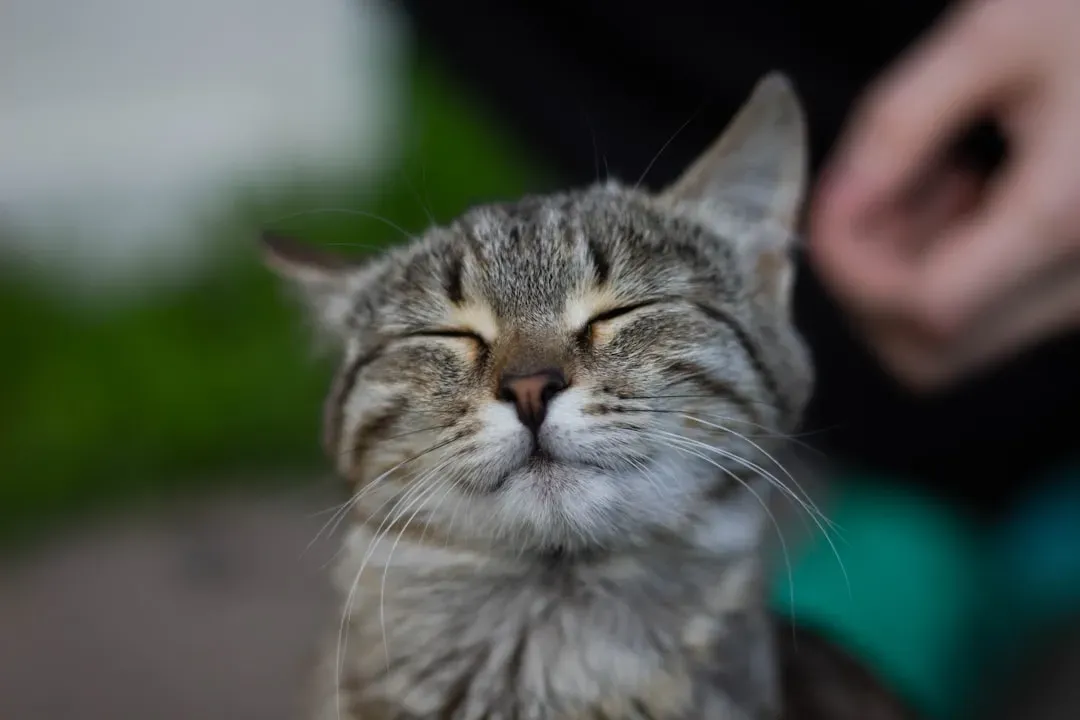
Most people assume a cat simply “decides” to purr the way a human might hum a tune. The reality is far more intricate than that. When cats purr, signals are sent to the muscles of the voice box as well as the diaphragm, and these signals cause the vocal cords to vibrate. The mechanism is almost like a perfectly engineered biological instrument built into every domestic cat on the planet.
Purring is generated by the rapid contraction and relaxation of the muscles within a cat’s larynx and diaphragm, with those contractions occurring at a frequency of 25 to 150 vibrations per second. As a cat breathes in and out, the air passes over these vibrating muscles, creating the distinctive purring sound. What makes this even more interesting is recent research suggesting the process may be even more passive and automatic than scientists once believed.
Without any active neural control, excised cat larynges in laboratory testing produced self-sustaining oscillations at frequencies between 25 and 30 Hz, suggesting purring may not necessarily require active muscle contractions. Think of it like a guitar string. You pluck it once, and it just keeps resonating on its own. Your cat’s throat may operate on a surprisingly similar principle.
The Frequency Range That Changes Everything
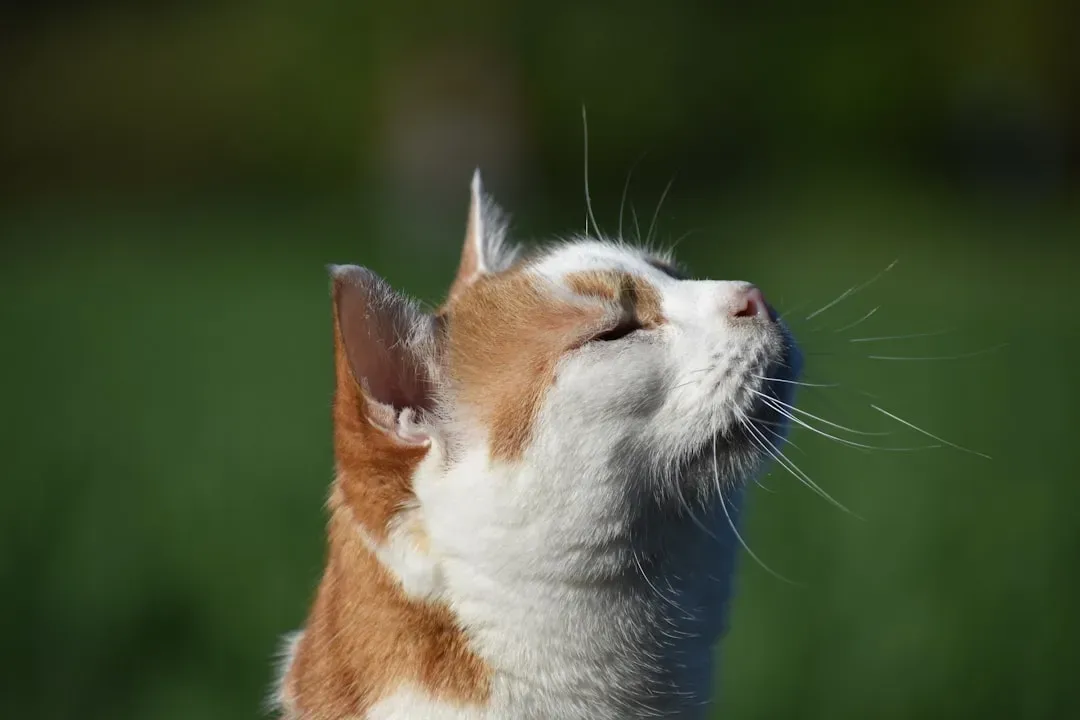
Here’s where things get genuinely fascinating. It’s one thing for a cat to vibrate. It’s another thing entirely when that vibration lands in a medically significant frequency range. Most cats purr at a frequency between 25 and 150 Hertz, which is the same frequency range known to promote healing and reduce pain in humans and animals. That’s not a coincidence scientists are comfortable brushing aside.
Every felid studied generated strong frequencies between 25 and 150 Hz, and those purr frequencies correspond to vibrational and electrical frequencies used in treatment for bone growth, fractures, pain, edema, muscle growth, strain, joint flexibility, and wounds. Essentially, when your cat climbs on your chest and starts purring, it’s doing something that, in a clinical setting, would require an actual therapy device to replicate.
Notably, frequencies around 25 to 50 Hz have been used in human medical therapy to accelerate fracture healing, suggesting a striking convergence between feline biology and vibrational medicine. I think the word “remarkable” gets overused, but in this case it truly applies. Your cat is, in a very real sense, a small walking sound therapy machine.
Why Cats Don’t Only Purr When They’re Happy
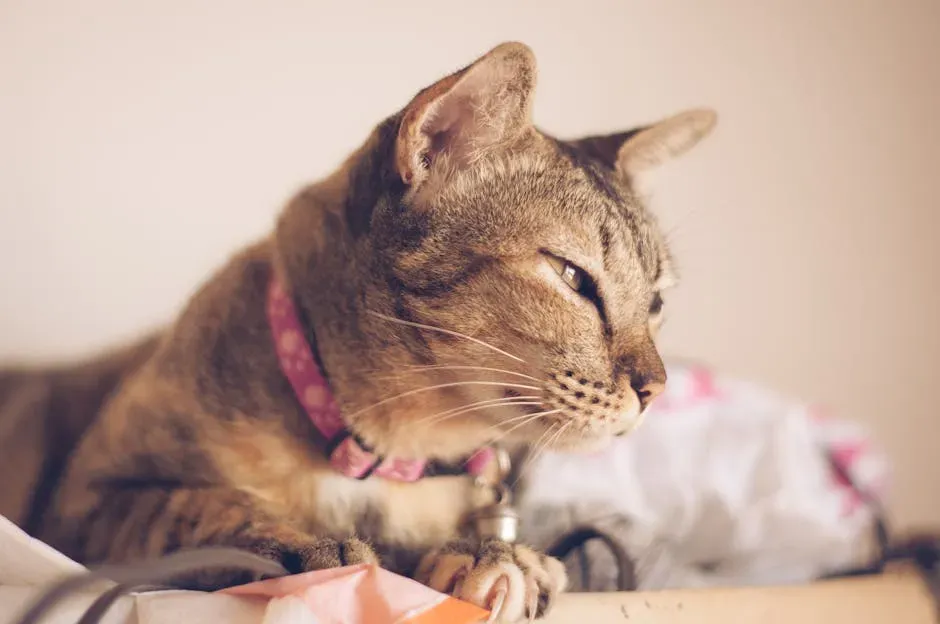
Let’s be real: most of us grow up believing a purring cat is a happy cat. Full stop. But the truth is considerably more layered than that, and once you understand it, you’ll never interpret your cat’s purr quite the same way. Cats purr for a variety of reasons that go beyond contentment. While they do purr when happy and relaxed, they also purr when in pain, anxious, or frightened, and some experts believe cats may purr to help themselves rest or repair injuries.
This biological framework allows cats to purr in situations that span the emotional spectrum: contentment, anxiety, fear, injury, and even near death. The consistency of the mechanism across these contexts means purring simply cannot be equated with happiness alone. Think of it a bit like how humans smile. You smile when you’re genuinely happy, sure. But you also smile when you’re nervous at a job interview, or when you’re trying to make someone else feel at ease. A cat’s purr is their version of that multi-purpose expression.
Cats may purr to calm themselves during stressful situations, such as veterinary visits or when feeling unwell, and purring helps them cope with fear or pain, making it a valuable tool for emotional regulation. So if your cat is purring at the vet, don’t automatically assume contentment. Context, as always, matters enormously.
How Purring Helps Cats Heal Themselves
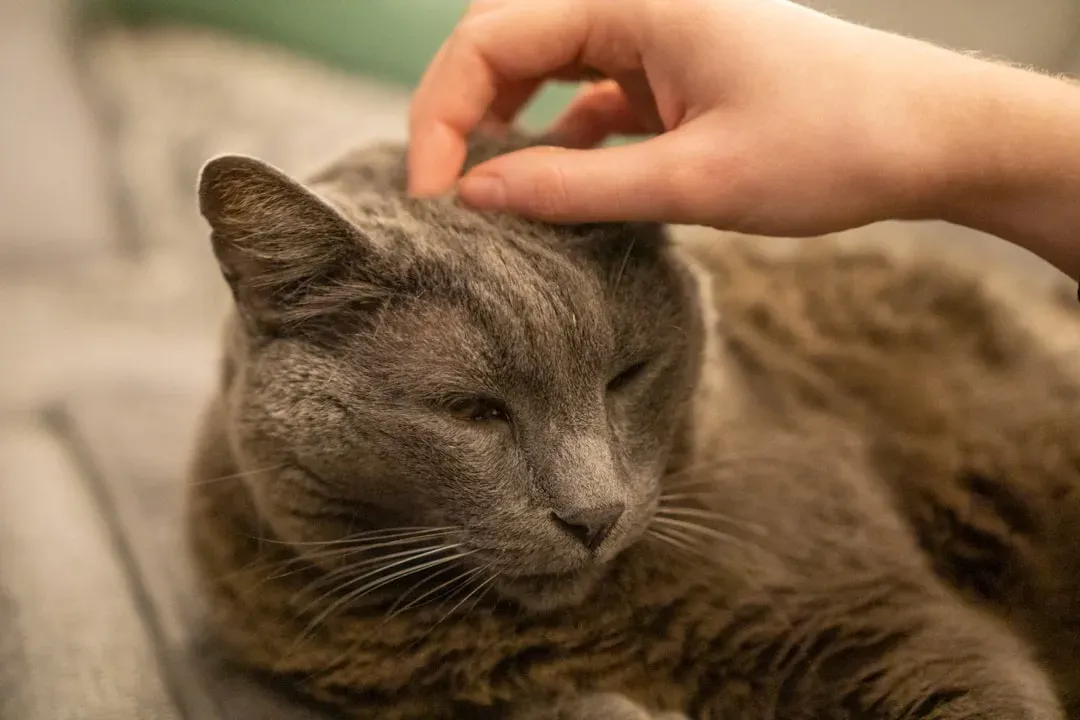
There’s an old saying in veterinary medicine worth knowing: “If you put a cat and a bunch of broken bones in the same room, the bones will heal.” It sounds like a folk legend. It might not be. Cats purr when giving birth to kittens and when mending from physical trauma, and this is supported by the fact that broken feline bones take significantly less time to heal than broken dog bones, while low-frequency vibrations in the range of cat purrs are used to heal complex fractures in humans.
Purring is linked to therapeutic properties that enhance recovery and promote healing. The low-frequency vibrations can stimulate bone growth and enhance wound healing, making it a natural recovery mechanism for cats, suggesting purring serves not only as communication but also as a self-healing tool. That’s genuinely extraordinary when you sit with it for a moment.
Vibrations between 20 and 50 Hz have been clinically shown to increase bone density, while frequencies around 100 Hz promote soft tissue repair. Given that cats spend up to 16 hours a day resting or sleeping, often purring during this time, it’s plausible that consistent exposure to these frequencies contributes to their remarkable resilience and fast recovery from injuries. In other words, your cat’s legendary “nine lives” reputation may have a surprisingly scientific foundation.
The Purr as a Mother and Kitten Lifeline
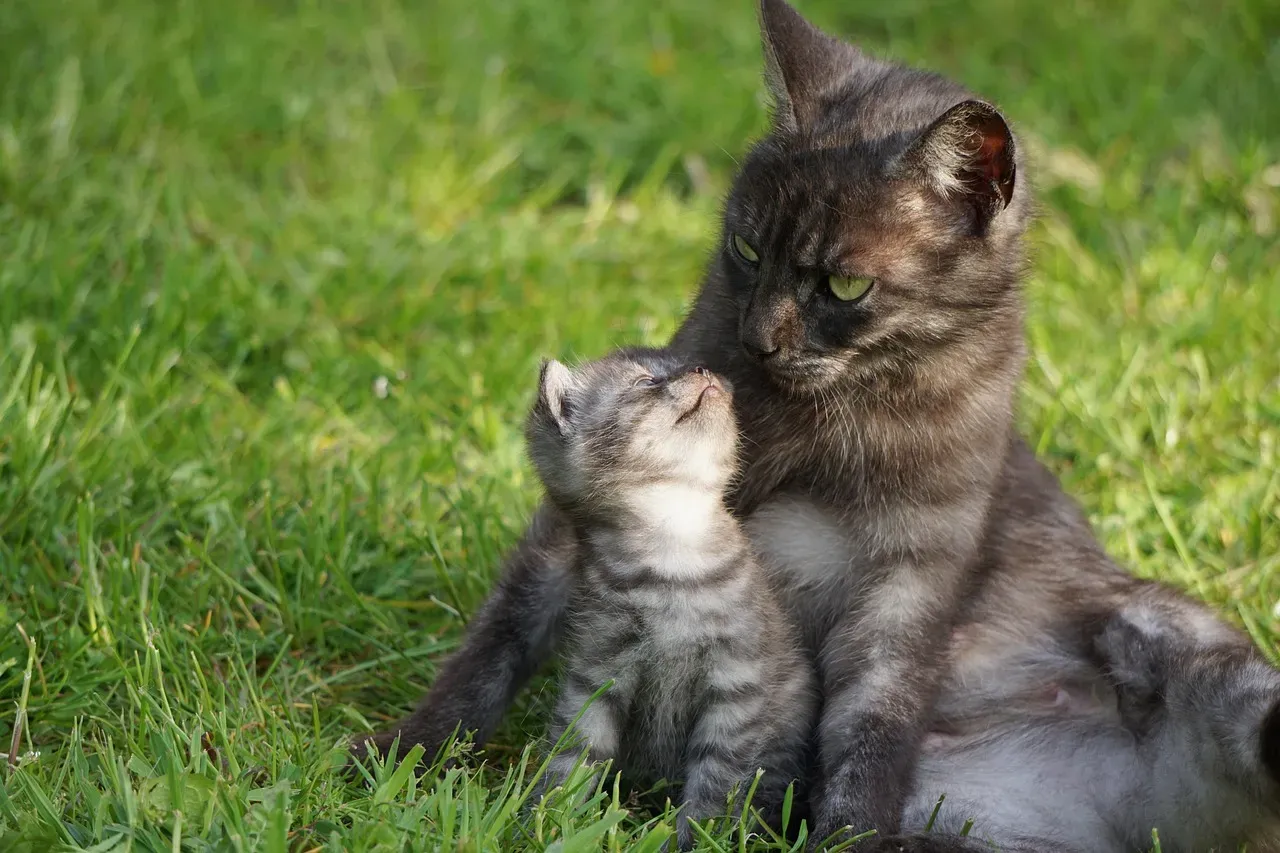
Long before a cat ever learns to purr contentedly on a warm lap, purring serves its most primal purpose: pure survival. Since kittens are born blind and deaf, the vibrations from their mother are crucial to their survival, as the mother will purr to lead the kittens to her for nursing. Imagine being born into total darkness and silence. The only thing guiding you to warmth and food is a vibration you feel in your tiny bones.
Kittens are born blind and deaf, so they rely heavily on touch and smell. Mother cats use soft vibrations to communicate with their kittens, signaling that it’s safe to come closer and nurse. Kittens, in turn, purr back to their mothers, creating a mutual sense of comfort and security. This call-and-response pattern is arguably one of the most emotionally tender forms of communication in the entire animal kingdom.
Kittens can purr as young as two days of age, and they purr while nursing from their mother, only stopping long enough to swallow. It is hard not to find that at least a little bit magical. That tiny rumble, barely days old, already building the foundation of a lifelong language.
What the Purr Does to Your Heart and Blood Pressure
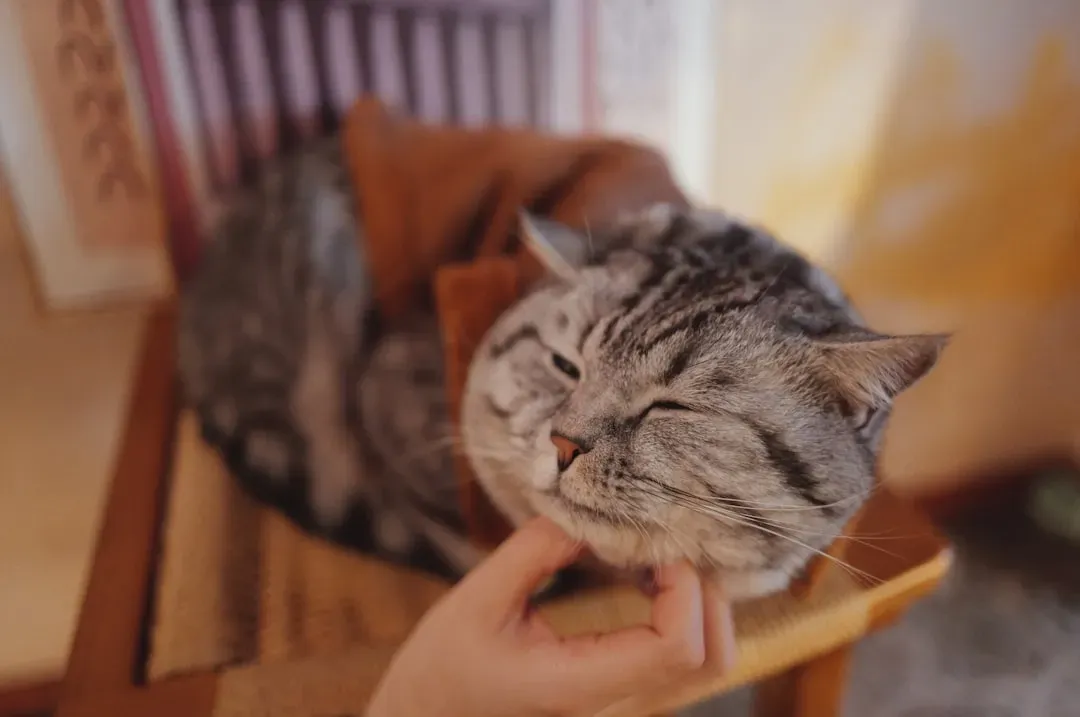
You already know intuitively that sitting with a purring cat makes you feel better. It turns out your body knows something your conscious mind is just beginning to catch up with. The cat purring effect on humans includes benefits like lowering blood pressure, promoting healing, and reducing the risk of heart disease. Studies have shown that cat owners are less likely to suffer from heart disease compared to those without cats, and the soothing effects of purring help reduce blood pressure, which can lower the risk of heart attacks and strokes.
The soothing vibrations of a cat’s purr can help regulate the autonomic nervous system, which controls involuntary bodily functions like heart rate and breathing. By lowering stress and triggering the body’s relaxation response, purring promotes a sense of calm, balance, and emotional well-being. Think of the autonomic nervous system as your body’s autopilot. When it’s dysregulated, everything feels like an uphill battle. Your cat, purring quietly beside you, is literally helping to recalibrate that system.
The University of Minnesota’s Stroke Institute reported that cat owners have roughly forty percent less risk of suffering a heart attack and have lower triglycerides and cholesterol levels. If that statistic was linked to a new supplement, it would be front page news. The fact that it comes with fur and an attitude makes it no less extraordinary.
The Oxytocin Connection: Your Brain on Purr
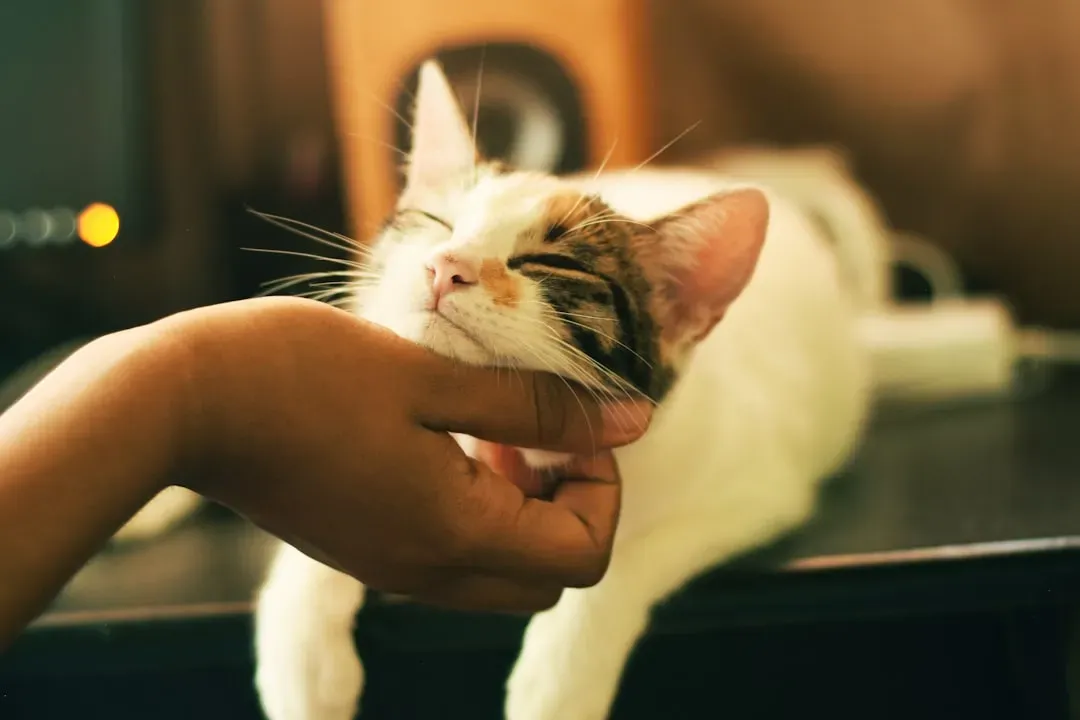
What actually happens inside your brain when that purring starts? The answer involves one of the most powerful bonding chemicals in the human body. The main chemical involved is oxytocin, often called the love hormone. It’s the same neurochemical that surges when a mother cradles her baby or when friends hug, fostering trust and affection, and now studies are showing oxytocin is important in cat-human bonding too.
The act of petting and even the sound of purring can trigger oxytocin release in your brain. One study found this oxytocin rush from gentle cat contact helps lower cortisol, the stress hormone, which in turn can reduce blood pressure and even pain. So next time you sink into the couch with a purring cat, you are experiencing a genuine neurochemical event. That’s not sentiment. That’s biology.
Listening to purring can lower heart rate and blood pressure, and oxytocin mediates these benefits. The companionship of a cat, reinforced by those regular oxytocin boosts from daily interactions, can serve as a buffer against anxiety and depression, in some cases providing comfort on par with human social support. Still think your cat is just being lazy on the couch? Think again.
The “Solicitation Purr”: How Your Cat Is Quietly Manipulating You
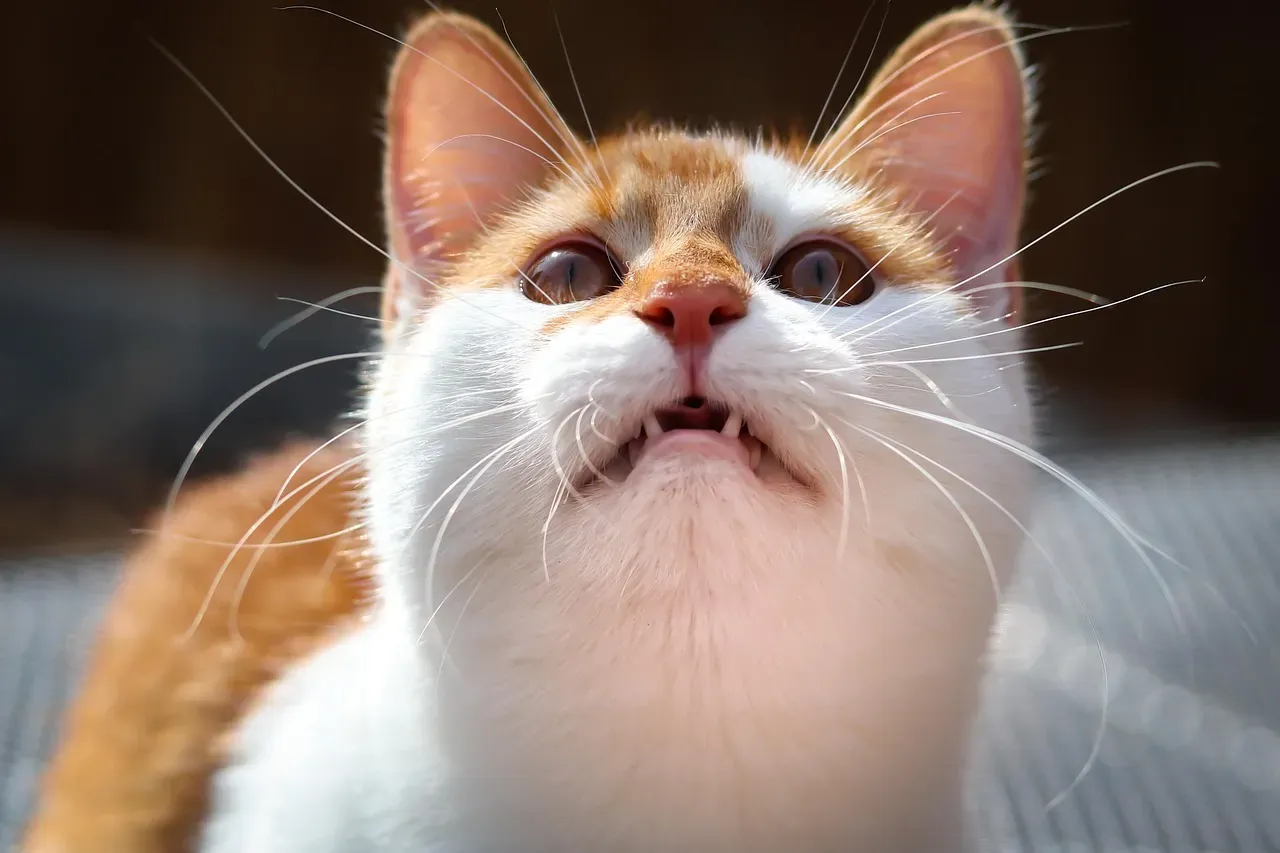
Here’s a twist you might not see coming. Your cat has not one, but multiple types of purrs, and at least one of them is specifically engineered to press your psychological buttons. Cats have been shown to have different types of purrs depending on situations. For example, purring appears to be a way for cats to signal their caregivers for food, and this type of purring has a high-frequency component not present in other purrs. These are called solicitation purrs, and non-solicitation purrs, and the two are distinguishable to humans.
A “solicitation purr” is a specific type that includes a high-frequency element, similar to a baby’s cry, designed to grab human attention and elicit a response, such as feeding. It’s actually a little bit brilliant, if you think about it. Your cat has evolved to embed something resembling an infant’s distress signal right inside its purr, and it works on you every single time. You thought you were in charge of feeding time. Your cat has other ideas.
Research suggests those soothing vibrations are made for several reasons, including an attempt to hijack your innate human psychology. Honestly, I find this equal parts hilarious and impressive. Your cat is not just a companion. It’s a strategist with incredibly soft fur and a sound system built right into its throat.
The Purr’s Broader Healing Impact on Human Mental Health
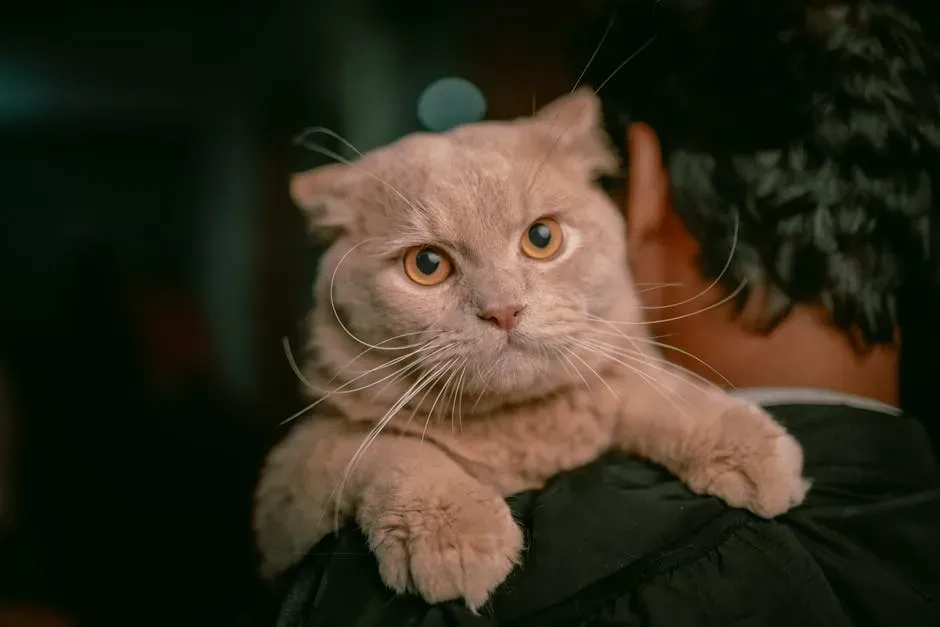
Beyond the physical, the purr reaches something deeper. Something that is harder to measure but impossible to dismiss. Emotional support animals like cats offer vital relief to those experiencing anxiety, depression, or other mental health conditions. Their presence fosters trust, security, and companionship, helping people cope with stress and emotional challenges, and the bond with a cat provides a genuine sense of comfort.
Many cat owners find that sleeping near a purring cat improves their sleep quality. The soft, rhythmic sound acts as a form of white noise, blocking out disruptive sounds and helping the brain enter a state of relaxation. People who suffer from insomnia or frequent nighttime awakenings may experience better sleep when accompanied by a purring feline companion. It’s a free sleep aid that also happens to occasionally knock things off shelves at three in the morning.
Cat ownership is associated with lower levels of depressive symptoms and improved mood. In addition, cat owners have been found to laugh more frequently and spontaneously than non-owners, particularly in response to something their cat has done. In a world that increasingly struggles with loneliness and mental health challenges, that small furry presence, vibrating steadily, might matter more than we’ve ever given it credit for.
Conclusion: Never Underestimate That Rumble
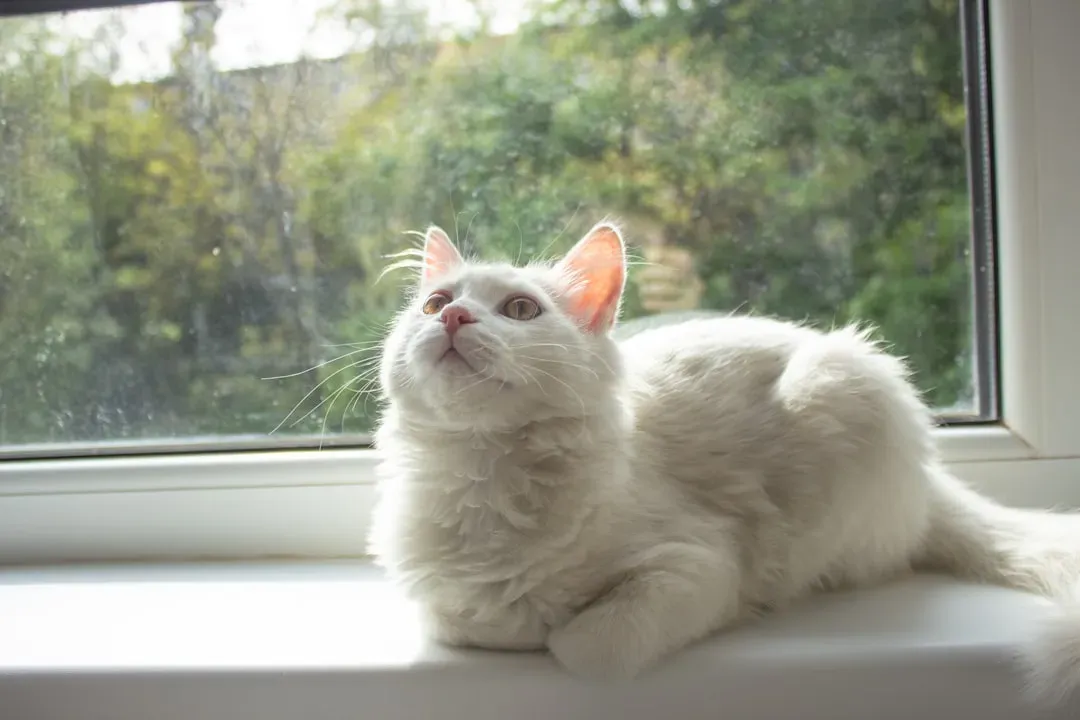
What started as something you assumed was just a pleasant sound has turned out to be a multi-layered biological event touching everything from bone density and blood pressure to brain chemistry and emotional resilience. A cat’s purr is a survival tool, a healing mechanism, a social strategy, and a therapy session, all wrapped up in one continuous, effortless vibration. It’s been doing all of this since the first wildcats crept into human settlements thousands of years ago.
The next time your cat settles in beside you and that familiar rumble begins, you’ll know what’s actually happening beneath the surface. You’re not just experiencing comfort. You’re receiving something measurable, scientific, and genuinely good for your body and your mind. That is, as long as you’ve earned your cat’s trust enough for them to gift it to you in the first place.
So here’s something worth thinking about: knowing everything science has uncovered about the power of a cat’s purr, does it change how you feel when your cat curls up and starts that rhythmic hum? We’d love to hear your thoughts in the comments below.