For more than 700 days, one feline has lingered in a California animal shelter, waiting for a forever home. What initially seemed like an ordinary shelter story quickly touched the hearts of thousands online when the true reason behind her long stay emerged. The tale of this overlooked cat—named Cordova—highlights powerful and often misunderstood barriers faced by animals deemed “less adoptable,” sparking emotion and conversation across social platforms.
A Heartbreaking Shelter Reality
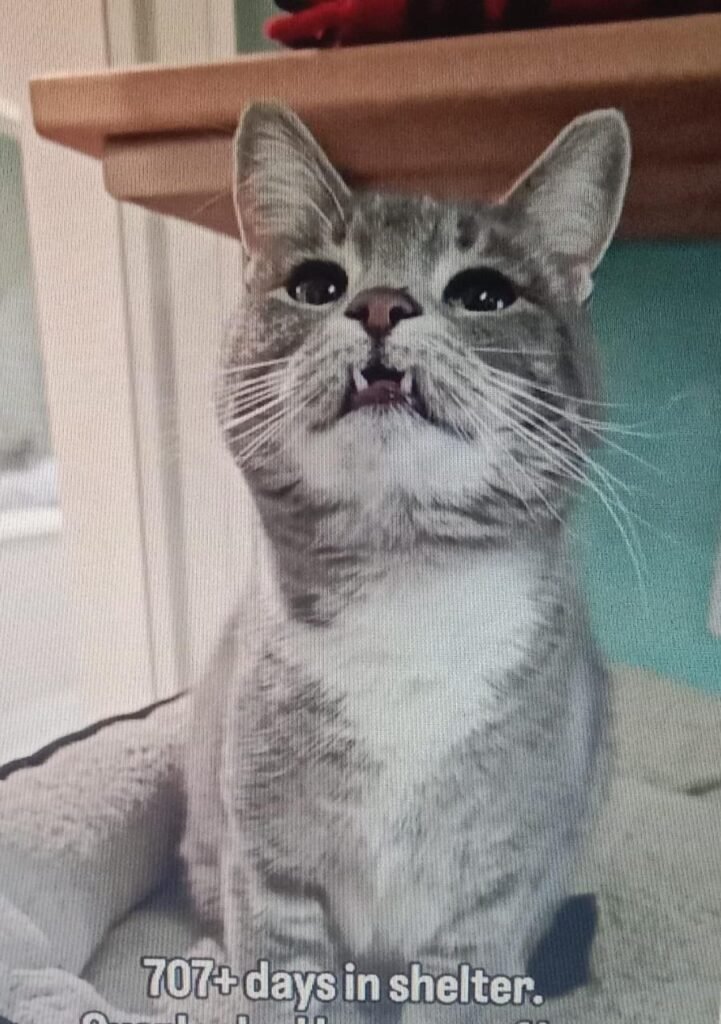
Cordova’s story began at the Valley Animal Center in Fresno, California. Despite a gentle personality and affectionate nature, she remained at the shelter for over 700 days without being adopted. This lengthy stay is far longer than average and immediately struck a chord with animal lovers around the world. A video shared by the shelter revealed her calm disposition, showing her enjoying pets and interaction—yet still left waiting.
The reason for this prolonged stay was both simple and heartbreaking: Cordova’s appearance. Specifically, she has an underbite, a physical feature that unfortunately influenced potential adopters’ decisions. Although this trait does not affect her health or ability to form bonds, it became an unintended barrier to finding her a home.
Viral Attention and Public Response
Once the shelter posted a video of Cordova on Instagram, the reaction was swift. The clip garnered millions of views and tens of thousands of likes, with commenters expressing sorrow and disbelief that such a sweet cat could go unnoticed for so long. Many social media users pointed out that pets with unconventional looks often get overlooked, despite being just as loving and deserving of homes.
Shelter staff noticed that responses ranged from compassionate to frustrated, with many observers calling on others to reconsider how they evaluate pets. Some highlighted how unconscious preferences for certain physical traits can shape adoption trends—sometimes to a pet’s detriment.
The Impact of “Less Adoptable” Labels
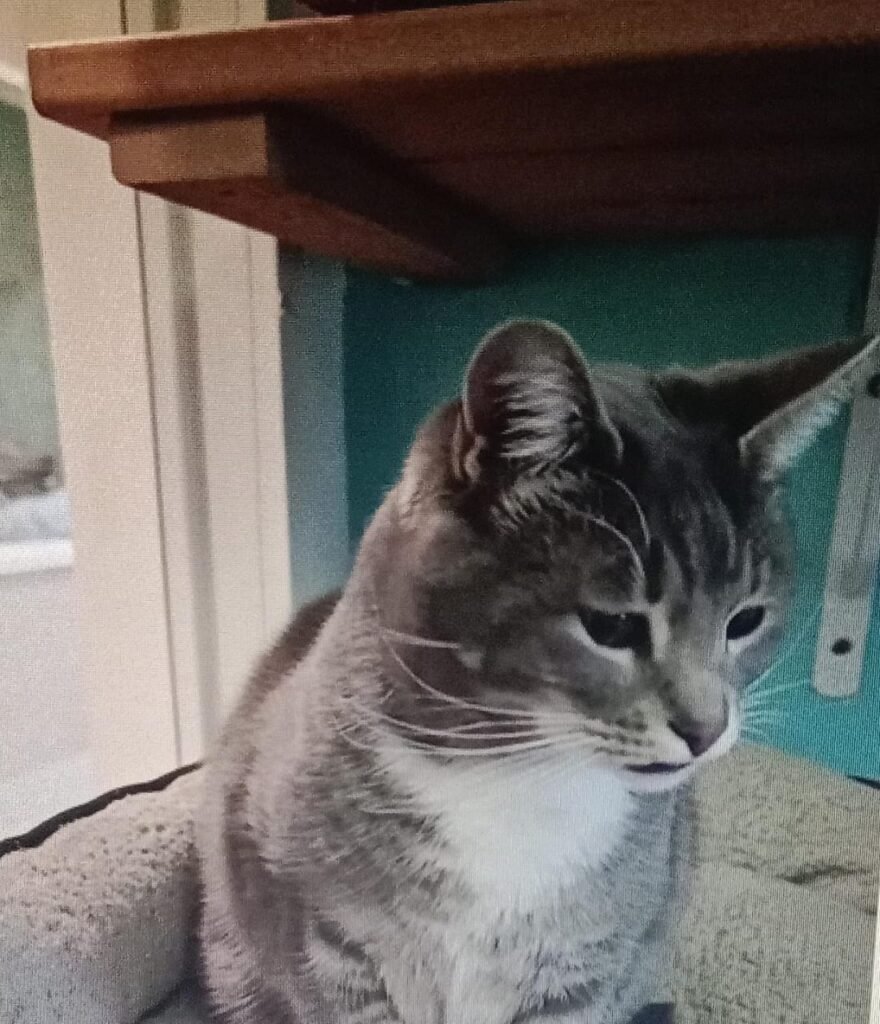
Animal welfare advocates emphasize that factors like appearance, age, and physical features can unfairly influence adoption decisions. In Cordova’s case, her underbite—though harmless—became a defining factor in how people perceived her. Experts note that such superficial criteria can overshadow personality, temperament, and suitability for loving homes.
Research and shelter reports also consistently find that animals with visible differences or special needs often wait longer for adoption. These pets might require more patience or understanding, but they are no less capable of forming deep emotional bonds with their families.
What the Shelter Experienced
Staff from the Valley Animal Center underscored Cordova’s positive traits. According to those who cared for her daily, she was affectionate, calm, and good with other cats—traits that make her a great companion in the right home. Volunteers often praised her presence and encouraged adopters to look past her unique features.
Despite her lengthy stay, Cordova’s spirit remained intact. The shelter’s efforts to share her story publicly were driven not just by sadness over her long stay, but by a deep belief that the right family was out there—just waiting to say yes.
A Christmas Miracle and Broader Takeaways
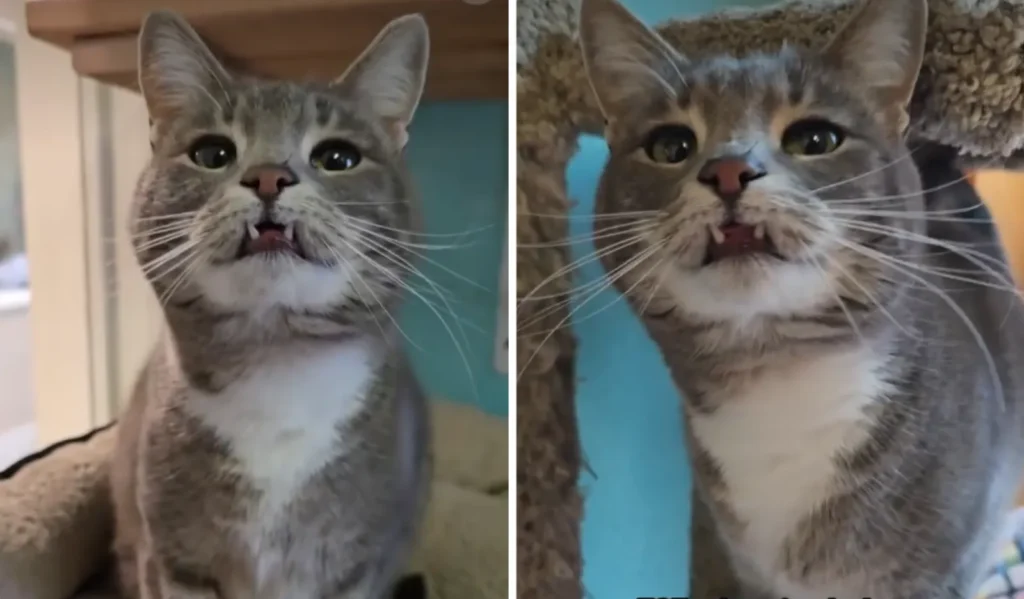
The story took a hopeful turn: Cordova was eventually adopted after her tale spread widely online. What many began as a heart-wrenching narrative ultimately led to a home for a deserving cat—an outcome that warmed hearts and offered a reminder of the power of awareness and advocacy.
Beyond Cordova’s adoption, her experience raises essential questions about how society values companion animals. It pushes adopters and shelter visitors to evaluate pets based on personality and compatibility rather than superficial traits. Being informed can help more animals like Cordova find homes faster and with less emotional strain.
Looking Ahead: How Adoption Can Change
Animal shelters across the country continue to see pets wait longer due to misconceptions about age, appearance, or health status. Education campaigns and thoughtful storytelling are key tools in breaking down these barriers. Advocates encourage potential adopters to spend time with animals individually and learn about their stories before making decisions.
In addition, social media and viral content have proven to be powerful allies for shelters. In Cordova’s case, widespread online attention helped shift her trajectory and gave her the chance for a loving home that might not have emerged otherwise.
Cordova’s more than 700-day wait in a shelter is a poignant reminder of both the challenges and opportunities within animal adoption systems. Her eventual adoption represents hope, but her story also underscores the need for broader understanding and empathy toward animals who don’t fit conventional expectations. As shelters, advocates, and adopters work together, pets once overlooked have a better chance to find the love they deserve—proving that every animal’s story matters.